•  

Mexico: Wildfire Breaks Out in Atizapán de Zaragoza, State of Mexico

Firefighters in Atizapán de Zaragoza, State of Mexico, contained a major forest fire on Wednesday, February 18. The blaze erupted around 2:00 p.m. in the Lomas de Atizapán area, spreading rapidly through dry brush and fueled by strong winds. By late evening, Municipal President Pedro Rodríguez Villegas confirmed the fire was under control and all previously blocked roads had been reopened to traffic. No civilian injuries or structural losses were reported.

  •  

Mexico: Wildfire Breaks Out in Atizapán de Zaragoza, State of Mexico 2

Firefighters in Atizapán de Zaragoza, State of Mexico, contained a major forest fire on Wednesday, February 18. The blaze erupted around 2:00 p.m. in the Lomas de Atizapán area, spreading rapidly through dry brush and fueled by strong winds. By late evening, Municipal President Pedro Rodríguez Villegas confirmed the fire was under control and all previously blocked roads had been reopened to traffic. No civilian injuries or structural losses were reported.

  •  

Japan: Self Defense Force Requested for Spreading Wildfire in Western Saitama

A wildfire that was initially contained after breaking out in Chichibu, western Saitama, on Wednesday, February 4, expanded to 40 hectares after reigniting Thursday night. The prefectural government was prompted to request the dispatch of the Self-Defense Forces on Friday to combat the spreading blaze.

  •  
Gaza Port After Storm - Palestine

Gaza Port After Storm - Palestine

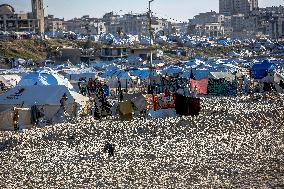
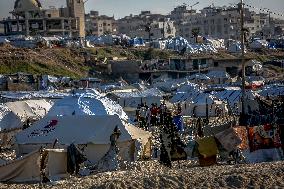
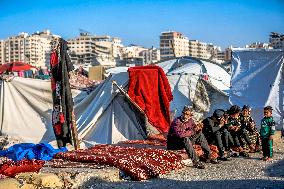
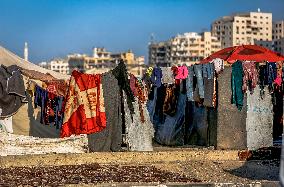
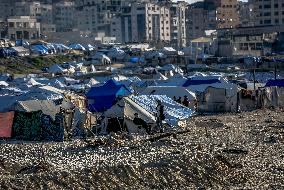
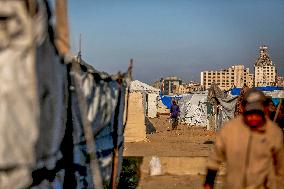
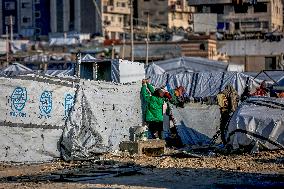
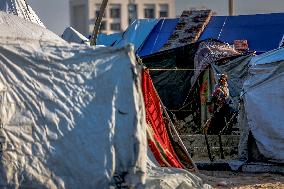
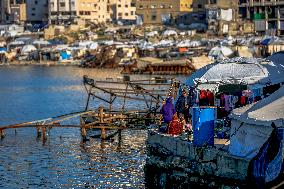
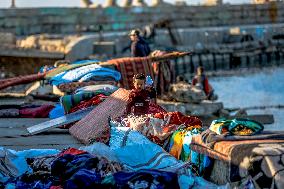
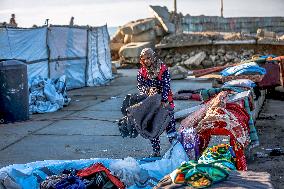
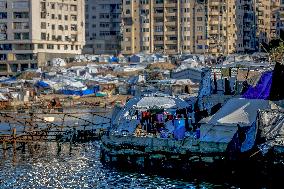
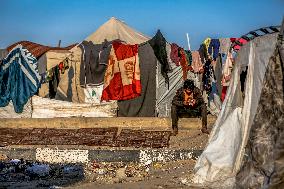
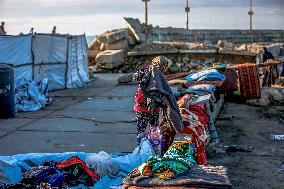
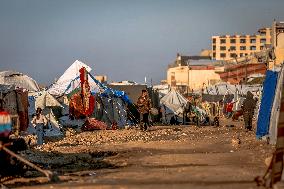
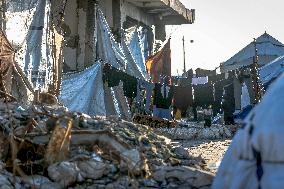
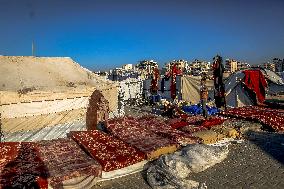
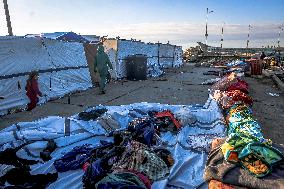
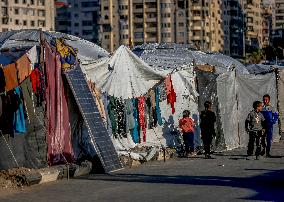
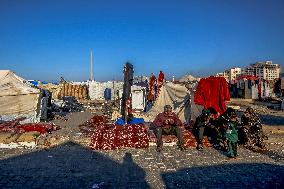
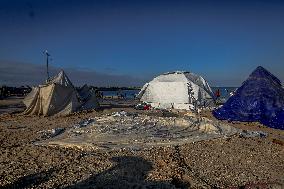
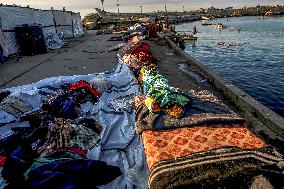
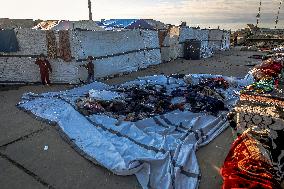
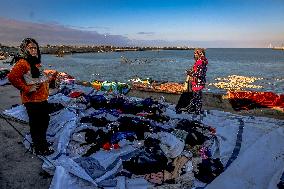
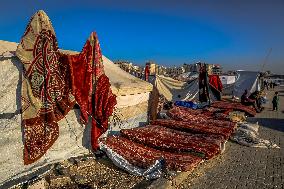
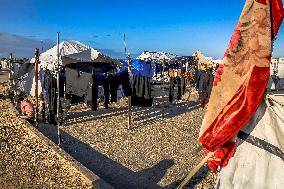
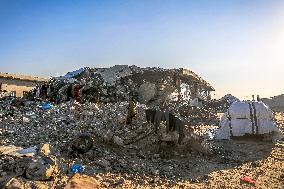
Displaced Palestinians dry their belongings along the Gaza Port on January 16, 2026, after severe winter winds struck the enclave. A fragile ceasefire has held since October, following a war triggered by Hamas's October 7, 2023 attack, which left nearly 80 percent of Gaza's buildings destroyed or damaged, according to UN data. Photo by Saeed Jaras/Middle East Images/ABACAPRESS.COM

  •  
Gaza Port After Storm - Palestine

Gaza Port After Storm - Palestine

Displaced Palestinians dry their belongings along the Gaza Port on January 16, 2026, after severe winter winds struck the enclave. A fragile ceasefire has held since October, following a war triggered by Hamas's October 7, 2023 attack, which left nearly 80 percent of Gaza's buildings destroyed or damaged, according to UN data. Photo by Saeed Jaras/Middle East Images/ABACAPRESS.COM

  •  
Gaza Port After Storm - Palestine

Gaza Port After Storm - Palestine

Displaced Palestinians dry their belongings along the Gaza Port on January 16, 2026, after severe winter winds struck the enclave. A fragile ceasefire has held since October, following a war triggered by Hamas's October 7, 2023 attack, which left nearly 80 percent of Gaza's buildings destroyed or damaged, according to UN data. Photo by Saeed Jaras/Middle East Images/ABACAPRESS.COM

  •  
Gaza Port After Storm - Palestine

Gaza Port After Storm - Palestine

Displaced Palestinians dry their belongings along the Gaza Port on January 16, 2026, after severe winter winds struck the enclave. A fragile ceasefire has held since October, following a war triggered by Hamas's October 7, 2023 attack, which left nearly 80 percent of Gaza's buildings destroyed or damaged, according to UN data. Photo by Saeed Jaras/Middle East Images/ABACAPRESS.COM

  •  
Gaza Port After Storm - Palestine

Gaza Port After Storm - Palestine

Displaced Palestinians dry their belongings along the Gaza Port on January 16, 2026, after severe winter winds struck the enclave. A fragile ceasefire has held since October, following a war triggered by Hamas's October 7, 2023 attack, which left nearly 80 percent of Gaza's buildings destroyed or damaged, according to UN data. Photo by Saeed Jaras/Middle East Images/ABACAPRESS.COM

  •  
Gaza Port After Storm - Palestine

Gaza Port After Storm - Palestine

Displaced Palestinians dry their belongings along the Gaza Port on January 16, 2026, after severe winter winds struck the enclave. A fragile ceasefire has held since October, following a war triggered by Hamas's October 7, 2023 attack, which left nearly 80 percent of Gaza's buildings destroyed or damaged, according to UN data. Photo by Saeed Jaras/Middle East Images/ABACAPRESS.COM

  •  
Gaza Port After Storm - Palestine

Gaza Port After Storm - Palestine

Displaced Palestinians dry their belongings along the Gaza Port on January 16, 2026, after severe winter winds struck the enclave. A fragile ceasefire has held since October, following a war triggered by Hamas's October 7, 2023 attack, which left nearly 80 percent of Gaza's buildings destroyed or damaged, according to UN data. Photo by Saeed Jaras/Middle East Images/ABACAPRESS.COM

  •  
Gaza Port After Storm - Palestine

Gaza Port After Storm - Palestine

Displaced Palestinians dry their belongings along the Gaza Port on January 16, 2026, after severe winter winds struck the enclave. A fragile ceasefire has held since October, following a war triggered by Hamas's October 7, 2023 attack, which left nearly 80 percent of Gaza's buildings destroyed or damaged, according to UN data. Photo by Saeed Jaras/Middle East Images/ABACAPRESS.COM

  •  
Gaza Port After Storm - Palestine

Gaza Port After Storm - Palestine

Displaced Palestinians dry their belongings along the Gaza Port on January 16, 2026, after severe winter winds struck the enclave. A fragile ceasefire has held since October, following a war triggered by Hamas's October 7, 2023 attack, which left nearly 80 percent of Gaza's buildings destroyed or damaged, according to UN data. Photo by Saeed Jaras/Middle East Images/ABACAPRESS.COM

  •  
Gaza Port After Storm - Palestine

Gaza Port After Storm - Palestine

Displaced Palestinians dry their belongings along the Gaza Port on January 16, 2026, after severe winter winds struck the enclave. A fragile ceasefire has held since October, following a war triggered by Hamas's October 7, 2023 attack, which left nearly 80 percent of Gaza's buildings destroyed or damaged, according to UN data. Photo by Saeed Jaras/Middle East Images/ABACAPRESS.COM

  •  
Gaza Port After Storm - Palestine

Gaza Port After Storm - Palestine

Displaced Palestinians dry their belongings along the Gaza Port on January 16, 2026, after severe winter winds struck the enclave. A fragile ceasefire has held since October, following a war triggered by Hamas's October 7, 2023 attack, which left nearly 80 percent of Gaza's buildings destroyed or damaged, according to UN data. Photo by Saeed Jaras/Middle East Images/ABACAPRESS.COM

  •  
Gaza Port After Storm - Palestine

Gaza Port After Storm - Palestine

Displaced Palestinians dry their belongings along the Gaza Port on January 16, 2026, after severe winter winds struck the enclave. A fragile ceasefire has held since October, following a war triggered by Hamas's October 7, 2023 attack, which left nearly 80 percent of Gaza's buildings destroyed or damaged, according to UN data. Photo by Saeed Jaras/Middle East Images/ABACAPRESS.COM

  •  
Gaza Port After Storm - Palestine

Gaza Port After Storm - Palestine

Displaced Palestinians dry their belongings along the Gaza Port on January 16, 2026, after severe winter winds struck the enclave. A fragile ceasefire has held since October, following a war triggered by Hamas's October 7, 2023 attack, which left nearly 80 percent of Gaza's buildings destroyed or damaged, according to UN data. Photo by Saeed Jaras/Middle East Images/ABACAPRESS.COM

  •  
Gaza Port After Storm - Palestine

Gaza Port After Storm - Palestine

Displaced Palestinians dry their belongings along the Gaza Port on January 16, 2026, after severe winter winds struck the enclave. A fragile ceasefire has held since October, following a war triggered by Hamas's October 7, 2023 attack, which left nearly 80 percent of Gaza's buildings destroyed or damaged, according to UN data. Photo by Saeed Jaras/Middle East Images/ABACAPRESS.COM

  •  
Gaza Port After Storm - Palestine

Gaza Port After Storm - Palestine

Displaced Palestinians dry their belongings along the Gaza Port on January 16, 2026, after severe winter winds struck the enclave. A fragile ceasefire has held since October, following a war triggered by Hamas's October 7, 2023 attack, which left nearly 80 percent of Gaza's buildings destroyed or damaged, according to UN data. Photo by Saeed Jaras/Middle East Images/ABACAPRESS.COM

  •  
Gaza Port After Storm - Palestine

Gaza Port After Storm - Palestine

Displaced Palestinians dry their belongings along the Gaza Port on January 16, 2026, after severe winter winds struck the enclave. A fragile ceasefire has held since October, following a war triggered by Hamas's October 7, 2023 attack, which left nearly 80 percent of Gaza's buildings destroyed or damaged, according to UN data. Photo by Saeed Jaras/Middle East Images/ABACAPRESS.COM

  •  
Gaza Port After Storm - Palestine

Gaza Port After Storm - Palestine

Displaced Palestinians dry their belongings along the Gaza Port on January 16, 2026, after severe winter winds struck the enclave. A fragile ceasefire has held since October, following a war triggered by Hamas's October 7, 2023 attack, which left nearly 80 percent of Gaza's buildings destroyed or damaged, according to UN data. Photo by Saeed Jaras/Middle East Images/ABACAPRESS.COM

  •  
Gaza Port After Storm - Palestine

Gaza Port After Storm - Palestine

Displaced Palestinians dry their belongings along the Gaza Port on January 16, 2026, after severe winter winds struck the enclave. A fragile ceasefire has held since October, following a war triggered by Hamas's October 7, 2023 attack, which left nearly 80 percent of Gaza's buildings destroyed or damaged, according to UN data. Photo by Saeed Jaras/Middle East Images/ABACAPRESS.COM

  •  
Gaza Port After Storm - Palestine

Gaza Port After Storm - Palestine

Displaced Palestinians dry their belongings along the Gaza Port on January 16, 2026, after severe winter winds struck the enclave. A fragile ceasefire has held since October, following a war triggered by Hamas's October 7, 2023 attack, which left nearly 80 percent of Gaza's buildings destroyed or damaged, according to UN data. Photo by Saeed Jaras/Middle East Images/ABACAPRESS.COM

  •  
Gaza Port After Storm - Palestine

Gaza Port After Storm - Palestine

Displaced Palestinians dry their belongings along the Gaza Port on January 16, 2026, after severe winter winds struck the enclave. A fragile ceasefire has held since October, following a war triggered by Hamas's October 7, 2023 attack, which left nearly 80 percent of Gaza's buildings destroyed or damaged, according to UN data. Photo by Saeed Jaras/Middle East Images/ABACAPRESS.COM

  •  
Gaza Port After Storm - Palestine

Gaza Port After Storm - Palestine

Displaced Palestinians dry their belongings along the Gaza Port on January 16, 2026, after severe winter winds struck the enclave. A fragile ceasefire has held since October, following a war triggered by Hamas's October 7, 2023 attack, which left nearly 80 percent of Gaza's buildings destroyed or damaged, according to UN data. Photo by Saeed Jaras/Middle East Images/ABACAPRESS.COM

  •  
Gaza Port After Storm - Palestine

Gaza Port After Storm - Palestine

Displaced Palestinians dry their belongings along the Gaza Port on January 16, 2026, after severe winter winds struck the enclave. A fragile ceasefire has held since October, following a war triggered by Hamas's October 7, 2023 attack, which left nearly 80 percent of Gaza's buildings destroyed or damaged, according to UN data. Photo by Saeed Jaras/Middle East Images/ABACAPRESS.COM

  •  
Gaza Port After Storm - Palestine

Gaza Port After Storm - Palestine

Displaced Palestinians dry their belongings along the Gaza Port on January 16, 2026, after severe winter winds struck the enclave. A fragile ceasefire has held since October, following a war triggered by Hamas's October 7, 2023 attack, which left nearly 80 percent of Gaza's buildings destroyed or damaged, according to UN data. Photo by Saeed Jaras/Middle East Images/ABACAPRESS.COM

  •  
Gaza Port After Storm - Palestine

Gaza Port After Storm - Palestine

Displaced Palestinians dry their belongings along the Gaza Port on January 16, 2026, after severe winter winds struck the enclave. A fragile ceasefire has held since October, following a war triggered by Hamas's October 7, 2023 attack, which left nearly 80 percent of Gaza's buildings destroyed or damaged, according to UN data. Photo by Saeed Jaras/Middle East Images/ABACAPRESS.COM

  •  
Gaza Port After Storm - Palestine

Gaza Port After Storm - Palestine

Displaced Palestinians dry their belongings along the Gaza Port on January 16, 2026, after severe winter winds struck the enclave. A fragile ceasefire has held since October, following a war triggered by Hamas's October 7, 2023 attack, which left nearly 80 percent of Gaza's buildings destroyed or damaged, according to UN data. Photo by Saeed Jaras/Middle East Images/ABACAPRESS.COM

  •  
Gaza Port After Storm - Palestine

Gaza Port After Storm - Palestine

Displaced Palestinians dry their belongings along the Gaza Port on January 16, 2026, after severe winter winds struck the enclave. A fragile ceasefire has held since October, following a war triggered by Hamas's October 7, 2023 attack, which left nearly 80 percent of Gaza's buildings destroyed or damaged, according to UN data. Photo by Saeed Jaras/Middle East Images/ABACAPRESS.COM

  •  
Gaza Port After Storm - Palestine

Gaza Port After Storm - Palestine

Displaced Palestinians dry their belongings along the Gaza Port on January 16, 2026, after severe winter winds struck the enclave. A fragile ceasefire has held since October, following a war triggered by Hamas's October 7, 2023 attack, which left nearly 80 percent of Gaza's buildings destroyed or damaged, according to UN data. Photo by Saeed Jaras/Middle East Images/ABACAPRESS.COM

  •  

Japan: Uncontained Forest Fire Expands Across Mount Ougiyama in Yamanashi

The forest fire on Mount Ougiyama in Yamanashi Prefecture scorched approximately 383 hectares since it first ignited on January 8. While authorities lifted evacuation orders for local residents on Sunday, January 18, the blaze remains uncontained with no reported injuries.

  •  

Japan: Uncontained Forest Fire Expands Across Mount Ougiyama in Yamanashi 2

The forest fire on Mount Ougiyama in Yamanashi Prefecture scorched approximately 383 hectares since it first ignited on January 8. While authorities lifted evacuation orders for local residents on Sunday, January 18, the blaze remains uncontained with no reported injuries.

  •  
January Challenge Promotes Alcohol Abstinence - France

January Challenge Promotes Alcohol Abstinence - France

Poster and flyer for January's challenge, Dry January, the idea being to take on the challenge of not drinking alcohol for a month, or to reduce alcohol consumption. Flyer promoting the mydefi app. Slogan: Take on the challenge of not drinking alcohol in January - Photo by Matarezo/ANDBZ/ABACAPRESS.COM

  •  
January Challenge Promotes Alcohol Abstinence - France

January Challenge Promotes Alcohol Abstinence - France

Poster and flyer for January's challenge, Dry January, the idea being to take on the challenge of not drinking alcohol for a month, or to reduce alcohol consumption. Flyer promoting the mydefi app. Slogan: Take on the challenge of not drinking alcohol in January - Photo by Matarezo/ANDBZ/ABACAPRESS.COM

  •  
January Challenge Promotes Alcohol Abstinence - France

January Challenge Promotes Alcohol Abstinence - France

Poster and flyer for January's challenge, Dry January, the idea being to take on the challenge of not drinking alcohol for a month, or to reduce alcohol consumption. Flyer promoting the mydefi app. Slogan: Take on the challenge of not drinking alcohol in January - Photo by Matarezo/ANDBZ/ABACAPRESS.COM

  •  
January Challenge Promotes Alcohol Abstinence - France

January Challenge Promotes Alcohol Abstinence - France

Poster and flyer for January's challenge, Dry January, the idea being to take on the challenge of not drinking alcohol for a month, or to reduce alcohol consumption. Flyer promoting the mydefi app. Slogan: Take on the challenge of not drinking alcohol in January - Photo by Matarezo/ANDBZ/ABACAPRESS.COM

  •  
Lake Urmia Environmental Disaster - Iran

Lake Urmia Environmental Disaster - Iran

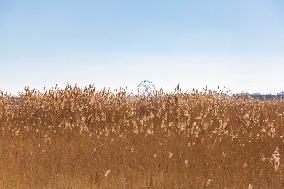
A view shows dry reeds on the dry bed of Lake Urmia in northwestern Iran on December 20, 2025. Lake Urmia, once the largest lake in the Middle East, has dramatically shrunk due to prolonged drought, the damming of rivers feeding the lake, and extensive groundwater extraction in the surrounding area. Although increased rainfall and water diversion briefly helped restore water levels in 2019, renewed drought and administrative mismanagement in the early 2020s reversed the trend, and satellite imagery shows the lake has almost entirely dried up by September 2025. Photo by Morteza Aminoroayayi/Middle East Images/ABACAPRESS.COM

  •  
Lake Urmia Environmental Disaster - Iran

Lake Urmia Environmental Disaster - Iran

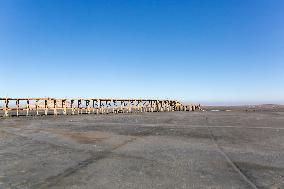
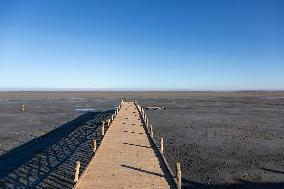
A view shows a wooden pier on the dry bed of Lake Urmia in northwestern Iran on December 20, 2025. Lake Urmia, once the largest lake in the Middle East, has dramatically shrunk due to prolonged drought, the damming of rivers feeding the lake, and extensive groundwater extraction in the surrounding area. Although increased rainfall and water diversion briefly helped restore water levels in 2019, renewed drought and administrative mismanagement in the early 2020s reversed the trend, and satellite imagery shows the lake has almost entirely dried up by September 2025. Photo by Morteza Aminoroayayi/Middle East Images/ABACAPRESS.COM

  •  
Lake Urmia Environmental Disaster - Iran

Lake Urmia Environmental Disaster - Iran

A view shows a wooden pier on the dry bed of Lake Urmia in northwestern Iran on December 20, 2025. Lake Urmia, once the largest lake in the Middle East, has dramatically shrunk due to prolonged drought, the damming of rivers feeding the lake, and extensive groundwater extraction in the surrounding area. Although increased rainfall and water diversion briefly helped restore water levels in 2019, renewed drought and administrative mismanagement in the early 2020s reversed the trend, and satellite imagery shows the lake has almost entirely dried up by September 2025. Photo by Morteza Aminoroayayi/Middle East Images/ABACAPRESS.COM

  •  
Lake Urmia Environmental Disaster - Iran

Lake Urmia Environmental Disaster - Iran

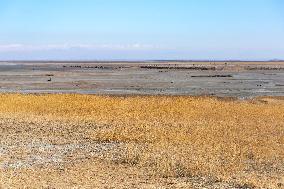
A view shows dry grass and the dry bed of Lake Urmia in northwestern Iran on December 20, 2025. Lake Urmia, once the largest lake in the Middle East, has dramatically shrunk due to prolonged drought, the damming of rivers feeding the lake, and extensive groundwater extraction in the surrounding area. Although increased rainfall and water diversion briefly helped restore water levels in 2019, renewed drought and administrative mismanagement in the early 2020s reversed the trend, and satellite imagery shows the lake has almost entirely dried up by September 2025. Photo by Morteza Aminoroayayi/Middle East Images/ABACAPRESS.COM

  •  
Lake Urmia Environmental Disaster - Iran

Lake Urmia Environmental Disaster - Iran

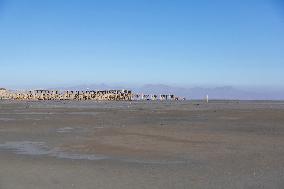
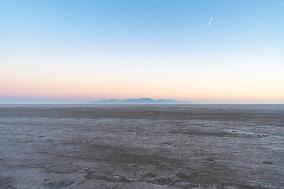
A view shows the dry bed of Lake Urmia in northwestern Iran on December 19, 2025. Lake Urmia, once the largest lake in the Middle East, has dramatically shrunk due to prolonged drought, the damming of rivers feeding the lake, and extensive groundwater extraction in the surrounding area. Although increased rainfall and water diversion briefly helped restore water levels in 2019, renewed drought and administrative mismanagement in the early 2020s reversed the trend, and satellite imagery shows the lake has almost entirely dried up by September 2025. Photo by Morteza Aminoroayayi/Middle East Images/ABACAPRESS.COM

  •  
Lake Urmia Environmental Disaster - Iran

Lake Urmia Environmental Disaster - Iran

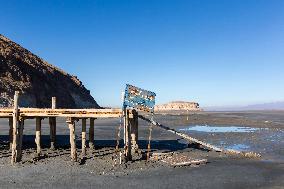
A view shows a rusty sign next to a wooden pier on the dry bed of Lake Urmia in northwestern Iran on December 20, 2025. Lake Urmia, once the largest lake in the Middle East, has dramatically shrunk due to prolonged drought, the damming of rivers feeding the lake, and extensive groundwater extraction in the surrounding area. Although increased rainfall and water diversion briefly helped restore water levels in 2019, renewed drought and administrative mismanagement in the early 2020s reversed the trend, and satellite imagery shows the lake has almost entirely dried up by September 2025. Photo by Morteza Aminoroayayi/Middle East Images/ABACAPRESS.COM

  •  
Lake Urmia Environmental Disaster - Iran

Lake Urmia Environmental Disaster - Iran

A view shows a wooden pier on the dry bed of Lake Urmia in northwestern Iran on December 20, 2025. Lake Urmia, once the largest lake in the Middle East, has dramatically shrunk due to prolonged drought, the damming of rivers feeding the lake, and extensive groundwater extraction in the surrounding area. Although increased rainfall and water diversion briefly helped restore water levels in 2019, renewed drought and administrative mismanagement in the early 2020s reversed the trend, and satellite imagery shows the lake has almost entirely dried up by September 2025. Photo by Morteza Aminoroayayi/Middle East Images/ABACAPRESS.COM

  •  
Lake Urmia Environmental Disaster - Iran

Lake Urmia Environmental Disaster - Iran

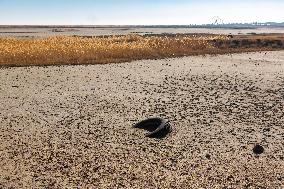
A discarded tire sits near dry reeds on the dry bed of Lake Urmia in northwestern Iran on December 20, 2025. Lake Urmia, once the largest lake in the Middle East, has dramatically shrunk due to prolonged drought, the damming of rivers feeding the lake, and extensive groundwater extraction in the surrounding area. Although increased rainfall and water diversion briefly helped restore water levels in 2019, renewed drought and administrative mismanagement in the early 2020s reversed the trend, and satellite imagery shows the lake has almost entirely dried up by September 2025. Photo by Morteza Aminoroayayi/Middle East Images/ABACAPRESS.COM

  •  
Lake Urmia Environmental Disaster - Iran

Lake Urmia Environmental Disaster - Iran

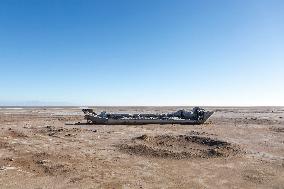
Remnants of a boat sit on the dry bed of Lake Urmia in northwestern Iran on December 19, 2025. Lake Urmia, once the largest lake in the Middle East, has dramatically shrunk due to prolonged drought, the damming of rivers feeding the lake, and extensive groundwater extraction in the surrounding area. Although increased rainfall and water diversion briefly helped restore water levels in 2019, renewed drought and administrative mismanagement in the early 2020s reversed the trend, and satellite imagery shows the lake has almost entirely dried up by September 2025. Photo by Morteza Aminoroayayi/Middle East Images/ABACAPRESS.COM

  •  
Lake Urmia Environmental Disaster - Iran

Lake Urmia Environmental Disaster - Iran

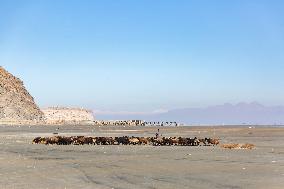
A shepherd guides a flock of sheep on the dry bed of Lake Urmia in northwestern Iran on December 20, 2025. Lake Urmia, once the largest lake in the Middle East, has dramatically shrunk due to prolonged drought, the damming of rivers feeding the lake, and extensive groundwater extraction in the surrounding area. Although increased rainfall and water diversion briefly helped restore water levels in 2019, renewed drought and administrative mismanagement in the early 2020s reversed the trend, and satellite imagery shows the lake has almost entirely dried up by September 2025. Photo by Morteza Aminoroayayi/Middle East Images/ABACAPRESS.COM

  •  
Lake Urmia Environmental Disaster - Iran

Lake Urmia Environmental Disaster - Iran

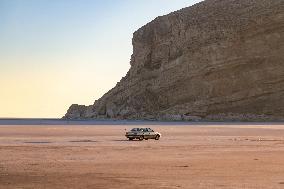
A car drives near a rocky cliff on the dry bed of Lake Urmia in northwestern Iran on December 19, 2025. Lake Urmia, once the largest lake in the Middle East, has dramatically shrunk due to prolonged drought, the damming of rivers feeding the lake, and extensive groundwater extraction in the surrounding area. Although increased rainfall and water diversion briefly helped restore water levels in 2019, renewed drought and administrative mismanagement in the early 2020s reversed the trend, and satellite imagery shows the lake has almost entirely dried up by September 2025. Photo by Morteza Aminoroayayi/Middle East Images/ABACAPRESS.COM

  •  
Lake Urmia Environmental Disaster - Iran

Lake Urmia Environmental Disaster - Iran

A view shows a wooden pier on the dry bed of Lake Urmia in northwestern Iran on December 19, 2025. Lake Urmia, once the largest lake in the Middle East, has dramatically shrunk due to prolonged drought, the damming of rivers feeding the lake, and extensive groundwater extraction in the surrounding area. Although increased rainfall and water diversion briefly helped restore water levels in 2019, renewed drought and administrative mismanagement in the early 2020s reversed the trend, and satellite imagery shows the lake has almost entirely dried up by September 2025. Photo by Morteza Aminoroayayi/Middle East Images/ABACAPRESS.COM

  •  
Lake Urmia Environmental Disaster - Iran

Lake Urmia Environmental Disaster - Iran

A man and two children stand near a car and a rocky cliff on the dry bed of Lake Urmia in northwestern Iran on December 19, 2025. Lake Urmia, once the largest lake in the Middle East, has dramatically shrunk due to prolonged drought, the damming of rivers feeding the lake, and extensive groundwater extraction in the surrounding area. Although increased rainfall and water diversion briefly helped restore water levels in 2019, renewed drought and administrative mismanagement in the early 2020s reversed the trend, and satellite imagery shows the lake has almost entirely dried up by September 2025. Photo by Morteza Aminoroayayi/Middle East Images/ABACAPRESS.COM

  •  
Lake Urmia Environmental Disaster - Iran

Lake Urmia Environmental Disaster - Iran

A view shows rows of wooden posts protruding from the dry bed of Lake Urmia in northwestern Iran on December 20, 2025. Lake Urmia, once the largest lake in the Middle East, has dramatically shrunk due to prolonged drought, the damming of rivers feeding the lake, and extensive groundwater extraction in the surrounding area. Although increased rainfall and water diversion briefly helped restore water levels in 2019, renewed drought and administrative mismanagement in the early 2020s reversed the trend, and satellite imagery shows the lake has almost entirely dried up by September 2025. Photo by Morteza Aminoroayayi/Middle East Images/ABACAPRESS.COM

  • Main
  • Top
  • Editorial
  • Creative
  • About Us
  • About ILG
  • Terms of use
  • Company
  • BEHIND
  • Price List
  • Single Plan
  • Monthly Plan
  • Services
  • Shooting
  • Rights Clearance
  • Support
  • FAQ
  • How To Buy
  • Contact Us
  • Become a Partner

© KYODO NEWS IMAGES INC

All Rights Reserved.

  • Editorial
  • Olympics
  • News
  • Sports
  • Japan
  • Tech
  • Royal
  • Disaster
  • NorthKorea
  • Old Japan
  • SNS
  • Creative
  • Food
  • Japan
  • Landscape
  • Animal
  • Popular
  • #Ukraine
  • #Thailand
  • #coronavirus
  • #N. Korea
  • #Russia
  • #China
  • #Ukraine
  • #Thailand
  • #coronavirus
  • #N. Korea
  • #Russia
  • #China
  • Food
  • Japan
  • Landscape
  • Animal
  • Olympics
  • News
  • Sports
  • Japan
  • Tech
  • Royal
  • Disaster
  • NorthKorea
  • Old Japan
  • SNS