•  
Elderly Vendor Refuses to Sell Until Daily Quran Recitation is Complete - Iraq

Elderly Vendor Refuses to Sell Until Daily Quran Recitation is Complete - Iraq

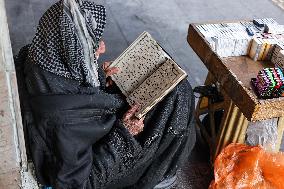
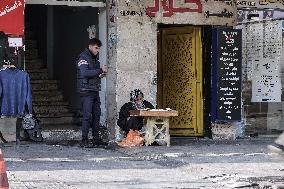
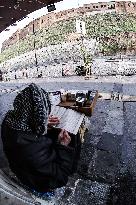
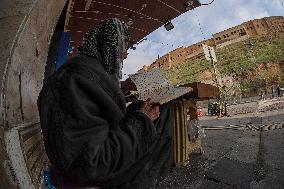
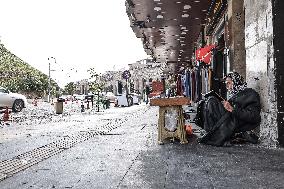
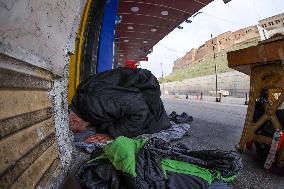
In a unique scene within the Erbil market a citizen named Osman Ahmed Marouf has continued reading the Holy Quran for 30 years in front of the city s ancient Citadel. Mam Osman, who is 80 years old earns his living by selling cigarette packs and lighters. Every day before starting his work, he follows a fixed schedule of reading one part Juz of the Holy Quran. Only after he finishes his reading does he begin his daily trade. Through this routine, he completes a full recitation Khatm of the Quran once a month. Despite his advanced age this citizen is seen in the same spot daily and has become a prominent symbol of the market. As he indicates this reading has become an inseparable part of his daily life. January 19, 2026. Photo by Rashid Othman Sabur/ABACAPRESS.COM

  •  
Elderly Vendor Refuses to Sell Until Daily Quran Recitation is Complete - Iraq

Elderly Vendor Refuses to Sell Until Daily Quran Recitation is Complete - Iraq

In a unique scene within the Erbil market a citizen named Osman Ahmed Marouf has continued reading the Holy Quran for 30 years in front of the city s ancient Citadel. Mam Osman, who is 80 years old earns his living by selling cigarette packs and lighters. Every day before starting his work, he follows a fixed schedule of reading one part Juz of the Holy Quran. Only after he finishes his reading does he begin his daily trade. Through this routine, he completes a full recitation Khatm of the Quran once a month. Despite his advanced age this citizen is seen in the same spot daily and has become a prominent symbol of the market. As he indicates this reading has become an inseparable part of his daily life. January 19, 2026. Photo by Rashid Othman Sabur/ABACAPRESS.COM

  •  
Elderly Vendor Refuses to Sell Until Daily Quran Recitation is Complete - Iraq

Elderly Vendor Refuses to Sell Until Daily Quran Recitation is Complete - Iraq

In a unique scene within the Erbil market a citizen named Osman Ahmed Marouf has continued reading the Holy Quran for 30 years in front of the city s ancient Citadel. Mam Osman, who is 80 years old earns his living by selling cigarette packs and lighters. Every day before starting his work, he follows a fixed schedule of reading one part Juz of the Holy Quran. Only after he finishes his reading does he begin his daily trade. Through this routine, he completes a full recitation Khatm of the Quran once a month. Despite his advanced age this citizen is seen in the same spot daily and has become a prominent symbol of the market. As he indicates this reading has become an inseparable part of his daily life. January 19, 2026. Photo by Rashid Othman Sabur/ABACAPRESS.COM

  •  
Elderly Vendor Refuses to Sell Until Daily Quran Recitation is Complete - Iraq

Elderly Vendor Refuses to Sell Until Daily Quran Recitation is Complete - Iraq

In a unique scene within the Erbil market a citizen named Osman Ahmed Marouf has continued reading the Holy Quran for 30 years in front of the city s ancient Citadel. Mam Osman, who is 80 years old earns his living by selling cigarette packs and lighters. Every day before starting his work, he follows a fixed schedule of reading one part Juz of the Holy Quran. Only after he finishes his reading does he begin his daily trade. Through this routine, he completes a full recitation Khatm of the Quran once a month. Despite his advanced age this citizen is seen in the same spot daily and has become a prominent symbol of the market. As he indicates this reading has become an inseparable part of his daily life. January 19, 2026. Photo by Rashid Othman Sabur/ABACAPRESS.COM

  •  
Elderly Vendor Refuses to Sell Until Daily Quran Recitation is Complete - Iraq

Elderly Vendor Refuses to Sell Until Daily Quran Recitation is Complete - Iraq

In a unique scene within the Erbil market a citizen named Osman Ahmed Marouf has continued reading the Holy Quran for 30 years in front of the city s ancient Citadel. Mam Osman, who is 80 years old earns his living by selling cigarette packs and lighters. Every day before starting his work, he follows a fixed schedule of reading one part Juz of the Holy Quran. Only after he finishes his reading does he begin his daily trade. Through this routine, he completes a full recitation Khatm of the Quran once a month. Despite his advanced age this citizen is seen in the same spot daily and has become a prominent symbol of the market. As he indicates this reading has become an inseparable part of his daily life. January 19, 2026. Photo by Rashid Othman Sabur/ABACAPRESS.COM

  •  
Elderly Vendor Refuses to Sell Until Daily Quran Recitation is Complete - Iraq

Elderly Vendor Refuses to Sell Until Daily Quran Recitation is Complete - Iraq

In a unique scene within the Erbil market a citizen named Osman Ahmed Marouf has continued reading the Holy Quran for 30 years in front of the city s ancient Citadel. Mam Osman, who is 80 years old earns his living by selling cigarette packs and lighters. Every day before starting his work, he follows a fixed schedule of reading one part Juz of the Holy Quran. Only after he finishes his reading does he begin his daily trade. Through this routine, he completes a full recitation Khatm of the Quran once a month. Despite his advanced age this citizen is seen in the same spot daily and has become a prominent symbol of the market. As he indicates this reading has become an inseparable part of his daily life. January 19, 2026. Photo by Rashid Othman Sabur/ABACAPRESS.COM

  •  
Elderly Vendor Refuses to Sell Until Daily Quran Recitation is Complete - Iraq

Elderly Vendor Refuses to Sell Until Daily Quran Recitation is Complete - Iraq

In a unique scene within the Erbil market a citizen named Osman Ahmed Marouf has continued reading the Holy Quran for 30 years in front of the city s ancient Citadel. Mam Osman, who is 80 years old earns his living by selling cigarette packs and lighters. Every day before starting his work, he follows a fixed schedule of reading one part Juz of the Holy Quran. Only after he finishes his reading does he begin his daily trade. Through this routine, he completes a full recitation Khatm of the Quran once a month. Despite his advanced age this citizen is seen in the same spot daily and has become a prominent symbol of the market. As he indicates this reading has become an inseparable part of his daily life. January 19, 2026. Photo by Rashid Othman Sabur/ABACAPRESS.COM

  •  
Elderly Vendor Refuses to Sell Until Daily Quran Recitation is Complete - Iraq

Elderly Vendor Refuses to Sell Until Daily Quran Recitation is Complete - Iraq

In a unique scene within the Erbil market a citizen named Osman Ahmed Marouf has continued reading the Holy Quran for 30 years in front of the city s ancient Citadel. Mam Osman, who is 80 years old earns his living by selling cigarette packs and lighters. Every day before starting his work, he follows a fixed schedule of reading one part Juz of the Holy Quran. Only after he finishes his reading does he begin his daily trade. Through this routine, he completes a full recitation Khatm of the Quran once a month. Despite his advanced age this citizen is seen in the same spot daily and has become a prominent symbol of the market. As he indicates this reading has become an inseparable part of his daily life. January 19, 2026. Photo by Rashid Othman Sabur/ABACAPRESS.COM

  •  
Rescue efforts for storm-sunk ship

Rescue efforts for storm-sunk ship

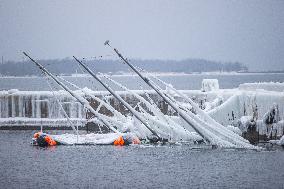
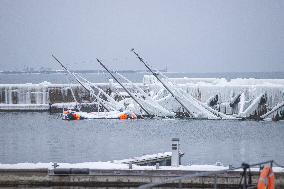
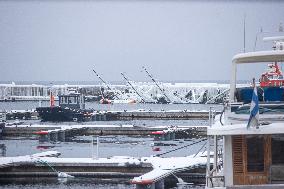
18.01.2026, Tallinn. Rescue efforts for a coastal defense training vessel "Juku" that sank during the cold and stormy weather on December 30 were unsuccessful as the vessel sank once again. Photo Rasmus Rebase, Postimees

  •  
Rescue efforts for storm-sunk ship

Rescue efforts for storm-sunk ship

18.01.2026, Tallinn. Rescue efforts for a coastal defense training vessel "Juku" that sank during the cold and stormy weather on December 30 were unsuccessful as the vessel sank once again. Photo Rasmus Rebase, Postimees

  •  
Rescue efforts for storm-sunk ship

Rescue efforts for storm-sunk ship

18.01.2026, Tallinn. Rescue efforts for a coastal defense training vessel "Juku" that sank during the cold and stormy weather on December 30 were unsuccessful as the vessel sank once again. Photo Rasmus Rebase, Postimees

  •  
Sanchez Closes Spain Investors Day - Spain

Sanchez Closes Spain Investors Day - Spain

Family photo during the closing ceremony of the 16th edition of the international financial forum 'Spain Investors Day', on 15 January 2026, in Madrid (Spain). On 14 and 15 January, the 16th edition of the Spain Investors Day (SID) forum once again brought together Spanish professionals and major international investors to present the current situation of the main Spanish listed companies. Photo by A. Pérez Meca / Europa Press / ABACAPRESS.COM 01/15/2026

  •  
Chris Pratt Presents No Mercy Movie - Madrid

Chris Pratt Presents No Mercy Movie - Madrid

Chris Pratt poses at the photocall during the presentation of the film 'No Mercy', at the Four Seasons Hotel, on January 9, 2025, in Madrid (Spain). In the near future, a detective (Chris Pratt) is on trial accused of murdering his wife. He has 90 minutes to prove his innocence before an advanced A.I. Judge (Rebecca Ferguson), whom he once defended, before she decides his fate. Photo by José Oliva / Europa Press / ABACAPRESS.COM

  •  
Chris Pratt Presents No Mercy Movie - Madrid

Chris Pratt Presents No Mercy Movie - Madrid

Chris Pratt poses at the photocall during the presentation of the film 'No Mercy', at the Four Seasons Hotel, on January 9, 2025, in Madrid (Spain). In the near future, a detective (Chris Pratt) is on trial accused of murdering his wife. He has 90 minutes to prove his innocence before an advanced A.I. Judge (Rebecca Ferguson), whom he once defended, before she decides his fate. Photo by José Oliva / Europa Press / ABACAPRESS.COM

  •  
Chris Pratt Presents No Mercy Movie - Madrid

Chris Pratt Presents No Mercy Movie - Madrid

Chris Pratt poses at the photocall during the presentation of the film 'No Mercy', at the Four Seasons Hotel, on January 9, 2025, in Madrid (Spain). In the near future, a detective (Chris Pratt) is on trial accused of murdering his wife. He has 90 minutes to prove his innocence before an advanced A.I. Judge (Rebecca Ferguson), whom he once defended, before she decides his fate. Photo by José Oliva / Europa Press / ABACAPRESS.COM

  •  
Chris Pratt Presents No Mercy Movie - Madrid

Chris Pratt Presents No Mercy Movie - Madrid

Chris Pratt poses at the photocall during the presentation of the film 'No Mercy', at the Four Seasons Hotel, on January 9, 2025, in Madrid (Spain). In the near future, a detective (Chris Pratt) is on trial accused of murdering his wife. He has 90 minutes to prove his innocence before an advanced A.I. Judge (Rebecca Ferguson), whom he once defended, before she decides his fate. Photo by José Oliva / Europa Press / ABACAPRESS.COM

  •  
Chris Pratt Presents No Mercy Movie - Madrid

Chris Pratt Presents No Mercy Movie - Madrid

Chris Pratt poses at the photocall during the presentation of the film 'No Mercy', at the Four Seasons Hotel, on January 9, 2025, in Madrid (Spain). In the near future, a detective (Chris Pratt) is on trial accused of murdering his wife. He has 90 minutes to prove his innocence before an advanced A.I. Judge (Rebecca Ferguson), whom he once defended, before she decides his fate. Photo by José Oliva / Europa Press / ABACAPRESS.COM

  •  
Chris Pratt Presents No Mercy Movie - Madrid

Chris Pratt Presents No Mercy Movie - Madrid

Chris Pratt poses at the photocall during the presentation of the film 'No Mercy', at the Four Seasons Hotel, on January 9, 2025, in Madrid (Spain). In the near future, a detective (Chris Pratt) is on trial accused of murdering his wife. He has 90 minutes to prove his innocence before an advanced A.I. Judge (Rebecca Ferguson), whom he once defended, before she decides his fate. Photo by José Oliva / Europa Press / ABACAPRESS.COM

  •  
Chris Pratt Presents No Mercy Movie - Madrid

Chris Pratt Presents No Mercy Movie - Madrid

Chris Pratt poses at the photocall during the presentation of the film 'No Mercy', at the Four Seasons Hotel, on January 9, 2025, in Madrid (Spain). In the near future, a detective (Chris Pratt) is on trial accused of murdering his wife. He has 90 minutes to prove his innocence before an advanced A.I. Judge (Rebecca Ferguson), whom he once defended, before she decides his fate. Photo by José Oliva / Europa Press / ABACAPRESS.COM

  •  
Chris Pratt Presents No Mercy Movie - Madrid

Chris Pratt Presents No Mercy Movie - Madrid

Chris Pratt poses at the photocall during the presentation of the film 'No Mercy', at the Four Seasons Hotel, on January 9, 2025, in Madrid (Spain). In the near future, a detective (Chris Pratt) is on trial accused of murdering his wife. He has 90 minutes to prove his innocence before an advanced A.I. Judge (Rebecca Ferguson), whom he once defended, before she decides his fate. Photo by José Oliva / Europa Press / ABACAPRESS.COM

  •  
Lake Urmia Environmental Disaster - Iran

Lake Urmia Environmental Disaster - Iran

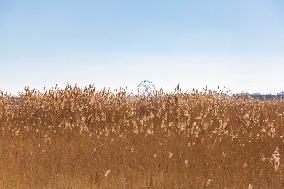
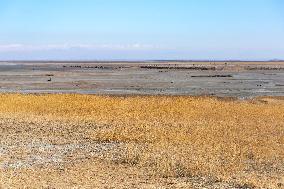
A view shows dry reeds on the dry bed of Lake Urmia in northwestern Iran on December 20, 2025. Lake Urmia, once the largest lake in the Middle East, has dramatically shrunk due to prolonged drought, the damming of rivers feeding the lake, and extensive groundwater extraction in the surrounding area. Although increased rainfall and water diversion briefly helped restore water levels in 2019, renewed drought and administrative mismanagement in the early 2020s reversed the trend, and satellite imagery shows the lake has almost entirely dried up by September 2025. Photo by Morteza Aminoroayayi/Middle East Images/ABACAPRESS.COM

  •  
Lake Urmia Environmental Disaster - Iran

Lake Urmia Environmental Disaster - Iran

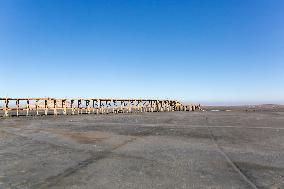
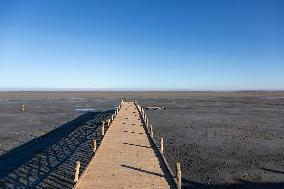
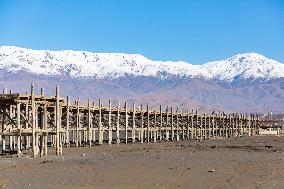
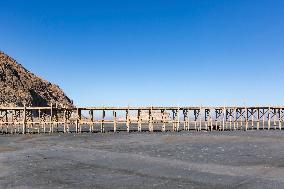
A view shows a wooden pier on the dry bed of Lake Urmia in northwestern Iran on December 20, 2025. Lake Urmia, once the largest lake in the Middle East, has dramatically shrunk due to prolonged drought, the damming of rivers feeding the lake, and extensive groundwater extraction in the surrounding area. Although increased rainfall and water diversion briefly helped restore water levels in 2019, renewed drought and administrative mismanagement in the early 2020s reversed the trend, and satellite imagery shows the lake has almost entirely dried up by September 2025. Photo by Morteza Aminoroayayi/Middle East Images/ABACAPRESS.COM

  •  
Lake Urmia Environmental Disaster - Iran

Lake Urmia Environmental Disaster - Iran

A view shows a wooden pier on the dry bed of Lake Urmia in northwestern Iran on December 20, 2025. Lake Urmia, once the largest lake in the Middle East, has dramatically shrunk due to prolonged drought, the damming of rivers feeding the lake, and extensive groundwater extraction in the surrounding area. Although increased rainfall and water diversion briefly helped restore water levels in 2019, renewed drought and administrative mismanagement in the early 2020s reversed the trend, and satellite imagery shows the lake has almost entirely dried up by September 2025. Photo by Morteza Aminoroayayi/Middle East Images/ABACAPRESS.COM

  •  
Lake Urmia Environmental Disaster - Iran

Lake Urmia Environmental Disaster - Iran

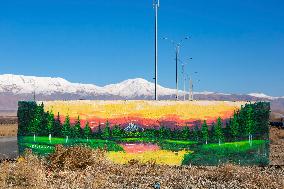
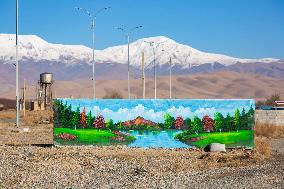
A view shows a mural depicting a landscape painted on a concrete wall near Sharafkhaneh port at Lake Urmia in northwestern Iran on December 19, 2025. Lake Urmia, once the largest lake in the Middle East, has dramatically shrunk due to prolonged drought, the damming of rivers feeding the lake, and extensive groundwater extraction in the surrounding area. Although increased rainfall and water diversion briefly helped restore water levels in 2019, renewed drought and administrative mismanagement in the early 2020s reversed the trend, and satellite imagery shows the lake has almost entirely dried up by September 2025. Photo by Morteza Aminoroayayi/Middle East Images/ABACAPRESS.COM

  •  
Lake Urmia Environmental Disaster - Iran

Lake Urmia Environmental Disaster - Iran

A view shows dry grass and the dry bed of Lake Urmia in northwestern Iran on December 20, 2025. Lake Urmia, once the largest lake in the Middle East, has dramatically shrunk due to prolonged drought, the damming of rivers feeding the lake, and extensive groundwater extraction in the surrounding area. Although increased rainfall and water diversion briefly helped restore water levels in 2019, renewed drought and administrative mismanagement in the early 2020s reversed the trend, and satellite imagery shows the lake has almost entirely dried up by September 2025. Photo by Morteza Aminoroayayi/Middle East Images/ABACAPRESS.COM

  •  
Lake Urmia Environmental Disaster - Iran

Lake Urmia Environmental Disaster - Iran

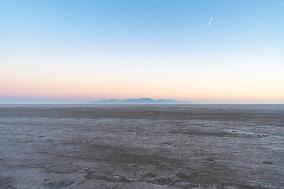
A view shows the dry bed of Lake Urmia in northwestern Iran on December 19, 2025. Lake Urmia, once the largest lake in the Middle East, has dramatically shrunk due to prolonged drought, the damming of rivers feeding the lake, and extensive groundwater extraction in the surrounding area. Although increased rainfall and water diversion briefly helped restore water levels in 2019, renewed drought and administrative mismanagement in the early 2020s reversed the trend, and satellite imagery shows the lake has almost entirely dried up by September 2025. Photo by Morteza Aminoroayayi/Middle East Images/ABACAPRESS.COM

  •  
Lake Urmia Environmental Disaster - Iran

Lake Urmia Environmental Disaster - Iran

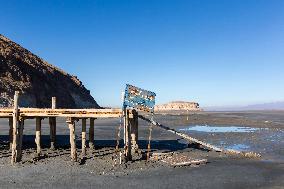
A view shows a rusty sign next to a wooden pier on the dry bed of Lake Urmia in northwestern Iran on December 20, 2025. Lake Urmia, once the largest lake in the Middle East, has dramatically shrunk due to prolonged drought, the damming of rivers feeding the lake, and extensive groundwater extraction in the surrounding area. Although increased rainfall and water diversion briefly helped restore water levels in 2019, renewed drought and administrative mismanagement in the early 2020s reversed the trend, and satellite imagery shows the lake has almost entirely dried up by September 2025. Photo by Morteza Aminoroayayi/Middle East Images/ABACAPRESS.COM

  •  
Lake Urmia Environmental Disaster - Iran

Lake Urmia Environmental Disaster - Iran

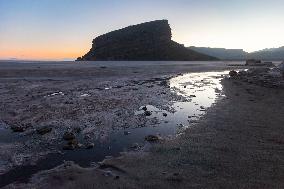
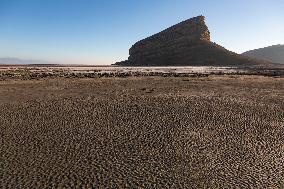
A view shows a shallow stream near a rocky cliff on the bed of Lake Urmia in northwestern Iran on December 19, 2025. Lake Urmia, once the largest lake in the Middle East, has dramatically shrunk due to prolonged drought, the damming of rivers feeding the lake, and extensive groundwater extraction in the surrounding area. Although increased rainfall and water diversion briefly helped restore water levels in 2019, renewed drought and administrative mismanagement in the early 2020s reversed the trend, and satellite imagery shows the lake has almost entirely dried up by September 2025. Photo by Morteza Aminoroayayi/Middle East Images/ABACAPRESS.COM

  •  
Lake Urmia Environmental Disaster - Iran

Lake Urmia Environmental Disaster - Iran

A view shows a wooden pier on the dry bed of Lake Urmia in northwestern Iran on December 20, 2025. Lake Urmia, once the largest lake in the Middle East, has dramatically shrunk due to prolonged drought, the damming of rivers feeding the lake, and extensive groundwater extraction in the surrounding area. Although increased rainfall and water diversion briefly helped restore water levels in 2019, renewed drought and administrative mismanagement in the early 2020s reversed the trend, and satellite imagery shows the lake has almost entirely dried up by September 2025. Photo by Morteza Aminoroayayi/Middle East Images/ABACAPRESS.COM

  •  
Lake Urmia Environmental Disaster - Iran

Lake Urmia Environmental Disaster - Iran

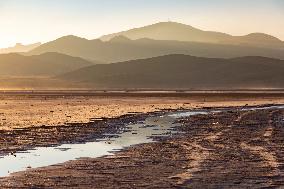
A view shows tire tracks running alongside a shallow stream on the bed of Lake Urmia in northwestern Iran on December 19, 2025. Lake Urmia, once the largest lake in the Middle East, has dramatically shrunk due to prolonged drought, the damming of rivers feeding the lake, and extensive groundwater extraction in the surrounding area. Although increased rainfall and water diversion briefly helped restore water levels in 2019, renewed drought and administrative mismanagement in the early 2020s reversed the trend, and satellite imagery shows the lake has almost entirely dried up by September 2025. Photo by Morteza Aminoroayayi/Middle East Images/ABACAPRESS.COM

  •  
Lake Urmia Environmental Disaster - Iran

Lake Urmia Environmental Disaster - Iran

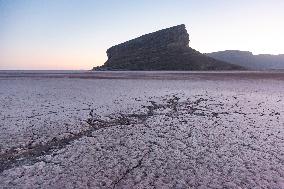
Salt formations cover the cracked surface of the dried bed of Lake Urmia in northwestern Iran on December 19, 2025. Lake Urmia, once the largest lake in the Middle East, has dramatically shrunk due to prolonged drought, the damming of rivers feeding the lake and extensive groundwater extraction in the surrounding area. Although increased rainfall and water diversion briefly helped restore water levels in 2019, renewed drought and administrative mismanagement in the early 2020s reversed the trend, and satellite imagery shows the lake has almost entirely dried up by September 2025. Photo by Morteza Aminoroayayi/Middle East Images/ABACAPRESS.COM

  •  
Lake Urmia Environmental Disaster - Iran

Lake Urmia Environmental Disaster - Iran

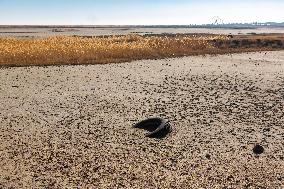
A discarded tire sits near dry reeds on the dry bed of Lake Urmia in northwestern Iran on December 20, 2025. Lake Urmia, once the largest lake in the Middle East, has dramatically shrunk due to prolonged drought, the damming of rivers feeding the lake, and extensive groundwater extraction in the surrounding area. Although increased rainfall and water diversion briefly helped restore water levels in 2019, renewed drought and administrative mismanagement in the early 2020s reversed the trend, and satellite imagery shows the lake has almost entirely dried up by September 2025. Photo by Morteza Aminoroayayi/Middle East Images/ABACAPRESS.COM

  •  
Lake Urmia Environmental Disaster - Iran

Lake Urmia Environmental Disaster - Iran

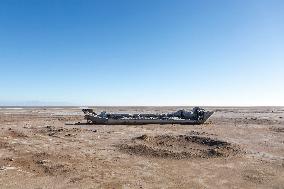
Remnants of a boat sit on the dry bed of Lake Urmia in northwestern Iran on December 19, 2025. Lake Urmia, once the largest lake in the Middle East, has dramatically shrunk due to prolonged drought, the damming of rivers feeding the lake, and extensive groundwater extraction in the surrounding area. Although increased rainfall and water diversion briefly helped restore water levels in 2019, renewed drought and administrative mismanagement in the early 2020s reversed the trend, and satellite imagery shows the lake has almost entirely dried up by September 2025. Photo by Morteza Aminoroayayi/Middle East Images/ABACAPRESS.COM

  •  
Lake Urmia Environmental Disaster - Iran

Lake Urmia Environmental Disaster - Iran

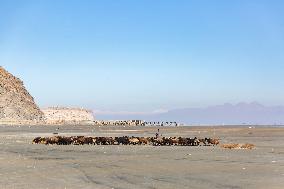
A shepherd guides a flock of sheep on the dry bed of Lake Urmia in northwestern Iran on December 20, 2025. Lake Urmia, once the largest lake in the Middle East, has dramatically shrunk due to prolonged drought, the damming of rivers feeding the lake, and extensive groundwater extraction in the surrounding area. Although increased rainfall and water diversion briefly helped restore water levels in 2019, renewed drought and administrative mismanagement in the early 2020s reversed the trend, and satellite imagery shows the lake has almost entirely dried up by September 2025. Photo by Morteza Aminoroayayi/Middle East Images/ABACAPRESS.COM

  •  
Lake Urmia Environmental Disaster - Iran

Lake Urmia Environmental Disaster - Iran

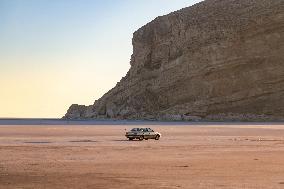
A car drives near a rocky cliff on the dry bed of Lake Urmia in northwestern Iran on December 19, 2025. Lake Urmia, once the largest lake in the Middle East, has dramatically shrunk due to prolonged drought, the damming of rivers feeding the lake, and extensive groundwater extraction in the surrounding area. Although increased rainfall and water diversion briefly helped restore water levels in 2019, renewed drought and administrative mismanagement in the early 2020s reversed the trend, and satellite imagery shows the lake has almost entirely dried up by September 2025. Photo by Morteza Aminoroayayi/Middle East Images/ABACAPRESS.COM

  •  
Lake Urmia Environmental Disaster - Iran

Lake Urmia Environmental Disaster - Iran

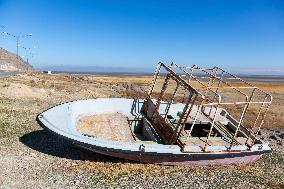
A rusty boat sits next to a road near Lake Urmia in northwestern Iran on December 20, 2025. Lake Urmia, once the largest lake in the Middle East, has dramatically shrunk due to prolonged drought, the damming of rivers feeding the lake, and extensive groundwater extraction in the surrounding area. Although increased rainfall and water diversion briefly helped restore water levels in 2019, renewed drought and administrative mismanagement in the early 2020s reversed the trend, and satellite imagery shows the lake has almost entirely dried up by September 2025. Photo by Morteza Aminoroayayi/Middle East Images/ABACAPRESS.COM

  •  
Lake Urmia Environmental Disaster - Iran

Lake Urmia Environmental Disaster - Iran

A view shows a wooden pier on the dry bed of Lake Urmia in northwestern Iran on December 19, 2025. Lake Urmia, once the largest lake in the Middle East, has dramatically shrunk due to prolonged drought, the damming of rivers feeding the lake, and extensive groundwater extraction in the surrounding area. Although increased rainfall and water diversion briefly helped restore water levels in 2019, renewed drought and administrative mismanagement in the early 2020s reversed the trend, and satellite imagery shows the lake has almost entirely dried up by September 2025. Photo by Morteza Aminoroayayi/Middle East Images/ABACAPRESS.COM

  •  
Lake Urmia Environmental Disaster - Iran

Lake Urmia Environmental Disaster - Iran

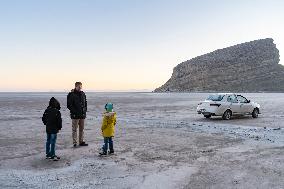
A man and two children stand near a car and a rocky cliff on the dry bed of Lake Urmia in northwestern Iran on December 19, 2025. Lake Urmia, once the largest lake in the Middle East, has dramatically shrunk due to prolonged drought, the damming of rivers feeding the lake, and extensive groundwater extraction in the surrounding area. Although increased rainfall and water diversion briefly helped restore water levels in 2019, renewed drought and administrative mismanagement in the early 2020s reversed the trend, and satellite imagery shows the lake has almost entirely dried up by September 2025. Photo by Morteza Aminoroayayi/Middle East Images/ABACAPRESS.COM

  •  
Lake Urmia Environmental Disaster - Iran

Lake Urmia Environmental Disaster - Iran

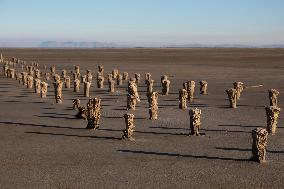
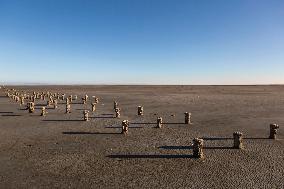
A view shows rows of wooden posts protruding from the dry bed of Lake Urmia in northwestern Iran on December 20, 2025. Lake Urmia, once the largest lake in the Middle East, has dramatically shrunk due to prolonged drought, the damming of rivers feeding the lake, and extensive groundwater extraction in the surrounding area. Although increased rainfall and water diversion briefly helped restore water levels in 2019, renewed drought and administrative mismanagement in the early 2020s reversed the trend, and satellite imagery shows the lake has almost entirely dried up by September 2025. Photo by Morteza Aminoroayayi/Middle East Images/ABACAPRESS.COM

  •  
Lake Urmia Environmental Disaster - Iran

Lake Urmia Environmental Disaster - Iran

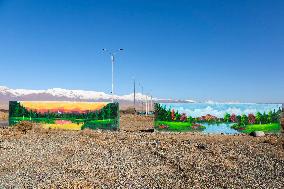
A view shows murals depicting nature scenes painted on concrete walls near Sharafkhaneh port at Lake Urmia in northwestern Iran on December 19, 2025. Lake Urmia, once the largest lake in the Middle East, has dramatically shrunk due to prolonged drought, the damming of rivers feeding the lake, and extensive groundwater extraction in the surrounding area. Although increased rainfall and water diversion briefly helped restore water levels in 2019, renewed drought and administrative mismanagement in the early 2020s reversed the trend, and satellite imagery shows the lake has almost entirely dried up by September 2025. Photo by Morteza Aminoroayayi/Middle East Images/ABACAPRESS.COM

  •  
Lake Urmia Environmental Disaster - Iran

Lake Urmia Environmental Disaster - Iran

A view shows the dry bed of Lake Urmia in northwestern Iran on December 19, 2025. Lake Urmia, once the largest lake in the Middle East, has dramatically shrunk due to prolonged drought, the damming of rivers feeding the lake, and extensive groundwater extraction in the surrounding area. Although increased rainfall and water diversion briefly helped restore water levels in 2019, renewed drought and administrative mismanagement in the early 2020s reversed the trend, and satellite imagery shows the lake has almost entirely dried up by September 2025. Photo by Morteza Aminoroayayi/Middle East Images/ABACAPRESS.COM

  •  
Lake Urmia Environmental Disaster - Iran

Lake Urmia Environmental Disaster - Iran

A view shows a wooden pier on the dry bed of Lake Urmia in northwestern Iran on December 20, 2025. Lake Urmia, once the largest lake in the Middle East, has dramatically shrunk due to prolonged drought, the damming of rivers feeding the lake, and extensive groundwater extraction in the surrounding area. Although increased rainfall and water diversion briefly helped restore water levels in 2019, renewed drought and administrative mismanagement in the early 2020s reversed the trend, and satellite imagery shows the lake has almost entirely dried up by September 2025. Photo by Morteza Aminoroayayi/Middle East Images/ABACAPRESS.COM

  •  
Lake Urmia Environmental Disaster - Iran

Lake Urmia Environmental Disaster - Iran

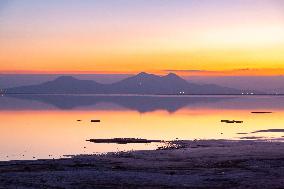
A view shows reflections on the surface of Lake Urmia in northwestern Iran on December 18, 2025. Lake Urmia, once the largest lake in the Middle East, has dramatically shrunk due to prolonged drought, the damming of rivers feeding the lake, and extensive groundwater extraction in the surrounding area. Although increased rainfall and water diversion briefly helped restore water levels in 2019, renewed drought and administrative mismanagement in the early 2020s reversed the trend, and satellite imagery shows the lake has almost entirely dried up by September 2025. Photo by Morteza Aminoroayayi/Middle East Images/ABACAPRESS.COM

  •  
Lake Urmia Environmental Disaster - Iran

Lake Urmia Environmental Disaster - Iran

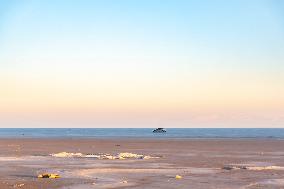
A car drives on the dry bed of Lake Urmia in northwestern Iran on December 19, 2025. Lake Urmia, once the largest lake in the Middle East, has dramatically shrunk due to prolonged drought, the damming of rivers feeding the lake, and extensive groundwater extraction in the surrounding area. Although increased rainfall and water diversion briefly helped restore water levels in 2019, renewed drought and administrative mismanagement in the early 2020s reversed the trend, and satellite imagery shows the lake has almost entirely dried up by September 2025. Photo by Morteza Aminoroayayi/Middle East Images/ABACAPRESS.COM

  •  
Lake Urmia Environmental Disaster - Iran

Lake Urmia Environmental Disaster - Iran

A view shows a mural depicting a landscape painted on a concrete wall near Sharafkhaneh port at Lake Urmia in northwestern Iran on December 19, 2025. Lake Urmia, once the largest lake in the Middle East, has dramatically shrunk due to prolonged drought, the damming of rivers feeding the lake, and extensive groundwater extraction in the surrounding area. Although increased rainfall and water diversion briefly helped restore water levels in 2019, renewed drought and administrative mismanagement in the early 2020s reversed the trend, and satellite imagery shows the lake has almost entirely dried up by September 2025. Photo by Morteza Aminoroayayi/Middle East Images/ABACAPRESS.COM

  •  
Lake Urmia Environmental Disaster - Iran

Lake Urmia Environmental Disaster - Iran

A view shows rows of wooden posts protruding from the dry bed of Lake Urmia in northwestern Iran on December 20, 2025. Lake Urmia, once the largest lake in the Middle East, has dramatically shrunk due to prolonged drought, the damming of rivers feeding the lake, and extensive groundwater extraction in the surrounding area. Although increased rainfall and water diversion briefly helped restore water levels in 2019, renewed drought and administrative mismanagement in the early 2020s reversed the trend, and satellite imagery shows the lake has almost entirely dried up by September 2025. Photo by Morteza Aminoroayayi/Middle East Images/ABACAPRESS.COM

  •  
Lake Urmia Environmental Disaster - Iran

Lake Urmia Environmental Disaster - Iran

Salt formations cover the cracked surface of the dried bed of Lake Urmia in northwestern Iran on December 19, 2025. Lake Urmia, once the largest lake in the Middle East, has dramatically shrunk due to prolonged drought, the damming of rivers feeding the lake and extensive groundwater extraction in the surrounding area. Although increased rainfall and water diversion briefly helped restore water levels in 2019, renewed drought and administrative mismanagement in the early 2020s reversed the trend, and satellite imagery shows the lake has almost entirely dried up by September 2025. Photo by Morteza Aminoroayayi/Middle East Images/ABACAPRESS.COM

  •  
Lake Urmia Environmental Disaster - Iran

Lake Urmia Environmental Disaster - Iran

Remains of a boat sits near the dry bed of Lake Urmia in northwestern Iran on December 20, 2025. Lake Urmia, once the largest lake in the Middle East, has dramatically shrunk due to prolonged drought, the damming of rivers feeding the lake, and extensive groundwater extraction in the surrounding area. Although increased rainfall and water diversion briefly helped restore water levels in 2019, renewed drought and administrative mismanagement in the early 2020s reversed the trend, and satellite imagery shows the lake has almost entirely dried up by September 2025. Photo by Morteza Aminoroayayi/Middle East Images/ABACAPRESS.COM

  •  
Lake Urmia Environmental Disaster - Iran

Lake Urmia Environmental Disaster - Iran

A car drives on the dry bed of Lake Urmia in northwestern Iran on December 19, 2025. Lake Urmia, once the largest lake in the Middle East, has dramatically shrunk due to prolonged drought, the damming of rivers feeding the lake, and extensive groundwater extraction in the surrounding area. Although increased rainfall and water diversion briefly helped restore water levels in 2019, renewed drought and administrative mismanagement in the early 2020s reversed the trend, and satellite imagery shows the lake has almost entirely dried up by September 2025. Photo by Morteza Aminoroayayi/Middle East Images/ABACAPRESS.COM

  •  
Lake Urmia Environmental Disaster - Iran

Lake Urmia Environmental Disaster - Iran

A view shows the dry bed of Lake Urmia in northwestern Iran on December 19, 2025. Lake Urmia, once the largest lake in the Middle East, has dramatically shrunk due to prolonged drought, the damming of rivers feeding the lake, and extensive groundwater extraction in the surrounding area. Although increased rainfall and water diversion briefly helped restore water levels in 2019, renewed drought and administrative mismanagement in the early 2020s reversed the trend, and satellite imagery shows the lake has almost entirely dried up by September 2025. Photo by Morteza Aminoroayayi/Middle East Images/ABACAPRESS.COM

  • Main
  • Top
  • Editorial
  • Creative
  • About Us
  • About ILG
  • Terms of use
  • Company
  • BEHIND
  • Price List
  • Single Plan
  • Monthly Plan
  • Services
  • Shooting
  • Rights Clearance
  • Support
  • FAQ
  • How To Buy
  • Contact Us
  • Become a Partner

© KYODO NEWS IMAGES INC

All Rights Reserved.

  • Editorial
  • Olympics
  • News
  • Sports
  • Japan
  • Tech
  • Royal
  • Disaster
  • NorthKorea
  • Old Japan
  • SNS
  • Creative
  • Food
  • Japan
  • Landscape
  • Animal
  • Popular
  • #Ukraine
  • #Russia
  • #coronavirus
  • #N. Korea
  • #China
  • #Thailand
  • #Ukraine
  • #Russia
  • #coronavirus
  • #N. Korea
  • #China
  • #Thailand
  • Food
  • Japan
  • Landscape
  • Animal
  • Olympics
  • News
  • Sports
  • Japan
  • Tech
  • Royal
  • Disaster
  • NorthKorea
  • Old Japan
  • SNS