•  

Jamaica: Hurricane Melissa Hits Cat 5, Sparks Evacuations and Warnings 2

Hurricane Melissa intensified to Category 5 strength as it approached Jamaica, bringing winds of 260 km/h (160 mph) and up to 1 meter (40 inches) of rain. The slow-moving storm was located southwest of Kingston and is expected to make landfall late Monday or early Tuesday. Authorities ordered evacuations in low-lying areas including Port Royal, opened nearly 900 shelters, and closed both international airports. Officials warned of “catastrophic” flash floods and landslides.

  •  

Jamaica: Hurricane Melissa Hits Cat 5, Sparks Evacuations and Warnings

Hurricane Melissa intensified to Category 5 strength as it approached Jamaica, bringing winds of 260 km/h (160 mph) and up to 1 meter (40 inches) of rain. The slow-moving storm was located southwest of Kingston and is expected to make landfall late Monday or early Tuesday. Authorities ordered evacuations in low-lying areas including Port Royal, opened nearly 900 shelters, and closed both international airports. Officials warned of “catastrophic” flash floods and landslides.

  •  
Several capybaras forage along the riverside in Sao Paulo

Several capybaras forage along the riverside in Sao Paulo

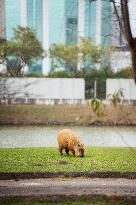
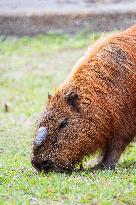
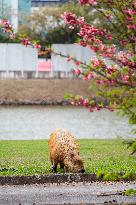
A capybara forages along the riverside in Sao Paulo, Brazil, July 24, 2025. Capybara, the world's largest rodent, grows over 1 meter long as an adult. Despite its size, capybara is remarkably easygoing. Photo by Xu Yongzheng/Xinhua/ABACAPRESS.COM

  •  
Several capybaras forage along the riverside in Sao Paulo

Several capybaras forage along the riverside in Sao Paulo

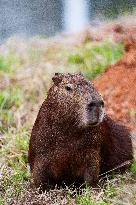
A capybara rests on the bank of the Pinheiros river in Sao Paulo, Brazil, July 24, 2025. Capybara, the world's largest rodent, grows over 1 meter long as an adult. Despite its size, capybara is remarkably easygoing. Photo by Xu Yongzheng/Xinhua/ABACAPRESS.COM

  •  
Several capybaras forage along the riverside in Sao Paulo

Several capybaras forage along the riverside in Sao Paulo

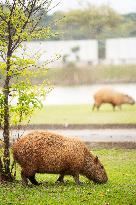
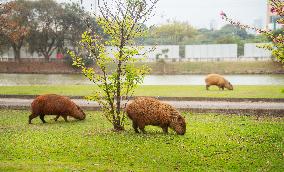
Capybaras forage along the riverside in Sao Paulo, Brazil, July 24, 2025. Capybara, the world's largest rodent, grows over 1 meter long as an adult. Despite its size, capybara is remarkably easygoing. Photo by Xu Yongzheng/Xinhua/ABACAPRESS.COM

  •  
Several capybaras forage along the riverside in Sao Paulo

Several capybaras forage along the riverside in Sao Paulo

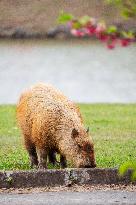
A capybara forages along the riverside in Sao Paulo, Brazil, July 24, 2025. Capybara, the world's largest rodent, grows over 1 meter long as an adult. Despite its size, capybara is remarkably easygoing. Photo by Xu Yongzheng/Xinhua/ABACAPRESS.COM

  •  
Several capybaras forage along the riverside in Sao Paulo

Several capybaras forage along the riverside in Sao Paulo

A capybara forages along the riverside in Sao Paulo, Brazil, July 24, 2025. Capybara, the world's largest rodent, grows over 1 meter long as an adult. Despite its size, capybara is remarkably easygoing. Photo by Xu Yongzheng/Xinhua/ABACAPRESS.COM

  •  
Several capybaras forage along the riverside in Sao Paulo

Several capybaras forage along the riverside in Sao Paulo

A capybara forages along the riverside in Sao Paulo, Brazil, July 24, 2025. Capybara, the world's largest rodent, grows over 1 meter long as an adult. Despite its size, capybara is remarkably easygoing. Photo by Xu Yongzheng/Xinhua/ABACAPRESS.COM

  •  
Several capybaras forage along the riverside in Sao Paulo

Several capybaras forage along the riverside in Sao Paulo

Several capybaras forage along the riverside in Sao Paulo, Brazil, July 24, 2025. Capybara, the world's largest rodent, grows over 1 meter long as an adult. Despite its size, capybara is remarkably easygoing. Photo by Xu Yongzheng/Xinhua/ABACAPRESS.COM

  •  

Indonesia: Flooding Hits Jambi After Heavy Rainfall

Flooding hit Jambi City on the island of Sumatra on Sunday, February 23, after intense rainfall, submerging homes, schools, and other public facilities. According to reports, the water level reached more than 1 meter in some areas.

  •  
Preparing for Rising Seas in the Maldives

Preparing for Rising Seas in the Maldives

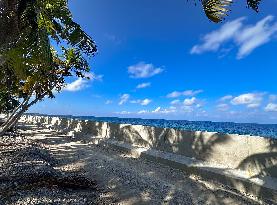
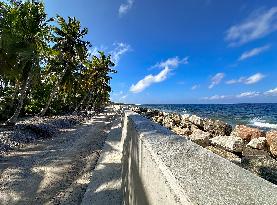
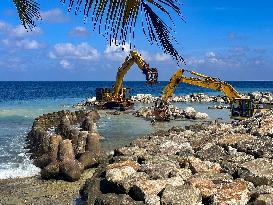
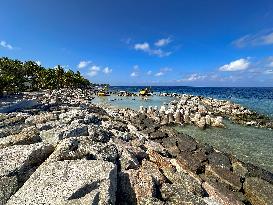
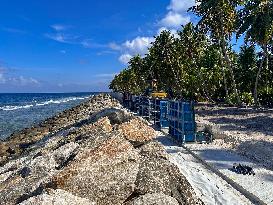
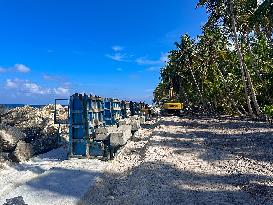
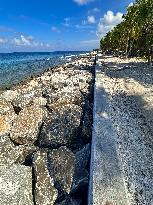
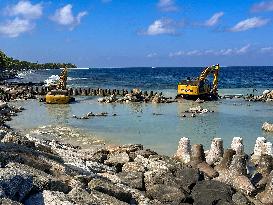
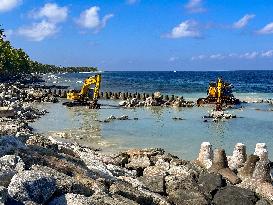
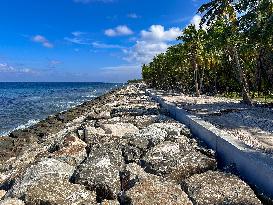
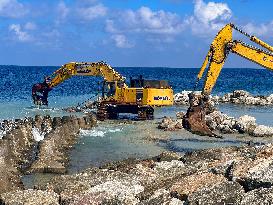
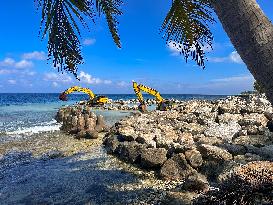
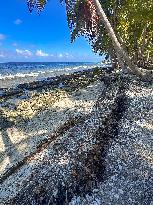
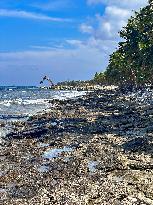
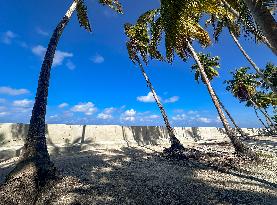
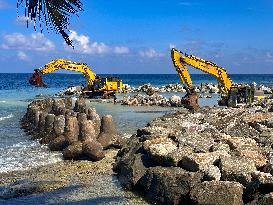
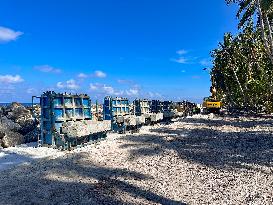
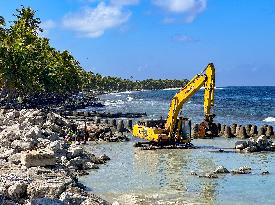
Workers build a protective dike against rising waters in the Island of Fuvahmulah, South Maldives on December 2024. With more than 80 percent of its 1,190 coral islands standing less than 1 meter above sea level, the Maldives has the lowest terrain of any country in the world. This makes the archipelago in the Indian Ocean particularly vulnerable to sea level rise. Photo by Christophe Geyres/ABACAPRESS.COM

  •  
Preparing for Rising Seas in the Maldives

Preparing for Rising Seas in the Maldives

Workers build a protective dike against rising waters in the Island of Fuvahmulah, South Maldives on December 2024. With more than 80 percent of its 1,190 coral islands standing less than 1 meter above sea level, the Maldives has the lowest terrain of any country in the world. This makes the archipelago in the Indian Ocean particularly vulnerable to sea level rise. Photo by Christophe Geyres/ABACAPRESS.COM

  •  
Preparing for Rising Seas in the Maldives

Preparing for Rising Seas in the Maldives

Workers build a protective dike against rising waters in the Island of Fuvahmulah, South Maldives on December 2024. With more than 80 percent of its 1,190 coral islands standing less than 1 meter above sea level, the Maldives has the lowest terrain of any country in the world. This makes the archipelago in the Indian Ocean particularly vulnerable to sea level rise. Photo by Christophe Geyres/ABACAPRESS.COM

  •  
Preparing for Rising Seas in the Maldives

Preparing for Rising Seas in the Maldives

Workers build a protective dike against rising waters in the Island of Fuvahmulah, South Maldives on December 2024. With more than 80 percent of its 1,190 coral islands standing less than 1 meter above sea level, the Maldives has the lowest terrain of any country in the world. This makes the archipelago in the Indian Ocean particularly vulnerable to sea level rise. Photo by Christophe Geyres/ABACAPRESS.COM

  •  
Preparing for Rising Seas in the Maldives

Preparing for Rising Seas in the Maldives

Workers build a protective dike against rising waters in the Island of Fuvahmulah, South Maldives on December 2024. With more than 80 percent of its 1,190 coral islands standing less than 1 meter above sea level, the Maldives has the lowest terrain of any country in the world. This makes the archipelago in the Indian Ocean particularly vulnerable to sea level rise. Photo by Christophe Geyres/ABACAPRESS.COM

  •  
Preparing for Rising Seas in the Maldives

Preparing for Rising Seas in the Maldives

Workers build a protective dike against rising waters in the Island of Fuvahmulah, South Maldives on December 2024. With more than 80 percent of its 1,190 coral islands standing less than 1 meter above sea level, the Maldives has the lowest terrain of any country in the world. This makes the archipelago in the Indian Ocean particularly vulnerable to sea level rise. Photo by Christophe Geyres/ABACAPRESS.COM

  •  
Preparing for Rising Seas in the Maldives

Preparing for Rising Seas in the Maldives

Workers build a protective dike against rising waters in the Island of Fuvahmulah, South Maldives on December 2024. With more than 80 percent of its 1,190 coral islands standing less than 1 meter above sea level, the Maldives has the lowest terrain of any country in the world. This makes the archipelago in the Indian Ocean particularly vulnerable to sea level rise. Photo by Christophe Geyres/ABACAPRESS.COM

  •  
Preparing for Rising Seas in the Maldives

Preparing for Rising Seas in the Maldives

Workers build a protective dike against rising waters in the Island of Fuvahmulah, South Maldives on December 2024. With more than 80 percent of its 1,190 coral islands standing less than 1 meter above sea level, the Maldives has the lowest terrain of any country in the world. This makes the archipelago in the Indian Ocean particularly vulnerable to sea level rise. Photo by Christophe Geyres/ABACAPRESS.COM

  •  
Preparing for Rising Seas in the Maldives

Preparing for Rising Seas in the Maldives

Workers build a protective dike against rising waters in the Island of Fuvahmulah, South Maldives on December 2024. With more than 80 percent of its 1,190 coral islands standing less than 1 meter above sea level, the Maldives has the lowest terrain of any country in the world. This makes the archipelago in the Indian Ocean particularly vulnerable to sea level rise. Photo by Christophe Geyres/ABACAPRESS.COM

  •  
Preparing for Rising Seas in the Maldives

Preparing for Rising Seas in the Maldives

Workers build a protective dike against rising waters in the Island of Fuvahmulah, South Maldives on December 2024. With more than 80 percent of its 1,190 coral islands standing less than 1 meter above sea level, the Maldives has the lowest terrain of any country in the world. This makes the archipelago in the Indian Ocean particularly vulnerable to sea level rise. Photo by Christophe Geyres/ABACAPRESS.COM

  •  
Preparing for Rising Seas in the Maldives

Preparing for Rising Seas in the Maldives

Workers build a protective dike against rising waters in the Island of Fuvahmulah, South Maldives on December 2024. With more than 80 percent of its 1,190 coral islands standing less than 1 meter above sea level, the Maldives has the lowest terrain of any country in the world. This makes the archipelago in the Indian Ocean particularly vulnerable to sea level rise. Photo by Christophe Geyres/ABACAPRESS.COM

  •  
Preparing for Rising Seas in the Maldives

Preparing for Rising Seas in the Maldives

Workers build a protective dike against rising waters in the Island of Fuvahmulah, South Maldives on December 2024. With more than 80 percent of its 1,190 coral islands standing less than 1 meter above sea level, the Maldives has the lowest terrain of any country in the world. This makes the archipelago in the Indian Ocean particularly vulnerable to sea level rise. Photo by Christophe Geyres/ABACAPRESS.COM

  •  
Preparing for Rising Seas in the Maldives

Preparing for Rising Seas in the Maldives

Workers build a protective dike against rising waters in the Island of Fuvahmulah, South Maldives on December 2024. With more than 80 percent of its 1,190 coral islands standing less than 1 meter above sea level, the Maldives has the lowest terrain of any country in the world. This makes the archipelago in the Indian Ocean particularly vulnerable to sea level rise. Photo by Christophe Geyres/ABACAPRESS.COM

  •  
Preparing for Rising Seas in the Maldives

Preparing for Rising Seas in the Maldives

Workers build a protective dike against rising waters in the Island of Fuvahmulah, South Maldives on December 2024. With more than 80 percent of its 1,190 coral islands standing less than 1 meter above sea level, the Maldives has the lowest terrain of any country in the world. This makes the archipelago in the Indian Ocean particularly vulnerable to sea level rise. Photo by Christophe Geyres/ABACAPRESS.COM

  •  
Preparing for Rising Seas in the Maldives

Preparing for Rising Seas in the Maldives

Workers build a protective dike against rising waters in the Island of Fuvahmulah, South Maldives on December 2024. With more than 80 percent of its 1,190 coral islands standing less than 1 meter above sea level, the Maldives has the lowest terrain of any country in the world. This makes the archipelago in the Indian Ocean particularly vulnerable to sea level rise. Photo by Christophe Geyres/ABACAPRESS.COM

  •  
Preparing for Rising Seas in the Maldives

Preparing for Rising Seas in the Maldives

Workers build a protective dike against rising waters in the Island of Fuvahmulah, South Maldives on December 2024. With more than 80 percent of its 1,190 coral islands standing less than 1 meter above sea level, the Maldives has the lowest terrain of any country in the world. This makes the archipelago in the Indian Ocean particularly vulnerable to sea level rise. Photo by Christophe Geyres/ABACAPRESS.COM

  •  
Preparing for Rising Seas in the Maldives

Preparing for Rising Seas in the Maldives

Workers build a protective dike against rising waters in the Island of Fuvahmulah, South Maldives on December 2024. With more than 80 percent of its 1,190 coral islands standing less than 1 meter above sea level, the Maldives has the lowest terrain of any country in the world. This makes the archipelago in the Indian Ocean particularly vulnerable to sea level rise. Photo by Christophe Geyres/ABACAPRESS.COM

  •  
Preparing for Rising Seas in the Maldives

Preparing for Rising Seas in the Maldives

Workers build a protective dike against rising waters in the Island of Fuvahmulah, South Maldives on December 2024. With more than 80 percent of its 1,190 coral islands standing less than 1 meter above sea level, the Maldives has the lowest terrain of any country in the world. This makes the archipelago in the Indian Ocean particularly vulnerable to sea level rise. Photo by Christophe Geyres/ABACAPRESS.COM

  •  

Disabled Tibetan photographer aims high

STORY: Disabled Tibetan photographer aims high SHOOTING TIME: Dec. 9, 2023 DATELINE: Dec. 10, 2023 LENGTH: 00:02:25 LOCATION: LHASA, China CATEGORY: SOCIETY SHOTLIST: 1. various of Lhasa 2. SOUNDBITE 1 (Tibetan): LHAPA DONDRUP, Tibetan photographer 3. various of Lhapa Dondrup working 4. SOUNDBITE 2 (Tibetan): LHAPA DONDRUP, Tibetan photographer 5. various of Lhapa Dondrup photographing 6. SOUNDBITE 3 (Tibetan): LHAPA DONDRUP, Tibetan photographer 7. various of Jole 8. SOUNDBITE 4 (Tibetan): JOLE, Founder of Tuogang company 9. various of Lhapa Dondrup's photo works 10. SOUNDBITE 5 (Tibetan): LHAPA DONDRUP, Tibetan photographer 11. various of Lhapa Dondrup STORYLINE: Lhasa, Xizang, China For 22-year-old Lhapa Dondrup, roaming around the city and taking photos have become a daily routine. SOUNDBITE 1 (Tibetan): LHAPA DONDRUP, Tibetan photographer "I am Lhapa Dondrup, from Maizhokunggar County, Lhasa." Standing less than 1 meter tall, the wheelchair-bound Tibetan has brittle bone disease, which leads to fre

  •  
World aquatics championships

World aquatics championships

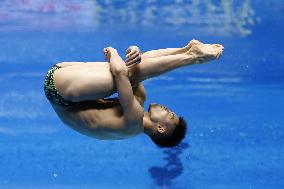
Rikuto Tamai of Japan performs in the men's 1-meter springboard diving preliminaries during the world aquatics championships in the southwestern Japan city of Fukuoka on July 14, 2023.

  •  
World aquatics championships

World aquatics championships

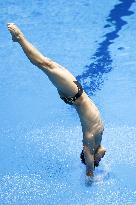
Rikuto Tamai of Japan performs in the men's 1-meter springboard diving preliminaries during the world aquatics championships in the southwestern Japan city of Fukuoka on July 14, 2023.

  •  
World aquatics championships

World aquatics championships

Rikuto Tamai of Japan performs in the men's 1-meter springboard diving preliminaries during the world aquatics championships in the southwestern Japan city of Fukuoka on July 14, 2023.

  •  
World aquatics championships

World aquatics championships

Rikuto Tamai of Japan performs in the men's 1-meter springboard diving preliminaries during the world aquatics championships in the southwestern Japan city of Fukuoka on July 14, 2023.

  •  
World aquatics championships

World aquatics championships

Rikuto Tamai of Japan performs in the men's 1-meter springboard diving preliminaries during the world aquatics championships in the southwestern Japan city of Fukuoka on July 14, 2023.

  •  
World aquatics championships

World aquatics championships

Rikuto Tamai of Japan performs in the men's 1-meter springboard diving preliminaries during the world aquatics championships in the southwestern Japan city of Fukuoka on July 14, 2023.

  •  
World aquatics championships

World aquatics championships

Rikuto Tamai of Japan performs in the men's 1-meter springboard diving preliminaries during the world aquatics championships in the southwestern Japan city of Fukuoka on July 14, 2023.

  •  
Gov't, Kajima show ice-wall test at Fukushima plant

Gov't, Kajima show ice-wall test at Fukushima plant

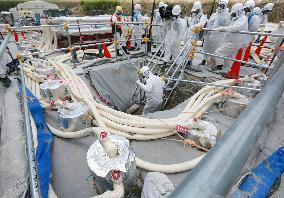
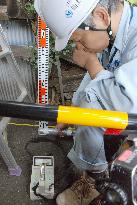
FUKUSHIMA, Japan - The government and general contractor Kajima Corp. show an experiment to create underground walls of frozen soil to stop groundwater flowing into the reactor buildings at the crippled Fukushima Daiichi nuclear power plant in Fukushima Prefecture on May 16, 2014. Cylindrical ducts to freeze soil are placed underground at 1-meter intervals. (Pool photo)

  •  
Gold-plated panda, chocolate-shaped gold sold in Tokyo

Gold-plated panda, chocolate-shaped gold sold in Tokyo

TOKYO, Japan - The Matsuzakaya Ueno department store shows on Feb. 12, 2014 a gold-plated giant panda statue and pure gold made in the shape of a chocolate tablet which will be sold at the store in Tokyo. The 1-meter tall statue covered with 2,000 gold leaf sheets is priced at 8.88 million yen and the 1-kilogram chocolate-shaped gold at 12.6 million yen.

  •  
M7.1 quake strikes off Fukushima

M7.1 quake strikes off Fukushima

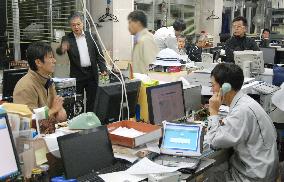
KAMAISHI, Japan - Employees of the Kamaishi city office in Iwate Prefecture collect resident evacuation information in the early hours of Oct. 26, 2013, after an earthquake registering a preliminary magnitude 7.1 struck off the coast of Fukushima Prefecture and the Japan Meteorological Agency issued an alert for tsunami of 1 meter high for Japan's northeastern Pacific coast. The agency lifted the alert about two hours later.

  •  
High levels of radiation detected in Tokyo

High levels of radiation detected in Tokyo

TOKYO, Japan - An expert measures radiation in a residential area of Tsurumaki in Setagaya Ward, Tokyo, on Oct. 13, 2011. Airborne radiation of up to 3.35 microsieverts per hour, exceeding readings in some evacuation zones around the crippled Fukushima Daiichi nuclear plant, was detected at a height of 1 meter in the area in the measurement commissioned by the ward office.

  •  
High levels of radiation detected in Tokyo

High levels of radiation detected in Tokyo

TOKYO, Japan - An expert measures radiation in a residential area of Tsurumaki in Setagaya Ward, Tokyo, on Oct. 13, 2011. Airborne radiation of up to 3.35 microsieverts per hour, exceeding readings in some evacuation zones around the crippled Fukushima Daiichi nuclear plant, was detected at a height of 1 meter in the area in the measurement commissioned by the ward office.

  •  
Radiation screening in Fukushima

Radiation screening in Fukushima

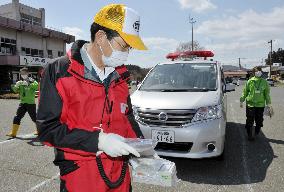
FUKUSHIMA, Japan - A man measures radiation levels in front of a community center in the village of Iitate, Fukushima Prefecture on April 12, 2011. It read 5.89 microsieverts per hour at the height of 1 meter from the ground and 8.3 microsieverts per hour on the ground surface. The prefecture is where the crippled Fukushima Daiichi nuclear power plant is located and the government has asked village leaders to have residents evacuate.

  •  
'Lucky' radish served at Kyoto temple

'Lucky' radish served at Kyoto temple

KYOTO, Japan - Japanese ''daikon'' radish soup is served to visitors at Sembonshakado Temple in Kyoto on Dec. 7, 2009, as part of the annual ''daikodaki'' event to drive away evil with the advent of cold weather. Some 5,000 daikon were prepared for cooking in four pots each measuring 1-meter in diameter, and served to visitors for 1,000 yen a bowl.

  •  
Giant jellyfish drift through Japanese waters

Giant jellyfish drift through Japanese waters

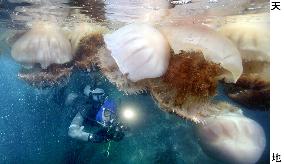
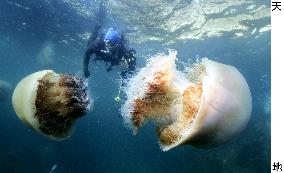
ECHIZEN, Japan - A diver swims near a school of giant jellyfish each nearly 1 meter in diameter in the Sea of Japan off the town of Echizen, Fukui Prefecture, on Oct. 31, 2009. Local fishermen said the jellyfish are smaller than usual this year but are present in huge numbers. The jellyfish create problems for the fisheries industry, and reports of equipment being damaged have come not only from Fukui but also Hokkaido and the Pacific coast.

  •  
Giant jellyfish drift through Japanese waters

Giant jellyfish drift through Japanese waters

ECHIZEN, Japan - A diver swims near a school of giant jellyfish each nearly 1 meter in diameter in the Sea of Japan off the town of Echizen, Fukui Prefecture, on Oct. 31, 2009. Local fishermen said the jellyfish are smaller than usual this year but are present in huge numbers. The jellyfish create problems for the fisheries industry, and reports of equipment being damaged have come not only from Fukui but also Hokkaido and the Pacific coast.

  •  
Anticancer sake festival held at Nara temple

Anticancer sake festival held at Nara temple

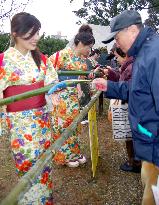
NARA, Japan - Women in kimono, each holding a 1-meter-long bamboo tube, serve hot sake to visitors at a festival to pray for cancer prevention at Daianji Temple in the city of Nara on Jan. 23. Sake is first poured into the bamboo tube and heated with fire before being given to visitors in the ''Sasazake Matsuri'' (bamboo leaf sake festival), which dates back to the eighth century.

  •  
Archery event at Sanjusangen-do Temple in Kyoto

Archery event at Sanjusangen-do Temple in Kyoto

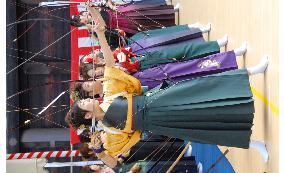
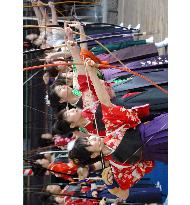
KYOTO, Japan - Young female archers dressed in traditional kimono and ''hakama'' ceremonial skirts take aim in the Toshiya arrow-shooting event at the Sanjusangen-do Temple in Kyoto on Jan. 18. About 2,000 people, including 1,800 young archers who celebrated their coming-of-age on Jan. 12, took part in the annual event. The archers aim at hitting a 1-meter bull's eye placed 60 meters away.

  •  
Man hurt in explosion of possible dud shell in Okinawa

Man hurt in explosion of possible dud shell in Okinawa

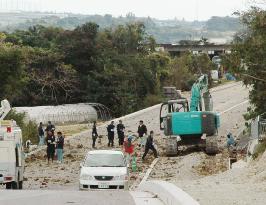
ITOMAN, Japan - Dirt lies scattered in Itoman, Okinawa Prefecture, on Jan. 14 on the spot where a construction worker was seriously injured in the detonation of a possible unexploded shell dropped during World War II. Police said the worker was injured while excavating ground with a loading shovel to lay water pipes at a depth of 1 meter.

  •  
Archery event at Sanjusangen-do Temple in Kyoto

Archery event at Sanjusangen-do Temple in Kyoto

KYOTO, Japan - Young female archers dressed in traditional kimono and 'hakama' aim at the bull's eye in the Toshiya arrow-shooting event at the Sanjusangen-do Temple in Kyoto on Jan. 13. A total of 1,900 archers, young people who will celebrate their coming-of-age on Jan. 14, took part in the annual event. The archers try to hit a 1-meter bull's eye placed 60 meters away.

  •  
Shinoda Plasma to build 2-meter-by-3-meter display panels

Shinoda Plasma to build 2-meter-by-3-meter display panels

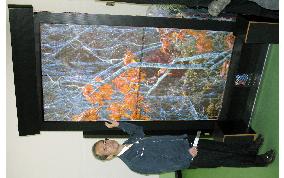
KOBE, Japan - An 86-inch plasma panel measuring 1 meter by 2 meters developed by Shinoda Plasma Co., Ltd. is on display in Kobe on Oct. 26. Shinoda Plasma, a Kobe-based venture spun from Fujitsu Ltd., says it is developing 150-inch panels measuring 2 meters by 3 meters by putting the basic 86-inch panels together. It plans to sell these giant panels by the fall of 2008. Built with plasma tubes 1 meter long and 1 mm in diameter, the panels can be bent into various shapes for use at public arenas such as railway stations and airports, the company says.

  • Main
  • Top
  • Editorial
  • Creative
  • About Us
  • About ILG
  • Terms of use
  • Company
  • BEHIND
  • Price List
  • Single Plan
  • Monthly Plan
  • Services
  • Shooting
  • Rights Clearance
  • Support
  • FAQ
  • How To Buy
  • Contact Us
  • Become a Partner

© KYODO NEWS IMAGES INC

All Rights Reserved.

  • Editorial
  • Olympics
  • News
  • Sports
  • Japan
  • Tech
  • Royal
  • Disaster
  • NorthKorea
  • Old Japan
  • SNS
  • Creative
  • Food
  • Japan
  • Landscape
  • Animal
  • Popular
  • #Ukraine
  • #Thailand
  • #coronavirus
  • #N. Korea
  • #Russia
  • #China
  • #Ukraine
  • #Thailand
  • #coronavirus
  • #N. Korea
  • #Russia
  • #China
  • Food
  • Japan
  • Landscape
  • Animal
  • Olympics
  • News
  • Sports
  • Japan
  • Tech
  • Royal
  • Disaster
  • NorthKorea
  • Old Japan
  • SNS