•  
CHINA-SHANXI-ANCIENT BUDDHIST TEMPLE (CN)

CHINA-SHANXI-ANCIENT BUDDHIST TEMPLE (CN)

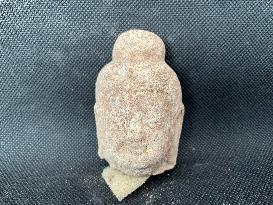
(240312) -- TAIYUAN, March 12, 2024 (Xinhua) -- This undated file photo shows a stone Buddhist head unearthed at an ancient Buddhist temple dating back to the Northern Wei Dynasty (386-534) in Pingcheng District, Datong, north China's Shanxi Province. TO GO WITH "Ancient Buddhist temple found in north China" (Xinhua)

  •  
CHINA-SHANXI-ANCIENT BUDDHIST TEMPLE (CN)

CHINA-SHANXI-ANCIENT BUDDHIST TEMPLE (CN)

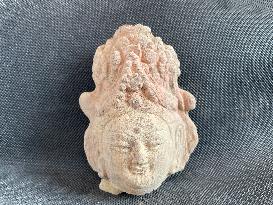
(240312) -- TAIYUAN, March 12, 2024 (Xinhua) -- This undated file photo shows a stone Bodhisattva head unearthed at an ancient Buddhist temple dating back to the Northern Wei Dynasty (386-534) in Pingcheng District, Datong, north China's Shanxi Province. TO GO WITH "Ancient Buddhist temple found in north China" (Xinhua)

  •  
(ChineseToday)CHINA-SHANXI-YUNGANG GROTTOES-NPC DEPUTY (CN)

(ChineseToday)CHINA-SHANXI-YUNGANG GROTTOES-NPC DEPUTY (CN)

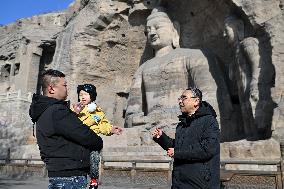
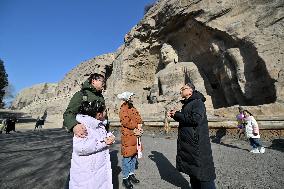
(240307) -- DATONG, March 7, 2024 (Xinhua) -- Hang Kan (R) talks with tourists and learns about their requests at the Yungang Grottoes in Datong, north China's Shanxi Province, Feb. 25, 2024. Hang Kan is head of the research institute of the Yungang Grottoes, a UNESCO World Heritage site featuring over 50,000 stone Buddhist sculptures. Yungang Grottoes was built during the Northern Wei Dynasty (386-534). It is considered a pinnacle of Chinese Buddhist art and represents the highest level of sculptural artistry in the world during the 5th century. In Hang's view, preventive protection and more investment in science and technology are crucial for the Yungang Grottoes. In 2023, Hang was elected a deputy to the 14th National People's Congress (NPC). He has been actively promoting the scientific research and personnel training of Yungang Grottoes, hoping to explore the historical connotation of exchanges among ethnic groups behind the works of art and enhance the sense of community for Chinese nation.

  •  
(ChineseToday)CHINA-SHANXI-YUNGANG GROTTOES-NPC DEPUTY (CN)

(ChineseToday)CHINA-SHANXI-YUNGANG GROTTOES-NPC DEPUTY (CN)

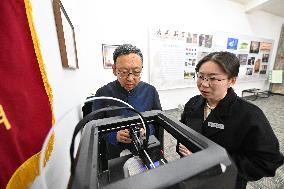
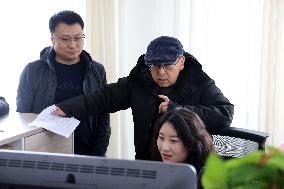
(240307) -- DATONG, March 7, 2024 (Xinhua) -- Hang Kan (L) communicates with a colleague about the design of cultural and creative products at the research institute of the Yungang Grottoes in Datong, north China's Shanxi Province, Feb. 25, 2024. Hang Kan is head of the research institute of the Yungang Grottoes, a UNESCO World Heritage site featuring over 50,000 stone Buddhist sculptures. Yungang Grottoes was built during the Northern Wei Dynasty (386-534). It is considered a pinnacle of Chinese Buddhist art and represents the highest level of sculptural artistry in the world during the 5th century. In Hang's view, preventive protection and more investment in science and technology are crucial for the Yungang Grottoes. In 2023, Hang was elected a deputy to the 14th National People's Congress (NPC). He has been actively promoting the scientific research and personnel training of Yungang Grottoes, hoping to explore the historical connotation of exchanges among ethnic groups behind the works of art a

  •  
(ChineseToday)CHINA-SHANXI-YUNGANG GROTTOES-NPC DEPUTY (CN)

(ChineseToday)CHINA-SHANXI-YUNGANG GROTTOES-NPC DEPUTY (CN)

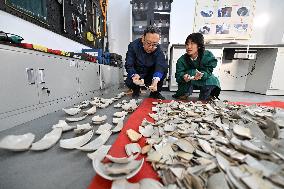
(240307) -- DATONG, March 7, 2024 (Xinhua) -- Hang Kan (L) communicates with a colleague about the measures of porcelain restoration at the research institute of the Yungang Grottoes in Datong, north China's Shanxi Province, Feb. 25, 2024. Hang Kan is head of the research institute of the Yungang Grottoes, a UNESCO World Heritage site featuring over 50,000 stone Buddhist sculptures. Yungang Grottoes was built during the Northern Wei Dynasty (386-534). It is considered a pinnacle of Chinese Buddhist art and represents the highest level of sculptural artistry in the world during the 5th century. In Hang's view, preventive protection and more investment in science and technology are crucial for the Yungang Grottoes. In 2023, Hang was elected a deputy to the 14th National People's Congress (NPC). He has been actively promoting the scientific research and personnel training of Yungang Grottoes, hoping to explore the historical connotation of exchanges among ethnic groups behind the works of art and enha

  •  
(ChineseToday)CHINA-SHANXI-YUNGANG GROTTOES-NPC DEPUTY (CN)

(ChineseToday)CHINA-SHANXI-YUNGANG GROTTOES-NPC DEPUTY (CN)

(240307) -- DATONG, March 7, 2024 (Xinhua) -- Hang Kan (2nd R) talks with tourists and learns about their requests at the Yungang Grottoes in Datong, north China's Shanxi Province, Feb. 25, 2024. Hang Kan is head of the research institute of the Yungang Grottoes, a UNESCO World Heritage site featuring over 50,000 stone Buddhist sculptures. Yungang Grottoes was built during the Northern Wei Dynasty (386-534). It is considered a pinnacle of Chinese Buddhist art and represents the highest level of sculptural artistry in the world during the 5th century. In Hang's view, preventive protection and more investment in science and technology are crucial for the Yungang Grottoes. In 2023, Hang was elected a deputy to the 14th National People's Congress (NPC). He has been actively promoting the scientific research and personnel training of Yungang Grottoes, hoping to explore the historical connotation of exchanges among ethnic groups behind the works of art and enhance the sense of community for Chinese natio

  •  
(ChineseToday)CHINA-SHANXI-YUNGANG GROTTOES-NPC DEPUTY (CN)

(ChineseToday)CHINA-SHANXI-YUNGANG GROTTOES-NPC DEPUTY (CN)

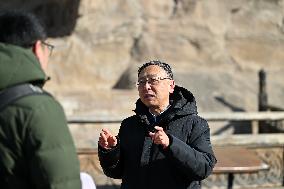
(240307) -- DATONG, March 7, 2024 (Xinhua) -- Hang Kan (R) introduces the history of Yungang Grottoes to tourists at the Yungang Grottoes in Datong, north China's Shanxi Province, Feb. 25, 2024. Hang Kan is head of the research institute of the Yungang Grottoes, a UNESCO World Heritage site featuring over 50,000 stone Buddhist sculptures. Yungang Grottoes was built during the Northern Wei Dynasty (386-534). It is considered a pinnacle of Chinese Buddhist art and represents the highest level of sculptural artistry in the world during the 5th century. In Hang's view, preventive protection and more investment in science and technology are crucial for the Yungang Grottoes. In 2023, Hang was elected a deputy to the 14th National People's Congress (NPC). He has been actively promoting the scientific research and personnel training of Yungang Grottoes, hoping to explore the historical connotation of exchanges among ethnic groups behind the works of art and enhance the sense of community for Chinese nation

  •  
(ChineseToday)CHINA-SHANXI-YUNGANG GROTTOES-NPC DEPUTY (CN)

(ChineseToday)CHINA-SHANXI-YUNGANG GROTTOES-NPC DEPUTY (CN)

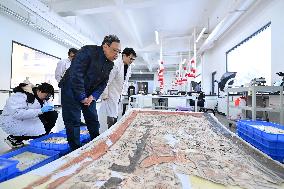
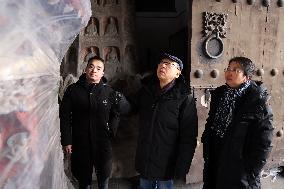
(240307) -- DATONG, March 7, 2024 (Xinhua) -- Hang Kan (3rd L) communicates with colleagues about the measures of mural restoration at the research institute of the Yungang Grottoes in Datong, north China's Shanxi Province, Feb. 25, 2024. Hang Kan is head of the research institute of the Yungang Grottoes, a UNESCO World Heritage site featuring over 50,000 stone Buddhist sculptures. Yungang Grottoes was built during the Northern Wei Dynasty (386-534). It is considered a pinnacle of Chinese Buddhist art and represents the highest level of sculptural artistry in the world during the 5th century. In Hang's view, preventive protection and more investment in science and technology are crucial for the Yungang Grottoes. In 2023, Hang was elected a deputy to the 14th National People's Congress (NPC). He has been actively promoting the scientific research and personnel training of Yungang Grottoes, hoping to explore the historical connotation of exchanges among ethnic groups behind the works of art and enhan

  •  
(ChineseToday)CHINA-SHANXI-YUNGANG GROTTOES-NPC DEPUTY (CN)

(ChineseToday)CHINA-SHANXI-YUNGANG GROTTOES-NPC DEPUTY (CN)

(240307) -- DATONG, March 7, 2024 (Xinhua) -- Hang Kan (C) and his colleagues exchange ideas about the collection scheme with digital technology of the Yungang Grottoes in Datong, north China's Shanxi Province, Dec. 29, 2023. Hang Kan is head of the research institute of the Yungang Grottoes, a UNESCO World Heritage site featuring over 50,000 stone Buddhist sculptures. Yungang Grottoes was built during the Northern Wei Dynasty (386-534). It is considered a pinnacle of Chinese Buddhist art and represents the highest level of sculptural artistry in the world during the 5th century. In Hang's view, preventive protection and more investment in science and technology are crucial for the Yungang Grottoes. In 2023, Hang was elected a deputy to the 14th National People's Congress (NPC). He has been actively promoting the scientific research and personnel training of Yungang Grottoes, hoping to explore the historical connotation of exchanges among ethnic groups behind the works of art and enhance the sense

  •  
(ChineseToday)CHINA-SHANXI-YUNGANG GROTTOES-NPC DEPUTY (CN)

(ChineseToday)CHINA-SHANXI-YUNGANG GROTTOES-NPC DEPUTY (CN)

(240307) -- DATONG, March 7, 2024 (Xinhua) -- Hang Kan (C) and his colleagues exchange ideas about the preservation scheme of 3D printed model of Cave No. 12 of the Yungang Grottoes in Datong, north China's Shanxi Province, Dec. 29, 2023. Hang Kan is head of the research institute of the Yungang Grottoes, a UNESCO World Heritage site featuring over 50,000 stone Buddhist sculptures. Yungang Grottoes was built during the Northern Wei Dynasty (386-534). It is considered a pinnacle of Chinese Buddhist art and represents the highest level of sculptural artistry in the world during the 5th century. In Hang's view, preventive protection and more investment in science and technology are crucial for the Yungang Grottoes. In 2023, Hang was elected a deputy to the 14th National People's Congress (NPC). He has been actively promoting the scientific research and personnel training of Yungang Grottoes, hoping to explore the historical connotation of exchanges among ethnic groups behind the works of art and enhan

  •  
(ChineseToday)CHINA-SHANXI-YUNGANG GROTTOES-NPC DEPUTY (CN)

(ChineseToday)CHINA-SHANXI-YUNGANG GROTTOES-NPC DEPUTY (CN)

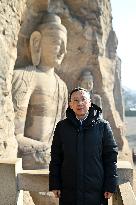
(240307) -- DATONG, March 7, 2024 (Xinhua) -- Hang Kan is pictured at the Yungang Grottoes in Datong, north China's Shanxi Province, Feb. 25, 2024. Hang Kan is head of the research institute of the Yungang Grottoes, a UNESCO World Heritage site featuring over 50,000 stone Buddhist sculptures. Yungang Grottoes was built during the Northern Wei Dynasty (386-534). It is considered a pinnacle of Chinese Buddhist art and represents the highest level of sculptural artistry in the world during the 5th century. In Hang's view, preventive protection and more investment in science and technology are crucial for the Yungang Grottoes. In 2023, Hang was elected a deputy to the 14th National People's Congress (NPC). He has been actively promoting the scientific research and personnel training of Yungang Grottoes, hoping to explore the historical connotation of exchanges among ethnic groups behind the works of art and enhance the sense of community for Chinese nation. Hang believes that protecting and making g

  •  
CHINA-SHANXI-YUNGANG GROTTOES-DOCTORS FOR RELICS (CN)

CHINA-SHANXI-YUNGANG GROTTOES-DOCTORS FOR RELICS (CN)

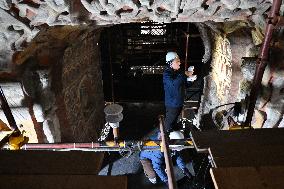
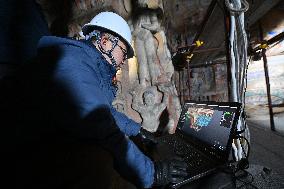
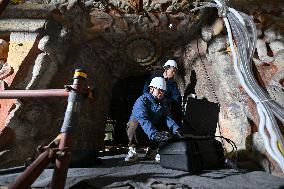
(240301) -- DATONG, March 1, 2024 (Xinhua) -- Du Qiang (back), a staff member of the Yungang Grottoes Research Institute, collects data with his colleague Pan Peng at one of the Yungang Grottoes in Datong, north China's Shanxi Province, Feb. 27, 2024. Yungang Grottoes, a UNESCO World Heritage site featuring over 50,000 stone Buddhist sculptures in Datong, was built during the Northern Wei Dynasty (386-534). It is considered a pinnacle of Chinese Buddhist art and represents the highest level of sculptural artistry in the world during the 5th century. The Yungang Grottoes Research Institute boasts a relics protection and restoration team mainly consisting of professionals in their 20s and 30s, who are trying their very best to keep these statues in their prime condition as long as possible. Dubbed doctors for relics, these young souls armed with modern technologies have gone beyond fundamental protection and restoration, and walked the extra mile to present these statues in a much more vivid way before tou

  •  
CHINA-SHANXI-YUNGANG GROTTOES-DOCTORS FOR RELICS (CN)

CHINA-SHANXI-YUNGANG GROTTOES-DOCTORS FOR RELICS (CN)

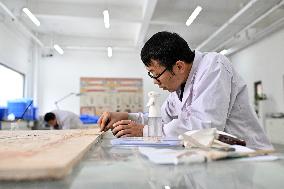
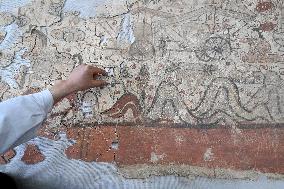
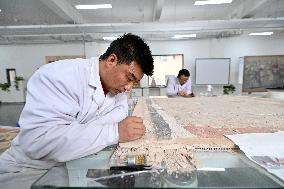
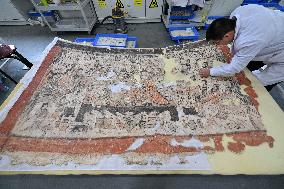
(240301) -- DATONG, March 1, 2024 (Xinhua) -- Feng Jun, a staff member of the Yungang Grottoes Research Institute, restores a mural at a studio of the institute in Datong, north China's Shanxi Province, Feb. 26, 2024. Yungang Grottoes, a UNESCO World Heritage site featuring over 50,000 stone Buddhist sculptures in Datong, was built during the Northern Wei Dynasty (386-534). It is considered a pinnacle of Chinese Buddhist art and represents the highest level of sculptural artistry in the world during the 5th century. The Yungang Grottoes Research Institute boasts a relics protection and restoration team mainly consisting of professionals in their 20s and 30s, who are trying their very best to keep these statues in their prime condition as long as possible. Dubbed doctors for relics, these young souls armed with modern technologies have gone beyond fundamental protection and restoration, and walked the extra mile to present these statues in a much more vivid way before tourists and learners from all over t

  •  
CHINA-SHANXI-YUNGANG GROTTOES-DOCTORS FOR RELICS (CN)

CHINA-SHANXI-YUNGANG GROTTOES-DOCTORS FOR RELICS (CN)

(240301) -- DATONG, March 1, 2024 (Xinhua) -- Pan Peng, a staff member of the Yungang Grottoes Research Institute, collects data at one of the Yungang Grottoes in Datong, north China's Shanxi Province, Feb. 27, 2024. Yungang Grottoes, a UNESCO World Heritage site featuring over 50,000 stone Buddhist sculptures in Datong, was built during the Northern Wei Dynasty (386-534). It is considered a pinnacle of Chinese Buddhist art and represents the highest level of sculptural artistry in the world during the 5th century. The Yungang Grottoes Research Institute boasts a relics protection and restoration team mainly consisting of professionals in their 20s and 30s, who are trying their very best to keep these statues in their prime condition as long as possible. Dubbed doctors for relics, these young souls armed with modern technologies have gone beyond fundamental protection and restoration, and walked the extra mile to present these statues in a much more vivid way before tourists and learners from all over th

  •  
CHINA-SHANXI-YUNGANG GROTTOES-DOCTORS FOR RELICS (CN)

CHINA-SHANXI-YUNGANG GROTTOES-DOCTORS FOR RELICS (CN)

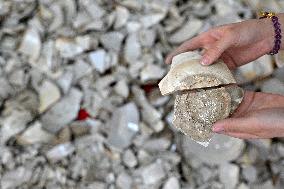
(240301) -- DATONG, March 1, 2024 (Xinhua) -- Gao Jiaheng, a staff member of the Yungang Grottoes Research Institute, restores a broken porcelain item at a studio of the institute in Datong, north China's Shanxi Province, Feb. 26, 2024. Yungang Grottoes, a UNESCO World Heritage site featuring over 50,000 stone Buddhist sculptures in Datong, was built during the Northern Wei Dynasty (386-534). It is considered a pinnacle of Chinese Buddhist art and represents the highest level of sculptural artistry in the world during the 5th century. The Yungang Grottoes Research Institute boasts a relics protection and restoration team mainly consisting of professionals in their 20s and 30s, who are trying their very best to keep these statues in their prime condition as long as possible. Dubbed doctors for relics, these young souls armed with modern technologies have gone beyond fundamental protection and restoration, and walked the extra mile to present these statues in a much more vivid way before tourists and learn

  •  
CHINA-SHANXI-YUNGANG GROTTOES-DOCTORS FOR RELICS (CN)

CHINA-SHANXI-YUNGANG GROTTOES-DOCTORS FOR RELICS (CN)

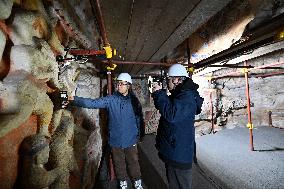
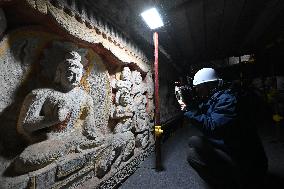
(240301) -- DATONG, March 1, 2024 (Xinhua) -- Li Min (R), a staff member of the Yungang Grottoes Research Institute, captures images with his colleague Pan Peng at one of the Yungang Grottoes in Datong, north China's Shanxi Province, Feb. 27, 2024. Yungang Grottoes, a UNESCO World Heritage site featuring over 50,000 stone Buddhist sculptures in Datong, was built during the Northern Wei Dynasty (386-534). It is considered a pinnacle of Chinese Buddhist art and represents the highest level of sculptural artistry in the world during the 5th century. The Yungang Grottoes Research Institute boasts a relics protection and restoration team mainly consisting of professionals in their 20s and 30s, who are trying their very best to keep these statues in their prime condition as long as possible. Dubbed doctors for relics, these young souls armed with modern technologies have gone beyond fundamental protection and restoration, and walked the extra mile to present these statues in a much more vivid way before touris

  •  
CHINA-SHANXI-YUNGANG GROTTOES-DOCTORS FOR RELICS (CN)

CHINA-SHANXI-YUNGANG GROTTOES-DOCTORS FOR RELICS (CN)

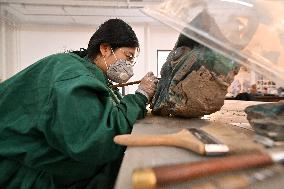
(240301) -- DATONG, March 1, 2024 (Xinhua) -- Han Yuehua, a staff member of the Yungang Grottoes Research Institute, removes dust from a relic item at a studio of the institute in Datong, north China's Shanxi Province, Feb. 26, 2024. Yungang Grottoes, a UNESCO World Heritage site featuring over 50,000 stone Buddhist sculptures in Datong, was built during the Northern Wei Dynasty (386-534). It is considered a pinnacle of Chinese Buddhist art and represents the highest level of sculptural artistry in the world during the 5th century. The Yungang Grottoes Research Institute boasts a relics protection and restoration team mainly consisting of professionals in their 20s and 30s, who are trying their very best to keep these statues in their prime condition as long as possible. Dubbed doctors for relics, these young souls armed with modern technologies have gone beyond fundamental protection and restoration, and walked the extra mile to present these statues in a much more vivid way before tourists and learners

  •  
CHINA-SHANXI-YUNGANG GROTTOES-DOCTORS FOR RELICS (CN)

CHINA-SHANXI-YUNGANG GROTTOES-DOCTORS FOR RELICS (CN)

(240301) -- DATONG, March 1, 2024 (Xinhua) -- Gao Jiaheng, a staff member of the Yungang Grottoes Research Institute, restores a porcelain ware at a studio of the institute in Datong, north China's Shanxi Province, Feb. 26, 2024. Yungang Grottoes, a UNESCO World Heritage site featuring over 50,000 stone Buddhist sculptures in Datong, was built during the Northern Wei Dynasty (386-534). It is considered a pinnacle of Chinese Buddhist art and represents the highest level of sculptural artistry in the world during the 5th century. The Yungang Grottoes Research Institute boasts a relics protection and restoration team mainly consisting of professionals in their 20s and 30s, who are trying their very best to keep these statues in their prime condition as long as possible. Dubbed doctors for relics, these young souls armed with modern technologies have gone beyond fundamental protection and restoration, and walked the extra mile to present these statues in a much more vivid way before tourists and learners fro

  •  
CHINA-SHANXI-YUNGANG GROTTOES-DOCTORS FOR RELICS (CN)

CHINA-SHANXI-YUNGANG GROTTOES-DOCTORS FOR RELICS (CN)

(240301) -- DATONG, March 1, 2024 (Xinhua) -- Dai Yuxiang, a staff member of the Yungang Grottoes Research Institute, restores a mural at a studio of the institute in Datong, north China's Shanxi Province, Feb. 27, 2024. Yungang Grottoes, a UNESCO World Heritage site featuring over 50,000 stone Buddhist sculptures in Datong, was built during the Northern Wei Dynasty (386-534). It is considered a pinnacle of Chinese Buddhist art and represents the highest level of sculptural artistry in the world during the 5th century. The Yungang Grottoes Research Institute boasts a relics protection and restoration team mainly consisting of professionals in their 20s and 30s, who are trying their very best to keep these statues in their prime condition as long as possible. Dubbed doctors for relics, these young souls armed with modern technologies have gone beyond fundamental protection and restoration, and walked the extra mile to present these statues in a much more vivid way before tourists and learners from all ove

  •  
CHINA-SHANXI-YUNGANG GROTTOES-DOCTORS FOR RELICS (CN)

CHINA-SHANXI-YUNGANG GROTTOES-DOCTORS FOR RELICS (CN)

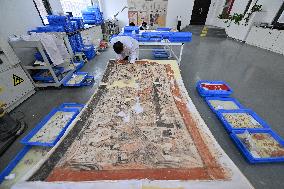
(240301) -- DATONG, March 1, 2024 (Xinhua) -- Wang Jianguo (front), a staff member of the Yungang Grottoes Research Institute, restores a mural with his colleagues at a studio of the institute in Datong, north China's Shanxi Province, Feb. 27, 2024. Yungang Grottoes, a UNESCO World Heritage site featuring over 50,000 stone Buddhist sculptures in Datong, was built during the Northern Wei Dynasty (386-534). It is considered a pinnacle of Chinese Buddhist art and represents the highest level of sculptural artistry in the world during the 5th century. The Yungang Grottoes Research Institute boasts a relics protection and restoration team mainly consisting of professionals in their 20s and 30s, who are trying their very best to keep these statues in their prime condition as long as possible. Dubbed doctors for relics, these young souls armed with modern technologies have gone beyond fundamental protection and restoration, and walked the extra mile to present these statues in a much more vivid way before touri

  •  
CHINA-SHANXI-YUNGANG GROTTOES-DOCTORS FOR RELICS (CN)

CHINA-SHANXI-YUNGANG GROTTOES-DOCTORS FOR RELICS (CN)

(240301) -- DATONG, March 1, 2024 (Xinhua) -- Pan Peng (front), a staff member of the Yungang Grottoes Research Institute, collects data with his colleague Du Qiang at one of the Yungang Grottoes in Datong, north China's Shanxi Province, Feb. 27, 2024. Yungang Grottoes, a UNESCO World Heritage site featuring over 50,000 stone Buddhist sculptures in Datong, was built during the Northern Wei Dynasty (386-534). It is considered a pinnacle of Chinese Buddhist art and represents the highest level of sculptural artistry in the world during the 5th century. The Yungang Grottoes Research Institute boasts a relics protection and restoration team mainly consisting of professionals in their 20s and 30s, who are trying their very best to keep these statues in their prime condition as long as possible. Dubbed doctors for relics, these young souls armed with modern technologies have gone beyond fundamental protection and restoration, and walked the extra mile to present these statues in a much more vivid way before to

  •  
CHINA-SHANXI-YUNGANG GROTTOES-DOCTORS FOR RELICS (CN)

CHINA-SHANXI-YUNGANG GROTTOES-DOCTORS FOR RELICS (CN)

(240301) -- DATONG, March 1, 2024 (Xinhua) -- Jia Ning (L), a staff member of the Yungang Grottoes Research Institute, restores a mural with his colleague at a studio of the institute in Datong, north China's Shanxi Province, Feb. 26, 2024. Yungang Grottoes, a UNESCO World Heritage site featuring over 50,000 stone Buddhist sculptures in Datong, was built during the Northern Wei Dynasty (386-534). It is considered a pinnacle of Chinese Buddhist art and represents the highest level of sculptural artistry in the world during the 5th century. The Yungang Grottoes Research Institute boasts a relics protection and restoration team mainly consisting of professionals in their 20s and 30s, who are trying their very best to keep these statues in their prime condition as long as possible. Dubbed doctors for relics, these young souls armed with modern technologies have gone beyond fundamental protection and restoration, and walked the extra mile to present these statues in a much more vivid way before tourists and l

  •  
CHINA-SHANXI-YUNGANG GROTTOES-DOCTORS FOR RELICS (CN)

CHINA-SHANXI-YUNGANG GROTTOES-DOCTORS FOR RELICS (CN)

(240301) -- DATONG, March 1, 2024 (Xinhua) -- Li Min, a staff member of the Yungang Grottoes Research Institute, captures images at one of the Yungang Grottoes in Datong, north China's Shanxi Province, Feb. 27, 2024. Yungang Grottoes, a UNESCO World Heritage site featuring over 50,000 stone Buddhist sculptures in Datong, was built during the Northern Wei Dynasty (386-534). It is considered a pinnacle of Chinese Buddhist art and represents the highest level of sculptural artistry in the world during the 5th century. The Yungang Grottoes Research Institute boasts a relics protection and restoration team mainly consisting of professionals in their 20s and 30s, who are trying their very best to keep these statues in their prime condition as long as possible. Dubbed doctors for relics, these young souls armed with modern technologies have gone beyond fundamental protection and restoration, and walked the extra mile to present these statues in a much more vivid way before tourists and learners from all over th

  •  
CHINA-SHANXI-YUNGANG GROTTOES-DOCTORS FOR RELICS (CN)

CHINA-SHANXI-YUNGANG GROTTOES-DOCTORS FOR RELICS (CN)

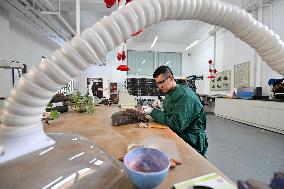
(240301) -- DATONG, March 1, 2024 (Xinhua) -- Zhang Hui, a staff member of the Yungang Grottoes Research Institute, restores an iron ware at a studio of the institute in Datong, north China's Shanxi Province, Feb. 26, 2024. Yungang Grottoes, a UNESCO World Heritage site featuring over 50,000 stone Buddhist sculptures in Datong, was built during the Northern Wei Dynasty (386-534). It is considered a pinnacle of Chinese Buddhist art and represents the highest level of sculptural artistry in the world during the 5th century. The Yungang Grottoes Research Institute boasts a relics protection and restoration team mainly consisting of professionals in their 20s and 30s, who are trying their very best to keep these statues in their prime condition as long as possible. Dubbed doctors for relics, these young souls armed with modern technologies have gone beyond fundamental protection and restoration, and walked the extra mile to present these statues in a much more vivid way before tourists and learners from all

  •  
CHINA-SHANXI-YUNGANG GROTTOES-DOCTORS FOR RELICS (CN)

CHINA-SHANXI-YUNGANG GROTTOES-DOCTORS FOR RELICS (CN)

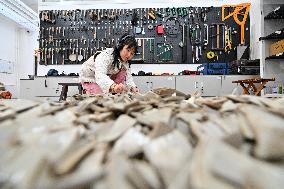
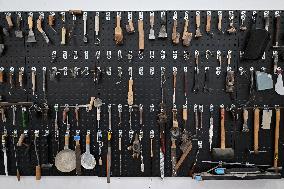
(240301) -- DATONG, March 1, 2024 (Xinhua) -- Restoration tools are seen displayed on the wall of a studio at the Yungang Grottoes Research Institute in Datong, north China's Shanxi Province, Feb. 26, 2024. Yungang Grottoes, a UNESCO World Heritage site featuring over 50,000 stone Buddhist sculptures in Datong, was built during the Northern Wei Dynasty (386-534). It is considered a pinnacle of Chinese Buddhist art and represents the highest level of sculptural artistry in the world during the 5th century. The Yungang Grottoes Research Institute boasts a relics protection and restoration team mainly consisting of professionals in their 20s and 30s, who are trying their very best to keep these statues in their prime condition as long as possible. Dubbed doctors for relics, these young souls armed with modern technologies have gone beyond fundamental protection and restoration, and walked the extra mile to present these statues in a much more vivid way before tourists and learners from all over the world. (

  •  
CHINA-SHANXI-YUNGANG GROTTOES-DOCTORS FOR RELICS (CN)

CHINA-SHANXI-YUNGANG GROTTOES-DOCTORS FOR RELICS (CN)

(240301) -- DATONG, March 1, 2024 (Xinhua) -- Wang Jianguo, a staff member of the Yungang Grottoes Research Institute, restores a mural at a studio of the institute in Datong, north China's Shanxi Province, Feb. 27, 2024. Yungang Grottoes, a UNESCO World Heritage site featuring over 50,000 stone Buddhist sculptures in Datong, was built during the Northern Wei Dynasty (386-534). It is considered a pinnacle of Chinese Buddhist art and represents the highest level of sculptural artistry in the world during the 5th century. The Yungang Grottoes Research Institute boasts a relics protection and restoration team mainly consisting of professionals in their 20s and 30s, who are trying their very best to keep these statues in their prime condition as long as possible. Dubbed doctors for relics, these young souls armed with modern technologies have gone beyond fundamental protection and restoration, and walked the extra mile to present these statues in a much more vivid way before tourists and learners from all ov

  •  
CHINA-SHANXI-YUNGANG GROTTOES-DOCTORS FOR RELICS (CN)

CHINA-SHANXI-YUNGANG GROTTOES-DOCTORS FOR RELICS (CN)

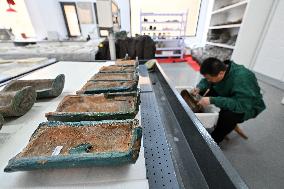
(240301) -- DATONG, March 1, 2024 (Xinhua) -- Wei Songlin, a staff member of the Yungang Grottoes Research Institute, restores a glazed tile at a studio of the institute in Datong, north China's Shanxi Province, Feb. 26, 2024. Yungang Grottoes, a UNESCO World Heritage site featuring over 50,000 stone Buddhist sculptures in Datong, was built during the Northern Wei Dynasty (386-534). It is considered a pinnacle of Chinese Buddhist art and represents the highest level of sculptural artistry in the world during the 5th century. The Yungang Grottoes Research Institute boasts a relics protection and restoration team mainly consisting of professionals in their 20s and 30s, who are trying their very best to keep these statues in their prime condition as long as possible. Dubbed doctors for relics, these young souls armed with modern technologies have gone beyond fundamental protection and restoration, and walked the extra mile to present these statues in a much more vivid way before tourists and learners from a

  •  

Chinese tech company launches AI-powered Go robot

STORY: Chinese tech company launches AI-powered Go robot DATELINE: June 16, 2023 LENGTH: 00:01:01 LOCATION: SHANGHAI, China CATEGORY: TECHNOLOGY SHOTLIST: 1. various of the robot 2. SOUNDBITE 1 (Chinese): Go player 3. SOUNDBITE 2 (Chinese): SHEN HUI, Dean of Innovative Engineering Institute of SenseTime STORYLINE: Chinese artificial intelligence company SenseTime unveiled an AI-powered household Go robot Tuesday in Shanghai. Named "SenseRobot," it is equipped with a large number of selected exercises and human-machine game training at 20 levels. Priced at 3,799 yuan (534 U.S. dollars), the company says the robot can meet the demands of both amateurs and professionals. SOUNDBITE 1 (Chinese): Go player "I'm an amateur fifth-dan player, so I selected the corresponding level to play against the robot. Its playing style is a bit different from human players, but its way inspired me." SenseTime says the new robot will only sell in the Chinese market. SOUNDBITE 2 (Chinese): SHEN HUI, Dean of Innovative Engin

  •  
CHINA-HENAN-LUOYANG-ZHUCANG-ARCHAEOLOGICAL DISCOVERY (CN)

CHINA-HENAN-LUOYANG-ZHUCANG-ARCHAEOLOGICAL DISCOVERY (CN)

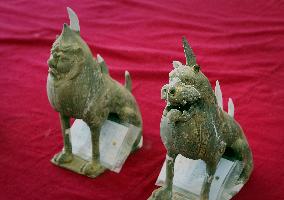
(230325) -- LUOYANG, March 25, 2023 (Xinhua) -- This photo taken on March 15, 2023 shows pottery tomb-guarding beasts unearthed in a cemetery found in Zhucang Village in Mengjin District of Luoyang City, central China's Henan Province. A cemetery consisting of three tombs was recently listed as one of the five key archaeological discoveries in Henan Province in 2022. In the tombs probably built between the late period of the Northern Wei Dynasty (386-534) and the Eastern Wei Dynasty (534-550), large-scale and well-organized stone beds with stone folding screens were found. This is the first time that stone beds dating back to this period have been unearthed in Luoyang City. (Xinhua/Li An)

  •  
CHINA-HENAN-LUOYANG-ZHUCANG-ARCHAEOLOGICAL DISCOVERY (CN)

CHINA-HENAN-LUOYANG-ZHUCANG-ARCHAEOLOGICAL DISCOVERY (CN)

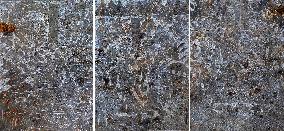
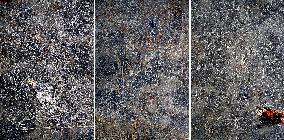
(230325) -- LUOYANG, March 25, 2023 (Xinhua) -- This combo photo taken on March 15, 2023 shows the images on the stone folding screens of stone beds unearthed in a cemetery found in Zhucang Village in Mengjin District of Luoyang City, central China's Henan Province. A cemetery consisting of three tombs was recently listed as one of the five key archaeological discoveries in Henan Province in 2022. In the tombs probably built between the late period of the Northern Wei Dynasty (386-534) and the Eastern Wei Dynasty (534-550), large-scale and well-organized stone beds with stone folding screens were found. This is the first time that stone beds dating back to this period have been unearthed in Luoyang City. (Xinhua/Li An)

  •  
CHINA-HENAN-LUOYANG-ZHUCANG-ARCHAEOLOGICAL DISCOVERY (CN)

CHINA-HENAN-LUOYANG-ZHUCANG-ARCHAEOLOGICAL DISCOVERY (CN)

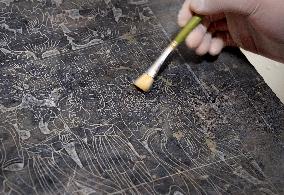
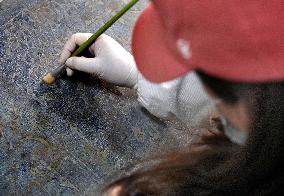
(230325) -- LUOYANG, March 25, 2023 (Xinhua) -- A staff member cleans a stone folding screen of a stone bed unearthed in a cemetery found in Zhucang Village in Mengjin District of Luoyang City, central China's Henan Province, March 15, 2023. A cemetery consisting of three tombs was recently listed as one of the five key archaeological discoveries in Henan Province in 2022. In the tombs probably built between the late period of the Northern Wei Dynasty (386-534) and the Eastern Wei Dynasty (534-550), large-scale and well-organized stone beds with stone folding screens were found. This is the first time that stone beds dating back to this period have been unearthed in Luoyang City. (Xinhua/Li An)

  •  
CHINA-HENAN-LUOYANG-ZHUCANG-ARCHAEOLOGICAL DISCOVERY (CN)

CHINA-HENAN-LUOYANG-ZHUCANG-ARCHAEOLOGICAL DISCOVERY (CN)

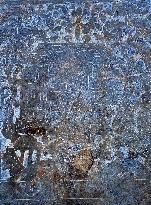
(230325) -- LUOYANG, March 25, 2023 (Xinhua) -- This photo taken on March 15, 2023 shows the image on a stone folding screen of a stone bed unearthed in a cemetery found in Zhucang Village in Mengjin District of Luoyang City, central China's Henan Province. A cemetery consisting of three tombs was recently listed as one of the five key archaeological discoveries in Henan Province in 2022. In the tombs probably built between the late period of the Northern Wei Dynasty (386-534) and the Eastern Wei Dynasty (534-550), large-scale and well-organized stone beds with stone folding screens were found. This is the first time that stone beds dating back to this period have been unearthed in Luoyang City. (Xinhua/Li An)

  •  
CHINA-HENAN-LUOYANG-ZHUCANG-ARCHAEOLOGICAL DISCOVERY (CN)

CHINA-HENAN-LUOYANG-ZHUCANG-ARCHAEOLOGICAL DISCOVERY (CN)

(230325) -- LUOYANG, March 25, 2023 (Xinhua) -- This photo taken on March 15, 2023 shows a staff member cleaning a stone folding screen of a stone bed unearthed in a cemetery found in Zhucang Village in Mengjin District of Luoyang City, central China's Henan Province. A cemetery consisting of three tombs was recently listed as one of the five key archaeological discoveries in Henan Province in 2022. In the tombs probably built between the late period of the Northern Wei Dynasty (386-534) and the Eastern Wei Dynasty (534-550), large-scale and well-organized stone beds with stone folding screens were found. This is the first time that stone beds dating back to this period have been unearthed in Luoyang City. (Xinhua/Li An)

  •  
CHINA-HENAN-LUOYANG-ZHUCANG-ARCHAEOLOGICAL DISCOVERY (CN)

CHINA-HENAN-LUOYANG-ZHUCANG-ARCHAEOLOGICAL DISCOVERY (CN)

(230325) -- LUOYANG, March 25, 2023 (Xinhua) -- This photo taken on March 15, 2023 shows the image on a stone bed unearthed in a cemetery found in Zhucang Village in Mengjin District of Luoyang City, central China's Henan Province. A cemetery consisting of three tombs was recently listed as one of the five key archaeological discoveries in Henan Province in 2022. In the tombs probably built between the late period of the Northern Wei Dynasty (386-534) and the Eastern Wei Dynasty (534-550), large-scale and well-organized stone beds with stone folding screens were found. This is the first time that stone beds dating back to this period have been unearthed in Luoyang City. (Xinhua/Li An)

  •  
CHINA-HENAN-LUOYANG-ZHUCANG-ARCHAEOLOGICAL DISCOVERY (CN)

CHINA-HENAN-LUOYANG-ZHUCANG-ARCHAEOLOGICAL DISCOVERY (CN)

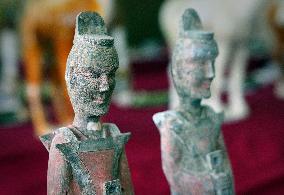
(230325) -- LUOYANG, March 25, 2023 (Xinhua) -- This photo taken on March 15, 2023 shows pottery warrior figurines unearthed in a cemetery found in Zhucang Village in Mengjin District of Luoyang City, central China's Henan Province. A cemetery consisting of three tombs was recently listed as one of the five key archaeological discoveries in Henan Province in 2022. In the tombs probably built between the late period of the Northern Wei Dynasty (386-534) and the Eastern Wei Dynasty (534-550), large-scale and well-organized stone beds with stone folding screens were found. This is the first time that stone beds dating back to this period have been unearthed in Luoyang City. (Xinhua/Li An)

  •  
CHINA-HENAN-LUOYANG-ZHUCANG-ARCHAEOLOGICAL DISCOVERY (CN)

CHINA-HENAN-LUOYANG-ZHUCANG-ARCHAEOLOGICAL DISCOVERY (CN)

(230325) -- LUOYANG, March 25, 2023 (Xinhua) -- This combo photo taken on March 15, 2023 shows the images on the stone folding screens of stone beds unearthed in a cemetery found in Zhucang Village in Mengjin District of Luoyang City, central China's Henan Province. A cemetery consisting of three tombs was recently listed as one of the five key archaeological discoveries in Henan Province in 2022. In the tombs probably built between the late period of the Northern Wei Dynasty (386-534) and the Eastern Wei Dynasty (534-550), large-scale and well-organized stone beds with stone folding screens were found. This is the first time that stone beds dating back to this period have been unearthed in Luoyang City. (Xinhua/Li An)

  •  
CHINA-NINGXIA-GUYUAN-XUMISHAN GROTTOES-RESTORATION (CN)

CHINA-NINGXIA-GUYUAN-XUMISHAN GROTTOES-RESTORATION (CN)

(230313) -- GUYUAN, March 13, 2023 (Xinhua) -- This photo taken on Feb. 28, 2023 shows restored Buddha statues in the Xumishan Grottoes, initially built in the late period of the Northern Wei Dynasty (386-534), in Guyuan, northwest China's Ningxia Hui Autonomous Region. TO GO WITH "Across China: Silk Road culture shines in mountainous area of northwest China" (Xinhua/Wang Peng)

  •  
CHINA-NINGXIA-GUYUAN-XUMISHAN GROTTOES-RESTORATION (CN)

CHINA-NINGXIA-GUYUAN-XUMISHAN GROTTOES-RESTORATION (CN)

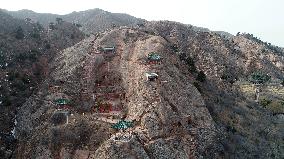
(230313) -- GUYUAN, March 13, 2023 (Xinhua) -- This aerial photo taken on Feb. 28, 2023 shows an exterior view of the Xumishan Grottoes, initially built in the late period of the Northern Wei Dynasty (386-534), in Guyuan, northwest China's Ningxia Hui Autonomous Region. TO GO WITH "Across China: Silk Road culture shines in mountainous area of northwest China" (Xinhua/Wang Peng)

  •  
CHINA-NINGXIA-GUYUAN-XUMISHAN GROTTOES-RESTORATION (CN)

CHINA-NINGXIA-GUYUAN-XUMISHAN GROTTOES-RESTORATION (CN)

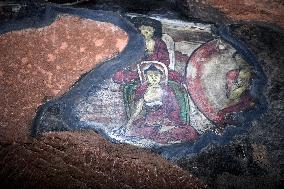
(230313) -- GUYUAN, March 13, 2023 (Xinhua) -- This photo taken on Feb. 28, 2023 shows a restored mural in the Xumishan Grottoes, initially built in the late period of the Northern Wei Dynasty (386-534), in Guyuan, northwest China's Ningxia Hui Autonomous Region. TO GO WITH "Across China: Silk Road culture shines in mountainous area of northwest China" (Xinhua/Wang Peng)

  •  
Cryptocurrency hack in Japan

Cryptocurrency hack in Japan

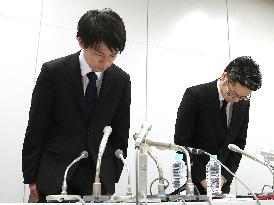
TOKYO, Japan, Jan. 28 Kyodo - Koichiro Wada (L), president of cryptocurrency exchange Coincheck, and Yusuke Otsuka, the company's chief operating officer, bow in apology at a press conference in Tokyo on Jan. 26, 2018, after around 58 billion yen ($534 million) of the NEM cryptocurrency disappeared due to hacking.

  •  
CHINA-SHANGHAI-NUCLEIC ACID TESTING SITES (CN)

CHINA-SHANGHAI-NUCLEIC ACID TESTING SITES (CN)

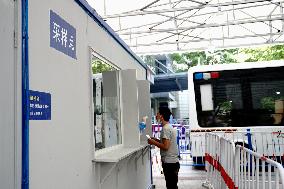
(220427) -- SHANGHAI, April 27, 2022 (Xinhua) -- Photo taken on April 27, 2022 shows a nucleic acid testing site in Minhang District, east China's Shanghai. Shanghai has announced the first batch of 534 sites for regular nucleic acid testing on Tuesday, as an effort to boost citizens' access to nucleic acid testing. (Xinhua/Zhang Jiansong)

  •  
CHINA-SHANGHAI-NUCLEIC ACID TESTING SITES (CN)

CHINA-SHANGHAI-NUCLEIC ACID TESTING SITES (CN)

(220427) -- SHANGHAI, April 27, 2022 (Xinhua) -- A staff member guides a citizen at a nucleic acid testing site in Minhang District, east China's Shanghai, April 27, 2022. Shanghai has announced the first batch of 534 sites for regular nucleic acid testing on Tuesday, as an effort to boost citizens' access to nucleic acid testing. (Xinhua/Zhang Jiansong)

  •  
CHINA-SHANGHAI-NUCLEIC ACID TESTING SITES (CN)

CHINA-SHANGHAI-NUCLEIC ACID TESTING SITES (CN)

(220427) -- SHANGHAI, April 27, 2022 (Xinhua) -- Photo taken on April 27, 2022 shows a nucleic acid testing site in east China's Shanghai. Shanghai has announced the first batch of 534 sites for regular nucleic acid testing on Tuesday, as an effort to boost citizens' access to nucleic acid testing. (Xinhua/Zhang Jiansong)

  •  
CHINA-SHANGHAI-NUCLEIC ACID TESTING SITES (CN)

CHINA-SHANGHAI-NUCLEIC ACID TESTING SITES (CN)

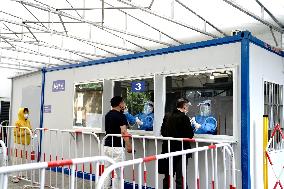
(220427) -- SHANGHAI, April 27, 2022 (Xinhua) -- Citizens take nucleic acid tests at a testing site in east China's Shanghai, April 27, 2022. Shanghai has announced the first batch of 534 sites for regular nucleic acid testing on Tuesday, as an effort to boost citizens' access to nucleic acid testing. (Xinhua/Zhang Jiansong)

  •  
CHINA-SHANXI-DATONG-ANCIENT TOMB CHAMBER DISCOVERY (CN)

CHINA-SHANXI-DATONG-ANCIENT TOMB CHAMBER DISCOVERY (CN)

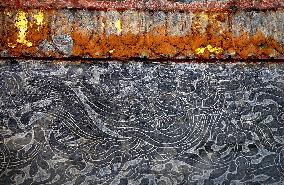
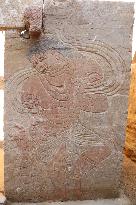
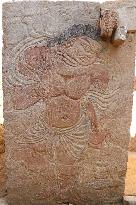
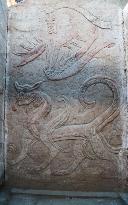
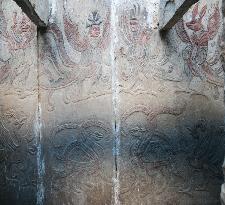
(220102) -- DATONG, Jan. 2, 2022 (Xinhua) -- This undated photo provided by the Shanxi Provincial Institute of Archaeology shows carved images on the outer coffin in the unearthed tomb in Datong City, north China's Shanxi Province. Archaeologists have unearthed a tomb with a stone outer coffin dating back to the Northern Wei Dynasty (386-534) in north China's Shanxi Province, local authorities have announced. (Shanxi Provincial Institute of Archaeology/Handout via Xinhua)

  •  
CHINA-SHANXI-DATONG-ANCIENT TOMB CHAMBER DISCOVERY (CN)

CHINA-SHANXI-DATONG-ANCIENT TOMB CHAMBER DISCOVERY (CN)

(220102) -- DATONG, Jan. 2, 2022 (Xinhua) -- This undated photo provided by the Shanxi Provincial Institute of Archaeology shows carved images on the outer coffin in the unearthed tomb in Datong City, north China's Shanxi Province. Archaeologists have unearthed a tomb with a stone outer coffin dating back to the Northern Wei Dynasty (386-534) in north China's Shanxi Province, local authorities have announced. (Shanxi Provincial Institute of Archaeology/Handout via Xinhua)

  •  
CHINA-SHANXI-DATONG-ANCIENT TOMB CHAMBER DISCOVERY (CN)

CHINA-SHANXI-DATONG-ANCIENT TOMB CHAMBER DISCOVERY (CN)

(220102) -- DATONG, Jan. 2, 2022 (Xinhua) -- This undated aerial photo provided by the Shanxi Provincial Institute of Archaeology shows the excavation site of an ancient tomb in Datong City, north China's Shanxi Province. Archaeologists have unearthed a tomb with a stone outer coffin dating back to the Northern Wei Dynasty (386-534) in north China's Shanxi Province, local authorities have announced. (Shanxi Provincial Institute of Archaeology/Handout via Xinhua)

  •  
CHINA-SHANXI-DATONG-ANCIENT TOMB CHAMBER DISCOVERY (CN)

CHINA-SHANXI-DATONG-ANCIENT TOMB CHAMBER DISCOVERY (CN)

(220102) -- DATONG, Jan. 2, 2022 (Xinhua) -- This undated photo provided by the Shanxi Provincial Institute of Archaeology shows carved images on the outer coffin in the unearthed tomb in Datong City, north China's Shanxi Province. Archaeologists have unearthed a tomb with a stone outer coffin dating back to the Northern Wei Dynasty (386-534) in north China's Shanxi Province, local authorities have announced. (Shanxi Provincial Institute of Archaeology/Handout via Xinhua)

  •  
CHINA-SHANXI-DATONG-ANCIENT TOMB CHAMBER DISCOVERY (CN)

CHINA-SHANXI-DATONG-ANCIENT TOMB CHAMBER DISCOVERY (CN)

(220102) -- DATONG, Jan. 2, 2022 (Xinhua) -- This undated photo provided by the Shanxi Provincial Institute of Archaeology shows carved images on the outer coffin in the unearthed tomb in Datong City, north China's Shanxi Province. Archaeologists have unearthed a tomb with a stone outer coffin dating back to the Northern Wei Dynasty (386-534) in north China's Shanxi Province, local authorities have announced. (Shanxi Provincial Institute of Archaeology/Handout via Xinhua)

  •  
CHINA-SHANXI-DATONG-ANCIENT TOMB CHAMBER DISCOVERY (CN)

CHINA-SHANXI-DATONG-ANCIENT TOMB CHAMBER DISCOVERY (CN)

(220102) -- DATONG, Jan. 2, 2022 (Xinhua) -- This undated photo provided by the Shanxi Provincial Institute of Archaeology shows carved images on the outer coffin in the unearthed tomb in Datong City, north China's Shanxi Province. Archaeologists have unearthed a tomb with a stone outer coffin dating back to the Northern Wei Dynasty (386-534) in north China's Shanxi Province, local authorities have announced. (Shanxi Provincial Institute of Archaeology/Handout via Xinhua)

  • Main
  • Top
  • Editorial
  • Creative
  • About Us
  • About ILG
  • Terms of use
  • Company
  • BEHIND
  • Price List
  • Single Plan
  • Monthly Plan
  • Services
  • Shooting
  • Rights Clearance
  • Support
  • FAQ
  • How To Buy
  • Contact Us
  • Become a Partner

© KYODO NEWS IMAGES INC

All Rights Reserved.

  • Editorial
  • Olympics
  • News
  • Sports
  • Japan
  • Tech
  • Royal
  • Disaster
  • NorthKorea
  • Old Japan
  • SNS
  • Creative
  • Food
  • Japan
  • Landscape
  • Animal
  • Popular
  • #Ukraine
  • #Russia
  • #coronavirus
  • #N. Korea
  • #Thailand
  • #China
  • #Ukraine
  • #Russia
  • #coronavirus
  • #N. Korea
  • #Thailand
  • #China
  • Food
  • Japan
  • Landscape
  • Animal
  • Olympics
  • News
  • Sports
  • Japan
  • Tech
  • Royal
  • Disaster
  • NorthKorea
  • Old Japan
  • SNS