•  
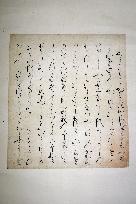
Missing piece of ancient classic writing found in Kyoto

Missing piece of ancient classic writing found in Kyoto

TOKYO, Japan - A partial script of "Yoru no Nezame" (Awakening at Night), a classic tale from the Heian era (794-1192) believed to have been written by a daughter of nobleman Sugawara no Takasue, is displayed in Kyoto, western Japan, on May 29, 2014. It was found at an antiquarian bookstore in the ancient Japanese capital.

  •  
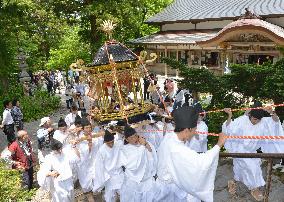
Heian-style procession in Tottori Pref.

Heian-style procession in Tottori Pref.

YONAGO, Japan - People dressed in ancient attire from the Heian era (794-1192) carry a ''mikoshi'' (portable shrine) along the approach of Daisenji, a Buddhist temple in Daisen, Tottori Prefecture, on May 24, 2014.

  •  
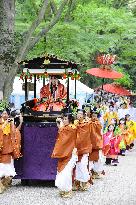
Ancient court-style parade held in Kyoto

Ancient court-style parade held in Kyoto

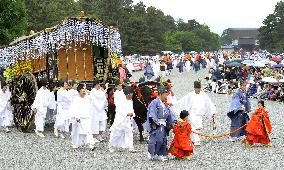
KYOTO, Japan - A procession of people dressed as nobles in ancient court-style attire from the Heian era (794-1192) reaches the Shimogamo Shrine on May 15, 2014, during the Aoi Festival, one of three major festivals in Kyoto, western Japan.

  •  
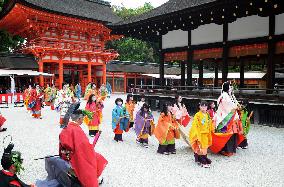
Ancient court-style parade held in Kyoto

Ancient court-style parade held in Kyoto

KYOTO, Japan - A procession of people dressed as nobles in ancient court-style attire from the Heian era (794-1192) goes through the Shimogamo Shrine on May 15, 2014, during the Aoi Festival, one of three major festivals in Kyoto, western Japan.

  •  
Ancient court-style parade held in Kyoto

Ancient court-style parade held in Kyoto

KYOTO, Japan - A procession of people dressed as nobles in ancient court-style attire from the Heian era (794-1192) departs from the Old Imperial Palace in Kyoto, western Japan, on May 15, 2014, for an 8-kilometer parade during the Aoi Festival, one of three major festivals in the old Japanese capital.

  •  
Ancient New Year 'Kemari' ball game reenacted in Kyoto

Ancient New Year 'Kemari' ball game reenacted in Kyoto

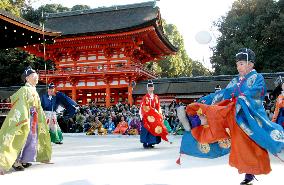
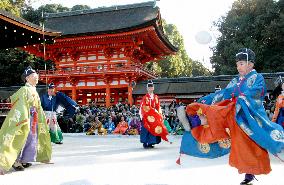
KYOTO, Japan - Members of the Kemari Preservation Society dressed in court costume play the ancient ball game in the courtyard of Shimogamo Shrine in Kyoto on Jan. 4, 2010, during the traditional ''First Kemari of the Year'' festival. Introduced from China, Kemari, played with a ball made of deer leather, was popular among aristocrats during Japan's Heian era (794-1192).

  •  
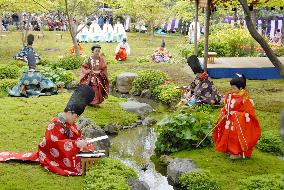
Ancient poem-reading gathering held in Kyoto

Ancient poem-reading gathering held in Kyoto

KYOTO, Japan - People impersonating noblemen in the Heian Period (794-1192) join in a poem-reading at Jyonangu Shrine in Kyoto on April 29.

  •  
New Kimono style in summer

New Kimono style in summer

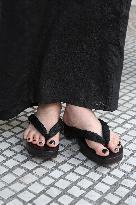
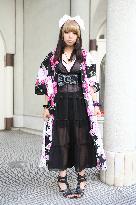
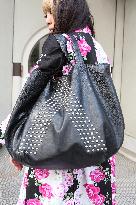
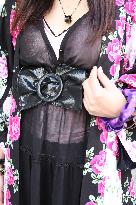
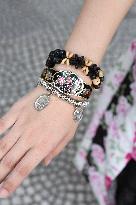
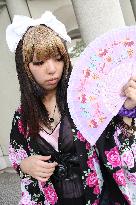
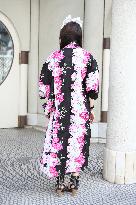
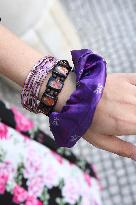
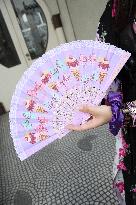
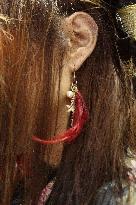
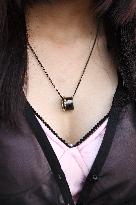
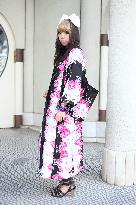
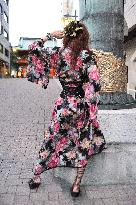
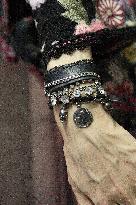
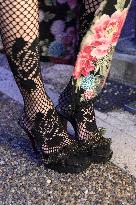
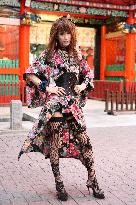
New way to wear yukata Usamajyo. Yukata is a traditional Japanese costume that was born in the Heian period (794-1192) and is also a type of kimono. Unlike a formal kimono, you can wear yukata freely. The number of places to wear it has expanded, and the number of people who wear it increased. People wear it to go to festivals, fireworks and V-kei bands the demand for these special yukatas is increasing. August 5, 2011 , Tokyo, Japan.(Credit:style-arena.jp/Kyodo News Images)

  •  
New Kimono style in summer

New Kimono style in summer

New way to wear yukata Usamajyo. Yukata is a traditional Japanese costume that was born in the Heian period (794-1192) and is also a type of kimono. Unlike a formal kimono, you can wear yukata freely. The number of places to wear it has expanded, and the number of people who wear it increased. People wear it to go to festivals, fireworks and V-kei bands the demand for these special yukatas is increasing. August 5, 2011 , Tokyo, Japan.(Credit:style-arena.jp/Kyodo News Images)

  •  
New Kimono style in summer

New Kimono style in summer

New way to wear yukata Usamajyo. Yukata is a traditional Japanese costume that was born in the Heian period (794-1192) and is also a type of kimono. Unlike a formal kimono, you can wear yukata freely. The number of places to wear it has expanded, and the number of people who wear it increased. People wear it to go to festivals, fireworks and V-kei bands the demand for these special yukatas is increasing. August 5, 2011 , Tokyo, Japan.(Credit:style-arena.jp/Kyodo News Images)

  •  
New Kimono style in summer

New Kimono style in summer

New way to wear yukata Usamajyo. Yukata is a traditional Japanese costume that was born in the Heian period (794-1192) and is also a type of kimono. Unlike a formal kimono, you can wear yukata freely. The number of places to wear it has expanded, and the number of people who wear it increased. People wear it to go to festivals, fireworks and V-kei bands the demand for these special yukatas is increasing. August 5, 2011 , Tokyo, Japan.(Credit:style-arena.jp/Kyodo News Images)

  •  
New Kimono style in summer

New Kimono style in summer

New way to wear yukata Usamajyo. Yukata is a traditional Japanese costume that was born in the Heian period (794-1192) and is also a type of kimono. Unlike a formal kimono, you can wear yukata freely. The number of places to wear it has expanded, and the number of people who wear it increased. People wear it to go to festivals, fireworks and V-kei bands the demand for these special yukatas is increasing. August 5, 2011 , Tokyo, Japan.(Credit:style-arena.jp/Kyodo News Images)

  •  
New Kimono style in summer

New Kimono style in summer

New way to wear yukata Usamajyo. Yukata is a traditional Japanese costume that was born in the Heian period (794-1192) and is also a type of kimono. Unlike a formal kimono, you can wear yukata freely. The number of places to wear it has expanded, and the number of people who wear it increased. People wear it to go to festivals, fireworks and V-kei bands the demand for these special yukatas is increasing. August 5, 2011 , Tokyo, Japan.(Credit:style-arena.jp/Kyodo News Images)

  •  
New Kimono style in summer

New Kimono style in summer

New way to wear yukata Usamajyo. Yukata is a traditional Japanese costume that was born in the Heian period (794-1192) and is also a type of kimono. Unlike a formal kimono, you can wear yukata freely. The number of places to wear it has expanded, and the number of people who wear it increased. People wear it to go to festivals, fireworks and V-kei bands the demand for these special yukatas is increasing. August 5, 2011 , Tokyo, Japan.(Credit:style-arena.jp/Kyodo News Images)

  •  
New Kimono style in summer

New Kimono style in summer

New way to wear yukata Usamajyo. Yukata is a traditional Japanese costume that was born in the Heian period (794-1192) and is also a type of kimono. Unlike a formal kimono, you can wear yukata freely. The number of places to wear it has expanded, and the number of people who wear it increased. People wear it to go to festivals, fireworks and V-kei bands the demand for these special yukatas is increasing. August 5, 2011 , Tokyo, Japan.(Credit:style-arena.jp/Kyodo News Images)

  •  
New Kimono style in summer

New Kimono style in summer

New way to wear yukata Usamajyo. Yukata is a traditional Japanese costume that was born in the Heian period (794-1192) and is also a type of kimono. Unlike a formal kimono, you can wear yukata freely. The number of places to wear it has expanded, and the number of people who wear it increased. People wear it to go to festivals, fireworks and V-kei bands the demand for these special yukatas is increasing. August 5, 2011 , Tokyo, Japan.(Credit:style-arena.jp/Kyodo News Images)

  •  
New Kimono style in summer

New Kimono style in summer

New way to wear yukata Usamajyo. Yukata is a traditional Japanese costume that was born in the Heian period (794-1192) and is also a type of kimono. Unlike a formal kimono, you can wear yukata freely. The number of places to wear it has expanded, and the number of people who wear it increased. People wear it to go to festivals, fireworks and V-kei bands the demand for these special yukatas is increasing. August 5, 2011 , Tokyo, Japan.(Credit:style-arena.jp/Kyodo News Images)

  •  
New Kimono style in summer

New Kimono style in summer

New way to wear yukata Usamajyo. Yukata is a traditional Japanese costume that was born in the Heian period (794-1192) and is also a type of kimono. Unlike a formal kimono, you can wear yukata freely. The number of places to wear it has expanded, and the number of people who wear it increased. People wear it to go to festivals, fireworks and V-kei bands the demand for these special yukatas is increasing. August 5, 2011 , Tokyo, Japan.(Credit:style-arena.jp/Kyodo News Images)

  •  
New Kimono style in summer

New Kimono style in summer

New way to wear yukata Usamajyo. Yukata is a traditional Japanese costume that was born in the Heian period (794-1192) and is also a type of kimono. Unlike a formal kimono, you can wear yukata freely. The number of places to wear it has expanded, and the number of people who wear it increased. People wear it to go to festivals, fireworks and V-kei bands the demand for these special yukatas is increasing. August 5, 2011 , Tokyo, Japan.(Credit:style-arena.jp/Kyodo News Images)

  •  
New Kimono style in summer

New Kimono style in summer

New way to wear yukata Ayame. Yukata is a traditional Japanese costume that was born in the Heian period (794-1192) and is also a type of kimono. Unlike a full-dress kimono, it is attractive that you can wear it freely. The number of places to wear it has expanded, and the number of people who wear it from festivals and fireworks venues to the live venues of V-kei bands has increased, which is increasing the demand for these special yukatas. August 5, 2011 , Tokyo, Japan.(Credit:style-arena.jp/Kyodo News Images)

  •  
New Kimono style in summer

New Kimono style in summer

New way to wear yukata Usamajyo. Yukata is a traditional Japanese costume that was born in the Heian period (794-1192) and is also a type of kimono. Unlike a formal kimono, you can wear yukata freely. The number of places to wear it has expanded, and the number of people who wear it increased. People wear it to go to festivals, fireworks and V-kei bands the demand for these special yukatas is increasing. August 5, 2011 , Tokyo, Japan.(Credit:style-arena.jp/Kyodo News Images)

  •  
New Kimono style in summer

New Kimono style in summer

New way to wear yukata Ayame. Yukata is a traditional Japanese costume that was born in the Heian period (794-1192) and is also a type of kimono. Unlike a full-dress kimono, it is attractive that you can wear it freely. The number of places to wear it has expanded, and the number of people who wear it from festivals and fireworks venues to the live venues of V-kei bands has increased, which is increasing the demand for these special yukatas. August 5, 2011 , Tokyo, Japan.(Credit:style-arena.jp/Kyodo News Images)

  •  
New Kimono style in summer

New Kimono style in summer

New way to wear yukata Ayame. Yukata is a traditional Japanese costume that was born in the Heian period (794-1192) and is also a type of kimono. Unlike a full-dress kimono, it is attractive that you can wear it freely. The number of places to wear it has expanded, and the number of people who wear it from festivals and fireworks venues to the live venues of V-kei bands has increased, which is increasing the demand for these special yukatas. August 5, 2011 , Tokyo, Japan.(Credit:style-arena.jp/Kyodo News Images)

  •  
New Kimono style in summer

New Kimono style in summer

New way to wear yukata Ayame. Yukata is a traditional Japanese costume that was born in the Heian period (794-1192) and is also a type of kimono. Unlike a full-dress kimono, it is attractive that you can wear it freely. The number of places to wear it has expanded, and the number of people who wear it from festivals and fireworks venues to the live venues of V-kei bands has increased, which is increasing the demand for these special yukatas. August 5, 2011 , Tokyo, Japan.(Credit:style-arena.jp/Kyodo News Images)

  •  
New Kimono style in summer

New Kimono style in summer

New way to wear yukata Ayame. Yukata is a traditional Japanese costume that was born in the Heian period (794-1192) and is also a type of kimono. Unlike a full-dress kimono, it is attractive that you can wear it freely. The number of places to wear it has expanded, and the number of people who wear it from festivals and fireworks venues to the live venues of V-kei bands has increased, which is increasing the demand for these special yukatas. August 5, 2011 , Tokyo, Japan.(Credit:style-arena.jp/Kyodo News Images)

  •  
New Kimono style in summer

New Kimono style in summer

New way to wear yukata Ayame. Yukata is a traditional Japanese costume that was born in the Heian period (794-1192) and is also a type of kimono. Unlike a full-dress kimono, it is attractive that you can wear it freely. The number of places to wear it has expanded, and the number of people who wear it from festivals and fireworks venues to the live venues of V-kei bands has increased, which is increasing the demand for these special yukatas. August 5, 2011 , Tokyo, Japan.(Credit:style-arena.jp/Kyodo News Images)

  •  
New Kimono style in summer

New Kimono style in summer

New way to wear yukata Ayame. Yukata is a traditional Japanese costume that was born in the Heian period (794-1192) and is also a type of kimono. Unlike a full-dress kimono, it is attractive that you can wear it freely. The number of places to wear it has expanded, and the number of people who wear it from festivals and fireworks venues to the live venues of V-kei bands has increased, which is increasing the demand for these special yukatas. August 5, 2011 , Tokyo, Japan.(Credit:style-arena.jp/Kyodo News Images)

  •  
New Kimono style in summer

New Kimono style in summer

New way to wear yukata Ayame. Yukata is a traditional Japanese costume that was born in the Heian period (794-1192) and is also a type of kimono. Unlike a full-dress kimono, it is attractive that you can wear it freely. The number of places to wear it has expanded, and the number of people who wear it from festivals and fireworks venues to the live venues of V-kei bands has increased, which is increasing the demand for these special yukatas. August 5, 2011 , Tokyo, Japan.(Credit:style-arena.jp/Kyodo News Images)

  •  
New Kimono style in summer

New Kimono style in summer

New way to wear yukata Ayame. Yukata is a traditional Japanese costume that was born in the Heian period (794-1192) and is also a type of kimono. Unlike a full-dress kimono, it is attractive that you can wear it freely. The number of places to wear it has expanded, and the number of people who wear it from festivals and fireworks venues to the live venues of V-kei bands has increased, which is increasing the demand for these special yukatas. August 5, 2011 , Tokyo, Japan.(Credit:style-arena.jp/Kyodo News Images)

  •  
New Kimono style in summer

New Kimono style in summer

New way to wear yukata Ayame. Yukata is a traditional Japanese costume that was born in the Heian period (794-1192) and is also a type of kimono. Unlike a full-dress kimono, it is attractive that you can wear it freely. The number of places to wear it has expanded, and the number of people who wear it from festivals and fireworks venues to the live venues of V-kei bands has increased, which is increasing the demand for these special yukatas. August 5, 2011 , Tokyo, Japan.(Credit:style-arena.jp/Kyodo News Images)

  •  
New Kimono style in summer

New Kimono style in summer

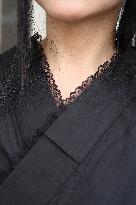
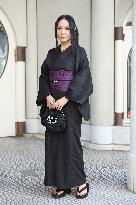
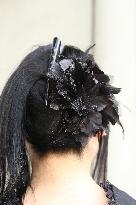
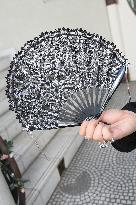
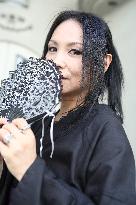
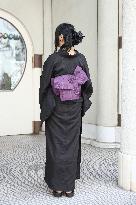
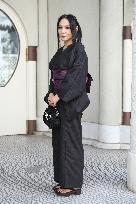
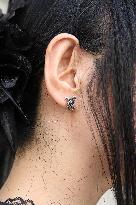
New way to wear yukata J'zk (Chazuke). Yukata is a traditional Japanese costume that was born in the Heian period (794-1192) and is also a type of kimono. Unlike a full-dress kimono, it is attractive that you can wear it freely. The number of places to wear it has expanded, and the number of people who wear it from festivals and fireworks venues to the live venues of V-kei bands has increased, which is increasing the demand for these special yukatas. August 5, 2011 , Tokyo, Japan.(Credit:style-arena.jp/Kyodo News Images)

  •  
New Kimono style in summer

New Kimono style in summer

New way to wear yukata J'zk (Chazuke). Yukata is a traditional Japanese costume that was born in the Heian period (794-1192) and is also a type of kimono. Unlike a full-dress kimono, it is attractive that you can wear it freely. The number of places to wear it has expanded, and the number of people who wear it from festivals and fireworks venues to the live venues of V-kei bands has increased, which is increasing the demand for these special yukatas. August 5, 2011 , Tokyo, Japan.(Credit:style-arena.jp/Kyodo News Images)

  •  
New Kimono style in summer

New Kimono style in summer

New way to wear yukata Ayame. Yukata is a traditional Japanese costume that was born in the Heian period (794-1192) and is also a type of kimono. Unlike a full-dress kimono, it is attractive that you can wear it freely. The number of places to wear it has expanded, and the number of people who wear it from festivals and fireworks venues to the live venues of V-kei bands has increased, which is increasing the demand for these special yukatas. August 5, 2011 , Tokyo, Japan.(Credit:style-arena.jp/Kyodo News Images)

  •  
New Kimono style in summer

New Kimono style in summer

New way to wear yukata J'zk (Chazuke). Yukata is a traditional Japanese costume that was born in the Heian period (794-1192) and is also a type of kimono. Unlike a full-dress kimono, it is attractive that you can wear it freely. The number of places to wear it has expanded, and the number of people who wear it from festivals and fireworks venues to the live venues of V-kei bands has increased, which is increasing the demand for these special yukatas. August 5, 2011 , Tokyo, Japan.(Credit:style-arena.jp/Kyodo News Images)

  •  
New Kimono style in summer

New Kimono style in summer

New way to wear yukata Ayame. Yukata is a traditional Japanese costume that was born in the Heian period (794-1192) and is also a type of kimono. Unlike a full-dress kimono, it is attractive that you can wear it freely. The number of places to wear it has expanded, and the number of people who wear it from festivals and fireworks venues to the live venues of V-kei bands has increased, which is increasing the demand for these special yukatas. August 5, 2011 , Tokyo, Japan.(Credit:style-arena.jp/Kyodo News Images)

  •  
New Kimono style in summer

New Kimono style in summer

New way to wear yukata J'zk (Chazuke). Yukata is a traditional Japanese costume that was born in the Heian period (794-1192) and is also a type of kimono. Unlike a full-dress kimono, it is attractive that you can wear it freely. The number of places to wear it has expanded, and the number of people who wear it from festivals and fireworks venues to the live venues of V-kei bands has increased, which is increasing the demand for these special yukatas. August 5, 2011 , Tokyo, Japan.(Credit:style-arena.jp/Kyodo News Images)

  •  
New Kimono style in summer

New Kimono style in summer

New way to wear yukata J'zk (Chazuke). Yukata is a traditional Japanese costume that was born in the Heian period (794-1192) and is also a type of kimono. Unlike a full-dress kimono, it is attractive that you can wear it freely. The number of places to wear it has expanded, and the number of people who wear it from festivals and fireworks venues to the live venues of V-kei bands has increased, which is increasing the demand for these special yukatas. August 5, 2011 , Tokyo, Japan.(Credit:style-arena.jp/Kyodo News Images)

  •  
New Kimono style in summer

New Kimono style in summer

New way to wear yukata J'zk (Chazuke). Yukata is a traditional Japanese costume that was born in the Heian period (794-1192) and is also a type of kimono. Unlike a full-dress kimono, it is attractive that you can wear it freely. The number of places to wear it has expanded, and the number of people who wear it from festivals and fireworks venues to the live venues of V-kei bands has increased, which is increasing the demand for these special yukatas. August 5, 2011 , Tokyo, Japan.(Credit:style-arena.jp/Kyodo News Images)

  •  
New Kimono style in summer

New Kimono style in summer

New way to wear yukata J'zk (Chazuke). Yukata is a traditional Japanese costume that was born in the Heian period (794-1192) and is also a type of kimono. Unlike a full-dress kimono, it is attractive that you can wear it freely. The number of places to wear it has expanded, and the number of people who wear it from festivals and fireworks venues to the live venues of V-kei bands has increased, which is increasing the demand for these special yukatas. August 5, 2011 , Tokyo, Japan.(Credit:style-arena.jp/Kyodo News Images)

  •  
New Kimono style in summer

New Kimono style in summer

New way to wear yukata J'zk (Chazuke). Yukata is a traditional Japanese costume that was born in the Heian period (794-1192) and is also a type of kimono. Unlike a full-dress kimono, it is attractive that you can wear it freely. The number of places to wear it has expanded, and the number of people who wear it from festivals and fireworks venues to the live venues of V-kei bands has increased, which is increasing the demand for these special yukatas. August 5, 2011 , Tokyo, Japan.(Credit:style-arena.jp/Kyodo News Images)

  •  
New Kimono style in summer

New Kimono style in summer

New way to wear yukata J'zk (Chazuke). Yukata is a traditional Japanese costume that was born in the Heian period (794-1192) and is also a type of kimono. Unlike a full-dress kimono, it is attractive that you can wear it freely. The number of places to wear it has expanded, and the number of people who wear it from festivals and fireworks venues to the live venues of V-kei bands has increased, which is increasing the demand for these special yukatas. August 5, 2011 , Tokyo, Japan.(Credit:style-arena.jp/Kyodo News Images)

  •  
New Kimono style in summer

New Kimono style in summer

New way to wear yukata J'zk (Chazuke). Yukata is a traditional Japanese costume that was born in the Heian period (794-1192) and is also a type of kimono. Unlike a full-dress kimono, it is attractive that you can wear it freely. The number of places to wear it has expanded, and the number of people who wear it from festivals and fireworks venues to the live venues of V-kei bands has increased, which is increasing the demand for these special yukatas. August 5, 2011 , Tokyo, Japan.(Credit:style-arena.jp/Kyodo News Images)

  •  
New Kimono style in summer

New Kimono style in summer

New way to wear yukata J'zk (Chazuke). Yukata is a traditional Japanese costume that was born in the Heian period (794-1192) and is also a type of kimono. Unlike a full-dress kimono, it is attractive that you can wear it freely. The number of places to wear it has expanded, and the number of people who wear it from festivals and fireworks venues to the live venues of V-kei bands has increased, which is increasing the demand for these special yukatas. August 5, 2011 , Tokyo, Japan.(Credit:style-arena.jp/Kyodo News Images)

  •  
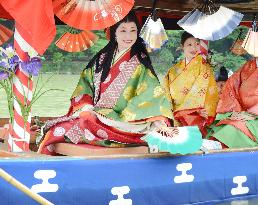
Woman acting as ancient court lady floats fan on Kyoto river

Woman acting as ancient court lady floats fan on Kyoto river

A woman dressed in colorful kimono and performing as Sei Shonagon, an ancient Japanese court lady and author, floats a fan on the river in Kyoto, western Japan, on May 17, 2015, during a festival reproducing a boat celebration from the Heian period (794-1192). (Kyodo) ==Kyodo

  •  
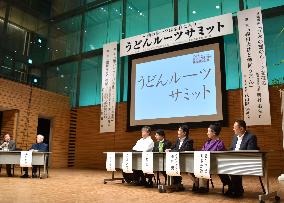
Event held to promote "udon" noodle dish revived from ancient era

Event held to promote "udon" noodle dish revived from ancient era

Panelists attend a meeting on the origin of "udon" noodles hosted by a nonprofit organization in Nara, western Japan, on Sept. 19, 2015. The NPO, the Society of Research on Food and Culture of Nara, is promoting a noodle dish said to have been served to Emperor Ichijo during his visit to Kasuga Shrine in Nara in 989 in the Heian period (794-1192). (Kyodo) ==Kyodo

  •  
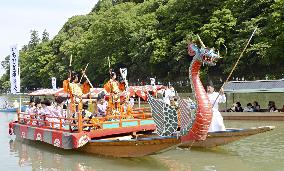
Ancient boat festival back in Kyoto

Ancient boat festival back in Kyoto

A colorful boat flows on the river in the Arashiyama district of Kyoto, western Japan, on May 17, 2015, with people clad in colorful ancient costumes during a festival reproducing a boat celebration from the Heian period (794-1192). The festival was canceled last year due to financial difficulties at Kurumazaki Shrine, the organizer of the event, and the effects of a powerful typhoon that hit the region in September the previous year. (Kyodo) ==Kyodo

  •  
Ancient poem-reading gathering held in Kyoto

Ancient poem-reading gathering held in Kyoto

KYOTO, Japan - People impersonating noblemen in the Heian Period (794-1192) join in a poem-reading at Jyonangu Shrine in Kyoto on April 29. (Kyodo)

  •  
Ishiyamadera Temple

Ishiyamadera Temple

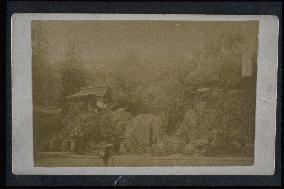
The precincts of Ishiyamadera Temple. During the Heian Period (794-1192), the temple was popular among ladies of the aristocracy. It was designated later as the 13th temple in the circuit of 33 Holy Kannon Temples of Western Japan and gained popularity among commoners. The photograph emphasizes the jagged wollastonite rocks after which the temple is named ( Ishiyama means stone mountain ).==Date:unknown, Place:Shiga, Photo:unknown, (Credit:Nagasaki University Library/Kyodo News Images) [Cabinet Number71‐35‐0]

  •  
Ishiyamadera Temple

Ishiyamadera Temple

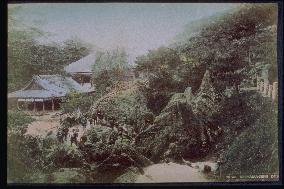
The precincts of Ishiyamadera Temple. During the Heian Period (794-1192), the temple was popular among ladies of the aristocracy. It was designated later as the 13th temple in the circuit of 33 Holy Kannon Temples of Western Japan and gained popularity among commoners. The buildings visible in the background are the Main Hall and Rennyodo. The photograph emphasizes the jagged wollastonite rocks after which the temple is named ( Ishiyama means stone mountain ).==Date:unknown, Place:Shiga, Photo:Tamamura Kozaburo, (Credit:Nagasaki University Library/Kyodo News Images) [Cabinet Number48‐116‐0]

  •  
Ancient New Year 'Kemari' ball game reenacted in Kyoto

Ancient New Year 'Kemari' ball game reenacted in Kyoto

KYOTO, Japan - Members of the Kemari Preservation Society dressed in court costume play the ancient ball game in the courtyard of Shimogamo Shrine in Kyoto on Jan. 4, 2010, during the traditional ''First Kemari of the Year'' festival. Introduced from China, Kemari, played with a ball made of deer leather, was popular among aristocrats during Japan's Heian era (794-1192). (Kyodo)

  • Main
  • Top
  • Editorial
  • Creative
  • About Us
  • About ILG
  • Terms of use
  • Company
  • BEHIND
  • Price List
  • Single Plan
  • Monthly Plan
  • Services
  • Shooting
  • Rights Clearance
  • Support
  • FAQ
  • How To Buy
  • Contact Us
  • Become a Partner

© KYODO NEWS IMAGES INC

All Rights Reserved.

  • Editorial
  • Olympics
  • News
  • Sports
  • Japan
  • Tech
  • Royal
  • Disaster
  • NorthKorea
  • Old Japan
  • SNS

  • Creative
  • Food
  • Japan
  • Landscape
  • Animal
  • Popular
  • #Ukraine
  • #Russia
  • #coronavirus
  • #N. Korea
  • #Thailand
  • #China
  • #Ukraine
  • #Russia
  • #coronavirus
  • #N. Korea
  • #Thailand
  • #China
  • Food
  • Japan
  • Landscape
  • Animal
  • Olympics
  • News
  • Sports
  • Japan
  • Tech
  • Royal
  • Disaster
  • NorthKorea
  • Old Japan
  • SNS