•  
Nomadic Life in Inner Mongolia's Horqin Grassland - China

Nomadic Life in Inner Mongolia's Horqin Grassland - China

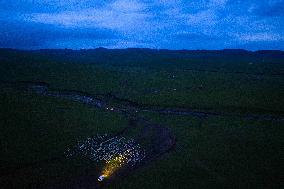
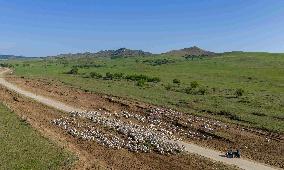
An aerial drone photo taken on June 14, 2025 shows herdsmen driving the livestock at night on the way to the summer campsite on Ar Horqin Grassland, Chifeng City of north China's Inner Mongolia Autonomous Region. Saintsogt, 55, a herdsman in Bayin-undur of Ar Horqin Banner, north China's Inner Mongolia Autonomous Region, is busy with the annual summer migration covering a distance of about 100 kilometers. For the past four decades, he has completed the migration every year. Saintsogt's pasture is a part of the Ar Horqin Grassland Nomadic System, which was listed as one of the Globally Important Agricultural Heritage Systems (GIAHS) sites by the United Nations Food and Agriculture Organization (FAO) on May 20, 2022. Herders here still keep the traditional nomadic customs today. "The travel time has been shortened to three days from eight," Saintsogt said. "The rain makes pasture grow better, and the livestock have enough forage." This year, herders from more than 1,200 households and 128,000 livestock in Bayin

  •  
Nomadic Life in Inner Mongolia's Horqin Grassland - China

Nomadic Life in Inner Mongolia's Horqin Grassland - China

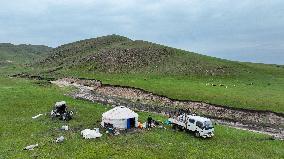
An aerial drone photo taken on June 15, 2025 shows a Mongolian yurt of Saintsogt at his summer campsite on Ar Horqin Grassland, Chifeng City of north China's Inner Mongolia Autonomous Region. Saintsogt, 55, a herdsman in Bayin-undur of Ar Horqin Banner, north China's Inner Mongolia Autonomous Region, is busy with the annual summer migration covering a distance of about 100 kilometers. For the past four decades, he has completed the migration every year. Saintsogt's pasture is a part of the Ar Horqin Grassland Nomadic System, which was listed as one of the Globally Important Agricultural Heritage Systems (GIAHS) sites by the United Nations Food and Agriculture Organization (FAO) on May 20, 2022. Herders here still keep the traditional nomadic customs today. "The travel time has been shortened to three days from eight," Saintsogt said. "The rain makes pasture grow better, and the livestock have enough forage." This year, herders from more than 1,200 households and 128,000 livestock in Bayin-undur joined the mig

  •  
Nomadic Life in Inner Mongolia's Horqin Grassland - China

Nomadic Life in Inner Mongolia's Horqin Grassland - China

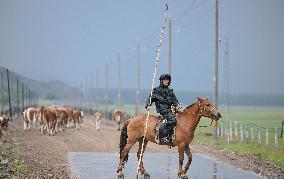
Saintsogt's son (2nd R) drives sheep in rain on his way to the summer campsite on Ar Horqin Grassland, Chifeng City of north China's Inner Mongolia Autonomous Region, June 13, 2025. Saintsogt, 55, a herdsman in Bayin-undur of Ar Horqin Banner, north China's Inner Mongolia Autonomous Region, is busy with the annual summer migration covering a distance of about 100 kilometers. For the past four decades, he has completed the migration every year. Saintsogt's pasture is a part of the Ar Horqin Grassland Nomadic System, which was listed as one of the Globally Important Agricultural Heritage Systems (GIAHS) sites by the United Nations Food and Agriculture Organization (FAO) on May 20, 2022. Herders here still keep the traditional nomadic customs today. "The travel time has been shortened to three days from eight," Saintsogt said. "The rain makes pasture grow better, and the livestock have enough forage." This year, herders from more than 1,200 households and 128,000 livestock in Bayin-undur joined the migration. Ph

  •  
Nomadic Life in Inner Mongolia's Horqin Grassland - China

Nomadic Life in Inner Mongolia's Horqin Grassland - China

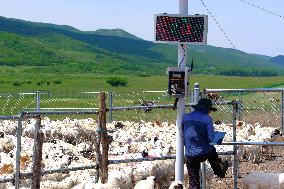
A staff member of Gogodtai Han Ul national nature reserve counts the livestock entering the nature reserve in north China's Inner Mongolia Autonomous Region, June 14, 2025. Saintsogt, 55, a herdsman in Bayin-undur of Ar Horqin Banner, north China's Inner Mongolia Autonomous Region, is busy with the annual summer migration covering a distance of about 100 kilometers. For the past four decades, he has completed the migration every year. Saintsogt's pasture is a part of the Ar Horqin Grassland Nomadic System, which was listed as one of the Globally Important Agricultural Heritage Systems (GIAHS) sites by the United Nations Food and Agriculture Organization (FAO) on May 20, 2022. Herders here still keep the traditional nomadic customs today. "The travel time has been shortened to three days from eight," Saintsogt said. "The rain makes pasture grow better, and the livestock have enough forage." This year, herders from more than 1,200 households and 128,000 livestock in Bayin-undur joined the migration. Photo by Ma

  •  
Nomadic Life in Inner Mongolia's Horqin Grassland - China

Nomadic Life in Inner Mongolia's Horqin Grassland - China

Saintsogt's son seeks for a sick sheep after arriving at the summer campsite on Ar Horqin Grassland, Chifeng City of north China's Inner Mongolia Autonomous Region, June 15, 2025. Saintsogt, 55, a herdsman in Bayin-undur of Ar Horqin Banner, north China's Inner Mongolia Autonomous Region, is busy with the annual summer migration covering a distance of about 100 kilometers. For the past four decades, he has completed the migration every year. Saintsogt's pasture is a part of the Ar Horqin Grassland Nomadic System, which was listed as one of the Globally Important Agricultural Heritage Systems (GIAHS) sites by the United Nations Food and Agriculture Organization (FAO) on May 20, 2022. Herders here still keep the traditional nomadic customs today. "The travel time has been shortened to three days from eight," Saintsogt said. "The rain makes pasture grow better, and the livestock have enough forage." This year, herders from more than 1,200 households and 128,000 livestock in Bayin-undur joined the migration. Phot

  •  
Nomadic Life in Inner Mongolia's Horqin Grassland - China

Nomadic Life in Inner Mongolia's Horqin Grassland - China

Saintsogt's wife arranges bedding at home before departing for the summer campsite on Ar Horqin Grassland, Chifeng City of north China's Inner Mongolia Autonomous Region, June 13, 2025. Saintsogt, 55, a herdsman in Bayin-undur of Ar Horqin Banner, north China's Inner Mongolia Autonomous Region, is busy with the annual summer migration covering a distance of about 100 kilometers. For the past four decades, he has completed the migration every year. Saintsogt's pasture is a part of the Ar Horqin Grassland Nomadic System, which was listed as one of the Globally Important Agricultural Heritage Systems (GIAHS) sites by the United Nations Food and Agriculture Organization (FAO) on May 20, 2022. Herders here still keep the traditional nomadic customs today. "The travel time has been shortened to three days from eight," Saintsogt said. "The rain makes pasture grow better, and the livestock have enough forage." This year, herders from more than 1,200 households and 128,000 livestock in Bayin-undur joined the migration

  •  
Nomadic Life in Inner Mongolia's Horqin Grassland - China

Nomadic Life in Inner Mongolia's Horqin Grassland - China

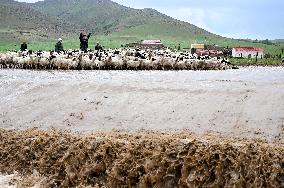
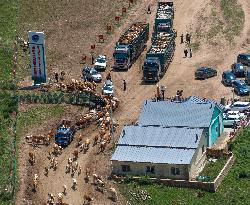
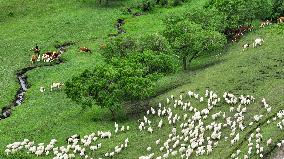
An aerial drone photo taken on June 14, 2025 shows herders waiting for entering the Gogodtai Han Ul national nature reserve in north China's Inner Mongolia Autonomous Region. Saintsogt, 55, a herdsman in Bayin-undur of Ar Horqin Banner, north China's Inner Mongolia Autonomous Region, is busy with the annual summer migration covering a distance of about 100 kilometers. For the past four decades, he has completed the migration every year. Saintsogt's pasture is a part of the Ar Horqin Grassland Nomadic System, which was listed as one of the Globally Important Agricultural Heritage Systems (GIAHS) sites by the United Nations Food and Agriculture Organization (FAO) on May 20, 2022. Herders here still keep the traditional nomadic customs today. "The travel time has been shortened to three days from eight," Saintsogt said. "The rain makes pasture grow better, and the livestock have enough forage." This year, herders from more than 1,200 households and 128,000 livestock in Bayin-undur joined the migration. Photo by

  •  
Nomadic Life in Inner Mongolia's Horqin Grassland - China

Nomadic Life in Inner Mongolia's Horqin Grassland - China

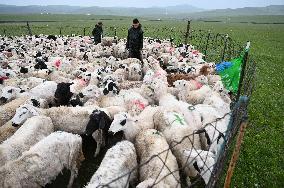
Saintsogt gathers the livestock at the winter campsite before departing for the summer campsite on Ar Horqin Grassland, Chifeng City of north China's Inner Mongolia Autonomous Region, June 13, 2025. Saintsogt, 55, a herdsman in Bayin-undur of Ar Horqin Banner, north China's Inner Mongolia Autonomous Region, is busy with the annual summer migration covering a distance of about 100 kilometers. For the past four decades, he has completed the migration every year. Saintsogt's pasture is a part of the Ar Horqin Grassland Nomadic System, which was listed as one of the Globally Important Agricultural Heritage Systems (GIAHS) sites by the United Nations Food and Agriculture Organization (FAO) on May 20, 2022. Herders here still keep the traditional nomadic customs today. "The travel time has been shortened to three days from eight," Saintsogt said. "The rain makes pasture grow better, and the livestock have enough forage." This year, herders from more than 1,200 households and 128,000 livestock in Bayin-undur joined

  •  
Nomadic Life in Inner Mongolia's Horqin Grassland - China

Nomadic Life in Inner Mongolia's Horqin Grassland - China

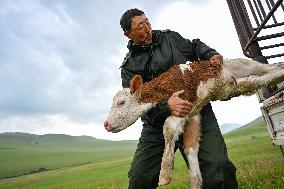
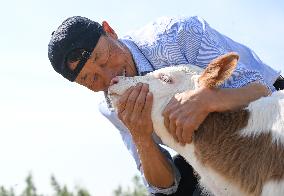
Saintsogt takes a newly born calf off the truck after arriving at the summer campsite on Ar Horqin Grassland, Chifeng City of north China's Inner Mongolia Autonomous Region, June 15, 2025. Saintsogt, 55, a herdsman in Bayin-undur of Ar Horqin Banner, north China's Inner Mongolia Autonomous Region, is busy with the annual summer migration covering a distance of about 100 kilometers. For the past four decades, he has completed the migration every year. Saintsogt's pasture is a part of the Ar Horqin Grassland Nomadic System, which was listed as one of the Globally Important Agricultural Heritage Systems (GIAHS) sites by the United Nations Food and Agriculture Organization (FAO) on May 20, 2022. Herders here still keep the traditional nomadic customs today. "The travel time has been shortened to three days from eight," Saintsogt said. "The rain makes pasture grow better, and the livestock have enough forage." This year, herders from more than 1,200 households and 128,000 livestock in Bayin-undur joined the migrat

  •  
Nomadic Life in Inner Mongolia's Horqin Grassland - China

Nomadic Life in Inner Mongolia's Horqin Grassland - China

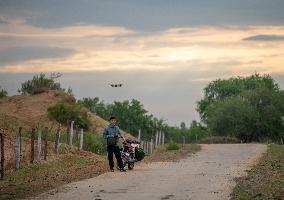
Saintsogt's son operates a drone to check the number of the livestock on Ar Horqin Grassland, Chifeng City of north China's Inner Mongolia Autonomous Region, June 13, 2025. Saintsogt, 55, a herdsman in Bayin-undur of Ar Horqin Banner, north China's Inner Mongolia Autonomous Region, is busy with the annual summer migration covering a distance of about 100 kilometers. For the past four decades, he has completed the migration every year. Saintsogt's pasture is a part of the Ar Horqin Grassland Nomadic System, which was listed as one of the Globally Important Agricultural Heritage Systems (GIAHS) sites by the United Nations Food and Agriculture Organization (FAO) on May 20, 2022. Herders here still keep the traditional nomadic customs today. "The travel time has been shortened to three days from eight," Saintsogt said. "The rain makes pasture grow better, and the livestock have enough forage." This year, herders from more than 1,200 households and 128,000 livestock in Bayin-undur joined the migration. Photo by Ma

  •  
Nomadic Life in Inner Mongolia's Horqin Grassland - China

Nomadic Life in Inner Mongolia's Horqin Grassland - China

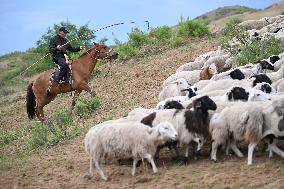
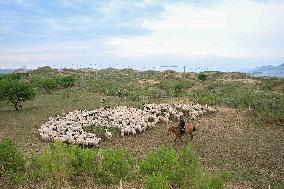
An aerial drone photo taken on June 14, 2025 shows Saintsogt driving the livestock on his way to the summer campsite on Ar Horqin Grassland, Chifeng City of north China's Inner Mongolia Autonomous Region. Saintsogt, 55, a herdsman in Bayin-undur of Ar Horqin Banner, north China's Inner Mongolia Autonomous Region, is busy with the annual summer migration covering a distance of about 100 kilometers. For the past four decades, he has completed the migration every year. Saintsogt's pasture is a part of the Ar Horqin Grassland Nomadic System, which was listed as one of the Globally Important Agricultural Heritage Systems (GIAHS) sites by the United Nations Food and Agriculture Organization (FAO) on May 20, 2022. Herders here still keep the traditional nomadic customs today. "The travel time has been shortened to three days from eight," Saintsogt said. "The rain makes pasture grow better, and the livestock have enough forage." This year, herders from more than 1,200 households and 128,000 livestock in Bayin-undur j

  •  
Nomadic Life in Inner Mongolia's Horqin Grassland - China

Nomadic Life in Inner Mongolia's Horqin Grassland - China

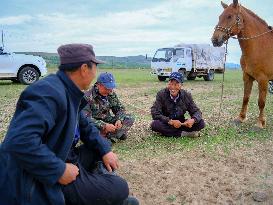
Saintsogt (R) talks with other herdsmen on their way to the summer campsite on Ar Horqin Grassland, Chifeng City of north China's Inner Mongolia Autonomous Region, June 13, 2025. Saintsogt, 55, a herdsman in Bayin-undur of Ar Horqin Banner, north China's Inner Mongolia Autonomous Region, is busy with the annual summer migration covering a distance of about 100 kilometers. For the past four decades, he has completed the migration every year. Saintsogt's pasture is a part of the Ar Horqin Grassland Nomadic System, which was listed as one of the Globally Important Agricultural Heritage Systems (GIAHS) sites by the United Nations Food and Agriculture Organization (FAO) on May 20, 2022. Herders here still keep the traditional nomadic customs today. "The travel time has been shortened to three days from eight," Saintsogt said. "The rain makes pasture grow better, and the livestock have enough forage." This year, herders from more than 1,200 households and 128,000 livestock in Bayin-undur joined the migration. Photo

  •  
Nomadic Life in Inner Mongolia's Horqin Grassland - China

Nomadic Life in Inner Mongolia's Horqin Grassland - China

Saintsogt gathers the livestock at their winter campsite before departing for the summer campsite on Ar Horqin Grassland, Chifeng City of north China's Inner Mongolia Autonomous Region, June 13, 2025. Saintsogt, 55, a herdsman in Bayin-undur of Ar Horqin Banner, north China's Inner Mongolia Autonomous Region, is busy with the annual summer migration covering a distance of about 100 kilometers. For the past four decades, he has completed the migration every year. Saintsogt's pasture is a part of the Ar Horqin Grassland Nomadic System, which was listed as one of the Globally Important Agricultural Heritage Systems (GIAHS) sites by the United Nations Food and Agriculture Organization (FAO) on May 20, 2022. Herders here still keep the traditional nomadic customs today. "The travel time has been shortened to three days from eight," Saintsogt said. "The rain makes pasture grow better, and the livestock have enough forage." This year, herders from more than 1,200 households and 128,000 livestock in Bayin-undur joine

  •  
Nomadic Life in Inner Mongolia's Horqin Grassland - China

Nomadic Life in Inner Mongolia's Horqin Grassland - China

An aerial drone photo shows Saintsogt's son (L) riding a motorcycle to drive the livestock on his way to the summer campsite on Ar Horqin Grassland, Chifeng City of north China's Inner Mongolia Autonomous Region, June 14, 2025. Saintsogt, 55, a herdsman in Bayin-undur of Ar Horqin Banner, north China's Inner Mongolia Autonomous Region, is busy with the annual summer migration covering a distance of about 100 kilometers. For the past four decades, he has completed the migration every year. Saintsogt's pasture is a part of the Ar Horqin Grassland Nomadic System, which was listed as one of the Globally Important Agricultural Heritage Systems (GIAHS) sites by the United Nations Food and Agriculture Organization (FAO) on May 20, 2022. Herders here still keep the traditional nomadic customs today. "The travel time has been shortened to three days from eight," Saintsogt said. "The rain makes pasture grow better, and the livestock have enough forage." This year, herders from more than 1,200 households and 128,000 liv

  •  
Nomadic Life in Inner Mongolia's Horqin Grassland - China

Nomadic Life in Inner Mongolia's Horqin Grassland - China

Saintsogt drives cattle in the rain on his way to the summer campsite on Ar Horqin Grassland, Chifeng City of north China's Inner Mongolia Autonomous Region, June 13, 2025. Saintsogt, 55, a herdsman in Bayin-undur of Ar Horqin Banner, north China's Inner Mongolia Autonomous Region, is busy with the annual summer migration covering a distance of about 100 kilometers. For the past four decades, he has completed the migration every year. Saintsogt's pasture is a part of the Ar Horqin Grassland Nomadic System, which was listed as one of the Globally Important Agricultural Heritage Systems (GIAHS) sites by the United Nations Food and Agriculture Organization (FAO) on May 20, 2022. Herders here still keep the traditional nomadic customs today. "The travel time has been shortened to three days from eight," Saintsogt said. "The rain makes pasture grow better, and the livestock have enough forage." This year, herders from more than 1,200 households and 128,000 livestock in Bayin-undur joined the migration. Photo by Be

  •  
Nomadic Life in Inner Mongolia's Horqin Grassland - China

Nomadic Life in Inner Mongolia's Horqin Grassland - China

Saintsogt hugs a newly born calf on his way to the summer campsite on Ar Horqin Grassland, Chifeng City of north China's Inner Mongolia Autonomous Region, June 14, 2025. Saintsogt, 55, a herdsman in Bayin-undur of Ar Horqin Banner, north China's Inner Mongolia Autonomous Region, is busy with the annual summer migration covering a distance of about 100 kilometers. For the past four decades, he has completed the migration every year. Saintsogt's pasture is a part of the Ar Horqin Grassland Nomadic System, which was listed as one of the Globally Important Agricultural Heritage Systems (GIAHS) sites by the United Nations Food and Agriculture Organization (FAO) on May 20, 2022. Herders here still keep the traditional nomadic customs today. "The travel time has been shortened to three days from eight," Saintsogt said. "The rain makes pasture grow better, and the livestock have enough forage." This year, herders from more than 1,200 households and 128,000 livestock in Bayin-undur joined the migration. Photo by Bei H

  •  
Nomadic Life in Inner Mongolia's Horqin Grassland - China

Nomadic Life in Inner Mongolia's Horqin Grassland - China

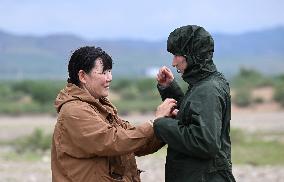
Saintsogt's wife (L) helps her son to wear a raincoat on their way to the summer campsite on Ar Horqin Grassland, Chifeng City of north China's Inner Mongolia Autonomous Region, June 13, 2025. Saintsogt, 55, a herdsman in Bayin-undur of Ar Horqin Banner, north China's Inner Mongolia Autonomous Region, is busy with the annual summer migration covering a distance of about 100 kilometers. For the past four decades, he has completed the migration every year. Saintsogt's pasture is a part of the Ar Horqin Grassland Nomadic System, which was listed as one of the Globally Important Agricultural Heritage Systems (GIAHS) sites by the United Nations Food and Agriculture Organization (FAO) on May 20, 2022. Herders here still keep the traditional nomadic customs today. "The travel time has been shortened to three days from eight," Saintsogt said. "The rain makes pasture grow better, and the livestock have enough forage." This year, herders from more than 1,200 households and 128,000 livestock in Bayin-undur joined the mi

  •  
Nomadic Life in Inner Mongolia's Horqin Grassland - China

Nomadic Life in Inner Mongolia's Horqin Grassland - China

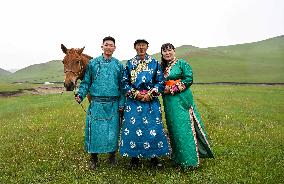
Saintsogt (C), his wife (R) and son pose for a group photo at their summer campsite on Ar Horqin Grassland, Chifeng City of north China's Inner Mongolia Autonomous Region, June 15, 2025. Saintsogt, 55, a herdsman in Bayin-undur of Ar Horqin Banner, north China's Inner Mongolia Autonomous Region, is busy with the annual summer migration covering a distance of about 100 kilometers. For the past four decades, he has completed the migration every year. Saintsogt's pasture is a part of the Ar Horqin Grassland Nomadic System, which was listed as one of the Globally Important Agricultural Heritage Systems (GIAHS) sites by the United Nations Food and Agriculture Organization (FAO) on May 20, 2022. Herders here still keep the traditional nomadic customs today. "The travel time has been shortened to three days from eight," Saintsogt said. "The rain makes pasture grow better, and the livestock have enough forage." This year, herders from more than 1,200 households and 128,000 livestock in Bayin-undur joined the migratio

  •  
500 kV Substation

500 kV Substation

Operation and maintenance personnel inspect equipment at the 500 kV booster station at Bayin Enhe in Tuquan, Inner Mongolia, China, December 30, 2024.

  •  
500 kV Substation

500 kV Substation

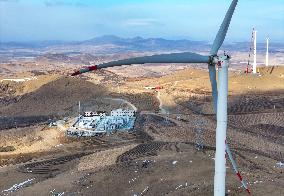
View of Tuquan Bayin Enhe 500 kV booster station in Xingan League, Inner Mongolia, China, December 30, 2024.

  •  
500 kV Substation

500 kV Substation

Operation and maintenance personnel inspect equipment at the 500 kV booster station at Bayin Enhe in Tuquan, Inner Mongolia, China, December 30, 2024.

  •  
(HainanOutlook)CHINA-HAINAN-BOAO FORUM FOR ASIA-INTANGIBLE CULTURAL HERITAGE (CN)

(HainanOutlook)CHINA-HAINAN-BOAO FORUM FOR ASIA-INTANGIBLE CULTURAL HERITAGE (CN)

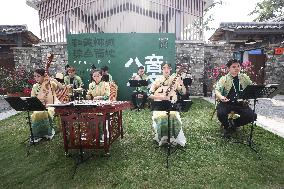
(240327) -- BOAO, March 27, 2024 (Xinhua) -- Artists give Bayin (Eight Sounds) performance at Dongyu Island in Boao, south China's Hainan Province, March 26, 2024. An exhibition featuring the city of Haikou is held during the Boao Forum for Asia (BFA) Annual Conference 2024 at Dongyu Island where visitors and guests could enjoy the rich intangible cultural heritages of Hainan at close range. (Xinhua/Zhang Liyun)

  •  
CHINA-HAINAN-TRADITIONAL MUSIC-ARTIST (CN)

CHINA-HAINAN-TRADITIONAL MUSIC-ARTIST (CN)

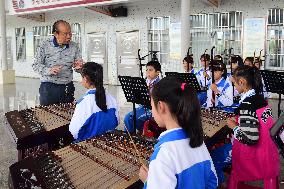
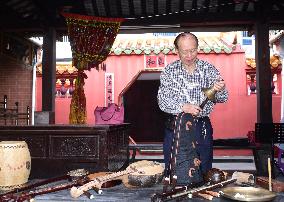
(220217) -- HAIKOU, Feb. 17, 2022 (Xinhua) -- Huang Zihe, inheritor of Hainan Bayin, teaches students about playing techniques of Hainan Bayin at a school in Meilan District of Haikou, south China's Hainan Province, Nov. 23, 2018. Hainan Bayin, or Hainan Eight Tunes, literally refers to the eight types of musical instruments made of materials cultivated in Hainan, such as coconut shells and Chinese rosewood. It also refers to the Bayin musical style created with the instrument. TO GO WITH "Across China: In China's Hainan, 86-yr-old artist gives modern makeover to traditional music" (Xinhua)

  •  
CHINA-HAINAN-TRADITIONAL MUSIC-ARTIST (CN)

CHINA-HAINAN-TRADITIONAL MUSIC-ARTIST (CN)

(220217) -- HAIKOU, Feb. 17, 2022 (Xinhua) -- Huang Zihe, inheritor of Hainan Bayin, teaches students about playing techniques of Hainan Bayin at a school in Meilan District of Haikou, south China's Hainan Province, Nov. 23, 2018. Hainan Bayin, or Hainan Eight Tunes, literally refers to the eight types of musical instruments made of materials cultivated in Hainan, such as coconut shells and Chinese rosewood. It also refers to the Bayin musical style created with the instrument. TO GO WITH "Across China: In China's Hainan, 86-yr-old artist gives modern makeover to traditional music" (Xinhua)

  •  
CHINA-HAINAN-TRADITIONAL MUSIC-ARTIST (CN)

CHINA-HAINAN-TRADITIONAL MUSIC-ARTIST (CN)

(220217) -- HAIKOU, Feb. 17, 2022 (Xinhua) -- Huang Zihe, inheritor of Hainan Bayin, teaches students about Hainan Bayin in Meilan District of Haikou, south China's Hainan Province, Jan. 26, 2022. Hainan Bayin, or Hainan Eight Tunes, literally refers to the eight types of musical instruments made of materials cultivated in Hainan, such as coconut shells and Chinese rosewood. It also refers to the Bayin musical style created with the instrument. TO GO WITH "Across China: In China's Hainan, 86-yr-old artist gives modern makeover to traditional music" (Xinhua)

  • Main
  • Top
  • Editorial
  • Creative
  • About Us
  • About ILG
  • Terms of use
  • Company
  • BEHIND
  • Price List
  • Single Plan
  • Monthly Plan
  • Services
  • Shooting
  • Rights Clearance
  • Support
  • FAQ
  • How To Buy
  • Contact Us
  • Become a Partner

© KYODO NEWS IMAGES INC

All Rights Reserved.

  • Editorial
  • Olympics
  • News
  • Sports
  • Japan
  • Tech
  • Royal
  • Disaster
  • NorthKorea
  • Old Japan
  • SNS
  • Creative
  • Food
  • Japan
  • Landscape
  • Animal
  • Popular
  • #Ukraine
  • #Russia
  • #coronavirus
  • #N. Korea
  • #Thailand
  • #China
  • #Ukraine
  • #Russia
  • #coronavirus
  • #N. Korea
  • #Thailand
  • #China
  • Food
  • Japan
  • Landscape
  • Animal
  • Olympics
  • News
  • Sports
  • Japan
  • Tech
  • Royal
  • Disaster
  • NorthKorea
  • Old Japan
  • SNS