•  
The Jewelry-Making Village - Bangladesh

The Jewelry-Making Village - Bangladesh

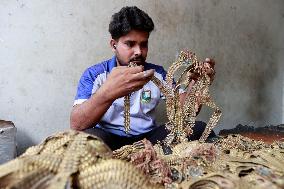
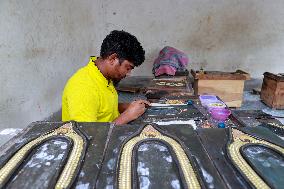
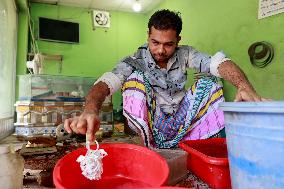
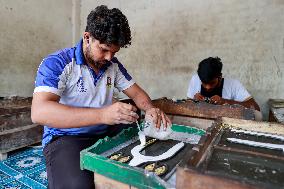
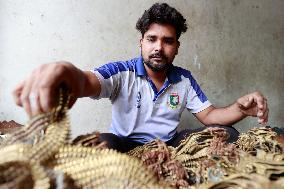
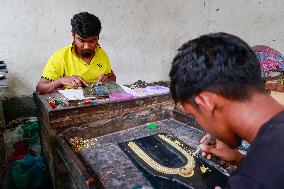
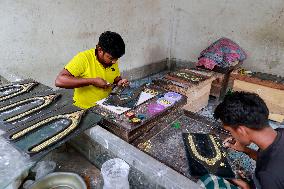
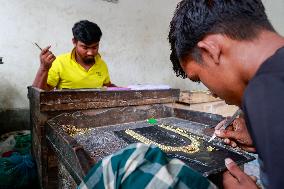
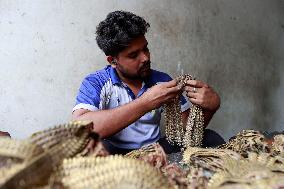
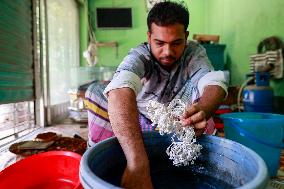
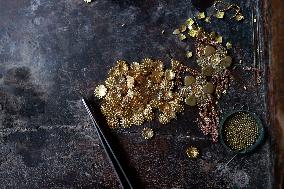
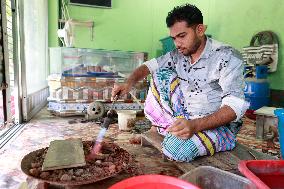
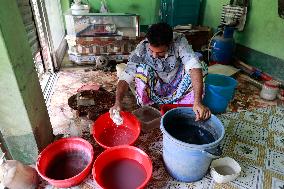
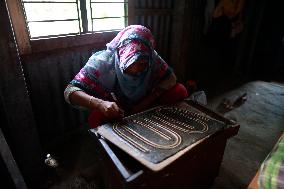
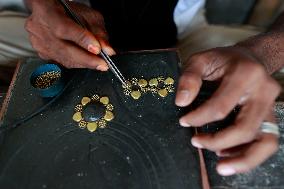
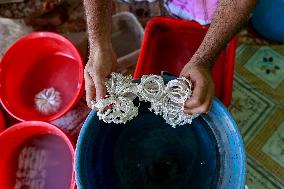
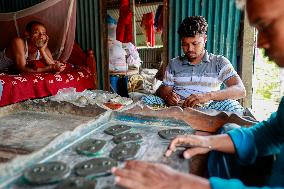
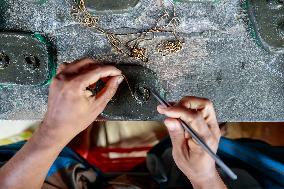
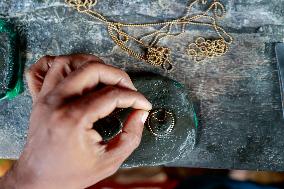
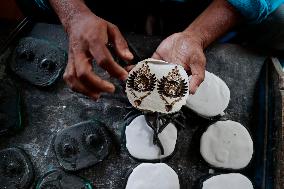
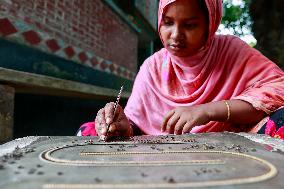
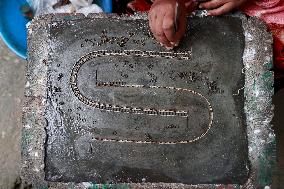
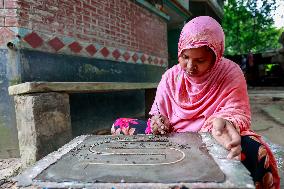
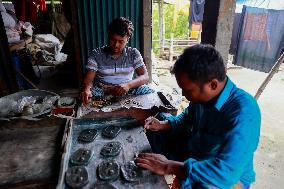
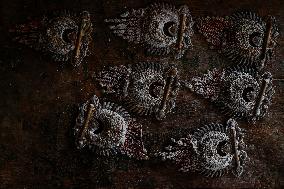
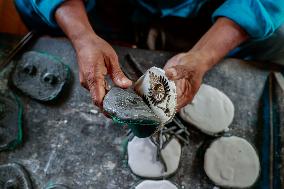
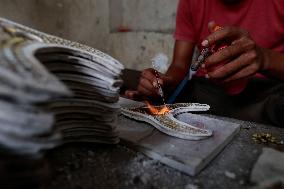
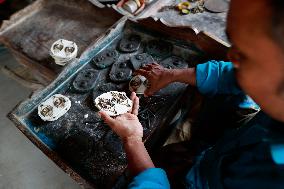
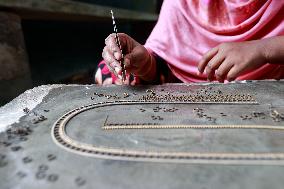
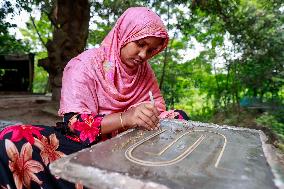
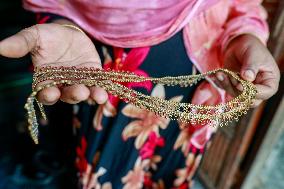
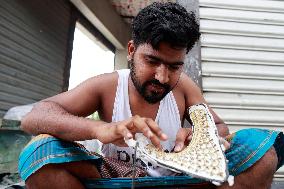
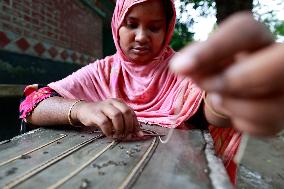
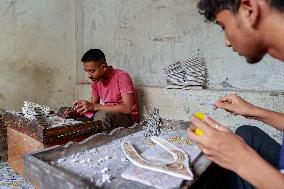
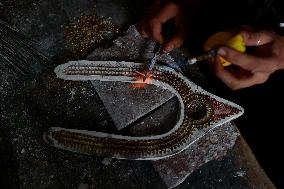
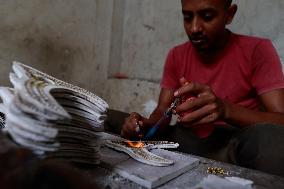
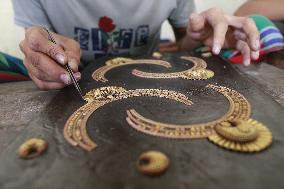
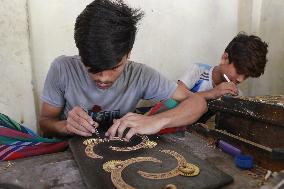
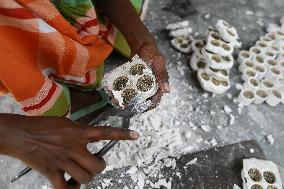
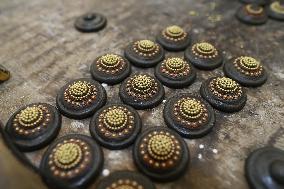
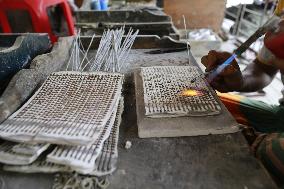
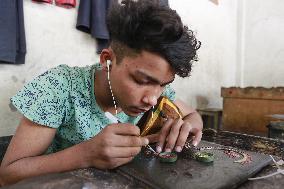
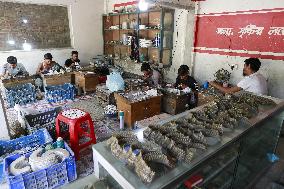
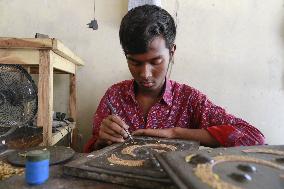
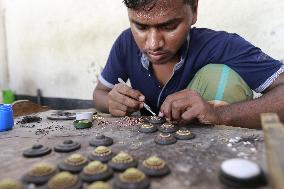
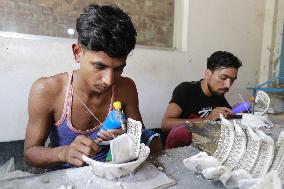
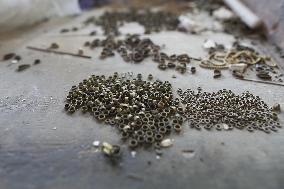
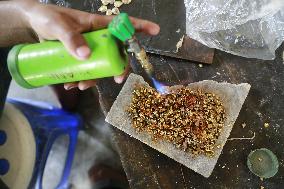
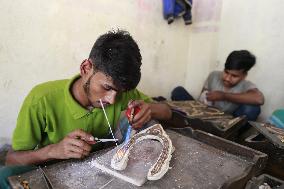
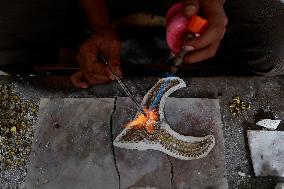
July 3, 2025, Savar, Bangladesh: In Bhakurta Union of Savar, on the outskirts of the capital, jewelry is made in almost every household. Around 10,000 people in the area are involved in the craft. According to locals, the tradition dates back to the British era, when residents adopted jewelry-making as an alternative profession. Initially, they used to craft gold ornaments. Gradually, they shifted to making silver jewelry. Nowadays, most of the ornaments are made from copper and brass. Since the 1980s, the production and sale of jewelry have expanded widely.

  •  
The Jewelry-Making Village - Bangladesh

The Jewelry-Making Village - Bangladesh

July 3, 2025, Savar, Bangladesh: In Bhakurta Union of Savar, on the outskirts of the capital, jewelry is made in almost every household. Around 10,000 people in the area are involved in the craft. According to locals, the tradition dates back to the British era, when residents adopted jewelry-making as an alternative profession. Initially, they used to craft gold ornaments. Gradually, they shifted to making silver jewelry. Nowadays, most of the ornaments are made from copper and brass. Since the 1980s, the production and sale of jewelry have expanded widely.

  •  
The Jewelry-Making Village - Bangladesh

The Jewelry-Making Village - Bangladesh

July 3, 2025, Savar, Bangladesh: In Bhakurta Union of Savar, on the outskirts of the capital, jewelry is made in almost every household. Around 10,000 people in the area are involved in the craft. According to locals, the tradition dates back to the British era, when residents adopted jewelry-making as an alternative profession. Initially, they used to craft gold ornaments. Gradually, they shifted to making silver jewelry. Nowadays, most of the ornaments are made from copper and brass. Since the 1980s, the production and sale of jewelry have expanded widely.

  •  
The Jewelry-Making Village - Bangladesh

The Jewelry-Making Village - Bangladesh

July 3, 2025, Savar, Bangladesh: In Bhakurta Union of Savar, on the outskirts of the capital, jewelry is made in almost every household. Around 10,000 people in the area are involved in the craft. According to locals, the tradition dates back to the British era, when residents adopted jewelry-making as an alternative profession. Initially, they used to craft gold ornaments. Gradually, they shifted to making silver jewelry. Nowadays, most of the ornaments are made from copper and brass. Since the 1980s, the production and sale of jewelry have expanded widely.

  •  
The Jewelry-Making Village - Bangladesh

The Jewelry-Making Village - Bangladesh

July 3, 2025, Savar, Bangladesh: In Bhakurta Union of Savar, on the outskirts of the capital, jewelry is made in almost every household. Around 10,000 people in the area are involved in the craft. According to locals, the tradition dates back to the British era, when residents adopted jewelry-making as an alternative profession. Initially, they used to craft gold ornaments. Gradually, they shifted to making silver jewelry. Nowadays, most of the ornaments are made from copper and brass. Since the 1980s, the production and sale of jewelry have expanded widely.

  •  
The Jewelry-Making Village - Bangladesh

The Jewelry-Making Village - Bangladesh

July 3, 2025, Savar, Bangladesh: In Bhakurta Union of Savar, on the outskirts of the capital, jewelry is made in almost every household. Around 10,000 people in the area are involved in the craft. According to locals, the tradition dates back to the British era, when residents adopted jewelry-making as an alternative profession. Initially, they used to craft gold ornaments. Gradually, they shifted to making silver jewelry. Nowadays, most of the ornaments are made from copper and brass. Since the 1980s, the production and sale of jewelry have expanded widely.

  •  
The Jewelry-Making Village - Bangladesh

The Jewelry-Making Village - Bangladesh

July 3, 2025, Savar, Bangladesh: In Bhakurta Union of Savar, on the outskirts of the capital, jewelry is made in almost every household. Around 10,000 people in the area are involved in the craft. According to locals, the tradition dates back to the British era, when residents adopted jewelry-making as an alternative profession. Initially, they used to craft gold ornaments. Gradually, they shifted to making silver jewelry. Nowadays, most of the ornaments are made from copper and brass. Since the 1980s, the production and sale of jewelry have expanded widely.

  •  
The Jewelry-Making Village - Bangladesh

The Jewelry-Making Village - Bangladesh

July 3, 2025, Savar, Bangladesh: In Bhakurta Union of Savar, on the outskirts of the capital, jewelry is made in almost every household. Around 10,000 people in the area are involved in the craft. According to locals, the tradition dates back to the British era, when residents adopted jewelry-making as an alternative profession. Initially, they used to craft gold ornaments. Gradually, they shifted to making silver jewelry. Nowadays, most of the ornaments are made from copper and brass. Since the 1980s, the production and sale of jewelry have expanded widely.

  •  
The Jewelry-Making Village - Bangladesh

The Jewelry-Making Village - Bangladesh

July 3, 2025, Savar, Bangladesh: In Bhakurta Union of Savar, on the outskirts of the capital, jewelry is made in almost every household. Around 10,000 people in the area are involved in the craft. According to locals, the tradition dates back to the British era, when residents adopted jewelry-making as an alternative profession. Initially, they used to craft gold ornaments. Gradually, they shifted to making silver jewelry. Nowadays, most of the ornaments are made from copper and brass. Since the 1980s, the production and sale of jewelry have expanded widely.

  •  
The Jewelry-Making Village - Bangladesh

The Jewelry-Making Village - Bangladesh

July 3, 2025, Savar, Bangladesh: In Bhakurta Union of Savar, on the outskirts of the capital, jewelry is made in almost every household. Around 10,000 people in the area are involved in the craft. According to locals, the tradition dates back to the British era, when residents adopted jewelry-making as an alternative profession. Initially, they used to craft gold ornaments. Gradually, they shifted to making silver jewelry. Nowadays, most of the ornaments are made from copper and brass. Since the 1980s, the production and sale of jewelry have expanded widely.

  •  
The Jewelry-Making Village - Bangladesh

The Jewelry-Making Village - Bangladesh

July 3, 2025, Savar, Bangladesh: In Bhakurta Union of Savar, on the outskirts of the capital, jewelry is made in almost every household. Around 10,000 people in the area are involved in the craft. According to locals, the tradition dates back to the British era, when residents adopted jewelry-making as an alternative profession. Initially, they used to craft gold ornaments. Gradually, they shifted to making silver jewelry. Nowadays, most of the ornaments are made from copper and brass. Since the 1980s, the production and sale of jewelry have expanded widely.

  •  
The Jewelry-Making Village - Bangladesh

The Jewelry-Making Village - Bangladesh

July 3, 2025, Savar, Bangladesh: In Bhakurta Union of Savar, on the outskirts of the capital, jewelry is made in almost every household. Around 10,000 people in the area are involved in the craft. According to locals, the tradition dates back to the British era, when residents adopted jewelry-making as an alternative profession. Initially, they used to craft gold ornaments. Gradually, they shifted to making silver jewelry. Nowadays, most of the ornaments are made from copper and brass. Since the 1980s, the production and sale of jewelry have expanded widely.

  •  
The Jewelry-Making Village - Bangladesh

The Jewelry-Making Village - Bangladesh

July 3, 2025, Savar, Bangladesh: In Bhakurta Union of Savar, on the outskirts of the capital, jewelry is made in almost every household. Around 10,000 people in the area are involved in the craft. According to locals, the tradition dates back to the British era, when residents adopted jewelry-making as an alternative profession. Initially, they used to craft gold ornaments. Gradually, they shifted to making silver jewelry. Nowadays, most of the ornaments are made from copper and brass. Since the 1980s, the production and sale of jewelry have expanded widely.

  •  
The Jewelry-Making Village - Bangladesh

The Jewelry-Making Village - Bangladesh

July 3, 2025, Savar, Bangladesh: In Bhakurta Union of Savar, on the outskirts of the capital, jewelry is made in almost every household. Around 10,000 people in the area are involved in the craft. According to locals, the tradition dates back to the British era, when residents adopted jewelry-making as an alternative profession. Initially, they used to craft gold ornaments. Gradually, they shifted to making silver jewelry. Nowadays, most of the ornaments are made from copper and brass. Since the 1980s, the production and sale of jewelry have expanded widely.

  •  
The Jewelry-Making Village - Bangladesh

The Jewelry-Making Village - Bangladesh

July 3, 2025, Savar, Bangladesh: In Bhakurta Union of Savar, on the outskirts of the capital, jewelry is made in almost every household. Around 10,000 people in the area are involved in the craft. According to locals, the tradition dates back to the British era, when residents adopted jewelry-making as an alternative profession. Initially, they used to craft gold ornaments. Gradually, they shifted to making silver jewelry. Nowadays, most of the ornaments are made from copper and brass. Since the 1980s, the production and sale of jewelry have expanded widely.

  •  
The Jewelry-Making Village - Bangladesh

The Jewelry-Making Village - Bangladesh

July 3, 2025, Savar, Bangladesh: In Bhakurta Union of Savar, on the outskirts of the capital, jewelry is made in almost every household. Around 10,000 people in the area are involved in the craft. According to locals, the tradition dates back to the British era, when residents adopted jewelry-making as an alternative profession. Initially, they used to craft gold ornaments. Gradually, they shifted to making silver jewelry. Nowadays, most of the ornaments are made from copper and brass. Since the 1980s, the production and sale of jewelry have expanded widely.

  •  
The Jewelry-Making Village - Bangladesh

The Jewelry-Making Village - Bangladesh

July 3, 2025, Savar, Bangladesh: In Bhakurta Union of Savar, on the outskirts of the capital, jewelry is made in almost every household. Around 10,000 people in the area are involved in the craft. According to locals, the tradition dates back to the British era, when residents adopted jewelry-making as an alternative profession. Initially, they used to craft gold ornaments. Gradually, they shifted to making silver jewelry. Nowadays, most of the ornaments are made from copper and brass. Since the 1980s, the production and sale of jewelry have expanded widely.

  •  
The Jewelry-Making Village - Bangladesh

The Jewelry-Making Village - Bangladesh

July 3, 2025, Savar, Bangladesh: In Bhakurta Union of Savar, on the outskirts of the capital, jewelry is made in almost every household. Around 10,000 people in the area are involved in the craft. According to locals, the tradition dates back to the British era, when residents adopted jewelry-making as an alternative profession. Initially, they used to craft gold ornaments. Gradually, they shifted to making silver jewelry. Nowadays, most of the ornaments are made from copper and brass. Since the 1980s, the production and sale of jewelry have expanded widely.

  •  
The Jewelry-Making Village - Bangladesh

The Jewelry-Making Village - Bangladesh

July 3, 2025, Savar, Bangladesh: In Bhakurta Union of Savar, on the outskirts of the capital, jewelry is made in almost every household. Around 10,000 people in the area are involved in the craft. According to locals, the tradition dates back to the British era, when residents adopted jewelry-making as an alternative profession. Initially, they used to craft gold ornaments. Gradually, they shifted to making silver jewelry. Nowadays, most of the ornaments are made from copper and brass. Since the 1980s, the production and sale of jewelry have expanded widely.

  •  
The Jewelry-Making Village - Bangladesh

The Jewelry-Making Village - Bangladesh

July 3, 2025, Savar, Bangladesh: In Bhakurta Union of Savar, on the outskirts of the capital, jewelry is made in almost every household. Around 10,000 people in the area are involved in the craft. According to locals, the tradition dates back to the British era, when residents adopted jewelry-making as an alternative profession. Initially, they used to craft gold ornaments. Gradually, they shifted to making silver jewelry. Nowadays, most of the ornaments are made from copper and brass. Since the 1980s, the production and sale of jewelry have expanded widely.

  •  
The Jewelry-Making Village - Bangladesh

The Jewelry-Making Village - Bangladesh

July 3, 2025, Savar, Bangladesh: In Bhakurta Union of Savar, on the outskirts of the capital, jewelry is made in almost every household. Around 10,000 people in the area are involved in the craft. According to locals, the tradition dates back to the British era, when residents adopted jewelry-making as an alternative profession. Initially, they used to craft gold ornaments. Gradually, they shifted to making silver jewelry. Nowadays, most of the ornaments are made from copper and brass. Since the 1980s, the production and sale of jewelry have expanded widely.

  •  
The Jewelry-Making Village - Bangladesh

The Jewelry-Making Village - Bangladesh

July 3, 2025, Savar, Bangladesh: In Bhakurta Union of Savar, on the outskirts of the capital, jewelry is made in almost every household. Around 10,000 people in the area are involved in the craft. According to locals, the tradition dates back to the British era, when residents adopted jewelry-making as an alternative profession. Initially, they used to craft gold ornaments. Gradually, they shifted to making silver jewelry. Nowadays, most of the ornaments are made from copper and brass. Since the 1980s, the production and sale of jewelry have expanded widely.

  •  
The Jewelry-Making Village - Bangladesh

The Jewelry-Making Village - Bangladesh

July 3, 2025, Savar, Bangladesh: In Bhakurta Union of Savar, on the outskirts of the capital, jewelry is made in almost every household. Around 10,000 people in the area are involved in the craft. According to locals, the tradition dates back to the British era, when residents adopted jewelry-making as an alternative profession. Initially, they used to craft gold ornaments. Gradually, they shifted to making silver jewelry. Nowadays, most of the ornaments are made from copper and brass. Since the 1980s, the production and sale of jewelry have expanded widely.

  •  
The Jewelry-Making Village - Bangladesh

The Jewelry-Making Village - Bangladesh

July 3, 2025, Savar, Bangladesh: In Bhakurta Union of Savar, on the outskirts of the capital, jewelry is made in almost every household. Around 10,000 people in the area are involved in the craft. According to locals, the tradition dates back to the British era, when residents adopted jewelry-making as an alternative profession. Initially, they used to craft gold ornaments. Gradually, they shifted to making silver jewelry. Nowadays, most of the ornaments are made from copper and brass. Since the 1980s, the production and sale of jewelry have expanded widely.

  •  
The Jewelry-Making Village - Bangladesh

The Jewelry-Making Village - Bangladesh

July 3, 2025, Savar, Bangladesh: In Bhakurta Union of Savar, on the outskirts of the capital, jewelry is made in almost every household. Around 10,000 people in the area are involved in the craft. According to locals, the tradition dates back to the British era, when residents adopted jewelry-making as an alternative profession. Initially, they used to craft gold ornaments. Gradually, they shifted to making silver jewelry. Nowadays, most of the ornaments are made from copper and brass. Since the 1980s, the production and sale of jewelry have expanded widely.

  •  
The Jewelry-Making Village - Bangladesh

The Jewelry-Making Village - Bangladesh

July 3, 2025, Savar, Bangladesh: In Bhakurta Union of Savar, on the outskirts of the capital, jewelry is made in almost every household. Around 10,000 people in the area are involved in the craft. According to locals, the tradition dates back to the British era, when residents adopted jewelry-making as an alternative profession. Initially, they used to craft gold ornaments. Gradually, they shifted to making silver jewelry. Nowadays, most of the ornaments are made from copper and brass. Since the 1980s, the production and sale of jewelry have expanded widely.

  •  
The Jewelry-Making Village - Bangladesh

The Jewelry-Making Village - Bangladesh

July 3, 2025, Savar, Bangladesh: In Bhakurta Union of Savar, on the outskirts of the capital, jewelry is made in almost every household. Around 10,000 people in the area are involved in the craft. According to locals, the tradition dates back to the British era, when residents adopted jewelry-making as an alternative profession. Initially, they used to craft gold ornaments. Gradually, they shifted to making silver jewelry. Nowadays, most of the ornaments are made from copper and brass. Since the 1980s, the production and sale of jewelry have expanded widely.

  •  
The Jewelry-Making Village - Bangladesh

The Jewelry-Making Village - Bangladesh

July 3, 2025, Savar, Bangladesh: In Bhakurta Union of Savar, on the outskirts of the capital, jewelry is made in almost every household. Around 10,000 people in the area are involved in the craft. According to locals, the tradition dates back to the British era, when residents adopted jewelry-making as an alternative profession. Initially, they used to craft gold ornaments. Gradually, they shifted to making silver jewelry. Nowadays, most of the ornaments are made from copper and brass. Since the 1980s, the production and sale of jewelry have expanded widely.

  •  
The Jewelry-Making Village - Bangladesh

The Jewelry-Making Village - Bangladesh

July 3, 2025, Savar, Bangladesh: In Bhakurta Union of Savar, on the outskirts of the capital, jewelry is made in almost every household. Around 10,000 people in the area are involved in the craft. According to locals, the tradition dates back to the British era, when residents adopted jewelry-making as an alternative profession. Initially, they used to craft gold ornaments. Gradually, they shifted to making silver jewelry. Nowadays, most of the ornaments are made from copper and brass. Since the 1980s, the production and sale of jewelry have expanded widely.

  •  
The Jewelry-Making Village - Bangladesh

The Jewelry-Making Village - Bangladesh

July 3, 2025, Savar, Bangladesh: In Bhakurta Union of Savar, on the outskirts of the capital, jewelry is made in almost every household. Around 10,000 people in the area are involved in the craft. According to locals, the tradition dates back to the British era, when residents adopted jewelry-making as an alternative profession. Initially, they used to craft gold ornaments. Gradually, they shifted to making silver jewelry. Nowadays, most of the ornaments are made from copper and brass. Since the 1980s, the production and sale of jewelry have expanded widely.

  •  
The Jewelry-Making Village - Bangladesh

The Jewelry-Making Village - Bangladesh

July 3, 2025, Savar, Bangladesh: In Bhakurta Union of Savar, on the outskirts of the capital, jewelry is made in almost every household. Around 10,000 people in the area are involved in the craft. According to locals, the tradition dates back to the British era, when residents adopted jewelry-making as an alternative profession. Initially, they used to craft gold ornaments. Gradually, they shifted to making silver jewelry. Nowadays, most of the ornaments are made from copper and brass. Since the 1980s, the production and sale of jewelry have expanded widely.

  •  
The Jewelry-Making Village - Bangladesh

The Jewelry-Making Village - Bangladesh

July 3, 2025, Savar, Bangladesh: In Bhakurta Union of Savar, on the outskirts of the capital, jewelry is made in almost every household. Around 10,000 people in the area are involved in the craft. According to locals, the tradition dates back to the British era, when residents adopted jewelry-making as an alternative profession. Initially, they used to craft gold ornaments. Gradually, they shifted to making silver jewelry. Nowadays, most of the ornaments are made from copper and brass. Since the 1980s, the production and sale of jewelry have expanded widely.

  •  
The Jewelry-Making Village - Bangladesh

The Jewelry-Making Village - Bangladesh

July 3, 2025, Savar, Bangladesh: In Bhakurta Union of Savar, on the outskirts of the capital, jewelry is made in almost every household. Around 10,000 people in the area are involved in the craft. According to locals, the tradition dates back to the British era, when residents adopted jewelry-making as an alternative profession. Initially, they used to craft gold ornaments. Gradually, they shifted to making silver jewelry. Nowadays, most of the ornaments are made from copper and brass. Since the 1980s, the production and sale of jewelry have expanded widely.

  •  
The Jewelry-Making Village - Bangladesh

The Jewelry-Making Village - Bangladesh

July 3, 2025, Savar, Bangladesh: In Bhakurta Union of Savar, on the outskirts of the capital, jewelry is made in almost every household. Around 10,000 people in the area are involved in the craft. According to locals, the tradition dates back to the British era, when residents adopted jewelry-making as an alternative profession. Initially, they used to craft gold ornaments. Gradually, they shifted to making silver jewelry. Nowadays, most of the ornaments are made from copper and brass. Since the 1980s, the production and sale of jewelry have expanded widely.

  •  
The Jewelry-Making Village - Bangladesh

The Jewelry-Making Village - Bangladesh

July 3, 2025, Savar, Bangladesh: In Bhakurta Union of Savar, on the outskirts of the capital, jewelry is made in almost every household. Around 10,000 people in the area are involved in the craft. According to locals, the tradition dates back to the British era, when residents adopted jewelry-making as an alternative profession. Initially, they used to craft gold ornaments. Gradually, they shifted to making silver jewelry. Nowadays, most of the ornaments are made from copper and brass. Since the 1980s, the production and sale of jewelry have expanded widely.

  •  
The Jewelry-Making Village - Bangladesh

The Jewelry-Making Village - Bangladesh

July 3, 2025, Savar, Bangladesh: In Bhakurta Union of Savar, on the outskirts of the capital, jewelry is made in almost every household. Around 10,000 people in the area are involved in the craft. According to locals, the tradition dates back to the British era, when residents adopted jewelry-making as an alternative profession. Initially, they used to craft gold ornaments. Gradually, they shifted to making silver jewelry. Nowadays, most of the ornaments are made from copper and brass. Since the 1980s, the production and sale of jewelry have expanded widely.

  •  
The Jewelry-Making Village - Bangladesh

The Jewelry-Making Village - Bangladesh

July 3, 2025, Savar, Bangladesh: In Bhakurta Union of Savar, on the outskirts of the capital, jewelry is made in almost every household. Around 10,000 people in the area are involved in the craft. According to locals, the tradition dates back to the British era, when residents adopted jewelry-making as an alternative profession. Initially, they used to craft gold ornaments. Gradually, they shifted to making silver jewelry. Nowadays, most of the ornaments are made from copper and brass. Since the 1980s, the production and sale of jewelry have expanded widely.

  •  
Gohona Gram: The Last Holdout Of Jewellery Artisans - Bangladesh

Gohona Gram: The Last Holdout Of Jewellery Artisans - Bangladesh

Workers make and sorting out copper and silver jewellery at Bhakurta village in Savar on the outskirts of Dhaka, Bangladesh, March 21, 2021. Thousands of pieces of flashy jewellery found at shops in the capital Dhaka are crafted in this village. Most people these days know the place as "gohona gram" (jewellery village). Even though the jewellers say they have been living there for a few generations - nearly a century â it became well-known as gohona gram only two to three decades back. Making jewelleries is like a household chore in this village. Not just men, women and children also work here hand-in-hand in making jewelleries. It is a part of their lifestyle. Photo by Suvra Kanti Das/ABACAPRESS.COM (Credit:Suvra Kanti Das/ABACA/Kyodo News Images)

  •  
Gohona Gram: The Last Holdout Of Jewellery Artisans - Bangladesh

Gohona Gram: The Last Holdout Of Jewellery Artisans - Bangladesh

Workers make and sorting out copper and silver jewellery at Bhakurta village in Savar on the outskirts of Dhaka, Bangladesh, March 21, 2021. Thousands of pieces of flashy jewellery found at shops in the capital Dhaka are crafted in this village. Most people these days know the place as "gohona gram" (jewellery village). Even though the jewellers say they have been living there for a few generations - nearly a century â it became well-known as gohona gram only two to three decades back. Making jewelleries is like a household chore in this village. Not just men, women and children also work here hand-in-hand in making jewelleries. It is a part of their lifestyle. Photo by Suvra Kanti Das/ABACAPRESS.COM (Credit:Suvra Kanti Das/ABACA/Kyodo News Images)

  •  
Gohona Gram: The Last Holdout Of Jewellery Artisans - Bangladesh

Gohona Gram: The Last Holdout Of Jewellery Artisans - Bangladesh

Workers make and sorting out copper and silver jewellery at Bhakurta village in Savar on the outskirts of Dhaka, Bangladesh, March 21, 2021. Thousands of pieces of flashy jewellery found at shops in the capital Dhaka are crafted in this village. Most people these days know the place as "gohona gram" (jewellery village). Even though the jewellers say they have been living there for a few generations - nearly a century â it became well-known as gohona gram only two to three decades back. Making jewelleries is like a household chore in this village. Not just men, women and children also work here hand-in-hand in making jewelleries. It is a part of their lifestyle. Photo by Suvra Kanti Das/ABACAPRESS.COM (Credit:Suvra Kanti Das/ABACA/Kyodo News Images)

  •  
Gohona Gram: The Last Holdout Of Jewellery Artisans - Bangladesh

Gohona Gram: The Last Holdout Of Jewellery Artisans - Bangladesh

Workers make and sorting out copper and silver jewellery at Bhakurta village in Savar on the outskirts of Dhaka, Bangladesh, March 21, 2021. Thousands of pieces of flashy jewellery found at shops in the capital Dhaka are crafted in this village. Most people these days know the place as "gohona gram" (jewellery village). Even though the jewellers say they have been living there for a few generations - nearly a century â it became well-known as gohona gram only two to three decades back. Making jewelleries is like a household chore in this village. Not just men, women and children also work here hand-in-hand in making jewelleries. It is a part of their lifestyle. Photo by Suvra Kanti Das/ABACAPRESS.COM (Credit:Suvra Kanti Das/ABACA/Kyodo News Images)

  •  
Gohona Gram: The Last Holdout Of Jewellery Artisans - Bangladesh

Gohona Gram: The Last Holdout Of Jewellery Artisans - Bangladesh

Workers make and sorting out copper and silver jewellery at Bhakurta village in Savar on the outskirts of Dhaka, Bangladesh, March 21, 2021. Thousands of pieces of flashy jewellery found at shops in the capital Dhaka are crafted in this village. Most people these days know the place as "gohona gram" (jewellery village). Even though the jewellers say they have been living there for a few generations - nearly a century â it became well-known as gohona gram only two to three decades back. Making jewelleries is like a household chore in this village. Not just men, women and children also work here hand-in-hand in making jewelleries. It is a part of their lifestyle. Photo by Suvra Kanti Das/ABACAPRESS.COM (Credit:Suvra Kanti Das/ABACA/Kyodo News Images)

  •  
Gohona Gram: The Last Holdout Of Jewellery Artisans - Bangladesh

Gohona Gram: The Last Holdout Of Jewellery Artisans - Bangladesh

Workers make and sorting out copper and silver jewellery at Bhakurta village in Savar on the outskirts of Dhaka, Bangladesh, March 21, 2021. Thousands of pieces of flashy jewellery found at shops in the capital Dhaka are crafted in this village. Most people these days know the place as "gohona gram" (jewellery village). Even though the jewellers say they have been living there for a few generations - nearly a century â it became well-known as gohona gram only two to three decades back. Making jewelleries is like a household chore in this village. Not just men, women and children also work here hand-in-hand in making jewelleries. It is a part of their lifestyle. Photo by Suvra Kanti Das/ABACAPRESS.COM (Credit:Suvra Kanti Das/ABACA/Kyodo News Images)

  •  
Gohona Gram: The Last Holdout Of Jewellery Artisans - Bangladesh

Gohona Gram: The Last Holdout Of Jewellery Artisans - Bangladesh

Workers make and sorting out copper and silver jewellery at Bhakurta village in Savar on the outskirts of Dhaka, Bangladesh, March 21, 2021. Thousands of pieces of flashy jewellery found at shops in the capital Dhaka are crafted in this village. Most people these days know the place as "gohona gram" (jewellery village). Even though the jewellers say they have been living there for a few generations - nearly a century â it became well-known as gohona gram only two to three decades back. Making jewelleries is like a household chore in this village. Not just men, women and children also work here hand-in-hand in making jewelleries. It is a part of their lifestyle. Photo by Suvra Kanti Das/ABACAPRESS.COM (Credit:Suvra Kanti Das/ABACA/Kyodo News Images)

  •  
Gohona Gram: The Last Holdout Of Jewellery Artisans - Bangladesh

Gohona Gram: The Last Holdout Of Jewellery Artisans - Bangladesh

Workers make and sorting out copper and silver jewellery at Bhakurta village in Savar on the outskirts of Dhaka, Bangladesh, March 21, 2021. Thousands of pieces of flashy jewellery found at shops in the capital Dhaka are crafted in this village. Most people these days know the place as "gohona gram" (jewellery village). Even though the jewellers say they have been living there for a few generations - nearly a century â it became well-known as gohona gram only two to three decades back. Making jewelleries is like a household chore in this village. Not just men, women and children also work here hand-in-hand in making jewelleries. It is a part of their lifestyle. Photo by Suvra Kanti Das/ABACAPRESS.COM (Credit:Suvra Kanti Das/ABACA/Kyodo News Images)

  •  
Gohona Gram: The Last Holdout Of Jewellery Artisans - Bangladesh

Gohona Gram: The Last Holdout Of Jewellery Artisans - Bangladesh

Workers make and sorting out copper and silver jewellery at Bhakurta village in Savar on the outskirts of Dhaka, Bangladesh, March 21, 2021. Thousands of pieces of flashy jewellery found at shops in the capital Dhaka are crafted in this village. Most people these days know the place as "gohona gram" (jewellery village). Even though the jewellers say they have been living there for a few generations - nearly a century â it became well-known as gohona gram only two to three decades back. Making jewelleries is like a household chore in this village. Not just men, women and children also work here hand-in-hand in making jewelleries. It is a part of their lifestyle. Photo by Suvra Kanti Das/ABACAPRESS.COM (Credit:Suvra Kanti Das/ABACA/Kyodo News Images)

  •  
Gohona Gram: The Last Holdout Of Jewellery Artisans - Bangladesh

Gohona Gram: The Last Holdout Of Jewellery Artisans - Bangladesh

Workers make and sorting out copper and silver jewellery at Bhakurta village in Savar on the outskirts of Dhaka, Bangladesh, March 21, 2021. Thousands of pieces of flashy jewellery found at shops in the capital Dhaka are crafted in this village. Most people these days know the place as "gohona gram" (jewellery village). Even though the jewellers say they have been living there for a few generations - nearly a century â it became well-known as gohona gram only two to three decades back. Making jewelleries is like a household chore in this village. Not just men, women and children also work here hand-in-hand in making jewelleries. It is a part of their lifestyle. Photo by Suvra Kanti Das/ABACAPRESS.COM (Credit:Suvra Kanti Das/ABACA/Kyodo News Images)

  •  
Gohona Gram: The Last Holdout Of Jewellery Artisans - Bangladesh

Gohona Gram: The Last Holdout Of Jewellery Artisans - Bangladesh

Workers make and sorting out copper and silver jewellery at Bhakurta village in Savar on the outskirts of Dhaka, Bangladesh, March 21, 2021. Thousands of pieces of flashy jewellery found at shops in the capital Dhaka are crafted in this village. Most people these days know the place as "gohona gram" (jewellery village). Even though the jewellers say they have been living there for a few generations - nearly a century â it became well-known as gohona gram only two to three decades back. Making jewelleries is like a household chore in this village. Not just men, women and children also work here hand-in-hand in making jewelleries. It is a part of their lifestyle. Photo by Suvra Kanti Das/ABACAPRESS.COM (Credit:Suvra Kanti Das/ABACA/Kyodo News Images)

  •  
Gohona Gram: The Last Holdout Of Jewellery Artisans - Bangladesh

Gohona Gram: The Last Holdout Of Jewellery Artisans - Bangladesh

Workers make and sorting out copper and silver jewellery at Bhakurta village in Savar on the outskirts of Dhaka, Bangladesh, March 21, 2021. Thousands of pieces of flashy jewellery found at shops in the capital Dhaka are crafted in this village. Most people these days know the place as "gohona gram" (jewellery village). Even though the jewellers say they have been living there for a few generations - nearly a century â it became well-known as gohona gram only two to three decades back. Making jewelleries is like a household chore in this village. Not just men, women and children also work here hand-in-hand in making jewelleries. It is a part of their lifestyle. Photo by Suvra Kanti Das/ABACAPRESS.COM (Credit:Suvra Kanti Das/ABACA/Kyodo News Images)

  •  
Gohona Gram: The Last Holdout Of Jewellery Artisans - Bangladesh

Gohona Gram: The Last Holdout Of Jewellery Artisans - Bangladesh

Workers make and sorting out copper and silver jewellery at Bhakurta village in Savar on the outskirts of Dhaka, Bangladesh, March 21, 2021. Thousands of pieces of flashy jewellery found at shops in the capital Dhaka are crafted in this village. Most people these days know the place as "gohona gram" (jewellery village). Even though the jewellers say they have been living there for a few generations - nearly a century â it became well-known as gohona gram only two to three decades back. Making jewelleries is like a household chore in this village. Not just men, women and children also work here hand-in-hand in making jewelleries. It is a part of their lifestyle. Photo by Suvra Kanti Das/ABACAPRESS.COM (Credit:Suvra Kanti Das/ABACA/Kyodo News Images)

  • Main
  • Top
  • Editorial
  • Creative
  • About Us
  • About ILG
  • Terms of use
  • Company
  • BEHIND
  • Price List
  • Single Plan
  • Monthly Plan
  • Services
  • Shooting
  • Rights Clearance
  • Support
  • FAQ
  • How To Buy
  • Contact Us
  • Become a Partner

© KYODO NEWS IMAGES INC

All Rights Reserved.

  • Editorial
  • Olympics
  • News
  • Sports
  • Japan
  • Tech
  • Royal
  • Disaster
  • NorthKorea
  • Old Japan
  • SNS
  • Creative
  • Food
  • Japan
  • Landscape
  • Animal
  • Popular
  • #Ukraine
  • #Thailand
  • #coronavirus
  • #N. Korea
  • #Russia
  • #China
  • #Ukraine
  • #Thailand
  • #coronavirus
  • #N. Korea
  • #Russia
  • #China
  • Food
  • Japan
  • Landscape
  • Animal
  • Olympics
  • News
  • Sports
  • Japan
  • Tech
  • Royal
  • Disaster
  • NorthKorea
  • Old Japan
  • SNS