•  
Illustration - Marseille

Illustration - Marseille

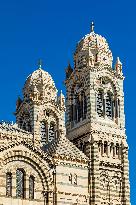
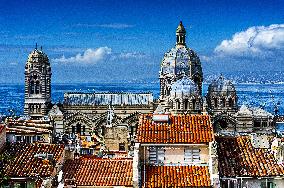
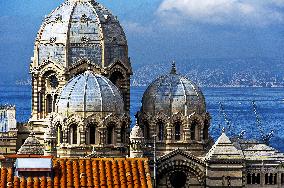
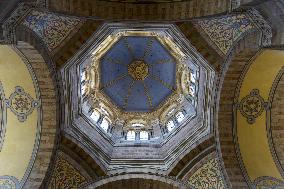
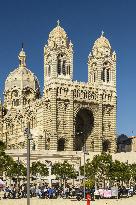
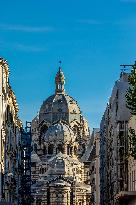
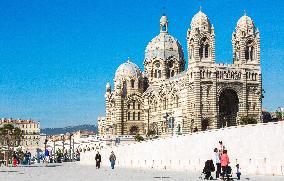
FRANCE. PROVENCE. BOUCHES-DU-RHONE (13) MARSEILLES. THE SAINTE-MARIE-MAJEURE CATHEDRAL, CALLED LA MAJOR. IT WAS BUILT (NEO-BYZANTINE STYLE) BETWEEN 1852 AND 1893 ON THE PLANS OF THE ARCHITECT LEON VAUDOYER. ITS ARCHITECTURE AND ITS INTERIOR DECORATION, IN MARBLE AND PORPHYRY, GIVE IT A PARTICULAR ASPECT FOR A RELIGIOUS BUILDING. Photo by Robert Palomba/Only France/ABACAPRESS.COM

  •  
Illustration - Marseille

Illustration - Marseille

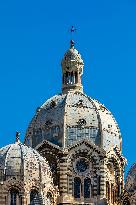
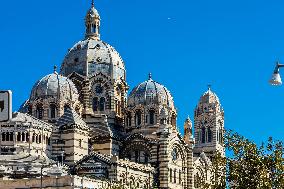
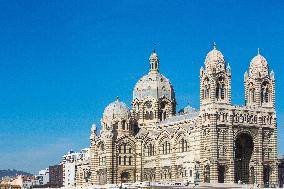
FRANCE. PROVENCE. BOUCHES-DU-RHONE (13) MARSEILLES. THE SAINTE-MARIE-MAJEURE CATHEDRAL, CALLED LA MAJOR. IT WAS BUILT (NEO-BYZANTINE STYLE) BETWEEN 1852 AND 1893 ON THE PLANS OF THE ARCHITECT LEON VAUDOYER. ITS ARCHITECTURE AND ITS INTERIOR DECORATION, IN MARBLE AND PORPHYRY, GIVE IT A PARTICULAR ASPECT FOR A RELIGIOUS BUILDING. Photo by Robert Palomba/Only France/ABACAPRESS.COM

  •  
Illustration French Farming - France

Illustration French Farming - France

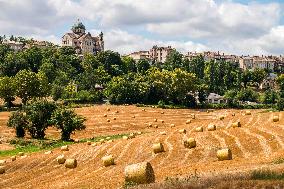
The harvests below the village of Castelnau Montratier and its Byzantine church. . Occitanie, France on August 2025. Photo by Denis Prezat/ABACAPRESS.COM

  •  
Illustration - Marseille

Illustration - Marseille

FRANCE BOUCHES-DU-RHONE (13) MARSEILLE. THE BASILICA OUR LADY OF THE GUARD BYZANTINE INFLUENCE MONUMENT, THE VIRGIN TO THE CHILD Photo by Antoine Lorgnier/Only France/ABACAPRESS.COM

  •  
Illustration - Marseille

Illustration - Marseille

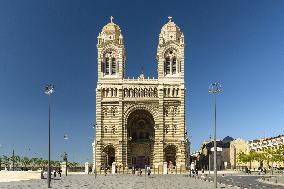
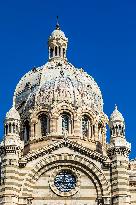
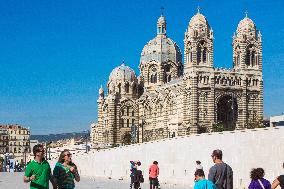
FRANCE. PROVENCE. BOUCHES-DU-RHONE (13) MARSEILLES. THE SAINTE-MARIE-MAJEURE CATHEDRAL, CALLED LA MAJOR. IT WAS BUILT (NEO-BYZANTINE STYLE) BETWEEN 1852 AND 1893 ON THE PLANS OF THE ARCHITECT LEON VAUDOYER. ITS ARCHITECTURE AND ITS INTERIOR DECORATION, IN MARBLE AND PORPHYRY, GIVE IT A PARTICULAR ASPECT FOR A RELIGIOUS BUILDING. Photo by Jean Isenmann/Only France/ABACAPRESS.COM

  •  
Illustration - Marseille

Illustration - Marseille

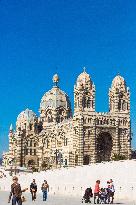
FRANCE. PROVENCE. BOUCHES-DU-RHONE (13) MARSEILLES. THE SAINTE-MARIE-MAJEURE CATHEDRAL, CALLED LA MAJOR. IT WAS BUILT (NEO-BYZANTINE STYLE) BETWEEN 1852 AND 1893 ON THE PLANS OF THE ARCHITECT LEON VAUDOYER. ITS ARCHITECTURE AND ITS INTERIOR DECORATION, IN MARBLE AND PORPHYRY, GIVE IT A PARTICULAR ASPECT FOR A RELIGIOUS BUILDING. Photo by Norbert Scanella/Only France/ABACAPRESS.COM

  •  
Illustration - Marseille

Illustration - Marseille

FRANCE. PROVENCE. BOUCHES-DU-RHONE (13) MARSEILLES. THE SAINTE-MARIE-MAJEURE CATHEDRAL, CALLED LA MAJOR. IT WAS BUILT (NEO-BYZANTINE STYLE) BETWEEN 1852 AND 1893 ON THE PLANS OF THE ARCHITECT LEON VAUDOYER. ITS ARCHITECTURE AND ITS INTERIOR DECORATION, IN MARBLE AND PORPHYRY, GIVE IT A PARTICULAR ASPECT FOR A RELIGIOUS BUILDING. Photo by Norbert Scanella/Only France/ABACAPRESS.COM

  •  
Illustration - Marseille

Illustration - Marseille

FRANCE. PROVENCE. BOUCHES-DU-RHONE (13) MARSEILLES. THE SAINTE-MARIE-MAJEURE CATHEDRAL, CALLED LA MAJOR. IT WAS BUILT (NEO-BYZANTINE STYLE) BETWEEN 1852 AND 1893 ON THE PLANS OF THE ARCHITECT LEON VAUDOYER. ITS ARCHITECTURE AND ITS INTERIOR DECORATION, IN MARBLE AND PORPHYRY, GIVE IT A PARTICULAR ASPECT FOR A RELIGIOUS BUILDING. Photo by Jean Isenmann/Only France/ABACAPRESS.COM

  •  
Illustration - Marseille

Illustration - Marseille

FRANCE. PROVENCE. BOUCHES-DU-RHONE (13) MARSEILLES. THE SAINTE-MARIE-MAJEURE CATHEDRAL, CALLED LA MAJOR. IT WAS BUILT (NEO-BYZANTINE STYLE) BETWEEN 1852 AND 1893 ON THE PLANS OF THE ARCHITECT LEON VAUDOYER. ITS ARCHITECTURE AND ITS INTERIOR DECORATION, IN MARBLE AND PORPHYRY, GIVE IT A PARTICULAR ASPECT FOR A RELIGIOUS BUILDING. Photo by Jean Isenmann/Only France/ABACAPRESS.COM

  •  
Illustration - Marseille

Illustration - Marseille

FRANCE. PROVENCE. BOUCHES-DU-RHONE (13) MARSEILLES. THE SAINTE-MARIE-MAJEURE CATHEDRAL, CALLED LA MAJOR. IT WAS BUILT (NEO-BYZANTINE STYLE) BETWEEN 1852 AND 1893 ON THE PLANS OF THE ARCHITECT LEON VAUDOYER. ITS ARCHITECTURE AND ITS INTERIOR DECORATION, IN MARBLE AND PORPHYRY, GIVE IT A PARTICULAR ASPECT FOR A RELIGIOUS BUILDING. Photo by Robert Palomba/Only France/ABACAPRESS.COM

  •  
Illustration - Marseille

Illustration - Marseille

FRANCE. PROVENCE. BOUCHES-DU-RHONE (13) MARSEILLES. THE SAINTE-MARIE-MAJEURE CATHEDRAL, CALLED LA MAJOR. IT WAS BUILT (NEO-BYZANTINE STYLE) BETWEEN 1852 AND 1893 ON THE PLANS OF THE ARCHITECT LEON VAUDOYER. ITS ARCHITECTURE AND ITS INTERIOR DECORATION, IN MARBLE AND PORPHYRY, GIVE IT A PARTICULAR ASPECT FOR A RELIGIOUS BUILDING. Photo by Robert Palomba/Only France/ABACAPRESS.COM

  •  
Illustration - Marseille

Illustration - Marseille

FRANCE. PROVENCE. BOUCHES-DU-RHONE (13) MARSEILLES. THE SAINTE-MARIE-MAJEURE CATHEDRAL, CALLED LA MAJOR. IT WAS BUILT (NEO-BYZANTINE STYLE) BETWEEN 1852 AND 1893 ON THE PLANS OF THE ARCHITECT LEON VAUDOYER. ITS ARCHITECTURE AND ITS INTERIOR DECORATION, IN MARBLE AND PORPHYRY, GIVE IT A PARTICULAR ASPECT FOR A RELIGIOUS BUILDING. Photo by Robert Palomba/Only France/ABACAPRESS.COM

  •  
Illustration - Marseille

Illustration - Marseille

FRANCE. PROVENCE. BOUCHES-DU-RHONE (13) MARSEILLES. THE SAINTE-MARIE-MAJEURE CATHEDRAL, CALLED LA MAJOR. IT WAS BUILT (NEO-BYZANTINE STYLE) BETWEEN 1852 AND 1893 ON THE PLANS OF THE ARCHITECT LEON VAUDOYER. ITS ARCHITECTURE AND ITS INTERIOR DECORATION, IN MARBLE AND PORPHYRY, GIVE IT A PARTICULAR ASPECT FOR A RELIGIOUS BUILDING. Photo by Stephane Frances/Only France/ABACAPRESS.COM

  •  
Illustration - Marseille

Illustration - Marseille

FRANCE. PROVENCE. BOUCHES-DU-RHONE (13) MARSEILLES. THE SAINTE-MARIE-MAJEURE CATHEDRAL, CALLED LA MAJOR. IT WAS BUILT (NEO-BYZANTINE STYLE) BETWEEN 1852 AND 1893 ON THE PLANS OF THE ARCHITECT LEON VAUDOYER. ITS ARCHITECTURE AND ITS INTERIOR DECORATION, IN MARBLE AND PORPHYRY, GIVE IT A PARTICULAR ASPECT FOR A RELIGIOUS BUILDING. Photo by Stephane Frances/Only France/ABACAPRESS.COM

  •  
Illustration - Marseille

Illustration - Marseille

FRANCE. PROVENCE. BOUCHES-DU-RHONE (13) MARSEILLES. THE SAINTE-MARIE-MAJEURE CATHEDRAL, CALLED LA MAJOR. IT WAS BUILT (NEO-BYZANTINE STYLE) BETWEEN 1852 AND 1893 ON THE PLANS OF THE ARCHITECT LEON VAUDOYER. ITS ARCHITECTURE AND ITS INTERIOR DECORATION, IN MARBLE AND PORPHYRY, GIVE IT A PARTICULAR ASPECT FOR A RELIGIOUS BUILDING. Photo by Stephane Frances/Only France/ABACAPRESS.COM

  •  
Illustration - Marseille

Illustration - Marseille

FRANCE. PROVENCE. BOUCHES-DU-RHONE (13) MARSEILLES. THE SAINTE-MARIE-MAJEURE CATHEDRAL, CALLED LA MAJOR. IT WAS BUILT (NEO-BYZANTINE STYLE) BETWEEN 1852 AND 1893 ON THE PLANS OF THE ARCHITECT LEON VAUDOYER. ITS ARCHITECTURE AND ITS INTERIOR DECORATION, IN MARBLE AND PORPHYRY, GIVE IT A PARTICULAR ASPECT FOR A RELIGIOUS BUILDING. Photo by Stephane Frances/Only France/ABACAPRESS.COM

  •  
Hagia Sophia Is Preparing For Its Renewal - Istanbu

Hagia Sophia Is Preparing For Its Renewal - Istanbu

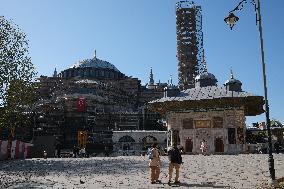
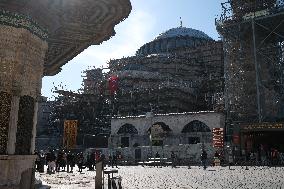
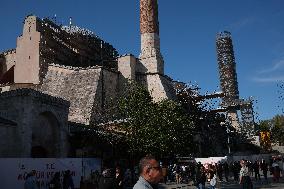
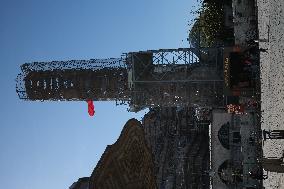
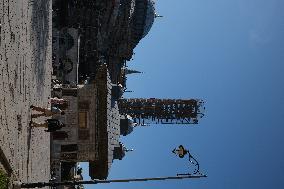
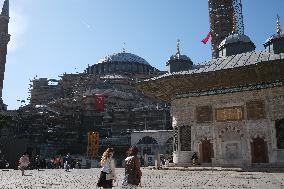
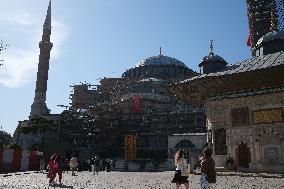
Work to restore and reinforce the dome of the ancient Byzantine basilica Hagia Sophia, described as “one of the largest projects ever planned” for the edifice, will begin shortly, on April 22, 2025 in Istanbul, Turkey. Photo by Ilker Eray/ABACAPRESS.COM

  •  
Hagia Sophia Is Preparing For Its Renewal - Istanbu

Hagia Sophia Is Preparing For Its Renewal - Istanbu

Work to restore and reinforce the dome of the ancient Byzantine basilica Hagia Sophia, described as “one of the largest projects ever planned” for the edifice, will begin shortly, on April 22, 2025 in Istanbul, Turkey. Photo by Ilker Eray/ABACAPRESS.COM

  •  
Hagia Sophia Is Preparing For Its Renewal - Istanbu

Hagia Sophia Is Preparing For Its Renewal - Istanbu

Work to restore and reinforce the dome of the ancient Byzantine basilica Hagia Sophia, described as “one of the largest projects ever planned” for the edifice, will begin shortly, on April 22, 2025 in Istanbul, Turkey. Photo by Ilker Eray/ABACAPRESS.COM

  •  
Hagia Sophia Is Preparing For Its Renewal - Istanbu

Hagia Sophia Is Preparing For Its Renewal - Istanbu

Work to restore and reinforce the dome of the ancient Byzantine basilica Hagia Sophia, described as “one of the largest projects ever planned” for the edifice, will begin shortly, on April 22, 2025 in Istanbul, Turkey. Photo by Ilker Eray/ABACAPRESS.COM

  •  
Hagia Sophia Is Preparing For Its Renewal - Istanbu

Hagia Sophia Is Preparing For Its Renewal - Istanbu

Work to restore and reinforce the dome of the ancient Byzantine basilica Hagia Sophia, described as “one of the largest projects ever planned” for the edifice, will begin shortly, on April 22, 2025 in Istanbul, Turkey. Photo by Ilker Eray/ABACAPRESS.COM

  •  
Hagia Sophia Is Preparing For Its Renewal - Istanbu

Hagia Sophia Is Preparing For Its Renewal - Istanbu

Work to restore and reinforce the dome of the ancient Byzantine basilica Hagia Sophia, described as “one of the largest projects ever planned” for the edifice, will begin shortly, on April 22, 2025 in Istanbul, Turkey. Photo by Ilker Eray/ABACAPRESS.COM

  •  
Hagia Sophia Is Preparing For Its Renewal - Istanbu

Hagia Sophia Is Preparing For Its Renewal - Istanbu

Work to restore and reinforce the dome of the ancient Byzantine basilica Hagia Sophia, described as “one of the largest projects ever planned” for the edifice, will begin shortly, on April 22, 2025 in Istanbul, Turkey. Photo by Ilker Eray/ABACAPRESS.COM

  •  
Hagia Sophia Is Preparing For Its Renewal - Istanbu

Hagia Sophia Is Preparing For Its Renewal - Istanbu

Work to restore and reinforce the dome of the ancient Byzantine basilica Hagia Sophia, described as “one of the largest projects ever planned” for the edifice, will begin shortly, on April 22, 2025 in Istanbul, Turkey. Photo by Ilker Eray/ABACAPRESS.COM

  •  

Chinese, Western cultures fuse in China's Harbin

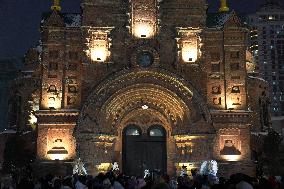
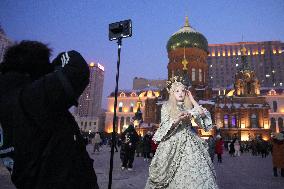
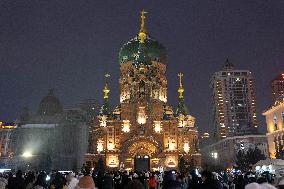
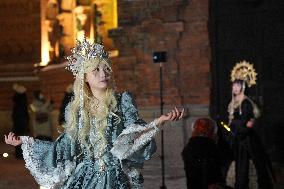
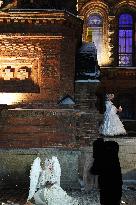
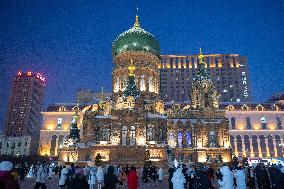
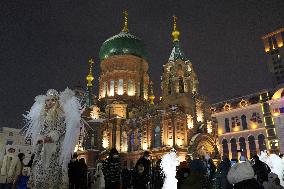
STORY: Chinese, Western cultures fuse in China's Harbin SHOOTING TIME: File DATELINE: June 8, 2024 LENGTH: 00:01:11 LOCATION: HARBIN, China CATEGORY: CULTURE SHOTLIST: 1. various of Harbin STORYLINE: While most cities in China are awash with tourists wearing traditional Chinese costumes posing for travel snapshots, visitors to Harbin in northeastern China opt for Western-style aristocratic attire to celebrate the city's distinct Western heritage. The metropolis now boasts 16 different architectural styles - Byzantine, neo-classical, art deco, baroque and more, and its historical buildings number over 1,000. Iconic buildings such as St. Sophia Church are evidence of European migration, trade and culture that dated back to the late 19th and early 20th centuries after the construction of the Chinese Eastern Railway. Records show Harbin was once home to people from over 30 countries. Now, a city-wide project is underway to create a digital database for detailed information on Harbin's historical buildings,

  •  
TÜRKIYE-ISTANBUL-CHURCH OF ST. POLYEUCTUS-ARCHAEOLOGISTS-HIDDEN BYZANTINE-ERA MARVELS

TÜRKIYE-ISTANBUL-CHURCH OF ST. POLYEUCTUS-ARCHAEOLOGISTS-HIDDEN BYZANTINE-ERA MARVELS

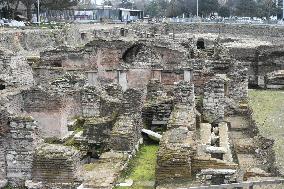
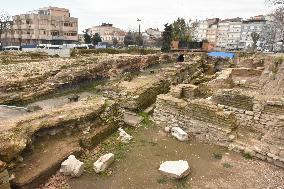
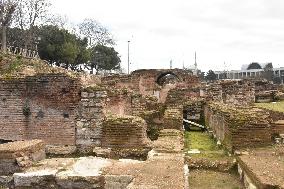
(240313) -- ISTANBUL, March 13, 2024 (Xinhua) -- The remains of the Church of St. Polyeuctus are seen at the Sarachane Archaeological Park in Istanbul, Türkiye, on Feb. 23, 2024. In the heart of Türkiye's Istanbul, once the capital of the Byzantine Empire, the 1,500-year-old Church of St. Polyeuctus lay buried beneath urban sprawl for nearly a millennium until its accidental discovery during the construction of an underpass. Inhabited for approximately 8,500 years, Istanbul has witnessed the erosion of much of its cultural heritage on its relentless march of urbanization, as illustrated by the plight of this Byzantine church. (Photo by Safar Rajabov/Xinhua) TO GO WITH Feature: Archaeologists long to further uncover hidden Byzantine-era marvels in Türkiye's Istanbul

  •  
TÜRKIYE-ISTANBUL-CHURCH OF ST. POLYEUCTUS-ARCHAEOLOGISTS-HIDDEN BYZANTINE-ERA MARVELS

TÜRKIYE-ISTANBUL-CHURCH OF ST. POLYEUCTUS-ARCHAEOLOGISTS-HIDDEN BYZANTINE-ERA MARVELS

(240313) -- ISTANBUL, March 13, 2024 (Xinhua) -- The remains of the Church of St. Polyeuctus are seen at the Sarachane Archaeological Park in Istanbul, Türkiye, on Feb. 23, 2024. In the heart of Türkiye's Istanbul, once the capital of the Byzantine Empire, the 1,500-year-old Church of St. Polyeuctus lay buried beneath urban sprawl for nearly a millennium until its accidental discovery during the construction of an underpass. Inhabited for approximately 8,500 years, Istanbul has witnessed the erosion of much of its cultural heritage on its relentless march of urbanization, as illustrated by the plight of this Byzantine church. (Photo by Safar Rajabov/Xinhua) TO GO WITH Feature: Archaeologists long to further uncover hidden Byzantine-era marvels in Türkiye's Istanbul

  •  
TÜRKIYE-ISTANBUL-CHURCH OF ST. POLYEUCTUS-ARCHAEOLOGISTS-HIDDEN BYZANTINE-ERA MARVELS

TÜRKIYE-ISTANBUL-CHURCH OF ST. POLYEUCTUS-ARCHAEOLOGISTS-HIDDEN BYZANTINE-ERA MARVELS

(240313) -- ISTANBUL, March 13, 2024 (Xinhua) -- The remains of the Church of St. Polyeuctus are seen at the Sarachane Archaeological Park in Istanbul, Türkiye, on Feb. 23, 2024. In the heart of Türkiye's Istanbul, once the capital of the Byzantine Empire, the 1,500-year-old Church of St. Polyeuctus lay buried beneath urban sprawl for nearly a millennium until its accidental discovery during the construction of an underpass. Inhabited for approximately 8,500 years, Istanbul has witnessed the erosion of much of its cultural heritage on its relentless march of urbanization, as illustrated by the plight of this Byzantine church. (Photo by Safar Rajabov/Xinhua) TO GO WITH Feature: Archaeologists long to further uncover hidden Byzantine-era marvels in Türkiye's Istanbul

  •  

Turkish tourism officials hope to attract tourists with archaeological sites

STORY: Turkish tourism officials hope to attract tourists with archaeological sites SHOOTING TIME: Feb. 23, 2024 DATELINE: March 12, 2024 LENGTH: 00:01:54 LOCATION: ISTANBUL, Türkiye CATEGORY: CULTURE/ECONOMY SHOTLIST: 1. various of Istanbul 2. various of the site of the ruins of the Saint Polyeuktos Church 3. SOUNDBITE 1 (Turkish): ALI ASKER, Archeologist of Istanbul Municipality's Directorate of Cultural Assets Projects 4. various of the site of the ruins of the Saint Polyeuktos Church 5. SOUNDBITE 2 (Turkish): ALI ASKER, Archeologist of Istanbul Municipality's Directorate of Cultural Assets Projects 6. various of the site of the ruins of the Saint Polyeuktos Church 7. various of Huseyin Gazi Cosan, director of Istanbul Municipality's Tourism Division, receiving interview 8. SOUNDBITE 3 (Turkish): HUSEYIN GAZI COSAN, Director of Istanbul Municipality's Tourism Division STORYLINE: Saint Polyeuktos Church was an ancient Byzantine church in Constantinople, today's Istanbul, Türkiye. The church was commissi

  •  
Quake-hit Hatay Archaeology Museum Gets Reinforced - Turkey

Quake-hit Hatay Archaeology Museum Gets Reinforced - Turkey

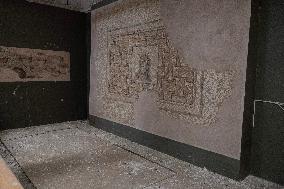
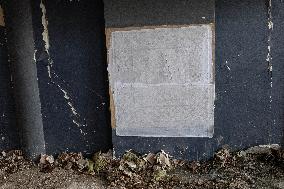
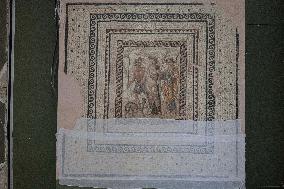
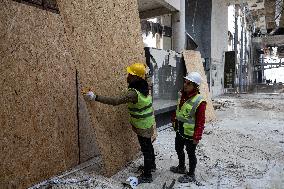
An inside view of the mosaics at the Hatay Archaeology Museum, during the reinforcement work in Hatay, Turkey, on January 23, 2024, on year after deadly quake. The museum has a total exhibition area of 10,000 square meters, including 3,500 square meters of mosaics, and is known for its extensive collection of archaeological artifacts. Hatay Archeology Museum, one of the museums where the world's largest mosaic collection of the Roman and Byzantine Era. There are also many artifacts from the Paleolithic, Neolithic, Chalcolithic, Bronze Age, Hittite, Hellenistic, Eastern Roman, Seljuk and Ottoman periods in the museum. Photo by Ugur Yildirim/Demiroren Visual Media/ABACAPRESS.COM

  •  
Quake-hit Hatay Archaeology Museum Gets Reinforced - Turkey

Quake-hit Hatay Archaeology Museum Gets Reinforced - Turkey

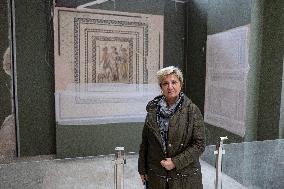
Museum Director Ayşe Ersoy poses in fornt of a mosaic, in Hatay, Turkey, on January 23, 2024, on year after deadly quake. Hatay Archeology Museum Director Ayşe Ersoy said, 'Thirty artifacts too big to carry were put under cages. All of our mosaics were taken under protection on site', reinforcement works are now being carried out in the building. Teams continue to work in line with the report given by the scientific teams. After three years, our museum will be reopened to visitors with a completely different concept'. The museum has a total exhibition area of 10,000 square meters, including 3,500 square meters of mosaics, and is known for its extensive collection of archaeological artifacts. Hatay Archeology Museum, one of the museums where the world's largest mosaic collection of the Roman and Byzantine Era. There are also many artifacts from the Paleolithic, Neolithic, Chalcolithic, Bronze Age, Hittite, Hellenistic, Eastern Roman, Seljuk and Ottoman periods in the museum. Photo by Ugur Yildirim/Demiroren Vi

  •  
Quake-hit Hatay Archaeology Museum Gets Reinforced - Turkey

Quake-hit Hatay Archaeology Museum Gets Reinforced - Turkey

An inside view of the mosaics at the Hatay Archaeology Museum, during the reinforcement work in Hatay, Turkey, on January 23, 2024, on year after deadly quake. The museum has a total exhibition area of 10,000 square meters, including 3,500 square meters of mosaics, and is known for its extensive collection of archaeological artifacts. Hatay Archeology Museum, one of the museums where the world's largest mosaic collection of the Roman and Byzantine Era. There are also many artifacts from the Paleolithic, Neolithic, Chalcolithic, Bronze Age, Hittite, Hellenistic, Eastern Roman, Seljuk and Ottoman periods in the museum. Photo by Ugur Yildirim/Demiroren Visual Media/ABACAPRESS.COM

  •  
Quake-hit Hatay Archaeology Museum Gets Reinforced - Turkey

Quake-hit Hatay Archaeology Museum Gets Reinforced - Turkey

An inside view of the mosaics at the Hatay Archaeology Museum, during the reinforcement work in Hatay, Turkey, on January 23, 2024, on year after deadly quake. The museum has a total exhibition area of 10,000 square meters, including 3,500 square meters of mosaics, and is known for its extensive collection of archaeological artifacts. Hatay Archeology Museum, one of the museums where the world's largest mosaic collection of the Roman and Byzantine Era. There are also many artifacts from the Paleolithic, Neolithic, Chalcolithic, Bronze Age, Hittite, Hellenistic, Eastern Roman, Seljuk and Ottoman periods in the museum. Photo by Ugur Yildirim/Demiroren Visual Media/ABACAPRESS.COM

  •  
Quake-hit Hatay Archaeology Museum Gets Reinforced - Turkey

Quake-hit Hatay Archaeology Museum Gets Reinforced - Turkey

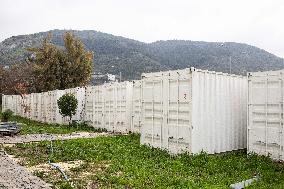
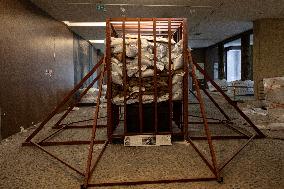
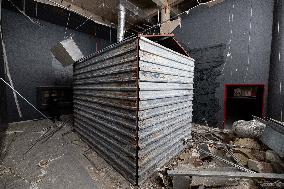
Containers outside the Hatay Archaeology Museum, with the artifacts from the Paleolithic, Neolithic, Chalcolithic, Bronze Age, Hittite, Hellenistic, Eastern Roman, Seljuk and Ottoman periods, during the reinforcement work in Hatay, Turkey, on January 23, 2024, on year after deadly quake. The museum has a total exhibition area of 10,000 square meters, including 3,500 square meters of mosaics, and is known for its extensive collection of archaeological artifacts. Hatay Archeology Museum, one of the museums where the world's largest mosaic collection of the Roman and Byzantine Era. There are also many artifacts from the Paleolithic, Neolithic, Chalcolithic, Bronze Age, Hittite, Hellenistic, Eastern Roman, Seljuk and Ottoman periods in the museum. Photo by Ugur Yildirim/Demiroren Visual Media/ABACAPRESS.COM

  •  
Quake-hit Hatay Archaeology Museum Gets Reinforced - Turkey

Quake-hit Hatay Archaeology Museum Gets Reinforced - Turkey

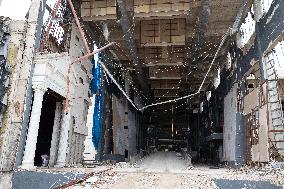
An inside view of the Hatay Archaeology Museum, during the reinforcement work in Hatay, Turkey, on January 23, 2024, on year after deadly quake. The museum has a total exhibition area of 10,000 square meters, including 3,500 square meters of mosaics, and is known for its extensive collection of archaeological artifacts. Hatay Archeology Museum, one of the museums where the world's largest mosaic collection of the Roman and Byzantine Era. There are also many artifacts from the Paleolithic, Neolithic, Chalcolithic, Bronze Age, Hittite, Hellenistic, Eastern Roman, Seljuk and Ottoman periods in the museum. Photo by Ugur Yildirim/Demiroren Visual Media/ABACAPRESS.COM

  •  
Quake-hit Hatay Archaeology Museum Gets Reinforced - Turkey

Quake-hit Hatay Archaeology Museum Gets Reinforced - Turkey

An inside view of the Hatay Archaeology Museum, during the reinforcement work in Hatay, Turkey, on January 23, 2024, on year after deadly quake. The museum has a total exhibition area of 10,000 square meters, including 3,500 square meters of mosaics, and is known for its extensive collection of archaeological artifacts. Hatay Archeology Museum, one of the museums where the world's largest mosaic collection of the Roman and Byzantine Era. There are also many artifacts from the Paleolithic, Neolithic, Chalcolithic, Bronze Age, Hittite, Hellenistic, Eastern Roman, Seljuk and Ottoman periods in the museum. Photo by Ugur Yildirim/Demiroren Visual Media/ABACAPRESS.COM

  •  
Quake-hit Hatay Archaeology Museum Gets Reinforced - Turkey

Quake-hit Hatay Archaeology Museum Gets Reinforced - Turkey

An inside view of the Hatay Archaeology Museum, during the reinforcement work in Hatay, Turkey, on January 23, 2024, on year after deadly quake. The museum has a total exhibition area of 10,000 square meters, including 3,500 square meters of mosaics, and is known for its extensive collection of archaeological artifacts. Hatay Archeology Museum, one of the museums where the world's largest mosaic collection of the Roman and Byzantine Era. There are also many artifacts from the Paleolithic, Neolithic, Chalcolithic, Bronze Age, Hittite, Hellenistic, Eastern Roman, Seljuk and Ottoman periods in the museum. Photo by Ugur Yildirim/Demiroren Visual Media/ABACAPRESS.COM

  •  
Quake-hit Hatay Archaeology Museum Gets Reinforced - Turkey

Quake-hit Hatay Archaeology Museum Gets Reinforced - Turkey

An view of the Antakya Sarcophagus from the 3rd century BC, under protection in Hatay Archaeology Museum, during the reinforcement work in Hatay, Turkey, on January 23, 2024, on year after deadly quake. The museum has a total exhibition area of 10,000 square meters, including 3,500 square meters of mosaics, and is known for its extensive collection of archaeological artifacts. Hatay Archeology Museum, one of the museums where the world's largest mosaic collection of the Roman and Byzantine Era. There are also many artifacts from the Paleolithic, Neolithic, Chalcolithic, Bronze Age, Hittite, Hellenistic, Eastern Roman, Seljuk and Ottoman periods in the museum. Photo by Ugur Yildirim/Demiroren Visual Media/ABACAPRESS.COM

  •  
XINHUA PHOTOS OF THE DAY

XINHUA PHOTOS OF THE DAY

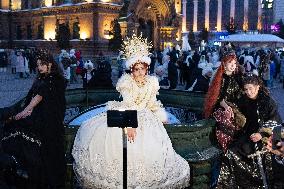
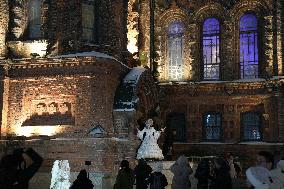
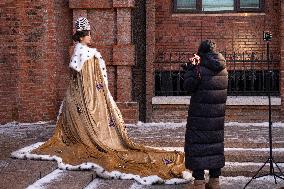
(240114) -- BEIJING, Jan. 14, 2024 (Xinhua) -- Tourists dressed up in costumes pose for photos at a square in Harbin, northeast China's Heilongjiang Province, Jan. 12, 2024. The square, where the landmark St. Sophia Cathedral, a former Russian Orthodox church and a perfect example of Neo-Byzantine architectures, is located, has become a hot spot for tourists during the city's tourism boom this winter. (Xinhua/Xie Jianfei)

  •  
CHINA-HEILONGJIANG-HARBIN-SQUARE-CATHEDRAL-TOURISM (CN)

CHINA-HEILONGJIANG-HARBIN-SQUARE-CATHEDRAL-TOURISM (CN)

(240113) -- HARBIN, Jan. 13, 2024 (Xinhua) -- A tourist dressed up in costumes poses for photos at a square in Harbin, northeast China's Heilongjiang Province, Jan. 12, 2024. The square, where the landmark St. Sophia Cathedral, a former Russian Orthodox church and a perfect example of Neo-Byzantine architectures, is located, has become a hot spot for tourists during the city's tourism boom this winter. (Xinhua/Xie Jianfei)

  •  
CHINA-HEILONGJIANG-HARBIN-SQUARE-CATHEDRAL-TOURISM (CN)

CHINA-HEILONGJIANG-HARBIN-SQUARE-CATHEDRAL-TOURISM (CN)

(240113) -- HARBIN, Jan. 13, 2024 (Xinhua) -- Tourists dressed up in costumes pose for photos at a square in Harbin, northeast China's Heilongjiang Province, Jan. 11, 2024. The square, where the landmark St. Sophia Cathedral, a former Russian Orthodox church and a perfect example of Neo-Byzantine architectures, is located, has become a hot spot for tourists during the city's tourism boom this winter. (Xinhua/Wang Jianwei)

  •  
CHINA-HEILONGJIANG-HARBIN-SQUARE-CATHEDRAL-TOURISM (CN)

CHINA-HEILONGJIANG-HARBIN-SQUARE-CATHEDRAL-TOURISM (CN)

(240113) -- HARBIN, Jan. 13, 2024 (Xinhua) -- A tourist dressed up in costumes poses for photos at a square in Harbin, northeast China's Heilongjiang Province, Jan. 12, 2024. The square, where the landmark St. Sophia Cathedral, a former Russian Orthodox church and a perfect example of Neo-Byzantine architectures, is located, has become a hot spot for tourists during the city's tourism boom this winter. (Xinhua/Xie Jianfei)

  •  
CHINA-HEILONGJIANG-HARBIN-SQUARE-CATHEDRAL-TOURISM (CN)

CHINA-HEILONGJIANG-HARBIN-SQUARE-CATHEDRAL-TOURISM (CN)

(240113) -- HARBIN, Jan. 13, 2024 (Xinhua) -- Tourists dressed up in costumes pose for photos at a square in Harbin, northeast China's Heilongjiang Province, Jan. 11, 2024. The square, where the landmark St. Sophia Cathedral, a former Russian Orthodox church and a perfect example of Neo-Byzantine architectures, is located, has become a hot spot for tourists during the city's tourism boom this winter. (Xinhua/Wang Jianwei)

  •  
CHINA-HEILONGJIANG-HARBIN-SQUARE-CATHEDRAL-TOURISM (CN)

CHINA-HEILONGJIANG-HARBIN-SQUARE-CATHEDRAL-TOURISM (CN)

(240113) -- HARBIN, Jan. 13, 2024 (Xinhua) -- A tourist dressed up in costumes poses for photos at a square in Harbin, northeast China's Heilongjiang Province, Jan. 12, 2024. The square, where the landmark St. Sophia Cathedral, a former Russian Orthodox church and a perfect example of Neo-Byzantine architectures, is located, has become a hot spot for tourists during the city's tourism boom this winter. (Xinhua/Wang Jianwei)

  •  
CHINA-HEILONGJIANG-HARBIN-SQUARE-CATHEDRAL-TOURISM (CN)

CHINA-HEILONGJIANG-HARBIN-SQUARE-CATHEDRAL-TOURISM (CN)

(240113) -- HARBIN, Jan. 13, 2024 (Xinhua) -- Tourists have fun at a square in Harbin, northeast China's Heilongjiang Province, Jan. 11, 2024. The square, where the landmark St. Sophia Cathedral, a former Russian Orthodox church and a perfect example of Neo-Byzantine architectures, is located, has become a hot spot for tourists during the city's tourism boom this winter. (Xinhua/Wang Jianwei)

  •  
CHINA-HEILONGJIANG-HARBIN-SQUARE-CATHEDRAL-TOURISM (CN)

CHINA-HEILONGJIANG-HARBIN-SQUARE-CATHEDRAL-TOURISM (CN)

(240113) -- HARBIN, Jan. 13, 2024 (Xinhua) -- A tourist dressed up in costumes poses for photos at a square in Harbin, northeast China's Heilongjiang Province, Jan. 11, 2024. The square, where the landmark St. Sophia Cathedral, a former Russian Orthodox church and a perfect example of Neo-Byzantine architectures, is located, has become a hot spot for tourists during the city's tourism boom this winter. (Xinhua/Wang Jianwei)

  •  
CHINA-HEILONGJIANG-HARBIN-SQUARE-CATHEDRAL-TOURISM (CN)

CHINA-HEILONGJIANG-HARBIN-SQUARE-CATHEDRAL-TOURISM (CN)

(240113) -- HARBIN, Jan. 13, 2024 (Xinhua) -- Tourists dressed up in costumes pose for photos at a square in Harbin, northeast China's Heilongjiang Province, Jan. 11, 2024. The square, where the landmark St. Sophia Cathedral, a former Russian Orthodox church and a perfect example of Neo-Byzantine architectures, is located, has become a hot spot for tourists during the city's tourism boom this winter. (Xinhua/Wang Jianwei)

  •  
CHINA-HEILONGJIANG-HARBIN-SQUARE-CATHEDRAL-TOURISM (CN)

CHINA-HEILONGJIANG-HARBIN-SQUARE-CATHEDRAL-TOURISM (CN)

(240113) -- HARBIN, Jan. 13, 2024 (Xinhua) -- Tourists have fun at a square in Harbin, northeast China's Heilongjiang Province, Jan. 12, 2024. The square, where the landmark St. Sophia Cathedral, a former Russian Orthodox church and a perfect example of Neo-Byzantine architectures, is located, has become a hot spot for tourists during the city's tourism boom this winter. (Xinhua/Xie Jianfei)

  •  
CHINA-HEILONGJIANG-HARBIN-SQUARE-CATHEDRAL-TOURISM (CN)

CHINA-HEILONGJIANG-HARBIN-SQUARE-CATHEDRAL-TOURISM (CN)

(240113) -- HARBIN, Jan. 13, 2024 (Xinhua) -- Tourists dressed up in costumes pose for photos at a square in Harbin, northeast China's Heilongjiang Province, Jan. 12, 2024. The square, where the landmark St. Sophia Cathedral, a former Russian Orthodox church and a perfect example of Neo-Byzantine architectures, is located, has become a hot spot for tourists during the city's tourism boom this winter. (Xinhua/Xie Jianfei)

  •  
CHINA-HEILONGJIANG-HARBIN-SQUARE-CATHEDRAL-TOURISM (CN)

CHINA-HEILONGJIANG-HARBIN-SQUARE-CATHEDRAL-TOURISM (CN)

(240113) -- HARBIN, Jan. 13, 2024 (Xinhua) -- A tourist dressed up in costumes poses for photos at a square in Harbin, northeast China's Heilongjiang Province, Jan. 11, 2024. The square, where the landmark St. Sophia Cathedral, a former Russian Orthodox church and a perfect example of Neo-Byzantine architectures, is located, has become a hot spot for tourists during the city's tourism boom this winter. (Xinhua/Wang Jianwei)

  • Main
  • Top
  • Editorial
  • Creative
  • About Us
  • About ILG
  • Terms of use
  • Company
  • BEHIND
  • Price List
  • Single Plan
  • Monthly Plan
  • Services
  • Shooting
  • Rights Clearance
  • Support
  • FAQ
  • How To Buy
  • Contact Us
  • Become a Partner

© KYODO NEWS IMAGES INC

All Rights Reserved.

  • Editorial
  • Olympics
  • News
  • Sports
  • Japan
  • Tech
  • Royal
  • Disaster
  • NorthKorea
  • Old Japan
  • SNS
  • Creative
  • Food
  • Japan
  • Landscape
  • Animal
  • Popular
  • #Ukraine
  • #Thailand
  • #coronavirus
  • #N. Korea
  • #China
  • #Russia
  • #Ukraine
  • #Thailand
  • #coronavirus
  • #N. Korea
  • #China
  • #Russia
  • Food
  • Japan
  • Landscape
  • Animal
  • Olympics
  • News
  • Sports
  • Japan
  • Tech
  • Royal
  • Disaster
  • NorthKorea
  • Old Japan
  • SNS