•  
Groundwater contamination at Fukushima plant

Groundwater contamination at Fukushima plant

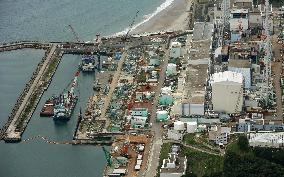
TOKYO, Japan - Photo taken from a Kyodo News helicopter over the town of Okuma, Fukushima Prefecture, shows the Fukushima Daiichi Nuclear Power Station on July 9, 2013. Tokyo Electric Power Co., the operator of the crippled plant, said the same day that the density of radioactive cesium in groundwater by the sea at the plant has soared to around 90 times higher than three days ago.

  •  
Kitakyushu starts trial incineration of quake-tsunami debris

Kitakyushu starts trial incineration of quake-tsunami debris

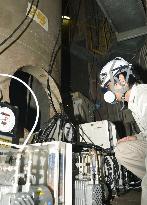
KITAKYUSHU, Japan - A worker at an incineration plant in Kitakyushu, Fukuoka Prefecture, on May 23, 2012 checks radioactive cesium levels in exhaust gas from trial incineration of debris from the March 2011 earthquake and tsunami in northeastern Japan. Opponents of the incineration cited fear of radioactive contamination as the disaster areas are closer to the disaster-struck Fukushima Daiichi Nuclear Power Station.

  •  
Active carbon made from corn core capable of absorbing cesium

Active carbon made from corn core capable of absorbing cesium

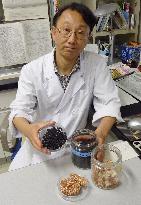
MORIOKA, Japan - Akira Sasaki, senior researcher at the environmental health research center of the Iwate prefectural government and from Iwate University, holds activated carbon made from corn cores in Morioka on May 2, 2012. A group of researchers at the center said they have found activated carbon made from corn cores is highly capable of absorbing cesium, raising expectations that it could be used to prevent cesium contamination of farm products in the wake of the nuclear disaster at the Fukushima Daiichi complex.

  •  
Japan to tighten limits on cesium in food

Japan to tighten limits on cesium in food

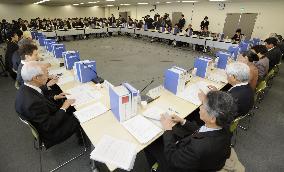
TOKYO, Japan - The Pharmaceutical Affairs and Food Sanitation Council, an advisory council to the Health, Labor and Welfare Ministry, meets at the ministry in Tokyo on Feb. 24, 2012. The council decided to tighten limits on radioactive cesium found in food to between one-20th and a quarter of the current provisional limits, depending on food categories, from April 1.

  •  
Radioactive cesium found in baby formula

Radioactive cesium found in baby formula

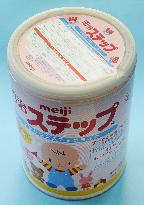
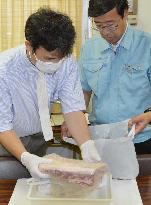
TOKYO, Japan - Photo shows ''Meiji Step'' baby formula made and sold by Meiji Co. Company officials said Dec. 6, 2011, that radioactive cesium of up to 30.8 becquerels per kilogram has been found in the product, possibly as a result of the accident at the Fukushima Daiichi nuclear power plant.

  •  
Survey in Fukushima rice field

Survey in Fukushima rice field

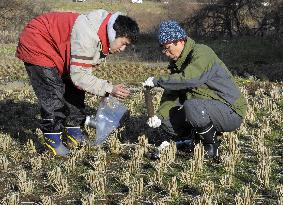
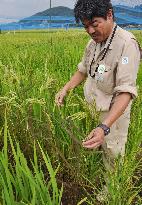
FUKUSHIMA, Japan - Prof. Yasuyuki Muramatsu (R) of Gakushuin University, an expert on radiochemistry, collects a soil sample in a rice field in the city of Fukushima, northeastern Japan, on Dec. 5, 2011. Excessive levels of radioactive cesium have been found in rice harvested in the area in the aftermath of the nuclear disaster at the Fukushima Daiichi power plant.

  •  
Survey in Fukushima rice field

Survey in Fukushima rice field

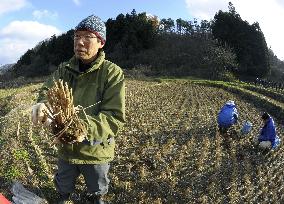
FUKUSHIMA, Japan - Prof. Yasuyuki Muramatsu (L) of Gakushuin University, an expert on radiochemistry, holds a rice plant stump he collected in a rice field in the city of Fukushima, northeastern Japan, on Dec. 5, 2011. Excessive levels of radioactive cesium have been found in rice harvested in the area in the aftermath of the nuclear disaster at the Fukushima Daiichi power plant. (Photo taken with fish-eye lens)

  •  
Survey in Fukushima rice field

Survey in Fukushima rice field

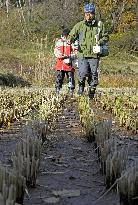
FUKUSHIMA, Japan - Prof. Yasuyuki Muramatsu (front) of Gakushuin University, an expert on radiochemistry, measures radioactivity levels in a rice field in the city of Fukushima, northeastern Japan, on Dec. 5, 2011. Excessive levels of radioactive cesium have been found in rice harvested in the area in the aftermath of the nuclear disaster at the Fukushima Daiichi power plant.

  •  
Excessive cesium levels found in more Fukushima rice

Excessive cesium levels found in more Fukushima rice

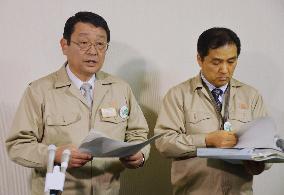
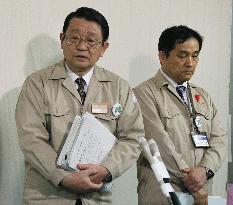
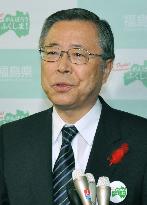
FUKUSHIMA, Japan - Yoshihito Suzuki (L), chief of the Fukushima prefectural government's agriculture and fisheries department, holds a press conference in the city of Fukushima on the night of Dec. 2, 2011, to announce that excessive levels of radioactive cesium have been detected in rice harvested at more farms in the city.

  •  
Excessive cesium levels found in more Fukushima rice

Excessive cesium levels found in more Fukushima rice

FUKUSHIMA, Japan - Yoshihito Suzuki (L), chief of the Fukushima prefectural government's agriculture and fisheries department, attends a press conference in the city of Fukushima on the night of Nov. 28, 2011, to announce rice harvested in Date in the prefecture has been found to contain excessive levels of radioactive cesium, and that 9 kilograms of the rice was sold earlier the same month. In mid-November, excessive levels of radioactive cesium were found in rice harvested at a farm in the city of Fukushima, but none of the rice produced at the farm this year has been shipped to markets.

  •  
Cesium-tainted rice from Fukushima

Cesium-tainted rice from Fukushima

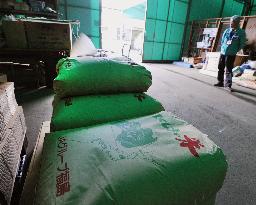
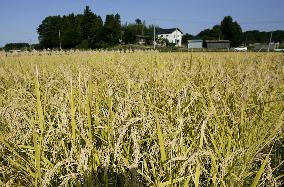
FUKUSHIMA, Japan - Photo taken in the city of Fukushima on Nov. 17, 2011, shows rice harvested in the northeastern Japanese city, from which a sample taken the previous day was found to contain radioactive cesium in levels exceeding government-set provisional safety standards. The rice has not been shipped to markets.

  •  
Cesium-tainted rice from Fukushima

Cesium-tainted rice from Fukushima

FUKUSHIMA, Japan - Photo taken in the city of Fukushima on Nov. 17, 2011, shows rice harvested in the northeastern Japanese city, from which a sample taken the previous day was found to contain radioactive cesium in levels exceeding government-set provisional safety standards. The rice has not been shipped to markets.

  •  
Radioactive soil near Tokyo

Radioactive soil near Tokyo

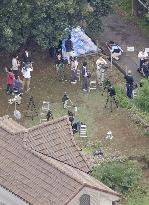
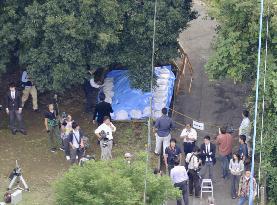
KASHIWA, Japan - Photo from a Kyodo News helicopter shows an area covered by a plastic sheet where a high level of radioactive cesium has been detected in the soil in Kashiwa, Chiba Prefecture, east of Tokyo, on Oct. 23, 2011. A science ministry official, after inspecting the site the same day, said the radioactive cesium is likely to have originated in rainwater contaminated with fallout from the crippled Fukushima Daiichi nuclear power plant.

  •  
Radioactive soil near Tokyo

Radioactive soil near Tokyo

KASHIWA, Japan - Photo from a Kyodo News helicopter shows an area covered by a plastic sheet where a high level of radioactive cesium has been detected in the soil in Kashiwa, Chiba Prefecture, east of Tokyo, on Oct. 23, 2011. A science ministry official, after inspecting the site the same day, said the radioactive cesium is likely to have originated in rainwater contaminated with fallout from the crippled Fukushima Daiichi nuclear power plant.

  •  
Radioactive soil in Kashiwa

Radioactive soil in Kashiwa

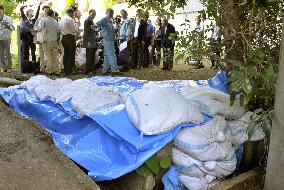
KASHIWA, Japan - A plastic sheet covers an area where a high level of radioactive cesium has been detected in the soil in Kashiwa, Chiba Prefecture, on Oct. 23, 2011. A science ministry official said after inspecting the site the same day that the radioactive cesium is likely to have originated in rainwater contaminated with fallout from the crippled Fukushima Daiichi nuclear power plant.

  •  
Radioactive soil near Tokyo

Radioactive soil near Tokyo

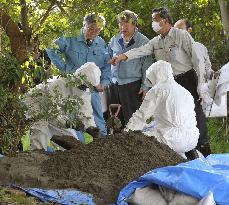
KASHIWA, Japan - Science ministry officials examine the site where a high level of radioactive cesium has been detected in the soil in Kashiwa, Chiba Prefecture, east of Tokyo, on Oct. 23, 2011. A ministry official said after the inspection that the radioactive cesium is likely to have originated in rainwater contaminated with fallout from the crippled Fukushima Daiichi nuclear power plant.

  •  
Fukushima Pref. declares newly harvested rice safe for shipment

Fukushima Pref. declares newly harvested rice safe for shipment

FUKUSHIMA, Japan - Photo shows a rice paddy in Nihonmatsu, Fukushima Prefecture, on Oct. 12, 2011. The prefectural government the same day announced that newly harvested rice from the nuclear crisis-hit prefecture is safe for shipment after tests showed all samples cleared the government-set allowable limit for radioactive cesium.

  •  
Fukushima Pref. declares newly harvested rice safe for shipment

Fukushima Pref. declares newly harvested rice safe for shipment

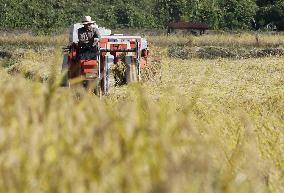
FUKUSHIMA, Japan - A man harvests rice at a paddy field in Nihonmatsu, Fukushima Prefecture, on Oct. 12, 2011. The prefectural government the same day announced that newly harvested rice from the nuclear crisis-hit prefecture is safe for shipment after tests showed all samples cleared the government-set allowable limit for radioactive cesium.

  •  
Fukushima Pref. declares newly harvested rice safe for shipment

Fukushima Pref. declares newly harvested rice safe for shipment

FUKUSHIMA, Japan - Fukushima Gov. Yuhei Sato declares at the prefectural government building in Fukushima on Oct. 12, 2011, that newly harvested rice from nuclear crisis-hit Fukushima Prefecture is safe for shipment after tests showed all samples cleared the government-set allowable limit for radioactive cesium.

  •  
Searching for radiation-resistant rice

Searching for radiation-resistant rice

FUKUSHIMA, Japan - Foreign-originated brands of rice are grown in an experimental rice field at the Fukushima Agricultural Technology Center in Koriyama, Fukushima Prefecture, on Aug. 18, 2011. The research agency has been examining around 110 varieties of rice from inside and outside Japan in the search for strains that absorb less radioactive cesium from soil, following the nuclear crisis at the Fukushima Daiichi nuclear power plant.

  •  
Japan's ban on beef shipments

Japan's ban on beef shipments

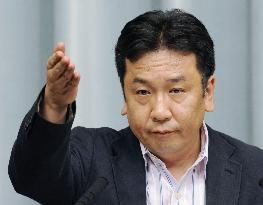
TOKYO, Japan - Chief Cabinet Secretary Yukio Edano takes questions during a press conference at the prime minister's office in Tokyo on Aug. 19, 2011. Edano, Japan's top government spokesman, said a ban on beef shipments from Miyagi Prefecture had been partially lifted, starting the same day as planned. But the government decided to defer lifting a ban on beef shipments from Fukushima Prefecture as beef contaminated with an excessive level of radioactive cesium was reported to have been found there.

  •  
Cattle farmers protest against Tokyo Electric

Cattle farmers protest against Tokyo Electric

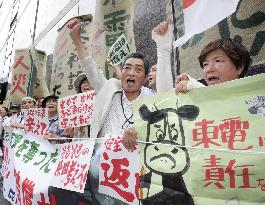
TOKYO, Japan - Around 350 beef cattle farmers from many areas of Japan stage a demonstration against Tokyo Electric Power Co. in front of the utility's head office in Tokyo on Aug. 3, 2011. The farmers demanded that TEPCO pay compensation in connection with the contamination of beef with radioactive cesium amid the nuclear crisis at the company's Fukushima Daiichi power plant.

  •  
Cattle farmers protest against Tokyo Electric

Cattle farmers protest against Tokyo Electric

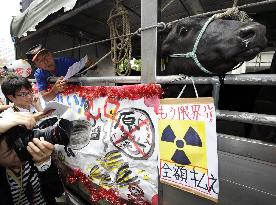
TOKYO, Japan - Farmers bring beef cattle to a protest rally against Tokyo Electric Power Co. near the utility's head office in Tokyo on Aug. 3, 2011. Around 350 cattle farmers from many areas of Japan demanded that TEPCO pay compensation in connection with the contamination of beef with radioactive cesium amid the nuclear crisis at the company's Fukushima Daiichi power plant.

  •  
Japan bans all shipments of beef cattle from Iwate

Japan bans all shipments of beef cattle from Iwate

OSHU, Japan - Beef cattle in Oshu, Iwate Prefecture, are pictured on Aug. 1, 2011. The Japanese government the same day ordered the suspension of all shipments of beef cattle from the prefecture after a number of cattle raised there were found to be contaminated with radioactive cesium. Iwate is the third prefecture, after Fukushima and Miyagi also in northeastern Japan, to be ordered by the central government to suspend all beef cattle shipments.

  •  
Leaf compost in Fukushima Pref.

Leaf compost in Fukushima Pref.

MIHARU, Japan - A Fukushima Prefecture official measures the radiation level of leaf compost that has been kept outdoors in the town of Miharu in the prefecture on July 28, 2011. Radioactive cesium has been detected in leaf compost produced in neighboring Tochigi Prefecture.

  •  
Japan suspends Miyagi beef cattle shipments

Japan suspends Miyagi beef cattle shipments

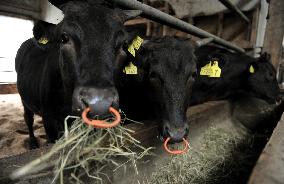
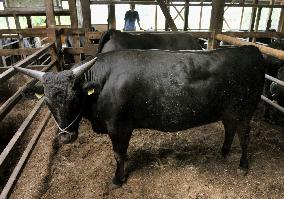
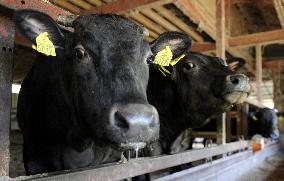
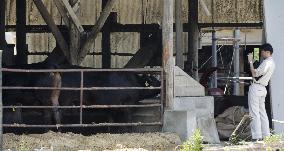
KURIHARA, Japan - Beef cattle are kept in a shed in Kurihara, Miyagi Prefecture, on July 28, 2011. The Japanese government decided the same day to suspend all shipments of beef cattle from Miyagi Prefecture after a number of cattle from the northeastern prefecture have been found to be contaminated with radioactive cesium above the permissible level amid the nuclear crisis at the Fukushima Nuclear Power Station. Shipments of beef cattle in Fukushima Prefecture have previously been stopped.

  •  
Japan suspends Miyagi beef cattle shipments

Japan suspends Miyagi beef cattle shipments

KURIHARA, Japan - Beef cattle are kept in a shed in Kurihara, Miyagi Prefecture, on July 28, 2011. The Japanese government decided the same day to suspend all shipments of beef cattle from Miyagi Prefecture after a number of cattle from the northeastern prefecture have been found to be contaminated with radioactive cesium above the permissible level amid the nuclear crisis at the Fukushima Nuclear Power Station. Shipments of beef cattle in Fukushima Prefecture have previously been stopped.

  •  
Rice straw contaminated with radiation

Rice straw contaminated with radiation

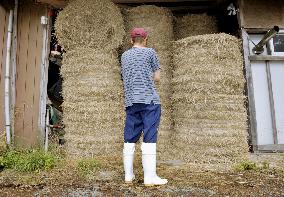
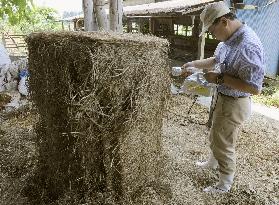
KURIHARA, Japan - A cattle farmer gazes at rice straw, from which radioactive materials have been detected, at a barn in Kurihara, Miyagi Prefecture, on July 26, 2011. Japanese farm minister Michihiko Kano announced the same day an emergency policy of buying up beef contaminated with radiation following the recent impounding of a slew of cattle suspected of being fed cesium-tainted rice straw amid the nuclear crisis at the Fukushima Daiichi power plant.

  •  
Beef cattle in Fukushima Pref.

Beef cattle in Fukushima Pref.

FUKUSHIMA, Japan - Photo shows beef cattle at a farm in Miharu, Fukushima Prefecture, on July 16, 2011. Hundreds of cows were confirmed to have been shipped from the prefecture after being fed rice straw contaminated with radioactive cesium.

  •  
Cattle straw

Cattle straw

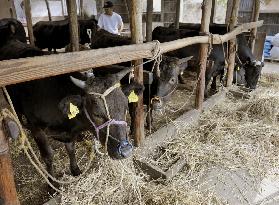
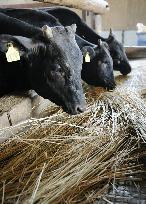
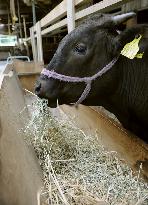
MIHARU, Japan - Cattle are fed on straw declared safe by the Fukushima prefectural government at a farm in the town of Miharu on July 16, 2011. Cattle in the prefecture fed with straw contaminated with radioactive cesium have been shipped to other prefectures.

  •  
Radiation test on straw

Radiation test on straw

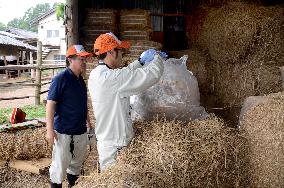
FUKUSHIMA, Japan - An official of the city of Minamisoma in Fukushima Prefecture puts straw for cattle into a bag for radiation testing at a farm in the city on July 16, 2011. Radioactive cesium has been detected in beef from cattle raised in the city.

  •  
Beef contaminated with radioactive cesium

Beef contaminated with radioactive cesium

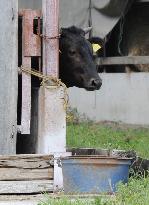
ASAKAWA, Japan - A cow is pictured on July 15, 2011, at a cattle farm in Asakawa, Fukushima Prefecture, where straw feed for cows had been found to contain high levels of radioactive cesium.

  •  
Beef contaminated with radioactive cesium

Beef contaminated with radioactive cesium

NAGOYA, Japan - Local public health officials in Aichi Prefecture place beef, in which radioactive cesium has been detected, in a bag on July 15, 2011. Concern over tainted meat reaching market was heightened by a Tokyo metropolitan government announcement that radioactive cesium at levels exceeding the safety limit had been found in beef from cattle shipped from a farm in Asakawa, Fukushima Prefecture, to a slaughterhouse in Sendai, Miyagi Prefecture.

  •  
Shizuoka tea served in New York

Shizuoka tea served in New York

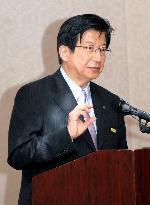
NEW YORK, United States - Shizuoka Gov. Heita Kawakatsu speaks at an event in New York on July 14, 2011. The event was held to promote tea from Shizuoka Prefecture and tourism to the area, after radioactive cesium above the European Union's limit was detected in green tea from the prefecture, one of the main tea producing areas in Japan, in June at Charles de Gaulle airport in France.

  •  
Cesium contamination in beef

Cesium contamination in beef

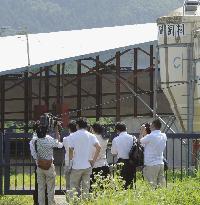
ASAKAWA, Japan - Reporters gather near a farm in the town of Asakawa, Fukushima Prefecture, on July 15, 2011. High levels of radioactive cesium have been found in straw fed to cattle at the farm after excessive levels of the substance were detected in beef shipped from the prefecture, which hosts the crippled Fukushima Daiichi Nuclear Power Station.

  •  
Shizuoka tea served in New York

Shizuoka tea served in New York

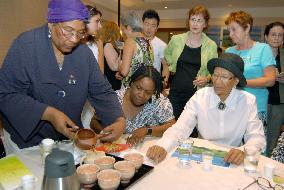
NEW YORK, United States - Tea from Japan's Shizuoka Prefecture is served during an event in New York on July 14, 2011. The event was held to promote tea from Shizuoka Prefecture and tourism to the area, after radioactive cesium above the European Union's limit was detected in green tea from the prefecture, one of the main tea producing areas in Japan, in June at Charles de Gaulle airport in France.

  •  
Shizuoka tea served in New York

Shizuoka tea served in New York

NEW YORK, United States - Tea from Japan's Shizuoka Prefecture is served during an event in New York on July 14, 2011. The event was held to promote tea from Shizuoka Prefecture and tourism to the area, after radioactive cesium above the European Union's limit was detected in green tea from the prefecture, one of the main tea producing areas in Japan, in June at Charles de Gaulle airport in France.

  •  
Measuring radiation levels in straw

Measuring radiation levels in straw

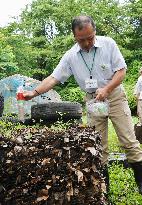
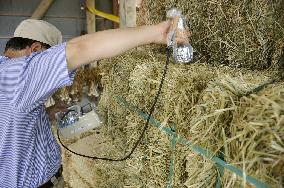
MINAMISOMA, Japan - A local official measures radiation levels in straw at a cattle farm in Minamisoma, Fukushima Prefecture, on July 13, 2011. A cattle farm in Asakawa in the same prefecture shipped 42 cows to Tokyo and other places after feeding them with straw containing high levels of radioactive cesium, the prefectural government said July 14.

  •  
Radiation screenings of straw

Radiation screenings of straw

MINAMISOMA, Japan - A Fukushima prefectural official conducts radiation screenings of straw at a farm in Minamisoma, a city near the crippled Fukushima Daiichi nuclear power plant in Fukushima Prefecture, on July 13, 2011. Six cows whose meat was found contaminated with radioactive cesium ate straw stored outdoor after the accident at the power plant.

  •  
Cesium contamination in beef

Cesium contamination in beef

MINAMISOMA, Japan - A cow is fed straw in Minamisoma, Fukushima Prefecture, on July 12, 2011, after the prefectural government said straw posed no problem as animal feed. Beef of several cows shipped from the area near the crippled Fukushima Daiichi Nuclear Power Station was recently found to contain high levels of radioactive cesium. Some believe the cows had eaten straw saturated with cesium released by the power station.

  •  
Fukushima beef cattle auction

Fukushima beef cattle auction

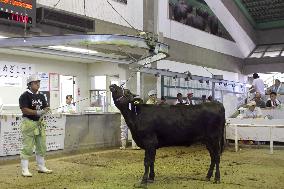
FUKUSHIMA, Japan - A beef cow raised in Fukushima Prefecture is auctioned at a market in Motomiya, Fukushima Prefecture, on July 12, 2011, after excessive levels of radioactive cesium were detected in beef from cows in the prefecture hit by a nuclear crisis.

  •  
Radiation in beef

Radiation in beef

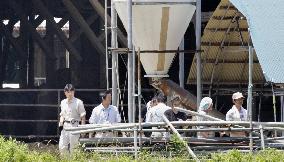
FUKUSHIMA, Japan - Employees of the Fukushima prefectural government inspect a farm in Minamisoma, Fukushima Prefecture, on July 10, 2011, in response to the detection of excessive levels of radioactive cesium in the meat of 11 cows shipped from the farm. The area is on the outskirts of the crippled Fukushima Daiichi Nuclear Power Station.

  •  
Radiation in beef

Radiation in beef

FUKUSHIMA, Japan - Employees of the Fukushima prefectural government inspect a farm in Minamisoma, Fukushima Prefecture, on July 10, 2011, in response to the detection of excessive levels of radioactive cesium in the meat of 11 cows shipped from the farm. The area is on the outskirts of the crippled Fukushima Daiichi Nuclear Power Station.

  •  
Radiation in beef

Radiation in beef

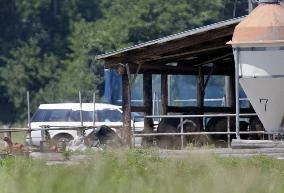
FUKUSHIMA, Japan - Vehicle of the Fukushima Prefectural government enters a farm in Minamisoma, Fukushima Prefecture, on July 10, 2011, to conduct inspections in response to the detection of excessive levels of radioactive cesium in the meat of 11 cows shipped from the farm. The area is on the outskirts of the crippled Fukushima Daiichi Nuclear Power Station.

  •  
Checking radioactive substances in tea leaves

Checking radioactive substances in tea leaves

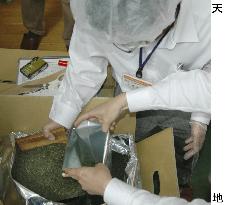
SHIZUOKA, Japan - An employee of Shizuoka Prefecture takes samples of tea leaves to test for radioactive materials at a production plant in Shizuoka City on June 10, 2011. The prefecture said the previous day it found radioactive cesium surpassing the legal limit in tea leaves processed at a plant in the prefecture.

  •  
Japanese flatfish used in research at IAEA's Monaco lab

Japanese flatfish used in research at IAEA's Monaco lab

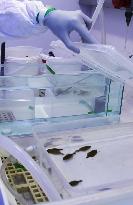
Flatfish from Japan are used in research on the effects of cesium at the IAEA Environment Laboratories in Monaco in April 2015. The U.N. nuclear watchdog's laboratories have analyzed seawater samples taken off the coast of the Fukushima Daiichi nuclear power plant in northeastern Japan in 2014. (Kyodo) ==Kyodo

  •  
Tokyo bans use of drones at public parks

Tokyo bans use of drones at public parks

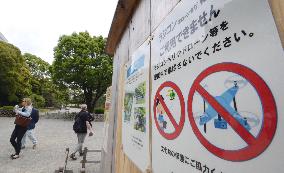
A notice posted at the entrance of a public park in Tokyo says on May 12, 2015, the use of radio-controlled helicopters and drones is banned in the area of Tokyo. Drone flights have been under scrutiny since a drone with trace amounts of radioactive cesium was found on the roof of the prime minister's office in April. (Kyodo) ==Kyodo

  •  
Man arrested for flying drone onto PM's office sent to prosecutors

Man arrested for flying drone onto PM's office sent to prosecutors

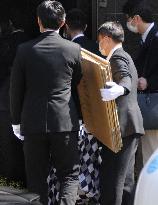
Investigators from the Metropolitan Police Department enter the house of Yasuo Yamamoto, 40, to search April 26, 2015 in Obama, Fukui Prefecture. Yamamoto was arrested the previous day for flying a small drone onto the prime minister's office. He had allegedly flown the drone, which bore a container holding sand with trace amounts of radioactive cesium, in protest at the government's energy policy. (Kyodo) ==Kyodo

  •  
Man arrested for flying drone onto PM's office sent to prosecutors

Man arrested for flying drone onto PM's office sent to prosecutors

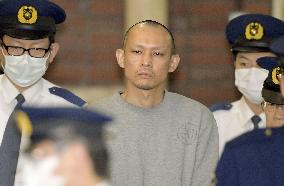
Yasuo Yamamoto (C), 40, is taken to public prosecutors from the Kojimachi Police Station in Tokyo on April 26, 2015. Yamamoto was arrested the previous day for flying a small drone onto the prime minister's office. He had allegedly flown the drone, which bore a container holding sand with trace amounts of radioactive cesium, in protest at the government's energy policy. (Kyodo) ==Kyodo

  •  
Man arrested for flying drone onto PM's office sent to prosecutors

Man arrested for flying drone onto PM's office sent to prosecutors

Yasuo Yamamoto (C), 40, is taken to public prosecutors from the Kojimachi Police Station in Tokyo on April 26, 2015. Yamamoto was arrested the previous day for flying a small drone onto the prime minister's office. He had allegedly flown the drone, which bore a container holding sand with trace amounts of radioactive cesium, in protest at the government's energy policy. (Kyodo) ==Kyodo

  • Main
  • Top
  • Editorial
  • Creative
  • About Us
  • About ILG
  • Terms of use
  • Company
  • BEHIND
  • Price List
  • Single Plan
  • Monthly Plan
  • Services
  • Shooting
  • Rights Clearance
  • Support
  • FAQ
  • How To Buy
  • Contact Us
  • Become a Partner

© KYODO NEWS IMAGES INC

All Rights Reserved.

  • Editorial
  • Olympics
  • News
  • Sports
  • Japan
  • Tech
  • Royal
  • Disaster
  • NorthKorea
  • Old Japan
  • SNS
  • Creative
  • Food
  • Japan
  • Landscape
  • Animal
  • Popular
  • #Ukraine
  • #Thailand
  • #coronavirus
  • #N. Korea
  • #China
  • #Russia
  • #Ukraine
  • #Thailand
  • #coronavirus
  • #N. Korea
  • #China
  • #Russia
  • Food
  • Japan
  • Landscape
  • Animal
  • Olympics
  • News
  • Sports
  • Japan
  • Tech
  • Royal
  • Disaster
  • NorthKorea
  • Old Japan
  • SNS