•  
World Cultural Heritage Ruins of St. Paul's

World Cultural Heritage Ruins of St. Paul's

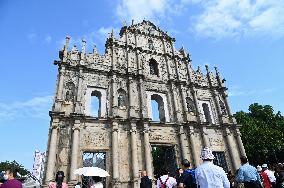
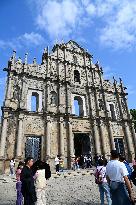
Tourists visit the World Cultural Heritage Ruins of St. Paul's in Macau, China on December 11, 2025.

  •  
World Cultural Heritage Ruins of St. Paul's

World Cultural Heritage Ruins of St. Paul's

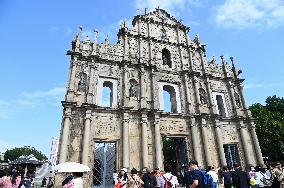
Tourists visit the World Cultural Heritage Ruins of St. Paul's in Macau, China on December 11, 2025.

  •  
World Cultural Heritage Ruins of St. Paul's

World Cultural Heritage Ruins of St. Paul's

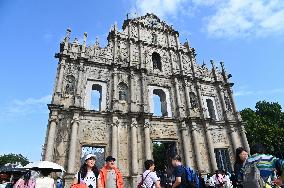
Tourists visit the World Cultural Heritage Ruins of St. Paul's in Macau, China on December 11, 2025.

  •  
World Cultural Heritage Ruins of St. Paul's

World Cultural Heritage Ruins of St. Paul's

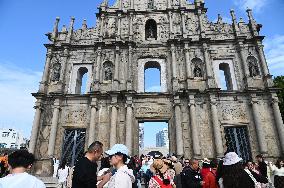
Tourists visit the World Cultural Heritage Ruins of St. Paul's in Macau, China on December 11, 2025.

  •  
World Cultural Heritage Ruins of St. Paul's

World Cultural Heritage Ruins of St. Paul's

Tourists visit the World Cultural Heritage Ruins of St. Paul's in Macau, China on December 11, 2025.

  •  
World Cultural Heritage Ruins of St. Paul's

World Cultural Heritage Ruins of St. Paul's

The World Cultural Heritage Ruins of St. Paul's in Macau, China on December 11, 2025.

  •  
World Cultural Heritage Ruins of St. Paul's

World Cultural Heritage Ruins of St. Paul's

The World Cultural Heritage Ruins of St. Paul's in Macau, China on December 11, 2025.

  •  
World Cultural Heritage Ruins of St. Paul's

World Cultural Heritage Ruins of St. Paul's

Tourists visit the World Cultural Heritage Ruins of St. Paul's in Macau, China on December 11, 2025.

  •  
World Cultural Heritage Ruins of St. Paul's

World Cultural Heritage Ruins of St. Paul's

Tourists visit the World Cultural Heritage Ruins of St. Paul's in Macau, China on December 11, 2025.

  •  
World Cultural Heritage Ruins of St. Paul's

World Cultural Heritage Ruins of St. Paul's

Tourists visit the World Cultural Heritage Ruins of St. Paul's in Macau, China on December 11, 2025.

  •  
Palace Lantern Factory - China

Palace Lantern Factory - China

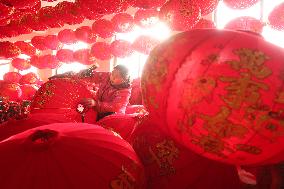
A worker makes Gaocheng palace lanterns at a palace lantern factory in Tuntou Villiage, Gaocheng District of Shijiazhuang, north China's Hebei Province, on December 10, 2025. Gaocheng palace lantern is one of Hebei's provincial intangible cultural heritage items. Photo by Liang Zidong/Xinhua/ABACAPRESS.COM

  •  
Palace Lantern Factory - China

Palace Lantern Factory - China

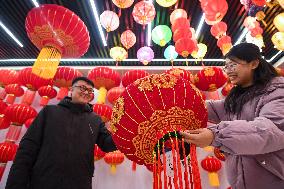
Customers choose Gaocheng palace lanterns at a sales outlet in Tuntou Villiage, Gaocheng District of Shijiazhuang, north China's Hebei Province, on December 10, 2025. Gaocheng palace lantern is one of Hebei's provincial intangible cultural heritage items. Photo by Zhang Xiaofeng/Xinhua/ABACAPRESS.COM

  •  
Palace Lantern Factory - China

Palace Lantern Factory - China

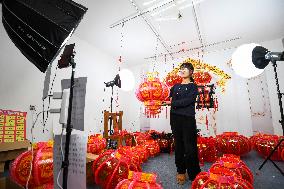
A staff member sells Gaocheng palace lanterns via live-streaming at a sales outlet in Tuntou Villiage, Gaocheng District of Shijiazhuang, north China's Hebei Province, on December 10, 2025. Gaocheng palace lantern is one of Hebei's provincial intangible cultural heritage items. Photo by Zhang Xiaofeng/Xinhua/ABACAPRESS.COM

  •  
Palace Lantern Factory - China

Palace Lantern Factory - China

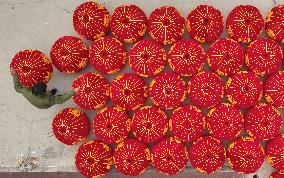
An aerial drone photo taken on December 10, 2025 shows the Gaocheng palace lanterns at a palace lantern factory in Tuntou Villiage, Gaocheng District of Shijiazhuang, north China's Hebei Province, on December 10, 2025. Gaocheng palace lantern is one of Hebei's provincial intangible cultural heritage items. Photo by Liang Zidong/Xinhua/ABACAPRESS.COM

  •  
Palace Lantern Factory - China

Palace Lantern Factory - China

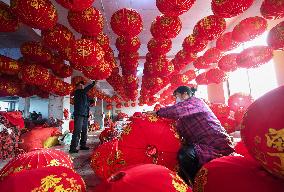
Workers make Gaocheng palace lanterns at a palace lantern factory in Tuntou Villiage, Gaocheng District of Shijiazhuang, north China's Hebei Province, on December 10, 2025. Gaocheng palace lantern is one of Hebei's provincial intangible cultural heritage items. Photo by Zhang Xiaofeng/Xinhua/ABACAPRESS.COM

  •  
Aerial of the Luma cultural center build from Gery, Unesco world heritage site Arles, France

Aerial of the Luma cultural center build from Gery, Unesco world heritage site Arles, France

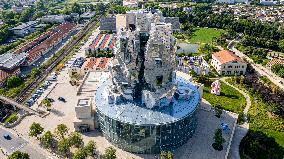
Aerial of the LUMA Cultural Center building, architect Frank Gehry, Arles, Bouches du Rhone, Provence-Alpes-Cote d'Azur, France, Europe - © Michael Runkel/robertharding/ANDBZ - Photo by Runkel/robertharding/ANDBZ/ABACAPRESS.COM - aerien; batiment du centre culturel LUMA; architecte Frank Gehry; Arles; Bouches-du-Rhone; Provence Alpes Cote d'Azur; France; Europe; Strasbourg; musee; architecture; immeuble, batiment; vue du ciel, vue aerienne; paysage, panorama urbain; urbain, citadin; paysage; design; deconstruit; cube; verre; toit, toiture; place, plaza; moderne; parc, espace vert, jardin; arbres; vert; ciel; nuages; beton; acier, siderurgie; lumiere du soleil; ombre; perspective; grand, vaste, large; prise de vue; jour, journee; ete; art; culture; voyage, voyager; touriste, touristique; destination; attraction; point de repere, monument; iconique; unique

  •  
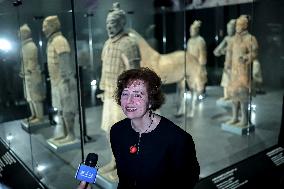
Exhibition of China's Terracotta Warriors - Budapest

Exhibition of China's Terracotta Warriors - Budapest

Curator Gyorgyi Fajcsak speaks during an interview with Xinhua at the opening ceremony of an exhibition of China's Terracotta Warriors in Budapest, Hungary, Nov. 27, 2025. The Museum of Fine Arts in Budapest on Thursday opened one of the most significant Chinese cultural exhibitions ever held in Hungary, presenting more than 150 ancient artworks from the Qin and Han dynasties, including ten original Terracotta Warriors. Titled "Civilization of the Qin and Han Dynasties - The First Chinese Emperor's Terracotta Warriors," the exhibition is jointly organized by the Museum of Fine Arts in Budapest and the Shaanxi Provincial Cultural Heritage Administration, and it will run for six months starting from Friday. TO GO WITH "Budapest museum unveils China's Terracotta Warriors" (Photo by David Balogh/Xinhua/ABACAPRESS.COM)

  •  
Exhibition of China's Terracotta Warriors - Budapest

Exhibition of China's Terracotta Warriors - Budapest

Laszlo Baan, director general of the Museum of Fine Arts, speaks during an interview with Xinhua at the opening ceremony of an exhibition of China's Terracotta Warriors in Budapest, Hungary, Nov. 27, 2025. The Museum of Fine Arts in Budapest on Thursday opened one of the most significant Chinese cultural exhibitions ever held in Hungary, presenting more than 150 ancient artworks from the Qin and Han dynasties, including ten original Terracotta Warriors. Titled "Civilization of the Qin and Han Dynasties - The First Chinese Emperor's Terracotta Warriors," the exhibition is jointly organized by the Museum of Fine Arts in Budapest and the Shaanxi Provincial Cultural Heritage Administration, and it will run for six months starting from Friday. TO GO WITH "Budapest museum unveils China's Terracotta Warriors" (Photo by David Balogh/Xinhua/ABACAPRESS.COM)

  •  
Exhibition of China's Terracotta Warriors - Budapest

Exhibition of China's Terracotta Warriors - Budapest

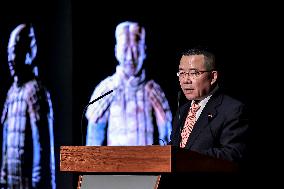
Laszlo Baan, director general of the Museum of Fine Arts, delivers a speech at the opening ceremony of an exhibition of China's Terracotta Warriors in Budapest, Hungary, Nov. 27, 2025. The Museum of Fine Arts in Budapest on Thursday opened one of the most significant Chinese cultural exhibitions ever held in Hungary, presenting more than 150 ancient artworks from the Qin and Han dynasties, including ten original Terracotta Warriors. Titled "Civilization of the Qin and Han Dynasties - The First Chinese Emperor's Terracotta Warriors," the exhibition is jointly organized by the Museum of Fine Arts in Budapest and the Shaanxi Provincial Cultural Heritage Administration, and it will run for six months starting from Friday. TO GO WITH "Budapest museum unveils China's Terracotta Warriors" (Photo by David Balogh/Xinhua/ABACAPRESS.COM)

  •  
Civilization of the Qin and Han Dynasties - Budapest

Civilization of the Qin and Han Dynasties - Budapest

Laszlo Baan, director general of the Museum of Fine Arts in Budapest, speaks during the opening ceremony of the exhibition "Civilization of the Qin and Han Dynasties - The First Chinese Emperor's Terracotta Warriors" in Budapest, Hungary, Nov. 27, 2025. The Museum of Fine Arts in Budapest on Thursday opened one of the most significant Chinese cultural exhibitions ever held in Hungary, presenting more than 150 ancient artworks from the Qin and Han dynasties (221 BC-220 AD), including ten original Terracotta Warriors. Titled "Civilization of the Qin and Han Dynasties - The First Chinese Emperor's Terracotta Warriors," the exhibition is jointly organized by the Museum of Fine Arts in Budapest and the Shaanxi Provincial Cultural Heritage Administration, and it will run for six months starting from Friday. Photo by David Balogh/Xinhua/ABACAPRESS.COM

  •  
Civilization of the Qin and Han Dynasties - Budapest

Civilization of the Qin and Han Dynasties - Budapest

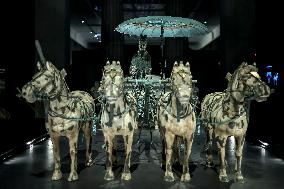
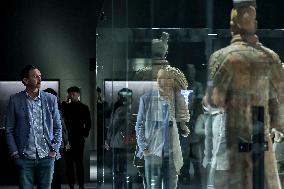
Exhibits are pictured at the exhibition "Civilization of the Qin and Han Dynasties - The First Chinese Emperor's Terracotta Warriors" at the Museum of Fine Arts in Budapest, Hungary, Nov. 27, 2025. The Museum of Fine Arts in Budapest on Thursday opened one of the most significant Chinese cultural exhibitions ever held in Hungary, presenting more than 150 ancient artworks from the Qin and Han dynasties (221 BC-220 AD), including ten original Terracotta Warriors. Titled "Civilization of the Qin and Han Dynasties - The First Chinese Emperor's Terracotta Warriors," the exhibition is jointly organized by the Museum of Fine Arts in Budapest and the Shaanxi Provincial Cultural Heritage Administration, and it will run for six months starting from Friday. Photo by David Balogh/Xinhua/ABACAPRESS.COM

  •  
Civilization of the Qin and Han Dynasties - Budapest

Civilization of the Qin and Han Dynasties - Budapest

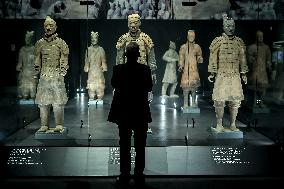
A visitor views exhibits at the exhibition "Civilization of the Qin and Han Dynasties - The First Chinese Emperor's Terracotta Warriors" at the Museum of Fine Arts in Budapest, Hungary, Nov. 27, 2025. The Museum of Fine Arts in Budapest on Thursday opened one of the most significant Chinese cultural exhibitions ever held in Hungary, presenting more than 150 ancient artworks from the Qin and Han dynasties (221 BC-220 AD), including ten original Terracotta Warriors. Titled "Civilization of the Qin and Han Dynasties - The First Chinese Emperor's Terracotta Warriors," the exhibition is jointly organized by the Museum of Fine Arts in Budapest and the Shaanxi Provincial Cultural Heritage Administration, and it will run for six months starting from Friday. Photo by David Balogh/Xinhua/ABACAPRESS.COM

  •  
Civilization of the Qin and Han Dynasties - Budapest

Civilization of the Qin and Han Dynasties - Budapest

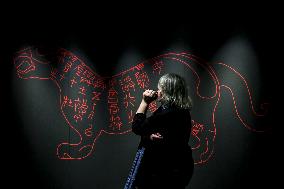
A woman visits the exhibition "Civilization of the Qin and Han Dynasties - The First Chinese Emperor's Terracotta Warriors" at the Museum of Fine Arts in Budapest, Hungary, Nov. 27, 2025. The Museum of Fine Arts in Budapest on Thursday opened one of the most significant Chinese cultural exhibitions ever held in Hungary, presenting more than 150 ancient artworks from the Qin and Han dynasties (221 BC-220 AD), including ten original Terracotta Warriors. Titled "Civilization of the Qin and Han Dynasties - The First Chinese Emperor's Terracotta Warriors," the exhibition is jointly organized by the Museum of Fine Arts in Budapest and the Shaanxi Provincial Cultural Heritage Administration, and it will run for six months starting from Friday. Photo by David Balogh/Xinhua/ABACAPRESS.COM

  •  
Civilization of the Qin and Han Dynasties - Budapest

Civilization of the Qin and Han Dynasties - Budapest

Chinese Ambassador to Hungary Gong Tao speaks during the opening ceremony of the exhibition "Civilization of the Qin and Han Dynasties - The First Chinese Emperor's Terracotta Warriors" in Budapest, Hungary, Nov. 27, 2025. The Museum of Fine Arts in Budapest on Thursday opened one of the most significant Chinese cultural exhibitions ever held in Hungary, presenting more than 150 ancient artworks from the Qin and Han dynasties (221 BC-220 AD), including ten original Terracotta Warriors. Titled "Civilization of the Qin and Han Dynasties - The First Chinese Emperor's Terracotta Warriors," the exhibition is jointly organized by the Museum of Fine Arts in Budapest and the Shaanxi Provincial Cultural Heritage Administration, and it will run for six months starting from Friday. Photo by David Balogh/Xinhua/ABACAPRESS.COM

  •  
Civilization of the Qin and Han Dynasties - Budapest

Civilization of the Qin and Han Dynasties - Budapest

Hungarian President Tamas Sulyok speaks during the opening ceremony of the exhibition "Civilization of the Qin and Han Dynasties - The First Chinese Emperor's Terracotta Warriors" in Budapest, Hungary, Nov. 27, 2025. The Museum of Fine Arts in Budapest on Thursday opened one of the most significant Chinese cultural exhibitions ever held in Hungary, presenting more than 150 ancient artworks from the Qin and Han dynasties (221 BC-220 AD), including ten original Terracotta Warriors. Titled "Civilization of the Qin and Han Dynasties - The First Chinese Emperor's Terracotta Warriors," the exhibition is jointly organized by the Museum of Fine Arts in Budapest and the Shaanxi Provincial Cultural Heritage Administration, and it will run for six months starting from Friday. Photo by David Balogh/Xinhua/ABACAPRESS.COM

  •  
Civilization of the Qin and Han Dynasties - Budapest

Civilization of the Qin and Han Dynasties - Budapest

A visitor views exhibits at the exhibition "Civilization of the Qin and Han Dynasties - The First Chinese Emperor's Terracotta Warriors" at the Museum of Fine Arts in Budapest, Hungary, Nov. 27, 2025. The Museum of Fine Arts in Budapest on Thursday opened one of the most significant Chinese cultural exhibitions ever held in Hungary, presenting more than 150 ancient artworks from the Qin and Han dynasties (221 BC-220 AD), including ten original Terracotta Warriors. Titled "Civilization of the Qin and Han Dynasties - The First Chinese Emperor's Terracotta Warriors," the exhibition is jointly organized by the Museum of Fine Arts in Budapest and the Shaanxi Provincial Cultural Heritage Administration, and it will run for six months starting from Friday. Photo by David Balogh/Xinhua/ABACAPRESS.COM

  •  
Civilization of the Qin and Han Dynasties - Budapest

Civilization of the Qin and Han Dynasties - Budapest

A visitor views exhibits at the exhibition "Civilization of the Qin and Han Dynasties - The First Chinese Emperor's Terracotta Warriors" at the Museum of Fine Arts in Budapest, Hungary, Nov. 27, 2025. The Museum of Fine Arts in Budapest on Thursday opened one of the most significant Chinese cultural exhibitions ever held in Hungary, presenting more than 150 ancient artworks from the Qin and Han dynasties (221 BC-220 AD), including ten original Terracotta Warriors. Titled "Civilization of the Qin and Han Dynasties - The First Chinese Emperor's Terracotta Warriors," the exhibition is jointly organized by the Museum of Fine Arts in Budapest and the Shaanxi Provincial Cultural Heritage Administration, and it will run for six months starting from Friday. Photo by David Balogh/Xinhua/ABACAPRESS.COM

  •  
Civilization of the Qin and Han Dynasties - Budapest

Civilization of the Qin and Han Dynasties - Budapest

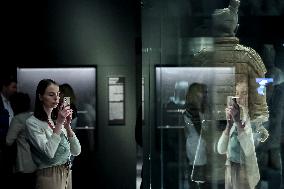
A visitor takes photos of exhibits at the exhibition "Civilization of the Qin and Han Dynasties - The First Chinese Emperor's Terracotta Warriors" at the Museum of Fine Arts in Budapest, Hungary, Nov. 27, 2025. The Museum of Fine Arts in Budapest on Thursday opened one of the most significant Chinese cultural exhibitions ever held in Hungary, presenting more than 150 ancient artworks from the Qin and Han dynasties (221 BC-220 AD), including ten original Terracotta Warriors. Titled "Civilization of the Qin and Han Dynasties - The First Chinese Emperor's Terracotta Warriors," the exhibition is jointly organized by the Museum of Fine Arts in Budapest and the Shaanxi Provincial Cultural Heritage Administration, and it will run for six months starting from Friday. Photo by David Balogh/Xinhua/ABACAPRESS.COM

  •  
Civilization of the Qin and Han Dynasties - Budapest

Civilization of the Qin and Han Dynasties - Budapest

A visitor takes photos of exhibits at the exhibition "Civilization of the Qin and Han Dynasties - The First Chinese Emperor's Terracotta Warriors" at the Museum of Fine Arts in Budapest, Hungary, Nov. 27, 2025. The Museum of Fine Arts in Budapest on Thursday opened one of the most significant Chinese cultural exhibitions ever held in Hungary, presenting more than 150 ancient artworks from the Qin and Han dynasties (221 BC-220 AD), including ten original Terracotta Warriors. Titled "Civilization of the Qin and Han Dynasties - The First Chinese Emperor's Terracotta Warriors," the exhibition is jointly organized by the Museum of Fine Arts in Budapest and the Shaanxi Provincial Cultural Heritage Administration, and it will run for six months starting from Friday. Photo by David Balogh/Xinhua/ABACAPRESS.COM

  •  
Tie-Dye Technique Of Bai Ethnic Group - Chin

Tie-Dye Technique Of Bai Ethnic Group - Chin

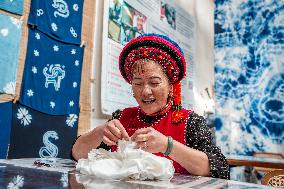
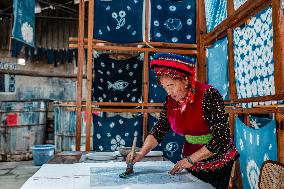
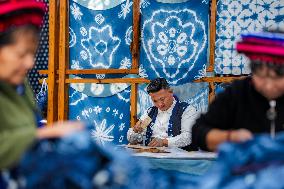
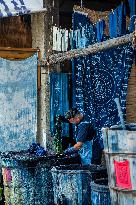
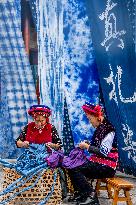
Duan Yuan, an inheritor of the tie-dye technique of Bai ethnic group, makes tie-dye designs in a dyehouse in Zhoucheng Village of Dali Bai Autonomous Prefecture, southwest China's Yunnan Province, November 21, 2025. Known as the hometown of the tie-dye technique of Bai ethnic group, Zhoucheng Village hosts over 200 households engaging in tie-dye businesses, with the number of employees exceeding 4,000. As a traditional folk technique of the Bai ethnic group, tie-dye boasts a history spanning over a thousand years and was included in the first batch of China's national intangible cultural heritage list in 2006. Tying and dyeing are the core steps in the process of making indigo tie-dye products. Artisans use needles and threads to create various patterns on the fabric, which are then dyed with plant-based dyes, resulting in blue backgrounds adorned with vivid white patterns. Photo by Hu Chao/Xinhua/ABACAPRESS.COM

  •  
Tie-Dye Technique Of Bai Ethnic Group - Chin

Tie-Dye Technique Of Bai Ethnic Group - Chin

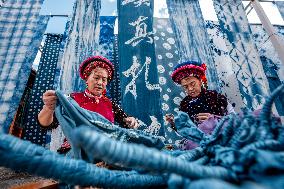
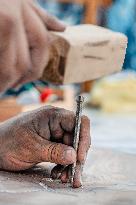
Duan Yinmei, an inheritor of the tie-dye technique of Bai ethnic group, creates knots on fabrics in a dyehouse in Zhoucheng Village of Dali Bai Autonomous Prefecture, southwest China's Yunnan Province, November 21, 2025. Known as the hometown of the tie-dye technique of Bai ethnic group, Zhoucheng Village hosts over 200 households engaging in tie-dye businesses, with the number of employees exceeding 4,000. As a traditional folk technique of the Bai ethnic group, tie-dye boasts a history spanning over a thousand years and was included in the first batch of China's national intangible cultural heritage list in 2006. Tying and dyeing are the core steps in the process of making indigo tie-dye products. Artisans use needles and threads to create various patterns on the fabric, which are then dyed with plant-based dyes, resulting in blue backgrounds adorned with vivid white patterns. Photo by Hu Chao/Xinhua/ABACAPRESS.COM

  •  
Tie-Dye Technique Of Bai Ethnic Group - Chin

Tie-Dye Technique Of Bai Ethnic Group - Chin

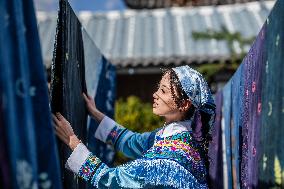
A woman experiences the tie-dye technique of Bai ethnic group in a dyehouse in Zhoucheng Village of Dali Bai Autonomous Prefecture, southwest China's Yunnan Province, November 21, 2025. Known as the hometown of the tie-dye technique of Bai ethnic group, Zhoucheng Village hosts over 200 households engaging in tie-dye businesses, with the number of employees exceeding 4,000. As a traditional folk technique of the Bai ethnic group, tie-dye boasts a history spanning over a thousand years and was included in the first batch of China's national intangible cultural heritage list in 2006. Tying and dyeing are the core steps in the process of making indigo tie-dye products. Artisans use needles and threads to create various patterns on the fabric, which are then dyed with plant-based dyes, resulting in blue backgrounds adorned with vivid white patterns. Photo by Hu Chao/Xinhua/ABACAPRESS.COM

  •  
Tie-Dye Technique Of Bai Ethnic Group - Chin

Tie-Dye Technique Of Bai Ethnic Group - Chin

Duan Yinmei, an inheritor of the tie-dye technique of Bai ethnic group, dyes patterns on fabrics in a dyehouse in Zhoucheng Village of Dali Bai Autonomous Prefecture, southwest China's Yunnan Province, November 21, 2025. Known as the hometown of the tie-dye technique of Bai ethnic group, Zhoucheng Village hosts over 200 households engaging in tie-dye businesses, with the number of employees exceeding 4,000. As a traditional folk technique of the Bai ethnic group, tie-dye boasts a history spanning over a thousand years and was included in the first batch of China's national intangible cultural heritage list in 2006. Tying and dyeing are the core steps in the process of making indigo tie-dye products. Artisans use needles and threads to create various patterns on the fabric, which are then dyed with plant-based dyes, resulting in blue backgrounds adorned with vivid white patterns. Photo by Hu Chao/Xinhua/ABACAPRESS.COM

  •  
Tie-Dye Technique Of Bai Ethnic Group - Chin

Tie-Dye Technique Of Bai Ethnic Group - Chin

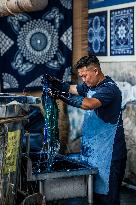
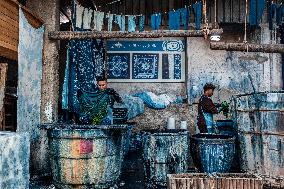
Duan Yuan, an inheritor of the tie-dye technique of Bai ethnic group, rinses dyed fabrics in a dyehouse in Zhoucheng Village of Dali Bai Autonomous Prefecture, southwest China's Yunnan Province, November 21, 2025. Known as the hometown of the tie-dye technique of Bai ethnic group, Zhoucheng Village hosts over 200 households engaging in tie-dye businesses, with the number of employees exceeding 4,000. As a traditional folk technique of the Bai ethnic group, tie-dye boasts a history spanning over a thousand years and was included in the first batch of China's national intangible cultural heritage list in 2006. Tying and dyeing are the core steps in the process of making indigo tie-dye products. Artisans use needles and threads to create various patterns on the fabric, which are then dyed with plant-based dyes, resulting in blue backgrounds adorned with vivid white patterns. Photo by Hu Chao/Xinhua/ABACAPRESS.COM

  •  
Tie-Dye Technique Of Bai Ethnic Group - Chin

Tie-Dye Technique Of Bai Ethnic Group - Chin

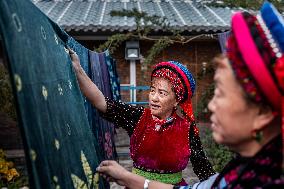
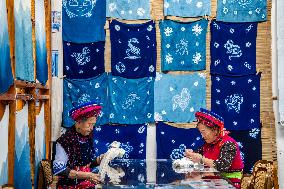
Duan Yinmei (L), an inheritor of the tie-dye technique of Bai ethnic group, and handicraftsman Duan Lilan dry tie-dye fabrics in a dyehouse in Zhoucheng Village of Dali Bai Autonomous Prefecture, southwest China's Yunnan Province, November 21, 2025. Known as the hometown of the tie-dye technique of Bai ethnic group, Zhoucheng Village hosts over 200 households engaging in tie-dye businesses, with the number of employees exceeding 4,000. As a traditional folk technique of the Bai ethnic group, tie-dye boasts a history spanning over a thousand years and was included in the first batch of China's national intangible cultural heritage list in 2006. Tying and dyeing are the core steps in the process of making indigo tie-dye products. Artisans use needles and threads to create various patterns on the fabric, which are then dyed with plant-based dyes, resulting in blue backgrounds adorned with vivid white patterns. Photo by Hu Chao/Xinhua/ABACAPRESS.COM

  •  
Tie-Dye Technique Of Bai Ethnic Group - Chin

Tie-Dye Technique Of Bai Ethnic Group - Chin

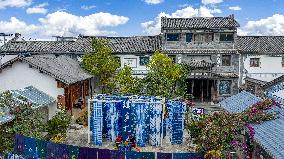
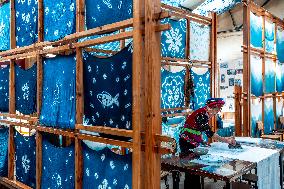
An aerial drone photo shows a scene at a dyehouse in Zhoucheng Village of Dali Bai Autonomous Prefecture, southwest China's Yunnan Province, November 21, 2025. Known as the hometown of the tie-dye technique of Bai ethnic group, Zhoucheng Village hosts over 200 households engaging in tie-dye businesses, with the number of employees exceeding 4,000. As a traditional folk technique of the Bai ethnic group, tie-dye boasts a history spanning over a thousand years and was included in the first batch of China's national intangible cultural heritage list in 2006. Tying and dyeing are the core steps in the process of making indigo tie-dye products. Artisans use needles and threads to create various patterns on the fabric, which are then dyed with plant-based dyes, resulting in blue backgrounds adorned with vivid white patterns. Photo by Hu Chao/Xinhua/ABACAPRESS.COM

  •  
Tie-Dye Technique Of Bai Ethnic Group - Chin

Tie-Dye Technique Of Bai Ethnic Group - Chin

Duan Yinmei (L), an inheritor of the tie-dye technique of Bai ethnic group, and handicraftsman Duan Lilan untie knots on fabrics in a dyehouse in Zhoucheng Village of Dali Bai Autonomous Prefecture, southwest China's Yunnan Province, November 21, 2025. Known as the hometown of the tie-dye technique of Bai ethnic group, Zhoucheng Village hosts over 200 households engaging in tie-dye businesses, with the number of employees exceeding 4,000. As a traditional folk technique of the Bai ethnic group, tie-dye boasts a history spanning over a thousand years and was included in the first batch of China's national intangible cultural heritage list in 2006. Tying and dyeing are the core steps in the process of making indigo tie-dye products. Artisans use needles and threads to create various patterns on the fabric, which are then dyed with plant-based dyes, resulting in blue backgrounds adorned with vivid white patterns. Photo by Hu Chao/Xinhua/ABACAPRESS.COM

  •  
Tie-Dye Technique Of Bai Ethnic Group - Chin

Tie-Dye Technique Of Bai Ethnic Group - Chin

Duan Yinmei (L), an inheritor of the tie-dye technique of Bai ethnic group, and handicraftsman Duan Lilan untie knots on fabrics in a dyehouse in Zhoucheng Village of Dali Bai Autonomous Prefecture, southwest China's Yunnan Province, November 21, 2025. Known as the hometown of the tie-dye technique of Bai ethnic group, Zhoucheng Village hosts over 200 households engaging in tie-dye businesses, with the number of employees exceeding 4,000. As a traditional folk technique of the Bai ethnic group, tie-dye boasts a history spanning over a thousand years and was included in the first batch of China's national intangible cultural heritage list in 2006. Tying and dyeing are the core steps in the process of making indigo tie-dye products. Artisans use needles and threads to create various patterns on the fabric, which are then dyed with plant-based dyes, resulting in blue backgrounds adorned with vivid white patterns. Photo by Hu Chao/Xinhua/ABACAPRESS.COM

  •  
Tie-Dye Technique Of Bai Ethnic Group - Chin

Tie-Dye Technique Of Bai Ethnic Group - Chin

Duan Yuan (L), an inheritor of the tie-dye technique of Bai ethnic group, dyes fabrics in a dyehouse in Zhoucheng Village of Dali Bai Autonomous Prefecture, southwest China's Yunnan Province, November 21, 2025. Known as the hometown of the tie-dye technique of Bai ethnic group, Zhoucheng Village hosts over 200 households engaging in tie-dye businesses, with the number of employees exceeding 4,000. As a traditional folk technique of the Bai ethnic group, tie-dye boasts a history spanning over a thousand years and was included in the first batch of China's national intangible cultural heritage list in 2006. Tying and dyeing are the core steps in the process of making indigo tie-dye products. Artisans use needles and threads to create various patterns on the fabric, which are then dyed with plant-based dyes, resulting in blue backgrounds adorned with vivid white patterns. Photo by Hu Chao/Xinhua/ABACAPRESS.COM

  •  
Tie-Dye Technique Of Bai Ethnic Group - Chin

Tie-Dye Technique Of Bai Ethnic Group - Chin

Duan Yuan, an inheritor of the tie-dye technique of Bai ethnic group, makes tie-dye designs in a dyehouse in Zhoucheng Village of Dali Bai Autonomous Prefecture, southwest China's Yunnan Province, November 21, 2025. Known as the hometown of the tie-dye technique of Bai ethnic group, Zhoucheng Village hosts over 200 households engaging in tie-dye businesses, with the number of employees exceeding 4,000. As a traditional folk technique of the Bai ethnic group, tie-dye boasts a history spanning over a thousand years and was included in the first batch of China's national intangible cultural heritage list in 2006. Tying and dyeing are the core steps in the process of making indigo tie-dye products. Artisans use needles and threads to create various patterns on the fabric, which are then dyed with plant-based dyes, resulting in blue backgrounds adorned with vivid white patterns. Photo by Hu Chao/Xinhua/ABACAPRESS.COM

  •  
Tie-Dye Technique Of Bai Ethnic Group - Chin

Tie-Dye Technique Of Bai Ethnic Group - Chin

Duan Yuan, an inheritor of the tie-dye technique of Bai ethnic group, dyes fabrics in a dyehouse in Zhoucheng Village of Dali Bai Autonomous Prefecture, southwest China's Yunnan Province, November 21, 2025. Known as the hometown of the tie-dye technique of Bai ethnic group, Zhoucheng Village hosts over 200 households engaging in tie-dye businesses, with the number of employees exceeding 4,000. As a traditional folk technique of the Bai ethnic group, tie-dye boasts a history spanning over a thousand years and was included in the first batch of China's national intangible cultural heritage list in 2006. Tying and dyeing are the core steps in the process of making indigo tie-dye products. Artisans use needles and threads to create various patterns on the fabric, which are then dyed with plant-based dyes, resulting in blue backgrounds adorned with vivid white patterns. Photo by Hu Chao/Xinhua/ABACAPRESS.COM

  •  
Tie-Dye Technique Of Bai Ethnic Group - Chin

Tie-Dye Technique Of Bai Ethnic Group - Chin

Duan Yuan, an inheritor of the tie-dye technique of Bai ethnic group, dyes fabrics in a dyehouse in Zhoucheng Village of Dali Bai Autonomous Prefecture, southwest China's Yunnan Province, November 21, 2025. Known as the hometown of the tie-dye technique of Bai ethnic group, Zhoucheng Village hosts over 200 households engaging in tie-dye businesses, with the number of employees exceeding 4,000. As a traditional folk technique of the Bai ethnic group, tie-dye boasts a history spanning over a thousand years and was included in the first batch of China's national intangible cultural heritage list in 2006. Tying and dyeing are the core steps in the process of making indigo tie-dye products. Artisans use needles and threads to create various patterns on the fabric, which are then dyed with plant-based dyes, resulting in blue backgrounds adorned with vivid white patterns. Photo by Hu Chao/Xinhua/ABACAPRESS.COM

  •  
Tie-Dye Technique Of Bai Ethnic Group - Chin

Tie-Dye Technique Of Bai Ethnic Group - Chin

Duan Yuan, an inheritor of the tie-dye technique of Bai ethnic group, makes tie-dye designs in a dyehouse in Zhoucheng Village of Dali Bai Autonomous Prefecture, southwest China's Yunnan Province, November 21, 2025. Known as the hometown of the tie-dye technique of Bai ethnic group, Zhoucheng Village hosts over 200 households engaging in tie-dye businesses, with the number of employees exceeding 4,000. As a traditional folk technique of the Bai ethnic group, tie-dye boasts a history spanning over a thousand years and was included in the first batch of China's national intangible cultural heritage list in 2006. Tying and dyeing are the core steps in the process of making indigo tie-dye products. Artisans use needles and threads to create various patterns on the fabric, which are then dyed with plant-based dyes, resulting in blue backgrounds adorned with vivid white patterns. Photo by Hu Chao/Xinhua/ABACAPRESS.COM

  •  
Tie-Dye Technique Of Bai Ethnic Group - Chin

Tie-Dye Technique Of Bai Ethnic Group - Chin

Duan Yinmei, an inheritor of the tie-dye technique of Bai ethnic group, unties knots on fabrics in a dyehouse in Zhoucheng Village of Dali Bai Autonomous Prefecture, southwest China's Yunnan Province, November 21, 2025. Known as the hometown of the tie-dye technique of Bai ethnic group, Zhoucheng Village hosts over 200 households engaging in tie-dye businesses, with the number of employees exceeding 4,000. As a traditional folk technique of the Bai ethnic group, tie-dye boasts a history spanning over a thousand years and was included in the first batch of China's national intangible cultural heritage list in 2006. Tying and dyeing are the core steps in the process of making indigo tie-dye products. Artisans use needles and threads to create various patterns on the fabric, which are then dyed with plant-based dyes, resulting in blue backgrounds adorned with vivid white patterns. Photo by Hu Chao/Xinhua/ABACAPRESS.COM

  •  
Tie-Dye Technique Of Bai Ethnic Group - Chin

Tie-Dye Technique Of Bai Ethnic Group - Chin

Duan Yinmei, an inheritor of the tie-dye technique of Bai ethnic group, dyes patterns on fabrics in a dyehouse in Zhoucheng Village of Dali Bai Autonomous Prefecture, southwest China's Yunnan Province, November 21, 2025. Known as the hometown of the tie-dye technique of Bai ethnic group, Zhoucheng Village hosts over 200 households engaging in tie-dye businesses, with the number of employees exceeding 4,000. As a traditional folk technique of the Bai ethnic group, tie-dye boasts a history spanning over a thousand years and was included in the first batch of China's national intangible cultural heritage list in 2006. Tying and dyeing are the core steps in the process of making indigo tie-dye products. Artisans use needles and threads to create various patterns on the fabric, which are then dyed with plant-based dyes, resulting in blue backgrounds adorned with vivid white patterns. Photo by Hu Chao/Xinhua/ABACAPRESS.COM

  •  
Tie-Dye Technique Of Bai Ethnic Group - Chin

Tie-Dye Technique Of Bai Ethnic Group - Chin

Duan Yinmei (R), an inheritor of the tie-dye technique of Bai ethnic group, and handicraftsman Duan Lilan create knots on fabrics in a dyehouse in Zhoucheng Village of Dali Bai Autonomous Prefecture, southwest China's Yunnan Province, November 21, 2025. Known as the hometown of the tie-dye technique of Bai ethnic group, Zhoucheng Village hosts over 200 households engaging in tie-dye businesses, with the number of employees exceeding 4,000. As a traditional folk technique of the Bai ethnic group, tie-dye boasts a history spanning over a thousand years and was included in the first batch of China's national intangible cultural heritage list in 2006. Tying and dyeing are the core steps in the process of making indigo tie-dye products. Artisans use needles and threads to create various patterns on the fabric, which are then dyed with plant-based dyes, resulting in blue backgrounds adorned with vivid white patterns. Photo by Hu Chao/Xinhua/ABACAPRESS.COM

  •  
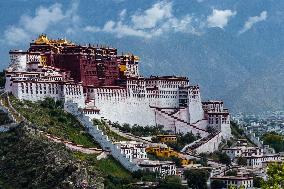
World Cultural Heritage Potala Palace

World Cultural Heritage Potala Palace

LHASA, CHINA - SEPTEMBER 21, 2025 - Exterior view of Potala Palace in Lhasa, Tibet, China on September 21, 2025.

  •  
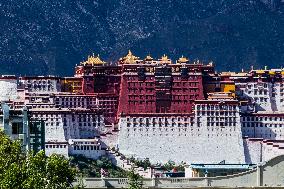
World Cultural Heritage Potala Palace

World Cultural Heritage Potala Palace

LHASA, CHINA - SEPTEMBER 21, 2025 - Exterior view of Potala Palace in Lhasa, Tibet, China on September 21, 2025.

  •  
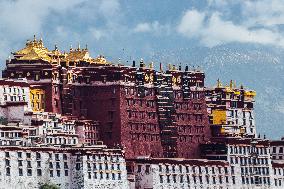
World Cultural Heritage Potala Palace

World Cultural Heritage Potala Palace

LHASA, CHINA - SEPTEMBER 21, 2025 - Exterior view of Potala Palace in Lhasa, Tibet, China on September 21, 2025.

  •  
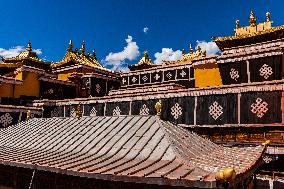
World Cultural Heritage Potala Palace

World Cultural Heritage Potala Palace

LHASA, CHINA - SEPTEMBER 21, 2025 - Exterior view of Potala Palace in Lhasa, Tibet, China on September 21, 2025.

  • Main
  • Top
  • Editorial
  • Creative
  • About Us
  • About ILG
  • Terms of use
  • Company
  • BEHIND
  • Price List
  • Single Plan
  • Monthly Plan
  • Services
  • Shooting
  • Rights Clearance
  • Support
  • FAQ
  • How To Buy
  • Contact Us
  • Become a Partner

© KYODO NEWS IMAGES INC

All Rights Reserved.

  • Editorial
  • Olympics
  • News
  • Sports
  • Japan
  • Tech
  • Royal
  • Disaster
  • NorthKorea
  • Old Japan
  • SNS
  • Creative
  • Food
  • Japan
  • Landscape
  • Animal
  • Popular
  • #Ukraine
  • #Thailand
  • #coronavirus
  • #N. Korea
  • #Russia
  • #China
  • #Ukraine
  • #Thailand
  • #coronavirus
  • #N. Korea
  • #Russia
  • #China
  • Food
  • Japan
  • Landscape
  • Animal
  • Olympics
  • News
  • Sports
  • Japan
  • Tech
  • Royal
  • Disaster
  • NorthKorea
  • Old Japan
  • SNS