•  
Arg-e Bam Citadel - Iran

Arg-e Bam Citadel - Iran

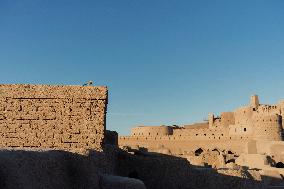
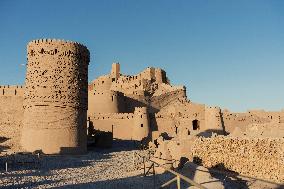
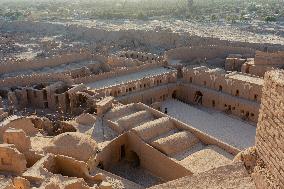
A general view shows adobe structures of the Arg-e Bam citadel in Bam, Iran on December 14, 2025. Arg-e Bam, a UNESCO World Heritage Site, is the largest adobe structure in the world and dates back to at least the Achaemenid period, having served for centuries as a fortified city and a key hub along Silk Road trade routes before being largely destroyed in a 2003 earthquake and subsequently restored. Photo by Bahram/Middle East Images/ABACAPRESS.COM

  •  
Arg-e Bam Citadel - Iran

Arg-e Bam Citadel - Iran

A general view shows adobe structures of the Arg-e Bam citadel in Bam, Iran on December 14, 2025. Arg-e Bam, a UNESCO World Heritage Site, is the largest adobe structure in the world and dates back to at least the Achaemenid period, having served for centuries as a fortified city and a key hub along Silk Road trade routes before being largely destroyed in a 2003 earthquake and subsequently restored. Photo by Bahram/Middle East Images/ABACAPRESS.COM

  •  
Arg-e Bam Citadel - Iran

Arg-e Bam Citadel - Iran

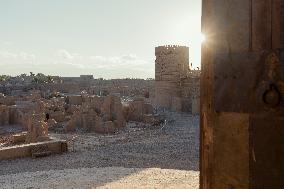
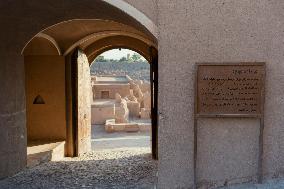
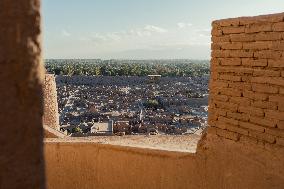
A view of adobe ruins and a tower is seen through a doorway inside the Arg-e Bam citadel in Bam, Iran on December 14, 2025. Arg-e Bam, a UNESCO World Heritage Site, is the largest adobe structure in the world and dates back to at least the Achaemenid period, having served for centuries as a fortified city and a key hub along Silk Road trade routes before being largely destroyed in a 2003 earthquake and subsequently restored. Photo by Bahram/Middle East Images/ABACAPRESS.COM

  •  
Arg-e Bam Citadel - Iran

Arg-e Bam Citadel - Iran

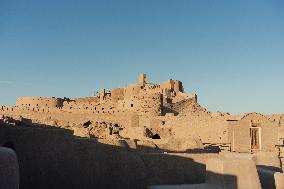
A general view shows adobe structures of the Arg-e Bam citadel in Bam, Iran on December 14, 2025. Arg-e Bam, a UNESCO World Heritage Site, is the largest adobe structure in the world and dates back to at least the Achaemenid period, having served for centuries as a fortified city and a key hub along Silk Road trade routes before being largely destroyed in a 2003 earthquake and subsequently restored. Photo by Bahram/Middle East Images/ABACAPRESS.COM

  •  
Arg-e Bam Citadel - Iran

Arg-e Bam Citadel - Iran

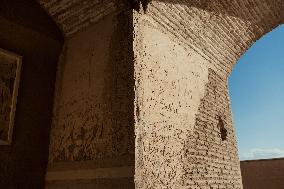
An arched interior structure is seen inside the Arg-e Bam citadel in Bam, Iran on December 14, 2025. Arg-e Bam, a UNESCO World Heritage Site, is the largest adobe structure in the world and dates back to at least the Achaemenid period, having served for centuries as a fortified city and a key hub along Silk Road trade routes before being largely destroyed in a 2003 earthquake and subsequently restored. Photo by Bahram/Middle East Images/ABACAPRESS.COM

  •  
Arg-e Bam Citadel - Iran

Arg-e Bam Citadel - Iran

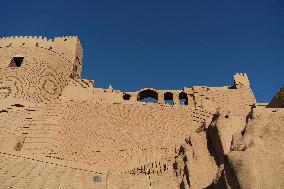
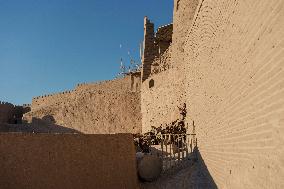
An adobe tower and surrounding defensive walls stand inside the Arg-e Bam citadel in Bam, Iran on December 14, 2025. Arg-e Bam, a UNESCO World Heritage Site, is the largest adobe structure in the world and dates back to at least the Achaemenid period, having served for centuries as a fortified city and a key hub along Silk Road trade routes before being largely destroyed in a 2003 earthquake and subsequently restored. Photo by Bahram/Middle East Images/ABACAPRESS.COM

  •  
Arg-e Bam Citadel - Iran

Arg-e Bam Citadel - Iran

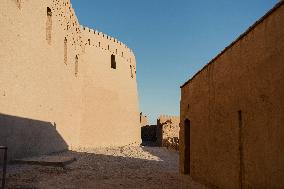
A narrow pathway runs between adobe walls inside the Arg-e Bam citadel in Bam, Iran on December 14, 2025. Arg-e Bam, a UNESCO World Heritage Site, is the largest adobe structure in the world and dates back to at least the Achaemenid period, having served for centuries as a fortified city and a key hub along Silk Road trade routes before being largely destroyed in a 2003 earthquake and subsequently restored. Photo by Bahram/Middle East Images/ABACAPRESS.COM

  •  
Arg-e Bam Citadel - Iran

Arg-e Bam Citadel - Iran

An arched interior structure is seen inside the Arg-e Bam citadel in Bam, Iran on December 14, 2025. Arg-e Bam, a UNESCO World Heritage Site, is the largest adobe structure in the world and dates back to at least the Achaemenid period, having served for centuries as a fortified city and a key hub along Silk Road trade routes before being largely destroyed in a 2003 earthquake and subsequently restored. Photo by Bahram/Middle East Images/ABACAPRESS.COM

  •  
Arg-e Bam Citadel - Iran

Arg-e Bam Citadel - Iran

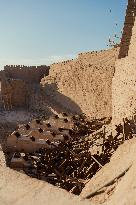
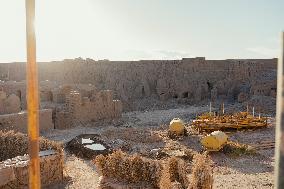
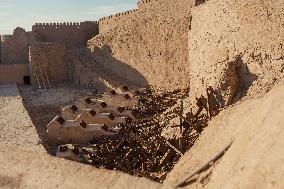
Adobe fortress walls and restoration debris are seen inside the Arg-e Bam citadel in Bam, Iran on December 14, 2025. Arg-e Bam, a UNESCO World Heritage Site, is the largest adobe structure in the world and dates back to at least the Achaemenid period, having served for centuries as a fortified city and a key hub along Silk Road trade routes before being largely destroyed in a 2003 earthquake and subsequently restored. Photo by Bahram/Middle East Images/ABACAPRESS.COM

  •  
Arg-e Bam Citadel - Iran

Arg-e Bam Citadel - Iran

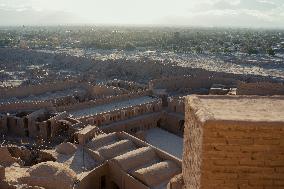
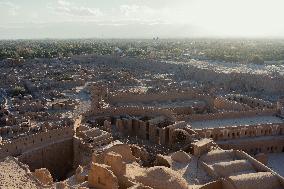
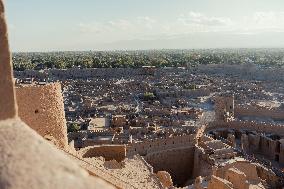
A general view shows the adobe ruins and restored structures of the Arg-e Bam citadel in Bam, Iran on December 14, 2025. Arg-e Bam, a UNESCO World Heritage Site, is the largest adobe structure in the world and dates back to at least the Achaemenid period, having served for centuries as a fortified city and a key hub along Silk Road trade routes before being largely destroyed in a 2003 earthquake and subsequently restored. Photo by Bahram/Middle East Images/ABACAPRESS.COM

  •  
Arg-e Bam Citadel - Iran

Arg-e Bam Citadel - Iran

Construction materials and equipment are seen in an open area inside the Arg-e Bam citadel in Bam, Iran on December 14, 2025. Arg-e Bam, a UNESCO World Heritage Site, is the largest adobe structure in the world and dates back to at least the Achaemenid period, having served for centuries as a fortified city and a key hub along Silk Road trade routes before being largely destroyed in a 2003 earthquake and subsequently restored. Photo by Bahram/Middle East Images/ABACAPRESS.COM

  •  
Arg-e Bam Citadel - Iran

Arg-e Bam Citadel - Iran

Adobe fortress walls and restoration debris are seen inside the Arg-e Bam citadel in Bam, Iran on December 14, 2025. Arg-e Bam, a UNESCO World Heritage Site, is the largest adobe structure in the world and dates back to at least the Achaemenid period, having served for centuries as a fortified city and a key hub along Silk Road trade routes before being largely destroyed in a 2003 earthquake and subsequently restored. Photo by Bahram/Middle East Images/ABACAPRESS.COM

  •  
Arg-e Bam Citadel - Iran

Arg-e Bam Citadel - Iran

Adobe fortress walls and restoration debris are seen inside the Arg-e Bam citadel in Bam, Iran on December 14, 2025. Arg-e Bam, a UNESCO World Heritage Site, is the largest adobe structure in the world and dates back to at least the Achaemenid period, having served for centuries as a fortified city and a key hub along Silk Road trade routes before being largely destroyed in a 2003 earthquake and subsequently restored. Photo by Bahram/Middle East Images/ABACAPRESS.COM

  •  
Arg-e Bam Citadel - Iran

Arg-e Bam Citadel - Iran

A general view shows the adobe ruins and restored structures of the Arg-e Bam citadel in Bam, Iran on December 14, 2025. Arg-e Bam, a UNESCO World Heritage Site, is the largest adobe structure in the world and dates back to at least the Achaemenid period, having served for centuries as a fortified city and a key hub along Silk Road trade routes before being largely destroyed in a 2003 earthquake and subsequently restored. Photo by Bahram/Middle East Images/ABACAPRESS.COM

  •  
Arg-e Bam Citadel - Iran

Arg-e Bam Citadel - Iran

A general view shows the adobe ruins and restored structures of the Arg-e Bam citadel in Bam, Iran on December 14, 2025. Arg-e Bam, a UNESCO World Heritage Site, is the largest adobe structure in the world and dates back to at least the Achaemenid period, having served for centuries as a fortified city and a key hub along Silk Road trade routes before being largely destroyed in a 2003 earthquake and subsequently restored. Photo by Bahram/Middle East Images/ABACAPRESS.COM

  •  
Arg-e Bam Citadel - Iran

Arg-e Bam Citadel - Iran

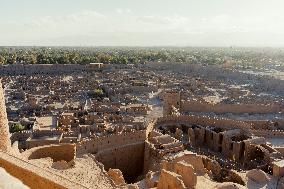
A general view shows the adobe ruins and restored structures of the Arg-e Bam citadel in Bam, Iran on December 14, 2025. Arg-e Bam, a UNESCO World Heritage Site, is the largest adobe structure in the world and dates back to at least the Achaemenid period, having served for centuries as a fortified city and a key hub along Silk Road trade routes before being largely destroyed in a 2003 earthquake and subsequently restored. Photo by Bahram/Middle East Images/ABACAPRESS.COM

  •  
Arg-e Bam Citadel - Iran

Arg-e Bam Citadel - Iran

A general view shows the adobe ruins and restored structures of the Arg-e Bam citadel in Bam, Iran on December 14, 2025. Arg-e Bam, a UNESCO World Heritage Site, is the largest adobe structure in the world and dates back to at least the Achaemenid period, having served for centuries as a fortified city and a key hub along Silk Road trade routes before being largely destroyed in a 2003 earthquake and subsequently restored. Photo by Bahram/Middle East Images/ABACAPRESS.COM

  •  
Arg-e Bam Citadel - Iran

Arg-e Bam Citadel - Iran

A general view shows the adobe ruins and restored structures of the Arg-e Bam citadel in Bam, Iran on December 14, 2025. Arg-e Bam, a UNESCO World Heritage Site, is the largest adobe structure in the world and dates back to at least the Achaemenid period, having served for centuries as a fortified city and a key hub along Silk Road trade routes before being largely destroyed in a 2003 earthquake and subsequently restored. Photo by Bahram/Middle East Images/ABACAPRESS.COM

  •  
Ungersheim Village - France

Ungersheim Village - France

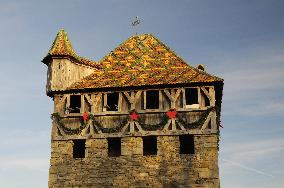
FRANCE. HAUT-RHIN (68). UNGERSHEIM. ALSACE ECOMUSEUM. FORTIFIED HOUSE Photo by Jean Isenmann/Only France/ABACAPRESS.COM

  •  
Illustration - Alsace

Illustration - Alsace

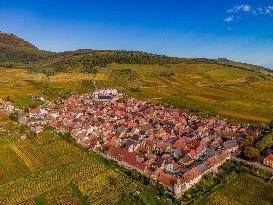
FRANCE. ALSACE. HAUT-RHIN (68) AERIAL VIEW OF THE VILLAGE OF SAINT-HIPPOLYTE, SURROUNDED BY ITS MEDIEVAL RAMPARTS. SAINT-HIPPOLYTE REVEALS ITS FORTIFIED REMAINS ? A GIFT FROM THE DUKE OF LORRAINE IN 1316 ? WHICH BLEND HARMONIOUSLY WITH THE VINEYARDS THAT SURROUND IT. Photo by Vincent Schneider/Only France/ABACAPRESS.COM

  •  
Illustration - Corse du Sud - France

Illustration - Corse du Sud - France

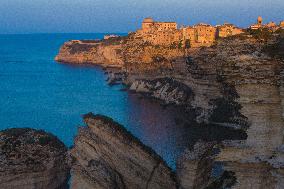
FRANCE. CORSE DU SUD (2A) EXTREME SOUTH REGION. BONIFACIO. THE CITADEL. PERCHED ON CLIFFS OVER 60 METERS HIGH, THE CITADEL HAS STOOD SENTINEL OVER THE MEDITERRANEAN FOR THOUSANDS OF YEARS. 25 MILLION YEARS OLD, COMPRESSED LIMESTONE STRATA HAVE CREATED A STRATEGIC ROCKY OUTCROP ON WHICH MAN FIRST SET UP SURVEILLANCE POINTS, AND THEN A FORTIFIED TOWN. Photo by Stephane Frances/Only France/ABACAPRESS.COM

  •  
Fujian Fortified Manors - China

Fujian Fortified Manors - China

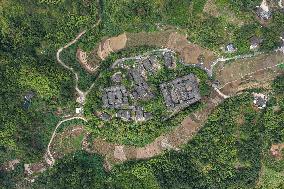
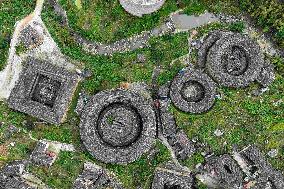
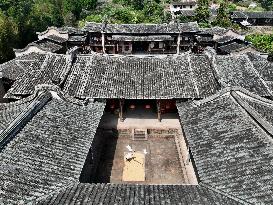
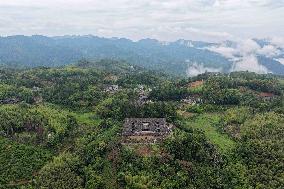
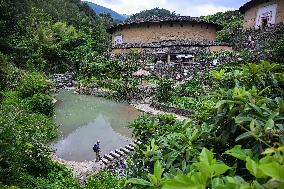
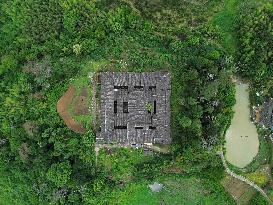
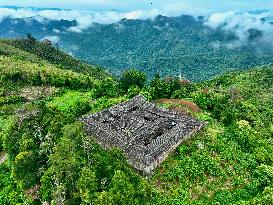
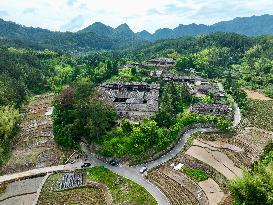
An aerial drone photo taken on May 20, 2025 shows Zhutou Manor in Yongtai County, southeast China's Fujian Province. Nestled in the Daiyun Mountain like scattered pearls, over 2,000 fortified manors in Yongtai County trace their origins to the Tang Dynasty 618-907 AD), flourishing later during the Ming 1368-1644) and Qing 1644-1911) eras. Today, increasing numbers of ancient manors and villages are being protected and revitalized. As historical heritage integrates with contemporary life and cultural landscapes merge with humanistic values, these age-old structures are radiating renewed vitality. Photo by Zhang Keren/Xinhua/ABACAPRESS.COM

  •  
Fujian Fortified Manors - China

Fujian Fortified Manors - China

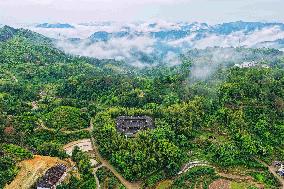
An aerial drone photo taken on May 20, 2025 shows Beishan Manor in Yongtai County, southeast China's Fujian Province. Nestled in the Daiyun Mountain like scattered pearls, over 2,000 fortified manors in Yongtai County trace their origins to the Tang Dynasty 618-907 AD), flourishing later during the Ming 1368-1644) and Qing 1644-1911) eras. Today, increasing numbers of ancient manors and villages are being protected and revitalized. As historical heritage integrates with contemporary life and cultural landscapes merge with humanistic values, these age-old structures are radiating renewed vitality. Photo by Zhang Keren/Xinhua/ABACAPRESS.COM

  •  
Fujian Fortified Manors - China

Fujian Fortified Manors - China

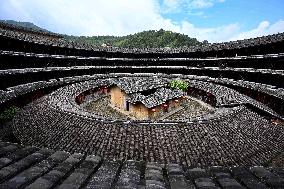
An aerial drone photo taken on May 21, 2025 shows a Tulou among mountains in Longyan, southeast China's Fujian Province. Fujian Tulou, the unique residential architecture of Fujian Province constructed between the 15th and 20th centuries, was inscribed on the UNESCO's World Heritage List in 2008. Set amongst rice, tea and tobacco fields, Tulou is earthen house. Several storeys high, it was built along an inward-looking, circular or square floor plan as housing for up to 800 people each. Tulou was built for defence purposes around a central open courtyard with only one entrance and windows to the outside only above the first floor. Housing a whole clan, Tulou functioned as village units and was known as "a little kingdom for the family" or "bustling small city." Photo by Wang Zecong/Xinhua/ABACAPRESS.COM

  •  
Fujian Fortified Manors - China

Fujian Fortified Manors - China

An aerial drone photo taken on May 22, 2025 shows the Chuxi Tulou Cluster in Longyan, southeast China's Fujian Province. Fujian Tulou, the unique residential architecture of Fujian Province constructed between the 15th and 20th centuries, was inscribed on the UNESCO's World Heritage List in 2008. Set amongst rice, tea and tobacco fields, Tulou is earthen house. Several storeys high, it was built along an inward-looking, circular or square floor plan as housing for up to 800 people each. Tulou was built for defence purposes around a central open courtyard with only one entrance and windows to the outside only above the first floor. Housing a whole clan, Tulou functioned as village units and was known as "a little kingdom for the family" or "bustling small city." Photo by Zhang Keren/Xinhua/ABACAPRESS.COM

  •  
Fujian Fortified Manors - China

Fujian Fortified Manors - China

A resident spreads out unhusked rice to dry in Zhutou Manor in Yongtai County, southeast China's Fujian Province, on Octobre 2, 2023. Nestled in the Daiyun Mountain like scattered pearls, over 2,000 fortified manors in Yongtai County trace their origins to the Tang Dynasty 618-907 AD), flourishing later during the Ming 1368-1644) and Qing 1644-1911) eras. Today, increasing numbers of ancient manors and villages are being protected and revitalized. As historical heritage integrates with contemporary life and cultural landscapes merge with humanistic values, these age-old structures are radiating renewed vitality. Photo by Jiang Kehong/Xinhua/ABACAPRESS.COM

  •  
Fujian Fortified Manors - China

Fujian Fortified Manors - China

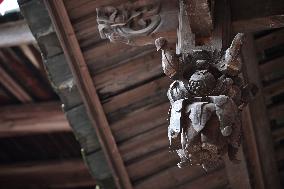
This photo taken on May 20, 2025 shows timber structural elements of a fortified manor in Yongtai County, southeast China's Fujian Province. Nestled in the Daiyun Mountain like scattered pearls, over 2,000 fortified manors in Yongtai County trace their origins to the Tang Dynasty 618-907 AD), flourishing later during the Ming 1368-1644) and Qing 1644-1911) eras. Today, increasing numbers of ancient manors and villages are being protected and revitalized. As historical heritage integrates with contemporary life and cultural landscapes merge with humanistic values, these age-old structures are radiating renewed vitality. Photo by Wang Zecong/Xinhua/ABACAPRESS.COM

  •  
Fujian Fortified Manors - China

Fujian Fortified Manors - China

An aerial drone photo taken on May 20, 2025 shows Hecheng Manor in Yongtai County, southeast China's Fujian Province. Nestled in the Daiyun Mountain like scattered pearls, over 2,000 fortified manors in Yongtai County trace their origins to the Tang Dynasty 618-907 AD), flourishing later during the Ming 1368-1644) and Qing 1644-1911) eras. Today, increasing numbers of ancient manors and villages are being protected and revitalized. As historical heritage integrates with contemporary life and cultural landscapes merge with humanistic values, these age-old structures are radiating renewed vitality. Photo by Zhang Keren/Xinhua/ABACAPRESS.COM

  •  
Fujian Fortified Manors - China

Fujian Fortified Manors - China

A tourist visits the Chuxi Tulou Cluster in Longyan, southeast China's Fujian Province, May 22, 2025. Fujian Tulou, the unique residential architecture of Fujian Province constructed between the 15th and 20th centuries, was inscribed on the UNESCO's World Heritage List in 2008. Set amongst rice, tea and tobacco fields, Tulou is earthen house. Several storeys high, it was built along an inward-looking, circular or square floor plan as housing for up to 800 people each. Tulou was built for defence purposes around a central open courtyard with only one entrance and windows to the outside only above the first floor. Housing a whole clan, Tulou functioned as village units and was known as "a little kingdom for the family" or "bustling small city." Photo by Wang Zecong/Xinhua/ABACAPRESS.COM

  •  
Fujian Fortified Manors - China

Fujian Fortified Manors - China

An aerial drone photo taken on May 20, 2025 shows Hecheng Manor in Yongtai County, southeast China's Fujian Province. Nestled in the Daiyun Mountain like scattered pearls, over 2,000 fortified manors in Yongtai County trace their origins to the Tang Dynasty 618-907 AD), flourishing later during the Ming 1368-1644) and Qing 1644-1911) eras. Today, increasing numbers of ancient manors and villages are being protected and revitalized. As historical heritage integrates with contemporary life and cultural landscapes merge with humanistic values, these age-old structures are radiating renewed vitality. Photo by Wang Zecong/Xinhua/ABACAPRESS.COM

  •  
Fujian Fortified Manors - China

Fujian Fortified Manors - China

This photo taken on May 22, 2025 shows an interior view of the Jiqing Tulou in Longyan, southeast China's Fujian Province. Fujian Tulou, the unique residential architecture of Fujian Province constructed between the 15th and 20th centuries, was inscribed on the UNESCO's World Heritage List in 2008. Set amongst rice, tea and tobacco fields, Tulou is earthen house. Several storeys high, it was built along an inward-looking, circular or square floor plan as housing for up to 800 people each. Tulou was built for defence purposes around a central open courtyard with only one entrance and windows to the outside only above the first floor. Housing a whole clan, Tulou functioned as village units and was known as "a little kingdom for the family" or "bustling small city." Photo by Jiang Kehong/Xinhua/ABACAPRESS.COM

  •  
Fujian Fortified Manors - China

Fujian Fortified Manors - China

An aerial photo taken on May 20, 2025 shows Hecheng Manor in Yongtai County, southeast China's Fujian Province. Nestled in the Daiyun Mountain like scattered pearls, over 2,000 fortified manors in Yongtai County trace their origins to the Tang Dynasty 618-907 AD), flourishing later during the Ming 1368-1644) and Qing 1644-1911) eras. Today, increasing numbers of ancient manors and villages are being protected and revitalized. As historical heritage integrates with contemporary life and cultural landscapes merge with humanistic values, these age-old structures are radiating renewed vitality. Photo by Jiang Kehong/Xinhua/ABACAPRESS.COM

  •  
Fujian Fortified Manors - China

Fujian Fortified Manors - China

An aerial drone photo taken on May 21, 2025 shows the Chengqi Tulou in Longyan, southeast China's Fujian Province. Fujian Tulou, the unique residential architecture of Fujian Province constructed between the 15th and 20th centuries, was inscribed on the UNESCO's World Heritage List in 2008. Set amongst rice, tea and tobacco fields, Tulou is earthen house. Several storeys high, it was built along an inward-looking, circular or square floor plan as housing for up to 800 people each. Tulou was built for defence purposes around a central open courtyard with only one entrance and windows to the outside only above the first floor. Housing a whole clan, Tulou functioned as village units and was known as "a little kingdom for the family" or "bustling small city." Photo by Jiang Kehong/Xinhua/ABACAPRESS.COM

  •  
Fujian Fortified Manors - China

Fujian Fortified Manors - China

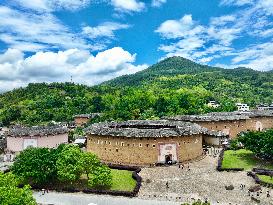
An aerial photo taken on May 20, 2025 shows Zhutou Manor in Yongtai County, southeast China's Fujian Province. Nestled in the Daiyun Mountain like scattered pearls, over 2,000 fortified manors in Yongtai County trace their origins to the Tang Dynasty 618-907 AD), flourishing later during the Ming 1368-1644) and Qing 1644-1911) eras. Today, increasing numbers of ancient manors and villages are being protected and revitalized. As historical heritage integrates with contemporary life and cultural landscapes merge with humanistic values, these age-old structures are radiating renewed vitality. Photo by Jiang Kehong/Xinhua/ABACAPRESS.COM

  •  
Illustration - Loire Valley

Illustration - Loire Valley

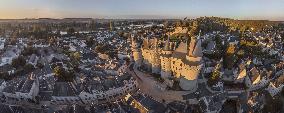
INDRE ET LOIRE (37) CHATEAU DE LANGEAIS. AERIAL VIEW FROM THE NORTH, IN THE RISING SUN. IN THE BACKGROUND ON THE LEFT, THE OLDEST KEEP IN FRANCE, BUILT BY FOULQUES NERRA, COUNT OF ANJOU, IN 994. COMMISSIONED BY KING LOUIS XI IN 1465, ITS ARCHITECTURE REPRESENTS A TRANSITION BETWEEN THE MIDDLE AGES AND THE RENAISSANCE: ON ONE SIDE, AN IMPRESSIVE FORTIFIED FACADE, WITH ITS LARGE TOWERS, COVERED WALKWAY AND DRAWBRIDGE. ON THE OTHER, A COURTYARD FACADE WITH NUMEROUS SCULPTED WINDOWS OPENING ONTO THE GARDENS. Photo by Stephane Compoint/Only France/ABACAPRESS.COM

  •  
Illustration - Summer Activities

Illustration - Summer Activities

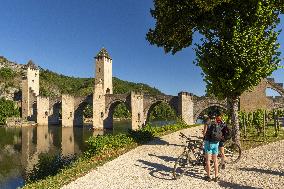
FRANCE. LOT (46) CAHORS. THE VALENTRE BRIDGE (14TH CENTURY), LISTED AS A UNESCO WORLD HERITAGE SITE. A RARE EXAMPLE OF FRENCH MILITARY ARCHITECTURE FROM THIS PERIOD, AND ONE OF THE FINEST FORTIFIED MEDIEVAL BRIDGES STILL IN PLACE. IT IS ALSO ONE OF THE IMPORTANT STAGES OF THE ROAD TO SAINT JACQUES DE COMPOSTELA Photo by Bernard Jaubert/Only France/ABACAPRESS.COM

  •  
Illustration - The Alps in Summer

Illustration - The Alps in Summer

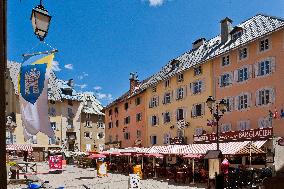
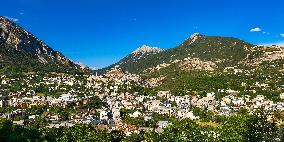
FRANCE. HAUTES-ALPES (05) BRIANCON, A TOWN OF ART AND HISTORY FORTIFIED BY VAUBAN. ITS FORTIFICATIONS ARE A UNESCO WORLD HERITAGE SITE. Photo by Bertrand Bodin/Only France/ABACAPRESS.COM

  •  
Illustration - The Alps in Summer

Illustration - The Alps in Summer

FRANCE. HAUTES-ALPES (05) A WATCHTOWER AND THE COLLEGIATE CHURCH IN BRIANCON, A TOWN OF ART AND HISTORY FORTIFIED BY VAUBAN. ITS FORTIFICATIONS ARE A UNESCO WORLD HERITAGE SITE, Photo by Bertrand Bodin/Only France/ABACAPRESS.COM

  •  
Illustration - The Alps in Summer

Illustration - The Alps in Summer

FRANCE. HAUTES-ALPES (05) BRIANCON, A TOWN OF ART AND HISTORY FORTIFIED BY VAUBAN (UNESCO WORLD HERITAGE SITE) Photo by Bertrand Bodin/Only France/ABACAPRESS.COM

  •  
Illustration - The Alps in Summer

Illustration - The Alps in Summer

FRANCE. HAUTES-ALPES (05) BRIANCON VALLEY, 1350M ALTITUDE, A TOWN OF ART AND HISTORY FORTIFIED BY VAUBAN, VAUBAN'S FORTIFICATIONS ARE A UNESCO WORLD HERITAGE SITE. Photo by Bertrand Bodin/Only France/ABACAPRESS.COM

  •  
Illustration - The Alps in Summer

Illustration - The Alps in Summer

FRANCE. ISERE (38) CHARTREUSE REGIONAL NATURE PARK. CHATEAU DU TOUVET IS A FORMER 13TH-CENTURY FORTIFIED CASTLE. WITH ITS WALLED GARDEN, EXPERTLY PRUNED BOXWOOD AND YEW TREES, ROSE GARDEN, PONDS AND FOUNTAINS, THE CHATEAU AND ITS FORMAL GARDENS (AWARDED THE REMARKABLE GARDEN LABEL) ARE LISTED AS HISTORIC MONUMENTS. Photo by Bertrand Bodin/Only France/ABACAPRESS.COM

  •  
Illustration - The Alps in Summer

Illustration - The Alps in Summer

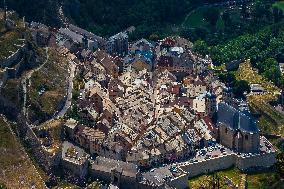
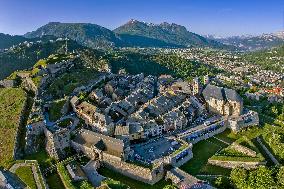
FRANCE. HAUTES ALPES (05) BRIANCON. AERIAL VIEW OF THE FORTIFIED HISTORIC TOWN CENTRE. THE CITY WALLS, THE FORTS OF SALETTES, TROIS TETES AND RANDOUILLET. ON THE RIGHT, THE COLLEGIALE (CHURCH). FROM 1713, THE VAUBAN PROJECT, AT THE INTERSECTION OF THE FIVE VALLEYS ARRANGED IN A STAR SHAPE, SOUGHT TO OVERHANG THE HEIGHTS OF THE TOWN WITH FORTS. Photo by Stephane Compoint/Only France/ABACAPRESS.COM

  •  
Illustration - Aerial View of France

Illustration - Aerial View of France

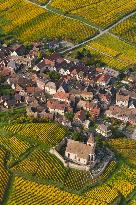
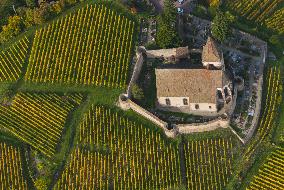
FRANCE, HAUT RHIN (68), WINES ROAD, VILLAGE OF HUNAWIHR, FORTIFIED CHURCH OF SAINT JACQUES LE MAJEUR (AERIAL VIEW) Photo by Thierry Grun/Only France/ABACAPRESS.COM

  •  
Illustration - Aerial View of France

Illustration - Aerial View of France

FRANCE, HAUT RHIN (68), WINES ROAD, VILLAGE OF HUNAWIHR, FORTIFIED CHURCH OF SAINT JACQUES LE MAJEUR (AERIAL VIEW) Photo by Thierry Grun/Only France/ABACAPRESS.COM

  •  
Illustration - Aerial View of France

Illustration - Aerial View of France

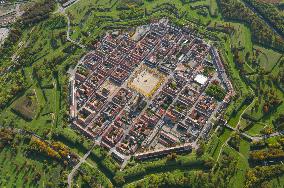
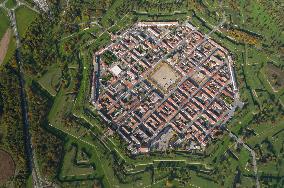
FRANCE, HAUT RHIN (68), NEUF-BRISACH TOWN CLASSIFIED UNESCO WORLD HERITAGE SITE, TOWN FORTIFIED DESOIGNED BY VAUBAN (AERIAL VIEW) Photo by Thierry Grun/Only France/ABACAPRESS.COM

  •  
Illustration - Aerial View of France

Illustration - Aerial View of France

FRANCE, HAUT RHIN (68), NEUF-BRISACH TOWN CLASSIFIED UNESCO WORLD HERITAGE SITE, TOWN FORTIFIED DESOIGNED BY VAUBAN (AERIAL VIEW) Photo by Thierry Grun/Only France/ABACAPRESS.COM

  •  
Illustration - Aerial View of France

Illustration - Aerial View of France

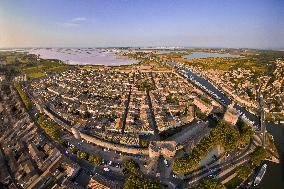
FRANCE. GARD (30) AIGUES MORTES. AERIAL VIEW. CANALS OF THE FORTIFIED TOWN. Photo by Stephane Compoint/Only France/ABACAPRESS.COM

  •  
Illustration - Aerial View of France

Illustration - Aerial View of France

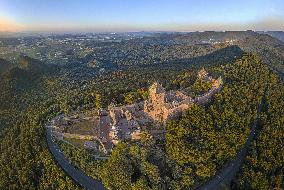
FRANCE. ALSACE. BAS RHIN (67) HAUT KOENIGSBOURG CASTLE. OVERLOOKING THE PLAIN, THIS IS THE BEST-KNOWN FORTIFIED CASTLE IN ALSACE AND ONE OF THE REGION'S MOST VISITED MONUMENTS. DATING BACK TO THE 12TH CENTURY, THE BUILDING UNDERWENT MAJOR ALTERATIONS IN THE 15TH CENTURY AND WAS COMPLETELY RESTORED AT THE REQUEST OF EMPEROR WILHELM II FROM 1900 ONWARDS. IN THE MIDDLE AGES, THE HIGHEST POINT ON WHICH THE CASTLE STANDS WAS USED TO KEEP WATCH OVER ALL THE WINE, WHEAT AND SALT ROUTES CROSSING ALSACE. A 270 M LONG FORTRESS PERCHED ALMOST 800 M HIGH, IT IS NEITHER A MIRAGE NOR A ?GRANDE ILLUSION?, TO REFER TO THE FILM SHOT BY JEAN RENOIR IN 1937, BUT A MONUMENT THAT CANNOT BE IGNORED. ON THE RIGHT, THE VOSGES MOUNTAINS. Photo by Stephane Compoint/Only France/ABACAPRESS.COM

  •  
Illustration - Aerial View of France

Illustration - Aerial View of France

INDRE ET LOIRE (37) CHATEAU DE LANGEAIS. AERIAL VIEW FROM THE NORTH, IN THE RISING SUN. IN THE BACKGROUND ON THE LEFT, THE OLDEST KEEP IN FRANCE, BUILT BY FOULQUES NERRA, COUNT OF ANJOU, IN 994. COMMISSIONED BY KING LOUIS XI IN 1465, ITS ARCHITECTURE REPRESENTS A TRANSITION BETWEEN THE MIDDLE AGES AND THE RENAISSANCE: ON ONE SIDE, AN IMPRESSIVE FORTIFIED FACADE, WITH ITS LARGE TOWERS, COVERED WALKWAY AND DRAWBRIDGE. ON THE OTHER, A COURTYARD FACADE WITH NUMEROUS SCULPTED WINDOWS OPENING ONTO THE GARDENS. Photo by Stephane Compoint/Only France/ABACAPRESS.COM

  •  
Illustration - Aerial View of France

Illustration - Aerial View of France

INDRE ET LOIRE (37) CHATEAU DE LANGEAIS. AERIAL VIEW FROM THE NORTH, IN THE RISING SUN. IN THE BACKGROUND ON THE LEFT, THE OLDEST KEEP IN FRANCE, BUILT BY FOULQUES NERRA, COUNT OF ANJOU, IN 994. COMMISSIONED BY KING LOUIS XI IN 1465, ITS ARCHITECTURE REPRESENTS A TRANSITION BETWEEN THE MIDDLE AGES AND THE RENAISSANCE: ON ONE SIDE, AN IMPRESSIVE FORTIFIED FACADE, WITH ITS LARGE TOWERS, COVERED WALKWAY AND DRAWBRIDGE. ON THE OTHER, A COURTYARD FACADE WITH NUMEROUS SCULPTED WINDOWS OPENING ONTO THE GARDENS. Photo by Stephane Compoint/Only France/ABACAPRESS.COM

  • Main
  • Top
  • Editorial
  • Creative
  • About Us
  • About ILG
  • Terms of use
  • Company
  • BEHIND
  • Price List
  • Single Plan
  • Monthly Plan
  • Services
  • Shooting
  • Rights Clearance
  • Support
  • FAQ
  • How To Buy
  • Contact Us
  • Become a Partner

© KYODO NEWS IMAGES INC

All Rights Reserved.

  • Editorial
  • Olympics
  • News
  • Sports
  • Japan
  • Tech
  • Royal
  • Disaster
  • NorthKorea
  • Old Japan
  • SNS
  • Creative
  • Food
  • Japan
  • Landscape
  • Animal
  • Popular
  • #Ukraine
  • #Russia
  • #coronavirus
  • #N. Korea
  • #Thailand
  • #China
  • #Ukraine
  • #Russia
  • #coronavirus
  • #N. Korea
  • #Thailand
  • #China
  • Food
  • Japan
  • Landscape
  • Animal
  • Olympics
  • News
  • Sports
  • Japan
  • Tech
  • Royal
  • Disaster
  • NorthKorea
  • Old Japan
  • SNS