•  
Grand Egyptian Museum Opening - Giza

Grand Egyptian Museum Opening - Giza

This photo taken on November 4, 2025 shows funerary couches exhibited at the King Tutankhamun exhibition hall of the Grand Egyptian Museum in Giza, Egypt. The Grand Egyptian Museum (GEM) , the world's largest museum dedicated to a single civilization, opened to the public on Tuesday. Photo by Xinhua/Sui Xiankai/ABACAPRESS.COM

  •  
Illustration - Aerial Rome - Italy

Illustration - Aerial Rome - Italy

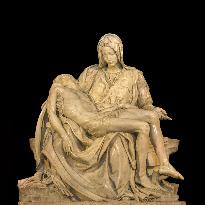
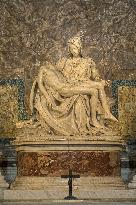
ITALY - ROMA - VATICAN - INTERIOR OF ST. PETER'S BASILICA - PHOTO POINT 3 : LA PIETA, MADE BY MICHELANGELO AT THE AGE OF 25. HE WAS SO PROUD THAT HE INSCRIBED IN LATIN ON THE BANDAGE WHICH CROSSES THE BREAST OF THE VIRGIN: "MICHEL ANGELO BUONARROTI, OF FLORENCE, DID IT." THIS IS THE ONLY WORK HE HAS SIGNED. IT COMES FROM A 1497 COMMISSION OF JEAN BILHERES DE LAGRAULAS, CARDINAL AND AMBASSADOR OF FRANCE TO THE POPE. IT WAS INTENDED TO ADORN THE FUNERARY MONUMENT OF THE CARDINAL IN THE CHAPEL OF THE KINGS OF FRANCE, ST. PETRONILLE, OF THE OLD BASILICA OF ST. PETER. ON MAY 21, 1972, SHE WAS BRUTALLY MUTILATED WITH A HAMMER BY A HUNGARIAN IMBALANCE, LAZLO TOTH. THE RESTORATION WORKS SHOW ON THE LEFT HAND OF THE VIRGIN THE MONOGRAM OF MICHELANGELO, REMAINED HIDDEN FOR NEARLY 500 YEARS: AN "M" DRAWN ON THE PALM WITH THE LINES OF THE HAND. SINCE THEN, THE SCULPTURE IS PROTECTED BY AN ARMORED GLASS. Photo by Stephane Compoint/Only World/ABACAPRESS.COM

  •  
Illustration - Aerial Rome - Italy

Illustration - Aerial Rome - Italy

ITALY - ROMA - VATICAN - INTERIOR OF ST. PETER'S BASILICA - PHOTO POINT 3 : LA PIETA, MADE BY MICHELANGELO AT THE AGE OF 25. HE WAS SO PROUD THAT HE INSCRIBED IN LATIN ON THE BANDAGE WHICH CROSSES THE BREAST OF THE VIRGIN: "MICHEL ANGELO BUONARROTI, OF FLORENCE, DID IT." THIS IS THE ONLY WORK HE HAS SIGNED. IT COMES FROM A 1497 COMMISSION OF JEAN BILHERES DE LAGRAULAS, CARDINAL AND AMBASSADOR OF FRANCE TO THE POPE. IT WAS INTENDED TO ADORN THE FUNERARY MONUMENT OF THE CARDINAL IN THE CHAPEL OF THE KINGS OF FRANCE, ST. PETRONILLE, OF THE OLD BASILICA OF ST. PETER. ON MAY 21, 1972, SHE WAS BRUTALLY MUTILATED WITH A HAMMER BY A HUNGARIAN IMBALANCE, LAZLO TOTH. THE RESTORATION WORKS SHOW ON THE LEFT HAND OF THE VIRGIN THE MONOGRAM OF MICHELANGELO, REMAINED HIDDEN FOR NEARLY 500 YEARS: AN "M" DRAWN ON THE PALM WITH THE LINES OF THE HAND. SINCE THEN, THE SCULPTURE IS PROTECTED BY AN ARMORED GLASS. Photo by Stephane Compoint/Only World/ABACAPRESS.COM

  •  
Illustration -  St. Peter s Basilica

Illustration - St. Peter s Basilica

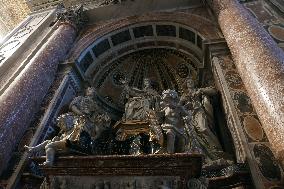
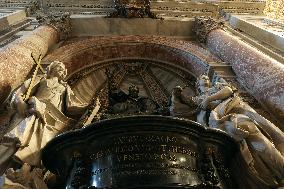
Funerary monument of Pope Clement XIII (Clemens XIII), St. Peter's Basilica in the Vatican, on May 2, 2025 at the Vatican. Photo by Christophe Michel/ABACAPRESS.COM

  •  
Illustration -  St. Peter s Basilica

Illustration - St. Peter s Basilica

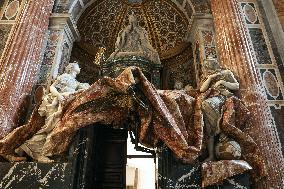
Funerary monument of Pope Alexander VII in St. Peter's Basilica, on May 2, 2025 at the Vatican. Photo by Christophe Michel/ABACAPRESS.COM

  •  
Illustration -  St. Peter s Basilica

Illustration - St. Peter s Basilica

Funerary monument of Pope Alexander VIII Ottoboni, located in St. Peter's Basilica in the Vatican, on May 2, 2025 at the Vatican. Photo by Christophe Michel/ABACAPRESS.COM

  •  
Cemeteries Of Interest In Spain

Cemeteries Of Interest In Spain

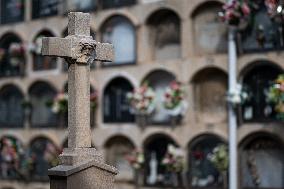
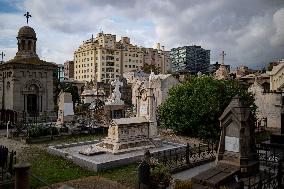
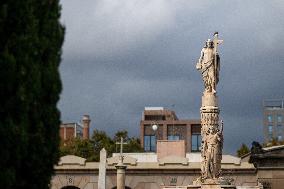
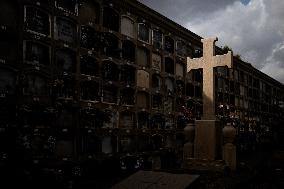
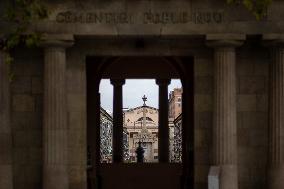
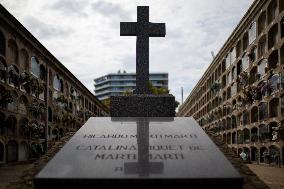
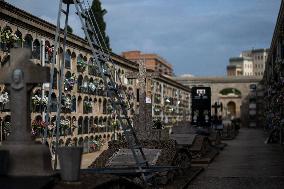
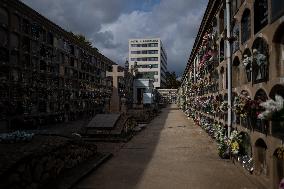
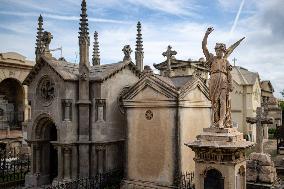
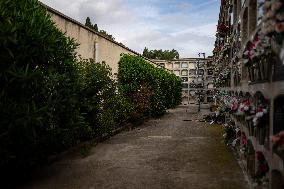
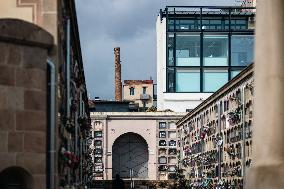
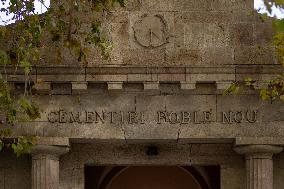
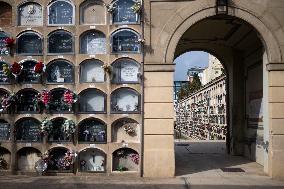
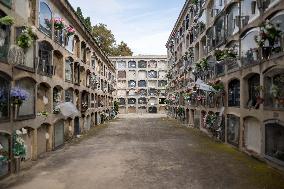
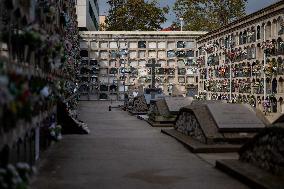
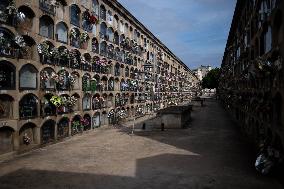
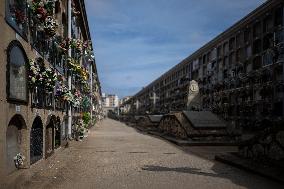
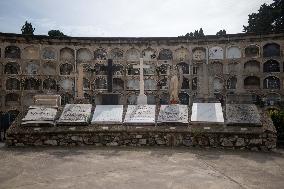
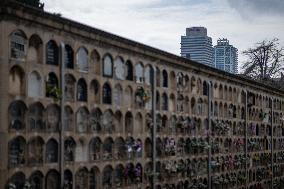
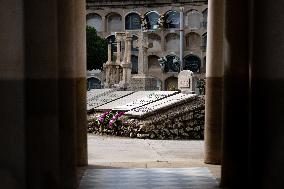
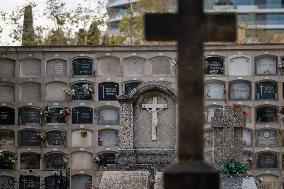
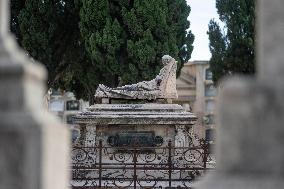
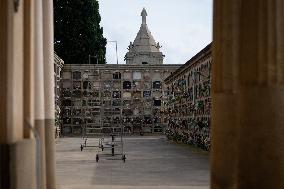
Cemetery in the Poblenou neighborhood, on October 25, 2024, in Barcelona, Catalonia (Spain). The cemetery is a funerary museum full of sculptures. It is a work of the Italian architect Antonio Ginesi, and was the result of the reconstruction that took place in 1819, after the destruction suffered by the old cemetery of the East in 1775. Photo by Lorena Sopena/Europa Press/ABACAPRESS.COM

  •  
Cemeteries Of Interest In Spain

Cemeteries Of Interest In Spain

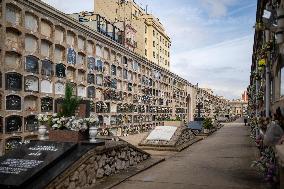
Cemetery in the Poblenou neighborhood, on October 25, 2024, in Barcelona, Catalonia (Spain). The cemetery is a funerary museum full of sculptures. It is a work of the Italian architect Antonio Ginesi, and was the result of the reconstruction that took place in 1819, after the destruction suffered by the old cemetery of the East in 1775. Photo by Lorena Sopena/Europa Press/ABACAPRESS.COM

  •  
Cemeteries Of Interest In Spain

Cemeteries Of Interest In Spain

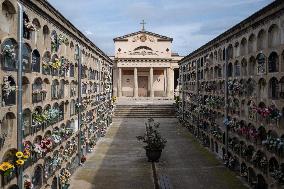
Cemetery in the Poblenou neighborhood, on October 25, 2024, in Barcelona, Catalonia (Spain). The cemetery is a funerary museum full of sculptures. It is a work of the Italian architect Antonio Ginesi, and was the result of the reconstruction that took place in 1819, after the destruction suffered by the old cemetery of the East in 1775. Photo by Lorena Sopena/Europa Press/ABACAPRESS.COM

  •  
Cemeteries Of Interest In Spain

Cemeteries Of Interest In Spain

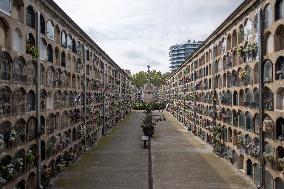
Cemetery in the Poblenou neighborhood, on October 25, 2024, in Barcelona, Catalonia (Spain). The cemetery is a funerary museum full of sculptures. It is a work of the Italian architect Antonio Ginesi, and was the result of the reconstruction that took place in 1819, after the destruction suffered by the old cemetery of the East in 1775. Photo by Lorena Sopena/Europa Press/ABACAPRESS.COM

  •  
Cemeteries Of Interest In Spain

Cemeteries Of Interest In Spain

Cemetery in the Poblenou neighborhood, on October 25, 2024, in Barcelona, Catalonia (Spain). The cemetery is a funerary museum full of sculptures. It is a work of the Italian architect Antonio Ginesi, and was the result of the reconstruction that took place in 1819, after the destruction suffered by the old cemetery of the East in 1775. Photo by Lorena Sopena/Europa Press/ABACAPRESS.COM

  •  
Cemeteries Of Interest In Spain

Cemeteries Of Interest In Spain

Cemetery in the Poblenou neighborhood, on October 25, 2024, in Barcelona, Catalonia (Spain). The cemetery is a funerary museum full of sculptures. It is a work of the Italian architect Antonio Ginesi, and was the result of the reconstruction that took place in 1819, after the destruction suffered by the old cemetery of the East in 1775. Photo by Lorena Sopena/Europa Press/ABACAPRESS.COM

  •  
Cemeteries Of Interest In Spain

Cemeteries Of Interest In Spain

Cemetery in the Poblenou neighborhood, on October 25, 2024, in Barcelona, Catalonia (Spain). The cemetery is a funerary museum full of sculptures. It is a work of the Italian architect Antonio Ginesi, and was the result of the reconstruction that took place in 1819, after the destruction suffered by the old cemetery of the East in 1775. Photo by Lorena Sopena/Europa Press/ABACAPRESS.COM

  •  
Cemeteries Of Interest In Spain

Cemeteries Of Interest In Spain

Cemetery in the Poblenou neighborhood, on October 25, 2024, in Barcelona, Catalonia (Spain). The cemetery is a funerary museum full of sculptures. It is a work of the Italian architect Antonio Ginesi, and was the result of the reconstruction that took place in 1819, after the destruction suffered by the old cemetery of the East in 1775. Photo by Lorena Sopena/Europa Press/ABACAPRESS.COM

  •  
Cemeteries Of Interest In Spain

Cemeteries Of Interest In Spain

Cemetery in the Poblenou neighborhood, on October 25, 2024, in Barcelona, Catalonia (Spain). The cemetery is a funerary museum full of sculptures. It is a work of the Italian architect Antonio Ginesi, and was the result of the reconstruction that took place in 1819, after the destruction suffered by the old cemetery of the East in 1775. Photo by Lorena Sopena/Europa Press/ABACAPRESS.COM

  •  
Cemeteries Of Interest In Spain

Cemeteries Of Interest In Spain

Cemetery in the Poblenou neighborhood, on October 25, 2024, in Barcelona, Catalonia (Spain). The cemetery is a funerary museum full of sculptures. It is a work of the Italian architect Antonio Ginesi, and was the result of the reconstruction that took place in 1819, after the destruction suffered by the old cemetery of the East in 1775. Photo by Lorena Sopena/Europa Press/ABACAPRESS.COM

  •  
Cemeteries Of Interest In Spain

Cemeteries Of Interest In Spain

Cemetery in the Poblenou neighborhood, on October 25, 2024, in Barcelona, Catalonia (Spain). The cemetery is a funerary museum full of sculptures. It is a work of the Italian architect Antonio Ginesi, and was the result of the reconstruction that took place in 1819, after the destruction suffered by the old cemetery of the East in 1775. Photo by Lorena Sopena/Europa Press/ABACAPRESS.COM

  •  
Cemeteries Of Interest In Spain

Cemeteries Of Interest In Spain

Cemetery in the Poblenou neighborhood, on October 25, 2024, in Barcelona, Catalonia (Spain). The cemetery is a funerary museum full of sculptures. It is a work of the Italian architect Antonio Ginesi, and was the result of the reconstruction that took place in 1819, after the destruction suffered by the old cemetery of the East in 1775. Photo by Lorena Sopena/Europa Press/ABACAPRESS.COM

  •  
Cemeteries Of Interest In Spain

Cemeteries Of Interest In Spain

Cemetery in the Poblenou neighborhood, on October 25, 2024, in Barcelona, Catalonia (Spain). The cemetery is a funerary museum full of sculptures. It is a work of the Italian architect Antonio Ginesi, and was the result of the reconstruction that took place in 1819, after the destruction suffered by the old cemetery of the East in 1775. Photo by Lorena Sopena/Europa Press/ABACAPRESS.COM

  •  
Cemeteries Of Interest In Spain

Cemeteries Of Interest In Spain

Cemetery in the Poblenou neighborhood, on October 25, 2024, in Barcelona, Catalonia (Spain). The cemetery is a funerary museum full of sculptures. It is a work of the Italian architect Antonio Ginesi, and was the result of the reconstruction that took place in 1819, after the destruction suffered by the old cemetery of the East in 1775. Photo by Lorena Sopena/Europa Press/ABACAPRESS.COM

  •  
Cemeteries Of Interest In Spain

Cemeteries Of Interest In Spain

Cemetery in the Poblenou neighborhood, on October 25, 2024, in Barcelona, Catalonia (Spain). The cemetery is a funerary museum full of sculptures. It is a work of the Italian architect Antonio Ginesi, and was the result of the reconstruction that took place in 1819, after the destruction suffered by the old cemetery of the East in 1775. Photo by Lorena Sopena/Europa Press/ABACAPRESS.COM

  •  
Cemeteries Of Interest In Spain

Cemeteries Of Interest In Spain

Cemetery in the Poblenou neighborhood, on October 25, 2024, in Barcelona, Catalonia (Spain). The cemetery is a funerary museum full of sculptures. It is a work of the Italian architect Antonio Ginesi, and was the result of the reconstruction that took place in 1819, after the destruction suffered by the old cemetery of the East in 1775. Photo by Lorena Sopena/Europa Press/ABACAPRESS.COM

  •  
Cemeteries Of Interest In Spain

Cemeteries Of Interest In Spain

Cemetery in the Poblenou neighborhood, on October 25, 2024, in Barcelona, Catalonia (Spain). The cemetery is a funerary museum full of sculptures. It is a work of the Italian architect Antonio Ginesi, and was the result of the reconstruction that took place in 1819, after the destruction suffered by the old cemetery of the East in 1775. Photo by Lorena Sopena/Europa Press/ABACAPRESS.COM

  •  
Cemeteries Of Interest In Spain

Cemeteries Of Interest In Spain

Cemetery in the Poblenou neighborhood, on October 25, 2024, in Barcelona, Catalonia (Spain). The cemetery is a funerary museum full of sculptures. It is a work of the Italian architect Antonio Ginesi, and was the result of the reconstruction that took place in 1819, after the destruction suffered by the old cemetery of the East in 1775. Photo by Lorena Sopena/Europa Press/ABACAPRESS.COM

  •  
Cemeteries Of Interest In Spain

Cemeteries Of Interest In Spain

Cemetery in the Poblenou neighborhood, on October 25, 2024, in Barcelona, Catalonia (Spain). The cemetery is a funerary museum full of sculptures. It is a work of the Italian architect Antonio Ginesi, and was the result of the reconstruction that took place in 1819, after the destruction suffered by the old cemetery of the East in 1775. Photo by Lorena Sopena/Europa Press/ABACAPRESS.COM

  •  
Cemeteries Of Interest In Spain

Cemeteries Of Interest In Spain

Cemetery in the Poblenou neighborhood, on October 25, 2024, in Barcelona, Catalonia (Spain). The cemetery is a funerary museum full of sculptures. It is a work of the Italian architect Antonio Ginesi, and was the result of the reconstruction that took place in 1819, after the destruction suffered by the old cemetery of the East in 1775. Photo by Lorena Sopena/Europa Press/ABACAPRESS.COM

  •  
Cemeteries Of Interest In Spain

Cemeteries Of Interest In Spain

Cemetery in the Poblenou neighborhood, on October 25, 2024, in Barcelona, Catalonia (Spain). The cemetery is a funerary museum full of sculptures. It is a work of the Italian architect Antonio Ginesi, and was the result of the reconstruction that took place in 1819, after the destruction suffered by the old cemetery of the East in 1775. Photo by Lorena Sopena/Europa Press/ABACAPRESS.COM

  •  
Cemeteries Of Interest In Spain

Cemeteries Of Interest In Spain

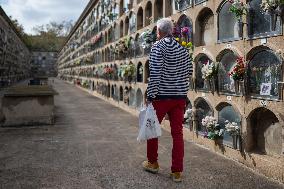
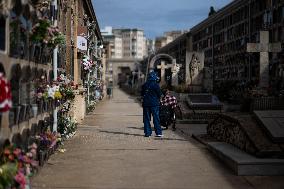
A person in the cemetery of the Poblenou neighborhood, on October 25, 2024, in Barcelona, Catalonia (Spain). The cemetery is a funerary museum full of sculptures. It is a work of the Italian architect Antonio Ginesi, and was the result of the reconstruction that took place in 1819, after the destruction of the old East cemetery in 1775. Photo by Lorena Sopena/Europa Press/ABACAPRESS.COM

  •  
Cemeteries Of Interest In Spain

Cemeteries Of Interest In Spain

Cemetery in the Poblenou neighborhood, on October 25, 2024, in Barcelona, Catalonia (Spain). The cemetery is a funerary museum full of sculptures. It is a work of the Italian architect Antonio Ginesi, and was the result of the reconstruction that took place in 1819, after the destruction suffered by the old cemetery of the East in 1775. Photo by Lorena Sopena/Europa Press/ABACAPRESS.COM

  •  
Cemeteries Of Interest In Spain

Cemeteries Of Interest In Spain

Cemetery in the Poblenou neighborhood, on October 25, 2024, in Barcelona, Catalonia (Spain). The cemetery is a funerary museum full of sculptures. It is a work of the Italian architect Antonio Ginesi, and was the result of the reconstruction that took place in 1819, after the destruction suffered by the old cemetery of the East in 1775. Photo by Lorena Sopena/Europa Press/ABACAPRESS.COM

  •  
Cemeteries Of Interest In Spain

Cemeteries Of Interest In Spain

Cemetery in the Poblenou neighborhood, on October 25, 2024, in Barcelona, Catalonia (Spain). The cemetery is a funerary museum full of sculptures. It is a work of the Italian architect Antonio Ginesi, and was the result of the reconstruction that took place in 1819, after the destruction suffered by the old cemetery of the East in 1775. Photo by Lorena Sopena/Europa Press/ABACAPRESS.COM

  •  
Cemeteries Of Interest In Spain

Cemeteries Of Interest In Spain

Cemetery in the Poblenou neighborhood, on October 25, 2024, in Barcelona, Catalonia (Spain). The cemetery is a funerary museum full of sculptures. It is a work of the Italian architect Antonio Ginesi, and was the result of the reconstruction that took place in 1819, after the destruction suffered by the old cemetery of the East in 1775. Photo by Lorena Sopena/Europa Press/ABACAPRESS.COM

  •  
Cemeteries Of Interest In Spain

Cemeteries Of Interest In Spain

A person in the cemetery of the Poblenou neighborhood, on October 25, 2024, in Barcelona, Catalonia (Spain). The cemetery is a funerary museum full of sculptures. It is a work of the Italian architect Antonio Ginesi, and was the result of the reconstruction that took place in 1819, after the destruction of the old East cemetery in 1775. Photo by Lorena Sopena/Europa Press/ABACAPRESS.COM

  •  
Cemeteries Of Interest In Spain

Cemeteries Of Interest In Spain

Cemetery in the Poblenou neighborhood, on October 25, 2024, in Barcelona, Catalonia (Spain). The cemetery is a funerary museum full of sculptures. It is a work of the Italian architect Antonio Ginesi, and was the result of the reconstruction that took place in 1819, after the destruction suffered by the old cemetery of the East in 1775. Photo by Lorena Sopena/Europa Press/ABACAPRESS.COM

  •  

Ancient noble tomb found in east China's Jiangsu

STORY: Ancient noble tomb found in east China's Jiangsu SHOOTING TIME: April 13, 2024 DATELINE: April 14, 2024 LENGTH: 00:01:53 LOCATION: ZHENJIANG, China CATEGORY: CULTURE SHOTLIST: 1. various of funerary objects of the tomb found in Zhenjiang STORYLINE: A noble tomb has been found in a cemetery dating back to the Six Dynasties period (222-589) in the city of Zhenjiang, east China's Jiangsu Province, according to the city's cultural relics and archaeology institute. The owner of the tomb, named Zhao Xuanzhi, was the uncle of an emperor during the Southern Dynasty (420-589). Archaeologists found a bronze seal in Tomb No. 6 that helps identify the owner of the tomb. "The bronze seal found in Tomb No. 6 has been confirmed as Zhao Xuanzhi's personal seal. The age of the tomb is consistent with historical records," said Li Xidong, deputy director of the city's cultural relics and archaeology institute. Twenty funerary objects were also unearthed from Tomb No. 6, mostly distributed near the altar at

  •  
Honors to Late Artist Fernando Botero at His Museum in Bogota

Honors to Late Artist Fernando Botero at His Museum in Bogota

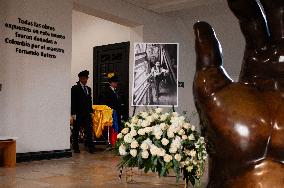
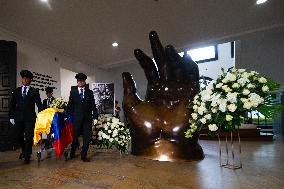
Funerary workers transport the coffin of late artist Fernando Botero during the honors to late Colombian Artist Fernando Botero at his museum 'Museo Botero' in Bogota, Colombia on September 25, 2023. Photo by: Sebastian Barros/Long Visual Press/ABACAPRESS.COM

  •  
Honors to Late Artist Fernando Botero at His Museum in Bogota

Honors to Late Artist Fernando Botero at His Museum in Bogota

Funerary workers transport the coffin of late artist Fernando Botero during the honors to late Colombian Artist Fernando Botero at his museum 'Museo Botero' in Bogota, Colombia on September 25, 2023. Photo by: Sebastian Barros/Long Visual Press/ABACAPRESS.COM

  •  
Honors to Late Artist Fernando Botero at His Museum in Bogota

Honors to Late Artist Fernando Botero at His Museum in Bogota

Funerary workers transport the coffin of late artist Fernando Botero during the honors to late Colombian Artist Fernando Botero at his museum 'Museo Botero' in Bogota, Colombia on September 25, 2023. Photo by: Sebastian Barros/Long Visual Press/ABACAPRESS.COM

  •  
Honors to Late Artist Fernando Botero at His Museum in Bogota

Honors to Late Artist Fernando Botero at His Museum in Bogota

Funerary workers transport the coffin of late artist Fernando Botero during the honors to late Colombian Artist Fernando Botero at his museum 'Museo Botero' in Bogota, Colombia on September 25, 2023. Photo by: Sebastian Barros/Long Visual Press/ABACAPRESS.COM

  •  
Talayotic culture enters the world heritage of humanity - Menorca

Talayotic culture enters the world heritage of humanity - Menorca

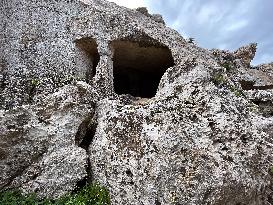
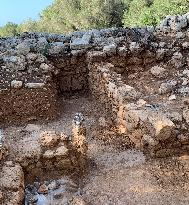
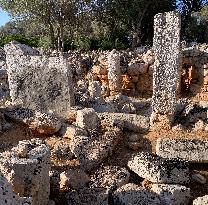
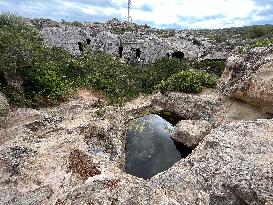
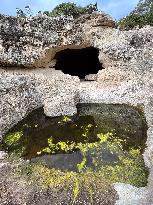
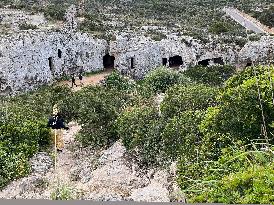
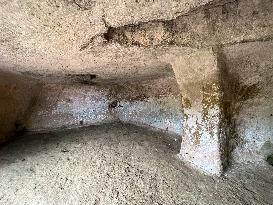
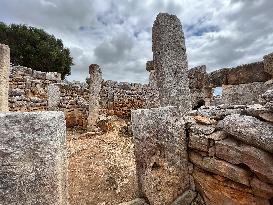
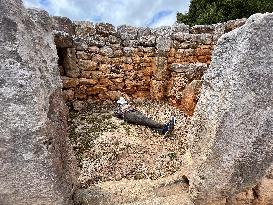
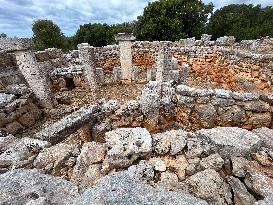
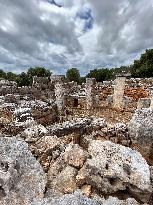
Prehistoric sites in Talayotic Menorca Located on the island of Menorca, in the western Mediterranean, these archaeological sites are located in agropastoral landscapes. Testimony to the occupation of the island by prehistoric populations, these sites present a diversity of prehistoric settlements and burial sites. The materials, shapes and locations of the structures date from the Bronze Age (1600 BC) to the Late Iron Age (123 BC) and show the evolution of a “Cyclopean” architecture composed of very imposing blocks of stone. Clear astronomical orientations and visual interconnections between prehistoric structures indicate the existence of networks with possible cosmological significance. More than 1,500 Talayotic archaeological sites have been inventoried on an island of barely 700 km². Prehistoric remains including megalithic tombs, towers (Talayots), funerary navetas, monumental circular houses, necropolises, towns and taulas (monuments on which the mystery of their original meaning still prevails) withou

  •  
Talayotic culture enters the world heritage of humanity - Menorca

Talayotic culture enters the world heritage of humanity - Menorca

Prehistoric sites in Talayotic Menorca Located on the island of Menorca, in the western Mediterranean, these archaeological sites are located in agropastoral landscapes. Testimony to the occupation of the island by prehistoric populations, these sites present a diversity of prehistoric settlements and burial sites. The materials, shapes and locations of the structures date from the Bronze Age (1600 BC) to the Late Iron Age (123 BC) and show the evolution of a “Cyclopean” architecture composed of very imposing blocks of stone. Clear astronomical orientations and visual interconnections between prehistoric structures indicate the existence of networks with possible cosmological significance. More than 1,500 Talayotic archaeological sites have been inventoried on an island of barely 700 km². Prehistoric remains including megalithic tombs, towers (Talayots), funerary navetas, monumental circular houses, necropolises, towns and taulas (monuments on which the mystery of their original meaning still prevails) withou

  •  
Talayotic culture enters the world heritage of humanity - Menorca

Talayotic culture enters the world heritage of humanity - Menorca

Prehistoric sites in Talayotic Menorca Located on the island of Menorca, in the western Mediterranean, these archaeological sites are located in agropastoral landscapes. Testimony to the occupation of the island by prehistoric populations, these sites present a diversity of prehistoric settlements and burial sites. The materials, shapes and locations of the structures date from the Bronze Age (1600 BC) to the Late Iron Age (123 BC) and show the evolution of a “Cyclopean” architecture composed of very imposing blocks of stone. Clear astronomical orientations and visual interconnections between prehistoric structures indicate the existence of networks with possible cosmological significance. More than 1,500 Talayotic archaeological sites have been inventoried on an island of barely 700 km². Prehistoric remains including megalithic tombs, towers (Talayots), funerary navetas, monumental circular houses, necropolises, towns and taulas (monuments on which the mystery of their original meaning still prevails) withou

  •  
Talayotic culture enters the world heritage of humanity - Menorca

Talayotic culture enters the world heritage of humanity - Menorca

Prehistoric sites in Talayotic Menorca Located on the island of Menorca, in the western Mediterranean, these archaeological sites are located in agropastoral landscapes. Testimony to the occupation of the island by prehistoric populations, these sites present a diversity of prehistoric settlements and burial sites. The materials, shapes and locations of the structures date from the Bronze Age (1600 BC) to the Late Iron Age (123 BC) and show the evolution of a “Cyclopean” architecture composed of very imposing blocks of stone. Clear astronomical orientations and visual interconnections between prehistoric structures indicate the existence of networks with possible cosmological significance. More than 1,500 Talayotic archaeological sites have been inventoried on an island of barely 700 km². Prehistoric remains including megalithic tombs, towers (Talayots), funerary navetas, monumental circular houses, necropolises, towns and taulas (monuments on which the mystery of their original meaning still prevails) withou

  •  
Talayotic culture enters the world heritage of humanity - Menorca

Talayotic culture enters the world heritage of humanity - Menorca

Prehistoric sites in Talayotic Menorca Located on the island of Menorca, in the western Mediterranean, these archaeological sites are located in agropastoral landscapes. Testimony to the occupation of the island by prehistoric populations, these sites present a diversity of prehistoric settlements and burial sites. The materials, shapes and locations of the structures date from the Bronze Age (1600 BC) to the Late Iron Age (123 BC) and show the evolution of a “Cyclopean” architecture composed of very imposing blocks of stone. Clear astronomical orientations and visual interconnections between prehistoric structures indicate the existence of networks with possible cosmological significance. More than 1,500 Talayotic archaeological sites have been inventoried on an island of barely 700 km². Prehistoric remains including megalithic tombs, towers (Talayots), funerary navetas, monumental circular houses, necropolises, towns and taulas (monuments on which the mystery of their original meaning still prevails) withou

  •  
Talayotic culture enters the world heritage of humanity - Menorca

Talayotic culture enters the world heritage of humanity - Menorca

Prehistoric sites in Talayotic Menorca Located on the island of Menorca, in the western Mediterranean, these archaeological sites are located in agropastoral landscapes. Testimony to the occupation of the island by prehistoric populations, these sites present a diversity of prehistoric settlements and burial sites. The materials, shapes and locations of the structures date from the Bronze Age (1600 BC) to the Late Iron Age (123 BC) and show the evolution of a “Cyclopean” architecture composed of very imposing blocks of stone. Clear astronomical orientations and visual interconnections between prehistoric structures indicate the existence of networks with possible cosmological significance. More than 1,500 Talayotic archaeological sites have been inventoried on an island of barely 700 km². Prehistoric remains including megalithic tombs, towers (Talayots), funerary navetas, monumental circular houses, necropolises, towns and taulas (monuments on which the mystery of their original meaning still prevails) withou

  •  
Talayotic culture enters the world heritage of humanity - Menorca

Talayotic culture enters the world heritage of humanity - Menorca

Prehistoric sites in Talayotic Menorca Located on the island of Menorca, in the western Mediterranean, these archaeological sites are located in agropastoral landscapes. Testimony to the occupation of the island by prehistoric populations, these sites present a diversity of prehistoric settlements and burial sites. The materials, shapes and locations of the structures date from the Bronze Age (1600 BC) to the Late Iron Age (123 BC) and show the evolution of a “Cyclopean” architecture composed of very imposing blocks of stone. Clear astronomical orientations and visual interconnections between prehistoric structures indicate the existence of networks with possible cosmological significance. More than 1,500 Talayotic archaeological sites have been inventoried on an island of barely 700 km². Prehistoric remains including megalithic tombs, towers (Talayots), funerary navetas, monumental circular houses, necropolises, towns and taulas (monuments on which the mystery of their original meaning still prevails) withou

  •  
Talayotic culture enters the world heritage of humanity - Menorca

Talayotic culture enters the world heritage of humanity - Menorca

Prehistoric sites in Talayotic Menorca Located on the island of Menorca, in the western Mediterranean, these archaeological sites are located in agropastoral landscapes. Testimony to the occupation of the island by prehistoric populations, these sites present a diversity of prehistoric settlements and burial sites. The materials, shapes and locations of the structures date from the Bronze Age (1600 BC) to the Late Iron Age (123 BC) and show the evolution of a “Cyclopean” architecture composed of very imposing blocks of stone. Clear astronomical orientations and visual interconnections between prehistoric structures indicate the existence of networks with possible cosmological significance. More than 1,500 Talayotic archaeological sites have been inventoried on an island of barely 700 km². Prehistoric remains including megalithic tombs, towers (Talayots), funerary navetas, monumental circular houses, necropolises, towns and taulas (monuments on which the mystery of their original meaning still prevails) withou

  •  
Talayotic culture enters the world heritage of humanity - Menorca

Talayotic culture enters the world heritage of humanity - Menorca

Prehistoric sites in Talayotic Menorca Located on the island of Menorca, in the western Mediterranean, these archaeological sites are located in agropastoral landscapes. Testimony to the occupation of the island by prehistoric populations, these sites present a diversity of prehistoric settlements and burial sites. The materials, shapes and locations of the structures date from the Bronze Age (1600 BC) to the Late Iron Age (123 BC) and show the evolution of a “Cyclopean” architecture composed of very imposing blocks of stone. Clear astronomical orientations and visual interconnections between prehistoric structures indicate the existence of networks with possible cosmological significance. More than 1,500 Talayotic archaeological sites have been inventoried on an island of barely 700 km². Prehistoric remains including megalithic tombs, towers (Talayots), funerary navetas, monumental circular houses, necropolises, towns and taulas (monuments on which the mystery of their original meaning still prevails) withou

  •  
Talayotic culture enters the world heritage of humanity - Menorca

Talayotic culture enters the world heritage of humanity - Menorca

Prehistoric sites in Talayotic Menorca Located on the island of Menorca, in the western Mediterranean, these archaeological sites are located in agropastoral landscapes. Testimony to the occupation of the island by prehistoric populations, these sites present a diversity of prehistoric settlements and burial sites. The materials, shapes and locations of the structures date from the Bronze Age (1600 BC) to the Late Iron Age (123 BC) and show the evolution of a “Cyclopean” architecture composed of very imposing blocks of stone. Clear astronomical orientations and visual interconnections between prehistoric structures indicate the existence of networks with possible cosmological significance. More than 1,500 Talayotic archaeological sites have been inventoried on an island of barely 700 km². Prehistoric remains including megalithic tombs, towers (Talayots), funerary navetas, monumental circular houses, necropolises, towns and taulas (monuments on which the mystery of their original meaning still prevails) withou

  •  
Talayotic culture enters the world heritage of humanity - Menorca

Talayotic culture enters the world heritage of humanity - Menorca

Prehistoric sites in Talayotic Menorca Located on the island of Menorca, in the western Mediterranean, these archaeological sites are located in agropastoral landscapes. Testimony to the occupation of the island by prehistoric populations, these sites present a diversity of prehistoric settlements and burial sites. The materials, shapes and locations of the structures date from the Bronze Age (1600 BC) to the Late Iron Age (123 BC) and show the evolution of a “Cyclopean” architecture composed of very imposing blocks of stone. Clear astronomical orientations and visual interconnections between prehistoric structures indicate the existence of networks with possible cosmological significance. More than 1,500 Talayotic archaeological sites have been inventoried on an island of barely 700 km². Prehistoric remains including megalithic tombs, towers (Talayots), funerary navetas, monumental circular houses, necropolises, towns and taulas (monuments on which the mystery of their original meaning still prevails) withou

  • Main
  • Top
  • Editorial
  • Creative
  • About Us
  • About ILG
  • Terms of use
  • Company
  • BEHIND
  • Price List
  • Single Plan
  • Monthly Plan
  • Services
  • Shooting
  • Rights Clearance
  • Support
  • FAQ
  • How To Buy
  • Contact Us
  • Become a Partner

© KYODO NEWS IMAGES INC

All Rights Reserved.

  • Editorial
  • Olympics
  • News
  • Sports
  • Japan
  • Tech
  • Royal
  • Disaster
  • NorthKorea
  • Old Japan
  • SNS

  • Creative
  • Food
  • Japan
  • Landscape
  • Animal
  • Popular
  • #Ukraine
  • #Russia
  • #coronavirus
  • #N. Korea
  • #China
  • #Thailand
  • #Ukraine
  • #Russia
  • #coronavirus
  • #N. Korea
  • #China
  • #Thailand
  • Food
  • Japan
  • Landscape
  • Animal
  • Olympics
  • News
  • Sports
  • Japan
  • Tech
  • Royal
  • Disaster
  • NorthKorea
  • Old Japan
  • SNS