•  
Illustration - Ancient Rome

Illustration - Ancient Rome

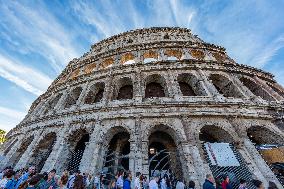
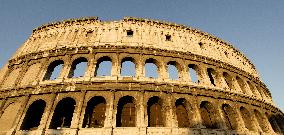
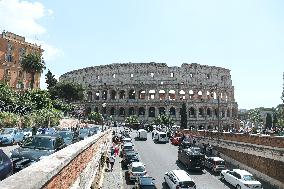
ITALY. LATIUM. ROME. AERIAL VIEW OF THE ROMAN COLOSSEUM. ORIGINALLY, THIS FLAVIAN AMPHITHEATRE WAS THE LARGEST EVER BUILT UNDER THE ROMAN EMPIRE (LISTED AS A WORLD HERITAGE SITE BY UNESCO). Photo by Robert Palomba/Only World/ABACAPRESS.COM

  •  
Illustration - Ancient Rome

Illustration - Ancient Rome

ITALY. LATIUM. ROME. AERIAL VIEW OF THE ROMAN COLOSSEUM. ORIGINALLY, THIS FLAVIAN AMPHITHEATRE WAS THE LARGEST EVER BUILT UNDER THE ROMAN EMPIRE (LISTED AS A WORLD HERITAGE SITE BY UNESCO). Photo by Robert Palomba/Only World/ABACAPRESS.COM

  •  
Illustration - Ancient Rome

Illustration - Ancient Rome

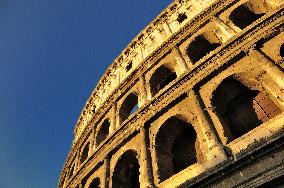
ITALY. LATIUM. ROME. AERIAL VIEW OF THE ROMAN COLOSSEUM. ORIGINALLY, THIS FLAVIAN AMPHITHEATRE WAS THE LARGEST EVER BUILT UNDER THE ROMAN EMPIRE (LISTED AS A WORLD HERITAGE SITE BY UNESCO). Photo by Bernard Jaubert/Only World/ABACAPRESS.COM

  •  
Illustration - Ancient Rome

Illustration - Ancient Rome

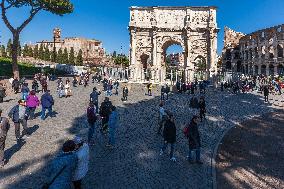
ITALIE, PROVINCE DE ROME, LATIUM AREA, ROME, THE COLISEUM, ORIGINALLY THE FLAVIAN AMPHITHEATRE, IS A HUGE ELLIPTICAL AMPHITHEATER IN THE CENTER OF THE CITY OF ROME BETWEEN THE ESQUILINO AND C?LIUS, THE LARGEST EVER BUILT IN THE ROMAN EMPIRE Photo by Robert Palomba/Only World/ABACAPRESS.COM

  •  
Illustration - Ancient Rome

Illustration - Ancient Rome

ITALY. LATIUM. ROME. AERIAL VIEW OF THE ROMAN COLOSSEUM. ORIGINALLY, THIS FLAVIAN AMPHITHEATRE WAS THE LARGEST EVER BUILT UNDER THE ROMAN EMPIRE (LISTED AS A WORLD HERITAGE SITE BY UNESCO). Photo by Bernard Jaubert/Only World/ABACAPRESS.COM

  •  
Illustration - Ancient Rome

Illustration - Ancient Rome

ITALY. LATIUM. ROME. AERIAL VIEW OF THE ROMAN COLOSSEUM. ORIGINALLY, THIS FLAVIAN AMPHITHEATRE WAS THE LARGEST EVER BUILT UNDER THE ROMAN EMPIRE (LISTED AS A WORLD HERITAGE SITE BY UNESCO). Photo by Bernard Jaubert/Only World/ABACAPRESS.COM

  •  
Illustration - Ancient Rome

Illustration - Ancient Rome

ITALY. LATIUM. ROME. AERIAL VIEW OF THE ROMAN COLOSSEUM. ORIGINALLY, THIS FLAVIAN AMPHITHEATRE WAS THE LARGEST EVER BUILT UNDER THE ROMAN EMPIRE (LISTED AS A WORLD HERITAGE SITE BY UNESCO). Photo by Bernard Jaubert/Only World/ABACAPRESS.COM

  •  
Illustration - Rome

Illustration - Rome

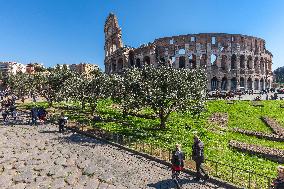
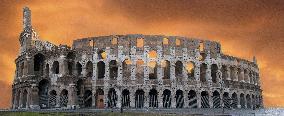
The Colosseum, originally the Flavian Amphitheatre, located in the centre of the city of Rome, between the Esquiline and Caelus hills, on May 1, 2025 in Rome, Italy. Photo by Christophe Michel/ABACAPRESS.COM

  •  
Illustration - Rome

Illustration - Rome

The Colosseum, originally the Flavian Amphitheatre, located in the centre of the city of Rome, between the Esquiline and Caelus hills, on May 1, 2025 in Rome, Italy. Photo by Christophe Michel/ABACAPRESS.COM

  •  
Colosseum's underground levels restored - Rome

Colosseum's underground levels restored - Rome

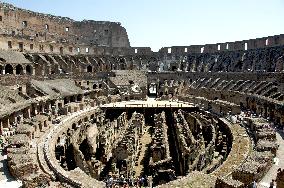
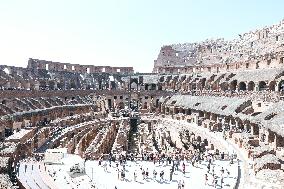
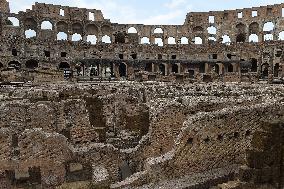
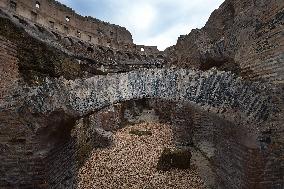
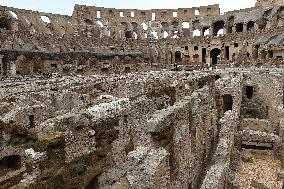
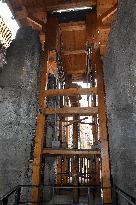
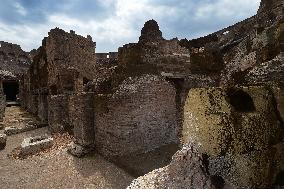
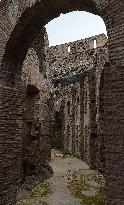
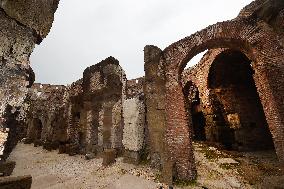
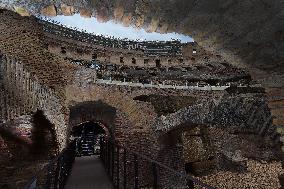
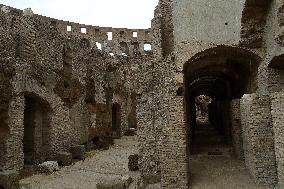
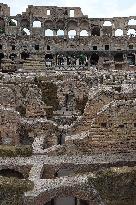
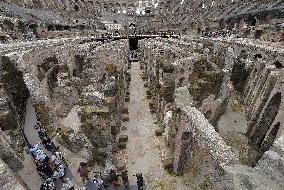
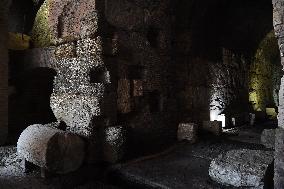
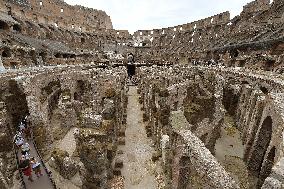
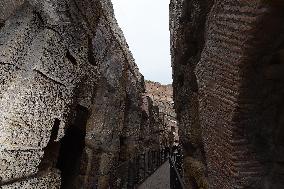
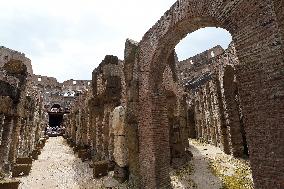
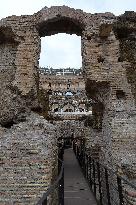
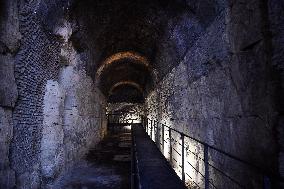
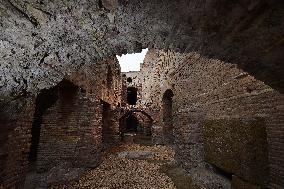
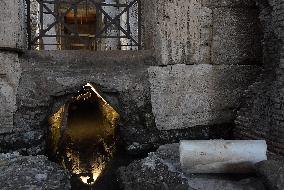
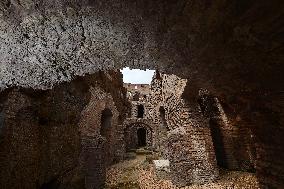
★Colosseums underground levels, the Hypogea, has been restored and is now open to visitors for the first time in Rome, Italy on July 26, 2021. The structures, located below the arena and that in ancient times was invisible to the spectators, consist of walls delimiting corridors, 8 longitudinal and 6 annular. The Colosseum, which could accommodate between 50,000 and 75,000 spectators, was equipped with a series of technological devices used for the appearance of men, animals and stage equipment on the arena. Among the devices dating back to the Flavian age, it is still possible to see the sequences of elevators housed in the corridors of the underground area. They are respectively 24 mobile platforms and 28 wooden elevators containing cages raised by winches. Until 523 AD, the year in which record indicates the last show, spectators could not enter the hypogea and access was possible thro

  •  
Colosseum's underground levels restored - Rome

Colosseum's underground levels restored - Rome

★Colosseums underground levels, the Hypogea, has been restored and is now open to visitors for the first time in Rome, Italy on July 26, 2021. The structures, located below the arena and that in ancient times was invisible to the spectators, consist of walls delimiting corridors, 8 longitudinal and 6 annular. The Colosseum, which could accommodate between 50,000 and 75,000 spectators, was equipped with a series of technological devices used for the appearance of men, animals and stage equipment on the arena. Among the devices dating back to the Flavian age, it is still possible to see the sequences of elevators housed in the corridors of the underground area. They are respectively 24 mobile platforms and 28 wooden elevators containing cages raised by winches. Until 523 AD, the year in which record indicates the last show, spectators could not enter the hypogea and access was possible thro

  •  
Colosseum's underground levels restored - Rome

Colosseum's underground levels restored - Rome

★Colosseums underground levels, the Hypogea, has been restored and is now open to visitors for the first time in Rome, Italy on July 26, 2021. The structures, located below the arena and that in ancient times was invisible to the spectators, consist of walls delimiting corridors, 8 longitudinal and 6 annular. The Colosseum, which could accommodate between 50,000 and 75,000 spectators, was equipped with a series of technological devices used for the appearance of men, animals and stage equipment on the arena. Among the devices dating back to the Flavian age, it is still possible to see the sequences of elevators housed in the corridors of the underground area. They are respectively 24 mobile platforms and 28 wooden elevators containing cages raised by winches. Until 523 AD, the year in which record indicates the last show, spectators could not enter the hypogea and access was possible thro

  •  
Colosseum's underground levels restored - Rome

Colosseum's underground levels restored - Rome

★Colosseums underground levels, the Hypogea, has been restored and is now open to visitors for the first time in Rome, Italy on July 26, 2021. The structures, located below the arena and that in ancient times was invisible to the spectators, consist of walls delimiting corridors, 8 longitudinal and 6 annular. The Colosseum, which could accommodate between 50,000 and 75,000 spectators, was equipped with a series of technological devices used for the appearance of men, animals and stage equipment on the arena. Among the devices dating back to the Flavian age, it is still possible to see the sequences of elevators housed in the corridors of the underground area. They are respectively 24 mobile platforms and 28 wooden elevators containing cages raised by winches. Until 523 AD, the year in which record indicates the last show, spectators could not enter the hypogea and access was possible thro

  •  
Colosseum's underground levels restored - Rome

Colosseum's underground levels restored - Rome

★Colosseums underground levels, the Hypogea, has been restored and is now open to visitors for the first time in Rome, Italy on July 26, 2021. The structures, located below the arena and that in ancient times was invisible to the spectators, consist of walls delimiting corridors, 8 longitudinal and 6 annular. The Colosseum, which could accommodate between 50,000 and 75,000 spectators, was equipped with a series of technological devices used for the appearance of men, animals and stage equipment on the arena. Among the devices dating back to the Flavian age, it is still possible to see the sequences of elevators housed in the corridors of the underground area. They are respectively 24 mobile platforms and 28 wooden elevators containing cages raised by winches. Until 523 AD, the year in which record indicates the last show, spectators could not enter the hypogea and access was possible thro

  •  
Colosseum's underground levels restored - Rome

Colosseum's underground levels restored - Rome

★Colosseums underground levels, the Hypogea, has been restored and is now open to visitors for the first time in Rome, Italy on July 26, 2021. The structures, located below the arena and that in ancient times was invisible to the spectators, consist of walls delimiting corridors, 8 longitudinal and 6 annular. The Colosseum, which could accommodate between 50,000 and 75,000 spectators, was equipped with a series of technological devices used for the appearance of men, animals and stage equipment on the arena. Among the devices dating back to the Flavian age, it is still possible to see the sequences of elevators housed in the corridors of the underground area. They are respectively 24 mobile platforms and 28 wooden elevators containing cages raised by winches. Until 523 AD, the year in which record indicates the last show, spectators could not enter the hypogea and access was possible thro

  •  
Colosseum's underground levels restored - Rome

Colosseum's underground levels restored - Rome

★Colosseums underground levels, the Hypogea, has been restored and is now open to visitors for the first time in Rome, Italy on July 26, 2021. The structures, located below the arena and that in ancient times was invisible to the spectators, consist of walls delimiting corridors, 8 longitudinal and 6 annular. The Colosseum, which could accommodate between 50,000 and 75,000 spectators, was equipped with a series of technological devices used for the appearance of men, animals and stage equipment on the arena. Among the devices dating back to the Flavian age, it is still possible to see the sequences of elevators housed in the corridors of the underground area. They are respectively 24 mobile platforms and 28 wooden elevators containing cages raised by winches. Until 523 AD, the year in which record indicates the last show, spectators could not enter the hypogea and access was possible thro

  •  
Colosseum's underground levels restored - Rome

Colosseum's underground levels restored - Rome

★Colosseums underground levels, the Hypogea, has been restored and is now open to visitors for the first time in Rome, Italy on July 26, 2021. The structures, located below the arena and that in ancient times was invisible to the spectators, consist of walls delimiting corridors, 8 longitudinal and 6 annular. The Colosseum, which could accommodate between 50,000 and 75,000 spectators, was equipped with a series of technological devices used for the appearance of men, animals and stage equipment on the arena. Among the devices dating back to the Flavian age, it is still possible to see the sequences of elevators housed in the corridors of the underground area. They are respectively 24 mobile platforms and 28 wooden elevators containing cages raised by winches. Until 523 AD, the year in which record indicates the last show, spectators could not enter the hypogea and access was possible thro

  •  
Colosseum's underground levels restored - Rome

Colosseum's underground levels restored - Rome

★Colosseums underground levels, the Hypogea, has been restored and is now open to visitors for the first time in Rome, Italy on July 26, 2021. The structures, located below the arena and that in ancient times was invisible to the spectators, consist of walls delimiting corridors, 8 longitudinal and 6 annular. The Colosseum, which could accommodate between 50,000 and 75,000 spectators, was equipped with a series of technological devices used for the appearance of men, animals and stage equipment on the arena. Among the devices dating back to the Flavian age, it is still possible to see the sequences of elevators housed in the corridors of the underground area. They are respectively 24 mobile platforms and 28 wooden elevators containing cages raised by winches. Until 523 AD, the year in which record indicates the last show, spectators could not enter the hypogea and access was possible thro

  •  
Colosseum's underground levels restored - Rome

Colosseum's underground levels restored - Rome

★Colosseums underground levels, the Hypogea, has been restored and is now open to visitors for the first time in Rome, Italy on July 26, 2021. The structures, located below the arena and that in ancient times was invisible to the spectators, consist of walls delimiting corridors, 8 longitudinal and 6 annular. The Colosseum, which could accommodate between 50,000 and 75,000 spectators, was equipped with a series of technological devices used for the appearance of men, animals and stage equipment on the arena. Among the devices dating back to the Flavian age, it is still possible to see the sequences of elevators housed in the corridors of the underground area. They are respectively 24 mobile platforms and 28 wooden elevators containing cages raised by winches. Until 523 AD, the year in which record indicates the last show, spectators could not enter the hypogea and access was possible thro

  •  
Colosseum's underground levels restored - Rome

Colosseum's underground levels restored - Rome

★Colosseums underground levels, the Hypogea, has been restored and is now open to visitors for the first time in Rome, Italy on July 26, 2021. The structures, located below the arena and that in ancient times was invisible to the spectators, consist of walls delimiting corridors, 8 longitudinal and 6 annular. The Colosseum, which could accommodate between 50,000 and 75,000 spectators, was equipped with a series of technological devices used for the appearance of men, animals and stage equipment on the arena. Among the devices dating back to the Flavian age, it is still possible to see the sequences of elevators housed in the corridors of the underground area. They are respectively 24 mobile platforms and 28 wooden elevators containing cages raised by winches. Until 523 AD, the year in which record indicates the last show, spectators could not enter the hypogea and access was possible thro

  •  
Colosseum's underground levels restored - Rome

Colosseum's underground levels restored - Rome

★Colosseums underground levels, the Hypogea, has been restored and is now open to visitors for the first time in Rome, Italy on July 26, 2021. The structures, located below the arena and that in ancient times was invisible to the spectators, consist of walls delimiting corridors, 8 longitudinal and 6 annular. The Colosseum, which could accommodate between 50,000 and 75,000 spectators, was equipped with a series of technological devices used for the appearance of men, animals and stage equipment on the arena. Among the devices dating back to the Flavian age, it is still possible to see the sequences of elevators housed in the corridors of the underground area. They are respectively 24 mobile platforms and 28 wooden elevators containing cages raised by winches. Until 523 AD, the year in which record indicates the last show, spectators could not enter the hypogea and access was possible thro

  •  
Colosseum's underground levels restored - Rome

Colosseum's underground levels restored - Rome

★Colosseums underground levels, the Hypogea, has been restored and is now open to visitors for the first time in Rome, Italy on July 26, 2021. The structures, located below the arena and that in ancient times was invisible to the spectators, consist of walls delimiting corridors, 8 longitudinal and 6 annular. The Colosseum, which could accommodate between 50,000 and 75,000 spectators, was equipped with a series of technological devices used for the appearance of men, animals and stage equipment on the arena. Among the devices dating back to the Flavian age, it is still possible to see the sequences of elevators housed in the corridors of the underground area. They are respectively 24 mobile platforms and 28 wooden elevators containing cages raised by winches. Until 523 AD, the year in which record indicates the last show, spectators could not enter the hypogea and access was possible thro

  •  
Colosseum's underground levels restored - Rome

Colosseum's underground levels restored - Rome

★Colosseums underground levels, the Hypogea, has been restored and is now open to visitors for the first time in Rome, Italy on July 26, 2021. The structures, located below the arena and that in ancient times was invisible to the spectators, consist of walls delimiting corridors, 8 longitudinal and 6 annular. The Colosseum, which could accommodate between 50,000 and 75,000 spectators, was equipped with a series of technological devices used for the appearance of men, animals and stage equipment on the arena. Among the devices dating back to the Flavian age, it is still possible to see the sequences of elevators housed in the corridors of the underground area. They are respectively 24 mobile platforms and 28 wooden elevators containing cages raised by winches. Until 523 AD, the year in which record indicates the last show, spectators could not enter the hypogea and access was possible thro

  •  
Colosseum's underground levels restored - Rome

Colosseum's underground levels restored - Rome

★Colosseums underground levels, the Hypogea, has been restored and is now open to visitors for the first time in Rome, Italy on July 26, 2021. The structures, located below the arena and that in ancient times was invisible to the spectators, consist of walls delimiting corridors, 8 longitudinal and 6 annular. The Colosseum, which could accommodate between 50,000 and 75,000 spectators, was equipped with a series of technological devices used for the appearance of men, animals and stage equipment on the arena. Among the devices dating back to the Flavian age, it is still possible to see the sequences of elevators housed in the corridors of the underground area. They are respectively 24 mobile platforms and 28 wooden elevators containing cages raised by winches. Until 523 AD, the year in which record indicates the last show, spectators could not enter the hypogea and access was possible thro

  •  
Colosseum's underground levels restored - Rome

Colosseum's underground levels restored - Rome

★Colosseums underground levels, the Hypogea, has been restored and is now open to visitors for the first time in Rome, Italy on July 26, 2021. The structures, located below the arena and that in ancient times was invisible to the spectators, consist of walls delimiting corridors, 8 longitudinal and 6 annular. The Colosseum, which could accommodate between 50,000 and 75,000 spectators, was equipped with a series of technological devices used for the appearance of men, animals and stage equipment on the arena. Among the devices dating back to the Flavian age, it is still possible to see the sequences of elevators housed in the corridors of the underground area. They are respectively 24 mobile platforms and 28 wooden elevators containing cages raised by winches. Until 523 AD, the year in which record indicates the last show, spectators could not enter the hypogea and access was possible thro

  •  
Colosseum's underground levels restored - Rome

Colosseum's underground levels restored - Rome

★Colosseums underground levels, the Hypogea, has been restored and is now open to visitors for the first time in Rome, Italy on July 26, 2021. The structures, located below the arena and that in ancient times was invisible to the spectators, consist of walls delimiting corridors, 8 longitudinal and 6 annular. The Colosseum, which could accommodate between 50,000 and 75,000 spectators, was equipped with a series of technological devices used for the appearance of men, animals and stage equipment on the arena. Among the devices dating back to the Flavian age, it is still possible to see the sequences of elevators housed in the corridors of the underground area. They are respectively 24 mobile platforms and 28 wooden elevators containing cages raised by winches. Until 523 AD, the year in which record indicates the last show, spectators could not enter the hypogea and access was possible thro

  •  
Colosseum's underground levels restored - Rome

Colosseum's underground levels restored - Rome

★Colosseums underground levels, the Hypogea, has been restored and is now open to visitors for the first time in Rome, Italy on July 26, 2021. The structures, located below the arena and that in ancient times was invisible to the spectators, consist of walls delimiting corridors, 8 longitudinal and 6 annular. The Colosseum, which could accommodate between 50,000 and 75,000 spectators, was equipped with a series of technological devices used for the appearance of men, animals and stage equipment on the arena. Among the devices dating back to the Flavian age, it is still possible to see the sequences of elevators housed in the corridors of the underground area. They are respectively 24 mobile platforms and 28 wooden elevators containing cages raised by winches. Until 523 AD, the year in which record indicates the last show, spectators could not enter the hypogea and access was possible thro

  •  
Colosseum's underground levels restored - Rome

Colosseum's underground levels restored - Rome

★Colosseums underground levels, the Hypogea, has been restored and is now open to visitors for the first time in Rome, Italy on July 26, 2021. The structures, located below the arena and that in ancient times was invisible to the spectators, consist of walls delimiting corridors, 8 longitudinal and 6 annular. The Colosseum, which could accommodate between 50,000 and 75,000 spectators, was equipped with a series of technological devices used for the appearance of men, animals and stage equipment on the arena. Among the devices dating back to the Flavian age, it is still possible to see the sequences of elevators housed in the corridors of the underground area. They are respectively 24 mobile platforms and 28 wooden elevators containing cages raised by winches. Until 523 AD, the year in which record indicates the last show, spectators could not enter the hypogea and access was possible thro

  •  
Colosseum's underground levels restored - Rome

Colosseum's underground levels restored - Rome

★Colosseums underground levels, the Hypogea, has been restored and is now open to visitors for the first time in Rome, Italy on July 26, 2021. The structures, located below the arena and that in ancient times was invisible to the spectators, consist of walls delimiting corridors, 8 longitudinal and 6 annular. The Colosseum, which could accommodate between 50,000 and 75,000 spectators, was equipped with a series of technological devices used for the appearance of men, animals and stage equipment on the arena. Among the devices dating back to the Flavian age, it is still possible to see the sequences of elevators housed in the corridors of the underground area. They are respectively 24 mobile platforms and 28 wooden elevators containing cages raised by winches. Until 523 AD, the year in which record indicates the last show, spectators could not enter the hypogea and access was possible thro

  •  
Colosseum's underground levels restored - Rome

Colosseum's underground levels restored - Rome

★Colosseums underground levels, the Hypogea, has been restored and is now open to visitors for the first time in Rome, Italy on July 26, 2021. The structures, located below the arena and that in ancient times was invisible to the spectators, consist of walls delimiting corridors, 8 longitudinal and 6 annular. The Colosseum, which could accommodate between 50,000 and 75,000 spectators, was equipped with a series of technological devices used for the appearance of men, animals and stage equipment on the arena. Among the devices dating back to the Flavian age, it is still possible to see the sequences of elevators housed in the corridors of the underground area. They are respectively 24 mobile platforms and 28 wooden elevators containing cages raised by winches. Until 523 AD, the year in which record indicates the last show, spectators could not enter the hypogea and access was possible thro

  •  
Colosseum's underground levels restored - Rome

Colosseum's underground levels restored - Rome

★Colosseums underground levels, the Hypogea, has been restored and is now open to visitors for the first time in Rome, Italy on July 26, 2021. The structures, located below the arena and that in ancient times was invisible to the spectators, consist of walls delimiting corridors, 8 longitudinal and 6 annular. The Colosseum, which could accommodate between 50,000 and 75,000 spectators, was equipped with a series of technological devices used for the appearance of men, animals and stage equipment on the arena. Among the devices dating back to the Flavian age, it is still possible to see the sequences of elevators housed in the corridors of the underground area. They are respectively 24 mobile platforms and 28 wooden elevators containing cages raised by winches. Until 523 AD, the year in which record indicates the last show, spectators could not enter the hypogea and access was possible thro

  •  
Presentation Of The Works Carried Out In The Hypogea Of The Colosseum - Rome

Presentation Of The Works Carried Out In The Hypogea Of The Colosseum - Rome

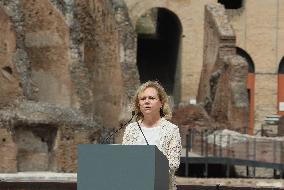
Presentation of the works carried out in the hypogea of the Colosseum financed by the Tod's Pictured group: Alfonsina Russo superintendent of the Flavian Amphitheater . Rome, Italy on June 25, 2021. Photo by Piero Tenagli/IPA/ABACAPRESS.COM

  •  
Presentation Of The Works Carried Out In The Hypogea Of The Colosseum - Rome

Presentation Of The Works Carried Out In The Hypogea Of The Colosseum - Rome

Presentation of the works carried out in the hypogea of the Colosseum financed by the Tod's Pictured group: Alfonsina Russo superintendent of the Flavian Amphitheater . Rome, Italy on June 25, 2021. Photo by Piero Tenagli/IPA/ABACAPRESS.COM

  • Main
  • Top
  • Editorial
  • Creative
  • About Us
  • About ILG
  • Terms of use
  • Company
  • BEHIND
  • Price List
  • Single Plan
  • Monthly Plan
  • Services
  • Shooting
  • Rights Clearance
  • Support
  • FAQ
  • How To Buy
  • Contact Us
  • Become a Partner

© KYODO NEWS IMAGES INC

All Rights Reserved.

  • Editorial
  • Olympics
  • News
  • Sports
  • Japan
  • Tech
  • Royal
  • Disaster
  • NorthKorea
  • Old Japan
  • SNS
  • Creative
  • Food
  • Japan
  • Landscape
  • Animal
  • Popular
  • #Ukraine
  • #Thailand
  • #coronavirus
  • #N. Korea
  • #China
  • #Russia
  • #Ukraine
  • #Thailand
  • #coronavirus
  • #N. Korea
  • #China
  • #Russia
  • Food
  • Japan
  • Landscape
  • Animal
  • Olympics
  • News
  • Sports
  • Japan
  • Tech
  • Royal
  • Disaster
  • NorthKorea
  • Old Japan
  • SNS