•  
Illustration Aspartame

Illustration Aspartame

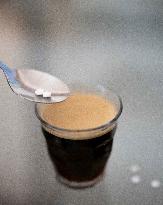
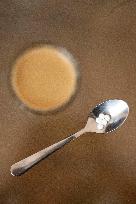
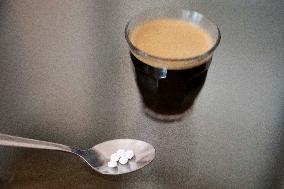
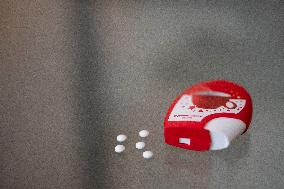
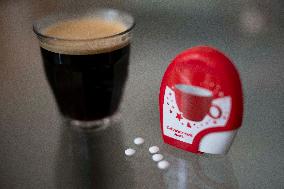
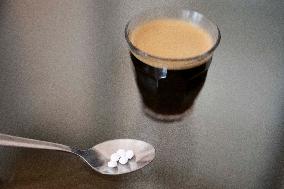
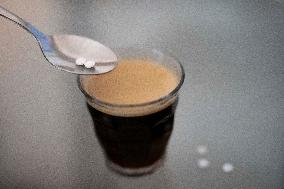
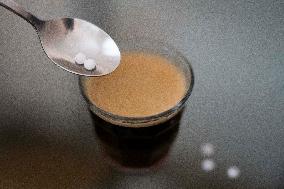
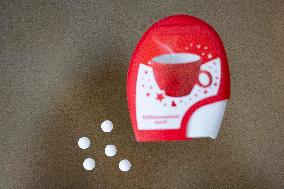
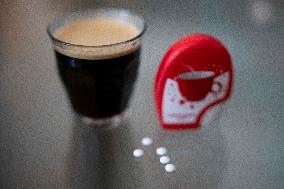
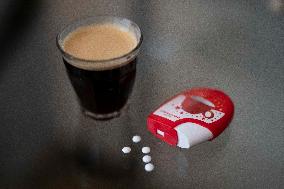
Illustration aspartame in Paris on February 4, 2025. On Tuesday 4 February, the Ligue contre le cancer, Foodwatch and Yuka announced to France Inter that they were launching a European petition calling for a ban on aspartame, an additive classified as a ‘possible human carcinogen’ by the World Health Organisation (WHO) (OMS). Photo by Eliot Blondet/ABACAPRESS.COM

  •  
Illustration Aspartame

Illustration Aspartame

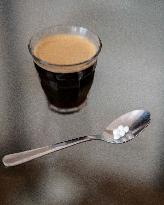
Illustration aspartame in Paris on February 4, 2025. On Tuesday 4 February, the Ligue contre le cancer, Foodwatch and Yuka announced to France Inter that they were launching a European petition calling for a ban on aspartame, an additive classified as a ‘possible human carcinogen’ by the World Health Organisation (WHO) (OMS). Photo by Eliot Blondet/ABACAPRESS.COM

  •  
Illustration Aspartame

Illustration Aspartame

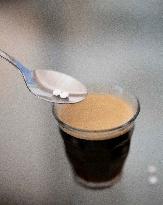
Illustration aspartame in Paris on February 4, 2025. On Tuesday 4 February, the Ligue contre le cancer, Foodwatch and Yuka announced to France Inter that they were launching a European petition calling for a ban on aspartame, an additive classified as a ‘possible human carcinogen’ by the World Health Organisation (WHO) (OMS). Photo by Eliot Blondet/ABACAPRESS.COM

  •  
Illustration Aspartame

Illustration Aspartame

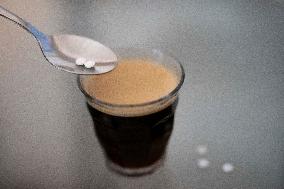
Illustration aspartame in Paris on February 4, 2025. On Tuesday 4 February, the Ligue contre le cancer, Foodwatch and Yuka announced to France Inter that they were launching a European petition calling for a ban on aspartame, an additive classified as a ‘possible human carcinogen’ by the World Health Organisation (WHO) (OMS). Photo by Eliot Blondet/ABACAPRESS.COM

  •  
Illustration Aspartame

Illustration Aspartame

Illustration aspartame in Paris on February 4, 2025. On Tuesday 4 February, the Ligue contre le cancer, Foodwatch and Yuka announced to France Inter that they were launching a European petition calling for a ban on aspartame, an additive classified as a ‘possible human carcinogen’ by the World Health Organisation (WHO) (OMS). Photo by Eliot Blondet/ABACAPRESS.COM

  •  
Illustration Aspartame

Illustration Aspartame

Illustration aspartame in Paris on February 4, 2025. On Tuesday 4 February, the Ligue contre le cancer, Foodwatch and Yuka announced to France Inter that they were launching a European petition calling for a ban on aspartame, an additive classified as a ‘possible human carcinogen’ by the World Health Organisation (WHO) (OMS). Photo by Eliot Blondet/ABACAPRESS.COM

  •  
Illustration Aspartame

Illustration Aspartame

Illustration aspartame in Paris on February 4, 2025. On Tuesday 4 February, the Ligue contre le cancer, Foodwatch and Yuka announced to France Inter that they were launching a European petition calling for a ban on aspartame, an additive classified as a ‘possible human carcinogen’ by the World Health Organisation (WHO) (OMS). Photo by Eliot Blondet/ABACAPRESS.COM

  •  
Illustration Aspartame

Illustration Aspartame

Illustration aspartame in Paris on February 4, 2025. On Tuesday 4 February, the Ligue contre le cancer, Foodwatch and Yuka announced to France Inter that they were launching a European petition calling for a ban on aspartame, an additive classified as a ‘possible human carcinogen’ by the World Health Organisation (WHO) (OMS). Photo by Eliot Blondet/ABACAPRESS.COM

  •  
Illustration Aspartame

Illustration Aspartame

Illustration aspartame in Paris on February 4, 2025. On Tuesday 4 February, the Ligue contre le cancer, Foodwatch and Yuka announced to France Inter that they were launching a European petition calling for a ban on aspartame, an additive classified as a ‘possible human carcinogen’ by the World Health Organisation (WHO) (OMS). Photo by Eliot Blondet/ABACAPRESS.COM

  •  
Illustration Aspartame

Illustration Aspartame

Illustration aspartame in Paris on February 4, 2025. On Tuesday 4 February, the Ligue contre le cancer, Foodwatch and Yuka announced to France Inter that they were launching a European petition calling for a ban on aspartame, an additive classified as a ‘possible human carcinogen’ by the World Health Organisation (WHO) (OMS). Photo by Eliot Blondet/ABACAPRESS.COM

  •  
Illustration Aspartame

Illustration Aspartame

Illustration aspartame in Paris on February 4, 2025. On Tuesday 4 February, the Ligue contre le cancer, Foodwatch and Yuka announced to France Inter that they were launching a European petition calling for a ban on aspartame, an additive classified as a ‘possible human carcinogen’ by the World Health Organisation (WHO) (OMS). Photo by Eliot Blondet/ABACAPRESS.COM

  •  
Illustration Aspartame

Illustration Aspartame

Illustration aspartame in Paris on February 4, 2025. On Tuesday 4 February, the Ligue contre le cancer, Foodwatch and Yuka announced to France Inter that they were launching a European petition calling for a ban on aspartame, an additive classified as a ‘possible human carcinogen’ by the World Health Organisation (WHO) (OMS). Photo by Eliot Blondet/ABACAPRESS.COM

  •  
Illustration Aspartame

Illustration Aspartame

Illustration aspartame in Paris on February 4, 2025. On Tuesday 4 February, the Ligue contre le cancer, Foodwatch and Yuka announced to France Inter that they were launching a European petition calling for a ban on aspartame, an additive classified as a ‘possible human carcinogen’ by the World Health Organisation (WHO) (OMS). Photo by Eliot Blondet/ABACAPRESS.COM

  •  
Illustration Aspartame

Illustration Aspartame

Illustration aspartame in Paris on February 4, 2025. On Tuesday 4 February, the Ligue contre le cancer, Foodwatch and Yuka announced to France Inter that they were launching a European petition calling for a ban on aspartame, an additive classified as a ‘possible human carcinogen’ by the World Health Organisation (WHO) (OMS). Photo by Eliot Blondet/ABACAPRESS.COM

  •  
Illustration Aspartame

Illustration Aspartame

Illustration aspartame in Paris on February 4, 2025. On Tuesday 4 February, the Ligue contre le cancer, Foodwatch and Yuka announced to France Inter that they were launching a European petition calling for a ban on aspartame, an additive classified as a ‘possible human carcinogen’ by the World Health Organisation (WHO) (OMS). Photo by Eliot Blondet/ABACAPRESS.COM

  •  
Concern Over Mercury Levels In Canned Tuna - France

Concern Over Mercury Levels In Canned Tuna - France

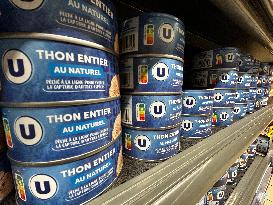
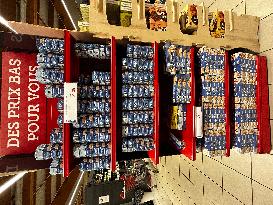
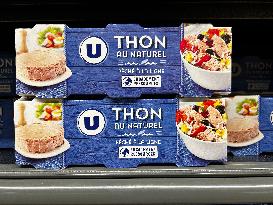
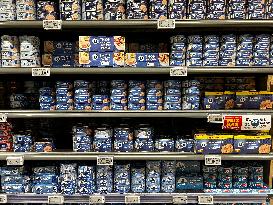
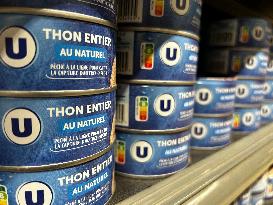
Cans of tuna are seen in a supermarket aisle on November 2, 2024 in France. Concerns have been raised over the levels of mercury in canned tuna products in France following a report by two consumer watchdog organisations. Bloom and Foodwatch said they carried out tests in independent laboratories on 148 cans of tuna across multiple brand types, which came from France, Spain, Italy, Germany, and the UK, and all were found to have traces of mercury, some of them significantly. Over 50 % of the tins had mercury levels above the thresholds given for fresh fish such as sardines, and one in ten had mercury levels above the legal limits on fresh tuna. Photo by JMP/ABACAPRESS.COM

  •  
Concern Over Mercury Levels In Canned Tuna - France

Concern Over Mercury Levels In Canned Tuna - France

Cans of tuna are seen in a supermarket aisle on November 2, 2024 in France. Concerns have been raised over the levels of mercury in canned tuna products in France following a report by two consumer watchdog organisations. Bloom and Foodwatch said they carried out tests in independent laboratories on 148 cans of tuna across multiple brand types, which came from France, Spain, Italy, Germany, and the UK, and all were found to have traces of mercury, some of them significantly. Over 50 % of the tins had mercury levels above the thresholds given for fresh fish such as sardines, and one in ten had mercury levels above the legal limits on fresh tuna. Photo by JMP/ABACAPRESS.COM

  •  
Concern Over Mercury Levels In Canned Tuna - France

Concern Over Mercury Levels In Canned Tuna - France

Cans of tuna are seen in a supermarket aisle on November 2, 2024 in France. Concerns have been raised over the levels of mercury in canned tuna products in France following a report by two consumer watchdog organisations. Bloom and Foodwatch said they carried out tests in independent laboratories on 148 cans of tuna across multiple brand types, which came from France, Spain, Italy, Germany, and the UK, and all were found to have traces of mercury, some of them significantly. Over 50 % of the tins had mercury levels above the thresholds given for fresh fish such as sardines, and one in ten had mercury levels above the legal limits on fresh tuna. Photo by JMP/ABACAPRESS.COM

  •  
Concern Over Mercury Levels In Canned Tuna - France

Concern Over Mercury Levels In Canned Tuna - France

Cans of tuna are seen in a supermarket aisle on November 2, 2024 in France. Concerns have been raised over the levels of mercury in canned tuna products in France following a report by two consumer watchdog organisations. Bloom and Foodwatch said they carried out tests in independent laboratories on 148 cans of tuna across multiple brand types, which came from France, Spain, Italy, Germany, and the UK, and all were found to have traces of mercury, some of them significantly. Over 50 % of the tins had mercury levels above the thresholds given for fresh fish such as sardines, and one in ten had mercury levels above the legal limits on fresh tuna. Photo by JMP/ABACAPRESS.COM

  •  
Concern Over Mercury Levels In Canned Tuna - France

Concern Over Mercury Levels In Canned Tuna - France

Cans of tuna are seen in a supermarket aisle on November 2, 2024 in France. Concerns have been raised over the levels of mercury in canned tuna products in France following a report by two consumer watchdog organisations. Bloom and Foodwatch said they carried out tests in independent laboratories on 148 cans of tuna across multiple brand types, which came from France, Spain, Italy, Germany, and the UK, and all were found to have traces of mercury, some of them significantly. Over 50 % of the tins had mercury levels above the thresholds given for fresh fish such as sardines, and one in ten had mercury levels above the legal limits on fresh tuna. Photo by JMP/ABACAPRESS.COM

  •  
Concern Over Mercury Levels In Canned Tuna - France

Concern Over Mercury Levels In Canned Tuna - France

Cans of tuna are seen in a supermarket aisle on November 2, 2024 in France. Concerns have been raised over the levels of mercury in canned tuna products in France following a report by two consumer watchdog organisations. Bloom and Foodwatch said they carried out tests in independent laboratories on 148 cans of tuna across multiple brand types, which came from France, Spain, Italy, Germany, and the UK, and all were found to have traces of mercury, some of them significantly. Over 50 % of the tins had mercury levels above the thresholds given for fresh fish such as sardines, and one in ten had mercury levels above the legal limits on fresh tuna. Photo by JMP/ABACAPRESS.COM

  • Main
  • Top
  • Editorial
  • Creative
  • About Us
  • About ILG
  • Terms of use
  • Company
  • BEHIND
  • Price List
  • Single Plan
  • Monthly Plan
  • Services
  • Shooting
  • Rights Clearance
  • Support
  • FAQ
  • How To Buy
  • Contact Us
  • Become a Partner

© KYODO NEWS IMAGES INC

All Rights Reserved.

  • Editorial
  • Olympics
  • News
  • Sports
  • Japan
  • Tech
  • Royal
  • Disaster
  • NorthKorea
  • Old Japan
  • SNS
  • Creative
  • Food
  • Japan
  • Landscape
  • Animal
  • Popular
  • #Ukraine
  • #Thailand
  • #coronavirus
  • #N. Korea
  • #Russia
  • #China
  • #Ukraine
  • #Thailand
  • #coronavirus
  • #N. Korea
  • #Russia
  • #China
  • Food
  • Japan
  • Landscape
  • Animal
  • Olympics
  • News
  • Sports
  • Japan
  • Tech
  • Royal
  • Disaster
  • NorthKorea
  • Old Japan
  • SNS