•  
Let's go to Zero! exhibition Cemetery Garbage

Let's go to Zero! exhibition Cemetery Garbage

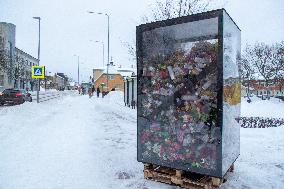
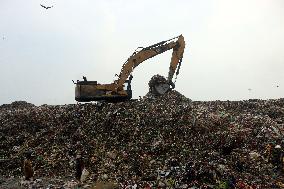
08.01.2024, Viljandi. Let's go to Zero! exhibition Cemetery Garbage. The purpose of the exhibition and educational program is to show the nature of garbage, the size of the problem and offer environmentally friendly solutions to the average consumer. Photo Marko Saarm, Sakala

  •  
Let's go to Zero! exhibition Cemetery Garbage

Let's go to Zero! exhibition Cemetery Garbage

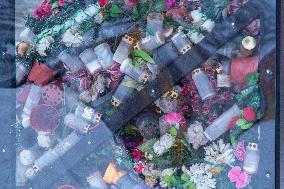
08.01.2024, Viljandi. Let's go to Zero! exhibition Cemetery Garbage. The purpose of the exhibition and educational program is to show the nature of garbage, the size of the problem and offer environmentally friendly solutions to the average consumer. Photo Marko Saarm, Sakala

  •  
Let's go to Zero! exhibition Cemetery Garbage

Let's go to Zero! exhibition Cemetery Garbage

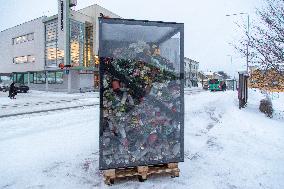
08.01.2024, Viljandi. Let's go to Zero! exhibition Cemetery Garbage. The purpose of the exhibition and educational program is to show the nature of garbage, the size of the problem and offer environmentally friendly solutions to the average consumer. Photo Marko Saarm, Sakala

  •  
Waste Pickers In Dump Site - Dhaka

Waste Pickers In Dump Site - Dhaka

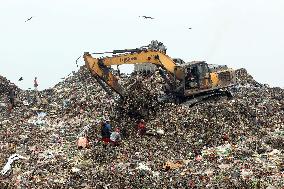
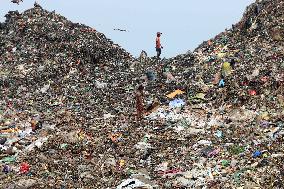
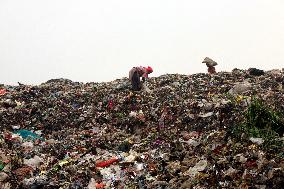
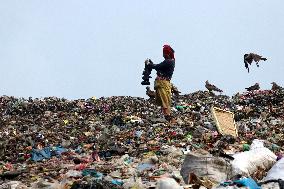
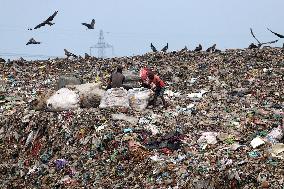
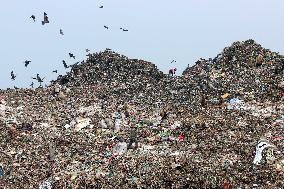
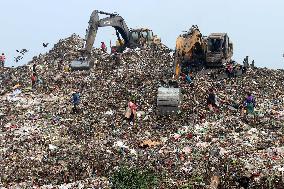
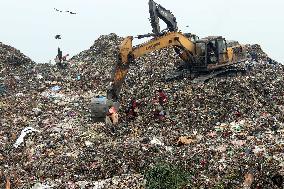
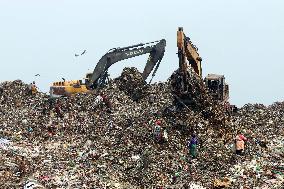
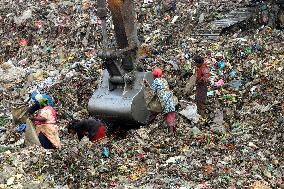
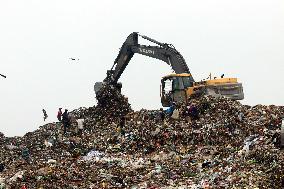
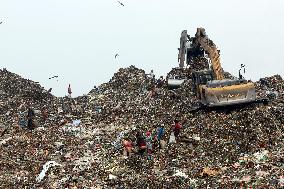
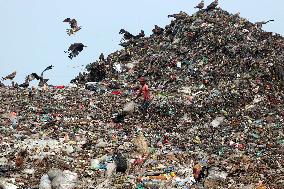
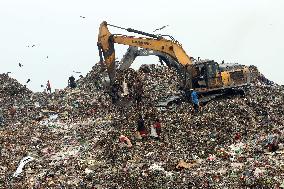
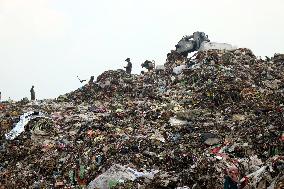
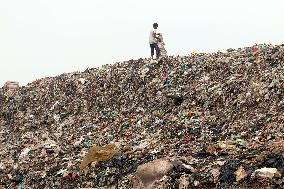
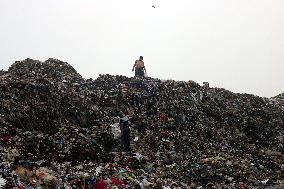
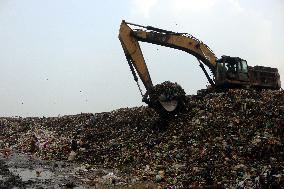
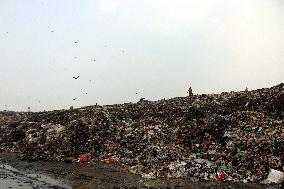
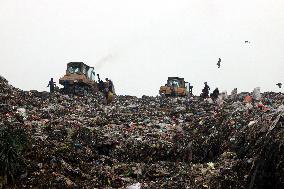
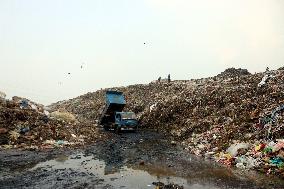
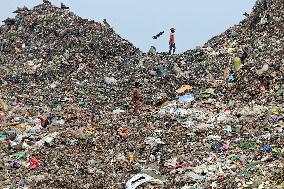
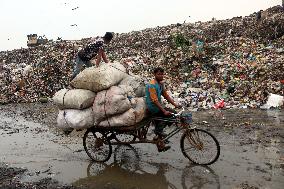
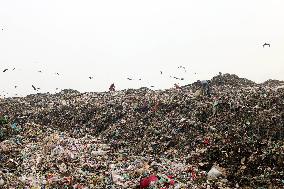
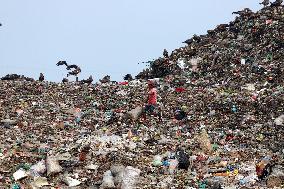
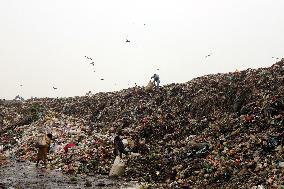
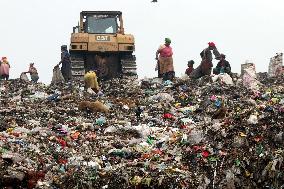
People waste pickers pick the non- biodegradable waste to be used for the recycling industry in dump site in Dhaka many people live by collecting waste from the mountains of garbage that is generated daily, mostly from the capital of Dhaka. Bangladesh, the eighth most populous country in the world, currently has a serious pollution problem due The solid waste generation in urban areas of Bangladesh amounts to around 25,000 tons per day, which translates. The Dhaka city produces one-quarter of all urban waste in the country. The total urban solid waste is projected to grow up to 47,000 tons per day by 2025. Dhaka, Bangladesh, October 25, 2021. Photo by Habibur Rahman/ABACAPRESS.COM

  •  
Waste Pickers In Dump Site - Dhaka

Waste Pickers In Dump Site - Dhaka

People waste pickers pick the non- biodegradable waste to be used for the recycling industry in dump site in Dhaka many people live by collecting waste from the mountains of garbage that is generated daily, mostly from the capital of Dhaka. Bangladesh, the eighth most populous country in the world, currently has a serious pollution problem due The solid waste generation in urban areas of Bangladesh amounts to around 25,000 tons per day, which translates. The Dhaka city produces one-quarter of all urban waste in the country. The total urban solid waste is projected to grow up to 47,000 tons per day by 2025. Dhaka, Bangladesh, October 25, 2021. Photo by Habibur Rahman/ABACAPRESS.COM

  •  
People Waste Pickers - Dhaka

People Waste Pickers - Dhaka

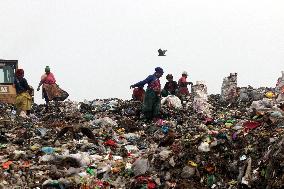
People waste pickers pick the non- biodegradable waste to be used for the recycling industry in dump site in Dhaka many people live by collecting waste from the mountains of garbage that is generated daily, mostly from the capital of Dhaka. Bangladesh, the eighth most populous country in the world, currently has a serious pollution problem due The solid waste generation in urban areas of Bangladesh amounts to around 25,000 tons per day, which translates. The Dhaka city produces one-quarter of all urban waste in the country. The total urban solid waste is projected to grow up to 47,000 tons per day by 2025. On octoberber 25, 2021 in Dhaka, Bangladesh. Photo by Habibur Rahman/ABACAPRESS.COM

  •  
Waste Pickers In Dump Site - Dhaka

Waste Pickers In Dump Site - Dhaka

People waste pickers pick the non- biodegradable waste to be used for the recycling industry in dump site in Dhaka many people live by collecting waste from the mountains of garbage that is generated daily, mostly from the capital of Dhaka. Bangladesh, the eighth most populous country in the world, currently has a serious pollution problem due The solid waste generation in urban areas of Bangladesh amounts to around 25,000 tons per day, which translates. The Dhaka city produces one-quarter of all urban waste in the country. The total urban solid waste is projected to grow up to 47,000 tons per day by 2025. Dhaka, Bangladesh, October 25, 2021. Photo by Habibur Rahman/ABACAPRESS.COM

  •  
Waste Pickers In Dump Site - Dhaka

Waste Pickers In Dump Site - Dhaka

People waste pickers pick the non- biodegradable waste to be used for the recycling industry in dump site in Dhaka many people live by collecting waste from the mountains of garbage that is generated daily, mostly from the capital of Dhaka. Bangladesh, the eighth most populous country in the world, currently has a serious pollution problem due The solid waste generation in urban areas of Bangladesh amounts to around 25,000 tons per day, which translates. The Dhaka city produces one-quarter of all urban waste in the country. The total urban solid waste is projected to grow up to 47,000 tons per day by 2025. Dhaka, Bangladesh, October 25, 2021. Photo by Habibur Rahman/ABACAPRESS.COM

  •  
Waste Pickers In Dump Site - Dhaka

Waste Pickers In Dump Site - Dhaka

People waste pickers pick the non- biodegradable waste to be used for the recycling industry in dump site in Dhaka many people live by collecting waste from the mountains of garbage that is generated daily, mostly from the capital of Dhaka. Bangladesh, the eighth most populous country in the world, currently has a serious pollution problem due The solid waste generation in urban areas of Bangladesh amounts to around 25,000 tons per day, which translates. The Dhaka city produces one-quarter of all urban waste in the country. The total urban solid waste is projected to grow up to 47,000 tons per day by 2025. Dhaka, Bangladesh, October 25, 2021. Photo by Habibur Rahman/ABACAPRESS.COM

  •  
Waste Pickers In Dump Site - Dhaka

Waste Pickers In Dump Site - Dhaka

People waste pickers pick the non- biodegradable waste to be used for the recycling industry in dump site in Dhaka many people live by collecting waste from the mountains of garbage that is generated daily, mostly from the capital of Dhaka. Bangladesh, the eighth most populous country in the world, currently has a serious pollution problem due The solid waste generation in urban areas of Bangladesh amounts to around 25,000 tons per day, which translates. The Dhaka city produces one-quarter of all urban waste in the country. The total urban solid waste is projected to grow up to 47,000 tons per day by 2025. Dhaka, Bangladesh, October 25, 2021. Photo by Habibur Rahman/ABACAPRESS.COM

  •  
Waste Pickers In Dump Site - Dhaka

Waste Pickers In Dump Site - Dhaka

People waste pickers pick the non- biodegradable waste to be used for the recycling industry in dump site in Dhaka many people live by collecting waste from the mountains of garbage that is generated daily, mostly from the capital of Dhaka. Bangladesh, the eighth most populous country in the world, currently has a serious pollution problem due The solid waste generation in urban areas of Bangladesh amounts to around 25,000 tons per day, which translates. The Dhaka city produces one-quarter of all urban waste in the country. The total urban solid waste is projected to grow up to 47,000 tons per day by 2025. Dhaka, Bangladesh, October 25, 2021. Photo by Habibur Rahman/ABACAPRESS.COM

  •  
Waste Pickers In Dump Site - Dhaka

Waste Pickers In Dump Site - Dhaka

People waste pickers pick the non- biodegradable waste to be used for the recycling industry in dump site in Dhaka many people live by collecting waste from the mountains of garbage that is generated daily, mostly from the capital of Dhaka. Bangladesh, the eighth most populous country in the world, currently has a serious pollution problem due The solid waste generation in urban areas of Bangladesh amounts to around 25,000 tons per day, which translates. The Dhaka city produces one-quarter of all urban waste in the country. The total urban solid waste is projected to grow up to 47,000 tons per day by 2025. Dhaka, Bangladesh, October 25, 2021. Photo by Habibur Rahman/ABACAPRESS.COM

  •  
Waste Pickers In Dump Site - Dhaka

Waste Pickers In Dump Site - Dhaka

People waste pickers pick the non- biodegradable waste to be used for the recycling industry in dump site in Dhaka many people live by collecting waste from the mountains of garbage that is generated daily, mostly from the capital of Dhaka. Bangladesh, the eighth most populous country in the world, currently has a serious pollution problem due The solid waste generation in urban areas of Bangladesh amounts to around 25,000 tons per day, which translates. The Dhaka city produces one-quarter of all urban waste in the country. The total urban solid waste is projected to grow up to 47,000 tons per day by 2025. Dhaka, Bangladesh, October 25, 2021. Photo by Habibur Rahman/ABACAPRESS.COM

  •  
Waste Pickers In Dump Site - Dhaka

Waste Pickers In Dump Site - Dhaka

People waste pickers pick the non- biodegradable waste to be used for the recycling industry in dump site in Dhaka many people live by collecting waste from the mountains of garbage that is generated daily, mostly from the capital of Dhaka. Bangladesh, the eighth most populous country in the world, currently has a serious pollution problem due The solid waste generation in urban areas of Bangladesh amounts to around 25,000 tons per day, which translates. The Dhaka city produces one-quarter of all urban waste in the country. The total urban solid waste is projected to grow up to 47,000 tons per day by 2025. Dhaka, Bangladesh, October 25, 2021. Photo by Habibur Rahman/ABACAPRESS.COM

  •  
Waste Pickers In Dump Site - Dhaka

Waste Pickers In Dump Site - Dhaka

People waste pickers pick the non- biodegradable waste to be used for the recycling industry in dump site in Dhaka many people live by collecting waste from the mountains of garbage that is generated daily, mostly from the capital of Dhaka. Bangladesh, the eighth most populous country in the world, currently has a serious pollution problem due The solid waste generation in urban areas of Bangladesh amounts to around 25,000 tons per day, which translates. The Dhaka city produces one-quarter of all urban waste in the country. The total urban solid waste is projected to grow up to 47,000 tons per day by 2025. Dhaka, Bangladesh, October 25, 2021. Photo by Habibur Rahman/ABACAPRESS.COM

  •  
Waste Pickers In Dump Site - Dhaka

Waste Pickers In Dump Site - Dhaka

People waste pickers pick the non- biodegradable waste to be used for the recycling industry in dump site in Dhaka many people live by collecting waste from the mountains of garbage that is generated daily, mostly from the capital of Dhaka. Bangladesh, the eighth most populous country in the world, currently has a serious pollution problem due The solid waste generation in urban areas of Bangladesh amounts to around 25,000 tons per day, which translates. The Dhaka city produces one-quarter of all urban waste in the country. The total urban solid waste is projected to grow up to 47,000 tons per day by 2025. Dhaka, Bangladesh, October 25, 2021. Photo by Habibur Rahman/ABACAPRESS.COM

  •  
Waste Pickers In Dump Site - Dhaka

Waste Pickers In Dump Site - Dhaka

People waste pickers pick the non- biodegradable waste to be used for the recycling industry in dump site in Dhaka many people live by collecting waste from the mountains of garbage that is generated daily, mostly from the capital of Dhaka. Bangladesh, the eighth most populous country in the world, currently has a serious pollution problem due The solid waste generation in urban areas of Bangladesh amounts to around 25,000 tons per day, which translates. The Dhaka city produces one-quarter of all urban waste in the country. The total urban solid waste is projected to grow up to 47,000 tons per day by 2025. Dhaka, Bangladesh, October 25, 2021. Photo by Habibur Rahman/ABACAPRESS.COM

  •  
People Waste Pickers - Dhaka

People Waste Pickers - Dhaka

People waste pickers pick the non- biodegradable waste to be used for the recycling industry in dump site in Dhaka many people live by collecting waste from the mountains of garbage that is generated daily, mostly from the capital of Dhaka. Bangladesh, the eighth most populous country in the world, currently has a serious pollution problem due The solid waste generation in urban areas of Bangladesh amounts to around 25,000 tons per day, which translates. The Dhaka city produces one-quarter of all urban waste in the country. The total urban solid waste is projected to grow up to 47,000 tons per day by 2025. On octoberber 25, 2021 in Dhaka, Bangladesh. Photo by Habibur Rahman/ABACAPRESS.COM

  •  
People Waste Pickers - Dhaka

People Waste Pickers - Dhaka

People waste pickers pick the non- biodegradable waste to be used for the recycling industry in dump site in Dhaka many people live by collecting waste from the mountains of garbage that is generated daily, mostly from the capital of Dhaka. Bangladesh, the eighth most populous country in the world, currently has a serious pollution problem due The solid waste generation in urban areas of Bangladesh amounts to around 25,000 tons per day, which translates. The Dhaka city produces one-quarter of all urban waste in the country. The total urban solid waste is projected to grow up to 47,000 tons per day by 2025. On octoberber 25, 2021 in Dhaka, Bangladesh. Photo by Habibur Rahman/ABACAPRESS.COM

  •  
People Waste Pickers - Dhaka

People Waste Pickers - Dhaka

People waste pickers pick the non- biodegradable waste to be used for the recycling industry in dump site in Dhaka many people live by collecting waste from the mountains of garbage that is generated daily, mostly from the capital of Dhaka. Bangladesh, the eighth most populous country in the world, currently has a serious pollution problem due The solid waste generation in urban areas of Bangladesh amounts to around 25,000 tons per day, which translates. The Dhaka city produces one-quarter of all urban waste in the country. The total urban solid waste is projected to grow up to 47,000 tons per day by 2025. On octoberber 25, 2021 in Dhaka, Bangladesh. Photo by Habibur Rahman/ABACAPRESS.COM

  •  
People Waste Pickers - Dhaka

People Waste Pickers - Dhaka

People waste pickers pick the non- biodegradable waste to be used for the recycling industry in dump site in Dhaka many people live by collecting waste from the mountains of garbage that is generated daily, mostly from the capital of Dhaka. Bangladesh, the eighth most populous country in the world, currently has a serious pollution problem due The solid waste generation in urban areas of Bangladesh amounts to around 25,000 tons per day, which translates. The Dhaka city produces one-quarter of all urban waste in the country. The total urban solid waste is projected to grow up to 47,000 tons per day by 2025. On octoberber 25, 2021 in Dhaka, Bangladesh. Photo by Habibur Rahman/ABACAPRESS.COM

  •  
People Waste Pickers - Dhaka

People Waste Pickers - Dhaka

People waste pickers pick the non- biodegradable waste to be used for the recycling industry in dump site in Dhaka many people live by collecting waste from the mountains of garbage that is generated daily, mostly from the capital of Dhaka. Bangladesh, the eighth most populous country in the world, currently has a serious pollution problem due The solid waste generation in urban areas of Bangladesh amounts to around 25,000 tons per day, which translates. The Dhaka city produces one-quarter of all urban waste in the country. The total urban solid waste is projected to grow up to 47,000 tons per day by 2025. On octoberber 25, 2021 in Dhaka, Bangladesh. Photo by Habibur Rahman/ABACAPRESS.COM

  •  
People Waste Pickers - Dhaka

People Waste Pickers - Dhaka

People waste pickers pick the non- biodegradable waste to be used for the recycling industry in dump site in Dhaka many people live by collecting waste from the mountains of garbage that is generated daily, mostly from the capital of Dhaka. Bangladesh, the eighth most populous country in the world, currently has a serious pollution problem due The solid waste generation in urban areas of Bangladesh amounts to around 25,000 tons per day, which translates. The Dhaka city produces one-quarter of all urban waste in the country. The total urban solid waste is projected to grow up to 47,000 tons per day by 2025. On octoberber 25, 2021 in Dhaka, Bangladesh. Photo by Habibur Rahman/ABACAPRESS.COM

  •  
People Waste Pickers - Dhaka

People Waste Pickers - Dhaka

People waste pickers pick the non- biodegradable waste to be used for the recycling industry in dump site in Dhaka many people live by collecting waste from the mountains of garbage that is generated daily, mostly from the capital of Dhaka. Bangladesh, the eighth most populous country in the world, currently has a serious pollution problem due The solid waste generation in urban areas of Bangladesh amounts to around 25,000 tons per day, which translates. The Dhaka city produces one-quarter of all urban waste in the country. The total urban solid waste is projected to grow up to 47,000 tons per day by 2025. On octoberber 25, 2021 in Dhaka, Bangladesh. Photo by Habibur Rahman/ABACAPRESS.COM

  •  
People Waste Pickers - Dhaka

People Waste Pickers - Dhaka

People waste pickers pick the non- biodegradable waste to be used for the recycling industry in dump site in Dhaka many people live by collecting waste from the mountains of garbage that is generated daily, mostly from the capital of Dhaka. Bangladesh, the eighth most populous country in the world, currently has a serious pollution problem due The solid waste generation in urban areas of Bangladesh amounts to around 25,000 tons per day, which translates. The Dhaka city produces one-quarter of all urban waste in the country. The total urban solid waste is projected to grow up to 47,000 tons per day by 2025. On octoberber 25, 2021 in Dhaka, Bangladesh. Photo by Habibur Rahman/ABACAPRESS.COM

  •  
People Waste Pickers - Dhaka

People Waste Pickers - Dhaka

People waste pickers pick the non- biodegradable waste to be used for the recycling industry in dump site in Dhaka many people live by collecting waste from the mountains of garbage that is generated daily, mostly from the capital of Dhaka. Bangladesh, the eighth most populous country in the world, currently has a serious pollution problem due The solid waste generation in urban areas of Bangladesh amounts to around 25,000 tons per day, which translates. The Dhaka city produces one-quarter of all urban waste in the country. The total urban solid waste is projected to grow up to 47,000 tons per day by 2025. On octoberber 25, 2021 in Dhaka, Bangladesh. Photo by Habibur Rahman/ABACAPRESS.COM

  •  
People Waste Pickers - Dhaka

People Waste Pickers - Dhaka

People waste pickers pick the non- biodegradable waste to be used for the recycling industry in dump site in Dhaka many people live by collecting waste from the mountains of garbage that is generated daily, mostly from the capital of Dhaka. Bangladesh, the eighth most populous country in the world, currently has a serious pollution problem due The solid waste generation in urban areas of Bangladesh amounts to around 25,000 tons per day, which translates. The Dhaka city produces one-quarter of all urban waste in the country. The total urban solid waste is projected to grow up to 47,000 tons per day by 2025. On octoberber 25, 2021 in Dhaka, Bangladesh. Photo by Habibur Rahman/ABACAPRESS.COM

  •  
People Waste Pickers - Dhaka

People Waste Pickers - Dhaka

People waste pickers pick the non- biodegradable waste to be used for the recycling industry in dump site in Dhaka many people live by collecting waste from the mountains of garbage that is generated daily, mostly from the capital of Dhaka. Bangladesh, the eighth most populous country in the world, currently has a serious pollution problem due The solid waste generation in urban areas of Bangladesh amounts to around 25,000 tons per day, which translates. The Dhaka city produces one-quarter of all urban waste in the country. The total urban solid waste is projected to grow up to 47,000 tons per day by 2025. On octoberber 25, 2021 in Dhaka, Bangladesh. Photo by Habibur Rahman/ABACAPRESS.COM

  •  
People Waste Pickers - Dhaka

People Waste Pickers - Dhaka

People waste pickers pick the non- biodegradable waste to be used for the recycling industry in dump site in Dhaka many people live by collecting waste from the mountains of garbage that is generated daily, mostly from the capital of Dhaka. Bangladesh, the eighth most populous country in the world, currently has a serious pollution problem due The solid waste generation in urban areas of Bangladesh amounts to around 25,000 tons per day, which translates. The Dhaka city produces one-quarter of all urban waste in the country. The total urban solid waste is projected to grow up to 47,000 tons per day by 2025. On octoberber 25, 2021 in Dhaka, Bangladesh. Photo by Habibur Rahman/ABACAPRESS.COM

  •  
People Waste Pickers - Dhaka

People Waste Pickers - Dhaka

People waste pickers pick the non- biodegradable waste to be used for the recycling industry in dump site in Dhaka many people live by collecting waste from the mountains of garbage that is generated daily, mostly from the capital of Dhaka. Bangladesh, the eighth most populous country in the world, currently has a serious pollution problem due The solid waste generation in urban areas of Bangladesh amounts to around 25,000 tons per day, which translates. The Dhaka city produces one-quarter of all urban waste in the country. The total urban solid waste is projected to grow up to 47,000 tons per day by 2025. On octoberber 25, 2021 in Dhaka, Bangladesh. Photo by Habibur Rahman/ABACAPRESS.COM

  •  
People Waste Pickers - Dhaka

People Waste Pickers - Dhaka

People waste pickers pick the non- biodegradable waste to be used for the recycling industry in dump site in Dhaka many people live by collecting waste from the mountains of garbage that is generated daily, mostly from the capital of Dhaka. Bangladesh, the eighth most populous country in the world, currently has a serious pollution problem due The solid waste generation in urban areas of Bangladesh amounts to around 25,000 tons per day, which translates. The Dhaka city produces one-quarter of all urban waste in the country. The total urban solid waste is projected to grow up to 47,000 tons per day by 2025. On octoberber 25, 2021 in Dhaka, Bangladesh. Photo by Habibur Rahman/ABACAPRESS.COM

  •  
People Waste Pickers - Dhaka

People Waste Pickers - Dhaka

People waste pickers pick the non- biodegradable waste to be used for the recycling industry in dump site in Dhaka many people live by collecting waste from the mountains of garbage that is generated daily, mostly from the capital of Dhaka. Bangladesh, the eighth most populous country in the world, currently has a serious pollution problem due The solid waste generation in urban areas of Bangladesh amounts to around 25,000 tons per day, which translates. The Dhaka city produces one-quarter of all urban waste in the country. The total urban solid waste is projected to grow up to 47,000 tons per day by 2025. On octoberber 25, 2021 in Dhaka, Bangladesh. Photo by Habibur Rahman/ABACAPRESS.COM

  •  
P&G's Joy Ocean Plastic kitchen detergent

P&G's Joy Ocean Plastic kitchen detergent

Procter & Gamble (P&G) Japan will launch Joy Ocean Plastic in early November, a product made by recycling marine plastic waste and turning it into kitchen detergent containers. About 6 tons of plastic washed up on the coast of Nagasaki Prefecture was collected, processed, and used to make 25% of a kitchen detergent bottle. The content of the detergent is the same as the conventional product, and the production scale is 550,000 bottles. The sales price is open. P&G has been focusing on reducing environmental impact as part of its sustainability efforts, and this initiative was taken in response to the global problem of marine plastic waste. P&G Japan President Stanislav Becerra explained, "We want to play a role as a lighthouse in the daily necessities industry, making consumers aware of the garbage problem and leading to solutions. Photo taken on November 6, 2019, location unknown, credit: Nikkan Kogyo Shimbun / Kyodo News Images

  •  

Let's go to the Olympics

The public morality of Japanese people needs to be corrected before the Olympics. A lively opening ceremony of the athletes' village. The Crown Prince visits the stadium the expressway is completed the monorail from Haneda to Hamamatsucho is opened the problem of gum throwing up cleanup campaign entering the off-limits lawn Korakuen Chunichi-Giant game Eto Oh people eating and drinking in the stands trash problem. People drinking and eating in the stands trash problem throwing trash in the toilets flyers warning against standing and urinating littering cigarettes drunks at the station trash cans installed *Date of shooting unknown release date: September 18 1964

  • Main
  • Top
  • Editorial
  • Creative
  • About Us
  • About ILG
  • Terms of use
  • Company
  • BEHIND
  • Price List
  • Single Plan
  • Monthly Plan
  • Services
  • Shooting
  • Rights Clearance
  • Support
  • FAQ
  • How To Buy
  • Contact Us
  • Become a Partner

© KYODO NEWS IMAGES INC

All Rights Reserved.

  • Editorial
  • Olympics
  • News
  • Sports
  • Japan
  • Tech
  • Royal
  • Disaster
  • NorthKorea
  • Old Japan
  • SNS
  • Creative
  • Food
  • Japan
  • Landscape
  • Animal
  • Popular
  • #Ukraine
  • #China
  • #coronavirus
  • #N. Korea
  • #Russia
  • #Thailand
  • #Ukraine
  • #China
  • #coronavirus
  • #N. Korea
  • #Russia
  • #Thailand
  • Food
  • Japan
  • Landscape
  • Animal
  • Olympics
  • News
  • Sports
  • Japan
  • Tech
  • Royal
  • Disaster
  • NorthKorea
  • Old Japan
  • SNS