•  
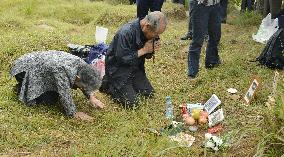
Brother, sister pray for repose of father's soul in N. Korea

Brother, sister pray for repose of father's soul in N. Korea

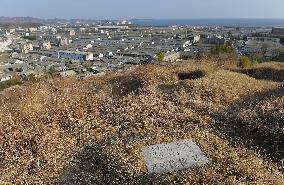
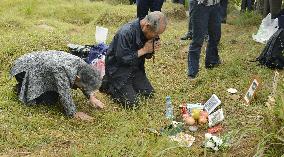
HAMHUNG, North Korea - Yaeko Azeta (L) pounds on the ground while weeping and her brother Takashi Fukushima prays for the repose of their father's soul on Sept. 21, 2014, on a mountain in Hamhung, northeastern North Korea, where some 4,000 Japanese are believed to have been buried during and after World War II.

  •  
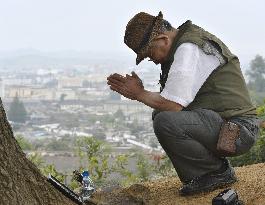
Man prays for repose of father's soul in N. Korea

Man prays for repose of father's soul in N. Korea

HAMHUNG, North Korea - Eighty-year-old Tatsuo Kondo, a member of a group of Japanese citizens visiting graves of their kin who died during and after World War II, prays for the repose of his father's soul before a tree on the mountainside in Hamhung, northeastern North Korea, on Sept. 21, 2014.

  •  
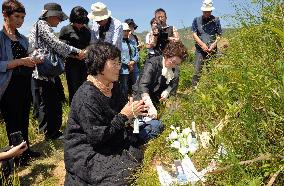
Japanese group visits burial site in N. Korea

Japanese group visits burial site in N. Korea

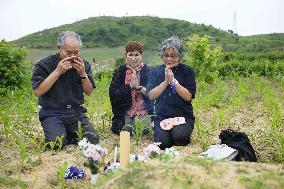
HAMHUNG, North Korea - A group of Japanese people whose relatives died around the end of World War II in what is now North Korea pay their respects at a burial site for Japanese people in Hamhung, North Korea, on July 1, 2014.

  •  
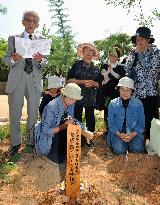
Japanese group visits burial site in N. Korea

Japanese group visits burial site in N. Korea

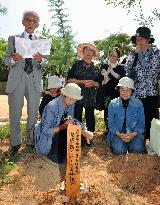
HAMHUNG, North Korea - Akio Iwamoto (extreme L), who lost family members around the end of World War II in what is now North Korea, reads a monody in Hamhung, North Korea, on July 1, 2014, after putting up a memorial marker facing the mountain where his family members are buried.

  •  
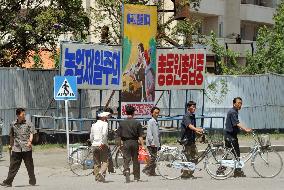
N. Koreans on day of Japan-N. Korea talks

N. Koreans on day of Japan-N. Korea talks

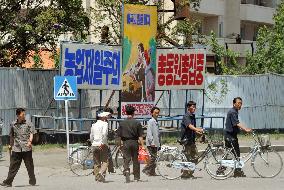
HAMHUNG, North Korea - North Korean people in Hamhung, North Korea, are photographed on July 1, 2014. Many North Koreans have not been notified about the Japan-North Korea talks held the same day in Beijing, China.

  •  
Ski resort in N. Korea

Ski resort in N. Korea

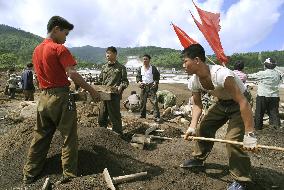
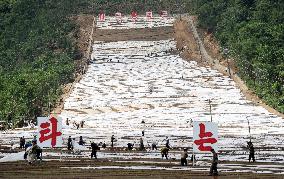
HAMHUNG, North Korea - Workers are seen constructing the Masik hill ski resort in Kangwon Province, North Korea, on Sept. 1, 2013.

  •  
Ski resort in N. Korea

Ski resort in N. Korea

HAMHUNG, North Korea - Workers are seen constructing the Masik hill ski resort in Kangwon Province, North Korea, on Sept. 1, 2013.

  •  
Kim statues

Kim statues

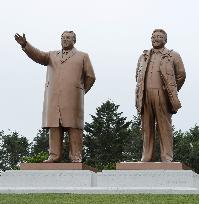
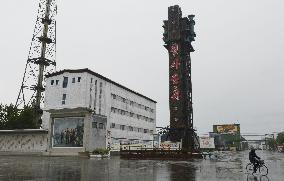
PYONGYANG, North Korea - A statue of former North Korean leader Kim Jong Il (R), built in Hamhung, South Hamgyong Province, in December 2012 next to the statue of his father and North Korean founder Kim Il Sung, is shown to Japanese reporters in June 2013.

  •  
Japanese mourn relatives buried in N. Korea

Japanese mourn relatives buried in N. Korea

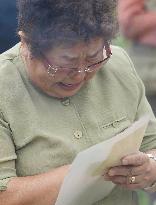
HAMHUNG, North Korea - Makiko Taniguchi, 74, from Kagoshima Prefecture in southwestern Japan, cries while holding a picture of her mother on June 21, 2013, at a site in Hamhung in the east of North Korea believed to contain the remains of around 1,600 Japanese soldiers and civilians. Taniguchi's sister and brother died near the burial site when they were 5 years old and 9 months old, respectively.

  •  
Japanese mourn relatives buried in N. Korea

Japanese mourn relatives buried in N. Korea

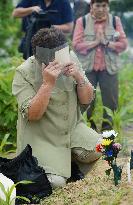
HAMHUNG, North Korea - Makiko Taniguchi, 74, from Kagoshima Prefecture in southwestern Japan, cries while covering her face with a picture of her mother on June 21, 2013, at a site in Hamhung in the east of North Korea believed to contain the remains of around 1,600 Japanese soldiers and civilians. Taniguchi's sister and brother died near the burial site when they were 5 years old and 9 months old, respectively.

  •  
Japanese mourn relatives buried in N. Korea

Japanese mourn relatives buried in N. Korea

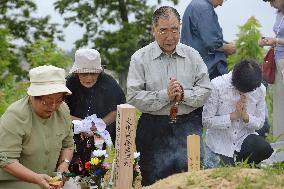
HAMHUNG, North Korea - A group of former Japanese residents of what is now North Korea visit a site in Hamhung in the east of the country on June 21, 2013, that is believed to contain the remains of around 1,600 Japanese soldiers and civilians.

  •  
Japanese mourn relatives buried in N. Korea

Japanese mourn relatives buried in N. Korea

HAMHUNG, North Korea - A group of former Japanese residents of what is now North Korea visit a site in Hamhung in the east of the country on June 21, 2013, that is believed to contain the remains of around 1,600 Japanese soldiers and civilians.

  •  
Visit to burial site for Japanese in N. Korea

Visit to burial site for Japanese in N. Korea

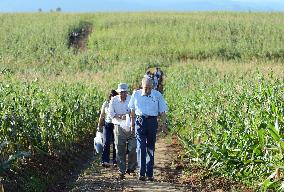
HAMHUNG, North Korea - Members of Seishinkai, a group of former Japanese residents of what is now North Korea, leave a corn field in Bupyong, a site believed to contain the remains of Japanese nationals who died around the end of World War II, outside Hamhung in the south of Hamgyong Province in eastern North Korea, on Sept. 2, 2012.

  •  
Japanese coin found at burial site in N. Korea

Japanese coin found at burial site in N. Korea

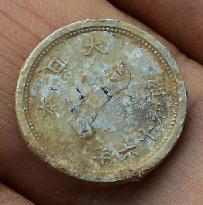
HAMHUNG, North Korea - Photo taken Sept. 2, 2012, shows what appears to be a Japanese coin that North Korea said was discovered in a survey in March 2011 of a site in Bupyong, believed to contain the remains of Japanese nationals who died around the end of World War II, outside Hamhung in the south of Hamgyong Province in eastern North Korea. A bag containing the coin was excavated there on Sept. 2, 2012. Characters such as "Dai-Nippon," loosely translated as great Japan, "Showa 16 nen," referring to a Japanese era and year equivalent to the year 1941, and "Issen," a small currency unit, are inscribed on the coin.

  •  
Visit to burial site for Japanese in N. Korea

Visit to burial site for Japanese in N. Korea

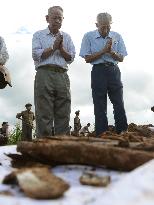
HAMHUNG, North Korea - Sadao Masaki (L), the head of Seishinkai, a group of former Japanese residents of what is now North Korea, puts his hands together in prayer facing what are believed to be the remains of Japanese nationals who died around the end of World War II, excavated at a site in Bupyong, outside Hamhung in the south of Hamgyong Province in eastern North Korea, on Sept. 2, 2012.

  •  
Buttons found at burial site for Japanese in N. Korea

Buttons found at burial site for Japanese in N. Korea

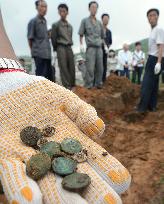
HAMHUNG, North Korea - Photo taken Sept. 2, 2012, shows buttons contained in a bag that was excavated the same day at a site in Bupyong, believed to contain the remains of Japanese nationals who died around the end of World War II, outside Hamhung in the south of Hamgyong Province in eastern North Korea.

  •  
Fertilizer complex in N. Korea

Fertilizer complex in N. Korea

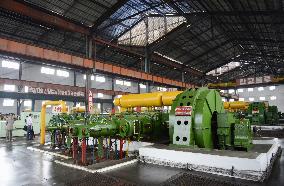
HAMHUNG, North Korea - Photo taken Aug. 25, 2012, shows facilities at the Hungnam Fertilizer Complex in Hamhung, South Hamgyong Province, North Korea, which is preparing for a large-scale increase in production.

  •  
Fertilizer complex in N. Korea

Fertilizer complex in N. Korea

HAMHUNG, North Korea - Photo taken Aug. 25, 2012, shows equipment at the Hungnam Fertilizer Complex in Hamhung, South Hamgyong Province, North Korea, which is preparing for a large-scale increase in production.

  •  
Fertilizer complex in N. Korea

Fertilizer complex in N. Korea

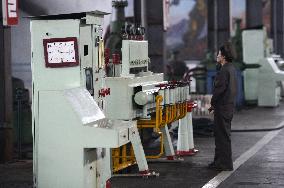
HAMHUNG, North Korea - A worker carries out maintenance of equipment on Aug. 25, 2012, at the Hungnam Fertilizer Complex in Hamhung, South Hamgyong Province, North Korea, which is preparing for a large-scale increase in production.

  •  
N. Korea discloses new "burial sites" for Japanese war dead

N. Korea discloses new "burial sites" for Japanese war dead

Photo taken on Nov. 5, 2015, shows a communal cemetery in Hamhung, eastern North Korea. Kyodo News was given access to the cemetery, one of the two locations that Pyongyang says are newly found burial sites for Japanese nationals who died around the end of World War II. (Kyodo) ==Kyodo

  •  
N. Korea discloses "new burial sites" for Japanese war dead

N. Korea discloses "new burial sites" for Japanese war dead

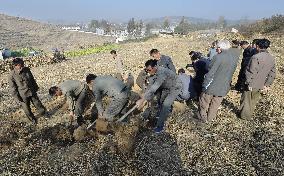
Residents in Hamhung, eastern North Korea, dig up a farming field on Nov. 5, 2015, in search of the remains of Japanese nationals who died around the end of World War II. Kyodo News was given access to the field, one of the two locations that Pyongyang says are newly found burial sites for Japanese war victims. (Kyodo) ==Kyodo

  •  
Remains unearthed at "new burial site" for Japanese war dead

Remains unearthed at "new burial site" for Japanese war dead

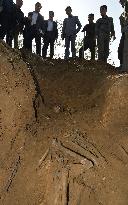
People look at the purported remains of Japanese World War II soldiers unearthed from a farming filed in Hamhung, eastern North Korea, on Nov. 5, 2015. Kyodo News was given access to the field, one of the two locations that Pyongyang says are newly found burial sites for Japanese nationals who died around the end of the war. (Kyodo) ==Kyodo

  •  
Brother, sister pray for repose of father's soul in N. Korea

Brother, sister pray for repose of father's soul in N. Korea

HAMHUNG, North Korea - Yaeko Azeta (L) pounds on the ground while weeping and her brother Takashi Fukushima prays for the repose of their father's soul on Sept. 21, 2014, on a mountain in Hamhung, northeastern North Korea, where some 4,000 Japanese are believed to have been buried during and after World War II. (Kyodo)

  •  
Japanese group visits burial site in N. Korea

Japanese group visits burial site in N. Korea

HAMHUNG, North Korea - Akio Iwamoto (extreme L), who lost family members around the end of World War II in what is now North Korea, reads a monody in Hamhung, North Korea, on July 1, 2014, after putting up a memorial marker facing the mountain where his family members are buried. (Kyodo)

  •  
N. Koreans on day of Japan-N. Korea talks

N. Koreans on day of Japan-N. Korea talks

HAMHUNG, North Korea - North Korean people in Hamhung, North Korea, are photographed on July 1, 2014. Many North Koreans have not been notified about the Japan-North Korea talks held the same day in Beijing, China. (Kyodo)

  •  
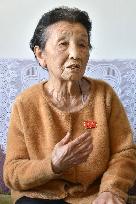
Japanese remaining in N. Korea voices wish to visit parents' grave

Japanese remaining in N. Korea voices wish to visit parents' grave

Ruriko Arai, an 84-year-old war-displaced Japanese woman living in North Korea, meets with reporters in the eastern coastal city of Hamhung, where she has lived since her teens, on April 19, 2017. Arai expressed her hope to visit the grave of her parents in Japan. (Kyodo) ==Kyodo

  •  
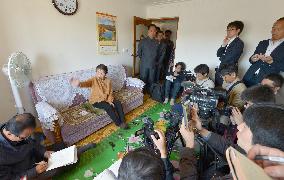
Japanese remaining in N. Korea voices wish to visit parents' grave

Japanese remaining in N. Korea voices wish to visit parents' grave

Ruriko Arai (C), an 84-year-old war-displaced Japanese woman living in North Korea, meets with reporters in the eastern coastal city of Hamhung, where she has lived since her teens, on April 19, 2017. Arai expressed her hope to visit the grave of her parents in Japan. (Kyodo) ==Kyodo

  • Main
  • Top
  • Editorial
  • Creative
  • About Us
  • About ILG
  • Terms of use
  • Company
  • BEHIND
  • Price List
  • Single Plan
  • Monthly Plan
  • Services
  • Shooting
  • Rights Clearance
  • Support
  • FAQ
  • How To Buy
  • Contact Us
  • Become a Partner

© KYODO NEWS IMAGES INC

All Rights Reserved.

  • Editorial
  • Olympics
  • News
  • Sports
  • Japan
  • Tech
  • Royal
  • Disaster
  • NorthKorea
  • Old Japan
  • SNS
  • Creative
  • Food
  • Japan
  • Landscape
  • Animal
  • Popular
  • #Ukraine
  • #Russia
  • #coronavirus
  • #N. Korea
  • #Thailand
  • #China
  • #Ukraine
  • #Russia
  • #coronavirus
  • #N. Korea
  • #Thailand
  • #China
  • Food
  • Japan
  • Landscape
  • Animal
  • Olympics
  • News
  • Sports
  • Japan
  • Tech
  • Royal
  • Disaster
  • NorthKorea
  • Old Japan
  • SNS