•  
Illustration - Iran

Illustration - Iran

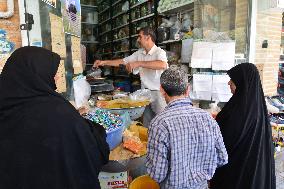
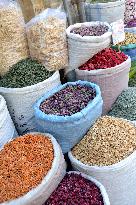
IRAN. SHIRAZ. SHOP OF DRY FLOWERS, HERBS AND FRUITS AT THE GREAT BAZAAR OF VAKIL, FIRST BUILT DURING THE XITH CENTURY. IT HAS NUMEROUS ALLEYS SPECIALIZED IN JEWELRY, RUGS, SPICES, CLOTHES.... Photo by Antoine Lorgnier/Only World/ABACAPRESS.COM

  •  
Illustration - Iran

Illustration - Iran

IRAN. SHIRAZ. SHOP OF DRY FLOWERS, HERBS AND FRUITS AT THE GREAT BAZAAR OF VAKIL, FIRST BUILT DURING THE XITH CENTURY. IT HAS NUMEROUS ALLEYS SPECIALIZED IN JEWELRY, RUGS, SPICES, CLOTHES.... Photo by Antoine Lorgnier/Only World/ABACAPRESS.COM

  •  
Illustration - Provence

Illustration - Provence

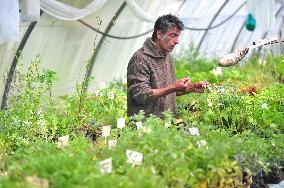
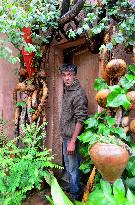
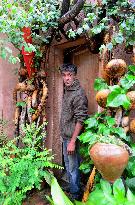
VAUCLUSE (84). NEAR SAIGNON, JEAN-LUC DANNEYROLLES HAS OPEN HIS "POTAGER D'UN CURIEUX" WHERE HE IS CULTIVATING OLD VARIETIES OF VEGETABLES AND WILD HERBS. HE ALSO HAS A HUGE COLLECTION OF SEEDS. Photo by Antoine Lorgnier/Only France/ABACAPRESS.COM

  •  
Illustration - Provence Food

Illustration - Provence Food

VAUCLUSE (84). NEAR SAIGNON, JEAN-LUC DANNEYROLLES HAS OPEN HIS "POTAGER D'UN CURIEUX" WHERE HE IS CULTIVATING OLD VARIETIES OF VEGETABLES AND WILD HERBS. HE ALSO HAS A HUGE COLLECTION OF SEEDS. Photo by Antoine Lorgnier/Only France/ABACAPRESS.COM

  •  
Illustration - Provence Food

Illustration - Provence Food

VAUCLUSE (84). NEAR SAIGNON, JEAN-LUC DANNEYROLLES HAS OPEN HIS "POTAGER D'UN CURIEUX" WHERE HE IS CULTIVATING OLD VARIETIES OF VEGETABLES AND WILD HERBS. HE ALSO HAS A HUGE COLLECTION OF SEEDS. Photo by Antoine Lorgnier/Only France/ABACAPRESS.COM

  •  
Bookshop at Beilong Village - China

Bookshop at Beilong Village - China

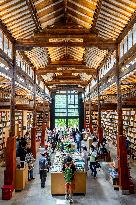
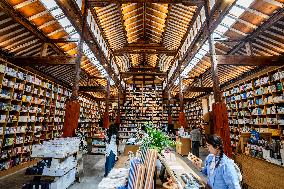
People visit a bookshop at Beilong Village of Shaxi Town, Jianchuan County, southwest China's Yunnan Province, April 20, 2025. A remote town in Jianchuan County, Shaxi was once an important trading hub for tea, herbs, silks and salt on the ancient Tea Horse Road, a trade route dating back to the Tang Dynasty (618-907). However, the trading hub in the late 19th century saw a decline because it was far away from emerging modern arterial roads, and other means of transport replaced the traveling caravans. Therefore, the local government initiated a restoration project with an aim to preserve its cultural heritage and landscape by improving infrastructure and promoting economic growth in Shaxi. Years of efforts are paying off. The town saw its old buildings renovated and sceneries beautified. Currently, Shaxi has turned into a desirable destination for tourists at home and abroad. In 2024 alone, Shaxi received over 3 million tourist trips from home and abroad, along with a total revenue of 4.298 billion yuan (abo

  •  
Bookshop at Beilong Village - China

Bookshop at Beilong Village - China

People visit a bookshop at Beilong Village of Shaxi Town, Jianchuan County, southwest China's Yunnan Province, April 20, 2025. A remote town in Jianchuan County, Shaxi was once an important trading hub for tea, herbs, silks and salt on the ancient Tea Horse Road, a trade route dating back to the Tang Dynasty (618-907). However, the trading hub in the late 19th century saw a decline because it was far away from emerging modern arterial roads, and other means of transport replaced the traveling caravans. Therefore, the local government initiated a restoration project with an aim to preserve its cultural heritage and landscape by improving infrastructure and promoting economic growth in Shaxi. Years of efforts are paying off. The town saw its old buildings renovated and sceneries beautified. Currently, Shaxi has turned into a desirable destination for tourists at home and abroad. In 2024 alone, Shaxi received over 3 million tourist trips from home and abroad, along with a total revenue of 4.298 billion yuan (abo

  •  
Bookshop at Beilong Village - China

Bookshop at Beilong Village - China

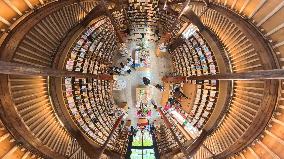
This panoramic photo taken on April 20, 2025 shows a bookshop at Beilong Village of Shaxi Town, Jianchuan County, southwest China's Yunnan Province. A remote town in Jianchuan County, Shaxi was once an important trading hub for tea, herbs, silks and salt on the ancient Tea Horse Road, a trade route dating back to the Tang Dynasty (618-907). However, the trading hub in the late 19th century saw a decline because it was far away from emerging modern arterial roads, and other means of transport replaced the traveling caravans. Therefore, the local government initiated a restoration project with an aim to preserve its cultural heritage and landscape by improving infrastructure and promoting economic growth in Shaxi. Years of efforts are paying off. The town saw its old buildings renovated and sceneries beautified. Currently, Shaxi has turned into a desirable destination for tourists at home and abroad. In 2024 alone, Shaxi received over 3 million tourist trips from home and abroad, along with a total revenue of 4

  •  
Hutsul Land Ethnopark in Bukovel ski resort

Hutsul Land Ethnopark in Bukovel ski resort

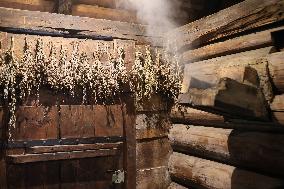
IVANO-FRANKIVSK REGION, UKRAINE - JANUARY 31, 2025 - Smoke escapes through a vent into a room where the bunches of herbs are drying up at the Hutsul Land Ethnopark in the Bukovel ski resort, Ivano-Frankivsk region, western Ukraine. (Photo by Yurii Rylchuk/Ukrinform)

  •  
Syrians Rebuild Their Lives - Idlib

Syrians Rebuild Their Lives - Idlib

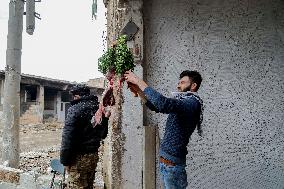
A man hangs fresh meat and herbs on a wall of a partially destroyed building in Idlib, Syria, on December 28, 2024. Some residents who returned to cities controlled by the Assad regime before its fall now rebuild their lives amid destruction and loss. Photo by Bilal Alhammoud/Middle East Images/ABACAPRESS.COM

  •  
PV Energy Integrated With Traditional Agriculture

PV Energy Integrated With Traditional Agriculture

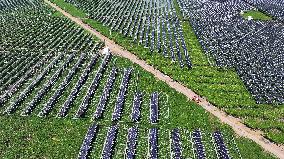
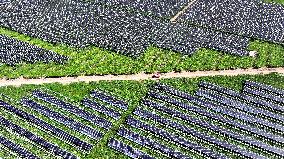
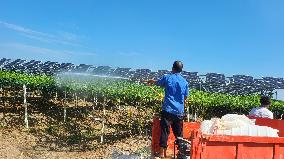
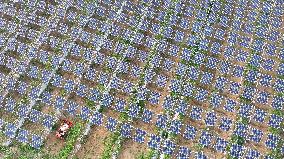
LIANYUNGANG, CHINA - SEPTEMBER 10, 2024 - Villagers manage Chinese herbs grown in a solar photovoltaic area in Lihua village, Lianyungang city, East China's Jiangsu province, Sept 10, 2024.

  •  
PV Energy Integrated With Traditional Agriculture

PV Energy Integrated With Traditional Agriculture

LIANYUNGANG, CHINA - SEPTEMBER 10, 2024 - Villagers manage Chinese herbs grown in a solar photovoltaic area in Lihua village, Lianyungang city, East China's Jiangsu province, Sept 10, 2024.

  •  
PV Energy Integrated With Traditional Agriculture

PV Energy Integrated With Traditional Agriculture

LIANYUNGANG, CHINA - SEPTEMBER 10, 2024 - Villagers manage Chinese herbs grown in a solar photovoltaic area in Lihua village, Lianyungang city, East China's Jiangsu province, Sept 10, 2024.

  •  
PV Energy Integrated With Traditional Agriculture

PV Energy Integrated With Traditional Agriculture

LIANYUNGANG, CHINA - SEPTEMBER 10, 2024 - Villagers manage Chinese herbs grown in a solar photovoltaic area in Lihua village, Lianyungang city, East China's Jiangsu province, Sept 10, 2024.

  •  
PV Energy Integrated With Traditional Agriculture

PV Energy Integrated With Traditional Agriculture

LIANYUNGANG, CHINA - SEPTEMBER 10, 2024 - Villagers manage Chinese herbs grown in a solar photovoltaic area in Lihua village, Lianyungang city, East China's Jiangsu province, Sept 10, 2024.

  •  
A Photovoltaic Plantation in Lianyungang

A Photovoltaic Plantation in Lianyungang

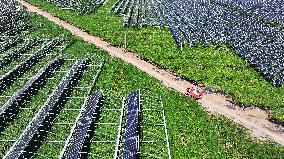
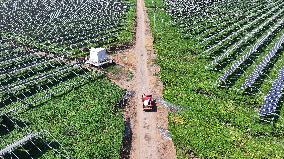
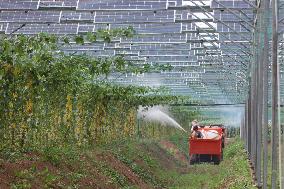
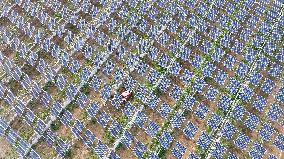
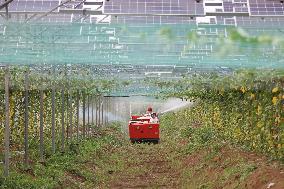
LIANYUNGANG, CHINA - JULY 21, 2024 - A villager manages Chinese medicinal herbs grown in a photovoltaic plantation in Lihua village, Lianyungang city, East China's Jiangsu province, July 21, 2024.

  •  
A Photovoltaic Plantation in Lianyungang

A Photovoltaic Plantation in Lianyungang

LIANYUNGANG, CHINA - JULY 21, 2024 - A villager manages Chinese medicinal herbs grown in a photovoltaic plantation in Lihua village, Lianyungang city, East China's Jiangsu province, July 21, 2024.

  •  
A Photovoltaic Plantation in Lianyungang

A Photovoltaic Plantation in Lianyungang

LIANYUNGANG, CHINA - JULY 21, 2024 - A villager manages Chinese medicinal herbs grown in a photovoltaic plantation in Lihua village, Lianyungang city, East China's Jiangsu province, July 21, 2024.

  •  
A Photovoltaic Plantation in Lianyungang

A Photovoltaic Plantation in Lianyungang

LIANYUNGANG, CHINA - JULY 21, 2024 - A villager manages Chinese medicinal herbs grown in a photovoltaic plantation in Lihua village, Lianyungang city, East China's Jiangsu province, July 21, 2024.

  •  
(MASTER OF CRAFTS) CHINA-BEIJING-PALACE CARPET-INHERITOR-STUDIO (CN)

(MASTER OF CRAFTS) CHINA-BEIJING-PALACE CARPET-INHERITOR-STUDIO (CN)

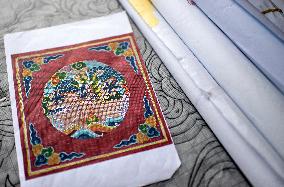
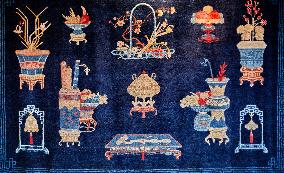
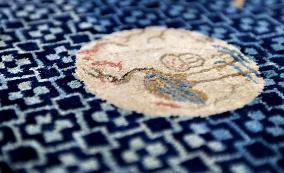
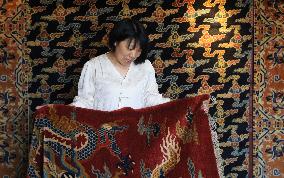
(240629) -- BEIJING, June 29, 2024 Photo by Xinhua/ABACAPRESS.COM) -- This photo taken on June 27, 2024 shows a design pattern of a palace carpet displayed at the studio of Ji Yu in Beijing, capital of China. Beijing palace carpet is a splendid example of China's traditional carpet weaving techniques. Known for its intricate production processes and beautiful patterns, the palace carpet represents the pinnacle of Chinese weaving artistry. The production involves four main steps: dyeing with traditional Chinese herbs, pattern design, weaving and shaping, and finally, finishing touches. As one of the "Beijing Eight Imperial Handicrafts," the art of palace carpet was designated a national intangible cultural heritage in 2008. Ji Yu, born in 1971 in central China's Henan Province, has dedicated over 30 years to the repair and creation of traditional palace carpets. In 1995, along with her husband Li Dongyang, she moved to Beijing to specialize in restoring ancient carpets. Over the years, the couple has insisted

  •  
(MASTER OF CRAFTS) CHINA-BEIJING-PALACE CARPET-INHERITOR-STUDIO (CN)

(MASTER OF CRAFTS) CHINA-BEIJING-PALACE CARPET-INHERITOR-STUDIO (CN)

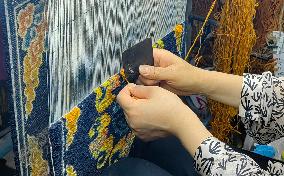
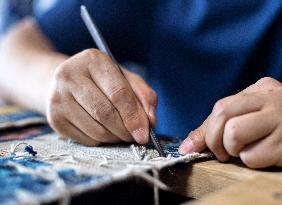
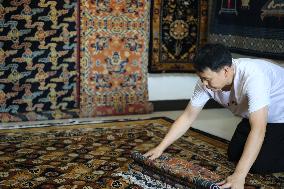
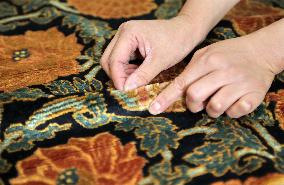
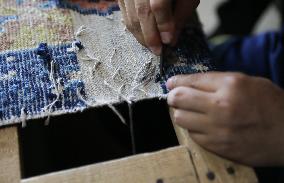
(240629) -- BEIJING, June 29, 2024 Photo by Xinhua/ABACAPRESS.COM) -- Ji Yu's husband Li Dongyang repairs a palace carpet at her studio in Beijing, capital of China, June 27, 2024. Beijing palace carpet is a splendid example of China's traditional carpet weaving techniques. Known for its intricate production processes and beautiful patterns, the palace carpet represents the pinnacle of Chinese weaving artistry. The production involves four main steps: dyeing with traditional Chinese herbs, pattern design, weaving and shaping, and finally, finishing touches. As one of the "Beijing Eight Imperial Handicrafts," the art of palace carpet was designated a national intangible cultural heritage in 2008. Ji Yu, born in 1971 in central China's Henan Province, has dedicated over 30 years to the repair and creation of traditional palace carpets. In 1995, along with her husband Li Dongyang, she moved to Beijing to specialize in restoring ancient carpets. Over the years, the couple has insisted on traditional dyeing and we

  •  
(MASTER OF CRAFTS) CHINA-BEIJING-PALACE CARPET-INHERITOR-STUDIO (CN)

(MASTER OF CRAFTS) CHINA-BEIJING-PALACE CARPET-INHERITOR-STUDIO (CN)

(240629) -- BEIJING, June 29, 2024 Photo by Xinhua/ABACAPRESS.COM) -- Wang Guoying sits on a palace carpet at the studio of Ji Yu in Beijing, capital of China, June 27, 2024. Beijing palace carpet is a splendid example of China's traditional carpet weaving techniques. Known for its intricate production processes and beautiful patterns, the palace carpet represents the pinnacle of Chinese weaving artistry. The production involves four main steps: dyeing with traditional Chinese herbs, pattern design, weaving and shaping, and finally, finishing touches. As one of the "Beijing Eight Imperial Handicrafts," the art of palace carpet was designated a national intangible cultural heritage in 2008. Ji Yu, born in 1971 in central China's Henan Province, has dedicated over 30 years to the repair and creation of traditional palace carpets. In 1995, along with her husband Li Dongyang, she moved to Beijing to specialize in restoring ancient carpets. Over the years, the couple has insisted on traditional dyeing and weaving

  •  
(MASTER OF CRAFTS) CHINA-BEIJING-PALACE CARPET-INHERITOR-STUDIO (CN)

(MASTER OF CRAFTS) CHINA-BEIJING-PALACE CARPET-INHERITOR-STUDIO (CN)

(240629) -- BEIJING, June 29, 2024 Photo by Xinhua/ABACAPRESS.COM) -- This photo taken on June 27, 2024 shows a palace carpet waiting for repair at the studio of Ji Yu in Beijing, capital of China. Beijing palace carpet is a splendid example of China's traditional carpet weaving techniques. Known for its intricate production processes and beautiful patterns, the palace carpet represents the pinnacle of Chinese weaving artistry. The production involves four main steps: dyeing with traditional Chinese herbs, pattern design, weaving and shaping, and finally, finishing touches. As one of the "Beijing Eight Imperial Handicrafts," the art of palace carpet was designated a national intangible cultural heritage in 2008. Ji Yu, born in 1971 in central China's Henan Province, has dedicated over 30 years to the repair and creation of traditional palace carpets. In 1995, along with her husband Li Dongyang, she moved to Beijing to specialize in restoring ancient carpets. Over the years, the couple has insisted on traditio

  •  
(MASTER OF CRAFTS) CHINA-BEIJING-PALACE CARPET-INHERITOR-STUDIO (CN)

(MASTER OF CRAFTS) CHINA-BEIJING-PALACE CARPET-INHERITOR-STUDIO (CN)

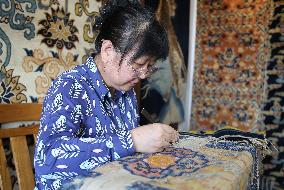
(240629) -- BEIJING, June 29, 2024 Photo by Xinhua/ABACAPRESS.COM) -- Wang Guoying repairs a palace carpet at the studio of Ji Yu in Beijing, capital of China, June 27, 2024. Beijing palace carpet is a splendid example of China's traditional carpet weaving techniques. Known for its intricate production processes and beautiful patterns, the palace carpet represents the pinnacle of Chinese weaving artistry. The production involves four main steps: dyeing with traditional Chinese herbs, pattern design, weaving and shaping, and finally, finishing touches. As one of the "Beijing Eight Imperial Handicrafts," the art of palace carpet was designated a national intangible cultural heritage in 2008. Ji Yu, born in 1971 in central China's Henan Province, has dedicated over 30 years to the repair and creation of traditional palace carpets. In 1995, along with her husband Li Dongyang, she moved to Beijing to specialize in restoring ancient carpets. Over the years, the couple has insisted on traditional dyeing and weaving

  •  
(MASTER OF CRAFTS) CHINA-BEIJING-PALACE CARPET-INHERITOR-STUDIO (CN)

(MASTER OF CRAFTS) CHINA-BEIJING-PALACE CARPET-INHERITOR-STUDIO (CN)

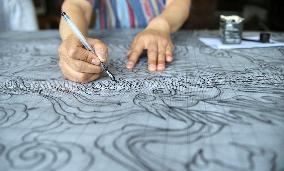
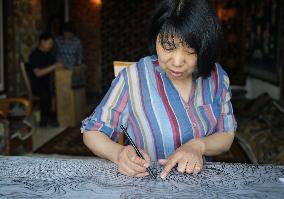
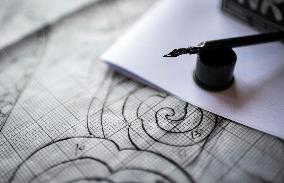
(240629) -- BEIJING, June 29, 2024 Photo by Xinhua/ABACAPRESS.COM) -- Ji Yu draws a design pattern for a palace carpet at her studio in Beijing, capital of China, June 27, 2024. Beijing palace carpet is a splendid example of China's traditional carpet weaving techniques. Known for its intricate production processes and beautiful patterns, the palace carpet represents the pinnacle of Chinese weaving artistry. The production involves four main steps: dyeing with traditional Chinese herbs, pattern design, weaving and shaping, and finally, finishing touches. As one of the "Beijing Eight Imperial Handicrafts," the art of palace carpet was designated a national intangible cultural heritage in 2008. Ji Yu, born in 1971 in central China's Henan Province, has dedicated over 30 years to the repair and creation of traditional palace carpets. In 1995, along with her husband Li Dongyang, she moved to Beijing to specialize in restoring ancient carpets. Over the years, the couple has insisted on traditional dyeing and weavi

  •  
(MASTER OF CRAFTS) CHINA-BEIJING-PALACE CARPET-INHERITOR-STUDIO (CN)

(MASTER OF CRAFTS) CHINA-BEIJING-PALACE CARPET-INHERITOR-STUDIO (CN)

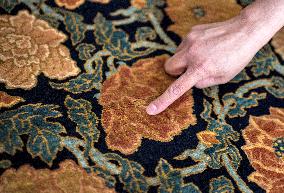
(240629) -- BEIJING, June 29, 2024 Photo by Xinhua/ABACAPRESS.COM) -- Ji Yu's husband Li Dongyang shows a palace carpet at her studio in Beijing, capital of China, June 27, 2024. Beijing palace carpet is a splendid example of China's traditional carpet weaving techniques. Known for its intricate production processes and beautiful patterns, the palace carpet represents the pinnacle of Chinese weaving artistry. The production involves four main steps: dyeing with traditional Chinese herbs, pattern design, weaving and shaping, and finally, finishing touches. As one of the "Beijing Eight Imperial Handicrafts," the art of palace carpet was designated a national intangible cultural heritage in 2008. Ji Yu, born in 1971 in central China's Henan Province, has dedicated over 30 years to the repair and creation of traditional palace carpets. In 1995, along with her husband Li Dongyang, she moved to Beijing to specialize in restoring ancient carpets. Over the years, the couple has insisted on traditional dyeing and weav

  •  
(MASTER OF CRAFTS) CHINA-BEIJING-PALACE CARPET-INHERITOR-STUDIO (CN)

(MASTER OF CRAFTS) CHINA-BEIJING-PALACE CARPET-INHERITOR-STUDIO (CN)

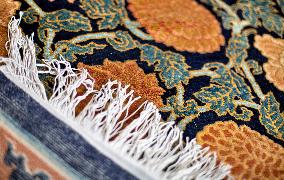
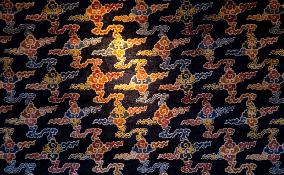
(240629) -- BEIJING, June 29, 2024 Photo by Xinhua/ABACAPRESS.COM) -- This photo taken on June 27, 2024 shows a detail of a palace carpet displayed at the studio of Ji Yu in Beijing, capital of China. Beijing palace carpet is a splendid example of China's traditional carpet weaving techniques. Known for its intricate production processes and beautiful patterns, the palace carpet represents the pinnacle of Chinese weaving artistry. The production involves four main steps: dyeing with traditional Chinese herbs, pattern design, weaving and shaping, and finally, finishing touches. As one of the "Beijing Eight Imperial Handicrafts," the art of palace carpet was designated a national intangible cultural heritage in 2008. Ji Yu, born in 1971 in central China's Henan Province, has dedicated over 30 years to the repair and creation of traditional palace carpets. In 1995, along with her husband Li Dongyang, she moved to Beijing to specialize in restoring ancient carpets. Over the years, the couple has insisted on tradi

  •  
(MASTER OF CRAFTS) CHINA-BEIJING-PALACE CARPET-INHERITOR-STUDIO (CN)

(MASTER OF CRAFTS) CHINA-BEIJING-PALACE CARPET-INHERITOR-STUDIO (CN)

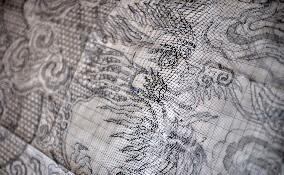
(240629) -- BEIJING, June 29, 2024 Photo by Xinhua/ABACAPRESS.COM) -- This photo taken on June 27, 2024 shows the design pattern for a palace carpet displayed at the studio of Ji Yu in Beijing, capital of China. Beijing palace carpet is a splendid example of China's traditional carpet weaving techniques. Known for its intricate production processes and beautiful patterns, the palace carpet represents the pinnacle of Chinese weaving artistry. The production involves four main steps: dyeing with traditional Chinese herbs, pattern design, weaving and shaping, and finally, finishing touches. As one of the "Beijing Eight Imperial Handicrafts," the art of palace carpet was designated a national intangible cultural heritage in 2008. Ji Yu, born in 1971 in central China's Henan Province, has dedicated over 30 years to the repair and creation of traditional palace carpets. In 1995, along with her husband Li Dongyang, she moved to Beijing to specialize in restoring ancient carpets. Over the years, the couple has insist

  •  
(MASTER OF CRAFTS) CHINA-BEIJING-PALACE CARPET-INHERITOR-STUDIO (CN)

(MASTER OF CRAFTS) CHINA-BEIJING-PALACE CARPET-INHERITOR-STUDIO (CN)

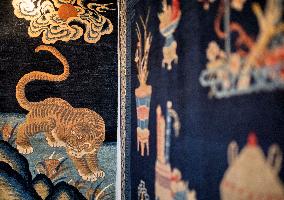
(240629) -- BEIJING, June 29, 2024 Photo by Xinhua/ABACAPRESS.COM) -- This photo taken on June 27, 2024 shows a palace carpet displayed at the studio of Ji Yu in Beijing, capital of China. Beijing palace carpet is a splendid example of China's traditional carpet weaving techniques. Known for its intricate production processes and beautiful patterns, the palace carpet represents the pinnacle of Chinese weaving artistry. The production involves four main steps: dyeing with traditional Chinese herbs, pattern design, weaving and shaping, and finally, finishing touches. As one of the "Beijing Eight Imperial Handicrafts," the art of palace carpet was designated a national intangible cultural heritage in 2008. Ji Yu, born in 1971 in central China's Henan Province, has dedicated over 30 years to the repair and creation of traditional palace carpets. In 1995, along with her husband Li Dongyang, she moved to Beijing to specialize in restoring ancient carpets. Over the years, the couple has insisted on traditional dyein

  •  
(MASTER OF CRAFTS) CHINA-BEIJING-PALACE CARPET-INHERITOR-STUDIO (CN)

(MASTER OF CRAFTS) CHINA-BEIJING-PALACE CARPET-INHERITOR-STUDIO (CN)

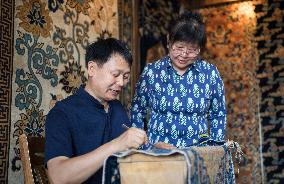
(240629) -- BEIJING, June 29, 2024 Photo by Xinhua/ABACAPRESS.COM) -- Ji Yu's husband Li Dongyang (L) repairs a palace carpet with Wang Guoying standing by at Ji Yu's studio in Beijing, capital of China, June 27, 2024. Beijing palace carpet is a splendid example of China's traditional carpet weaving techniques. Known for its intricate production processes and beautiful patterns, the palace carpet represents the pinnacle of Chinese weaving artistry. The production involves four main steps: dyeing with traditional Chinese herbs, pattern design, weaving and shaping, and finally, finishing touches. As one of the "Beijing Eight Imperial Handicrafts," the art of palace carpet was designated a national intangible cultural heritage in 2008. Ji Yu, born in 1971 in central China's Henan Province, has dedicated over 30 years to the repair and creation of traditional palace carpets. In 1995, along with her husband Li Dongyang, she moved to Beijing to specialize in restoring ancient carpets. Over the years, the couple has

  •  
(MASTER OF CRAFTS) CHINA-BEIJING-PALACE CARPET-INHERITOR-STUDIO (CN)

(MASTER OF CRAFTS) CHINA-BEIJING-PALACE CARPET-INHERITOR-STUDIO (CN)

(240629) -- BEIJING, June 29, 2024 Photo by Xinhua/ABACAPRESS.COM) -- This undated photo shows Ji Yu weaving a palace carpet at her factory in central China's Henan Province. Beijing palace carpet is a splendid example of China's traditional carpet weaving techniques. Known for its intricate production processes and beautiful patterns, the palace carpet represents the pinnacle of Chinese weaving artistry. The production involves four main steps: dyeing with traditional Chinese herbs, pattern design, weaving and shaping, and finally, finishing touches. As one of the "Beijing Eight Imperial Handicrafts," the art of palace carpet was designated a national intangible cultural heritage in 2008. Ji Yu, born in 1971 in central China's Henan Province, has dedicated over 30 years to the repair and creation of traditional palace carpets. In 1995, along with her husband Li Dongyang, she moved to Beijing to specialize in restoring ancient carpets. Over the years, the couple has insisted on traditional dyeing and weaving

  •  
(MASTER OF CRAFTS) CHINA-BEIJING-PALACE CARPET-INHERITOR-STUDIO (CN)

(MASTER OF CRAFTS) CHINA-BEIJING-PALACE CARPET-INHERITOR-STUDIO (CN)

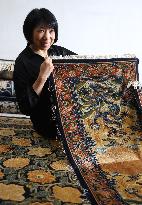
(240629) -- BEIJING, June 29, 2024 Photo by Xinhua/ABACAPRESS.COM) -- Ji Yu shows a palace carpet at her studio in Beijing, capital of China, June 27, 2024. Beijing palace carpet is a splendid example of China's traditional carpet weaving techniques. Known for its intricate production processes and beautiful patterns, the palace carpet represents the pinnacle of Chinese weaving artistry. The production involves four main steps: dyeing with traditional Chinese herbs, pattern design, weaving and shaping, and finally, finishing touches. As one of the "Beijing Eight Imperial Handicrafts," the art of palace carpet was designated a national intangible cultural heritage in 2008. Ji Yu, born in 1971 in central China's Henan Province, has dedicated over 30 years to the repair and creation of traditional palace carpets. In 1995, along with her husband Li Dongyang, she moved to Beijing to specialize in restoring ancient carpets. Over the years, the couple has insisted on traditional dyeing and weaving techniques. During

  •  
(MASTER OF CRAFTS) CHINA-BEIJING-PALACE CARPET-INHERITOR-STUDIO (CN)

(MASTER OF CRAFTS) CHINA-BEIJING-PALACE CARPET-INHERITOR-STUDIO (CN)

(240629) -- BEIJING, June 29, 2024 Photo by Xinhua/ABACAPRESS.COM) -- Ji Yu draws a pattern for a palace carpet at her studio in Beijing, capital of China, June 27, 2024. Beijing palace carpet is a splendid example of China's traditional carpet weaving techniques. Known for its intricate production processes and beautiful patterns, the palace carpet represents the pinnacle of Chinese weaving artistry. The production involves four main steps: dyeing with traditional Chinese herbs, pattern design, weaving and shaping, and finally, finishing touches. As one of the "Beijing Eight Imperial Handicrafts," the art of palace carpet was designated a national intangible cultural heritage in 2008. Ji Yu, born in 1971 in central China's Henan Province, has dedicated over 30 years to the repair and creation of traditional palace carpets. In 1995, along with her husband Li Dongyang, she moved to Beijing to specialize in restoring ancient carpets. Over the years, the couple has insisted on traditional dyeing and weaving tech

  •  
(MASTER OF CRAFTS) CHINA-BEIJING-PALACE CARPET-INHERITOR-STUDIO (CN)

(MASTER OF CRAFTS) CHINA-BEIJING-PALACE CARPET-INHERITOR-STUDIO (CN)

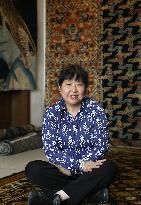
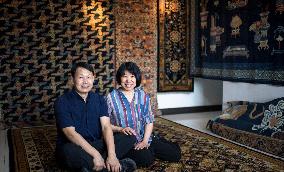
(240629) -- BEIJING, June 29, 2024 Photo by Xinhua/ABACAPRESS.COM) -- Ji Yu poses for a photo with her husband Li Dongyang at her studio in Beijing, capital of China, June 27, 2024. Beijing palace carpet is a splendid example of China's traditional carpet weaving techniques. Known for its intricate production processes and beautiful patterns, the palace carpet represents the pinnacle of Chinese weaving artistry. The production involves four main steps: dyeing with traditional Chinese herbs, pattern design, weaving and shaping, and finally, finishing touches. As one of the "Beijing Eight Imperial Handicrafts," the art of palace carpet was designated a national intangible cultural heritage in 2008. Ji Yu, born in 1971 in central China's Henan Province, has dedicated over 30 years to the repair and creation of traditional palace carpets. In 1995, along with her husband Li Dongyang, she moved to Beijing to specialize in restoring ancient carpets. Over the years, the couple has insisted on traditional dyeing and w

  •  
(MASTER OF CRAFTS) CHINA-BEIJING-PALACE CARPET-INHERITOR-STUDIO (CN)

(MASTER OF CRAFTS) CHINA-BEIJING-PALACE CARPET-INHERITOR-STUDIO (CN)

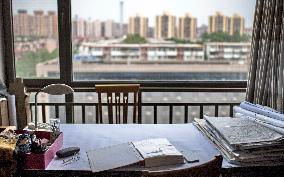
(240629) -- BEIJING, June 29, 2024 Photo by Xinhua/ABACAPRESS.COM) -- This photo taken on June 27, 2024 shows a scene at the studio of Ji Yu in Beijing, capital of China. Beijing palace carpet is a splendid example of China's traditional carpet weaving techniques. Known for its intricate production processes and beautiful patterns, the palace carpet represents the pinnacle of Chinese weaving artistry. The production involves four main steps: dyeing with traditional Chinese herbs, pattern design, weaving and shaping, and finally, finishing touches. As one of the "Beijing Eight Imperial Handicrafts," the art of palace carpet was designated a national intangible cultural heritage in 2008. Ji Yu, born in 1971 in central China's Henan Province, has dedicated over 30 years to the repair and creation of traditional palace carpets. In 1995, along with her husband Li Dongyang, she moved to Beijing to specialize in restoring ancient carpets. Over the years, the couple has insisted on traditional dyeing and weaving tech

  •  
(MASTER OF CRAFTS) CHINA-BEIJING-PALACE CARPET-INHERITOR-STUDIO (CN)

(MASTER OF CRAFTS) CHINA-BEIJING-PALACE CARPET-INHERITOR-STUDIO (CN)

(240629) -- BEIJING, June 29, 2024 Photo by Xinhua/ABACAPRESS.COM) -- A design pattern of palace carpet is seen at the studio of Ji Yu in Beijing, capital of China, June 27, 2024. Beijing palace carpet is a splendid example of China's traditional carpet weaving techniques. Known for its intricate production processes and beautiful patterns, the palace carpet represents the pinnacle of Chinese weaving artistry. The production involves four main steps: dyeing with traditional Chinese herbs, pattern design, weaving and shaping, and finally, finishing touches. As one of the "Beijing Eight Imperial Handicrafts," the art of palace carpet was designated a national intangible cultural heritage in 2008. Ji Yu, born in 1971 in central China's Henan Province, has dedicated over 30 years to the repair and creation of traditional palace carpets. In 1995, along with her husband Li Dongyang, she moved to Beijing to specialize in restoring ancient carpets. Over the years, the couple has insisted on traditional dyeing and wea

  •  
(MASTER OF CRAFTS) CHINA-BEIJING-PALACE CARPET-INHERITOR-STUDIO (CN)

(MASTER OF CRAFTS) CHINA-BEIJING-PALACE CARPET-INHERITOR-STUDIO (CN)

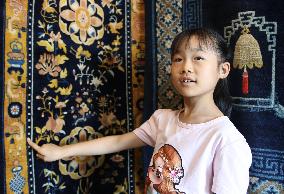
(240629) -- BEIJING, June 29, 2024 Photo by Xinhua/ABACAPRESS.COM) -- Ji Yu's daughter shows a palace carpet at Ji Yu's studio in Beijing, capital of China, June 27, 2024. Beijing palace carpet is a splendid example of China's traditional carpet weaving techniques. Known for its intricate production processes and beautiful patterns, the palace carpet represents the pinnacle of Chinese weaving artistry. The production involves four main steps: dyeing with traditional Chinese herbs, pattern design, weaving and shaping, and finally, finishing touches. As one of the "Beijing Eight Imperial Handicrafts," the art of palace carpet was designated a national intangible cultural heritage in 2008. Ji Yu, born in 1971 in central China's Henan Province, has dedicated over 30 years to the repair and creation of traditional palace carpets. In 1995, along with her husband Li Dongyang, she moved to Beijing to specialize in restoring ancient carpets. Over the years, the couple has insisted on traditional dyeing and weaving tec

  •  
(MASTER OF CRAFTS) CHINA-BEIJING-PALACE CARPET-INHERITOR-STUDIO (CN)

(MASTER OF CRAFTS) CHINA-BEIJING-PALACE CARPET-INHERITOR-STUDIO (CN)

(240629) -- BEIJING, June 29, 2024 Photo by Xinhua/ABACAPRESS.COM) -- This photo taken on June 27, 2024 shows a detail of a palace carpet displayed at the studio of Ji Yu in Beijing, capital of China. Beijing palace carpet is a splendid example of China's traditional carpet weaving techniques. Known for its intricate production processes and beautiful patterns, the palace carpet represents the pinnacle of Chinese weaving artistry. The production involves four main steps: dyeing with traditional Chinese herbs, pattern design, weaving and shaping, and finally, finishing touches. As one of the "Beijing Eight Imperial Handicrafts," the art of palace carpet was designated a national intangible cultural heritage in 2008. Ji Yu, born in 1971 in central China's Henan Province, has dedicated over 30 years to the repair and creation of traditional palace carpets. In 1995, along with her husband Li Dongyang, she moved to Beijing to specialize in restoring ancient carpets. Over the years, the couple has insisted on tradi

  •  
(MASTER OF CRAFTS) CHINA-BEIJING-PALACE CARPET-INHERITOR-STUDIO (CN)

(MASTER OF CRAFTS) CHINA-BEIJING-PALACE CARPET-INHERITOR-STUDIO (CN)

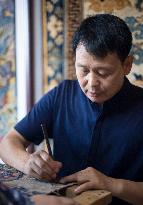
(240629) -- BEIJING, June 29, 2024 Photo by Xinhua/ABACAPRESS.COM) -- Ji Yu's husband Li Dongyang repairs a palace carpet at her studio in Beijing, capital of China, June 27, 2024. Beijing palace carpet is a splendid example of China's traditional carpet weaving techniques. Known for its intricate production processes and beautiful patterns, the palace carpet represents the pinnacle of Chinese weaving artistry. The production involves four main steps: dyeing with traditional Chinese herbs, pattern design, weaving and shaping, and finally, finishing touches. As one of the "Beijing Eight Imperial Handicrafts," the art of palace carpet was designated a national intangible cultural heritage in 2008. Ji Yu, born in 1971 in central China's Henan Province, has dedicated over 30 years to the repair and creation of traditional palace carpets. In 1995, along with her husband Li Dongyang, she moved to Beijing to specialize in restoring ancient carpets. Over the years, the couple has insisted on traditional dyeing and we

  •  
(MASTER OF CRAFTS) CHINA-BEIJING-PALACE CARPET-INHERITOR-STUDIO (CN)

(MASTER OF CRAFTS) CHINA-BEIJING-PALACE CARPET-INHERITOR-STUDIO (CN)

(240629) -- BEIJING, June 29, 2024 Photo by Xinhua/ABACAPRESS.COM) -- This photo taken on June 27, 2024 shows the details of a palace carpet displayed at the studio of Ji Yu in Beijing, capital of China. Beijing palace carpet is a splendid example of China's traditional carpet weaving techniques. Known for its intricate production processes and beautiful patterns, the palace carpet represents the pinnacle of Chinese weaving artistry. The production involves four main steps: dyeing with traditional Chinese herbs, pattern design, weaving and shaping, and finally, finishing touches. As one of the "Beijing Eight Imperial Handicrafts," the art of palace carpet was designated a national intangible cultural heritage in 2008. Ji Yu, born in 1971 in central China's Henan Province, has dedicated over 30 years to the repair and creation of traditional palace carpets. In 1995, along with her husband Li Dongyang, she moved to Beijing to specialize in restoring ancient carpets. Over the years, the couple has insisted on tr

  •  
(MASTER OF CRAFTS) CHINA-BEIJING-PALACE CARPET-INHERITOR-STUDIO (CN)

(MASTER OF CRAFTS) CHINA-BEIJING-PALACE CARPET-INHERITOR-STUDIO (CN)

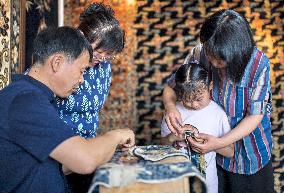
(240629) -- BEIJING, June 29, 2024 Photo by Xinhua/ABACAPRESS.COM) -- Ji Yu's husband Li Dongyang (1st L) repairs a palace carpet while Wang Guoying (2nd L), Ji Yu (1st, R) and Ji Yu's daughter look on in Beijing, capital of China, June 27, 2024. Beijing palace carpet is a splendid example of China's traditional carpet weaving techniques. Known for its intricate production processes and beautiful patterns, the palace carpet represents the pinnacle of Chinese weaving artistry. The production involves four main steps: dyeing with traditional Chinese herbs, pattern design, weaving and shaping, and finally, finishing touches. As one of the "Beijing Eight Imperial Handicrafts," the art of palace carpet was designated a national intangible cultural heritage in 2008. Ji Yu, born in 1971 in central China's Henan Province, has dedicated over 30 years to the repair and creation of traditional palace carpets. In 1995, along with her husband Li Dongyang, she moved to Beijing to specialize in restoring ancient carpets. Ov

  •  
(MASTER OF CRAFTS) CHINA-BEIJING-PALACE CARPET-INHERITOR-STUDIO (CN)

(MASTER OF CRAFTS) CHINA-BEIJING-PALACE CARPET-INHERITOR-STUDIO (CN)

(240629) -- BEIJING, June 29, 2024 Photo by Xinhua/ABACAPRESS.COM) -- Ji Yu's husband Li Dongyang arranges palace carpets at her studio in Beijing, capital of China, June 27, 2024. Beijing palace carpet is a splendid example of China's traditional carpet weaving techniques. Known for its intricate production processes and beautiful patterns, the palace carpet represents the pinnacle of Chinese weaving artistry. The production involves four main steps: dyeing with traditional Chinese herbs, pattern design, weaving and shaping, and finally, finishing touches. As one of the "Beijing Eight Imperial Handicrafts," the art of palace carpet was designated a national intangible cultural heritage in 2008. Ji Yu, born in 1971 in central China's Henan Province, has dedicated over 30 years to the repair and creation of traditional palace carpets. In 1995, along with her husband Li Dongyang, she moved to Beijing to specialize in restoring ancient carpets. Over the years, the couple has insisted on traditional dyeing and we

  •  
(MASTER OF CRAFTS) CHINA-BEIJING-PALACE CARPET-INHERITOR-STUDIO (CN)

(MASTER OF CRAFTS) CHINA-BEIJING-PALACE CARPET-INHERITOR-STUDIO (CN)

(240629) -- BEIJING, June 29, 2024 Photo by Xinhua/ABACAPRESS.COM) -- This photo taken on June 27, 2024 shows a detail of a palace carpet displayed at the studio of Ji Yu in Beijing, capital of China. Beijing palace carpet is a splendid example of China's traditional carpet weaving techniques. Known for its intricate production processes and beautiful patterns, the palace carpet represents the pinnacle of Chinese weaving artistry. The production involves four main steps: dyeing with traditional Chinese herbs, pattern design, weaving and shaping, and finally, finishing touches. As one of the "Beijing Eight Imperial Handicrafts," the art of palace carpet was designated a national intangible cultural heritage in 2008. Ji Yu, born in 1971 in central China's Henan Province, has dedicated over 30 years to the repair and creation of traditional palace carpets. In 1995, along with her husband Li Dongyang, she moved to Beijing to specialize in restoring ancient carpets. Over the years, the couple has insisted on tradi

  •  
(MASTER OF CRAFTS) CHINA-BEIJING-PALACE CARPET-INHERITOR-STUDIO (CN)

(MASTER OF CRAFTS) CHINA-BEIJING-PALACE CARPET-INHERITOR-STUDIO (CN)

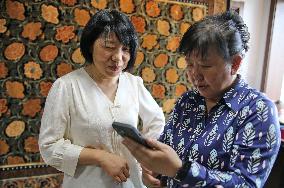
(240629) -- BEIJING, June 29, 2024 Photo by Xinhua/ABACAPRESS.COM) -- Ji Yu (L) and Wang Guoying discuss on the design patterns for a palace carpet in Beijing, capital of China, June 27, 2024. Beijing palace carpet is a splendid example of China's traditional carpet weaving techniques. Known for its intricate production processes and beautiful patterns, the palace carpet represents the pinnacle of Chinese weaving artistry. The production involves four main steps: dyeing with traditional Chinese herbs, pattern design, weaving and shaping, and finally, finishing touches. As one of the "Beijing Eight Imperial Handicrafts," the art of palace carpet was designated a national intangible cultural heritage in 2008. Ji Yu, born in 1971 in central China's Henan Province, has dedicated over 30 years to the repair and creation of traditional palace carpets. In 1995, along with her husband Li Dongyang, she moved to Beijing to specialize in restoring ancient carpets. Over the years, the couple has insisted on traditional d

  •  
(MASTER OF CRAFTS) CHINA-BEIJING-PALACE CARPET-INHERITOR-STUDIO (CN)

(MASTER OF CRAFTS) CHINA-BEIJING-PALACE CARPET-INHERITOR-STUDIO (CN)

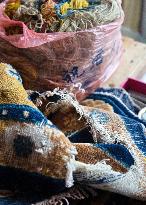
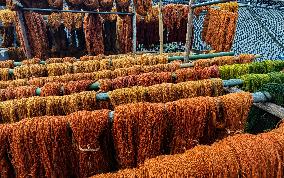
(240629) -- BEIJING, June 29, 2024 Photo by Xinhua/ABACAPRESS.COM) -- This undated photo shows materials dyed with Chinese herbs and medicines for making palace carpet at the factory of Ji Yu in central China's Henan Province. Beijing palace carpet is a splendid example of China's traditional carpet weaving techniques. Known for its intricate production processes and beautiful patterns, the palace carpet represents the pinnacle of Chinese weaving artistry. The production involves four main steps: dyeing with traditional Chinese herbs, pattern design, weaving and shaping, and finally, finishing touches. As one of the "Beijing Eight Imperial Handicrafts," the art of palace carpet was designated a national intangible cultural heritage in 2008. Ji Yu, born in 1971 in central China's Henan Province, has dedicated over 30 years to the repair and creation of traditional palace carpets. In 1995, along with her husband Li Dongyang, she moved to Beijing to specialize in restoring ancient carpets. Over the years, the co

  •  
(MASTER OF CRAFTS) CHINA-BEIJING-PALACE CARPET-INHERITOR-STUDIO (CN)

(MASTER OF CRAFTS) CHINA-BEIJING-PALACE CARPET-INHERITOR-STUDIO (CN)

(240629) -- BEIJING, June 29, 2024 Photo by Xinhua/ABACAPRESS.COM) -- Ji Yu shows a palace carpet at her studio in Beijing, capital of China, June 27, 2024. Beijing palace carpet is a splendid example of China's traditional carpet weaving techniques. Known for its intricate production processes and beautiful patterns, the palace carpet represents the pinnacle of Chinese weaving artistry. The production involves four main steps: dyeing with traditional Chinese herbs, pattern design, weaving and shaping, and finally, finishing touches. As one of the "Beijing Eight Imperial Handicrafts," the art of palace carpet was designated a national intangible cultural heritage in 2008. Ji Yu, born in 1971 in central China's Henan Province, has dedicated over 30 years to the repair and creation of traditional palace carpets. In 1995, along with her husband Li Dongyang, she moved to Beijing to specialize in restoring ancient carpets. Over the years, the couple has insisted on traditional dyeing and weaving techniques. During

  •  
(MASTER OF CRAFTS) CHINA-BEIJING-PALACE CARPET-INHERITOR-STUDIO (CN)

(MASTER OF CRAFTS) CHINA-BEIJING-PALACE CARPET-INHERITOR-STUDIO (CN)

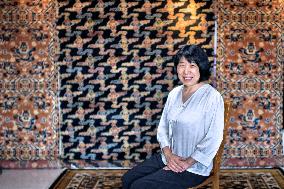
(240629) -- BEIJING, June 29, 2024 Photo by Xinhua/ABACAPRESS.COM) -- Ji Yu poses for a photo at her studio in Beijing, capital of China, June 27, 2024. Beijing palace carpet is a splendid example of China's traditional carpet weaving techniques. Known for its intricate production processes and beautiful patterns, the palace carpet represents the pinnacle of Chinese weaving artistry. The production involves four main steps: dyeing with traditional Chinese herbs, pattern design, weaving and shaping, and finally, finishing touches. As one of the "Beijing Eight Imperial Handicrafts," the art of palace carpet was designated a national intangible cultural heritage in 2008. Ji Yu, born in 1971 in central China's Henan Province, has dedicated over 30 years to the repair and creation of traditional palace carpets. In 1995, along with her husband Li Dongyang, she moved to Beijing to specialize in restoring ancient carpets. Over the years, the couple has insisted on traditional dyeing and weaving techniques. During the

  •  
(MASTER OF CRAFTS) CHINA-BEIJING-PALACE CARPET-INHERITOR-STUDIO (CN)

(MASTER OF CRAFTS) CHINA-BEIJING-PALACE CARPET-INHERITOR-STUDIO (CN)

(240629) -- BEIJING, June 29, 2024 Photo by Xinhua/ABACAPRESS.COM) -- Ji Yu shows the details of a palace carpet at her studio in Beijing, capital of China, June 27, 2024. Beijing palace carpet is a splendid example of China's traditional carpet weaving techniques. Known for its intricate production processes and beautiful patterns, the palace carpet represents the pinnacle of Chinese weaving artistry. The production involves four main steps: dyeing with traditional Chinese herbs, pattern design, weaving and shaping, and finally, finishing touches. As one of the "Beijing Eight Imperial Handicrafts," the art of palace carpet was designated a national intangible cultural heritage in 2008. Ji Yu, born in 1971 in central China's Henan Province, has dedicated over 30 years to the repair and creation of traditional palace carpets. In 1995, along with her husband Li Dongyang, she moved to Beijing to specialize in restoring ancient carpets. Over the years, the couple has insisted on traditional dyeing and weaving tec

  •  
(MASTER OF CRAFTS) CHINA-BEIJING-PALACE CARPET-INHERITOR-STUDIO (CN)

(MASTER OF CRAFTS) CHINA-BEIJING-PALACE CARPET-INHERITOR-STUDIO (CN)

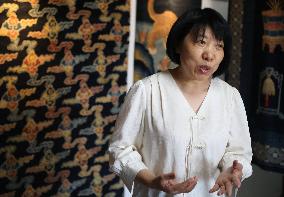
(240629) -- BEIJING, June 29, 2024 Photo by Xinhua/ABACAPRESS.COM) -- Ji Yu talks about palace carpet weaving at her studio in Beijing, capital of China, June 27, 2024. Beijing palace carpet is a splendid example of China's traditional carpet weaving techniques. Known for its intricate production processes and beautiful patterns, the palace carpet represents the pinnacle of Chinese weaving artistry. The production involves four main steps: dyeing with traditional Chinese herbs, pattern design, weaving and shaping, and finally, finishing touches. As one of the "Beijing Eight Imperial Handicrafts," the art of palace carpet was designated a national intangible cultural heritage in 2008. Ji Yu, born in 1971 in central China's Henan Province, has dedicated over 30 years to the repair and creation of traditional palace carpets. In 1995, along with her husband Li Dongyang, she moved to Beijing to specialize in restoring ancient carpets. Over the years, the couple has insisted on traditional dyeing and weaving techni

  •  
(MASTER OF CRAFTS) CHINA-BEIJING-PALACE CARPET-INHERITOR-STUDIO (CN)

(MASTER OF CRAFTS) CHINA-BEIJING-PALACE CARPET-INHERITOR-STUDIO (CN)

(240629) -- BEIJING, June 29, 2024 Photo by Xinhua/ABACAPRESS.COM) -- Ji Yu's husband Li Dongyang repairs a palace carpet at her studio in Beijing, capital of China, June 27, 2024. Beijing palace carpet is a splendid example of China's traditional carpet weaving techniques. Known for its intricate production processes and beautiful patterns, the palace carpet represents the pinnacle of Chinese weaving artistry. The production involves four main steps: dyeing with traditional Chinese herbs, pattern design, weaving and shaping, and finally, finishing touches. As one of the "Beijing Eight Imperial Handicrafts," the art of palace carpet was designated a national intangible cultural heritage in 2008. Ji Yu, born in 1971 in central China's Henan Province, has dedicated over 30 years to the repair and creation of traditional palace carpets. In 1995, along with her husband Li Dongyang, she moved to Beijing to specialize in restoring ancient carpets. Over the years, the couple has insisted on traditional dyeing and we

  • Main
  • Top
  • Editorial
  • Creative
  • About Us
  • About ILG
  • Terms of use
  • Company
  • BEHIND
  • Price List
  • Single Plan
  • Monthly Plan
  • Services
  • Shooting
  • Rights Clearance
  • Support
  • FAQ
  • How To Buy
  • Contact Us
  • Become a Partner

© KYODO NEWS IMAGES INC

All Rights Reserved.

  • Editorial
  • Olympics
  • News
  • Sports
  • Japan
  • Tech
  • Royal
  • Disaster
  • NorthKorea
  • Old Japan
  • SNS
  • Creative
  • Food
  • Japan
  • Landscape
  • Animal
  • Popular
  • #Ukraine
  • #China
  • #coronavirus
  • #N. Korea
  • #Thailand
  • #Russia
  • #Ukraine
  • #China
  • #coronavirus
  • #N. Korea
  • #Thailand
  • #Russia
  • Food
  • Japan
  • Landscape
  • Animal
  • Olympics
  • News
  • Sports
  • Japan
  • Tech
  • Royal
  • Disaster
  • NorthKorea
  • Old Japan
  • SNS