•  

Japan gov't panel approves 2 iPS-derived drugs

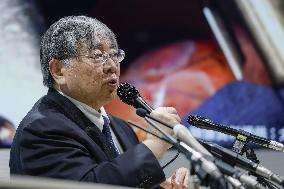
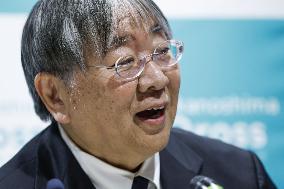
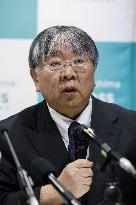
OSAKA, Japan, Feb. 19 Kyodo - University of Osaka professor Yoshiki Sawa holds a press conference in Osaka on Feb. 19, 2026, after Japan's health ministry panel approved the commercialization of two regenerative medicine products prepared from iPS cells, the first of their kind in the world. One of the two drugs, ReHeart, heart muscle sheets derived from human iPS cells, was developed by a startup originating from Sawa's team at the university. (Kyodo)

  •  
Japan gov't panel approves 2 iPS-derived drugs

Japan gov't panel approves 2 iPS-derived drugs

University of Osaka professor Yoshiki Sawa holds a press conference in Osaka on Feb. 19, 2026, after Japan's health ministry panel approved the commercialization of two regenerative medicine products prepared from iPS cells, the first of their kind in the world. One of the two drugs, ReHeart, heart muscle sheets derived from human iPS cells, was developed by a startup originating from Sawa's team at the university.

  •  
Japan gov't panel approves 2 iPS-derived drugs

Japan gov't panel approves 2 iPS-derived drugs

University of Osaka professor Yoshiki Sawa holds a press conference in Osaka on Feb. 19, 2026, after Japan's health ministry panel approved the commercialization of two regenerative medicine products prepared from iPS cells, the first of their kind in the world. One of the two drugs, ReHeart, heart muscle sheets derived from human iPS cells, was developed by a startup originating from Sawa's team at the university.

  •  
Japan gov't panel approves 2 iPS-derived drugs

Japan gov't panel approves 2 iPS-derived drugs

University of Osaka professor Yoshiki Sawa holds a press conference in Osaka on Feb. 19, 2026, after Japan's health ministry panel approved the commercialization of two regenerative medicine products prepared from iPS cells, the first of their kind in the world. One of the two drugs, ReHeart, heart muscle sheets derived from human iPS cells, was developed by a startup originating from Sawa's team at the university.

  •  
World's 1st transplant surgery using iPS cells conducted

World's 1st transplant surgery using iPS cells conducted

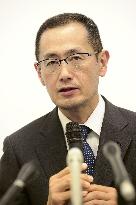
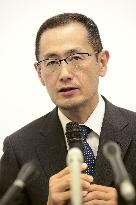
KYOTO, Japan - Kyoto University professor Shinya Yamanaka holds a press conference in Kyoto on Sept. 12, 2014, after a Japanese research team transplanted retinal cells grown from induced pluripotent stem cells to a woman in her 70s earlier in the day, marking the first time iPS-derived cells have been introduced into a human body by surgery. Yamanaka developed iPS cells, a type of stem cells that can grow into various human body tissue.

  •  
World's 1st transplant surgery using iPS cells conducted

World's 1st transplant surgery using iPS cells conducted

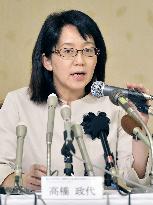
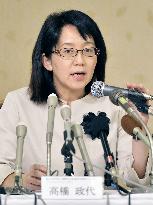
KOBE, Japan - Masayo Takahashi, researcher of the Riken Center for Developmental Biology, holds a press conference in Kobe, western Japan, on Sept. 12, 2014, after a Japanese research team led by Takahashi transplanted retinal cells grown from induced pluripotent stem cells to a woman in her 70s. It marked the first time iPS-derived cells have been introduced into a human body by surgery.

  •  
World's 1st transplant surgery using iPS cells conducted

World's 1st transplant surgery using iPS cells conducted

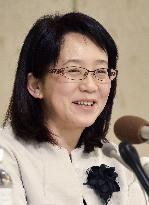
KOBE, Japan - Masayo Takahashi, researcher of the Riken Center for Developmental Biology, smiles during a press conference in Kobe, western Japan, on Sept. 12, 2014, after a Japanese research team led by Takahashi transplanted retinal cells grown from induced pluripotent stem cells to a woman in her 70s. It marked the first time iPS-derived cells have been introduced into a human body by surgery.

  •  
World's 1st transplant surgery using iPS cells conducted

World's 1st transplant surgery using iPS cells conducted

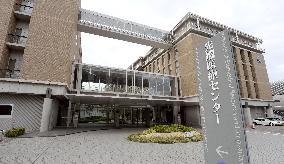
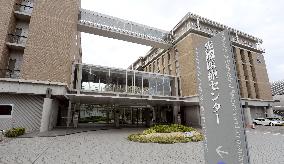
KOBE, Japan - Photo taken Sept. 10, 2014, shows the Institute of Biomedical Research and Innovation Hospital in Kobe, western Japan. At the hospital on Sept. 12, a Japanese research team transplanted retinal cells grown from induced pluripotent stem cells to a woman in her 70s, marking the first time iPS-derived cells have been introduced into a human body by surgery.

  •  
Clinical research using iPS cells approved

Clinical research using iPS cells approved

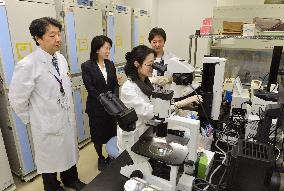
TOKYO, Japan - File photo taken in February 2013 shows Masayo Takahashi (2nd from L), an ophthalmologist who heads Riken's research team on retinal regeneration, and other researchers seeing an experiment on cultured stem cells in Kobe, Hyogo Prefecture. On June 26, 2013, a Japanese government panel approved a clinical research plan by the Riken governmental scientific research institute and the Foundation for Biomedical Research and Innovation to use human induced pluripotent stem cells, known as iPS cells, for regenerating retinas. It would be the world's first clinical research using iPS cells that can grow into any type of human body tissue.

  •  
Clinical research using iPS cells approved

Clinical research using iPS cells approved

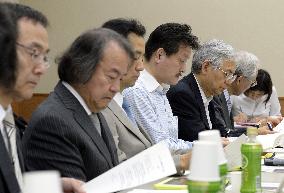
TOKYO, Japan - Members of a health ministry panel hold a meeting in Tokyo on June 26, 2013, on whether to approve the world's first clinical research using human induced pluripotent stem cells, known as iPS cells, which can grow into any type of human tissue. The panel approved a clinical research plan by the Riken governmental scientific research institute and the Foundation for Biomedical Research and Innovation to use iPS cells for regenerating retinas.

  •  
World's 1st transplant surgery using iPS cells conducted

World's 1st transplant surgery using iPS cells conducted

KYOTO, Japan - Kyoto University professor Shinya Yamanaka holds a press conference in Kyoto on Sept. 12, 2014, after a Japanese research team transplanted retinal cells grown from induced pluripotent stem cells to a woman in her 70s earlier in the day, marking the first time iPS-derived cells have been introduced into a human body by surgery. Yamanaka developed iPS cells, a type of stem cells that can grow into various human body tissue. (Kyodo)

  •  
World's 1st transplant surgery using iPS cells conducted

World's 1st transplant surgery using iPS cells conducted

KOBE, Japan - Masayo Takahashi, researcher of the Riken Center for Developmental Biology, holds a press conference in Kobe, western Japan, on Sept. 12, 2014, after a Japanese research team led by Takahashi transplanted retinal cells grown from induced pluripotent stem cells to a woman in her 70s. It marked the first time iPS-derived cells have been introduced into a human body by surgery. (Kyodo)

  •  
World's 1st transplant surgery using iPS cells conducted

World's 1st transplant surgery using iPS cells conducted

KOBE, Japan - Photo taken Sept. 10, 2014, shows the Institute of Biomedical Research and Innovation Hospital in Kobe, western Japan. At the hospital on Sept. 12, a Japanese research team transplanted retinal cells grown from induced pluripotent stem cells to a woman in her 70s, marking the first time iPS-derived cells have been introduced into a human body by surgery. (Kyodo)

  • Main
  • Top
  • Editorial
  • Creative
  • About Us
  • About ILG
  • Terms of use
  • Company
  • BEHIND
  • Price List
  • Single Plan
  • Monthly Plan
  • Services
  • Shooting
  • Rights Clearance
  • Support
  • FAQ
  • How To Buy
  • Contact Us
  • Become a Partner

© KYODO NEWS IMAGES INC

All Rights Reserved.

  • Editorial
  • Olympics
  • News
  • Sports
  • Japan
  • Tech
  • Royal
  • Disaster
  • NorthKorea
  • Old Japan
  • SNS
  • Creative
  • Food
  • Japan
  • Landscape
  • Animal
  • Popular
  • #Ukraine
  • #Thailand
  • #coronavirus
  • #N. Korea
  • #China
  • #Russia
  • #Ukraine
  • #Thailand
  • #coronavirus
  • #N. Korea
  • #China
  • #Russia
  • Food
  • Japan
  • Landscape
  • Animal
  • Olympics
  • News
  • Sports
  • Japan
  • Tech
  • Royal
  • Disaster
  • NorthKorea
  • Old Japan
  • SNS