•  
7th CIIE - Shanghai

7th CIIE - Shanghai

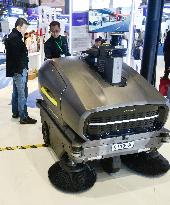
Visitors learn about a robotic product at the Incubation Special Section during the 7th China International Import Expo -CIIE- in east China's Shanghai, Nov. 9, 2024. With the theme of "Crossing Boundaries, Incubating Innovative Forces and Leading Future Technologies," the Incubation Special Section of the 7th CIIE aims to offer technological incubators an opportunity to jointly explore ways of innovation. Photo by Xinhua/Xu Liang/ABACAPRESS.COM

  •  
7th CIIE - Shanghai

7th CIIE - Shanghai

An electric vertical takeoff and landing aircraft is on display at the Incubation Special Section during the 7th China International Import Expo -CIIE- in east China's Shanghai, Nov. 9, 2024. With the theme of "Crossing Boundaries, Incubating Innovative Forces and Leading Future Technologies," the Incubation Special Section of the 7th CIIE aims to offer technological incubators an opportunity to jointly explore ways of innovation. Photo by Xinhua/Wang Yijie/ABACAPRESS.COM

  •  
7th CIIE - Shanghai

7th CIIE - Shanghai

Exhibitors demonstrate a mobile robot for assisting paralyzed individuals at the Incubation Special Section during the 7th China International Import Expo -CIIE- in east China's Shanghai, Nov. 9, 2024. With the theme of "Crossing Boundaries, Incubating Innovative Forces and Leading Future Technologies," the Incubation Special Section of the 7th CIIE aims to offer technological incubators an opportunity to jointly explore ways of innovation. Photo by Chen Haoming/Xinhua/ABACAPRESS.COM

  •  
7th CIIE - Shanghai

7th CIIE - Shanghai

Visitors try a non invasive physical examination robot at the Incubation Special Section during the 7th China International Import Expo -CIIE- in east China's Shanghai, Nov. 9, 2024. With the theme of "Crossing Boundaries, Incubating Innovative Forces and Leading Future Technologies," the Incubation Special Section of the 7th CIIE aims to offer technological incubators an opportunity to jointly explore ways of innovation. Photo by Xinhua/Jin Mamengni/ABACAPRESS.COM

  •  
7th CIIE - Shanghai

7th CIIE - Shanghai

Visitors observe a dual-wheel bipedal robot at the Incubation Special Section during the 7th China International Import Expo -CIIE- in east China's Shanghai, Nov. 9, 2024. With the theme of "Crossing Boundaries, Incubating Innovative Forces and Leading Future Technologies," the Incubation Special Section of the 7th CIIE aims to offer technological incubators an opportunity to jointly explore ways of innovation. Photo by Xinhua/Jin Mamengni/ABACAPRESS.COM

  •  
China International Import Expo - Shanghai

China International Import Expo - Shanghai

People visit the Innovation Incubation Special Section during the seventh China International Import Expo (CIIE) in east China's Shanghai, November 5, 2024. The newest edition of the CIIE, the world's first national-level exposition dedicated to imports, opened on Tuesday in Shanghai. (Photo by Zhou Xinyi/Xinhua/ABACAPRESS.COM

  •  
Huawei Lianqiuhu R&D Center in Shanghai

Huawei Lianqiuhu R&D Center in Shanghai

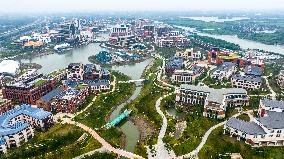
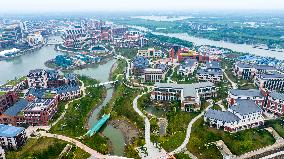
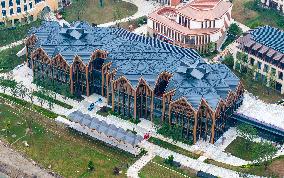
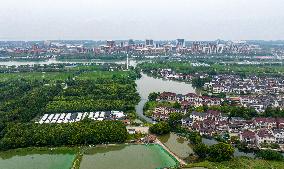
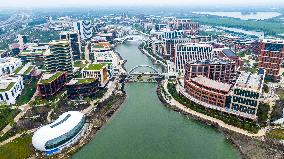
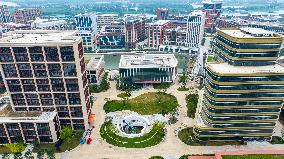
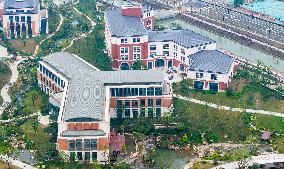
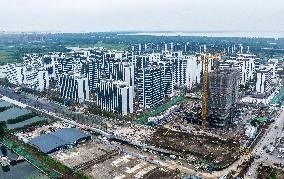
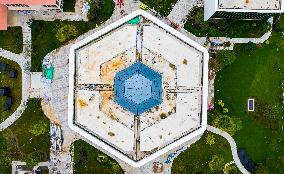
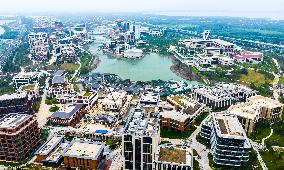
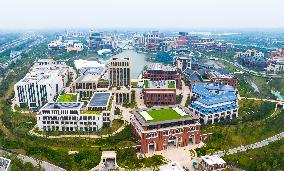
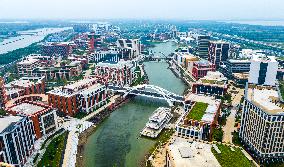
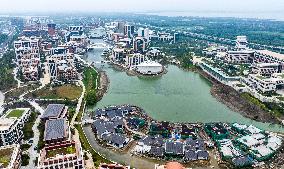
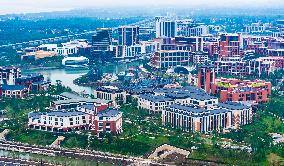
SHANGHAI, CHINA - JULY 14, 2024 - The Huawei Lianqiuhu R&D Center is seen in Shanghai, China, July 14, 2024. Huawei Lianqiuhu R&D Center covers an area of 2,400 mu, with a total construction area of 2.06 million square meters and a total investment of more than 10 billion yuan. After completion, it will become the largest R&D center of Huawei in the world, bringing together diversified functions such as enterprise office, research and development pilot, technology incubation, production services and supporting housing to create a complex industrial community.

  •  
Huawei Lianqiuhu R&D Center in Shanghai

Huawei Lianqiuhu R&D Center in Shanghai

SHANGHAI, CHINA - JULY 14, 2024 - The Huawei Lianqiuhu R&D Center is seen in Shanghai, China, July 14, 2024. Huawei Lianqiuhu R&D Center covers an area of 2,400 mu, with a total construction area of 2.06 million square meters and a total investment of more than 10 billion yuan. After completion, it will become the largest R&D center of Huawei in the world, bringing together diversified functions such as enterprise office, research and development pilot, technology incubation, production services and supporting housing to create a complex industrial community.

  •  
Huawei Lianqiuhu R&D Center in Shanghai

Huawei Lianqiuhu R&D Center in Shanghai

SHANGHAI, CHINA - JULY 14, 2024 - The Huawei Lianqiuhu R&D Center is seen in Shanghai, China, July 14, 2024. Huawei Lianqiuhu R&D Center covers an area of 2,400 mu, with a total construction area of 2.06 million square meters and a total investment of more than 10 billion yuan. After completion, it will become the largest R&D center of Huawei in the world, bringing together diversified functions such as enterprise office, research and development pilot, technology incubation, production services and supporting housing to create a complex industrial community.

  •  
Huawei Lianqiuhu R&D Center in Shanghai

Huawei Lianqiuhu R&D Center in Shanghai

SHANGHAI, CHINA - JULY 14, 2024 - The Huawei Lianqiuhu R&D Center is seen in Shanghai, China, July 14, 2024. Huawei Lianqiuhu R&D Center covers an area of 2,400 mu, with a total construction area of 2.06 million square meters and a total investment of more than 10 billion yuan. After completion, it will become the largest R&D center of Huawei in the world, bringing together diversified functions such as enterprise office, research and development pilot, technology incubation, production services and supporting housing to create a complex industrial community.

  •  
Huawei Lianqiuhu R&D Center in Shanghai

Huawei Lianqiuhu R&D Center in Shanghai

SHANGHAI, CHINA - JULY 14, 2024 - The Huawei Lianqiuhu R&D Center is seen in Shanghai, China, July 14, 2024. Huawei Lianqiuhu R&D Center covers an area of 2,400 mu, with a total construction area of 2.06 million square meters and a total investment of more than 10 billion yuan. After completion, it will become the largest R&D center of Huawei in the world, bringing together diversified functions such as enterprise office, research and development pilot, technology incubation, production services and supporting housing to create a complex industrial community.

  •  
Huawei Lianqiuhu R&D Center in Shanghai

Huawei Lianqiuhu R&D Center in Shanghai

SHANGHAI, CHINA - JULY 14, 2024 - The Huawei Lianqiuhu R&D Center is seen in Shanghai, China, July 14, 2024. Huawei Lianqiuhu R&D Center covers an area of 2,400 mu, with a total construction area of 2.06 million square meters and a total investment of more than 10 billion yuan. After completion, it will become the largest R&D center of Huawei in the world, bringing together diversified functions such as enterprise office, research and development pilot, technology incubation, production services and supporting housing to create a complex industrial community.

  •  
Huawei Lianqiuhu R&D Center in Shanghai

Huawei Lianqiuhu R&D Center in Shanghai

SHANGHAI, CHINA - JULY 14, 2024 - The Huawei Lianqiuhu R&D Center is seen in Shanghai, China, July 14, 2024. Huawei Lianqiuhu R&D Center covers an area of 2,400 mu, with a total construction area of 2.06 million square meters and a total investment of more than 10 billion yuan. After completion, it will become the largest R&D center of Huawei in the world, bringing together diversified functions such as enterprise office, research and development pilot, technology incubation, production services and supporting housing to create a complex industrial community.

  •  
Huawei Lianqiuhu R&D Center in Shanghai

Huawei Lianqiuhu R&D Center in Shanghai

SHANGHAI, CHINA - JULY 14, 2024 - The Huawei Lianqiuhu R&D Center is seen in Shanghai, China, July 14, 2024. Huawei Lianqiuhu R&D Center covers an area of 2,400 mu, with a total construction area of 2.06 million square meters and a total investment of more than 10 billion yuan. After completion, it will become the largest R&D center of Huawei in the world, bringing together diversified functions such as enterprise office, research and development pilot, technology incubation, production services and supporting housing to create a complex industrial community.

  •  
Huawei Lianqiuhu R&D Center in Shanghai

Huawei Lianqiuhu R&D Center in Shanghai

SHANGHAI, CHINA - JULY 14, 2024 - The Huawei Lianqiuhu R&D Center is seen in Shanghai, China, July 14, 2024. Huawei Lianqiuhu R&D Center covers an area of 2,400 mu, with a total construction area of 2.06 million square meters and a total investment of more than 10 billion yuan. After completion, it will become the largest R&D center of Huawei in the world, bringing together diversified functions such as enterprise office, research and development pilot, technology incubation, production services and supporting housing to create a complex industrial community.

  •  
Huawei Lianqiuhu R&D Center in Shanghai

Huawei Lianqiuhu R&D Center in Shanghai

SHANGHAI, CHINA - JULY 14, 2024 - The Huawei Lianqiuhu R&D Center is seen in Shanghai, China, July 14, 2024. Huawei Lianqiuhu R&D Center covers an area of 2,400 mu, with a total construction area of 2.06 million square meters and a total investment of more than 10 billion yuan. After completion, it will become the largest R&D center of Huawei in the world, bringing together diversified functions such as enterprise office, research and development pilot, technology incubation, production services and supporting housing to create a complex industrial community.

  •  
Huawei Lianqiuhu R&D Center in Shanghai

Huawei Lianqiuhu R&D Center in Shanghai

SHANGHAI, CHINA - JULY 14, 2024 - The Huawei Lianqiuhu R&D Center is seen in Shanghai, China, July 14, 2024. Huawei Lianqiuhu R&D Center covers an area of 2,400 mu, with a total construction area of 2.06 million square meters and a total investment of more than 10 billion yuan. After completion, it will become the largest R&D center of Huawei in the world, bringing together diversified functions such as enterprise office, research and development pilot, technology incubation, production services and supporting housing to create a complex industrial community.

  •  
Huawei Lianqiuhu R&D Center in Shanghai

Huawei Lianqiuhu R&D Center in Shanghai

SHANGHAI, CHINA - JULY 14, 2024 - The Huawei Lianqiuhu R&D Center is seen in Shanghai, China, July 14, 2024. Huawei Lianqiuhu R&D Center covers an area of 2,400 mu, with a total construction area of 2.06 million square meters and a total investment of more than 10 billion yuan. After completion, it will become the largest R&D center of Huawei in the world, bringing together diversified functions such as enterprise office, research and development pilot, technology incubation, production services and supporting housing to create a complex industrial community.

  •  
Huawei Lianqiuhu R&D Center in Shanghai

Huawei Lianqiuhu R&D Center in Shanghai

SHANGHAI, CHINA - JULY 14, 2024 - The Huawei Lianqiuhu R&D Center is seen in Shanghai, China, July 14, 2024. Huawei Lianqiuhu R&D Center covers an area of 2,400 mu, with a total construction area of 2.06 million square meters and a total investment of more than 10 billion yuan. After completion, it will become the largest R&D center of Huawei in the world, bringing together diversified functions such as enterprise office, research and development pilot, technology incubation, production services and supporting housing to create a complex industrial community.

  •  
Huawei Lianqiuhu R&D Center in Shanghai

Huawei Lianqiuhu R&D Center in Shanghai

SHANGHAI, CHINA - JULY 14, 2024 - The Huawei Lianqiuhu R&D Center is seen in Shanghai, China, July 14, 2024. Huawei Lianqiuhu R&D Center covers an area of 2,400 mu, with a total construction area of 2.06 million square meters and a total investment of more than 10 billion yuan. After completion, it will become the largest R&D center of Huawei in the world, bringing together diversified functions such as enterprise office, research and development pilot, technology incubation, production services and supporting housing to create a complex industrial community.

  •  
Huawei Lianqiuhu R&D Center in Shanghai

Huawei Lianqiuhu R&D Center in Shanghai

SHANGHAI, CHINA - JULY 14, 2024 - The Huawei Lianqiuhu R&D Center is seen in Shanghai, China, July 14, 2024. Huawei Lianqiuhu R&D Center covers an area of 2,400 mu, with a total construction area of 2.06 million square meters and a total investment of more than 10 billion yuan. After completion, it will become the largest R&D center of Huawei in the world, bringing together diversified functions such as enterprise office, research and development pilot, technology incubation, production services and supporting housing to create a complex industrial community.

  •  
Huawei Lianqiuhu R&D Center in Shanghai

Huawei Lianqiuhu R&D Center in Shanghai

SHANGHAI, CHINA - JULY 14, 2024 - The Huawei Lianqiuhu R&D Center is seen in Shanghai, China, July 14, 2024. Huawei Lianqiuhu R&D Center covers an area of 2,400 mu, with a total construction area of 2.06 million square meters and a total investment of more than 10 billion yuan. After completion, it will become the largest R&D center of Huawei in the world, bringing together diversified functions such as enterprise office, research and development pilot, technology incubation, production services and supporting housing to create a complex industrial community.

  •  
Huawei Lianqiuhu R&D Center in Shanghai

Huawei Lianqiuhu R&D Center in Shanghai

SHANGHAI, CHINA - JULY 14, 2024 - The Huawei Lianqiuhu R&D Center is seen in Shanghai, China, July 14, 2024. Huawei Lianqiuhu R&D Center covers an area of 2,400 mu, with a total construction area of 2.06 million square meters and a total investment of more than 10 billion yuan. After completion, it will become the largest R&D center of Huawei in the world, bringing together diversified functions such as enterprise office, research and development pilot, technology incubation, production services and supporting housing to create a complex industrial community.

  •  
Huawei Lianqiuhu R&D Center in Shanghai

Huawei Lianqiuhu R&D Center in Shanghai

SHANGHAI, CHINA - JULY 14, 2024 - The Huawei Lianqiuhu R&D Center is seen in Shanghai, China, July 14, 2024. Huawei Lianqiuhu R&D Center covers an area of 2,400 mu, with a total construction area of 2.06 million square meters and a total investment of more than 10 billion yuan. After completion, it will become the largest R&D center of Huawei in the world, bringing together diversified functions such as enterprise office, research and development pilot, technology incubation, production services and supporting housing to create a complex industrial community.

  •  
Huawei Lianqiuhu R&D Center in Shanghai

Huawei Lianqiuhu R&D Center in Shanghai

SHANGHAI, CHINA - JULY 14, 2024 - The Huawei Lianqiuhu R&D Center is seen in Shanghai, China, July 14, 2024. Huawei Lianqiuhu R&D Center covers an area of 2,400 mu, with a total construction area of 2.06 million square meters and a total investment of more than 10 billion yuan. After completion, it will become the largest R&D center of Huawei in the world, bringing together diversified functions such as enterprise office, research and development pilot, technology incubation, production services and supporting housing to create a complex industrial community.

  •  
Huawei Lianqiuhu R&D Center in Shanghai

Huawei Lianqiuhu R&D Center in Shanghai

SHANGHAI, CHINA - JULY 14, 2024 - The Huawei Lianqiuhu R&D Center is seen in Shanghai, China, July 14, 2024. Huawei Lianqiuhu R&D Center covers an area of 2,400 mu, with a total construction area of 2.06 million square meters and a total investment of more than 10 billion yuan. After completion, it will become the largest R&D center of Huawei in the world, bringing together diversified functions such as enterprise office, research and development pilot, technology incubation, production services and supporting housing to create a complex industrial community.

  •  
XINHUA PHOTOS OF THE DAY

XINHUA PHOTOS OF THE DAY

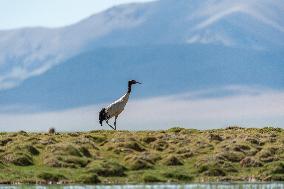
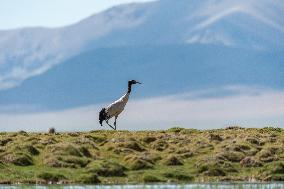
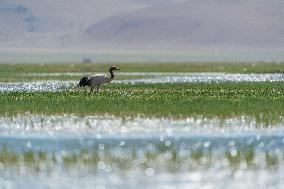
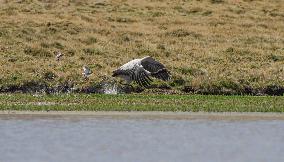
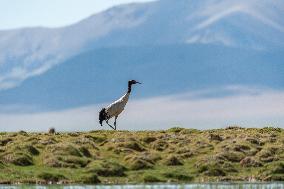
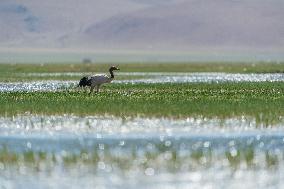
(240610) -- BEIJING, June 10, 2024 Photo by Xinhua/ABACAPRESS.COM) -- A black-necked crane is seen at a wetland in Xainza County of Nagqu City, southwest China's Xizang Autonomous Region, June 8, 2024. The black-necked crane, a species under first-class state protection in China, mainly inhabits plateau meadows and marshes at an altitude of 2,500 to 5,000 meters. Every year around the time of June, pairs of black-necked cranes migrate to Xainza County to build nests and hatch eggs on grass piers surrounded by water. Black-necked cranes usually lay one or two eggs in every nest, and the incubation period is about 30 days. In recent years, Xizang has continuously strengthened the protection of the habitat of black-necked cranes, and their living environment has been effectively improved. The dotted wetlands in Xainza County have attracted a large number of black-necked cranes to breed their offspring. Photo by Xinhua/ABACAPRESS.COM/Tenzing Nima Qadhup)

  •  
XINHUA PHOTOS OF THE DAY

XINHUA PHOTOS OF THE DAY

(240610) -- BEIJING, June 10, 2024 (Xinhua) -- A black-necked crane is seen at a wetland in Xainza County of Nagqu City, southwest China's Xizang Autonomous Region, June 8, 2024. The black-necked crane, a species under first-class state protection in China, mainly inhabits plateau meadows and marshes at an altitude of 2,500 to 5,000 meters. Every year around the time of June, pairs of black-necked cranes migrate to Xainza County to build nests and hatch eggs on grass piers surrounded by water. Black-necked cranes usually lay one or two eggs in every nest, and the incubation period is about 30 days. In recent years, Xizang has continuously strengthened the protection of the habitat of black-necked cranes, and their living environment has been effectively improved. The dotted wetlands in Xainza County have attracted a large number of black-necked cranes to breed their offspring. (Xinhua/Tenzing Nima Qadhup)

  •  
(InXizang)CHINA-XIZANG-XAINZA-BLACK-NECKED CRANES (CN)

(InXizang)CHINA-XIZANG-XAINZA-BLACK-NECKED CRANES (CN)

(240609) -- LHASA, June 9, 2024 Photo by Xinhua/ABACAPRESS.COM) -- A black-necked crane is seen at a wetland in Xainza County of Nagqu City, southwest China's Xizang Autonomous Region, June 8, 2024. The black-necked crane, a species under first-class state protection in China, mainly inhabits plateau meadows and marshes at an altitude of 2,500 to 5,000 meters. Every year around the time of June, pairs of black-necked cranes migrate to Xainza County to build nests and hatch eggs on grass piers surrounded by water. Black-necked cranes usually lay one or two eggs in every nest, and the incubation period is about 30 days. In recent years, Xizang has continuously strengthened the protection of the habitat of black-necked cranes, and their living environment has been effectively improved. The dotted wetlands in Xainza County have attracted a large number of black-necked cranes to breed their offspring. Photo by Xinhua/ABACAPRESS.COM/Tenzing Nima Qadhup)

  •  
(InXizang)CHINA-XIZANG-XAINZA-BLACK-NECKED CRANES (CN)

(InXizang)CHINA-XIZANG-XAINZA-BLACK-NECKED CRANES (CN)

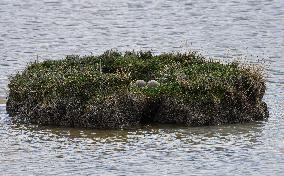
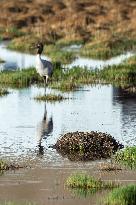
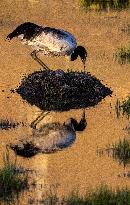
(240609) -- LHASA, June 9, 2024 Photo by Xinhua/ABACAPRESS.COM) -- Eggs of black-necked crane are seen at a wetland in Xainza County of Nagqu City, southwest China's Xizang Autonomous Region, June 7, 2024. The black-necked crane, a species under first-class state protection in China, mainly inhabits plateau meadows and marshes at an altitude of 2,500 to 5,000 meters. Every year around the time of June, pairs of black-necked cranes migrate to Xainza County to build nests and hatch eggs on grass piers surrounded by water. Black-necked cranes usually lay one or two eggs in every nest, and the incubation period is about 30 days. In recent years, Xizang has continuously strengthened the protection of the habitat of black-necked cranes, and their living environment has been effectively improved. The dotted wetlands in Xainza County have attracted a large number of black-necked cranes to breed their offspring. Photo by Xinhua/ABACAPRESS.COM/Jigme Dorje)

  •  
(InXizang)CHINA-XIZANG-XAINZA-BLACK-NECKED CRANES (CN)

(InXizang)CHINA-XIZANG-XAINZA-BLACK-NECKED CRANES (CN)

(240609) -- LHASA, June 9, 2024 Photo by Xinhua/ABACAPRESS.COM) -- A black-necked crane watches over the eggs at a wetland in Xainza County of Nagqu City, southwest China's Xizang Autonomous Region, June 7, 2024. The black-necked crane, a species under first-class state protection in China, mainly inhabits plateau meadows and marshes at an altitude of 2,500 to 5,000 meters. Every year around the time of June, pairs of black-necked cranes migrate to Xainza County to build nests and hatch eggs on grass piers surrounded by water. Black-necked cranes usually lay one or two eggs in every nest, and the incubation period is about 30 days. In recent years, Xizang has continuously strengthened the protection of the habitat of black-necked cranes, and their living environment has been effectively improved. The dotted wetlands in Xainza County have attracted a large number of black-necked cranes to breed their offspring. Photo by Xinhua/ABACAPRESS.COM/Tenzing Nima Qadhup)

  •  
(InXizang)CHINA-XIZANG-XAINZA-BLACK-NECKED CRANES (CN)

(InXizang)CHINA-XIZANG-XAINZA-BLACK-NECKED CRANES (CN)

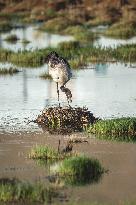
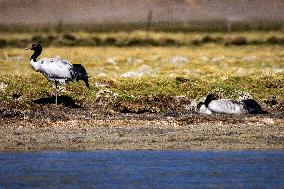
(240609) -- LHASA, June 9, 2024 Photo by Xinhua/ABACAPRESS.COM) -- A black-necked crane hatches eggs at a wetland in Xainza County of Nagqu City, southwest China's Xizang Autonomous Region, June 7, 2024. The black-necked crane, a species under first-class state protection in China, mainly inhabits plateau meadows and marshes at an altitude of 2,500 to 5,000 meters. Every year around the time of June, pairs of black-necked cranes migrate to Xainza County to build nests and hatch eggs on grass piers surrounded by water. Black-necked cranes usually lay one or two eggs in every nest, and the incubation period is about 30 days. In recent years, Xizang has continuously strengthened the protection of the habitat of black-necked cranes, and their living environment has been effectively improved. The dotted wetlands in Xainza County have attracted a large number of black-necked cranes to breed their offspring. Photo by Xinhua/ABACAPRESS.COM/Jiang Fan)

  •  
(InXizang)CHINA-XIZANG-XAINZA-BLACK-NECKED CRANES (CN)

(InXizang)CHINA-XIZANG-XAINZA-BLACK-NECKED CRANES (CN)

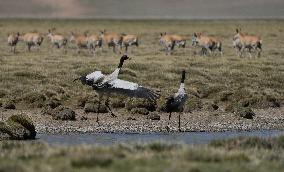
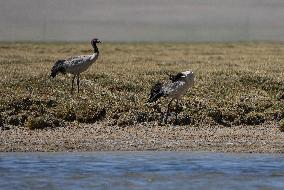
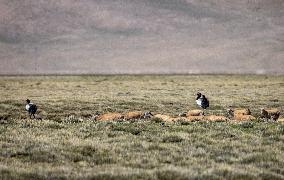
(240609) -- LHASA, June 9, 2024 Photo by Xinhua/ABACAPRESS.COM) -- Black-necked cranes search for food with Tibetan antelopes at a wetland in Xainza County of Nagqu City, southwest China's Xizang Autonomous Region, June 8, 2024. The black-necked crane, a species under first-class state protection in China, mainly inhabits plateau meadows and marshes at an altitude of 2,500 to 5,000 meters. Every year around the time of June, pairs of black-necked cranes migrate to Xainza County to build nests and hatch eggs on grass piers surrounded by water. Black-necked cranes usually lay one or two eggs in every nest, and the incubation period is about 30 days. In recent years, Xizang has continuously strengthened the protection of the habitat of black-necked cranes, and their living environment has been effectively improved. The dotted wetlands in Xainza County have attracted a large number of black-necked cranes to breed their offspring. Photo by Xinhua/ABACAPRESS.COM/Jigme Dorje)

  •  
(InXizang)CHINA-XIZANG-XAINZA-BLACK-NECKED CRANES (CN)

(InXizang)CHINA-XIZANG-XAINZA-BLACK-NECKED CRANES (CN)

(240609) -- LHASA, June 9, 2024 Photo by Xinhua/ABACAPRESS.COM) -- A black-necked crane watches over the eggs at a wetland in Xainza County of Nagqu City, southwest China's Xizang Autonomous Region, June 7, 2024. The black-necked crane, a species under first-class state protection in China, mainly inhabits plateau meadows and marshes at an altitude of 2,500 to 5,000 meters. Every year around the time of June, pairs of black-necked cranes migrate to Xainza County to build nests and hatch eggs on grass piers surrounded by water. Black-necked cranes usually lay one or two eggs in every nest, and the incubation period is about 30 days. In recent years, Xizang has continuously strengthened the protection of the habitat of black-necked cranes, and their living environment has been effectively improved. The dotted wetlands in Xainza County have attracted a large number of black-necked cranes to breed their offspring. Photo by Xinhua/ABACAPRESS.COM/Tenzing Nima Qadhup)

  •  
(InXizang)CHINA-XIZANG-XAINZA-BLACK-NECKED CRANES (CN)

(InXizang)CHINA-XIZANG-XAINZA-BLACK-NECKED CRANES (CN)

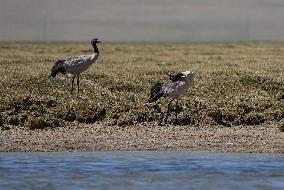
(240609) -- LHASA, June 9, 2024 Photo by Xinhua/ABACAPRESS.COM) -- Black-necked cranes are seen at a wetland in Xainza County of Nagqu City, southwest China's Xizang Autonomous Region, June 7, 2024. The black-necked crane, a species under first-class state protection in China, mainly inhabits plateau meadows and marshes at an altitude of 2,500 to 5,000 meters. Every year around the time of June, pairs of black-necked cranes migrate to Xainza County to build nests and hatch eggs on grass piers surrounded by water. Black-necked cranes usually lay one or two eggs in every nest, and the incubation period is about 30 days. In recent years, Xizang has continuously strengthened the protection of the habitat of black-necked cranes, and their living environment has been effectively improved. The dotted wetlands in Xainza County have attracted a large number of black-necked cranes to breed their offspring. Photo by Xinhua/ABACAPRESS.COM/Jiang Fan)

  •  
(InXizang)CHINA-XIZANG-XAINZA-BLACK-NECKED CRANES (CN)

(InXizang)CHINA-XIZANG-XAINZA-BLACK-NECKED CRANES (CN)

(240609) -- LHASA, June 9, 2024 Photo by Xinhua/ABACAPRESS.COM) -- Black-necked cranes search for food with Tibetan antelopes at a wetland in Xainza County of Nagqu City, southwest China's Xizang Autonomous Region, June 8, 2024. The black-necked crane, a species under first-class state protection in China, mainly inhabits plateau meadows and marshes at an altitude of 2,500 to 5,000 meters. Every year around the time of June, pairs of black-necked cranes migrate to Xainza County to build nests and hatch eggs on grass piers surrounded by water. Black-necked cranes usually lay one or two eggs in every nest, and the incubation period is about 30 days. In recent years, Xizang has continuously strengthened the protection of the habitat of black-necked cranes, and their living environment has been effectively improved. The dotted wetlands in Xainza County have attracted a large number of black-necked cranes to breed their offspring. Photo by Xinhua/ABACAPRESS.COM/Jiang Fan)

  •  
(InXizang)CHINA-XIZANG-XAINZA-BLACK-NECKED CRANES (CN)

(InXizang)CHINA-XIZANG-XAINZA-BLACK-NECKED CRANES (CN)

(240609) -- LHASA, June 9, 2024 Photo by Xinhua/ABACAPRESS.COM) -- A drone photo taken on June 8, 2024 shows a black-necked crane searching for food at a wetland in Xainza County of Nagqu City, southwest China's Xizang Autonomous Region. The black-necked crane, a species under first-class state protection in China, mainly inhabits plateau meadows and marshes at an altitude of 2,500 to 5,000 meters. Every year around the time of June, pairs of black-necked cranes migrate to Xainza County to build nests and hatch eggs on grass piers surrounded by water. Black-necked cranes usually lay one or two eggs in every nest, and the incubation period is about 30 days. In recent years, Xizang has continuously strengthened the protection of the habitat of black-necked cranes, and their living environment has been effectively improved. The dotted wetlands in Xainza County have attracted a large number of black-necked cranes to breed their offspring. Photo by Xinhua/ABACAPRESS.COM/Jiang Fan)

  •  
(InXizang)CHINA-XIZANG-XAINZA-BLACK-NECKED CRANES (CN)

(InXizang)CHINA-XIZANG-XAINZA-BLACK-NECKED CRANES (CN)

(240609) -- LHASA, June 9, 2024 Photo by Xinhua/ABACAPRESS.COM) -- A black-necked crane watches over the eggs at a wetland in Xainza County of Nagqu City, southwest China's Xizang Autonomous Region, June 7, 2024. The black-necked crane, a species under first-class state protection in China, mainly inhabits plateau meadows and marshes at an altitude of 2,500 to 5,000 meters. Every year around the time of June, pairs of black-necked cranes migrate to Xainza County to build nests and hatch eggs on grass piers surrounded by water. Black-necked cranes usually lay one or two eggs in every nest, and the incubation period is about 30 days. In recent years, Xizang has continuously strengthened the protection of the habitat of black-necked cranes, and their living environment has been effectively improved. The dotted wetlands in Xainza County have attracted a large number of black-necked cranes to breed their offspring. Photo by Xinhua/ABACAPRESS.COM/Jigme Dorje)

  •  
(InXizang)CHINA-XIZANG-XAINZA-BLACK-NECKED CRANES (CN)

(InXizang)CHINA-XIZANG-XAINZA-BLACK-NECKED CRANES (CN)

(240609) -- LHASA, June 9, 2024 Photo by Xinhua/ABACAPRESS.COM) -- A black-necked crane hatches eggs at a wetland in Xainza County of Nagqu City, southwest China's Xizang Autonomous Region, June 7, 2024. The black-necked crane, a species under first-class state protection in China, mainly inhabits plateau meadows and marshes at an altitude of 2,500 to 5,000 meters. Every year around the time of June, pairs of black-necked cranes migrate to Xainza County to build nests and hatch eggs on grass piers surrounded by water. Black-necked cranes usually lay one or two eggs in every nest, and the incubation period is about 30 days. In recent years, Xizang has continuously strengthened the protection of the habitat of black-necked cranes, and their living environment has been effectively improved. The dotted wetlands in Xainza County have attracted a large number of black-necked cranes to breed their offspring. Photo by Xinhua/ABACAPRESS.COM/Jiang Fan)

  •  
(InXizang)CHINA-XIZANG-XAINZA-BLACK-NECKED CRANES (CN)

(InXizang)CHINA-XIZANG-XAINZA-BLACK-NECKED CRANES (CN)

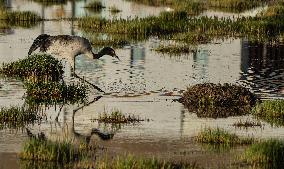
(240609) -- LHASA, June 9, 2024 Photo by Xinhua/ABACAPRESS.COM) -- A black-necked crane searches for food at a wetland in Xainza County of Nagqu City, southwest China's Xizang Autonomous Region, June 7, 2024. The black-necked crane, a species under first-class state protection in China, mainly inhabits plateau meadows and marshes at an altitude of 2,500 to 5,000 meters. Every year around the time of June, pairs of black-necked cranes migrate to Xainza County to build nests and hatch eggs on grass piers surrounded by water. Black-necked cranes usually lay one or two eggs in every nest, and the incubation period is about 30 days. In recent years, Xizang has continuously strengthened the protection of the habitat of black-necked cranes, and their living environment has been effectively improved. The dotted wetlands in Xainza County have attracted a large number of black-necked cranes to breed their offspring. Photo by Xinhua/ABACAPRESS.COM/Jigme Dorje)

  •  
(InXizang)CHINA-XIZANG-XAINZA-BLACK-NECKED CRANES (CN)

(InXizang)CHINA-XIZANG-XAINZA-BLACK-NECKED CRANES (CN)

(240609) -- LHASA, June 9, 2024 Photo by Xinhua/ABACAPRESS.COM) -- Black-necked cranes are seen at a wetland in Xainza County of Nagqu City, southwest China's Xizang Autonomous Region, June 8, 2024. The black-necked crane, a species under first-class state protection in China, mainly inhabits plateau meadows and marshes at an altitude of 2,500 to 5,000 meters. Every year around the time of June, pairs of black-necked cranes migrate to Xainza County to build nests and hatch eggs on grass piers surrounded by water. Black-necked cranes usually lay one or two eggs in every nest, and the incubation period is about 30 days. In recent years, Xizang has continuously strengthened the protection of the habitat of black-necked cranes, and their living environment has been effectively improved. The dotted wetlands in Xainza County have attracted a large number of black-necked cranes to breed their offspring. Photo by Xinhua/ABACAPRESS.COM/Jigme Dorje)

  •  
(InXizang)CHINA-XIZANG-XAINZA-BLACK-NECKED CRANES (CN)

(InXizang)CHINA-XIZANG-XAINZA-BLACK-NECKED CRANES (CN)

(240609) -- LHASA, June 9, 2024 Photo by Xinhua/ABACAPRESS.COM) -- A drone photo taken on June 8, 2024 shows a black-necked crane searching for food at a wetland in Xainza County of Nagqu City, southwest China's Xizang Autonomous Region. The black-necked crane, a species under first-class state protection in China, mainly inhabits plateau meadows and marshes at an altitude of 2,500 to 5,000 meters. Every year around the time of June, pairs of black-necked cranes migrate to Xainza County to build nests and hatch eggs on grass piers surrounded by water. Black-necked cranes usually lay one or two eggs in every nest, and the incubation period is about 30 days. In recent years, Xizang has continuously strengthened the protection of the habitat of black-necked cranes, and their living environment has been effectively improved. The dotted wetlands in Xainza County have attracted a large number of black-necked cranes to breed their offspring. Photo by Xinhua/ABACAPRESS.COM/Jiang Fan)

  •  
(InXizang)CHINA-XIZANG-XAINZA-BLACK-NECKED CRANES (CN)

(InXizang)CHINA-XIZANG-XAINZA-BLACK-NECKED CRANES (CN)

(240609) -- LHASA, June 9, 2024 Photo by Xinhua/ABACAPRESS.COM) -- A black-necked crane is seen at a wetland in Xainza County of Nagqu City, southwest China's Xizang Autonomous Region, June 8, 2024. The black-necked crane, a species under first-class state protection in China, mainly inhabits plateau meadows and marshes at an altitude of 2,500 to 5,000 meters. Every year around the time of June, pairs of black-necked cranes migrate to Xainza County to build nests and hatch eggs on grass piers surrounded by water. Black-necked cranes usually lay one or two eggs in every nest, and the incubation period is about 30 days. In recent years, Xizang has continuously strengthened the protection of the habitat of black-necked cranes, and their living environment has been effectively improved. The dotted wetlands in Xainza County have attracted a large number of black-necked cranes to breed their offspring. Photo by Xinhua/ABACAPRESS.COM/Tenzing Nima Qadhup)

  •  
(InXizang)CHINA-XIZANG-XAINZA-BLACK-NECKED CRANES (CN)

(InXizang)CHINA-XIZANG-XAINZA-BLACK-NECKED CRANES (CN)

(240609) -- LHASA, June 9, 2024 (Xinhua) -- Black-necked cranes search for food with Tibetan antelopes at a wetland in Xainza County of Nagqu City, southwest China's Xizang Autonomous Region, June 8, 2024. The black-necked crane, a species under first-class state protection in China, mainly inhabits plateau meadows and marshes at an altitude of 2,500 to 5,000 meters. Every year around the time of June, pairs of black-necked cranes migrate to Xainza County to build nests and hatch eggs on grass piers surrounded by water. Black-necked cranes usually lay one or two eggs in every nest, and the incubation period is about 30 days. In recent years, Xizang has continuously strengthened the protection of the habitat of black-necked cranes, and their living environment has been effectively improved. The dotted wetlands in Xainza County have attracted a large number of black-necked cranes to breed their offspring. (Xinhua/Jiang Fan)

  •  
(InXizang)CHINA-XIZANG-XAINZA-BLACK-NECKED CRANES (CN)

(InXizang)CHINA-XIZANG-XAINZA-BLACK-NECKED CRANES (CN)

(240609) -- LHASA, June 9, 2024 (Xinhua) -- Black-necked cranes are seen at a wetland in Xainza County of Nagqu City, southwest China's Xizang Autonomous Region, June 8, 2024. The black-necked crane, a species under first-class state protection in China, mainly inhabits plateau meadows and marshes at an altitude of 2,500 to 5,000 meters. Every year around the time of June, pairs of black-necked cranes migrate to Xainza County to build nests and hatch eggs on grass piers surrounded by water. Black-necked cranes usually lay one or two eggs in every nest, and the incubation period is about 30 days. In recent years, Xizang has continuously strengthened the protection of the habitat of black-necked cranes, and their living environment has been effectively improved. The dotted wetlands in Xainza County have attracted a large number of black-necked cranes to breed their offspring. (Xinhua/Jigme Dorje)

  •  
(InXizang)CHINA-XIZANG-XAINZA-BLACK-NECKED CRANES (CN)

(InXizang)CHINA-XIZANG-XAINZA-BLACK-NECKED CRANES (CN)

(240609) -- LHASA, June 9, 2024 (Xinhua) -- A drone photo taken on June 8, 2024 shows a black-necked crane searching for food at a wetland in Xainza County of Nagqu City, southwest China's Xizang Autonomous Region. The black-necked crane, a species under first-class state protection in China, mainly inhabits plateau meadows and marshes at an altitude of 2,500 to 5,000 meters. Every year around the time of June, pairs of black-necked cranes migrate to Xainza County to build nests and hatch eggs on grass piers surrounded by water. Black-necked cranes usually lay one or two eggs in every nest, and the incubation period is about 30 days. In recent years, Xizang has continuously strengthened the protection of the habitat of black-necked cranes, and their living environment has been effectively improved. The dotted wetlands in Xainza County have attracted a large number of black-necked cranes to breed their offspring. (Xinhua/Jiang Fan)

  •  
(InXizang)CHINA-XIZANG-XAINZA-BLACK-NECKED CRANES (CN)

(InXizang)CHINA-XIZANG-XAINZA-BLACK-NECKED CRANES (CN)

(240609) -- LHASA, June 9, 2024 (Xinhua) -- A black-necked crane is seen at a wetland in Xainza County of Nagqu City, southwest China's Xizang Autonomous Region, June 8, 2024. The black-necked crane, a species under first-class state protection in China, mainly inhabits plateau meadows and marshes at an altitude of 2,500 to 5,000 meters. Every year around the time of June, pairs of black-necked cranes migrate to Xainza County to build nests and hatch eggs on grass piers surrounded by water. Black-necked cranes usually lay one or two eggs in every nest, and the incubation period is about 30 days. In recent years, Xizang has continuously strengthened the protection of the habitat of black-necked cranes, and their living environment has been effectively improved. The dotted wetlands in Xainza County have attracted a large number of black-necked cranes to breed their offspring. (Xinhua/Tenzing Nima Qadhup)

  •  
(InXizang)CHINA-XIZANG-XAINZA-BLACK-NECKED CRANES (CN)

(InXizang)CHINA-XIZANG-XAINZA-BLACK-NECKED CRANES (CN)

(240609) -- LHASA, June 9, 2024 (Xinhua) -- A drone photo taken on June 8, 2024 shows a black-necked crane searching for food at a wetland in Xainza County of Nagqu City, southwest China's Xizang Autonomous Region. The black-necked crane, a species under first-class state protection in China, mainly inhabits plateau meadows and marshes at an altitude of 2,500 to 5,000 meters. Every year around the time of June, pairs of black-necked cranes migrate to Xainza County to build nests and hatch eggs on grass piers surrounded by water. Black-necked cranes usually lay one or two eggs in every nest, and the incubation period is about 30 days. In recent years, Xizang has continuously strengthened the protection of the habitat of black-necked cranes, and their living environment has been effectively improved. The dotted wetlands in Xainza County have attracted a large number of black-necked cranes to breed their offspring. (Xinhua/Jiang Fan)

  •  
(InXizang)CHINA-XIZANG-XAINZA-BLACK-NECKED CRANES (CN)

(InXizang)CHINA-XIZANG-XAINZA-BLACK-NECKED CRANES (CN)

(240609) -- LHASA, June 9, 2024 (Xinhua) -- A black-necked crane hatches eggs at a wetland in Xainza County of Nagqu City, southwest China's Xizang Autonomous Region, June 7, 2024. The black-necked crane, a species under first-class state protection in China, mainly inhabits plateau meadows and marshes at an altitude of 2,500 to 5,000 meters. Every year around the time of June, pairs of black-necked cranes migrate to Xainza County to build nests and hatch eggs on grass piers surrounded by water. Black-necked cranes usually lay one or two eggs in every nest, and the incubation period is about 30 days. In recent years, Xizang has continuously strengthened the protection of the habitat of black-necked cranes, and their living environment has been effectively improved. The dotted wetlands in Xainza County have attracted a large number of black-necked cranes to breed their offspring. (Xinhua/Jiang Fan)

  •  
(InXizang)CHINA-XIZANG-XAINZA-BLACK-NECKED CRANES (CN)

(InXizang)CHINA-XIZANG-XAINZA-BLACK-NECKED CRANES (CN)

(240609) -- LHASA, June 9, 2024 (Xinhua) -- A black-necked crane hatches eggs at a wetland in Xainza County of Nagqu City, southwest China's Xizang Autonomous Region, June 7, 2024. The black-necked crane, a species under first-class state protection in China, mainly inhabits plateau meadows and marshes at an altitude of 2,500 to 5,000 meters. Every year around the time of June, pairs of black-necked cranes migrate to Xainza County to build nests and hatch eggs on grass piers surrounded by water. Black-necked cranes usually lay one or two eggs in every nest, and the incubation period is about 30 days. In recent years, Xizang has continuously strengthened the protection of the habitat of black-necked cranes, and their living environment has been effectively improved. The dotted wetlands in Xainza County have attracted a large number of black-necked cranes to breed their offspring. (Xinhua/Jiang Fan)

  • Main
  • Top
  • Editorial
  • Creative
  • About Us
  • About ILG
  • Terms of use
  • Company
  • BEHIND
  • Price List
  • Single Plan
  • Monthly Plan
  • Services
  • Shooting
  • Rights Clearance
  • Support
  • FAQ
  • How To Buy
  • Contact Us
  • Become a Partner

© KYODO NEWS IMAGES INC

All Rights Reserved.

  • Editorial
  • Olympics
  • News
  • Sports
  • Japan
  • Tech
  • Royal
  • Disaster
  • NorthKorea
  • Old Japan
  • SNS

  • Creative
  • Food
  • Japan
  • Landscape
  • Animal
  • Popular
  • #Ukraine
  • #Thailand
  • #coronavirus
  • #N. Korea
  • #Russia
  • #China
  • #Ukraine
  • #Thailand
  • #coronavirus
  • #N. Korea
  • #Russia
  • #China
  • Food
  • Japan
  • Landscape
  • Animal
  • Olympics
  • News
  • Sports
  • Japan
  • Tech
  • Royal
  • Disaster
  • NorthKorea
  • Old Japan
  • SNS