•  
Tourists Visit the Palace Museum - Beijing

Tourists Visit the Palace Museum - Beijing

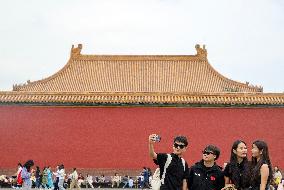
Tourists visit the Palace Museum in Beijing, capital of China, October 3, 2025. This year marks the 100th anniversary of the founding of China's Palace Museum, also known as the Forbidden City. The Forbidden City, which was constructed between 1406 and 1420, was once the imperial palaces of the Ming (1368-1644) and Qing (1644-1912) dynasties. It is a UNESCO inscribed World Cultural Heritage and has one of the world's largest and most intact ancient wooden structures. The Palace Museum was established in 1925 on the base of the former imperial compound. Historically off-limits as an imperial residence, the Forbidden City now is one of the most-visited museums in China. Photo by Xinhua/Jin Liangkuai/ABACAPRESS.COM

  •  
Tourists Visit the Palace Museum - Beijing

Tourists Visit the Palace Museum - Beijing

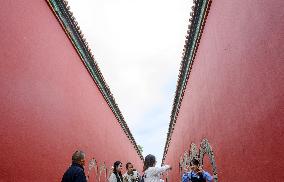
Tourists visit the Palace Museum in Beijing, capital of China, October 3, 2025. This year marks the 100th anniversary of the founding of China's Palace Museum, also known as the Forbidden City. The Forbidden City, which was constructed between 1406 and 1420, was once the imperial palaces of the Ming (1368-1644) and Qing (1644-1912) dynasties. It is a UNESCO inscribed World Cultural Heritage and has one of the world's largest and most intact ancient wooden structures. The Palace Museum was established in 1925 on the base of the former imperial compound. Historically off-limits as an imperial residence, the Forbidden City now is one of the most-visited museums in China. Photo by Xinhua/Jin Liangkuai/ABACAPRESS.COM

  •  
Tourists Visit the Palace Museum - Beijing

Tourists Visit the Palace Museum - Beijing

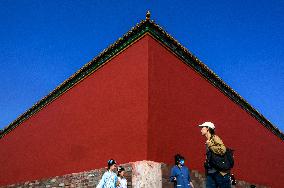
Tourists visit the Palace Museum in Beijing, capital of China, October 2, 2025. This year marks the 100th anniversary of the founding of China's Palace Museum, also known as the Forbidden City. The Forbidden City, which was constructed between 1406 and 1420, was once the imperial palaces of the Ming (1368-1644) and Qing (1644-1912) dynasties. It is a UNESCO inscribed World Cultural Heritage and has one of the world's largest and most intact ancient wooden structures. The Palace Museum was established in 1925 on the base of the former imperial compound. Historically off-limits as an imperial residence, the Forbidden City now is one of the most-visited museums in China. Photo by Xinhua/Jin Liangkuai/ABACAPRESS.COM

  •  
Tourists Visit the Palace Museum - Beijing

Tourists Visit the Palace Museum - Beijing

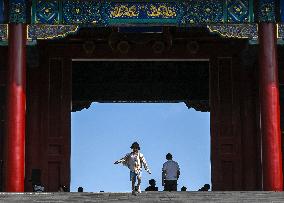
Tourists visit the Palace Museum in Beijing, capital of China, October 2, 2025. This year marks the 100th anniversary of the founding of China's Palace Museum, also known as the Forbidden City. The Forbidden City, which was constructed between 1406 and 1420, was once the imperial palaces of the Ming (1368-1644) and Qing (1644-1912) dynasties. It is a UNESCO inscribed World Cultural Heritage and has one of the world's largest and most intact ancient wooden structures. The Palace Museum was established in 1925 on the base of the former imperial compound. Historically off-limits as an imperial residence, the Forbidden City now is one of the most-visited museums in China. Photo by Xinhua/Jin Liangkuai/ABACAPRESS.COM

  •  
Tourists Visit the Palace Museum - Beijing

Tourists Visit the Palace Museum - Beijing

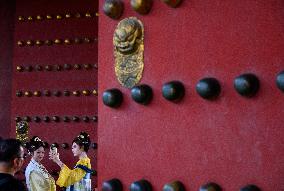
Tourists in traditional costumes take pictures at the Palace Museum in Beijing, capital of China, October 2, 2025. This year marks the 100th anniversary of the founding of China's Palace Museum, also known as the Forbidden City. The Forbidden City, which was constructed between 1406 and 1420, was once the imperial palaces of the Ming (1368-1644) and Qing (1644-1912) dynasties. It is a UNESCO inscribed World Cultural Heritage and has one of the world's largest and most intact ancient wooden structures. The Palace Museum was established in 1925 on the base of the former imperial compound. Historically off-limits as an imperial residence, the Forbidden City now is one of the most-visited museums in China. Photo by Xinhua/Jin Liangkuai/ABACAPRESS.COM

  •  
Tourists Visit the Palace Museum - Beijing

Tourists Visit the Palace Museum - Beijing

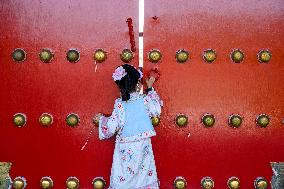
A little girl in traditional costumes is pictured at the Palace Museum in Beijing, capital of China, October 2, 2025. This year marks the 100th anniversary of the founding of China's Palace Museum, also known as the Forbidden City. The Forbidden City, which was constructed between 1406 and 1420, was once the imperial palaces of the Ming (1368-1644) and Qing (1644-1912) dynasties. It is a UNESCO inscribed World Cultural Heritage and has one of the world's largest and most intact ancient wooden structures. The Palace Museum was established in 1925 on the base of the former imperial compound. Historically off-limits as an imperial residence, the Forbidden City now is one of the most-visited museums in China. Photo by Xinhua/Jin Liangkuai/ABACAPRESS.COM

  •  
Trump-Epstein statue erected again in Washington

Trump-Epstein statue erected again in Washington

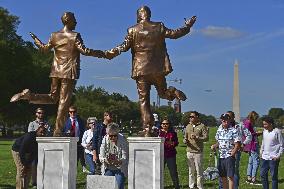
A statue depicting U.S. President Donald Trump (R) and disgraced financier and sex offender Jeffrey Epstein dancing together reappears near the U.S. Capitol in Washington on Oct. 3, 2025, with a satirical commentary on their relationship inscribed on the statue's pedestal.

  •  
Trump-Epstein statue erected again in Washington

Trump-Epstein statue erected again in Washington

A statue depicting U.S. President Donald Trump (L) and disgraced financier and sex offender Jeffrey Epstein dancing together reappears near the U.S. Capitol in Washington on Oct. 3, 2025, with a satirical commentary on their relationship inscribed on the statue's pedestal.

  •  
Festival in northeastern Japan

Festival in northeastern Japan

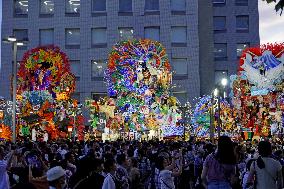
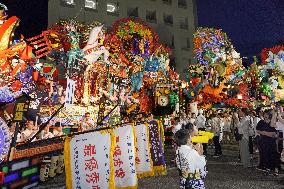
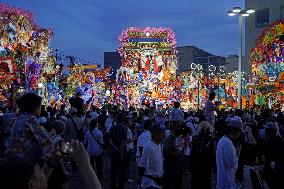
Decorated floats are lined up in Hachinohe in Aomori Prefecture, northeastern Japan, on July 31, 2025, as the annual Hachinohe Sansha Taisai festival kicks off. The floats, each 11 meters high and 8 meters wide, will be paraded for three days starting the following day as part of the five-day festival, which dates back around 300 years and, in 2016, was inscribed on UNESCO's Intangible Cultural Heritage list.

  •  
Festival in northeastern Japan

Festival in northeastern Japan

Decorated floats are lined up in Hachinohe in Aomori Prefecture, northeastern Japan, on July 31, 2025, as the annual Hachinohe Sansha Taisai festival kicks off. The floats, each 11 meters high and 8 meters wide, will be paraded for three days starting the following day as part of the five-day festival, which dates back around 300 years and, in 2016, was inscribed on UNESCO's Intangible Cultural Heritage list.

  •  
Festival in northeastern Japan

Festival in northeastern Japan

Decorated floats are lined up in Hachinohe in Aomori Prefecture, northeastern Japan, on July 31, 2025, as the annual Hachinohe Sansha Taisai festival kicks off. The floats, each 11 meters high and 8 meters wide, will be paraded for three days starting the following day as part of the five-day festival, which dates back around 300 years and, in 2016, was inscribed on UNESCO's Intangible Cultural Heritage list.

  •  
Festival in northeastern Japan

Festival in northeastern Japan

Decorated floats are lined up in Hachinohe in Aomori Prefecture, northeastern Japan, on July 31, 2025, as the annual Hachinohe Sansha Taisai festival kicks off. The floats, each 11 meters high and 8 meters wide, will be paraded for three days starting the following day as part of the five-day festival, which dates back around 300 years and, in 2016, was inscribed on UNESCO's Intangible Cultural Heritage list.

  •  

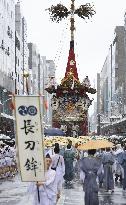
"Yamahoko" parade in Kyoto's Gion Festival

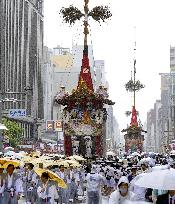
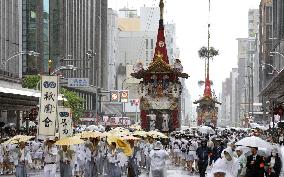
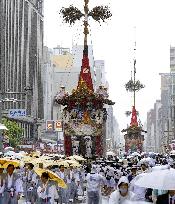
KYOTO, Japan, July 17 Kyodo - A parade of decorated "yamahoko" floats takes place on a street during the Gion Festival in Kyoto, western Japan, on July 17, 2025. The parade of 23 floats is inscribed on UNESCO's Intangible Cultural Heritage list. (Kyodo)

  •  
Illustration - Aerial Rome - Italy

Illustration - Aerial Rome - Italy

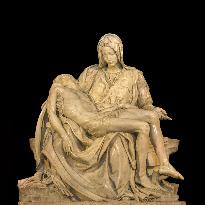
ITALY - ROMA - VATICAN - INTERIOR OF ST. PETER'S BASILICA - PHOTO POINT 3 : LA PIETA, MADE BY MICHELANGELO AT THE AGE OF 25. HE WAS SO PROUD THAT HE INSCRIBED IN LATIN ON THE BANDAGE WHICH CROSSES THE BREAST OF THE VIRGIN: "MICHEL ANGELO BUONARROTI, OF FLORENCE, DID IT." THIS IS THE ONLY WORK HE HAS SIGNED. IT COMES FROM A 1497 COMMISSION OF JEAN BILHERES DE LAGRAULAS, CARDINAL AND AMBASSADOR OF FRANCE TO THE POPE. IT WAS INTENDED TO ADORN THE FUNERARY MONUMENT OF THE CARDINAL IN THE CHAPEL OF THE KINGS OF FRANCE, ST. PETRONILLE, OF THE OLD BASILICA OF ST. PETER. ON MAY 21, 1972, SHE WAS BRUTALLY MUTILATED WITH A HAMMER BY A HUNGARIAN IMBALANCE, LAZLO TOTH. THE RESTORATION WORKS SHOW ON THE LEFT HAND OF THE VIRGIN THE MONOGRAM OF MICHELANGELO, REMAINED HIDDEN FOR NEARLY 500 YEARS: AN "M" DRAWN ON THE PALM WITH THE LINES OF THE HAND. SINCE THEN, THE SCULPTURE IS PROTECTED BY AN ARMORED GLASS. Photo by Stephane Compoint/Only World/ABACAPRESS.COM

  •  
Illustration - Aerial Rome - Italy

Illustration - Aerial Rome - Italy

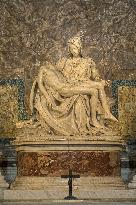
ITALY - ROMA - VATICAN - INTERIOR OF ST. PETER'S BASILICA - PHOTO POINT 3 : LA PIETA, MADE BY MICHELANGELO AT THE AGE OF 25. HE WAS SO PROUD THAT HE INSCRIBED IN LATIN ON THE BANDAGE WHICH CROSSES THE BREAST OF THE VIRGIN: "MICHEL ANGELO BUONARROTI, OF FLORENCE, DID IT." THIS IS THE ONLY WORK HE HAS SIGNED. IT COMES FROM A 1497 COMMISSION OF JEAN BILHERES DE LAGRAULAS, CARDINAL AND AMBASSADOR OF FRANCE TO THE POPE. IT WAS INTENDED TO ADORN THE FUNERARY MONUMENT OF THE CARDINAL IN THE CHAPEL OF THE KINGS OF FRANCE, ST. PETRONILLE, OF THE OLD BASILICA OF ST. PETER. ON MAY 21, 1972, SHE WAS BRUTALLY MUTILATED WITH A HAMMER BY A HUNGARIAN IMBALANCE, LAZLO TOTH. THE RESTORATION WORKS SHOW ON THE LEFT HAND OF THE VIRGIN THE MONOGRAM OF MICHELANGELO, REMAINED HIDDEN FOR NEARLY 500 YEARS: AN "M" DRAWN ON THE PALM WITH THE LINES OF THE HAND. SINCE THEN, THE SCULPTURE IS PROTECTED BY AN ARMORED GLASS. Photo by Stephane Compoint/Only World/ABACAPRESS.COM

  •  
"Yamahoko" parade in Kyoto's Gion Festival

"Yamahoko" parade in Kyoto's Gion Festival

A parade of decorated "yamahoko" floats takes place on a street during the Gion Festival in Kyoto, western Japan, on July 17, 2025. The parade of 23 floats is inscribed on UNESCO's Intangible Cultural Heritage list.

  •  
"Yamahoko" parade in Kyoto's Gion Festival

"Yamahoko" parade in Kyoto's Gion Festival

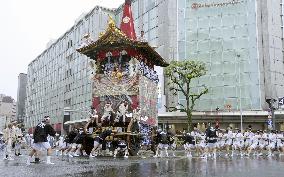
A decorated "yamahoko" float is pulled around for a "tsuji-mawashi" corner turn during a parade of 23 floats, a highlight of the Gion Festival in Kyoto, western Japan, on July 17, 2025. The parade is inscribed on UNESCO's Intangible Cultural Heritage list.

  •  
"Yamahoko" parade in Kyoto's Gion Festival

"Yamahoko" parade in Kyoto's Gion Festival

A parade of decorated "yamahoko" floats takes place on a street during the Gion Festival in Kyoto, western Japan, on July 17, 2025. The parade of 23 floats is inscribed on UNESCO's Intangible Cultural Heritage list.

  •  
"Yamahoko" parade in Kyoto's Gion Festival

"Yamahoko" parade in Kyoto's Gion Festival

Decorated "yamahoko" floats parade down a street during the Gion Festival in Kyoto, western Japan, on July 17, 2025. The parade of 23 floats is inscribed on UNESCO's Intangible Cultural Heritage list.

  •  
"Yamahoko" parade in Kyoto's Gion Festival

"Yamahoko" parade in Kyoto's Gion Festival

A parade of decorated "yamahoko" floats takes place on a street during the Gion Festival in Kyoto, western Japan, on July 17, 2025. The parade of 23 floats is inscribed on UNESCO's Intangible Cultural Heritage list.

  •  
Xixia Imperial Tombs inscribed as UNESCO World Heritage Site - China

Xixia Imperial Tombs inscribed as UNESCO World Heritage Site - China

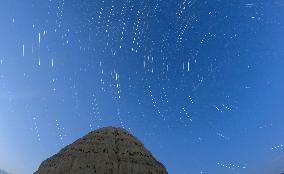
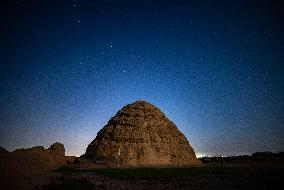
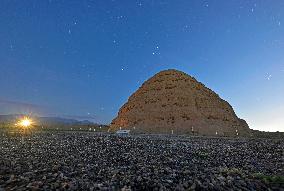
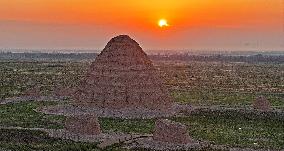
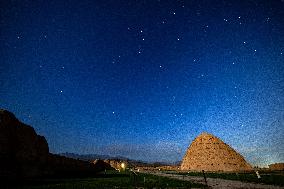
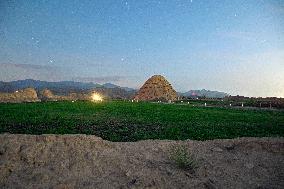
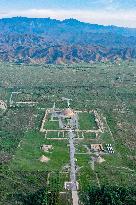
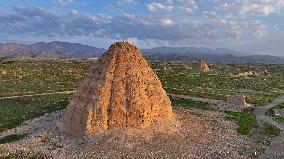
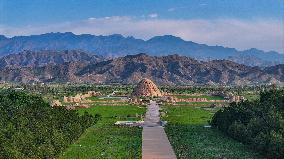
This photo taken on July 10, 2025 shows a Xixia imperial tomb under the stars in Yinchuan, northwest China's Ningxia Hui Autonomous Region. China's Xixia Imperial Tombs were officially added to the UNESCO World Heritage List on Friday during the 47th session of the World Heritage Committee held in Paris, France. The inscription brings the total number of World Heritage sites in China to 60. Photo by Yang Zhisen/Xinhua/ABACAPRESS.COM

  •  
Xixia Imperial Tombs inscribed as UNESCO World Heritage Site - China

Xixia Imperial Tombs inscribed as UNESCO World Heritage Site - China

This photo taken on July 10, 2025 shows a Xixia imperial tomb under the stars in Yinchuan, northwest China's Ningxia Hui Autonomous Region. China's Xixia Imperial Tombs were officially added to the UNESCO World Heritage List on Friday during the 47th session of the World Heritage Committee held in Paris, France. The inscription brings the total number of World Heritage sites in China to 60. Photo by Yang Zhisen/Xinhua/ABACAPRESS.COM

  •  
Xixia Imperial Tombs inscribed as UNESCO World Heritage Site - China

Xixia Imperial Tombs inscribed as UNESCO World Heritage Site - China

This photo taken on July 10, 2025 shows a Xixia imperial tomb under the stars in Yinchuan, northwest China's Ningxia Hui Autonomous Region. China's Xixia Imperial Tombs were officially added to the UNESCO World Heritage List on Friday during the 47th session of the World Heritage Committee held in Paris, France. The inscription brings the total number of World Heritage sites in China to 60. Photo by Wang Peng/Xinhua/ABACAPRESS.COM

  •  
Xixia Imperial Tombs inscribed as UNESCO World Heritage Site - China

Xixia Imperial Tombs inscribed as UNESCO World Heritage Site - China

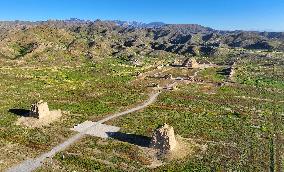
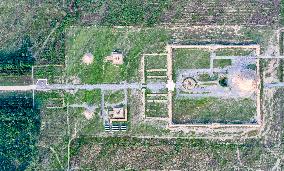
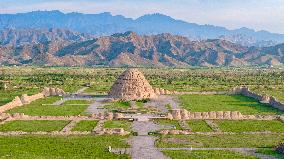
An aerial drone photo taken on Aug. 13, 2024 shows a Xixia imperial tomb in Yinchuan, northwest China's Ningxia Hui Autonomous Region. China's Xixia Imperial Tombs were officially added to the UNESCO World Heritage List on Friday during the 47th session of the World Heritage Committee held in Paris, France. The inscription brings the total number of World Heritage sites in China to 60. Photo by Li Jing/Xinhua/ABACAPRESS.COM

  •  
Xixia Imperial Tombs inscribed as UNESCO World Heritage Site - China

Xixia Imperial Tombs inscribed as UNESCO World Heritage Site - China

A drone photo taken on July 10, 2025 shows a Xixia imperial tomb in Yinchuan, northwest China's Ningxia Hui Autonomous Region. China's Xixia Imperial Tombs were officially added to the UNESCO World Heritage List on Friday during the 47th session of the World Heritage Committee held in Paris, France. The inscription brings the total number of World Heritage sites in China to 60. Photo by Wang Peng/Xinhua/ABACAPRESS.COM

  •  
Xixia Imperial Tombs inscribed as UNESCO World Heritage Site - China

Xixia Imperial Tombs inscribed as UNESCO World Heritage Site - China

This photo taken on July 10, 2025 shows a Xixia imperial tomb under the stars in Yinchuan, northwest China's Ningxia Hui Autonomous Region. China's Xixia Imperial Tombs were officially added to the UNESCO World Heritage List on Friday during the 47th session of the World Heritage Committee held in Paris, France. The inscription brings the total number of World Heritage sites in China to 60. Photo by Feng Kaihua /Xinhua/ABACAPRESS.COM

  •  
Xixia Imperial Tombs inscribed as UNESCO World Heritage Site - China

Xixia Imperial Tombs inscribed as UNESCO World Heritage Site - China

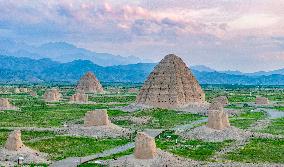
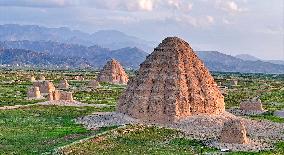
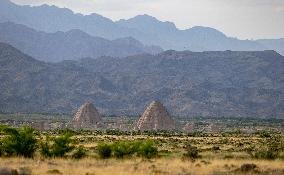
An aerial drone photo taken on July 10, 2025 shows two Xixia imperial tombs in Yinchuan, northwest China's Ningxia Hui Autonomous Region. China's Xixia Imperial Tombs were officially added to the UNESCO World Heritage List on Friday during the 47th session of the World Heritage Committee held in Paris, France. The inscription brings the total number of World Heritage sites in China to 60. Photo by Yang Zhisen/Xinhua/ABACAPRESS.COM

  •  
Xixia Imperial Tombs inscribed as UNESCO World Heritage Site - China

Xixia Imperial Tombs inscribed as UNESCO World Heritage Site - China

This photo taken on July 10, 2025 shows two Xixia imperial tombs in Yinchuan, northwest China's Ningxia Hui Autonomous Region. China's Xixia Imperial Tombs were officially added to the UNESCO World Heritage List on Friday during the 47th session of the World Heritage Committee held in Paris, France. The inscription brings the total number of World Heritage sites in China to 60. Photo by Feng Kaihua /Xinhua/ABACAPRESS.COM

  •  
Xixia Imperial Tombs inscribed as UNESCO World Heritage Site - China

Xixia Imperial Tombs inscribed as UNESCO World Heritage Site - China

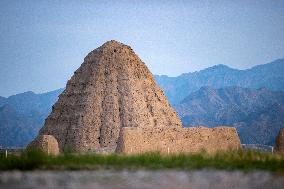
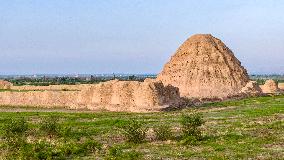
This photo taken on July 10, 2025 shows a Xixia imperial tomb in Yinchuan, northwest China's Ningxia Hui Autonomous Region. China's Xixia Imperial Tombs were officially added to the UNESCO World Heritage List on Friday during the 47th session of the World Heritage Committee held in Paris, France. The inscription brings the total number of World Heritage sites in China to 60. Photo by Yang Zhisen/Xinhua/ABACAPRESS.COM

  •  
Xixia Imperial Tombs inscribed as UNESCO World Heritage Site - China

Xixia Imperial Tombs inscribed as UNESCO World Heritage Site - China

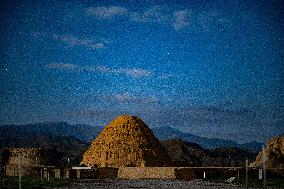
This photo taken on July 10, 2025 shows a Xixia imperial tomb under the stars in Yinchuan, northwest China's Ningxia Hui Autonomous Region. China's Xixia Imperial Tombs were officially added to the UNESCO World Heritage List on Friday during the 47th session of the World Heritage Committee held in Paris, France. The inscription brings the total number of World Heritage sites in China to 60. Photo by Feng Kaihua /Xinhua/ABACAPRESS.COM

  •  
Xixia Imperial Tombs inscribed as UNESCO World Heritage Site - China

Xixia Imperial Tombs inscribed as UNESCO World Heritage Site - China

A drone photo taken on July 10, 2025 shows two Xixia imperial tombs in northwest China's Ningxia Hui Autonomous Region. China's Xixia Imperial Tombs were officially added to the UNESCO World Heritage List on Friday during the 47th session of the World Heritage Committee held in Paris, France. The inscription brings the total number of World Heritage sites in China to 60. Photo by Wang Peng/Xinhua/ABACAPRESS.COM

  •  
Xixia Imperial Tombs inscribed as UNESCO World Heritage Site - China

Xixia Imperial Tombs inscribed as UNESCO World Heritage Site - China

A drone photo taken on July 10, 2025 shows a Xixia imperial tomb in Yinchuan, northwest China's Ningxia Hui Autonomous Region. China's Xixia Imperial Tombs were officially added to the UNESCO World Heritage List on Friday during the 47th session of the World Heritage Committee held in Paris, France. The inscription brings the total number of World Heritage sites in China to 60. Photo by Yang Zhisen/Xinhua/ABACAPRESS.COM

  •  
Xixia Imperial Tombs inscribed as UNESCO World Heritage Site - China

Xixia Imperial Tombs inscribed as UNESCO World Heritage Site - China

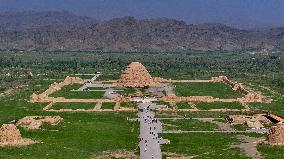
An aerial drone photo taken on July 10, 2025 shows people visiting the Xixia Imperial Tombs scenic area in Yinchuan, northwest China's Ningxia Hui Autonomous Region. China's Xixia Imperial Tombs were officially added to the UNESCO World Heritage List on Friday during the 47th session of the World Heritage Committee held in Paris, France. The inscription brings the total number of World Heritage sites in China to 60. Photo by Feng Kaihua /Xinhua/ABACAPRESS.COM

  •  
Xixia Imperial Tombs inscribed as UNESCO World Heritage Site - China

Xixia Imperial Tombs inscribed as UNESCO World Heritage Site - China

This photo taken on July 10, 2025 shows a Xixia imperial tomb under the stars in Yinchuan, northwest China's Ningxia Hui Autonomous Region. China's Xixia Imperial Tombs were officially added to the UNESCO World Heritage List on Friday during the 47th session of the World Heritage Committee held in Paris, France. The inscription brings the total number of World Heritage sites in China to 60. Photo by Wang Peng/Xinhua/ABACAPRESS.COM

  •  
Xixia Imperial Tombs inscribed as UNESCO World Heritage Site - China

Xixia Imperial Tombs inscribed as UNESCO World Heritage Site - China

This photo taken on July 5, 2025 shows two Xixia imperial tombs in Yinchuan, northwest China's Ningxia Hui Autonomous Region. China's Xixia Imperial Tombs were officially added to the UNESCO World Heritage List on Friday during the 47th session of the World Heritage Committee held in Paris, France. The inscription brings the total number of World Heritage sites in China to 60. Photo by Yang Zhisen/Xinhua/ABACAPRESS.COM

  •  
Xixia Imperial Tombs inscribed as UNESCO World Heritage Site - China

Xixia Imperial Tombs inscribed as UNESCO World Heritage Site - China

An aerial drone photo taken on July 10, 2025 shows a Xixia imperial tomb in Yinchuan, northwest China's Ningxia Hui Autonomous Region. China's Xixia Imperial Tombs were officially added to the UNESCO World Heritage List on Friday during the 47th session of the World Heritage Committee held in Paris, France. The inscription brings the total number of World Heritage sites in China to 60. Photo by Yang Zhisen/Xinhua/ABACAPRESS.COM

  •  
Xixia Imperial Tombs inscribed as UNESCO World Heritage Site - China

Xixia Imperial Tombs inscribed as UNESCO World Heritage Site - China

An aerial drone photo taken on July 10, 2025 shows a Xixia imperial tomb in Yinchuan, northwest China's Ningxia Hui Autonomous Region. China's Xixia Imperial Tombs were officially added to the UNESCO World Heritage List on Friday during the 47th session of the World Heritage Committee held in Paris, France. The inscription brings the total number of World Heritage sites in China to 60. Photo by Feng Kaihua /Xinhua/ABACAPRESS.COM

  •  
Xixia Imperial Tombs inscribed as UNESCO World Heritage Site - China

Xixia Imperial Tombs inscribed as UNESCO World Heritage Site - China

An aerial drone photo taken on July 10, 2025 shows a Xixia imperial tomb in Yinchuan, northwest China's Ningxia Hui Autonomous Region. China's Xixia Imperial Tombs were officially added to the UNESCO World Heritage List on Friday during the 47th session of the World Heritage Committee held in Paris, France. The inscription brings the total number of World Heritage sites in China to 60. Photo by Feng Kaihua /Xinhua/ABACAPRESS.COM

  •  
Xixia Imperial Tombs inscribed as UNESCO World Heritage Site - China

Xixia Imperial Tombs inscribed as UNESCO World Heritage Site - China

An aerial drone photo taken on July 10, 2025 shows a Xixia imperial tomb in Yinchuan, northwest China's Ningxia Hui Autonomous Region. China's Xixia Imperial Tombs were officially added to the UNESCO World Heritage List on Friday during the 47th session of the World Heritage Committee held in Paris, France. The inscription brings the total number of World Heritage sites in China to 60. Photo by Yang Zhisen/Xinhua/ABACAPRESS.COM

  •  
Xixia Imperial Tombs inscribed as UNESCO World Heritage Site - China

Xixia Imperial Tombs inscribed as UNESCO World Heritage Site - China

A drone photo taken on July 10, 2025 shows a Xixia imperial tomb in Yinchuan, northwest China's Ningxia Hui Autonomous Region. China's Xixia Imperial Tombs were officially added to the UNESCO World Heritage List on Friday during the 47th session of the World Heritage Committee held in Paris, France. The inscription brings the total number of World Heritage sites in China to 60. Photo by Wang Peng/Xinhua/ABACAPRESS.COM

  •  
Fujian Fortified Manors - China

Fujian Fortified Manors - China

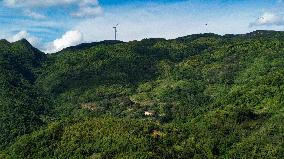
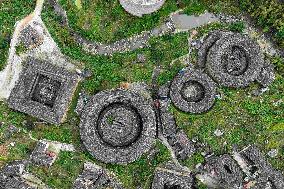
An aerial drone photo taken on May 21, 2025 shows a Tulou among mountains in Longyan, southeast China's Fujian Province. Fujian Tulou, the unique residential architecture of Fujian Province constructed between the 15th and 20th centuries, was inscribed on the UNESCO's World Heritage List in 2008. Set amongst rice, tea and tobacco fields, Tulou is earthen house. Several storeys high, it was built along an inward-looking, circular or square floor plan as housing for up to 800 people each. Tulou was built for defence purposes around a central open courtyard with only one entrance and windows to the outside only above the first floor. Housing a whole clan, Tulou functioned as village units and was known as "a little kingdom for the family" or "bustling small city." Photo by Wang Zecong/Xinhua/ABACAPRESS.COM

  •  
Fujian Fortified Manors - China

Fujian Fortified Manors - China

An aerial drone photo taken on May 22, 2025 shows the Chuxi Tulou Cluster in Longyan, southeast China's Fujian Province. Fujian Tulou, the unique residential architecture of Fujian Province constructed between the 15th and 20th centuries, was inscribed on the UNESCO's World Heritage List in 2008. Set amongst rice, tea and tobacco fields, Tulou is earthen house. Several storeys high, it was built along an inward-looking, circular or square floor plan as housing for up to 800 people each. Tulou was built for defence purposes around a central open courtyard with only one entrance and windows to the outside only above the first floor. Housing a whole clan, Tulou functioned as village units and was known as "a little kingdom for the family" or "bustling small city." Photo by Zhang Keren/Xinhua/ABACAPRESS.COM

  •  
Fujian Fortified Manors - China

Fujian Fortified Manors - China

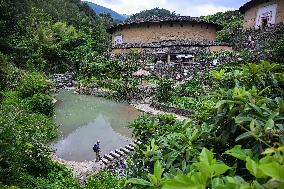
A tourist visits the Chuxi Tulou Cluster in Longyan, southeast China's Fujian Province, May 22, 2025. Fujian Tulou, the unique residential architecture of Fujian Province constructed between the 15th and 20th centuries, was inscribed on the UNESCO's World Heritage List in 2008. Set amongst rice, tea and tobacco fields, Tulou is earthen house. Several storeys high, it was built along an inward-looking, circular or square floor plan as housing for up to 800 people each. Tulou was built for defence purposes around a central open courtyard with only one entrance and windows to the outside only above the first floor. Housing a whole clan, Tulou functioned as village units and was known as "a little kingdom for the family" or "bustling small city." Photo by Wang Zecong/Xinhua/ABACAPRESS.COM

  •  
Fujian Fortified Manors - China

Fujian Fortified Manors - China

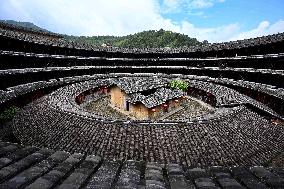
This photo taken on May 22, 2025 shows an interior view of the Jiqing Tulou in Longyan, southeast China's Fujian Province. Fujian Tulou, the unique residential architecture of Fujian Province constructed between the 15th and 20th centuries, was inscribed on the UNESCO's World Heritage List in 2008. Set amongst rice, tea and tobacco fields, Tulou is earthen house. Several storeys high, it was built along an inward-looking, circular or square floor plan as housing for up to 800 people each. Tulou was built for defence purposes around a central open courtyard with only one entrance and windows to the outside only above the first floor. Housing a whole clan, Tulou functioned as village units and was known as "a little kingdom for the family" or "bustling small city." Photo by Jiang Kehong/Xinhua/ABACAPRESS.COM

  •  
Fujian Fortified Manors - China

Fujian Fortified Manors - China

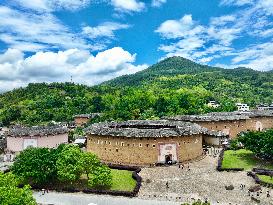
An aerial drone photo taken on May 21, 2025 shows the Chengqi Tulou in Longyan, southeast China's Fujian Province. Fujian Tulou, the unique residential architecture of Fujian Province constructed between the 15th and 20th centuries, was inscribed on the UNESCO's World Heritage List in 2008. Set amongst rice, tea and tobacco fields, Tulou is earthen house. Several storeys high, it was built along an inward-looking, circular or square floor plan as housing for up to 800 people each. Tulou was built for defence purposes around a central open courtyard with only one entrance and windows to the outside only above the first floor. Housing a whole clan, Tulou functioned as village units and was known as "a little kingdom for the family" or "bustling small city." Photo by Jiang Kehong/Xinhua/ABACAPRESS.COM

  •  
Pro-Palestinian Demonstration - Toulouse

Pro-Palestinian Demonstration - Toulouse

The shoulder of a demonstrator with Free Palestine inscribed on his skin. Demonstration against the genocide and for the entry of humanitarian aid into Gaza and to demand a ceasefire and an end to the impunity of the Israeli government. France, Toulouse, June 14, 2025. Photo by Patricia Huchot-Boissier/ABACAPRESS.COM

  •  
Pro-Palestinian Demonstration - Toulouse

Pro-Palestinian Demonstration - Toulouse

The shoulder of a demonstrator with Free Palestine inscribed on his skin. Demonstration against the genocide and for the entry of humanitarian aid into Gaza and to demand a ceasefire and an end to the impunity of the Israeli government. France, Toulouse, June 14, 2025. Photo by Patricia Huchot-Boissier/ABACAPRESS.COM

  •  
Pro-Palestinian Demonstration - Toulouse

Pro-Palestinian Demonstration - Toulouse

A demonstrator with a Yellow Vest inscribed, NON Genocide. Demonstration against the genocide and for the entry of humanitarian aid into Gaza and to demand a ceasefire and an end to the impunity of the Israeli government. France, Toulouse, June 14, 2025. Photo by Patricia Huchot-Boissier/ABACAPRESS.COM

  •  
Pro-Palestinian Demonstration - Toulouse

Pro-Palestinian Demonstration - Toulouse

A Palestinian scarf, Keffieh with inscribed, Haifa. Demonstration against the genocide and for the entry of humanitarian aid into Gaza and to demand a ceasefire and an end to the impunity of the Israeli government. France, Toulouse, June 14, 2025. Photo by Patricia Huchot-Boissier/ABACAPRESS.COM

  •  
Japanese Imperial family in Okinawa

Japanese Imperial family in Okinawa

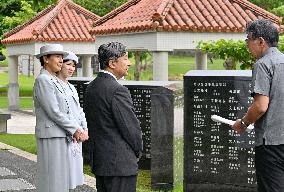
Japanese Emperor Naruhito (2nd from R), Empress Masako (far L) and their daughter Princess Aiko visit the Cornerstone of Peace monument, on which the names of those who lost their lives in the Battle of Okinawa in World War II are inscribed, in the Peace Memorial Park in Itoman in Okinawa Prefecture, southern Japan, on June 4, 2025. (Pool photo)

  • Main
  • Top
  • Editorial
  • Creative
  • About Us
  • About ILG
  • Terms of use
  • Company
  • BEHIND
  • Price List
  • Single Plan
  • Monthly Plan
  • Services
  • Shooting
  • Rights Clearance
  • Support
  • FAQ
  • How To Buy
  • Contact Us
  • Become a Partner

© KYODO NEWS IMAGES INC

All Rights Reserved.

  • Editorial
  • Olympics
  • News
  • Sports
  • Japan
  • Tech
  • Royal
  • Disaster
  • NorthKorea
  • Old Japan
  • SNS
  • Creative
  • Food
  • Japan
  • Landscape
  • Animal
  • Popular
  • #Ukraine
  • #China
  • #coronavirus
  • #N. Korea
  • #Thailand
  • #Russia
  • #Ukraine
  • #China
  • #coronavirus
  • #N. Korea
  • #Thailand
  • #Russia
  • Food
  • Japan
  • Landscape
  • Animal
  • Olympics
  • News
  • Sports
  • Japan
  • Tech
  • Royal
  • Disaster
  • NorthKorea
  • Old Japan
  • SNS