•  
Pongal Festival - Singapore

Pongal Festival - Singapore

A craftsman demonstrates pottery making for Pongal Festival activities during a media preview of the Pongal Festival celebration held in Singapore's Indian Heritage Centre on Jan. 9, 2026. Pongal Festival is a tradition celebrated in south India. This year's festival is held from Jan. 14 to 17. Singapore's Indian Heritage Centre will be hosting a series of Pongal Festival activities on the two weekends on Jan 10, 11, 17 and 18. (Photo by Then Chih Wey/Xinhua/ABACAPRESS.COM)

  •  
Pongal Festival - Singapore

Pongal Festival - Singapore

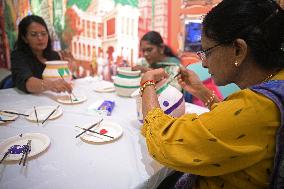
People paint on traditional clay pots used for Pongal Festival activities during a media preview of the Pongal Festival celebration held in Singapore's Indian Heritage Centre on Jan. 9, 2026. Pongal Festival is a tradition celebrated in south India. This year's festival is held from Jan. 14 to 17. Singapore's Indian Heritage Centre will be hosting a series of Pongal Festival activities on the two weekends on Jan 10, 11, 17 and 18. (Photo by Then Chih Wey/Xinhua/ABACAPRESS.COM)

  •  
Pongal Festival - Singapore

Pongal Festival - Singapore

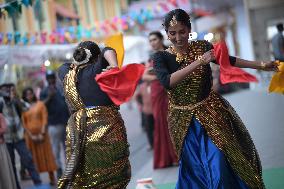
Performers dance during the media preview of the Pongal Festival celebration held in Singapore's Indian Heritage Centre on Jan. 9, 2026. Pongal Festival is a tradition celebrated in south India. This year's festival is held from Jan. 14 to 17. Singapore's Indian Heritage Centre will be hosting a series of Pongal Festival activities on the two weekends on Jan 10, 11, 17 and 18. (Photo by Then Chih Wey/Xinhua/ABACAPRESS.COM)

  •  
Pongal Festival - Singapore

Pongal Festival - Singapore

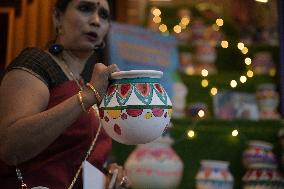
A woman shows a traditional clay pot used for Pongal Festival activities during a media preview of the Pongal Festival celebration held in Singapore's Indian Heritage Centre on Jan. 9, 2026. Pongal Festival is a tradition celebrated in south India. This year's festival is held from Jan. 14 to 17. Singapore's Indian Heritage Centre will be hosting a series of Pongal Festival activities on the two weekends on Jan 10, 11, 17 and 18. (Photo by Then Chih Wey/Xinhua/ABACAPRESS.COM)

  •  
Indian Kalbeliya Gypsy Dancers Performs - India

Indian Kalbeliya Gypsy Dancers Performs - India

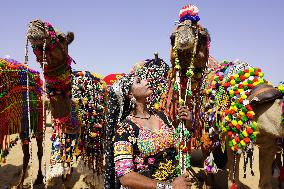
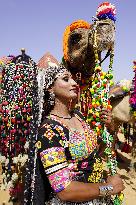
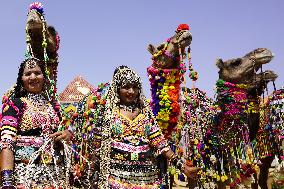
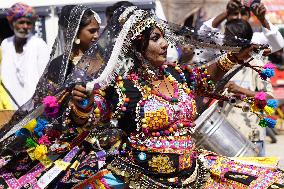
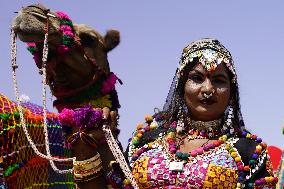
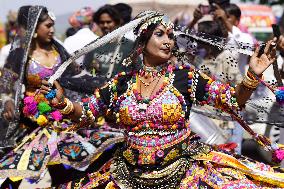
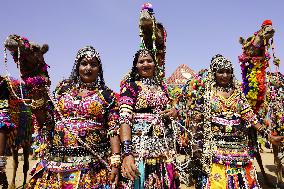
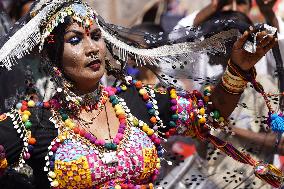
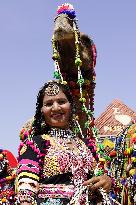
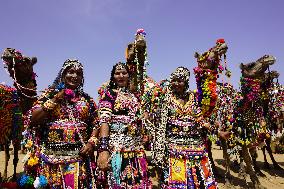
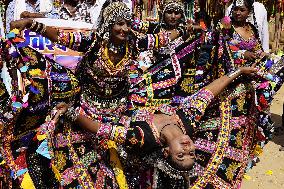
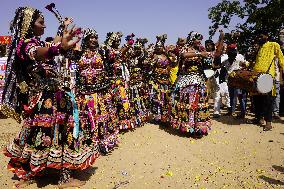
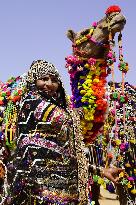
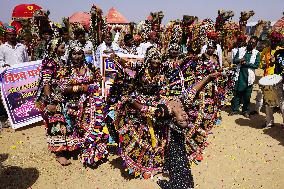
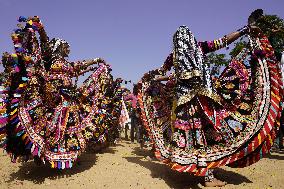
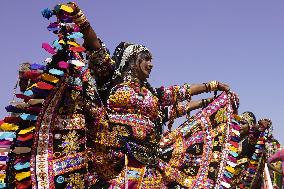
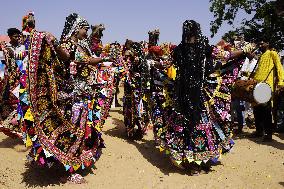
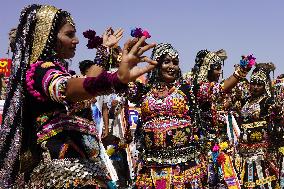
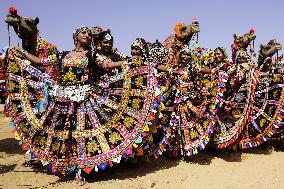
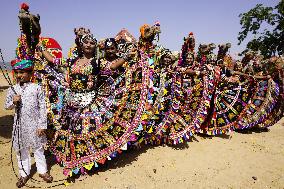
Indian Kalbeliya gypsy dancers Performs during the "World Tourism Day" celebration at the Desert of Pushkar, Rajasthan, India on September 27, 2025. Kalbeliya refers to both a nomadic community of traditional snake-catchers in Rajasthan, India, and a vibrant folk dance performed by this community, also known as the "Snake Charmer Dance" or "Sapera Dance". The dance, which features serpentine movements, traditional instruments like the pungi (snake charmer's pipe), and colorful attire, is a significant part of the Kalbelia tribe's oral history and cultural heritage, recognized by UNESCO as an Intangible Cultural Heritage. Photo by ABACAPRESS.COM

  •  
Indian Kalbeliya Gypsy Dancers Performs - India

Indian Kalbeliya Gypsy Dancers Performs - India

Indian Kalbeliya gypsy dancers Performs during the "World Tourism Day" celebration at the Desert of Pushkar, Rajasthan, India on September 27, 2025. Kalbeliya refers to both a nomadic community of traditional snake-catchers in Rajasthan, India, and a vibrant folk dance performed by this community, also known as the "Snake Charmer Dance" or "Sapera Dance". The dance, which features serpentine movements, traditional instruments like the pungi (snake charmer's pipe), and colorful attire, is a significant part of the Kalbelia tribe's oral history and cultural heritage, recognized by UNESCO as an Intangible Cultural Heritage. Photo by ABACAPRESS.COM

  •  
Indian Kalbeliya Gypsy Dancers Performs - India

Indian Kalbeliya Gypsy Dancers Performs - India

Indian Kalbeliya gypsy dancers Performs during the "World Tourism Day" celebration at the Desert of Pushkar, Rajasthan, India on September 27, 2025. Kalbeliya refers to both a nomadic community of traditional snake-catchers in Rajasthan, India, and a vibrant folk dance performed by this community, also known as the "Snake Charmer Dance" or "Sapera Dance". The dance, which features serpentine movements, traditional instruments like the pungi (snake charmer's pipe), and colorful attire, is a significant part of the Kalbelia tribe's oral history and cultural heritage, recognized by UNESCO as an Intangible Cultural Heritage. Photo by ABACAPRESS.COM

  •  
Indian Kalbeliya Gypsy Dancers Performs - India

Indian Kalbeliya Gypsy Dancers Performs - India

Indian Kalbeliya gypsy dancers Performs during the "World Tourism Day" celebration at the Desert of Pushkar, Rajasthan, India on September 27, 2025. Kalbeliya refers to both a nomadic community of traditional snake-catchers in Rajasthan, India, and a vibrant folk dance performed by this community, also known as the "Snake Charmer Dance" or "Sapera Dance". The dance, which features serpentine movements, traditional instruments like the pungi (snake charmer's pipe), and colorful attire, is a significant part of the Kalbelia tribe's oral history and cultural heritage, recognized by UNESCO as an Intangible Cultural Heritage. Photo by ABACAPRESS.COM

  •  
Indian Kalbeliya Gypsy Dancers Performs - India

Indian Kalbeliya Gypsy Dancers Performs - India

Indian Kalbeliya gypsy dancers Performs during the "World Tourism Day" celebration at the Desert of Pushkar, Rajasthan, India on September 27, 2025. Kalbeliya refers to both a nomadic community of traditional snake-catchers in Rajasthan, India, and a vibrant folk dance performed by this community, also known as the "Snake Charmer Dance" or "Sapera Dance". The dance, which features serpentine movements, traditional instruments like the pungi (snake charmer's pipe), and colorful attire, is a significant part of the Kalbelia tribe's oral history and cultural heritage, recognized by UNESCO as an Intangible Cultural Heritage. Photo by ABACAPRESS.COM

  •  
Indian Kalbeliya Gypsy Dancers Performs - India

Indian Kalbeliya Gypsy Dancers Performs - India

Indian Kalbeliya gypsy dancers Performs during the "World Tourism Day" celebration at the Desert of Pushkar, Rajasthan, India on September 27, 2025. Kalbeliya refers to both a nomadic community of traditional snake-catchers in Rajasthan, India, and a vibrant folk dance performed by this community, also known as the "Snake Charmer Dance" or "Sapera Dance". The dance, which features serpentine movements, traditional instruments like the pungi (snake charmer's pipe), and colorful attire, is a significant part of the Kalbelia tribe's oral history and cultural heritage, recognized by UNESCO as an Intangible Cultural Heritage. Photo by ABACAPRESS.COM

  •  
Indian Kalbeliya Gypsy Dancers Performs - India

Indian Kalbeliya Gypsy Dancers Performs - India

Indian Kalbeliya gypsy dancers Performs during the "World Tourism Day" celebration at the Desert of Pushkar, Rajasthan, India on September 27, 2025. Kalbeliya refers to both a nomadic community of traditional snake-catchers in Rajasthan, India, and a vibrant folk dance performed by this community, also known as the "Snake Charmer Dance" or "Sapera Dance". The dance, which features serpentine movements, traditional instruments like the pungi (snake charmer's pipe), and colorful attire, is a significant part of the Kalbelia tribe's oral history and cultural heritage, recognized by UNESCO as an Intangible Cultural Heritage. Photo by ABACAPRESS.COM

  •  
Indian Kalbeliya Gypsy Dancers Performs - India

Indian Kalbeliya Gypsy Dancers Performs - India

Indian Kalbeliya gypsy dancers Performs during the "World Tourism Day" celebration at the Desert of Pushkar, Rajasthan, India on September 27, 2025. Kalbeliya refers to both a nomadic community of traditional snake-catchers in Rajasthan, India, and a vibrant folk dance performed by this community, also known as the "Snake Charmer Dance" or "Sapera Dance". The dance, which features serpentine movements, traditional instruments like the pungi (snake charmer's pipe), and colorful attire, is a significant part of the Kalbelia tribe's oral history and cultural heritage, recognized by UNESCO as an Intangible Cultural Heritage. Photo by ABACAPRESS.COM

  •  
Indian Kalbeliya Gypsy Dancers Performs - India

Indian Kalbeliya Gypsy Dancers Performs - India

Indian Kalbeliya gypsy dancers Performs during the "World Tourism Day" celebration at the Desert of Pushkar, Rajasthan, India on September 27, 2025. Kalbeliya refers to both a nomadic community of traditional snake-catchers in Rajasthan, India, and a vibrant folk dance performed by this community, also known as the "Snake Charmer Dance" or "Sapera Dance". The dance, which features serpentine movements, traditional instruments like the pungi (snake charmer's pipe), and colorful attire, is a significant part of the Kalbelia tribe's oral history and cultural heritage, recognized by UNESCO as an Intangible Cultural Heritage. Photo by ABACAPRESS.COM

  •  
Indian Kalbeliya Gypsy Dancers Performs - India

Indian Kalbeliya Gypsy Dancers Performs - India

Indian Kalbeliya gypsy dancers Performs during the "World Tourism Day" celebration at the Desert of Pushkar, Rajasthan, India on September 27, 2025. Kalbeliya refers to both a nomadic community of traditional snake-catchers in Rajasthan, India, and a vibrant folk dance performed by this community, also known as the "Snake Charmer Dance" or "Sapera Dance". The dance, which features serpentine movements, traditional instruments like the pungi (snake charmer's pipe), and colorful attire, is a significant part of the Kalbelia tribe's oral history and cultural heritage, recognized by UNESCO as an Intangible Cultural Heritage. Photo by ABACAPRESS.COM

  •  
Indian Kalbeliya Gypsy Dancers Performs - India

Indian Kalbeliya Gypsy Dancers Performs - India

Indian Kalbeliya gypsy dancers Performs during the "World Tourism Day" celebration at the Desert of Pushkar, Rajasthan, India on September 27, 2025. Kalbeliya refers to both a nomadic community of traditional snake-catchers in Rajasthan, India, and a vibrant folk dance performed by this community, also known as the "Snake Charmer Dance" or "Sapera Dance". The dance, which features serpentine movements, traditional instruments like the pungi (snake charmer's pipe), and colorful attire, is a significant part of the Kalbelia tribe's oral history and cultural heritage, recognized by UNESCO as an Intangible Cultural Heritage. Photo by ABACAPRESS.COM

  •  
Indian Kalbeliya Gypsy Dancers Performs - India

Indian Kalbeliya Gypsy Dancers Performs - India

Indian Kalbeliya gypsy dancers Performs during the "World Tourism Day" celebration at the Desert of Pushkar, Rajasthan, India on September 27, 2025. Kalbeliya refers to both a nomadic community of traditional snake-catchers in Rajasthan, India, and a vibrant folk dance performed by this community, also known as the "Snake Charmer Dance" or "Sapera Dance". The dance, which features serpentine movements, traditional instruments like the pungi (snake charmer's pipe), and colorful attire, is a significant part of the Kalbelia tribe's oral history and cultural heritage, recognized by UNESCO as an Intangible Cultural Heritage. Photo by ABACAPRESS.COM

  •  
Indian Kalbeliya Gypsy Dancers Performs - India

Indian Kalbeliya Gypsy Dancers Performs - India

Indian Kalbeliya gypsy dancers Performs during the "World Tourism Day" celebration at the Desert of Pushkar, Rajasthan, India on September 27, 2025. Kalbeliya refers to both a nomadic community of traditional snake-catchers in Rajasthan, India, and a vibrant folk dance performed by this community, also known as the "Snake Charmer Dance" or "Sapera Dance". The dance, which features serpentine movements, traditional instruments like the pungi (snake charmer's pipe), and colorful attire, is a significant part of the Kalbelia tribe's oral history and cultural heritage, recognized by UNESCO as an Intangible Cultural Heritage. Photo by ABACAPRESS.COM

  •  
Indian Kalbeliya Gypsy Dancers Performs - India

Indian Kalbeliya Gypsy Dancers Performs - India

Indian Kalbeliya gypsy dancers Performs during the "World Tourism Day" celebration at the Desert of Pushkar, Rajasthan, India on September 27, 2025. Kalbeliya refers to both a nomadic community of traditional snake-catchers in Rajasthan, India, and a vibrant folk dance performed by this community, also known as the "Snake Charmer Dance" or "Sapera Dance". The dance, which features serpentine movements, traditional instruments like the pungi (snake charmer's pipe), and colorful attire, is a significant part of the Kalbelia tribe's oral history and cultural heritage, recognized by UNESCO as an Intangible Cultural Heritage. Photo by ABACAPRESS.COM

  •  
Indian Kalbeliya Gypsy Dancers Performs - India

Indian Kalbeliya Gypsy Dancers Performs - India

Indian Kalbeliya gypsy dancers Performs during the "World Tourism Day" celebration at the Desert of Pushkar, Rajasthan, India on September 27, 2025. Kalbeliya refers to both a nomadic community of traditional snake-catchers in Rajasthan, India, and a vibrant folk dance performed by this community, also known as the "Snake Charmer Dance" or "Sapera Dance". The dance, which features serpentine movements, traditional instruments like the pungi (snake charmer's pipe), and colorful attire, is a significant part of the Kalbelia tribe's oral history and cultural heritage, recognized by UNESCO as an Intangible Cultural Heritage. Photo by ABACAPRESS.COM

  •  
Indian Kalbeliya Gypsy Dancers Performs - India

Indian Kalbeliya Gypsy Dancers Performs - India

Indian Kalbeliya gypsy dancers Performs during the "World Tourism Day" celebration at the Desert of Pushkar, Rajasthan, India on September 27, 2025. Kalbeliya refers to both a nomadic community of traditional snake-catchers in Rajasthan, India, and a vibrant folk dance performed by this community, also known as the "Snake Charmer Dance" or "Sapera Dance". The dance, which features serpentine movements, traditional instruments like the pungi (snake charmer's pipe), and colorful attire, is a significant part of the Kalbelia tribe's oral history and cultural heritage, recognized by UNESCO as an Intangible Cultural Heritage. Photo by ABACAPRESS.COM

  •  
Indian Kalbeliya Gypsy Dancers Performs - India

Indian Kalbeliya Gypsy Dancers Performs - India

Indian Kalbeliya gypsy dancers Performs during the "World Tourism Day" celebration at the Desert of Pushkar, Rajasthan, India on September 27, 2025. Kalbeliya refers to both a nomadic community of traditional snake-catchers in Rajasthan, India, and a vibrant folk dance performed by this community, also known as the "Snake Charmer Dance" or "Sapera Dance". The dance, which features serpentine movements, traditional instruments like the pungi (snake charmer's pipe), and colorful attire, is a significant part of the Kalbelia tribe's oral history and cultural heritage, recognized by UNESCO as an Intangible Cultural Heritage. Photo by ABACAPRESS.COM

  •  
Indian Kalbeliya Gypsy Dancers Performs - India

Indian Kalbeliya Gypsy Dancers Performs - India

Indian Kalbeliya gypsy dancers Performs during the "World Tourism Day" celebration at the Desert of Pushkar, Rajasthan, India on September 27, 2025. Kalbeliya refers to both a nomadic community of traditional snake-catchers in Rajasthan, India, and a vibrant folk dance performed by this community, also known as the "Snake Charmer Dance" or "Sapera Dance". The dance, which features serpentine movements, traditional instruments like the pungi (snake charmer's pipe), and colorful attire, is a significant part of the Kalbelia tribe's oral history and cultural heritage, recognized by UNESCO as an Intangible Cultural Heritage. Photo by ABACAPRESS.COM

  •  
World Tourism Day Celebration - India

World Tourism Day Celebration - India

Indian Kalbeliya gypsy dancers Performs during the "World Tourism Day" celebration at the Desert of Pushkar, Rajasthan, India on September 27, 2025. Kalbeliya refers to both a nomadic community of traditional snake-catchers in Rajasthan, India, and a vibrant folk dance performed by this community, also known as the "Snake Charmer Dance" or "Sapera Dance". The dance, which features serpentine movements, traditional instruments like the pungi (snake charmer's pipe), and colorful attire, is a significant part of the Kalbelia tribe's oral history and cultural heritage, recognized by UNESCO as an Intangible Cultural Heritage. Photo by Himanshu Sharma/ABACAPRESS.COM

  •  
World Tourism Day Celebration - India

World Tourism Day Celebration - India

Indian Kalbeliya gypsy dancers Performs during the "World Tourism Day" celebration at the Desert of Pushkar, Rajasthan, India on September 27, 2025. Kalbeliya refers to both a nomadic community of traditional snake-catchers in Rajasthan, India, and a vibrant folk dance performed by this community, also known as the "Snake Charmer Dance" or "Sapera Dance". The dance, which features serpentine movements, traditional instruments like the pungi (snake charmer's pipe), and colorful attire, is a significant part of the Kalbelia tribe's oral history and cultural heritage, recognized by UNESCO as an Intangible Cultural Heritage. Photo by Himanshu Sharma/ABACAPRESS.COM

  •  
Zanzibar In Pictures

Zanzibar In Pictures

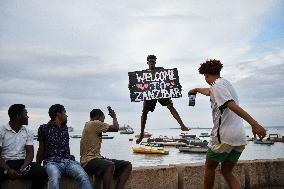
A man poses for photos as he dives into the sea in the Stone Town of Zanzibar, Tanzania, on December 10, 2024. Stone Town, designated as a World Heritage Site by the United Nations Educational, Scientific and Cultural Organization in 2000, is a prime example of the Swahili coastal trading towns of East Africa. It retains its urban fabric and townscape largely intact, with many fine buildings reflecting a unique culture that blends African, Arabian, Indian, and European influences accumulated over more than a millennium. Photo by Han Xu/Xinhua/ABACAPRESS.COM

  •  
Zanzibar In Pictures

Zanzibar In Pictures

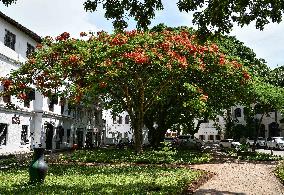
This photo taken on December 8, 2024 shows a view in the Stone Town in Zanzibar, Tanzania. Stone Town, designated as a World Heritage Site by the United Nations Educational, Scientific and Cultural Organization in 2000, is a prime example of the Swahili coastal trading towns of East Africa. It retains its urban fabric and townscape largely intact, with many fine buildings reflecting a unique culture that blends African, Arabian, Indian, and European influences accumulated over more than a millennium. Photo by Han Xu/Xinhua/ABACAPRESS.COM

  •  
Zanzibar In Pictures

Zanzibar In Pictures

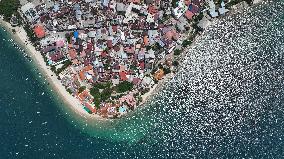
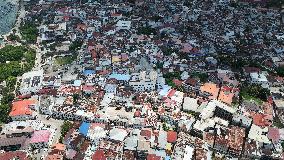
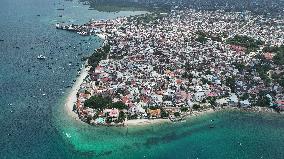
An aerial drone photo taken on December 11, 2024 shows a view of the Stone Town in Zanzibar, Tanzania. Stone Town, designated as a World Heritage Site by the United Nations Educational, Scientific and Cultural Organization in 2000, is a prime example of the Swahili coastal trading towns of East Africa. It retains its urban fabric and townscape largely intact, with many fine buildings reflecting a unique culture that blends African, Arabian, Indian, and European influences accumulated over more than a millennium. Photo by Han Xu/Xinhua/ABACAPRESS.COM

  •  
Zanzibar In Pictures

Zanzibar In Pictures

This photo taken on December 10, 2024 shows a gallery in the Stone Town in Zanzibar, Tanzania. Stone Town, designated as a World Heritage Site by the United Nations Educational, Scientific and Cultural Organization in 2000, is a prime example of the Swahili coastal trading towns of East Africa. It retains its urban fabric and townscape largely intact, with many fine buildings reflecting a unique culture that blends African, Arabian, Indian, and European influences accumulated over more than a millennium. Photo by Han Xu/Xinhua/ABACAPRESS.COM

  •  
Zanzibar In Pictures

Zanzibar In Pictures

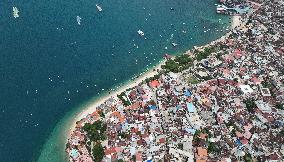
An aerial drone photo taken on December 11, 2024 shows a view of the Stone Town in Zanzibar, Tanzania. Stone Town, designated as a World Heritage Site by the United Nations Educational, Scientific and Cultural Organization in 2000, is a prime example of the Swahili coastal trading towns of East Africa. It retains its urban fabric and townscape largely intact, with many fine buildings reflecting a unique culture that blends African, Arabian, Indian, and European influences accumulated over more than a millennium. Photo by Han Xu/Xinhua/ABACAPRESS.COM

  •  
Zanzibar In Pictures

Zanzibar In Pictures

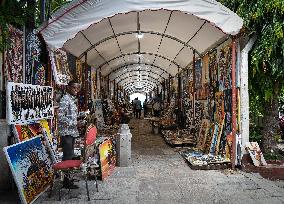
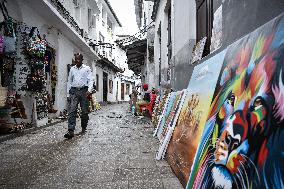
A man walks past an art shop in the Stone Town of Zanzibar, Tanzania, on December 8, 2024. Stone Town, designated as a World Heritage Site by the United Nations Educational, Scientific and Cultural Organization in 2000, is a prime example of the Swahili coastal trading towns of East Africa. It retains its urban fabric and townscape largely intact, with many fine buildings reflecting a unique culture that blends African, Arabian, Indian, and European influences accumulated over more than a millennium. Photo by Han Xu/Xinhua/ABACAPRESS.COM

  •  
Zanzibar In Pictures

Zanzibar In Pictures

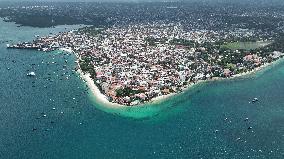
An aerial drone photo taken on December 11, 2024 shows a view of the Stone Town in Zanzibar, Tanzania. Stone Town, designated as a World Heritage Site by the United Nations Educational, Scientific and Cultural Organization in 2000, is a prime example of the Swahili coastal trading towns of East Africa. It retains its urban fabric and townscape largely intact, with many fine buildings reflecting a unique culture that blends African, Arabian, Indian, and European influences accumulated over more than a millennium. Photo by Han Xu/Xinhua/ABACAPRESS.COM

  •  
Zanzibar In Pictures

Zanzibar In Pictures

An aerial drone photo taken on December 11, 2024 shows a view of the Stone Town in Zanzibar, Tanzania. Stone Town, designated as a World Heritage Site by the United Nations Educational, Scientific and Cultural Organization in 2000, is a prime example of the Swahili coastal trading towns of East Africa. It retains its urban fabric and townscape largely intact, with many fine buildings reflecting a unique culture that blends African, Arabian, Indian, and European influences accumulated over more than a millennium. Photo by Han Xu/Xinhua/ABACAPRESS.COM

  •  
Zanzibar In Pictures

Zanzibar In Pictures

An aerial drone photo taken on December 11, 2024 shows a view of the Stone Town in Zanzibar, Tanzania. Stone Town, designated as a World Heritage Site by the United Nations Educational, Scientific and Cultural Organization in 2000, is a prime example of the Swahili coastal trading towns of East Africa. It retains its urban fabric and townscape largely intact, with many fine buildings reflecting a unique culture that blends African, Arabian, Indian, and European influences accumulated over more than a millennium. Photo by Han Xu/Xinhua/ABACAPRESS.COM

  •  
INDIA-JAIPUR-WORLD HERITAGE

INDIA-JAIPUR-WORLD HERITAGE

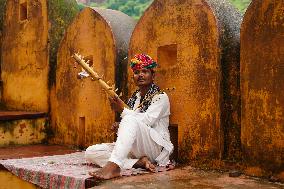
(240806) -- JAIPUR, Aug. 6, 2024 Photo by Xinhua/ABACAPRESS.COM) -- A performer plays traditional Indian instrument at the Amber Fort in Jaipur, India, on Aug. 5, 2024. Jaipur was founded in 1727 and is the capital of Rajasthan, India. The ancient city of Jaipur has iconic buildings such as Amber Fort, Hawa Mahal and City Palace, and was listed on the World Heritage List in 2019. Photo by Xinhua/ABACAPRESS.COM/Chen Dongshu)

  •  
INDIA-JAIPUR-WORLD HERITAGE

INDIA-JAIPUR-WORLD HERITAGE

(240806) -- JAIPUR, Aug. 6, 2024 Photo by Xinhua/ABACAPRESS.COM) -- A performer play traditional Indian instruments at the Hawa Mahal in Jaipur, India, on Aug. 5, 2024. Jaipur was founded in 1727 and is the capital of Rajasthan, India. The ancient city of Jaipur has iconic buildings such as Amber Fort, Hawa Mahal and City Palace, and was listed on the World Heritage List in 2019. Photo by Xinhua/ABACAPRESS.COM/Chen Dongshu)

  •  
INDIA-NEW DELHI-EXHIBITION

INDIA-NEW DELHI-EXHIBITION

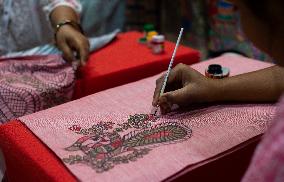
(240722) -- NEW DELHI, July 22, 2024 Photo by Xinhua/ABACAPRESS.COM) -- Indian artisans create Madhubani paintings on clothes at an exhibition titled "Incredible India" in New Delhi, India, July 22, 2024. The exhibition is set up to highlight India's rich cultural heritage, age-old civilization, geographical diversity, and tourism destinations. Photo by Xinhua/ABACAPRESS.COM/Javed Dar)

  •  
INDIA-NEW DELHI-EXHIBITION

INDIA-NEW DELHI-EXHIBITION

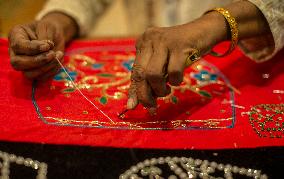
(240722) -- NEW DELHI, July 22, 2024 Photo by Xinhua/ABACAPRESS.COM) -- An Indian artisan works on clothes using Zardozi embroidery at an exhibition titled "Incredible India" in New Delhi, India, July 22, 2024. The exhibition is set up to highlight India's rich cultural heritage, age-old civilization, geographical diversity, and tourism destinations. Photo by Xinhua/ABACAPRESS.COM/Javed Dar)

  •  
INDIA-NEW DELHI-EXHIBITION

INDIA-NEW DELHI-EXHIBITION

(240722) -- NEW DELHI, July 22, 2024 Photo by Xinhua/ABACAPRESS.COM) -- An Indian artisan weaves a Kani shawl at an exhibition titled "Incredible India" in New Delhi, India, July 22, 2024. The exhibition is set up to highlight India's rich cultural heritage, age-old civilization, geographical diversity, and tourism destinations. Photo by Xinhua/ABACAPRESS.COM/Javed Dar)

  •  
INDIA-NEW DELHI-EXHIBITION

INDIA-NEW DELHI-EXHIBITION

(240722) -- NEW DELHI, July 22, 2024 Photo by Xinhua/ABACAPRESS.COM) -- An Indian artisan makes a paper mache product at an exhibition titled "Incredible India" in New Delhi, India, July 22, 2024. The exhibition is set up to highlight India's rich cultural heritage, age-old civilization, geographical diversity, and tourism destinations. Photo by Xinhua/ABACAPRESS.COM/Javed Dar)

  •  

Hong Kong celebrates Tai O Dragon Boat Water Parade

STORY: Hong Kong celebrates Tai O Dragon Boat Water Parade SHOOTING TIME: June 10, 2024 DATELINE: June 10, 2024 LENGTH: 00:01:15 LOCATION: HONG KONG, China CATEGORY: CULTURE SHOTLIST: 1 STANDUP (English): YU LIZHEN, Xinhua correspondent 2 various of the Dragon Boat Water Parade 3 SOUNDBITE (English): SANJAY, Indian expat STORYLINE: STANDUP (English): YU LIZHEN, Xinhua correspondent "Here in Hong Kong, we're witnessing a centuries-old tradition come alive -- the Tai O Dragon Boat Water Parade. This is a unique sacrificial ceremony that takes place during the Dragon Boat Festival, deeply rooted in Hong Kong's cultural heritage. In 2011, this traditional ritual was inscribed on China's third National List of Intangible Cultural Heritage. Let's take a look." Tai O, a village in the deep south of Lantau Island, hosts one of Hong Kong's most special dragon boat events. During the festival, three fishermen associations paraded statues of deities from local temples on sampans towed by traditional dragon boats, p

  •  

Explore iconic museums in Maldives, Sri Lanka

STORY: Explore iconic museums in Maldives, Sri Lanka SHOOTING TIME: May 18, 2024 DATELINE: May 19, 2024 LENGTH: 00:02:54 LOCATION: Male/Colombo CATEGORY: CULTURE SHOTLIST: 1. various of the Maldives National Museum 2. various of Colombo National Museum STORYLINE: Embark on a tour to iconic museums in the Maldives and Sri Lanka on the occasion of International Museum Day, which fell on Saturday. The Maldives National Museum is located in Sultan Park in the capital city of Male. It was built by China in 2007. As a country near the equator in the Indian Ocean, the Maldives enjoys abundant marine resources. Various kinds of tropical fish, turtles and corals are on display. There are also exhibits reflecting the ancient Maldivians' life and religion. Notably, the museum houses several thousand pieces of porcelain, some of which are from China. In the early 15th century, renowned Chinese sailor Zheng He and his crew visited here several times, bringing Chinese heritage to the island. The Colombo National M

  •  

National Tribal Festival concludes in Indian capital

STORY: National Tribal Festival concludes in Indian capital SHOOTING TIME: Feb. 17, 2024 DATELINE: Feb. 19, 2024 LENGTH: 00:02:03 LOCATION: New Delhi CATEGORY: CULTURE SHOTLIST: 1. shot of India gate 2. various of Tribal Festival STORYLINE: The National Tribal Festival concluded in India's capital on Sunday. The nine-day festival, organized by the Tribal Cooperative Marketing Development Federation of India, featured a grand display of over 300 stalls. It aimed to spotlight the incredible diversity of India's tribal heritage through an extensive array of art, handicrafts, natural produce, and mouthwatering tribal cuisine. Xinhua News Agency correspondents reporting from New Delhi. (XHTV)

  •  
CHINA-FUJIAN-QUANZHOU-MARITIME SILK ROAD-INTANGIBLE CULTURAL HERITAGE EXHIBITION (CN)

CHINA-FUJIAN-QUANZHOU-MARITIME SILK ROAD-INTANGIBLE CULTURAL HERITAGE EXHIBITION (CN)

(231209) -- QUANZHOU, Dec. 9, 2023 (Xinhua) -- An Indian artist displays handmade bags during an intangible cultural heritage exhibition on the Maritime Silk Road in Quanzhou, southeast China's Fujian Province, Dec. 9, 2023. The city of Quanzhou is widely believed to be the starting point of the ancient Maritime Silk Road. (Xinhua/Wei Peiquan)

  •  

India's Santiniketan on UNESCO World Heritage List

STORY: India's Santiniketan on UNESCO World Heritage List DATELINE: Sept. 19, 2023 LENGTH: 00:01:06 LOCATION: New Delhi CATEGORY: CULTURE SHOTLIST: 1. various of India gate 2. various of Santiniketan STORYLINE: India's Santiniketan, a town where Nobel laureate Rabindranath Tagore built the central university Visva-Bharati over a century ago, has been inscribed on UNESCO's World Heritage List, officials said. The world body made the announcement on Sunday. The decision to include Santiniketan in the list was taken during the 45th session of the World Heritage Committee currently underway in Saudi Arabia. Santiniketan was established in 1901 by Maharshi Debendranath Tagore, father of Rabindranath Tagore in the Birbhum district of West Bengal. Santiniketan, which means "abode of peace," was a residential school and center for art based on ancient Indian traditions and a vision of the unity of humanity transcending religious and cultural boundaries. "A 'world university' was established at Santiniketan in

  •  
Indian PM Modi visits famous Kyoto temple with Abe

Indian PM Modi visits famous Kyoto temple with Abe

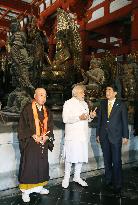
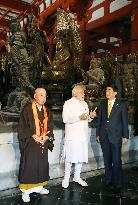
KYOTO, Japan - Indian Minister Narendra Modi (C) visits Toji Temple, a World Heritage site, in Kyoto with Japan's Prime Minister Shinzo Abe (R) on Aug. 31, 2014. Modi is on a five-day official visit to Japan aimed at bolstering bilateral security and economic ties. (Pool photo)

  •  
Indian PM Modi visits famous Kyoto temple with Abe

Indian PM Modi visits famous Kyoto temple with Abe

KYOTO, Japan - Indian Minister Narendra Modi (L) and Japan's Prime Minister Shinzo Abe (C) wave to reporters on Aug. 31, 2014, in front of the five-storied pagoda at Toji Temple, a World Heritage site, in Kyoto. Modi is on a five-day official visit to Japan aimed at bolstering bilateral security and economic ties. (Pool photo)

  •  

Mumbai witnesses India's age-old tradition of Ram Leela

STORY: Mumbai witnesses India's age-old tradition of Ram Leela DATELINE: Oct. 7, 2022 LENGTH: 0:01:15 LOCATION: MUMBAI, India CATEGORY: CULTURE SHOTLIST: 1. various of Ram Leela STORYLINE: Performers brought together an age-old Indian folk drama, "Ram Leela"(also Ramlila), in Mumbai on Wednesday, which was the 10th day of Navratri celebrations (Dussehra). Ram Leela is one of the most speculated scenes in Dussehra Festival. The theatrical experience is seen by hundreds of people at every stage. The tradition of Ram Leela in India goes back to 1950, since then Ram Leela has been organized every year to mark the tradition. Ram Leela is a big part of the Hindu culture. It was listed as a UNESCO Intangible Cultural Heritage in 2008 . Xinhua News Agency correspondents reporting from Mumbai, India. (XHTV)

  •  
Japanese high school students visit World Heritage site in New Delhi

Japanese high school students visit World Heritage site in New Delhi

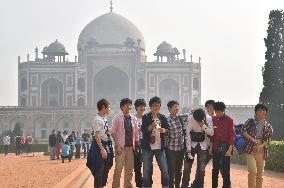
Students of Nishiyamato Gakuen High School in Kitakatsuragi, Nara Prefecture, western Japan, visit Humayun's Tomb, a UNESCO World Heritage site, in New Delhi on Nov. 1, 2015, as part of the school's excursion to the Indian capital. (Kyodo) ==Kyodo

  •  
Japanese archaeologist helps Pakistan preserve historical sites

Japanese archaeologist helps Pakistan preserve historical sites

Atsushi Noguchi from the Japanese Center for South Asian Cultural Heritage takes photos of rock-inscribed epigraphy of prehistoric Indian emperor Ashoka in Mansehra, northern Pakistan, on Oct. 30, 2015. The center is helping the university preserve the inscriptions and other ancient Buddhist monuments in Pakistan with three-dimensional imaging technology. (Kyodo) ==Kyodo

  •  
Indian PM Modi visits famous Kyoto temple with Abe

Indian PM Modi visits famous Kyoto temple with Abe

KYOTO, Japan - Indian Minister Narendra Modi (C) visits Toji Temple, a World Heritage site, in Kyoto with Japan's Prime Minister Shinzo Abe (R) on Aug. 31, 2014. Modi is on a five-day official visit to Japan aimed at bolstering bilateral security and economic ties. (Pool photo)(Kyodo)

  • Main
  • Top
  • Editorial
  • Creative
  • About Us
  • About ILG
  • Terms of use
  • Company
  • BEHIND
  • Price List
  • Single Plan
  • Monthly Plan
  • Services
  • Shooting
  • Rights Clearance
  • Support
  • FAQ
  • How To Buy
  • Contact Us
  • Become a Partner

© KYODO NEWS IMAGES INC

All Rights Reserved.

  • Editorial
  • Olympics
  • News
  • Sports
  • Japan
  • Tech
  • Royal
  • Disaster
  • NorthKorea
  • Old Japan
  • SNS
  • Creative
  • Food
  • Japan
  • Landscape
  • Animal
  • Popular
  • #Ukraine
  • #Russia
  • #coronavirus
  • #N. Korea
  • #China
  • #Thailand
  • #Ukraine
  • #Russia
  • #coronavirus
  • #N. Korea
  • #China
  • #Thailand
  • Food
  • Japan
  • Landscape
  • Animal
  • Olympics
  • News
  • Sports
  • Japan
  • Tech
  • Royal
  • Disaster
  • NorthKorea
  • Old Japan
  • SNS