•  
Exile in Limbo - Watching Home Burn from a Distance - Iraq

Exile in Limbo - Watching Home Burn from a Distance - Iraq

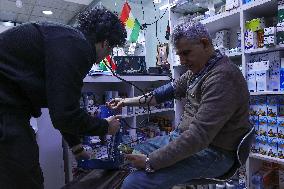
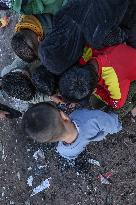
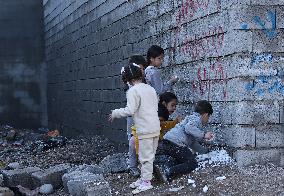
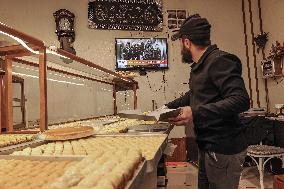
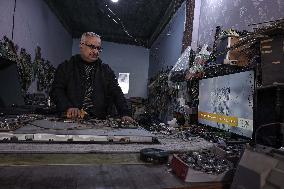
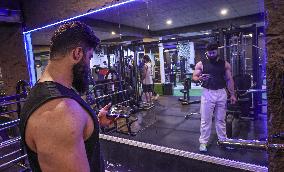
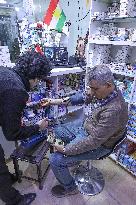
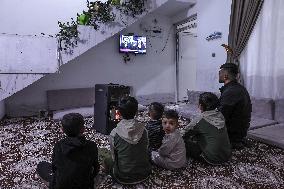
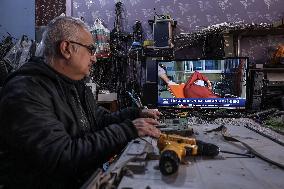
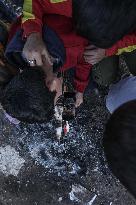
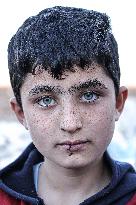
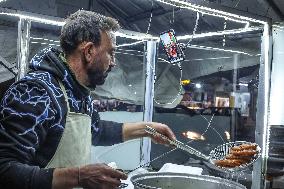
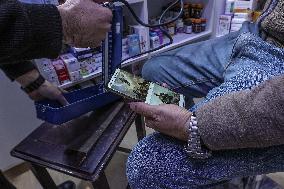
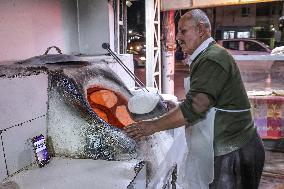
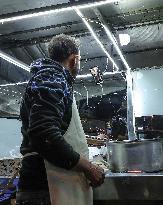
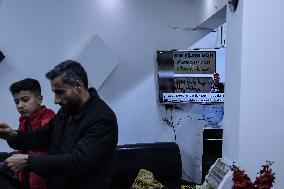
ERBIL, Iraq In the Baharka district, the daily existence of Syrian Kurdish refugees is defined by a haunting duality. While laborers attempt to focus on their work in bakeries and construction sites, in local clinics, doctors attend to patients whose physical ailments are often deepened by the psychological trauma of the war, checking vitals while the sick anxiously await updates from home.Inside the shelters, even the children have replaced cartoons with graphic news feeds, gathering around small screens to watch the destruction of a homeland they can barely remember. Whether in a clinic, a workshop, or a home, thousands here live a surreal reality physically safe in the Kurdistan Region, but mentally living on the frontlines of the conflict in Rojava and Aleppo Iraq on January 11, 2026. Photo by Othman Sabur Rashid/ABACA

  •  
Exile in Limbo - Watching Home Burn from a Distance - Iraq

Exile in Limbo - Watching Home Burn from a Distance - Iraq

ERBIL, Iraq In the Baharka district, the daily existence of Syrian Kurdish refugees is defined by a haunting duality. While laborers attempt to focus on their work in bakeries and construction sites, in local clinics, doctors attend to patients whose physical ailments are often deepened by the psychological trauma of the war, checking vitals while the sick anxiously await updates from home.Inside the shelters, even the children have replaced cartoons with graphic news feeds, gathering around small screens to watch the destruction of a homeland they can barely remember. Whether in a clinic, a workshop, or a home, thousands here live a surreal reality physically safe in the Kurdistan Region, but mentally living on the frontlines of the conflict in Rojava and Aleppo Iraq on January 11, 2026. Photo by Othman Sabur Rashid/ABACA

  •  
Exile in Limbo - Watching Home Burn from a Distance - Iraq

Exile in Limbo - Watching Home Burn from a Distance - Iraq

ERBIL, Iraq In the Baharka district, the daily existence of Syrian Kurdish refugees is defined by a haunting duality. While laborers attempt to focus on their work in bakeries and construction sites, in local clinics, doctors attend to patients whose physical ailments are often deepened by the psychological trauma of the war, checking vitals while the sick anxiously await updates from home.Inside the shelters, even the children have replaced cartoons with graphic news feeds, gathering around small screens to watch the destruction of a homeland they can barely remember. Whether in a clinic, a workshop, or a home, thousands here live a surreal reality physically safe in the Kurdistan Region, but mentally living on the frontlines of the conflict in Rojava and Aleppo Iraq on January 11, 2026. Photo by Othman Sabur Rashid/ABACA

  •  
Exile in Limbo - Watching Home Burn from a Distance - Iraq

Exile in Limbo - Watching Home Burn from a Distance - Iraq

ERBIL, Iraq In the Baharka district, the daily existence of Syrian Kurdish refugees is defined by a haunting duality. While laborers attempt to focus on their work in bakeries and construction sites, in local clinics, doctors attend to patients whose physical ailments are often deepened by the psychological trauma of the war, checking vitals while the sick anxiously await updates from home.Inside the shelters, even the children have replaced cartoons with graphic news feeds, gathering around small screens to watch the destruction of a homeland they can barely remember. Whether in a clinic, a workshop, or a home, thousands here live a surreal reality physically safe in the Kurdistan Region, but mentally living on the frontlines of the conflict in Rojava and Aleppo Iraq on January 11, 2026. Photo by Othman Sabur Rashid/ABACA

  •  
Exile in Limbo - Watching Home Burn from a Distance - Iraq

Exile in Limbo - Watching Home Burn from a Distance - Iraq

ERBIL, Iraq In the Baharka district, the daily existence of Syrian Kurdish refugees is defined by a haunting duality. While laborers attempt to focus on their work in bakeries and construction sites, in local clinics, doctors attend to patients whose physical ailments are often deepened by the psychological trauma of the war, checking vitals while the sick anxiously await updates from home.Inside the shelters, even the children have replaced cartoons with graphic news feeds, gathering around small screens to watch the destruction of a homeland they can barely remember. Whether in a clinic, a workshop, or a home, thousands here live a surreal reality physically safe in the Kurdistan Region, but mentally living on the frontlines of the conflict in Rojava and Aleppo Iraq on January 11, 2026. Photo by Othman Sabur Rashid/ABACA

  •  
Exile in Limbo - Watching Home Burn from a Distance - Iraq

Exile in Limbo - Watching Home Burn from a Distance - Iraq

ERBIL, Iraq In the Baharka district, the daily existence of Syrian Kurdish refugees is defined by a haunting duality. While laborers attempt to focus on their work in bakeries and construction sites, in local clinics, doctors attend to patients whose physical ailments are often deepened by the psychological trauma of the war, checking vitals while the sick anxiously await updates from home.Inside the shelters, even the children have replaced cartoons with graphic news feeds, gathering around small screens to watch the destruction of a homeland they can barely remember. Whether in a clinic, a workshop, or a home, thousands here live a surreal reality physically safe in the Kurdistan Region, but mentally living on the frontlines of the conflict in Rojava and Aleppo Iraq on January 11, 2026. Photo by Othman Sabur Rashid/ABACA

  •  
Exile in Limbo - Watching Home Burn from a Distance - Iraq

Exile in Limbo - Watching Home Burn from a Distance - Iraq

ERBIL, Iraq In the Baharka district, the daily existence of Syrian Kurdish refugees is defined by a haunting duality. While laborers attempt to focus on their work in bakeries and construction sites, in local clinics, doctors attend to patients whose physical ailments are often deepened by the psychological trauma of the war, checking vitals while the sick anxiously await updates from home.Inside the shelters, even the children have replaced cartoons with graphic news feeds, gathering around small screens to watch the destruction of a homeland they can barely remember. Whether in a clinic, a workshop, or a home, thousands here live a surreal reality physically safe in the Kurdistan Region, but mentally living on the frontlines of the conflict in Rojava and Aleppo Iraq on January 11, 2026. Photo by Othman Sabur Rashid/ABACA

  •  
Exile in Limbo - Watching Home Burn from a Distance - Iraq

Exile in Limbo - Watching Home Burn from a Distance - Iraq

ERBIL, Iraq In the Baharka district, the daily existence of Syrian Kurdish refugees is defined by a haunting duality. While laborers attempt to focus on their work in bakeries and construction sites, in local clinics, doctors attend to patients whose physical ailments are often deepened by the psychological trauma of the war, checking vitals while the sick anxiously await updates from home.Inside the shelters, even the children have replaced cartoons with graphic news feeds, gathering around small screens to watch the destruction of a homeland they can barely remember. Whether in a clinic, a workshop, or a home, thousands here live a surreal reality physically safe in the Kurdistan Region, but mentally living on the frontlines of the conflict in Rojava and Aleppo Iraq on January 11, 2026. Photo by Othman Sabur Rashid/ABACA

  •  
Exile in Limbo - Watching Home Burn from a Distance - Iraq

Exile in Limbo - Watching Home Burn from a Distance - Iraq

ERBIL, Iraq In the Baharka district, the daily existence of Syrian Kurdish refugees is defined by a haunting duality. While laborers attempt to focus on their work in bakeries and construction sites, in local clinics, doctors attend to patients whose physical ailments are often deepened by the psychological trauma of the war, checking vitals while the sick anxiously await updates from home.Inside the shelters, even the children have replaced cartoons with graphic news feeds, gathering around small screens to watch the destruction of a homeland they can barely remember. Whether in a clinic, a workshop, or a home, thousands here live a surreal reality physically safe in the Kurdistan Region, but mentally living on the frontlines of the conflict in Rojava and Aleppo Iraq on January 11, 2026. Photo by Othman Sabur Rashid/ABACA

  •  
Exile in Limbo - Watching Home Burn from a Distance - Iraq

Exile in Limbo - Watching Home Burn from a Distance - Iraq

ERBIL, Iraq In the Baharka district, the daily existence of Syrian Kurdish refugees is defined by a haunting duality. While laborers attempt to focus on their work in bakeries and construction sites, in local clinics, doctors attend to patients whose physical ailments are often deepened by the psychological trauma of the war, checking vitals while the sick anxiously await updates from home.Inside the shelters, even the children have replaced cartoons with graphic news feeds, gathering around small screens to watch the destruction of a homeland they can barely remember. Whether in a clinic, a workshop, or a home, thousands here live a surreal reality physically safe in the Kurdistan Region, but mentally living on the frontlines of the conflict in Rojava and Aleppo Iraq on January 11, 2026. Photo by Othman Sabur Rashid/ABACA

  •  
Exile in Limbo - Watching Home Burn from a Distance - Iraq

Exile in Limbo - Watching Home Burn from a Distance - Iraq

ERBIL, Iraq In the Baharka district, the daily existence of Syrian Kurdish refugees is defined by a haunting duality. While laborers attempt to focus on their work in bakeries and construction sites, in local clinics, doctors attend to patients whose physical ailments are often deepened by the psychological trauma of the war, checking vitals while the sick anxiously await updates from home.Inside the shelters, even the children have replaced cartoons with graphic news feeds, gathering around small screens to watch the destruction of a homeland they can barely remember. Whether in a clinic, a workshop, or a home, thousands here live a surreal reality physically safe in the Kurdistan Region, but mentally living on the frontlines of the conflict in Rojava and Aleppo Iraq on January 11, 2026. Photo by Othman Sabur Rashid/ABACA

  •  
Exile in Limbo - Watching Home Burn from a Distance - Iraq

Exile in Limbo - Watching Home Burn from a Distance - Iraq

ERBIL, Iraq In the Baharka district, the daily existence of Syrian Kurdish refugees is defined by a haunting duality. While laborers attempt to focus on their work in bakeries and construction sites, in local clinics, doctors attend to patients whose physical ailments are often deepened by the psychological trauma of the war, checking vitals while the sick anxiously await updates from home.Inside the shelters, even the children have replaced cartoons with graphic news feeds, gathering around small screens to watch the destruction of a homeland they can barely remember. Whether in a clinic, a workshop, or a home, thousands here live a surreal reality physically safe in the Kurdistan Region, but mentally living on the frontlines of the conflict in Rojava and Aleppo Iraq on January 11, 2026. Photo by Othman Sabur Rashid/ABACA

  •  
Exile in Limbo - Watching Home Burn from a Distance - Iraq

Exile in Limbo - Watching Home Burn from a Distance - Iraq

ERBIL, Iraq In the Baharka district, the daily existence of Syrian Kurdish refugees is defined by a haunting duality. While laborers attempt to focus on their work in bakeries and construction sites, in local clinics, doctors attend to patients whose physical ailments are often deepened by the psychological trauma of the war, checking vitals while the sick anxiously await updates from home.Inside the shelters, even the children have replaced cartoons with graphic news feeds, gathering around small screens to watch the destruction of a homeland they can barely remember. Whether in a clinic, a workshop, or a home, thousands here live a surreal reality physically safe in the Kurdistan Region, but mentally living on the frontlines of the conflict in Rojava and Aleppo Iraq on January 11, 2026. Photo by Othman Sabur Rashid/ABACA

  •  
Exile in Limbo - Watching Home Burn from a Distance - Iraq

Exile in Limbo - Watching Home Burn from a Distance - Iraq

ERBIL, Iraq In the Baharka district, the daily existence of Syrian Kurdish refugees is defined by a haunting duality. While laborers attempt to focus on their work in bakeries and construction sites, in local clinics, doctors attend to patients whose physical ailments are often deepened by the psychological trauma of the war, checking vitals while the sick anxiously await updates from home.Inside the shelters, even the children have replaced cartoons with graphic news feeds, gathering around small screens to watch the destruction of a homeland they can barely remember. Whether in a clinic, a workshop, or a home, thousands here live a surreal reality physically safe in the Kurdistan Region, but mentally living on the frontlines of the conflict in Rojava and Aleppo Iraq on January 11, 2026. Photo by Othman Sabur Rashid/ABACA

  •  
Exile in Limbo - Watching Home Burn from a Distance - Iraq

Exile in Limbo - Watching Home Burn from a Distance - Iraq

ERBIL, Iraq In the Baharka district, the daily existence of Syrian Kurdish refugees is defined by a haunting duality. While laborers attempt to focus on their work in bakeries and construction sites, in local clinics, doctors attend to patients whose physical ailments are often deepened by the psychological trauma of the war, checking vitals while the sick anxiously await updates from home.Inside the shelters, even the children have replaced cartoons with graphic news feeds, gathering around small screens to watch the destruction of a homeland they can barely remember. Whether in a clinic, a workshop, or a home, thousands here live a surreal reality physically safe in the Kurdistan Region, but mentally living on the frontlines of the conflict in Rojava and Aleppo Iraq on January 11, 2026. Photo by Othman Sabur Rashid/ABACA

  •  
Exile in Limbo - Watching Home Burn from a Distance - Iraq

Exile in Limbo - Watching Home Burn from a Distance - Iraq

ERBIL, Iraq In the Baharka district, the daily existence of Syrian Kurdish refugees is defined by a haunting duality. While laborers attempt to focus on their work in bakeries and construction sites, in local clinics, doctors attend to patients whose physical ailments are often deepened by the psychological trauma of the war, checking vitals while the sick anxiously await updates from home.Inside the shelters, even the children have replaced cartoons with graphic news feeds, gathering around small screens to watch the destruction of a homeland they can barely remember. Whether in a clinic, a workshop, or a home, thousands here live a surreal reality physically safe in the Kurdistan Region, but mentally living on the frontlines of the conflict in Rojava and Aleppo Iraq on January 11, 2026. Photo by Othman Sabur Rashid/ABACA

  •  
Exile in Limbo - Watching Home Burn from a Distance - Iraq

Exile in Limbo - Watching Home Burn from a Distance - Iraq

ERBIL, Iraq In the Baharka district, the daily existence of Syrian Kurdish refugees is defined by a haunting duality. While laborers attempt to focus on their work in bakeries and construction sites, in local clinics, doctors attend to patients whose physical ailments are often deepened by the psychological trauma of the war, checking vitals while the sick anxiously await updates from home.Inside the shelters, even the children have replaced cartoons with graphic news feeds, gathering around small screens to watch the destruction of a homeland they can barely remember. Whether in a clinic, a workshop, or a home, thousands here live a surreal reality physically safe in the Kurdistan Region, but mentally living on the frontlines of the conflict in Rojava and Aleppo Iraq on January 11, 2026. Photo by Othman Sabur Rashid/ABACA

  •  
Iraqi Deminer Loses Legs Clearing Mines - Iraq

Iraqi Deminer Loses Legs Clearing Mines - Iraq

Boys play soccer across a field using Hoshyar Ali's prosthetic legs as goal posts in Halabja, Iraq, on November 20, 2025. Hoshyar Ali has been clearing landmines for over four decades, a task he began after the Iran-Iraq war when thousands of mines were planted along the border. Despite losing both legs and several family members to explosions, he continues to volunteer in mine removal. Locals call him “man of the mines,” and he is building a museum in his village to display defused explosives for future generations. Photo by Showan Sulaiman/Middle East Images/ABACAPRESS.COM

  •  
Iraqi Deminer Loses Legs Clearing Mines - Iraq

Iraqi Deminer Loses Legs Clearing Mines - Iraq

Hoshyar Ali sits in the driver's seat of a car in Halabja, Iraq, on November 20, 2025. He has been clearing landmines for over four decades, a task he began after the Iran-Iraq war when thousands of mines were planted along the border. Despite losing both legs and several family members to explosions, he continues to volunteer in mine removal. Locals call him “man of the mines,” and he is building a museum in his village to display defused explosives for future generations. Photo by Showan Sulaiman/Middle East Images/ABACAPRESS.COM

  •  
Iraqi Deminer Loses Legs Clearing Mines - Iraq

Iraqi Deminer Loses Legs Clearing Mines - Iraq

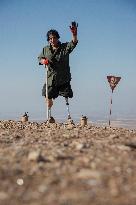
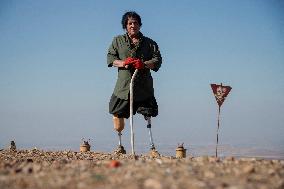
Hoshyar Ali stands among landmines and a warning sign in Halabja, Iraq, on November 20, 2025. He has been clearing landmines for over four decades, a task he began after the Iran-Iraq war when thousands of mines were planted along the border. Despite losing both legs and several family members to explosions, he continues to volunteer in mine removal. Locals call him “man of the mines,” and he is building a museum in his village to display defused explosives for future generations. Photo by Showan Sulaiman/Middle East Images/ABACAPRESS.COM

  •  
Iraqi Deminer Loses Legs Clearing Mines - Iraq

Iraqi Deminer Loses Legs Clearing Mines - Iraq

Hoshyar Ali bends over to inspect a landmine on a hillside in Halabja, Iraq, on November 20, 2025. He has been clearing landmines for over four decades, a task he began after the Iran-Iraq war when thousands of mines were planted along the border. Despite losing both legs and several family members to explosions, he continues to volunteer in mine removal. Locals call him “man of the mines,” and he is building a museum in his village to display defused explosives for future generations. Photo by Showan Sulaiman/Middle East Images/ABACAPRESS.COM

  •  
Iraqi Deminer Loses Legs Clearing Mines - Iraq

Iraqi Deminer Loses Legs Clearing Mines - Iraq

Six boys walk across a field carrying Hoshyar Ali's prosthetic legs in Halabja, Iraq, on November 20, 2025. Hoshyar Ali has been clearing landmines for over four decades, a task he began after the Iran-Iraq war when thousands of mines were planted along the border. Despite losing both legs and several family members to explosions, he continues to volunteer in mine removal. Locals call him “man of the mines,” and he is building a museum in his village to display defused explosives for future generations. Photo by Showan Sulaiman/Middle East Images/ABACAPRESS.COM

  •  
Iraqi Deminer Loses Legs Clearing Mines - Iraq

Iraqi Deminer Loses Legs Clearing Mines - Iraq

Four anti-personnel landmines are displayed on a wooden shelf in Hoshyar Ali's room, turned museum, in Halabja, Iraq, on November 20, 2025. He has been clearing landmines for over four decades, a task he began after the Iran-Iraq war when thousands of mines were planted along the border. Despite losing both legs and several family members to explosions, he continues to volunteer in mine removal. Locals call him “man of the mines,” and he is building a museum in his village to display defused explosives for future generations. Photo by Showan Sulaiman/Middle East Images/ABACAPRESS.COM

  •  
Iraqi Deminer Loses Legs Clearing Mines - Iraq

Iraqi Deminer Loses Legs Clearing Mines - Iraq

Prosthetic legs and a crutch are displayed in front of a shelf of deactivated explosives in Hoshyar Ali's room, turned museum, in Halabja, Iraq, on November 20, 2025. He has been clearing landmines for over four decades, a task he began after the Iran-Iraq war when thousands of mines were planted along the border. Despite losing both legs and several family members to explosions, he continues to volunteer in mine removal. Locals call him “man of the mines,” and he is building a museum in his village to display defused explosives for future generations. Photo by Showan Sulaiman/Middle East Images/ABACAPRESS.COM

  •  
Iraqi Deminer Loses Legs Clearing Mines - Iraq

Iraqi Deminer Loses Legs Clearing Mines - Iraq

Four anti-personnel landmines are displayed on a wooden shelf in Hoshyar Ali's room, turned museum, in Halabja, Iraq, on November 20, 2025. He has been clearing landmines for over four decades, a task he began after the Iran-Iraq war when thousands of mines were planted along the border. Despite losing both legs and several family members to explosions, he continues to volunteer in mine removal. Locals call him “man of the mines,” and he is building a museum in his village to display defused explosives for future generations. Photo by Showan Sulaiman/Middle East Images/ABACAPRESS.COM

  •  
Iraqi Deminer Loses Legs Clearing Mines - Iraq

Iraqi Deminer Loses Legs Clearing Mines - Iraq

Hoshyar Ali holds a deactivated explosive device in his room, turned museum, in Halabja, Iraq, on November 20, 2025. He has been clearing landmines for over four decades, a task he began after the Iran-Iraq war when thousands of mines were planted along the border. Despite losing both legs and several family members to explosions, he continues to volunteer in mine removal. Locals call him “man of the mines,” and he is building a museum in his village to display defused explosives for future generations. Photo by Showan Sulaiman/Middle East Images/ABACAPRESS.COM

  •  
Iraqi Deminer Loses Legs Clearing Mines - Iraq

Iraqi Deminer Loses Legs Clearing Mines - Iraq

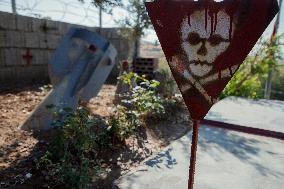
A triangular danger sign is placed near a missile casing collected by Hoshyar Ali in Halabja, Iraq, on November 20, 2025. He has been clearing landmines for over four decades, a task he began after the Iran-Iraq war when thousands of mines were planted along the border. Despite losing both legs and several family members to explosions, he continues to volunteer in mine removal. Locals call him “man of the mines,” and he is building a museum in his village to display defused explosives for future generations. Photo by Showan Sulaiman/Middle East Images/ABACAPRESS.COM

  •  
Iraqi Deminer Loses Legs Clearing Mines - Iraq

Iraqi Deminer Loses Legs Clearing Mines - Iraq

Six deactivated rusty mortar shells collected by Hoshyar Ali rest near a concrete wall in Halabja, Iraq, on November 20, 2025. He has been clearing landmines for over four decades, a task he began after the Iran-Iraq war when thousands of mines were planted along the border. Despite losing both legs and several family members to explosions, he continues to volunteer in mine removal. Locals call him “man of the mines,” and he is building a museum in his village to display defused explosives for future generations. Photo by Showan Sulaiman/Middle East Images/ABACAPRESS.COM

  •  
Iraqi Deminer Loses Legs Clearing Mines - Iraq

Iraqi Deminer Loses Legs Clearing Mines - Iraq

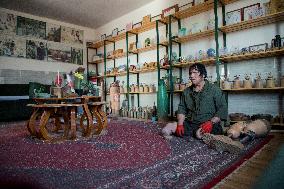
Hoshyar Ali sits in his room, now a museum filled with deactivated explosives and awards, with his two prosthetic legs beside him, in Halabja, Iraq, on November 20, 2025. He has been clearing landmines for over four decades, a task he began after the Iran-Iraq war when thousands of mines were planted along the border. Despite losing both legs and several family members to explosions, he continues to volunteer in mine removal. Locals call him “man of the mines,” and he is building a museum in his village to display defused explosives for future generations. Photo by Showan Sulaiman/Middle East Images/ABACAPRESS.COM

  •  
Iraqi Deminer Loses Legs Clearing Mines - Iraq

Iraqi Deminer Loses Legs Clearing Mines - Iraq

Hoshyar Ali holds a tool and a knife while sitting near landmines on a hillside in Halabja, Iraq, on November 20, 2025. He has been clearing landmines for over four decades, a task he began after the Iran-Iraq war when thousands of mines were planted along the border. Despite losing both legs and several family members to explosions, he continues to volunteer in mine removal. Locals call him “man of the mines,” and he is building a museum in his village to display defused explosives for future generations. Photo by Showan Sulaiman/Middle East Images/ABACAPRESS.COM

  •  
Iraqi Deminer Loses Legs Clearing Mines - Iraq

Iraqi Deminer Loses Legs Clearing Mines - Iraq

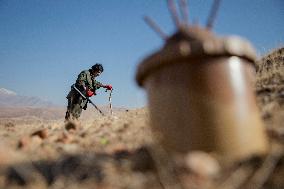
Hoshyar Ali uses a mine detector to find landmines on a hillside in Halabja, Iraq, on November 20, 2025. He has been clearing landmines for over four decades, a task he began after the Iran-Iraq war when thousands of mines were planted along the border. Despite losing both legs and several family members to explosions, he continues to volunteer in mine removal. Locals call him “man of the mines,” and he is building a museum in his village to display defused explosives for future generations. Photo by Showan Sulaiman/Middle East Images/ABACAPRESS.COM

  •  
Iraqi Deminer Loses Legs Clearing Mines - Iraq

Iraqi Deminer Loses Legs Clearing Mines - Iraq

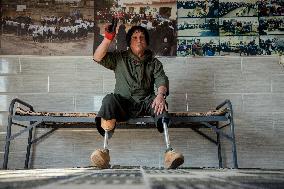
Hoshyar Ali sits on a metal-framed bed, with pictures of his achievements on the wall, and gives a V sign in Halabja, Iraq, on November 20, 2025. He has been clearing landmines for over four decades, a task he began after the Iran-Iraq war when thousands of mines were planted along the border. Despite losing both legs and several family members to explosions, he continues to volunteer in mine removal. Locals call him “man of the mines,” and he is building a museum in his village to display defused explosives for future generations. Photo by Showan Sulaiman/Middle East Images/ABACAPRESS.COM

  •  
Iraqi Deminer Loses Legs Clearing Mines - Iraq

Iraqi Deminer Loses Legs Clearing Mines - Iraq

Hoshyar Ali sits in his room, now a museum filled with deactivated explosives and awards, with his two prosthetic legs beside him, in Halabja, Iraq, on November 20, 2025. He has been clearing landmines for over four decades, a task he began after the Iran-Iraq war when thousands of mines were planted along the border. Despite losing both legs and several family members to explosions, he continues to volunteer in mine removal. Locals call him “man of the mines,” and he is building a museum in his village to display defused explosives for future generations. Photo by Showan Sulaiman/Middle East Images/ABACAPRESS.COM

  •  
Iraqi Deminer Loses Legs Clearing Mines - Iraq

Iraqi Deminer Loses Legs Clearing Mines - Iraq

Hoshyar Ali stands among landmines and a warning sign in Halabja, Iraq, on November 20, 2025. He has been clearing landmines for over four decades, a task he began after the Iran-Iraq war when thousands of mines were planted along the border. Despite losing both legs and several family members to explosions, he continues to volunteer in mine removal. Locals call him “man of the mines,” and he is building a museum in his village to display defused explosives for future generations. Photo by Showan Sulaiman/Middle East Images/ABACAPRESS.COM

  •  
Iraqi Deminer Loses Legs Clearing Mines - Iraq

Iraqi Deminer Loses Legs Clearing Mines - Iraq

A landmine uncovered by Hoshyar Ali remains partially buried in rocky soil in Halabja, Iraq, on November 20, 2025. He has been clearing landmines for over four decades, a task he began after the Iran-Iraq war when thousands of mines were planted along the border. Despite losing both legs and several family members to explosions, he continues to volunteer in mine removal. Locals call him “man of the mines,” and he is building a museum in his village to display defused explosives for future generations. Photo by Showan Sulaiman/Middle East Images/ABACAPRESS.COM

  •  
Iranians Celebrate Ceasefire - Tehran

Iranians Celebrate Ceasefire - Tehran

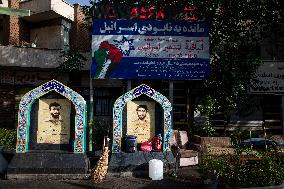
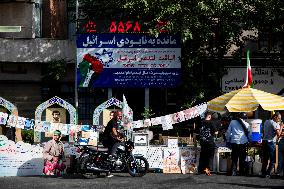
Photos of Iranian fighters killed in Iran-Iraq war are installed under a countdown screen that reads "5568 days to destruction of Israel", as Iranians take to the streets in the downtown Enghelab (Revolution) Square in Tehran, Iran on June 24, 2025, to celebrate the ceasefire after a 12-day war with Israel. Iranian officials claim victory and believe that Iran imposed the ceasefire on the US and Israel after attacking Al-Udeid US air base in Qatar. Photo by Negar/Middle East Images/ABACAPRESS.COM

  •  
Iranians Celebrate Ceasefire - Tehran

Iranians Celebrate Ceasefire - Tehran

Photos of Iranian fighters killed in Iran-Iraq war are installed under a countdown screen that reads "5568 days to destruction of Israel", as Iranians take to the streets in the downtown Enghelab (Revolution) Square in Tehran, Iran on June 24, 2025, to celebrate the ceasefire after a 12-day war with Israel. Iranian officials claim victory and believe that Iran imposed the ceasefire on the US and Israel after attacking Al-Udeid US air base in Qatar. Photo by Negar/Middle East Images/ABACAPRESS.COM

  •  
Iran's Museum of Holy Defense - Tehran

Iran's Museum of Holy Defense - Tehran

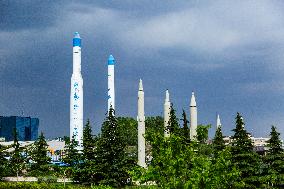
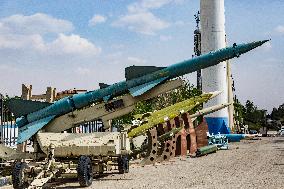
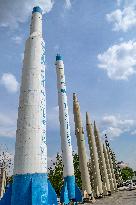
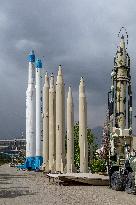
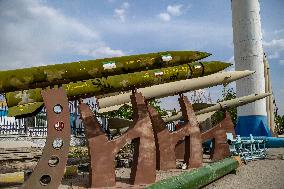
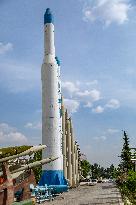
A view of Iran's domestically made satellite launch vehicles (SLVs) and missiles in the National Museum of Holy Defense in Tehran, Iran on April 17, 2025. The term "Holy Defense" is used to refer to Iran-Iraq war that took 8 years. Photo by Middle East Images/ABACAPRESS.COM

  •  
Iran's Museum of Holy Defense - Tehran

Iran's Museum of Holy Defense - Tehran

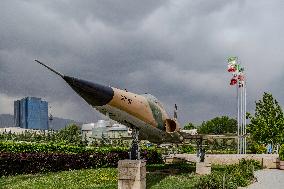
A F-5 fighter jet is exhibited in the outdoor area of the Museum of Holy Defense in Tehran, Iran on April 17, 2025. The term "Holy Defense" is used to refer to Iran-Iraq war that took 8 years. Photo by Middle East Images/ABACAPRESS.COM

  •  
Iran's Museum of Holy Defense - Tehran

Iran's Museum of Holy Defense - Tehran

A view of Iran's domestically made satellite launch vehicles (SLVs) and missiles in the Museum of Holy Defense in Tehran, Iran on April 17, 2025. The term "Holy Defense" is used to refer to Iran-Iraq war that took 8 years. Photo by Middle East Images/ABACAPRESS.COM

  •  
Iran's Museum of Holy Defense - Tehran

Iran's Museum of Holy Defense - Tehran

A view of Iran's domestically made satellite launch vehicles (SLVs) and missiles in the National Museum of Holy Defense in Tehran, Iran on April 17, 2025. The term "Holy Defense" is used to refer to Iran-Iraq war that took 8 years. Photo by Middle East Images/ABACAPRESS.COM

  •  
Iran's Museum of Holy Defense - Tehran

Iran's Museum of Holy Defense - Tehran

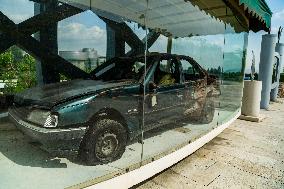
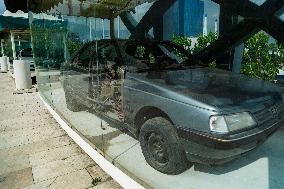
Cars of assassinated Iranian nuclear scientists are exhibited in the Museum of Holy Defense in Tehran, Iran. Photo was taken on April 17, 2025. The term "Holy Defense" is used to refer to Iran-Iraq war that took 8 years. Photo by Middle East Images/ABACAPRESS.COM

  •  
Iran's Museum of Holy Defense - Tehran

Iran's Museum of Holy Defense - Tehran

A view of Iran's domestically made satellite launch vehicles (SLVs) and missiles in the National Museum of Holy Defense in Tehran, Iran on April 17, 2025. The term "Holy Defense" is used to refer to Iran-Iraq war that took 8 years. Photo by Middle East Images/ABACAPRESS.COM

  •  
Iran's Museum of Holy Defense - Tehran

Iran's Museum of Holy Defense - Tehran

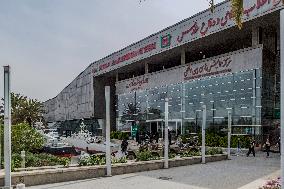
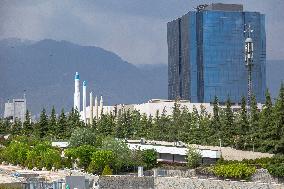
Entrance of the National Museum of the Islamic Revolution & Holy Defense in Tehran, Iran on April 17, 2025. The term "Holy Defense" is used to refer to Iran-Iraq war that took 8 years. Photo by Middle East Images/ABACAPRESS.COM

  •  
Iran's Museum of Holy Defense - Tehran

Iran's Museum of Holy Defense - Tehran

Cars of assassinated Iranian nuclear scientists are exhibited in the Museum of Holy Defense in Tehran, Iran. Photo was taken on April 17, 2025. The term "Holy Defense" is used to refer to Iran-Iraq war that took 8 years. Photo by Middle East Images/ABACAPRESS.COM

  •  
Iran's Museum of Holy Defense - Tehran

Iran's Museum of Holy Defense - Tehran

A view of Iran's domestically made satellite launch vehicles (SLVs) and missiles in the National Museum of Holy Defense in Tehran, Iran on April 17, 2025. The term "Holy Defense" is used to refer to Iran-Iraq war that took 8 years. Photo by Middle East Images/ABACAPRESS.COM

  •  
Iran's Museum of Holy Defense - Tehran

Iran's Museum of Holy Defense - Tehran

A view of Iran's domestically made satellite launch vehicles (SLVs) and missiles in the Museum of Holy Defense in Tehran, Iran on April 17, 2025. The term "Holy Defense" is used to refer to Iran-Iraq war that took 8 years. Photo by Middle East Images/ABACAPRESS.COM

  •  
Iran's Museum of Holy Defense - Tehran

Iran's Museum of Holy Defense - Tehran

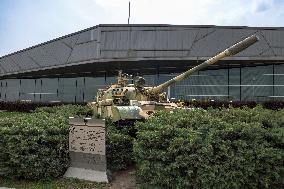
A Chinese made T-69 tank is on exhibition in Iran's National Museum of Holy Defense in Tehran, Iran on April 17, 2025. The term "Holy Defense" is used to refer to Iran-Iraq war that took 8 years. Photo by Middle East Images/ABACAPRESS.COM

  •  
Iran's Museum of Holy Defense - Tehran

Iran's Museum of Holy Defense - Tehran

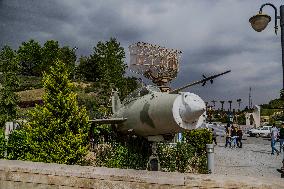
Body of an Iraqi fighter jet is on exhibition in the Museum of Holy Defense in Tehran, Iran on April 17, 2025. The term "Holy Defense" is used to refer to Iran-Iraq war that took 8 years. Photo by Middle East Images/ABACAPRESS.COM

  •  
Iran's Museum of Holy Defense - Tehran

Iran's Museum of Holy Defense - Tehran

A view of Iran's domestically made satellite launch vehicles (SLVs) and missiles in the National Museum of Holy Defense in Tehran, Iran on April 17, 2025. The term "Holy Defense" is used to refer to Iran-Iraq war that took 8 years. Photo by Middle East Images/ABACAPRESS.COM

  • Main
  • Top
  • Editorial
  • Creative
  • About Us
  • About ILG
  • Terms of use
  • Company
  • BEHIND
  • Price List
  • Single Plan
  • Monthly Plan
  • Services
  • Shooting
  • Rights Clearance
  • Support
  • FAQ
  • How To Buy
  • Contact Us
  • Become a Partner

© KYODO NEWS IMAGES INC

All Rights Reserved.

  • Editorial
  • Olympics
  • News
  • Sports
  • Japan
  • Tech
  • Royal
  • Disaster
  • NorthKorea
  • Old Japan
  • SNS
  • Creative
  • Food
  • Japan
  • Landscape
  • Animal
  • Popular
  • #Ukraine
  • #China
  • #coronavirus
  • #N. Korea
  • #Thailand
  • #Russia
  • #Ukraine
  • #China
  • #coronavirus
  • #N. Korea
  • #Thailand
  • #Russia
  • Food
  • Japan
  • Landscape
  • Animal
  • Olympics
  • News
  • Sports
  • Japan
  • Tech
  • Royal
  • Disaster
  • NorthKorea
  • Old Japan
  • SNS