•  
(EyesOnSci)CHINA-YUNNAN-DEBRIS FLOW-SCIENTIFIC RESEARCH (CN)

(EyesOnSci)CHINA-YUNNAN-DEBRIS FLOW-SCIENTIFIC RESEARCH (CN)

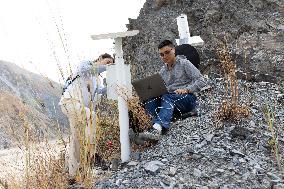
(240514) -- DONGCHUAN, May 14, 2024 (Xinhua) -- Researchers Li Xiaoyu (R) and Wei Li maintain experimental devices and collect data at the Jiangjiagou ravine in Dongchuan District of Kunming, southwest China's Yunnan Province, May 7, 2024. The Jiangjiagou ravine, located in the Xiaojiang River Basin, was a frequent landslide occurring area. In 1961, an observation and research station of debris flows, known as Dongchuan Station, was established in Jiangjiagou area. Since then, several generations of researchers have observed and studied debris flows, and established a comprehensive disaster reduction model of "stabilizing, blocking and draining", which has laid the foundation of debris flow science in China. A large-scale dynamic simulation experiment platform for mountain disaster was recently put into use in Dongchuan Station. The completion of this scientific device will reveal the natural law of debris flow outbreak, tackle the problems on prevention and control, and reduce the harm on human. (Xinhua

  •  
(EyesOnSci)CHINA-YUNNAN-DEBRIS FLOW-SCIENTIFIC RESEARCH (CN)

(EyesOnSci)CHINA-YUNNAN-DEBRIS FLOW-SCIENTIFIC RESEARCH (CN)

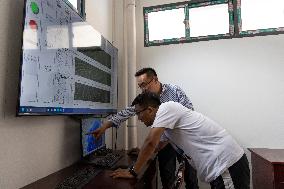
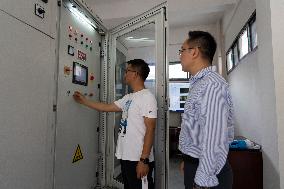
(240514) -- DONGCHUAN, May 14, 2024 (Xinhua) -- Researchers Zhou Gongdan (back) and Zhong Wei work at the control center of the large-scale dynamic simulation experiment platform for mountain disaster at Dongchuan Station in Dongchuan District of Kunming, southwest China's Yunnan Province, May 8, 2024. The Jiangjiagou ravine, located in the Xiaojiang River Basin, was a frequent landslide occurring area. In 1961, an observation and research station of debris flows, known as Dongchuan Station, was established in Jiangjiagou area. Since then, several generations of researchers have observed and studied debris flows, and established a comprehensive disaster reduction model of "stabilizing, blocking and draining", which has laid the foundation of debris flow science in China. A large-scale dynamic simulation experiment platform for mountain disaster was recently put into use in Dongchuan Station. The completion of this scientific device will reveal the natural law of debris flow outbreak, tackle the problems

  •  
(EyesOnSci)CHINA-YUNNAN-DEBRIS FLOW-SCIENTIFIC RESEARCH (CN)

(EyesOnSci)CHINA-YUNNAN-DEBRIS FLOW-SCIENTIFIC RESEARCH (CN)

(240514) -- DONGCHUAN, May 14, 2024 (Xinhua) -- Researchers Song Dongri (1st R) and Li Xiaoyu (1st L) communicate with equipment manufacturers about installation technology of observation equipment at the Jiangjiagou ravine in Dongchuan District of Kunming, southwest China's Yunnan Province, May 8, 2024. The Jiangjiagou ravine, located in the Xiaojiang River Basin, was a frequent landslide occurring area. In 1961, an observation and research station of debris flows, known as Dongchuan Station, was established in Jiangjiagou area. Since then, several generations of researchers have observed and studied debris flows, and established a comprehensive disaster reduction model of "stabilizing, blocking and draining", which has laid the foundation of debris flow science in China. A large-scale dynamic simulation experiment platform for mountain disaster was recently put into use in Dongchuan Station. The completion of this scientific device will reveal the natural law of debris flow outbreak, tackle the problem

  •  
(EyesOnSci)CHINA-YUNNAN-DEBRIS FLOW-SCIENTIFIC RESEARCH (CN)

(EyesOnSci)CHINA-YUNNAN-DEBRIS FLOW-SCIENTIFIC RESEARCH (CN)

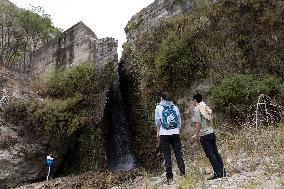
(240514) -- DONGCHUAN, May 14, 2024 (Xinhua) -- Researchers Li Zhanlu (L) and Zhong Wei talk about measures to detect the structure of slopes at the Jiangjiagou ravine in Dongchuan District of Kunming, southwest China's Yunnan Province, May 7, 2024. The Jiangjiagou ravine, located in the Xiaojiang River Basin, was a frequent landslide occurring area. In 1961, an observation and research station of debris flows, known as Dongchuan Station, was established in Jiangjiagou area. Since then, several generations of researchers have observed and studied debris flows, and established a comprehensive disaster reduction model of "stabilizing, blocking and draining", which has laid the foundation of debris flow science in China. A large-scale dynamic simulation experiment platform for mountain disaster was recently put into use in Dongchuan Station. The completion of this scientific device will reveal the natural law of debris flow outbreak, tackle the problems on prevention and control, and reduce the harm on huma

  •  
(EyesOnSci)CHINA-YUNNAN-DEBRIS FLOW-SCIENTIFIC RESEARCH (CN)

(EyesOnSci)CHINA-YUNNAN-DEBRIS FLOW-SCIENTIFIC RESEARCH (CN)

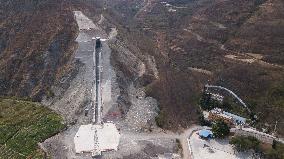
(240514) -- DONGCHUAN, May 14, 2024 (Xinhua) -- An aerial drone photo taken on May 7, 2024 shows the large-scale dynamic simulation experiment platform for mountain disaster at Dongchuan Station in Dongchuan District of Kunming, southwest China's Yunnan Province. The Jiangjiagou ravine, located in the Xiaojiang River Basin, was a frequent landslide occurring area. In 1961, an observation and research station of debris flows, known as Dongchuan Station, was established in Jiangjiagou area. Since then, several generations of researchers have observed and studied debris flows, and established a comprehensive disaster reduction model of "stabilizing, blocking and draining", which has laid the foundation of debris flow science in China. A large-scale dynamic simulation experiment platform for mountain disaster was recently put into use in Dongchuan Station. The completion of this scientific device will reveal the natural law of debris flow outbreak, tackle the problems on prevention and control, and reduce th

  •  
(EyesOnSci)CHINA-YUNNAN-DEBRIS FLOW-SCIENTIFIC RESEARCH (CN)

(EyesOnSci)CHINA-YUNNAN-DEBRIS FLOW-SCIENTIFIC RESEARCH (CN)

(240514) -- DONGCHUAN, May 14, 2024 (Xinhua) -- Researchers Zhou Gongdan (R) and Zhong Wei work at the control center of the large-scale dynamic simulation experiment platform for mountain disaster at Dongchuan Station in Dongchuan District of Kunming, southwest China's Yunnan Province, May 8, 2024. The Jiangjiagou ravine, located in the Xiaojiang River Basin, was a frequent landslide occurring area. In 1961, an observation and research station of debris flows, known as Dongchuan Station, was established in Jiangjiagou area. Since then, several generations of researchers have observed and studied debris flows, and established a comprehensive disaster reduction model of "stabilizing, blocking and draining", which has laid the foundation of debris flow science in China. A large-scale dynamic simulation experiment platform for mountain disaster was recently put into use in Dongchuan Station. The completion of this scientific device will reveal the natural law of debris flow outbreak, tackle the problems on

  •  
(EyesOnSci)CHINA-YUNNAN-DEBRIS FLOW-SCIENTIFIC RESEARCH (CN)

(EyesOnSci)CHINA-YUNNAN-DEBRIS FLOW-SCIENTIFIC RESEARCH (CN)

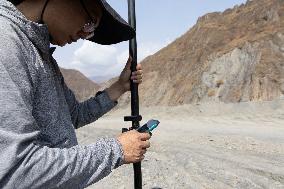
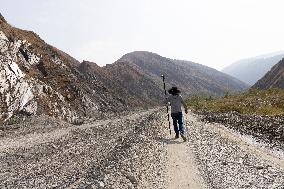
(240514) -- DONGCHUAN, May 14, 2024 (Xinhua) -- Researcher Li Xiaoyu measures the change of debris flow channels with mapping equipment at the Jiangjiagou ravine in Dongchuan District of Kunming, southwest China's Yunnan Province, May 7, 2024. The Jiangjiagou ravine, located in the Xiaojiang River Basin, was a frequent landslide occurring area. In 1961, an observation and research station of debris flows, known as Dongchuan Station, was established in Jiangjiagou area. Since then, several generations of researchers have observed and studied debris flows, and established a comprehensive disaster reduction model of "stabilizing, blocking and draining", which has laid the foundation of debris flow science in China. A large-scale dynamic simulation experiment platform for mountain disaster was recently put into use in Dongchuan Station. The completion of this scientific device will reveal the natural law of debris flow outbreak, tackle the problems on prevention and control, and reduce the harm on human. (Xi

  •  
(EyesOnSci)CHINA-YUNNAN-DEBRIS FLOW-SCIENTIFIC RESEARCH (CN)

(EyesOnSci)CHINA-YUNNAN-DEBRIS FLOW-SCIENTIFIC RESEARCH (CN)

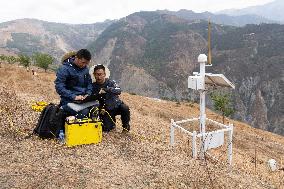
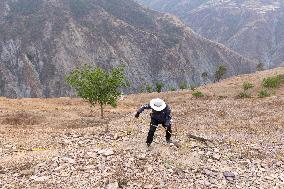
(240514) -- DONGCHUAN, May 14, 2024 (Xinhua) -- Researcher Zhong Wei sets up scientific devices on the alluvial fan of debris flow at the Jiangjiagou ravine in Dongchuan District of Kunming, southwest China's Yunnan Province, May 7, 2024. The Jiangjiagou ravine, located in the Xiaojiang River Basin, was a frequent landslide occurring area. In 1961, an observation and research station of debris flows, known as Dongchuan Station, was established in Jiangjiagou area. Since then, several generations of researchers have observed and studied debris flows, and established a comprehensive disaster reduction model of "stabilizing, blocking and draining", which has laid the foundation of debris flow science in China. A large-scale dynamic simulation experiment platform for mountain disaster was recently put into use in Dongchuan Station. The completion of this scientific device will reveal the natural law of debris flow outbreak, tackle the problems on prevention and control, and reduce the harm on human. (Xinhua/

  •  
(EyesOnSci)CHINA-YUNNAN-DEBRIS FLOW-SCIENTIFIC RESEARCH (CN)

(EyesOnSci)CHINA-YUNNAN-DEBRIS FLOW-SCIENTIFIC RESEARCH (CN)

(240514) -- DONGCHUAN, May 14, 2024 (Xinhua) -- Researchers Song Dongri (R), Zhong Wei (L) and Wei Li investigate and evaluate the condition of a sand-retaining dam in Dongchuan District of Kunming, southwest China's Yunnan Province, May 8, 2024. The Jiangjiagou ravine, located in the Xiaojiang River Basin, was a frequent landslide occurring area. In 1961, an observation and research station of debris flows, known as Dongchuan Station, was established in Jiangjiagou area. Since then, several generations of researchers have observed and studied debris flows, and established a comprehensive disaster reduction model of "stabilizing, blocking and draining", which has laid the foundation of debris flow science in China. A large-scale dynamic simulation experiment platform for mountain disaster was recently put into use in Dongchuan Station. The completion of this scientific device will reveal the natural law of debris flow outbreak, tackle the problems on prevention and control, and reduce the harm on human.

  •  
(EyesOnSci)CHINA-YUNNAN-DEBRIS FLOW-SCIENTIFIC RESEARCH (CN)

(EyesOnSci)CHINA-YUNNAN-DEBRIS FLOW-SCIENTIFIC RESEARCH (CN)

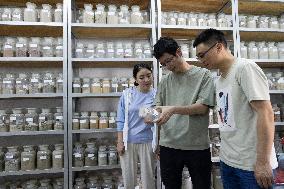
(240514) -- DONGCHUAN, May 14, 2024 (Xinhua) -- Researchers Song Dongri (C), Li Xiaoyu (R) and Wei Li check the preservation of samples at Dongchuan Station in Dongchuan District of Kunming, southwest China's Yunnan Province, May 7, 2024. The Jiangjiagou ravine, located in the Xiaojiang River Basin, was a frequent landslide occurring area. In 1961, an observation and research station of debris flows, known as Dongchuan Station, was established in Jiangjiagou area. Since then, several generations of researchers have observed and studied debris flows, and established a comprehensive disaster reduction model of "stabilizing, blocking and draining", which has laid the foundation of debris flow science in China. A large-scale dynamic simulation experiment platform for mountain disaster was recently put into use in Dongchuan Station. The completion of this scientific device will reveal the natural law of debris flow outbreak, tackle the problems on prevention and control, and reduce the harm on human. (Xinhua/

  •  
(EyesOnSci)CHINA-YUNNAN-DEBRIS FLOW-SCIENTIFIC RESEARCH (CN)

(EyesOnSci)CHINA-YUNNAN-DEBRIS FLOW-SCIENTIFIC RESEARCH (CN)

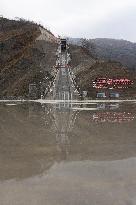
(240514) -- DONGCHUAN, May 14, 2024 (Xinhua) -- This photo taken on May 8, 2024 shows the large-scale dynamic simulation experiment platform for mountain disaster after an experiment at Dongchuan Station in Dongchuan District of Kunming, southwest China's Yunnan Province. The Jiangjiagou ravine, located in the Xiaojiang River Basin, was a frequent landslide occurring area. In 1961, an observation and research station of debris flows, known as Dongchuan Station, was established in Jiangjiagou area. Since then, several generations of researchers have observed and studied debris flows, and established a comprehensive disaster reduction model of "stabilizing, blocking and draining", which has laid the foundation of debris flow science in China. A large-scale dynamic simulation experiment platform for mountain disaster was recently put into use in Dongchuan Station. The completion of this scientific device will reveal the natural law of debris flow outbreak, tackle the problems on prevention and control, and

  •  
(EyesOnSci)CHINA-YUNNAN-DEBRIS FLOW-SCIENTIFIC RESEARCH (CN)

(EyesOnSci)CHINA-YUNNAN-DEBRIS FLOW-SCIENTIFIC RESEARCH (CN)

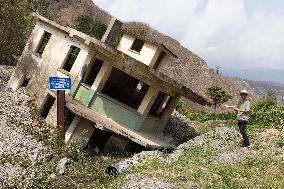
(240514) -- DONGCHUAN, May 14, 2024 (Xinhua) -- Researcher Song Dongri shows the observation building No. 1, which was washed and toppled by debris flow in 2007, in Dongchuan District of Kunming, southwest China's Yunnan Province, May 7, 2024. The Jiangjiagou ravine, located in the Xiaojiang River Basin, was a frequent landslide occurring area. In 1961, an observation and research station of debris flows, known as Dongchuan Station, was established in Jiangjiagou area. Since then, several generations of researchers have observed and studied debris flows, and established a comprehensive disaster reduction model of "stabilizing, blocking and draining", which has laid the foundation of debris flow science in China. A large-scale dynamic simulation experiment platform for mountain disaster was recently put into use in Dongchuan Station. The completion of this scientific device will reveal the natural law of debris flow outbreak, tackle the problems on prevention and control, and reduce the harm on human. (Xi

  •  
(EyesOnSci)CHINA-YUNNAN-DEBRIS FLOW-SCIENTIFIC RESEARCH (CN)

(EyesOnSci)CHINA-YUNNAN-DEBRIS FLOW-SCIENTIFIC RESEARCH (CN)

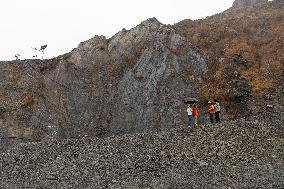
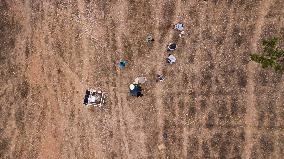
(240514) -- DONGCHUAN, May 14, 2024 (Xinhua) -- An aerial drone photo taken on May 7, 2024 shows researchers detecting strata on the alluvial fan of debris flow at the Jiangjiagou ravine in Dongchuan District of Kunming, southwest China's Yunnan Province. The Jiangjiagou ravine, located in the Xiaojiang River Basin, was a frequent landslide occurring area. In 1961, an observation and research station of debris flows, known as Dongchuan Station, was established in Jiangjiagou area. Since then, several generations of researchers have observed and studied debris flows, and established a comprehensive disaster reduction model of "stabilizing, blocking and draining", which has laid the foundation of debris flow science in China. A large-scale dynamic simulation experiment platform for mountain disaster was recently put into use in Dongchuan Station. The completion of this scientific device will reveal the natural law of debris flow outbreak, tackle the problems on prevention and control, and reduce the harm o

  •  
(EyesOnSci)CHINA-YUNNAN-DEBRIS FLOW-SCIENTIFIC RESEARCH (CN)

(EyesOnSci)CHINA-YUNNAN-DEBRIS FLOW-SCIENTIFIC RESEARCH (CN)

(240514) -- DONGCHUAN, May 14, 2024 (Xinhua) -- Researcher Li Xiaoyu measures the change of debris flow channels with mapping equipment at the Jiangjiagou ravine in Dongchuan District of Kunming, southwest China's Yunnan Province, May 7, 2024. The Jiangjiagou ravine, located in the Xiaojiang River Basin, was a frequent landslide occurring area. In 1961, an observation and research station of debris flows, known as Dongchuan Station, was established in Jiangjiagou area. Since then, several generations of researchers have observed and studied debris flows, and established a comprehensive disaster reduction model of "stabilizing, blocking and draining", which has laid the foundation of debris flow science in China. A large-scale dynamic simulation experiment platform for mountain disaster was recently put into use in Dongchuan Station. The completion of this scientific device will reveal the natural law of debris flow outbreak, tackle the problems on prevention and control, and reduce the harm on human. (Xi

  •  
(EyesOnSci)CHINA-YUNNAN-DEBRIS FLOW-SCIENTIFIC RESEARCH (CN)

(EyesOnSci)CHINA-YUNNAN-DEBRIS FLOW-SCIENTIFIC RESEARCH (CN)

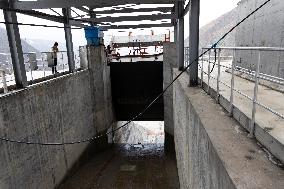
(240514) -- DONGCHUAN, May 14, 2024 (Xinhua) -- This photo taken on May 8, 2024 shows a sluice gate of the large-scale dynamic simulation experiment platform for mountain disaster closing at Dongchuan Station in Dongchuan District of Kunming, southwest China's Yunnan Province. The Jiangjiagou ravine, located in the Xiaojiang River Basin, was a frequent landslide occurring area. In 1961, an observation and research station of debris flows, known as Dongchuan Station, was established in Jiangjiagou area. Since then, several generations of researchers have observed and studied debris flows, and established a comprehensive disaster reduction model of "stabilizing, blocking and draining", which has laid the foundation of debris flow science in China. A large-scale dynamic simulation experiment platform for mountain disaster was recently put into use in Dongchuan Station. The completion of this scientific device will reveal the natural law of debris flow outbreak, tackle the problems on prevention and control,

  • Main
  • Top
  • Editorial
  • Creative
  • About Us
  • About ILG
  • Terms of use
  • Company
  • BEHIND
  • Price List
  • Single Plan
  • Monthly Plan
  • Services
  • Shooting
  • Rights Clearance
  • Support
  • FAQ
  • How To Buy
  • Contact Us
  • Become a Partner

© KYODO NEWS IMAGES INC

All Rights Reserved.

  • Editorial
  • Olympics
  • News
  • Sports
  • Japan
  • Tech
  • Royal
  • Disaster
  • NorthKorea
  • Old Japan
  • SNS
  • Creative
  • Food
  • Japan
  • Landscape
  • Animal
  • Popular
  • #Ukraine
  • #China
  • #coronavirus
  • #N. Korea
  • #Thailand
  • #Russia
  • #Ukraine
  • #China
  • #coronavirus
  • #N. Korea
  • #Thailand
  • #Russia
  • Food
  • Japan
  • Landscape
  • Animal
  • Olympics
  • News
  • Sports
  • Japan
  • Tech
  • Royal
  • Disaster
  • NorthKorea
  • Old Japan
  • SNS