•  
SOUTH KOREA-DAEJEON-KSTAR DEVICE-RESEARCH

SOUTH KOREA-DAEJEON-KSTAR DEVICE-RESEARCH

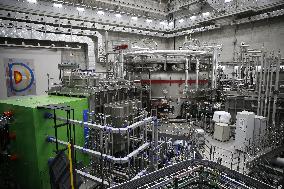
(220111) -- DAEJEON, Jan. 11, 2022 (Xinhua) -- Photo taken on Jan. 10, 2022 shows the Korean Superconducting Tokamak Advanced Research (KSTAR) device at the Korea Institute of Fusion Energy (KFE) in Daejeon, South Korea. South Korea's "artificial sun", the KSTAR device, is aiming to achieve 50-second-long continuous plasma operations at ion temperatures of 100 million degrees Celsius in 2022, the KFE said Monday. (Xinhua/Wang Yiliang)

  •  
SOUTH KOREA-DAEJEON-KSTAR DEVICE-RESEARCH

SOUTH KOREA-DAEJEON-KSTAR DEVICE-RESEARCH

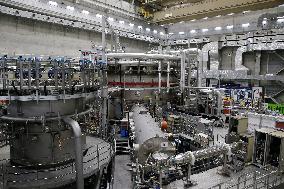
(220111) -- DAEJEON, Jan. 11, 2022 (Xinhua) -- Photo taken on Jan. 10, 2022 shows the Korean Superconducting Tokamak Advanced Research (KSTAR) device at the Korea Institute of Fusion Energy (KFE) in Daejeon, South Korea. South Korea's "artificial sun", the KSTAR device, is aiming to achieve 50-second-long continuous plasma operations at ion temperatures of 100 million degrees Celsius in 2022, the KFE said Monday. (Xinhua/Wang Yiliang)

  •  
SOUTH KOREA-DAEJEON-KSTAR DEVICE-RESEARCH

SOUTH KOREA-DAEJEON-KSTAR DEVICE-RESEARCH

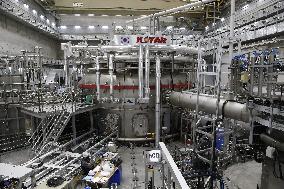
(220111) -- DAEJEON, Jan. 11, 2022 (Xinhua) -- Photo taken on Jan. 10, 2022 shows the Korean Superconducting Tokamak Advanced Research (KSTAR) device at the Korea Institute of Fusion Energy (KFE) in Daejeon, South Korea. South Korea's "artificial sun", the KSTAR device, is aiming to achieve 50-second-long continuous plasma operations at ion temperatures of 100 million degrees Celsius in 2022, the KFE said Monday. (Xinhua/Wang Yiliang)

  •  
SOUTH KOREA-DAEJEON-KSTAR DEVICE-RESEARCH

SOUTH KOREA-DAEJEON-KSTAR DEVICE-RESEARCH

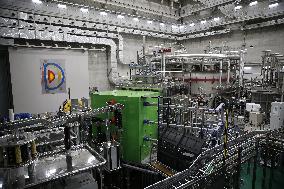
(220111) -- DAEJEON, Jan. 11, 2022 (Xinhua) -- Photo taken on Jan. 10, 2022 shows the Korean Superconducting Tokamak Advanced Research (KSTAR) device at the Korea Institute of Fusion Energy (KFE) in Daejeon, South Korea. South Korea's "artificial sun", the KSTAR device, is aiming to achieve 50-second-long continuous plasma operations at ion temperatures of 100 million degrees Celsius in 2022, the KFE said Monday. (Xinhua/Wang Yiliang)

  •  
SOUTH KOREA-DAEJEON-KSTAR DEVICE-RESEARCH

SOUTH KOREA-DAEJEON-KSTAR DEVICE-RESEARCH

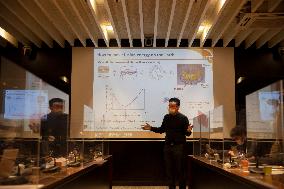
(220111) -- DAEJEON, Jan. 11, 2022 (Xinhua) -- Yoon Si-Woo, deputy director general of the Korean Superconducting Tokamak Advanced Research (KSTAR) Research Center, introduces achievements of the KSTAR device at the Korea Institute of Fusion Energy (KFE) in Daejeon, South Korea, Jan. 10, 2022. South Korea's "artificial sun", the KSTAR device, is aiming to achieve 50-second-long continuous plasma operations at ion temperatures of 100 million degrees Celsius in 2022, the KFE said Monday. (Xinhua/Wang Yiliang)

  • Main
  • Top
  • Editorial
  • Creative
  • About Us
  • About ILG
  • Terms of use
  • Company
  • BEHIND
  • Price List
  • Single Plan
  • Monthly Plan
  • Services
  • Shooting
  • Rights Clearance
  • Support
  • FAQ
  • How To Buy
  • Contact Us
  • Become a Partner

© KYODO NEWS IMAGES INC

All Rights Reserved.

  • Editorial
  • Olympics
  • News
  • Sports
  • Japan
  • Tech
  • Royal
  • Disaster
  • NorthKorea
  • Old Japan
  • SNS
  • Creative
  • Food
  • Japan
  • Landscape
  • Animal
  • Popular
  • #Ukraine
  • #China
  • #coronavirus
  • #N. Korea
  • #Thailand
  • #Russia
  • #Ukraine
  • #China
  • #coronavirus
  • #N. Korea
  • #Thailand
  • #Russia
  • Food
  • Japan
  • Landscape
  • Animal
  • Olympics
  • News
  • Sports
  • Japan
  • Tech
  • Royal
  • Disaster
  • NorthKorea
  • Old Japan
  • SNS