•  
The Kurds of Khorasan - Iran

The Kurds of Khorasan - Iran

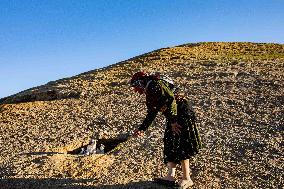
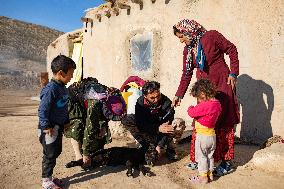
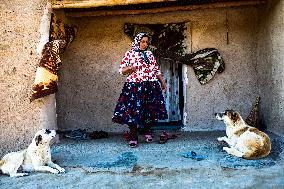
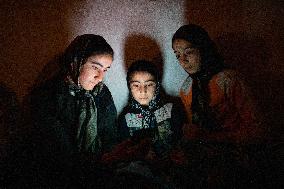
Hadi's mother is playing with puppies that are kept and bred to become herding dogs. They are one of the Kurdish nomadic families of Kermanj who were forced to migrate from their homeland to these areas to protect the eastern borders of Iran, and during this period they lost many of their cultural characteristics and behaviors. They are animal husbandry now and still speak Kurdish, but the clothes they wear are no longer Kurdish and their behaviors have completely changed and most of them do not even know where their original birthplace was. Golestan, Iran, February 2, 2022. Photo by Younes Mohammad/Middle East Images/ABACAPRESS.COM

  •  
The Kurds of Khorasan - Iran

The Kurds of Khorasan - Iran

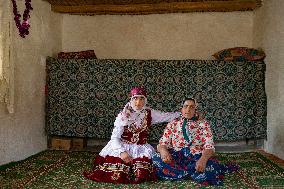
Faezeh and her mother, Asmar, taking a pose for a portrait with her traditional clothes at her house. They are one of the Kurdish nomadic families of Kermanj who were forced to migrate from their homeland to these areas to protect the eastern borders of Iran, and during this period they lost many of their cultural characteristics and behaviors. They are animal husbandry now and still speak Kurdish, but the clothes they wear are no longer Kurdish and their behaviors have completely changed and most of them do not even know where their original birthplace was. Golestan, Iran, March 2, 2022. Photo by Younes Mohammad/Middle East Images/ABACAPRESS.COM

  •  
The Kurds of Khorasan - Iran

The Kurds of Khorasan - Iran

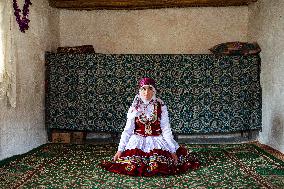
Faezeh, Hadi's daughter, taking a pose for a portrait with her traditional clothes at Hadi's house. They are one of the Kurdish nomadic families of Kermanj who were forced to migrate from their homeland to these areas to protect the eastern borders of Iran, and during this period they lost many of their cultural characteristics and behaviors. They are animal husbandry now and still speak Kurdish, but the clothes they wear are no longer Kurdish and their behaviors have completely changed and most of them do not even know where their original birthplace was. Golestan, Iran, March 2, 2022. Photo by Younes Mohammad/Middle East Images/ABACAPRESS.COM

  •  
The Kurds of Khorasan - Iran

The Kurds of Khorasan - Iran

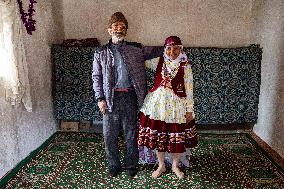
Hadi's parent, taking a pose for a portrait while his mother weard traditional clothes at Hadi's house. They are one of the Kurdish nomadic families of Kermanj who were forced to migrate from their homeland to these areas to protect the eastern borders of Iran, and during this period they lost many of their cultural characteristics and behaviors. They are animal husbandry now and still speak Kurdish, but the clothes they wear are no longer Kurdish and their behaviors have completely changed and most of them do not even know where their original birthplace was. Golestan, Iran, March 2, 2022. Photo by Younes Mohammad/Middle East Images/ABACAPRESS.COM

  •  
The Kurds of Khorasan - Iran

The Kurds of Khorasan - Iran

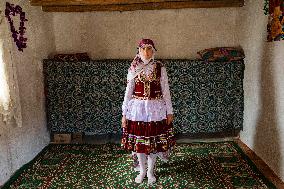
Faezeh, Hadi's daughter, taking a pose for a portrait with her traditional clothes at Hadi's house. They are one of the Kurdish nomadic families of Kermanj who were forced to migrate from their homeland to these areas to protect the eastern borders of Iran, and during this period they lost many of their cultural characteristics and behaviors. They are animal husbandry now and still speak Kurdish, but the clothes they wear are no longer Kurdish and their behaviors have completely changed and most of them do not even know where their original birthplace was. Golestan, Iran, March 2, 2022. Photo by Younes Mohammad/Middle East Images/ABACAPRESS.COM

  •  
The Kurds of Khorasan - Iran

The Kurds of Khorasan - Iran

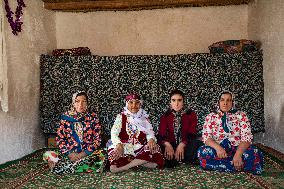
Some of members of Hadi's family, taking a pose for a portrait at Hadi's house. They are one of the Kurdish nomadic families of Kermanj who were forced to migrate from their homeland to these areas to protect the eastern borders of Iran, and during this period they lost many of their cultural characteristics and behaviors. They are animal husbandry now and still speak Kurdish, but the clothes they wear are no longer Kurdish and their behaviors have completely changed and most of them do not even know where their original birthplace was. Golestan, Iran, March 2, 2022. Photo by Younes Mohammad/Middle East Images/ABACAPRESS.COM

  •  
The Kurds of Khorasan - Iran

The Kurds of Khorasan - Iran

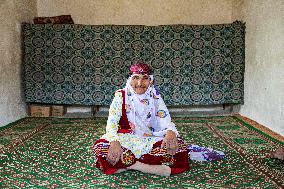
Hadi's mother, taking a pose for a portrait with her traditional clothes at Hadi's house. They are one of the Kurdish nomadic families of Kermanj who were forced to migrate from their homeland to these areas to protect the eastern borders of Iran, and during this period they lost many of their cultural characteristics and behaviors. They are animal husbandry now and still speak Kurdish, but the clothes they wear are no longer Kurdish and their behaviors have completely changed and most of them do not even know where their original birthplace was. Golestan, Iran, March 2, 2022. Photo by Younes Mohammad/Middle East Images/ABACAPRESS.COM

  •  
The Kurds of Khorasan - Iran

The Kurds of Khorasan - Iran

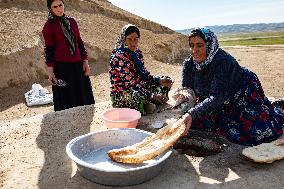
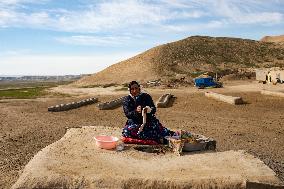
Asmar is baking traditional bread. They are one of the Kurdish nomadic families of Kermanj who were forced to migrate from their homeland to these areas to protect the eastern borders of Iran, and during this period they lost many of their cultural characteristics and behaviors. They are animal husbandry now and still speak Kurdish, but the clothes they wear are no longer Kurdish and their behaviors have completely changed and most of them do not even know where their original birthplace was. Golestan, Iran, March 2, 2022. Photo by Younes Mohammad/Middle East Images/ABACAPRESS.COM

  •  
The Kurds of Khorasan - Iran

The Kurds of Khorasan - Iran

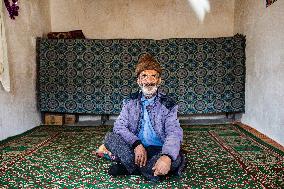
Amir, Hadi's father, taking a pose for a portrait at Hadi's house. They are one of the Kurdish nomadic families of Kermanj who were forced to migrate from their homeland to these areas to protect the eastern borders of Iran, and during this period they lost many of their cultural characteristics and behaviors. They are animal husbandry now and still speak Kurdish, but the clothes they wear are no longer Kurdish and their behaviors have completely changed and most of them do not even know where their original birthplace was. Golestan, Iran, March 2, 2022. Photo by Younes Mohammad/Middle East Images/ABACAPRESS.COM

  •  
The Kurds of Khorasan - Iran

The Kurds of Khorasan - Iran

Asmar is baking traditional bread. They are one of the Kurdish nomadic families of Kermanj who were forced to migrate from their homeland to these areas to protect the eastern borders of Iran, and during this period they lost many of their cultural characteristics and behaviors. They are animal husbandry now and still speak Kurdish, but the clothes they wear are no longer Kurdish and their behaviors have completely changed and most of them do not even know where their original birthplace was. Golestan, Iran, March 2, 2022. Photo by Younes Mohammad/Middle East Images/ABACAPRESS.COM

  •  
The Kurds of Khorasan - Iran

The Kurds of Khorasan - Iran

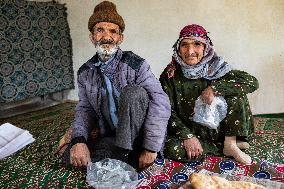
Hadi's parents before lunch at Hadi's house. They are one of the Kurdish nomadic families of Kermanj who were forced to migrate from their homeland to these areas to protect the eastern borders of Iran, and during this period they lost many of their cultural characteristics and behaviors. They are animal husbandry now and still speak Kurdish, but the clothes they wear are no longer Kurdish and their behaviors have completely changed and most of them do not even know where their original birthplace was. Golestan, Iran, March 2, 2022. Photo by Younes Mohammad/Middle East Images/ABACAPRESS.COM

  •  
The Kurds of Khorasan - Iran

The Kurds of Khorasan - Iran

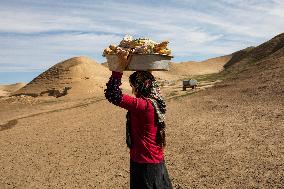
Faezeh puts the baked and prepared bread on her head and takes it home. They are one of the Kurdish nomadic families of Kermanj who were forced to migrate from their homeland to these areas to protect the eastern borders of Iran, and during this period they lost many of their cultural characteristics and behaviors. They are animal husbandry now and still speak Kurdish, but the clothes they wear are no longer Kurdish and their behaviors have completely changed and most of them do not even know where their original birthplace was. Golestan, Iran, March 2, 2022. Photo by Younes Mohammad/Middle East Images/ABACAPRESS.COM

  •  
The Kurds of Khorasan - Iran

The Kurds of Khorasan - Iran

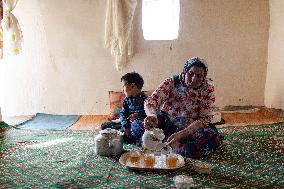
Asmar is preparing and giving tea to the guests. They are one of the Kurdish nomadic families of Kermanj who were forced to migrate from their homeland to these areas to protect the eastern borders of Iran, and during this period they lost many of their cultural characteristics and behaviors. They are animal husbandry now and still speak Kurdish, but the clothes they wear are no longer Kurdish and their behaviors have completely changed and most of them do not even know where their original birthplace was. Golestan, Iran, March 2, 2022. Photo by Younes Mohammad/Middle East Images/ABACAPRESS.COM

  •  
The Kurds of Khorasan - Iran

The Kurds of Khorasan - Iran

Asmar is baking traditional bread. They are one of the Kurdish nomadic families of Kermanj who were forced to migrate from their homeland to these areas to protect the eastern borders of Iran, and during this period they lost many of their cultural characteristics and behaviors. They are animal husbandry now and still speak Kurdish, but the clothes they wear are no longer Kurdish and their behaviors have completely changed and most of them do not even know where their original birthplace was. Golestan, Iran, March 2, 2022. Photo by Younes Mohammad/Middle East Images/ABACAPRESS.COM

  •  
The Kurds of Khorasan - Iran

The Kurds of Khorasan - Iran

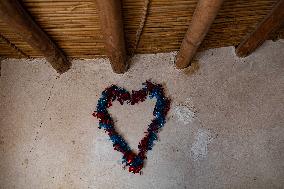
A handmade heart on the wall of the Hadi's room. They do not have just this room and one more kitchen. They are one of the Kurdish nomadic families of Kermanj who were forced to migrate from their homeland to these areas to protect the eastern borders of Iran, and during this period they lost many of their cultural characteristics and behaviors. They are animal husbandry now and still speak Kurdish, but the clothes they wear are no longer Kurdish and their behaviors have completely changed and most of them do not even know where their original birthplace was. Golestan, Iran, March 2, 2022. Photo by Younes Mohammad/Middle East Images/ABACAPRESS.COM

  •  
The Kurds of Khorasan - Iran

The Kurds of Khorasan - Iran

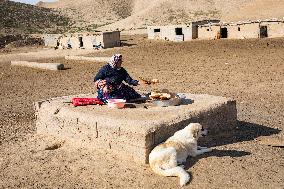
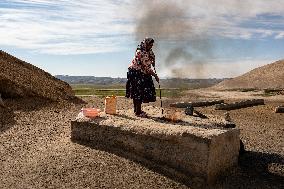
Asmar is warming up and preparing the oven for baking traditional bread. They are one of the Kurdish nomadic families of Kermanj who were forced to migrate from their homeland to these areas to protect the eastern borders of Iran, and during this period they lost many of their cultural characteristics and behaviors. They are animal husbandry now and still speak Kurdish, but the clothes they wear are no longer Kurdish and their behaviors have completely changed and most of them do not even know where their original birthplace was. Golestan, Iran, March 2, 2022. Photo by Younes Mohammad/Middle East Images/ABACAPRESS.COM

  •  
The Kurds of Khorasan - Iran

The Kurds of Khorasan - Iran

Asmar is warming up and preparing the oven for baking traditional bread. They are one of the Kurdish nomadic families of Kermanj who were forced to migrate from their homeland to these areas to protect the eastern borders of Iran, and during this period they lost many of their cultural characteristics and behaviors. They are animal husbandry now and still speak Kurdish, but the clothes they wear are no longer Kurdish and their behaviors have completely changed and most of them do not even know where their original birthplace was. Golestan, Iran, March 2, 2022. Photo by Younes Mohammad/Middle East Images/ABACAPRESS.COM

  •  
The Kurds of Khorasan - Iran

The Kurds of Khorasan - Iran

Asmar is warming up and preparing the oven for baking traditional bread. They are one of the Kurdish nomadic families of Kermanj who were forced to migrate from their homeland to these areas to protect the eastern borders of Iran, and during this period they lost many of their cultural characteristics and behaviors. They are animal husbandry now and still speak Kurdish, but the clothes they wear are no longer Kurdish and their behaviors have completely changed and most of them do not even know where their original birthplace was. Golestan, Iran, March 2, 2022. Photo by Younes Mohammad/Middle East Images/ABACAPRESS.COM

  •  
The Kurds of Khorasan - Iran

The Kurds of Khorasan - Iran

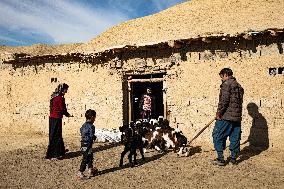
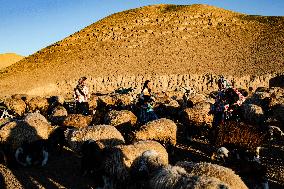
Hadi and other family members lead the lambs into lamb stalls after they have been adequately fed. They are one of the Kurdish nomadic families of Kermanj who were forced to migrate from their homeland to these areas to protect the eastern borders of Iran, and during this period they lost many of their cultural characteristics and behaviors. They are animal husbandry now and still speak Kurdish, but the clothes they wear are no longer Kurdish and their behaviors have completely changed and most of them do not even know where their original birthplace was. Golestan, Iran, March 2, 2022. Photo by Younes Mohammad/Middle East Images/ABACAPRESS.COM

  •  
The Kurds of Khorasan - Iran

The Kurds of Khorasan - Iran

Asmar and her daughter, are injecting some medicine into the eyes of one of the sick lambs. They are one of the Kurdish nomadic families of Kermanj who were forced to migrate from their homeland to these areas to protect the eastern borders of Iran, and during this period they lost many of their cultural characteristics and behaviors. They are animal husbandry now and still speak Kurdish, but the clothes they wear are no longer Kurdish and their behaviors have completely changed and most of them do not even know where their original birthplace was. Golestan, Iran, March 2, 2022. Photo by Younes Mohammad/Middle East Images/ABACAPRESS.COM

  •  
The Kurds of Khorasan - Iran

The Kurds of Khorasan - Iran

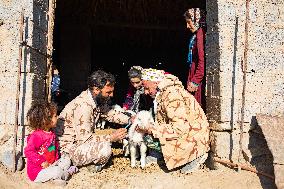
Mahdi and a number of family members are injecting medicine into the lambs, so far they have only been breastfed, and they are going to go out with the herd for grazing for the first time, and this medicine will help them digest the fodder. They are one of the Kurdish nomadic families of Kermanj who were forced to migrate from their homeland to these areas to protect the eastern borders of Iran, and during this period they lost many of their cultural characteristics and behaviors. They are animal husbandry now and still speak Kurdish, but the clothes they wear are no longer Kurdish and their behaviors have completely changed and most of them do not even know where their original birthplace was. Golestan, Iran, March 2, 2022. Photo by Younes Mohammad/Middle East Images/ABACAPRESS.COM

  •  
The Kurds of Khorasan - Iran

The Kurds of Khorasan - Iran

Mahdi and a number of family members are resting after injecting medicine into the lambs, so far they have only been breastfed, and they are going to go out with the herd for grazing for the first time, and this medicine will help them digest the fodder. They are one of the Kurdish nomadic families of Kermanj who were forced to migrate from their homeland to these areas to protect the eastern borders of Iran, and during this period they lost many of their cultural characteristics and behaviors. They are animal husbandry now and still speak Kurdish, but the clothes they wear are no longer Kurdish and their behaviors have completely changed and most of them do not even know where their original birthplace was. Golestan, Iran, March 2, 2022. Photo by Younes Mohammad/Middle East Images/ABACAPRESS.COM

  •  
The Kurds of Khorasan - Iran

The Kurds of Khorasan - Iran

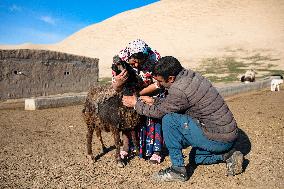
Mehdi, his wife and his mother while their kids are watching, are helping and treating one of the sick lambs. They want to scratch a part of the lambs body to get some blood out and eventually lower the lamb's blood pressure. They are one of the Kurdish nomadic families of Kermanj who were forced to migrate from their homeland to these areas to protect the eastern borders of Iran, and during this period they lost many of their cultural characteristics and behaviors. They are animal husbandry now and still speak Kurdish, but the clothes they wear are no longer Kurdish and their behaviors have completely changed and most of them do not even know where their original birthplace was. Golestan, Iran, March 2, 2022. Photo by Younes Mohammad/Middle East Images/ABACAPRESS.COM

  •  
The Kurds of Khorasan - Iran

The Kurds of Khorasan - Iran

Faezeh and a number of family members are injecting medicine into the lambs, so far they have only been breastfed, and they are going to go out with the herd for grazing for the first time, and this medicine will help them digest the fodder. They are one of the Kurdish nomadic families of Kermanj who were forced to migrate from their homeland to these areas to protect the eastern borders of Iran, and during this period they lost many of their cultural characteristics and behaviors. They are animal husbandry now and still speak Kurdish, but the clothes they wear are no longer Kurdish and their behaviors have completely changed and most of them do not even know where their original birthplace was. Golestan, Iran, March 2, 2022. Photo by Younes Mohammad/Middle East Images/ABACAPRESS.COM

  •  
The Kurds of Khorasan - Iran

The Kurds of Khorasan - Iran

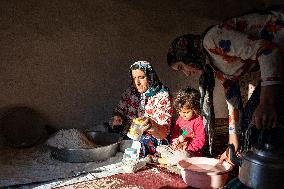
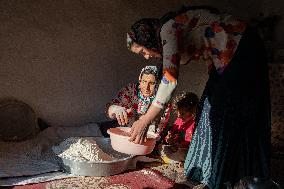
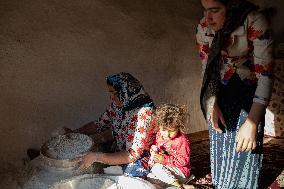
Asmar and his daughter Faezeh, are preparing dough in the kitchen to make and cook the daily bread. They are one of the Kurdish nomadic families of Kermanj who were forced to migrate from their homeland to these areas to protect the eastern borders of Iran, and during this period they lost many of their cultural characteristics and behaviors. They are animal husbandry now and still speak Kurdish, but the clothes they wear are no longer Kurdish and their behaviors have completely changed and most of them do not even know where their original birthplace was. Golestan, Iran, March 2, 2022. Photo by Younes Mohammad/Middle East Images/ABACAPRESS.COM

  •  
The Kurds of Khorasan - Iran

The Kurds of Khorasan - Iran

Mahdi and a number of family members are injecting medicine into the lambs, so far they have only been breastfed, and they are going to go out with the herd for grazing for the first time, and this medicine will help them digest the fodder. They are one of the Kurdish nomadic families of Kermanj who were forced to migrate from their homeland to these areas to protect the eastern borders of Iran, and during this period they lost many of their cultural characteristics and behaviors. They are animal husbandry now and still speak Kurdish, but the clothes they wear are no longer Kurdish and their behaviors have completely changed and most of them do not even know where their original birthplace was. Golestan, Iran, March 2, 2022. Photo by Younes Mohammad/Middle East Images/ABACAPRESS.COM

  •  
The Kurds of Khorasan - Iran

The Kurds of Khorasan - Iran

Asmar and his daughter Faezeh, are preparing dough in the kitchen to make and cook the daily bread. They are one of the Kurdish nomadic families of Kermanj who were forced to migrate from their homeland to these areas to protect the eastern borders of Iran, and during this period they lost many of their cultural characteristics and behaviors. They are animal husbandry now and still speak Kurdish, but the clothes they wear are no longer Kurdish and their behaviors have completely changed and most of them do not even know where their original birthplace was. Golestan, Iran, March 2, 2022. Photo by Younes Mohammad/Middle East Images/ABACAPRESS.COM

  •  
The Kurds of Khorasan - Iran

The Kurds of Khorasan - Iran

Hadi and his wife Asmar, are injecting medicine into one of the sick sheep. They are one of the Kurdish nomadic families of Kermanj who were forced to migrate from their homeland to these areas to protect the eastern borders of Iran, and during this period they lost many of their cultural characteristics and behaviors. They are animal husbandry now and still speak Kurdish, but the clothes they wear are no longer Kurdish and their behaviors have completely changed and most of them do not even know where their original birthplace was. Golestan, Iran, March 2, 2022. Photo by Younes Mohammad/Middle East Images/ABACAPRESS.COM

  •  
The Kurds of Khorasan - Iran

The Kurds of Khorasan - Iran

Asmar and his daughter Faezeh, are preparing dough in the kitchen to make and cook the daily bread. They are one of the Kurdish nomadic families of Kermanj who were forced to migrate from their homeland to these areas to protect the eastern borders of Iran, and during this period they lost many of their cultural characteristics and behaviors. They are animal husbandry now and still speak Kurdish, but the clothes they wear are no longer Kurdish and their behaviors have completely changed and most of them do not even know where their original birthplace was. Golestan, Iran, March 2, 2022. Photo by Younes Mohammad/Middle East Images/ABACAPRESS.COM

  •  
The Kurds of Khorasan - Iran

The Kurds of Khorasan - Iran

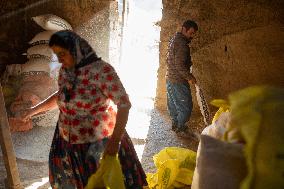
Hadi and his wife Asmar, are preparing hay and sheep food in the fodder barn. They are one of the Kurdish nomadic families of Kermanj who were forced to migrate from their homeland to these areas to protect the eastern borders of Iran, and during this period they lost many of their cultural characteristics and behaviors. They are animal husbandry now and still speak Kurdish, but the clothes they wear are no longer Kurdish and their behaviors have completely changed and most of them do not even know where their original birthplace was. Golestan, Iran, March 2, 2022. Photo by Younes Mohammad/Middle East Images/ABACAPRESS.COM

  •  
The Kurds of Khorasan - Iran

The Kurds of Khorasan - Iran

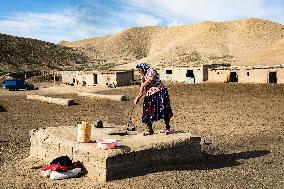
Faezeh, Hadi's daughter, is sweeping in front of their place of residence. They are one of the Kurdish nomadic families of Kermanj who were forced to migrate from their homeland to these areas to protect the eastern borders of Iran, and during this period they lost many of their cultural characteristics and behaviors. They are animal husbandry now and still speak Kurdish, but the clothes they wear are no longer Kurdish and their behaviors have completely changed and most of them do not even know where their original birthplace was. Golestan, Iran, March 2, 2022. Photo by Younes Mohammad/Middle East Images/ABACAPRESS.COM

  •  
The Kurds of Khorasan - Iran

The Kurds of Khorasan - Iran

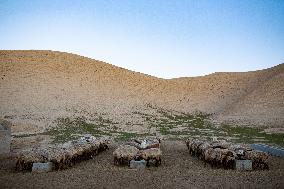
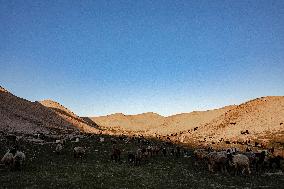
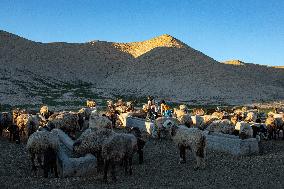
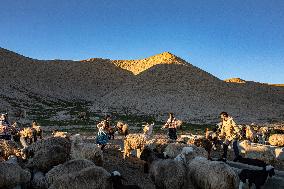
View from around Hadi's house where the herd are feeding. They are one of the Kurdish nomadic families of Kermanj who were forced to migrate from their homeland to these areas to protect the eastern borders of Iran, and during this period they lost many of their cultural characteristics and behaviors. They are animal husbandry now and still speak Kurdish, but the clothes they wear are no longer Kurdish and their behaviors have completely changed and most of them do not even know where their original birthplace was. Golestan, Iran, March 2, 2022. Photo by Younes Mohammad/Middle East Images/ABACAPRESS.COM

  •  
The Kurds of Khorasan - Iran

The Kurds of Khorasan - Iran

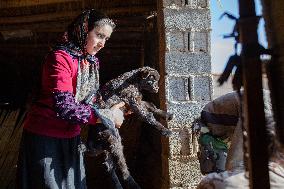
Asmar and his daughter Faezeh are carrying newborn lambs that are kept separate and away from the mother sheep. They are one of the Kurdish nomadic families of Kermanj who were forced to migrate from their homeland to these areas to protect the eastern borders of Iran, and during this period they lost many of their cultural characteristics and behaviors. They are animal husbandry now and still speak Kurdish, but the clothes they wear are no longer Kurdish and their behaviors have completely changed and most of them do not even know where their original birthplace was. Golestan, Iran, March 2, 2022. Photo by Younes Mohammad/Middle East Images/ABACAPRESS.COM

  •  
The Kurds of Khorasan - Iran

The Kurds of Khorasan - Iran

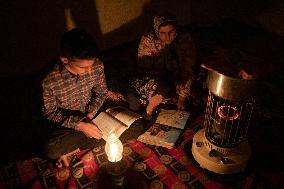
Ali, The Hadi's only son, with his youngest sister are studying their lessons inside their parents room using a lantern, because they don't have electricity. They are one of the Kurdish nomadic families of Kermanj who were forced to migrate from their homeland to these areas to protect the eastern borders of Iran, and during this period they lost many of their cultural characteristics and behaviors. They are animal husbandry now and still speak Kurdish, but the clothes they wear are no longer Kurdish and their behaviors have completely changed and most of them do not even know where their original birthplace was. Golestan, Iran, February 2, 2022. Photo by Younes Mohammad/Middle East Images/ABACAPRESS.COM

  •  
The Kurds of Khorasan - Iran

The Kurds of Khorasan - Iran

The two youngest Hadi's daughter are studying their lessons outside of their home because there is no enough light inside and they don't have electricity. They are one of the Kurdish nomadic families of Kermanj who were forced to migrate from their homeland to these areas to protect the eastern borders of Iran, and during this period they lost many of their cultural characteristics and behaviors. They are animal husbandry now and still speak Kurdish, but the clothes they wear are no longer Kurdish and their behaviors have completely changed and most of them do not even know where their original birthplace was. Golestan, Iran, February 2, 2022. Photo by Younes Mohammad/Middle East Images/ABACAPRESS.COM

  •  
The Kurds of Khorasan - Iran

The Kurds of Khorasan - Iran

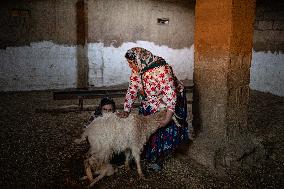
Asmar and her daughter Faezeh are breastfeeding a newborn lamb that are kept separate and away from the mother sheep. They are one of the Kurdish nomadic families of Kermanj who were forced to migrate from their homeland to these areas to protect the eastern borders of Iran, and during this period they lost many of their cultural characteristics and behaviors. They are animal husbandry now and still speak Kurdish, but the clothes they wear are no longer Kurdish and their behaviors have completely changed and most of them do not even know where their original birthplace was. Golestan, Iran, February 2, 2022. Photo by Younes Mohammad/Middle East Images/ABACAPRESS.COM

  •  
The Kurds of Khorasan - Iran

The Kurds of Khorasan - Iran

A view of the around Hadi's house that mother and lactating sheep are breastfeeding newborn lambs that are kept separate and away from the herd. They are one of the Kurdish nomadic families of Kermanj who were forced to migrate from their homeland to these areas to protect the eastern borders of Iran, and during this period they lost many of their cultural characteristics and behaviors. They are animal husbandry now and still speak Kurdish, but the clothes they wear are no longer Kurdish and their behaviors have completely changed and most of them do not even know where their original birthplace was. Golestan, Iran, February 2, 2022. Photo by Younes Mohammad/Middle East Images/ABACAPRESS.COM

  •  
The Kurds of Khorasan - Iran

The Kurds of Khorasan - Iran

Hadi's daughters are looking for mother and lactating sheep to breastfeeding newborn lambs that are kept separate and away from the herd. They are one of the Kurdish nomadic families of Kermanj who were forced to migrate from their homeland to these areas to protect the eastern borders of Iran, and during this period they lost many of their cultural characteristics and behaviors. They are animal husbandry now and still speak Kurdish, but the clothes they wear are no longer Kurdish and their behaviors have completely changed and most of them do not even know where their original birthplace was. Golestan, Iran, February 2, 2022. Photo by Younes Mohammad/Middle East Images/ABACAPRESS.COM

  •  
The Kurds of Khorasan - Iran

The Kurds of Khorasan - Iran

Hadi and his family are looking for mother and lactating sheep to breastfeeding newborn lambs that are kept separate and away from the herd. They are one of the Kurdish nomadic families of Kermanj who were forced to migrate from their homeland to these areas to protect the eastern borders of Iran, and during this period they lost many of their cultural characteristics and behaviors. They are animal husbandry now and still speak Kurdish, but the clothes they wear are no longer Kurdish and their behaviors have completely changed and most of them do not even know where their original birthplace was. Golestan, Iran, February 2, 2022. Photo by Younes Mohammad/Middle East Images/ABACAPRESS.COM

  •  
The Kurds of Khorasan - Iran

The Kurds of Khorasan - Iran

Hadi's family are looking for mother and lactating sheep to breastfeeding newborn lambs that are kept separate and away from the herd. They are one of the Kurdish nomadic families of Kermanj who were forced to migrate from their homeland to these areas to protect the eastern borders of Iran, and during this period they lost many of their cultural characteristics and behaviors. They are animal husbandry now and still speak Kurdish, but the clothes they wear are no longer Kurdish and their behaviors have completely changed and most of them do not even know where their original birthplace was. Golestan, Iran, February 2, 2022. Photo by Younes Mohammad/Middle East Images/ABACAPRESS.COM

  •  
The Kurds of Khorasan - Iran

The Kurds of Khorasan - Iran

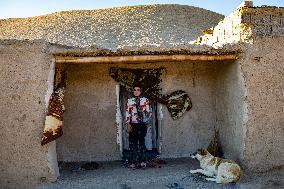
Faezeh, the Hadi's daughter, having Pitcher in her hands is coming out of the kitchen, which is also her and her sisters and brother bedroom. She was forced to stop going to school because of helping her parents with household chores. They are one of the Kurdish nomadic families of Kermanj who were forced to migrate from their homeland to these areas to protect the eastern borders of Iran, and during this period they lost many of their cultural characteristics and behaviors. They are animal husbandry now and still speak Kurdish, but the clothes they wear are no longer Kurdish and their behaviors have completely changed and most of them do not even know where their original birthplace was. Golestan, Iran, February 2, 2022. Photo by Younes Mohammad/Middle East Images/ABACAPRESS.COM

  •  
The Kurds of Khorasan - Iran

The Kurds of Khorasan - Iran

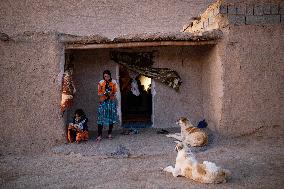
Hadi's wife, Asmar, comes out of the kitchen which is also their children's bedroom to feed the chickens, roosters and dogs. They are one of the Kurdish nomadic families of Kermanj who were forced to migrate from their homeland to these areas to protect the eastern borders of Iran, and during this period they lost many of their cultural characteristics and behaviors. They are animal husbandry now and still speak Kurdish, but the clothes they wear are no longer Kurdish and their behaviors have completely changed and most of them do not even know where their original birthplace was. Golestan, Iran, February 2, 2022. Photo by Younes Mohammad/Middle East Images/ABACAPRESS.COM

  •  
The Kurds of Khorasan - Iran

The Kurds of Khorasan - Iran

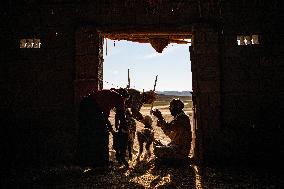
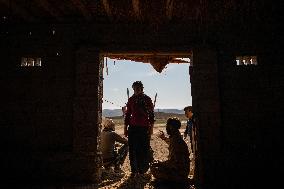
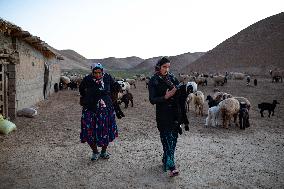
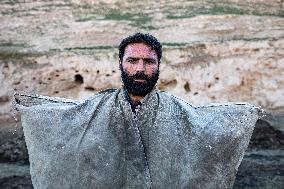
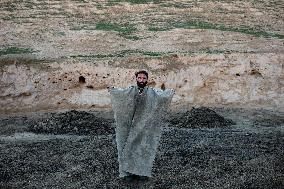
Mahdi, dressed in a special cloak, is standing in the sheep pen at night. Mahdi or another member of his family must sleep among the sheep at night to protect them, and for this purpose they have prepared special cloak to keep them warm. They are one of the Kurdish nomadic families of Kermanj who were forced to migrate from their homeland to these areas to protect the eastern borders of Iran, and during this period they lost many of their cultural characteristics and behaviors. They are animal husbandry now and still speak Kurdish, but the clothes they wear are no longer Kurdish and their behaviors have completely changed and most of them do not even know where their original birthplace was. Golestan, Iran, February 2, 2022. Photo by Younes Mohammad/Middle East Images/ABACAPRESS.COM

  •  
The Kurds of Khorasan - Iran

The Kurds of Khorasan - Iran

Mahdi, dressed in a special cloak, is standing in the sheep pen at night. Mahdi or another member of his family must sleep among the sheep at night to protect them, and for this purpose they have prepared special cloak to keep them warm. They are one of the Kurdish nomadic families of Kermanj who were forced to migrate from their homeland to these areas to protect the eastern borders of Iran, and during this period they lost many of their cultural characteristics and behaviors. They are animal husbandry now and still speak Kurdish, but the clothes they wear are no longer Kurdish and their behaviors have completely changed and most of them do not even know where their original birthplace was. Golestan, Iran, February 2, 2022. Photo by Younes Mohammad/Middle East Images/ABACAPRESS.COM

  •  
The Kurds of Khorasan - Iran

The Kurds of Khorasan - Iran

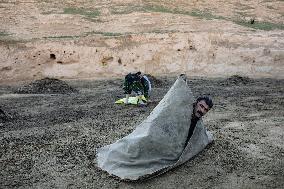
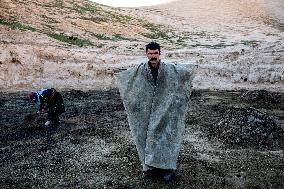
Hadi, dressed in a special cloak, is standing in the sheep pen at night while his mother is cleaning the place to get the herd back from grazing. Hadi or another member of his family must sleep among the sheep at night to protect them, and for this purpose they have prepared special cloak to keep them warm. They are one of the Kurdish nomadic families of Kermanj who were forced to migrate from their homeland to these areas to protect the eastern borders of Iran, and during this period they lost many of their cultural characteristics and behaviors. They are animal husbandry now and still speak Kurdish, but the clothes they wear are no longer Kurdish and their behaviors have completely changed and most of them do not even know where their original birthplace was. Golestan, Iran, February 2, 2022. Photo by Younes Mohammad/Middle East Images/ABACAPRESS.COM

  •  
The Kurds of Khorasan - Iran

The Kurds of Khorasan - Iran

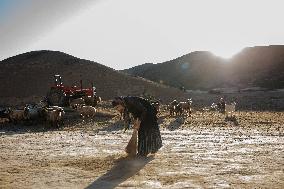
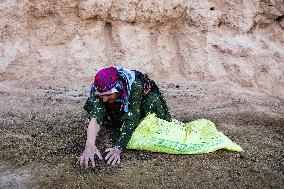
Hadi’s mother is cleaning the place to get the herd back from grazing. They are one of the Kurdish nomadic families of Kermanj who were forced to migrate from their homeland to these areas to protect the eastern borders of Iran, and during this period they lost many of their cultural characteristics and behaviors. They are animal husbandry now and still speak Kurdish, but the clothes they wear are no longer Kurdish and their behaviors have completely changed and most of them do not even know where their original birthplace was. Golestan, Iran, February 2, 2022. Photo by Younes Mohammad/Middle East Images/ABACAPRESS.COM

  •  
The Kurds of Khorasan - Iran

The Kurds of Khorasan - Iran

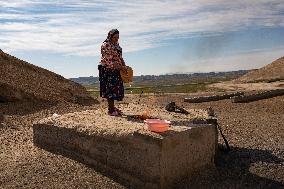
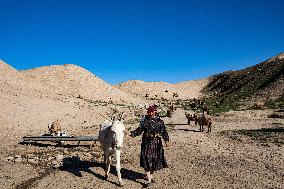
Hadi's mother is returning the donkey to the stable after watering the animals. They are one of the Kurdish nomadic families of Kermanj who were forced to migrate from their homeland to these areas to protect the eastern borders of Iran, and during this period they lost many of their cultural characteristics and behaviors. They are animal husbandry now and still speak Kurdish, but the clothes they wear are no longer Kurdish and their behaviors have completely changed and most of them do not even know where their original birthplace was. Golestan, Iran, February 2, 2022. Photo by Younes Mohammad/Middle East Images/ABACAPRESS.COM

  •  
The Kurds of Khorasan - Iran

The Kurds of Khorasan - Iran

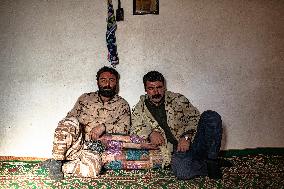
Hadi and his brother Mehdi are resting and talking after a busy and normal day at Hadi's house. They are one of the Kurdish nomadic families of Kermanj who were forced to migrate from their homeland to these areas to protect the eastern borders of Iran, and during this period they lost many of their cultural characteristics and behaviors. They are animal husbandry now and still speak Kurdish, but the clothes they wear are no longer Kurdish and their behaviors have completely changed and most of them do not even know where their original birthplace was. Golestan, Iran, February 2, 2022. Photo by Younes Mohammad/Middle East Images/ABACAPRESS.COM

  •  
The Kurds of Khorasan - Iran

The Kurds of Khorasan - Iran

Hadi, dressed in a special cloak, is standing in the sheep pen at night while his mother is cleaning the place to get the herd back from grazing. Hadi or another member of his family must sleep among the sheep at night to protect them, and for this purpose they have prepared special cloak to keep them warm. They are one of the Kurdish nomadic families of Kermanj who were forced to migrate from their homeland to these areas to protect the eastern borders of Iran, and during this period they lost many of their cultural characteristics and behaviors. They are animal husbandry now and still speak Kurdish, but the clothes they wear are no longer Kurdish and their behaviors have completely changed and most of them do not even know where their original birthplace was. Golestan, Iran, February 2, 2022. Photo by Younes Mohammad/Middle East Images/ABACAPRESS.COM

  •  
The Kurds of Khorasan - Iran

The Kurds of Khorasan - Iran

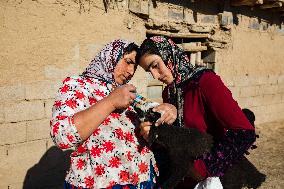
Faezeh with her two youngest sister are looking into screen of a phone together and having fun. They are one of the Kurdish nomadic families of Kermanj who were forced to migrate from their homeland to these areas to protect the eastern borders of Iran, and during this period they lost many of their cultural characteristics and behaviors. They are animal husbandry now and still speak Kurdish, but the clothes they wear are no longer Kurdish and their behaviors have completely changed and most of them do not even know where their original birthplace was. Golestan, Iran, February 2, 2022. Photo by Younes Mohammad/Middle East Images/ABACAPRESS.COM

  • Main
  • Top
  • Editorial
  • Creative
  • About Us
  • About ILG
  • Terms of use
  • Company
  • BEHIND
  • Price List
  • Single Plan
  • Monthly Plan
  • Services
  • Shooting
  • Rights Clearance
  • Support
  • FAQ
  • How To Buy
  • Contact Us
  • Become a Partner

© KYODO NEWS IMAGES INC

All Rights Reserved.

  • Editorial
  • Olympics
  • News
  • Sports
  • Japan
  • Tech
  • Royal
  • Disaster
  • NorthKorea
  • Old Japan
  • SNS
  • Creative
  • Food
  • Japan
  • Landscape
  • Animal
  • Popular
  • #Ukraine
  • #Thailand
  • #coronavirus
  • #N. Korea
  • #China
  • #Russia
  • #Ukraine
  • #Thailand
  • #coronavirus
  • #N. Korea
  • #China
  • #Russia
  • Food
  • Japan
  • Landscape
  • Animal
  • Olympics
  • News
  • Sports
  • Japan
  • Tech
  • Royal
  • Disaster
  • NorthKorea
  • Old Japan
  • SNS