•  
Wetlands Guard Bird Species from Plateau to Urban Landscape - China

Wetlands Guard Bird Species from Plateau to Urban Landscape - China

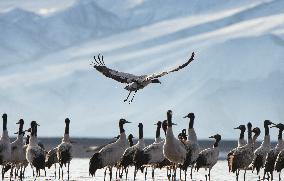
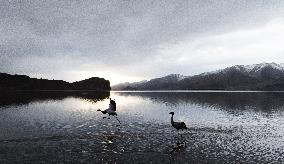
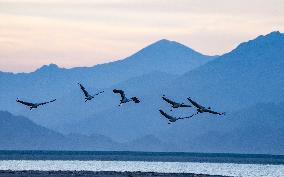
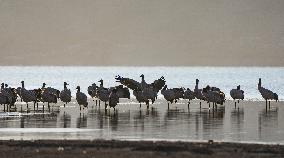
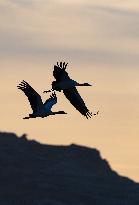
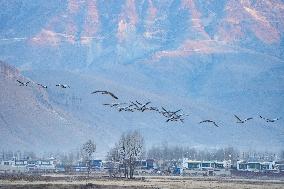
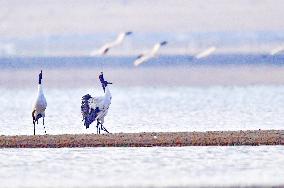
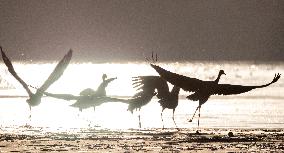
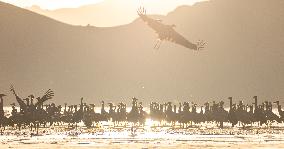
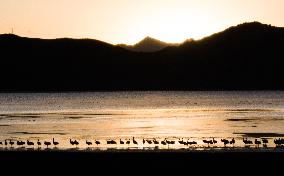
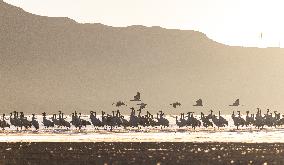
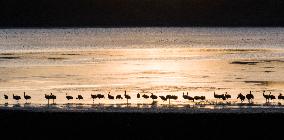
Black-necked cranes are seen at a reservoir in Lhunzhub County of Lhasa, southwest China's Xizang Autonomous Region, Feb. 20, 2025. As an important part of the world's ecosystem, wetland plays a huge role in many aspects including ecology, environment, economy and society. Known as an extra lung for Londoners, the London Wetland Centre is an urban ecological paradise transformed from industrial wasteland on the banks of the River Thames. The site was formerly four reservoirs operated by the Thames Water Company, which supplied drinking water to the southwest of London. The London Wetland Centre began construction in 1995 and was completed and opened to the public in 2000. Visitors to the centre can observe numerous endangered bird species, with over 200 species observed and recorded in the area, embodying a harmonious balance between urban life and nature. The unique geographical environment of Xizang nurtures distinct biological communities, housing many rare species. In efforts to protect the plateau's wild

  •  
Wetlands Guard Bird Species from Plateau to Urban Landscape - China

Wetlands Guard Bird Species from Plateau to Urban Landscape - China

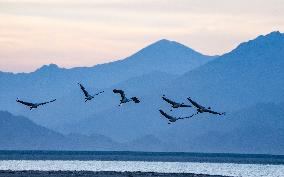
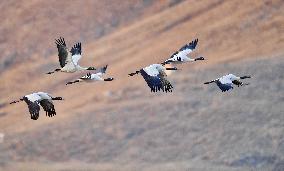
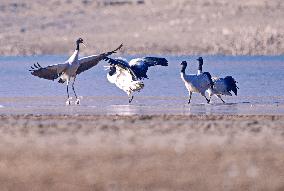
Black-necked cranes are seen at a reservoir in Lhunzhub County of Lhasa, southwest China's Xizang Autonomous Region, March 8, 2025. As an important part of the world's ecosystem, wetland plays a huge role in many aspects including ecology, environment, economy and society. Known as an extra lung for Londoners, the London Wetland Centre is an urban ecological paradise transformed from industrial wasteland on the banks of the River Thames. The site was formerly four reservoirs operated by the Thames Water Company, which supplied drinking water to the southwest of London. The London Wetland Centre began construction in 1995 and was completed and opened to the public in 2000. Visitors to the centre can observe numerous endangered bird species, with over 200 species observed and recorded in the area, embodying a harmonious balance between urban life and nature. The unique geographical environment of Xizang nurtures distinct biological communities, housing many rare species. In efforts to protect the plateau's wild

  •  
Spring Farming Ceremony - Lhasa

Spring Farming Ceremony - Lhasa

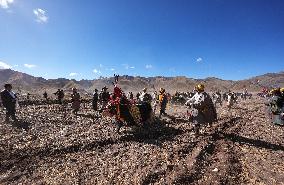
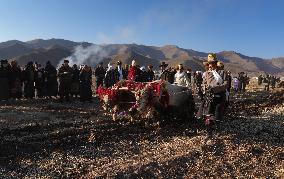
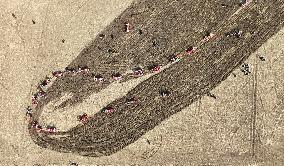
A drone photo taken on March 16, 2025 shows a ceremony marking the start of spring farming in Qangka Township, Lhunzhub County of Lhasa, southwest China's Xizang Autonomous Region. Ceremonies marking the start of spring farming were held across Xizang on Sunday. The ceremony holds great significance as it marks the beginning of a new year's farming season and serves as a prayer for favorable weather and bountiful harvests. It is considered an important ritual in the farming regions of Xizang. (Xinhua/Jigme Dorje)

  •  
Spring Farming Ceremony - Lhasa

Spring Farming Ceremony - Lhasa

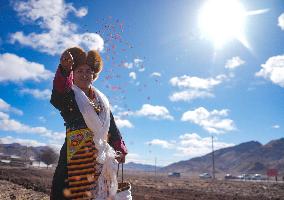
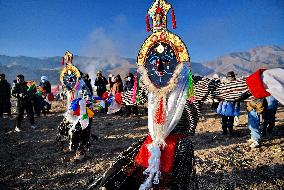
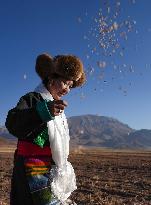
A farmer participates in a ceremony marking the start of spring farming in Codoi Township, Lhunzhub County of Lhasa, southwest China's Xizang Autonomous Region, March 16, 2025. Ceremonies marking the start of spring farming were held across Xizang on Sunday. The ceremony holds great significance as it marks the beginning of a new year's farming season and serves as a prayer for favorable weather and bountiful harvests. It is considered an important ritual in the farming regions of Xizang. (Xinhua/Jigme Dorje)

  •  
Spring Farming Ceremony - Lhasa

Spring Farming Ceremony - Lhasa

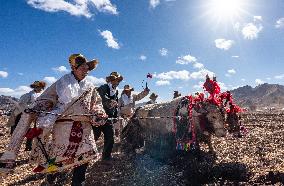
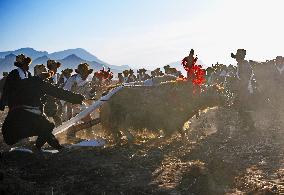
Farmers participate in a ceremony marking the start of spring farming in Codoi Township, Lhunzhub County of Lhasa, southwest China's Xizang Autonomous Region, March 16, 2025. Ceremonies marking the start of spring farming were held across Xizang on Sunday. The ceremony holds great significance as it marks the beginning of a new year's farming season and serves as a prayer for favorable weather and bountiful harvests. It is considered an important ritual in the farming regions of Xizang. (Xinhua/Jigme Dorje)

  •  
Spring Farming Ceremony - Lhasa

Spring Farming Ceremony - Lhasa

Farmers participate in a ceremony marking the start of spring farming in Codoi Township, Lhunzhub County of Lhasa, southwest China's Xizang Autonomous Region, March 16, 2025. Ceremonies marking the start of spring farming were held across Xizang on Sunday. The ceremony holds great significance as it marks the beginning of a new year's farming season and serves as a prayer for favorable weather and bountiful harvests. It is considered an important ritual in the farming regions of Xizang. Photo by Xinhua/Tenzin Nyida/ABACAPRESS.COM

  •  
Spring Farming Ceremony - Lhasa

Spring Farming Ceremony - Lhasa

Farmers participate in a ceremony marking the start of spring farming in Codoi Township, Lhunzhub County of Lhasa, southwest China's Xizang Autonomous Region, March 16, 2025. Ceremonies marking the start of spring farming were held across Xizang on Sunday. The ceremony holds great significance as it marks the beginning of a new year's farming season and serves as a prayer for favorable weather and bountiful harvests. It is considered an important ritual in the farming regions of Xizang. Photo by Xinhua/Tenzin Nyida/ABACAPRESS.COM

  •  
Spring Farming Ceremony - Lhasa

Spring Farming Ceremony - Lhasa

Farmers participate in a ceremony marking the start of spring farming in Codoi Township, Lhunzhub County of Lhasa, southwest China's Xizang Autonomous Region, March 16, 2025. Ceremonies marking the start of spring farming were held across Xizang on Sunday. The ceremony holds great significance as it marks the beginning of a new year's farming season and serves as a prayer for favorable weather and bountiful harvests. It is considered an important ritual in the farming regions of Xizang. (Xinhua/Jigme Dorje)

  •  
Spring Farming Ceremony - Lhasa

Spring Farming Ceremony - Lhasa

Farmers participate in a ceremony marking the start of spring farming in Codoi Township, Lhunzhub County of Lhasa, southwest China's Xizang Autonomous Region, March 16, 2025. Ceremonies marking the start of spring farming were held across Xizang on Sunday. The ceremony holds great significance as it marks the beginning of a new year's farming season and serves as a prayer for favorable weather and bountiful harvests. It is considered an important ritual in the farming regions of Xizang. Photo by Xinhua/Tenzin Nyida/ABACAPRESS.COM

  •  
Black-necked cranes - Lhasa

Black-necked cranes - Lhasa

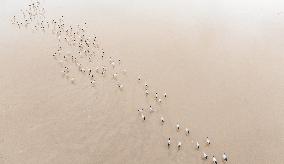
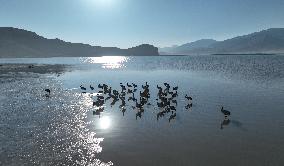
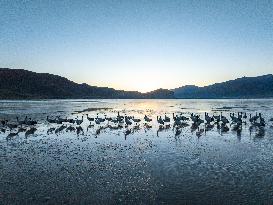
An aerial drone photo taken on March 8, 2025 shows a flock of black-necked cranes overwintering at a reservoir in Lhunzhub County of Lhasa, southwest China's Xizang Autonomous Region. Photo by Xinhua/Tenzin Nyida/ABACAPRESS.COM

  •  
Black-necked cranes - Lhasa

Black-necked cranes - Lhasa

A drone photo taken on March 8, 2025 shows a flock of black-necked cranes overwintering at a reservoir in Lhunzhub County of Lhasa, southwest China's Xizang Autonomous Region. Photo by Xinhua/Tenzin Nyida/ABACAPRESS.COM

  •  
Black-necked cranes - Lhasa

Black-necked cranes - Lhasa

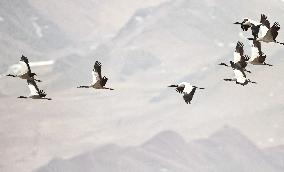
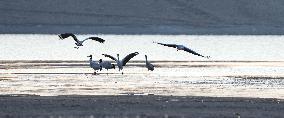
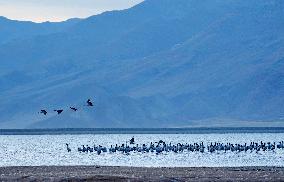
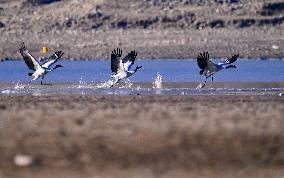
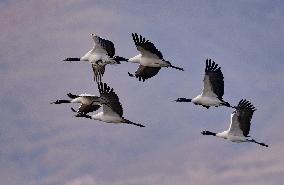
Black-necked cranes fly over a reservoir in Lhunzhub County of Lhasa, southwest China's Xizang Autonomous Region, March 8, 2025. Photo by Xinhua/Jiang Fan/ABACAPRESS.COM

  •  
Black-necked cranes - Lhasa

Black-necked cranes - Lhasa

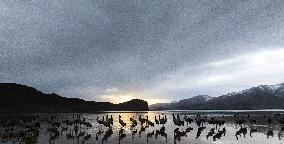
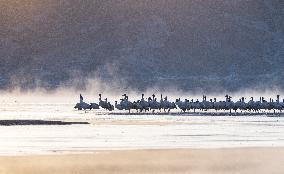
A flock of black-necked cranes overwinters at a reservoir in Lhunzhub County of Lhasa, southwest China's Xizang Autonomous Region, March 8, 2025. Photo by Xinhua/Jiang Fan/ABACAPRESS.COM

  •  
Black-necked cranes - Lhasa

Black-necked cranes - Lhasa

A flock of black-necked cranes overwinters at a reservoir in Lhunzhub County of Lhasa, southwest China's Xizang Autonomous Region, March 8, 2025. Photo by Xinhua/Tenzin Nyida/ABACAPRESS.COM

  •  
(InXizang)CHINA-XIZANG-FORMER SERF-NEW LIFE-KELSANG YUDRON (CN)

(InXizang)CHINA-XIZANG-FORMER SERF-NEW LIFE-KELSANG YUDRON (CN)

(240405) -- LHASA, April 5, 2024 (Xinhua) -- Kelsang Yudron washes apples at home in Lhasa, southwest China's Xizang Autonomous Region, April 3, 2024. Kelsang Yudron was born in 1947 in what is now Lhunzhub County, located in Lhasa City. Her family of eight lived in a cramped mud house of around 30 square meters. With no decent furniture, they slept on a humble bed made of mud bricks and covered with thick hays and blankets. They toiled from dawn till midnight, working in the fields and tending to livestock for their feudal lords. Hunger and discomfort plagued them at night. Hard labor and poor nutrition often led to illness for many serfs. In 1959, the democratic reform in Xizang liberated around one million serfs, including Kelsang Yudron's family. In 1960, she seized the opportunity to study nursing in Xianyang, northwest China's Shaanxi Province. Having completed her education in six years, she returned to her hometown afterward and dedicated over three decades to saving lives. Upon retirement, Kelsan

  •  
(InXizang)CHINA-XIZANG-FORMER SERF-NEW LIFE-KELSANG YUDRON (CN)

(InXizang)CHINA-XIZANG-FORMER SERF-NEW LIFE-KELSANG YUDRON (CN)

(240405) -- LHASA, April 5, 2024 (Xinhua) -- Kelsang Yudron (C) chats with her friends at a tea house in Lhasa, southwest China's Xizang Autonomous Region, April 3, 2024. Kelsang Yudron was born in 1947 in what is now Lhunzhub County, located in Lhasa City. Her family of eight lived in a cramped mud house of around 30 square meters. With no decent furniture, they slept on a humble bed made of mud bricks and covered with thick hays and blankets. They toiled from dawn till midnight, working in the fields and tending to livestock for their feudal lords. Hunger and discomfort plagued them at night. Hard labor and poor nutrition often led to illness for many serfs. In 1959, the democratic reform in Xizang liberated around one million serfs, including Kelsang Yudron's family. In 1960, she seized the opportunity to study nursing in Xianyang, northwest China's Shaanxi Province. Having completed her education in six years, she returned to her hometown afterward and dedicated over three decades to saving lives. Upo

  •  
(InXizang)CHINA-XIZANG-FORMER SERF-NEW LIFE-KELSANG YUDRON (CN)

(InXizang)CHINA-XIZANG-FORMER SERF-NEW LIFE-KELSANG YUDRON (CN)

(240405) -- LHASA, April 5, 2024 (Xinhua) -- Kelsang Yudron makes a phone call at home in Lhasa, southwest China's Xizang Autonomous Region, April 3, 2024. Kelsang Yudron was born in 1947 in what is now Lhunzhub County, located in Lhasa City. Her family of eight lived in a cramped mud house of around 30 square meters. With no decent furniture, they slept on a humble bed made of mud bricks and covered with thick hays and blankets. They toiled from dawn till midnight, working in the fields and tending to livestock for their feudal lords. Hunger and discomfort plagued them at night. Hard labor and poor nutrition often led to illness for many serfs. In 1959, the democratic reform in Xizang liberated around one million serfs, including Kelsang Yudron's family. In 1960, she seized the opportunity to study nursing in Xianyang, northwest China's Shaanxi Province. Having completed her education in six years, she returned to her hometown afterward and dedicated over three decades to saving lives. Upon retirement, K

  •  
(InXizang)CHINA-XIZANG-FORMER SERF-NEW LIFE-KELSANG YUDRON (CN)

(InXizang)CHINA-XIZANG-FORMER SERF-NEW LIFE-KELSANG YUDRON (CN)

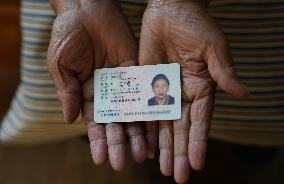
(240405) -- LHASA, April 5, 2024 (Xinhua) -- Kelsang Yudron presents her ID card in Lhasa, southwest China's Xizang Autonomous Region, April 3, 2024. Kelsang Yudron was born in 1947 in what is now Lhunzhub County, located in Lhasa City. Her family of eight lived in a cramped mud house of around 30 square meters. With no decent furniture, they slept on a humble bed made of mud bricks and covered with thick hays and blankets. They toiled from dawn till midnight, working in the fields and tending to livestock for their feudal lords. Hunger and discomfort plagued them at night. Hard labor and poor nutrition often led to illness for many serfs. In 1959, the democratic reform in Xizang liberated around one million serfs, including Kelsang Yudron's family. In 1960, she seized the opportunity to study nursing in Xianyang, northwest China's Shaanxi Province. Having completed her education in six years, she returned to her hometown afterward and dedicated over three decades to saving lives. Upon retirement, Kelsang

  •  
(InXizang)CHINA-XIZANG-FORMER SERF-NEW LIFE-KELSANG YUDRON (CN)

(InXizang)CHINA-XIZANG-FORMER SERF-NEW LIFE-KELSANG YUDRON (CN)

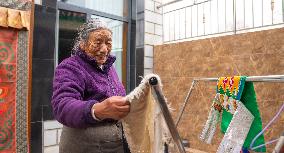
(240405) -- LHASA, April 5, 2024 (Xinhua) -- Kelsang Yudron airs clothes at home in Lhasa, southwest China's Xizang Autonomous Region, April 3, 2024. Kelsang Yudron was born in 1947 in what is now Lhunzhub County, located in Lhasa City. Her family of eight lived in a cramped mud house of around 30 square meters. With no decent furniture, they slept on a humble bed made of mud bricks and covered with thick hays and blankets. They toiled from dawn till midnight, working in the fields and tending to livestock for their feudal lords. Hunger and discomfort plagued them at night. Hard labor and poor nutrition often led to illness for many serfs. In 1959, the democratic reform in Xizang liberated around one million serfs, including Kelsang Yudron's family. In 1960, she seized the opportunity to study nursing in Xianyang, northwest China's Shaanxi Province. Having completed her education in six years, she returned to her hometown afterward and dedicated over three decades to saving lives. Upon retirement, Kelsang

  •  
(InXizang)CHINA-XIZANG-FORMER SERF-NEW LIFE-KELSANG YUDRON (CN)

(InXizang)CHINA-XIZANG-FORMER SERF-NEW LIFE-KELSANG YUDRON (CN)

(240405) -- LHASA, April 5, 2024 (Xinhua) -- Kelsang Yudron boils some water at home in Lhasa, southwest China's Xizang Autonomous Region, April 3, 2024. Kelsang Yudron was born in 1947 in what is now Lhunzhub County, located in Lhasa City. Her family of eight lived in a cramped mud house of around 30 square meters. With no decent furniture, they slept on a humble bed made of mud bricks and covered with thick hays and blankets. They toiled from dawn till midnight, working in the fields and tending to livestock for their feudal lords. Hunger and discomfort plagued them at night. Hard labor and poor nutrition often led to illness for many serfs. In 1959, the democratic reform in Xizang liberated around one million serfs, including Kelsang Yudron's family. In 1960, she seized the opportunity to study nursing in Xianyang, northwest China's Shaanxi Province. Having completed her education in six years, she returned to her hometown afterward and dedicated over three decades to saving lives. Upon retirement, Kel

  •  
(InXizang)CHINA-XIZANG-FORMER SERF-NEW LIFE-KELSANG YUDRON (CN)

(InXizang)CHINA-XIZANG-FORMER SERF-NEW LIFE-KELSANG YUDRON (CN)

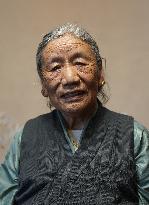
(240405) -- LHASA, April 5, 2024 (Xinhua) -- This photo taken on April 3, 2024 shows a portrait of Kelsang Yudron in Lhasa, southwest China's Xizang Autonomous Region. Kelsang Yudron was born in 1947 in what is now Lhunzhub County, located in Lhasa City. Her family of eight lived in a cramped mud house of around 30 square meters. With no decent furniture, they slept on a humble bed made of mud bricks and covered with thick hays and blankets. They toiled from dawn till midnight, working in the fields and tending to livestock for their feudal lords. Hunger and discomfort plagued them at night. Hard labor and poor nutrition often led to illness for many serfs. In 1959, the democratic reform in Xizang liberated around one million serfs, including Kelsang Yudron's family. In 1960, she seized the opportunity to study nursing in Xianyang, northwest China's Shaanxi Province. Having completed her education in six years, she returned to her hometown afterward and dedicated over three decades to saving lives. Upon r

  •  
XINHUA PHOTOS OF THE DAY

XINHUA PHOTOS OF THE DAY

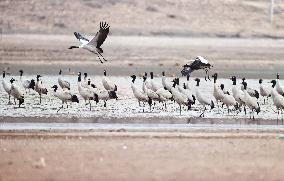
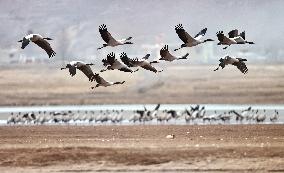
(240320) -- BEIJING, March 20, 2024 (Xinhua) -- Black-necked cranes fly at a reservoir in Lhunzhub County of Lhasa, southwest China's Xizang Autonomous Region, March 17, 2024. As the temperature gradually rises, black-necked cranes have started their migration from the reservoir in Lhunzhub County. The black-necked crane, a species under first-class state protection in China, mainly inhabits plateau meadows and marshes at an altitude of 2,500 to 5,000 meters. (Xinhua/Jigme Dorje)

  •  
CHINA-XIZANG-BLACK-NECKED CRANES (CN)

CHINA-XIZANG-BLACK-NECKED CRANES (CN)

(240319) -- LHASA, March 19, 2024 (Xinhua) -- Black-necked cranes fly at a reservoir in Lhunzhub County of Lhasa, southwest China's Xizang Autonomous Region, March 17, 2024. As the temperature gradually rises, black-necked cranes have started their migration from the reservoir in Lhunzhub County. The black-necked crane, a species under first-class state protection in China, mainly inhabits plateau meadows and marshes at an altitude of 2,500 to 5,000 meters. (Xinhua/Jigme Dorje)

  •  
CHINA-XIZANG-BLACK-NECKED CRANES (CN)

CHINA-XIZANG-BLACK-NECKED CRANES (CN)

(240319) -- LHASA, March 19, 2024 (Xinhua) -- Black-necked cranes are seen at a reservoir in Lhunzhub County of Lhasa, southwest China's Xizang Autonomous Region, March 17, 2024. As the temperature gradually rises, black-necked cranes have started their migration from the reservoir in Lhunzhub County. The black-necked crane, a species under first-class state protection in China, mainly inhabits plateau meadows and marshes at an altitude of 2,500 to 5,000 meters. (Xinhua/Jigme Dorje)

  •  
CHINA-XIZANG-BLACK-NECKED CRANES (CN)

CHINA-XIZANG-BLACK-NECKED CRANES (CN)

(240319) -- LHASA, March 19, 2024 (Xinhua) -- Black-necked cranes fly at a reservoir in Lhunzhub County of Lhasa, southwest China's Xizang Autonomous Region, March 17, 2024. As the temperature gradually rises, black-necked cranes have started their migration from the reservoir in Lhunzhub County. The black-necked crane, a species under first-class state protection in China, mainly inhabits plateau meadows and marshes at an altitude of 2,500 to 5,000 meters. (Xinhua/Zhang Rufeng)

  •  
CHINA-XIZANG-BLACK-NECKED CRANES (CN)

CHINA-XIZANG-BLACK-NECKED CRANES (CN)

(240319) -- LHASA, March 19, 2024 (Xinhua) -- Black-necked cranes are seen at a reservoir in Lhunzhub County of Lhasa, southwest China's Xizang Autonomous Region, March 17, 2024. As the temperature gradually rises, black-necked cranes have started their migration from the reservoir in Lhunzhub County. The black-necked crane, a species under first-class state protection in China, mainly inhabits plateau meadows and marshes at an altitude of 2,500 to 5,000 meters. (Xinhua/Jigme Dorje)

  •  
CHINA-XIZANG-BLACK-NECKED CRANES (CN)

CHINA-XIZANG-BLACK-NECKED CRANES (CN)

(240319) -- LHASA, March 19, 2024 (Xinhua) -- Black-necked cranes are seen at a reservoir in Lhunzhub County of Lhasa, southwest China's Xizang Autonomous Region, March 17, 2024. As the temperature gradually rises, black-necked cranes have started their migration from the reservoir in Lhunzhub County. The black-necked crane, a species under first-class state protection in China, mainly inhabits plateau meadows and marshes at an altitude of 2,500 to 5,000 meters. (Xinhua/Jigme Dorje)

  •  
CHINA-XIZANG-BLACK-NECKED CRANES (CN)

CHINA-XIZANG-BLACK-NECKED CRANES (CN)

(240319) -- LHASA, March 19, 2024 (Xinhua) -- Black-necked cranes are seen at a reservoir in Lhunzhub County of Lhasa, southwest China's Xizang Autonomous Region, March 17, 2024. As the temperature gradually rises, black-necked cranes have started their migration from the reservoir in Lhunzhub County. The black-necked crane, a species under first-class state protection in China, mainly inhabits plateau meadows and marshes at an altitude of 2,500 to 5,000 meters. (Xinhua/Zhang Rufeng)

  •  
CHINA-XIZANG-BLACK-NECKED CRANES (CN)

CHINA-XIZANG-BLACK-NECKED CRANES (CN)

(240319) -- LHASA, March 19, 2024 (Xinhua) -- Black-necked cranes fly at a reservoir in Lhunzhub County of Lhasa, southwest China's Xizang Autonomous Region, March 17, 2024. As the temperature gradually rises, black-necked cranes have started their migration from the reservoir in Lhunzhub County. The black-necked crane, a species under first-class state protection in China, mainly inhabits plateau meadows and marshes at an altitude of 2,500 to 5,000 meters. (Xinhua/Zhang Rufeng)

  •  
CHINA-XIZANG-BLACK-NECKED CRANES (CN)

CHINA-XIZANG-BLACK-NECKED CRANES (CN)

(240319) -- LHASA, March 19, 2024 (Xinhua) -- Black-necked cranes fly at a reservoir in Lhunzhub County of Lhasa, southwest China's Xizang Autonomous Region, March 17, 2024. As the temperature gradually rises, black-necked cranes have started their migration from the reservoir in Lhunzhub County. The black-necked crane, a species under first-class state protection in China, mainly inhabits plateau meadows and marshes at an altitude of 2,500 to 5,000 meters. (Xinhua/Jigme Dorje)

  •  
CHINA-XIZANG-BLACK-NECKED CRANES (CN)

CHINA-XIZANG-BLACK-NECKED CRANES (CN)

(240319) -- LHASA, March 19, 2024 (Xinhua) -- Black-necked cranes fly at a reservoir in Lhunzhub County of Lhasa, southwest China's Xizang Autonomous Region, March 17, 2024. As the temperature gradually rises, black-necked cranes have started their migration from the reservoir in Lhunzhub County. The black-necked crane, a species under first-class state protection in China, mainly inhabits plateau meadows and marshes at an altitude of 2,500 to 5,000 meters. (Xinhua/Zhang Rufeng)

  •  
CHINA-XIZANG-BLACK-NECKED CRANES (CN)

CHINA-XIZANG-BLACK-NECKED CRANES (CN)

(240319) -- LHASA, March 19, 2024 (Xinhua) -- Black-necked cranes fly at a reservoir in Lhunzhub County of Lhasa, southwest China's Xizang Autonomous Region, March 17, 2024. As the temperature gradually rises, black-necked cranes have started their migration from the reservoir in Lhunzhub County. The black-necked crane, a species under first-class state protection in China, mainly inhabits plateau meadows and marshes at an altitude of 2,500 to 5,000 meters. (Xinhua/Jigme Dorje)

  •  
CHINA-XIZANG-BLACK-NECKED CRANES (CN)

CHINA-XIZANG-BLACK-NECKED CRANES (CN)

(240319) -- LHASA, March 19, 2024 (Xinhua) -- Black-necked cranes are seen at a reservoir in Lhunzhub County of Lhasa, southwest China's Xizang Autonomous Region, March 17, 2024. As the temperature gradually rises, black-necked cranes have started their migration from the reservoir in Lhunzhub County. The black-necked crane, a species under first-class state protection in China, mainly inhabits plateau meadows and marshes at an altitude of 2,500 to 5,000 meters. (Xinhua/Zhang Rufeng)

  •  
CHINA-XIZANG-BLACK-NECKED CRANES (CN)

CHINA-XIZANG-BLACK-NECKED CRANES (CN)

(240319) -- LHASA, March 19, 2024 (Xinhua) -- Black-necked cranes are seen at a reservoir in Lhunzhub County of Lhasa, southwest China's Xizang Autonomous Region, March 17, 2024. As the temperature gradually rises, black-necked cranes have started their migration from the reservoir in Lhunzhub County. The black-necked crane, a species under first-class state protection in China, mainly inhabits plateau meadows and marshes at an altitude of 2,500 to 5,000 meters. (Xinhua/Zhang Rufeng)

  •  
CHINA-XIZANG-BLACK-NECKED CRANES (CN)

CHINA-XIZANG-BLACK-NECKED CRANES (CN)

(240319) -- LHASA, March 19, 2024 (Xinhua) -- Black-necked cranes are seen at a reservoir in Lhunzhub County of Lhasa, southwest China's Xizang Autonomous Region, March 17, 2024. As the temperature gradually rises, black-necked cranes have started their migration from the reservoir in Lhunzhub County. The black-necked crane, a species under first-class state protection in China, mainly inhabits plateau meadows and marshes at an altitude of 2,500 to 5,000 meters. (Xinhua/Zhang Rufeng)

  •  
CHINA-XIZANG-BLACK-NECKED CRANES (CN)

CHINA-XIZANG-BLACK-NECKED CRANES (CN)

(240319) -- LHASA, March 19, 2024 (Xinhua) -- Black-necked cranes fly at a reservoir in Lhunzhub County of Lhasa, southwest China's Xizang Autonomous Region, March 17, 2024. As the temperature gradually rises, black-necked cranes have started their migration from the reservoir in Lhunzhub County. The black-necked crane, a species under first-class state protection in China, mainly inhabits plateau meadows and marshes at an altitude of 2,500 to 5,000 meters. (Xinhua/Zhang Rufeng)

  •  
(InXizang)CHINA-XIZANG-SPRING FARMING (CN)

(InXizang)CHINA-XIZANG-SPRING FARMING (CN)

(240316) -- LHASA, March 16, 2024 (Xinhua) -- Farmers participate in a ceremony marking the start of spring farming in Codoi Town in Lhunzhub County of Lhasa, southwest China's Xizang Autonomous Region, March 16, 2024. Ceremonies marking the start of spring farming were held in Xizang on Saturday during which farmers held "chema" (a wooden box filled with colorful grains and barley flour, symbolizing good luck and prosperity in Tibetan culture), sang songs, and toasted each other with barley wine. The ceremony holds great significance as it marks the beginning of a new year's farming season and serves as a prayer for favorable weather and bountiful harvests. It is considered an important ritual in the farming regions of Xizang. (Xinhua/Jigme Dorje)

  •  
(InXizang)CHINA-XIZANG-SPRING FARMING (CN)

(InXizang)CHINA-XIZANG-SPRING FARMING (CN)

(240316) -- LHASA, March 16, 2024 (Xinhua) -- Farmers perform traditional opera during a ceremony marking the start of spring farming in Codoi Town in Lhunzhub County of Lhasa, southwest China's Xizang Autonomous Region, March 16, 2024. Ceremonies marking the start of spring farming were held in Xizang on Saturday during which farmers held "chema" (a wooden box filled with colorful grains and barley flour, symbolizing good luck and prosperity in Tibetan culture), sang songs, and toasted each other with barley wine. The ceremony holds great significance as it marks the beginning of a new year's farming season and serves as a prayer for favorable weather and bountiful harvests. It is considered an important ritual in the farming regions of Xizang. (Xinhua/Zhang Rufeng)

  •  
(InXizang)CHINA-XIZANG-SPRING FARMING (CN)

(InXizang)CHINA-XIZANG-SPRING FARMING (CN)

(240316) -- LHASA, March 16, 2024 (Xinhua) -- Farmers participate in a ceremony marking the start of spring farming in Codoi Town in Lhunzhub County of Lhasa, southwest China's Xizang Autonomous Region, March 16, 2024. Ceremonies marking the start of spring farming were held in Xizang on Saturday during which farmers held "chema" (a wooden box filled with colorful grains and barley flour, symbolizing good luck and prosperity in Tibetan culture), sang songs, and toasted each other with barley wine. The ceremony holds great significance as it marks the beginning of a new year's farming season and serves as a prayer for favorable weather and bountiful harvests. It is considered an important ritual in the farming regions of Xizang. (Xinhua/Zhang Rufeng)

  •  
(InXizang)CHINA-XIZANG-SPRING FARMING (CN)

(InXizang)CHINA-XIZANG-SPRING FARMING (CN)

(240316) -- LHASA, March 16, 2024 (Xinhua) -- An aerial drone photo taken on March 16, 2024 shows people participating in a ceremony marking the start of spring farming in Qangka of Lhunzhub County of Lhasa, southwest China's Xizang Autonomous Region. Ceremonies marking the start of spring farming were held in Xizang on Saturday during which farmers held "chema" (a wooden box filled with colorful grains and barley flour, symbolizing good luck and prosperity in Tibetan culture), sang songs, and toasted each other with barley wine. The ceremony holds great significance as it marks the beginning of a new year's farming season and serves as a prayer for favorable weather and bountiful harvests. It is considered an important ritual in the farming regions of Xizang. (Xinhua/Jigme Dorje)

  •  
(InXizang)CHINA-XIZANG-SPRING FARMING (CN)

(InXizang)CHINA-XIZANG-SPRING FARMING (CN)

(240316) -- LHASA, March 16, 2024 (Xinhua) -- A farmer participates in a ceremony marking the start of spring farming in Codoi Town in Lhunzhub County of Lhasa, southwest China's Xizang Autonomous Region, March 16, 2024. Ceremonies marking the start of spring farming were held in Xizang on Saturday during which farmers held "chema" (a wooden box filled with colorful grains and barley flour, symbolizing good luck and prosperity in Tibetan culture), sang songs, and toasted each other with barley wine. The ceremony holds great significance as it marks the beginning of a new year's farming season and serves as a prayer for favorable weather and bountiful harvests. It is considered an important ritual in the farming regions of Xizang. (Xinhua/Jigme Dorje)

  •  
XINHUA PHOTOS OF THE DAY

XINHUA PHOTOS OF THE DAY

(231231) -- BEIJING, Dec. 31, 2023 (Xinhua) -- This photo taken on Dec. 30, 2023 shows black-necked cranes at a reservoir in Lhunzhub County of Lhasa, southwest China's Xizang Autonomous Region. With the average altitude reaching around 4,200 meters, Lhunzhub County is one of the main habitats for black-necked cranes to spend winter. (Photo by Tenzin Nyida/Xinhua)

  •  
CHINA-XIZANG-LHASA-BLACK-NECKED CRANES (CN)

CHINA-XIZANG-LHASA-BLACK-NECKED CRANES (CN)

(231230) -- LHASA, Dec. 30, 2023 (Xinhua) -- This photo taken on Dec. 30, 2023 shows black-necked cranes at a reservoir in Lhunzhub County of Lhasa, southwest China's Xizang Autonomous Region. With the average altitude reaching around 4,200 meters, Lhunzhub County is one of the main habitats for black-necked cranes to spend winter. (Photo by Tenzin Nyida/Xinhua)

  •  
CHINA-XIZANG-LHASA-BLACK-NECKED CRANES (CN)

CHINA-XIZANG-LHASA-BLACK-NECKED CRANES (CN)

(231230) -- LHASA, Dec. 30, 2023 (Xinhua) -- This photo taken on Dec. 30, 2023 shows black-necked cranes at a reservoir in Lhunzhub County of Lhasa, southwest China's Xizang Autonomous Region. With the average altitude reaching around 4,200 meters, Lhunzhub County is one of the main habitats for black-necked cranes to spend winter. (Photo by Tenzin Nyida/Xinhua)

  •  
CHINA-XIZANG-LHASA-BLACK-NECKED CRANES (CN)

CHINA-XIZANG-LHASA-BLACK-NECKED CRANES (CN)

(231230) -- LHASA, Dec. 30, 2023 (Xinhua) -- This photo taken on Dec. 30, 2023 shows black-necked cranes at a reservoir in Lhunzhub County of Lhasa, southwest China's Xizang Autonomous Region. With the average altitude reaching around 4,200 meters, Lhunzhub County is one of the main habitats for black-necked cranes to spend winter. (Photo by Tenzin Nyida/Xinhua)

  •  
CHINA-XIZANG-LHASA-BLACK-NECKED CRANES (CN)

CHINA-XIZANG-LHASA-BLACK-NECKED CRANES (CN)

(231230) -- LHASA, Dec. 30, 2023 (Xinhua) -- This photo taken on Dec. 30, 2023 shows black-necked cranes at a reservoir in Lhunzhub County of Lhasa, southwest China's Xizang Autonomous Region. With the average altitude reaching around 4,200 meters, Lhunzhub County is one of the main habitats for black-necked cranes to spend winter. (Photo by Tenzin Nyida/Xinhua)

  •  
CHINA-XIZANG-LHASA-BLACK-NECKED CRANES (CN)

CHINA-XIZANG-LHASA-BLACK-NECKED CRANES (CN)

(231230) -- LHASA, Dec. 30, 2023 (Xinhua) -- This photo taken on Dec. 30, 2023 shows black-necked cranes at a reservoir in Lhunzhub County of Lhasa, southwest China's Xizang Autonomous Region. With the average altitude reaching around 4,200 meters, Lhunzhub County is one of the main habitats for black-necked cranes to spend winter. (Photo by Tenzin Nyida/Xinhua)

  •  
CHINA-XIZANG-LHASA-BLACK-NECKED CRANES (CN)

CHINA-XIZANG-LHASA-BLACK-NECKED CRANES (CN)

(231230) -- LHASA, Dec. 30, 2023 (Xinhua) -- This photo taken on Dec. 30, 2023 shows black-necked cranes at a reservoir in Lhunzhub County of Lhasa, southwest China's Xizang Autonomous Region. With the average altitude reaching around 4,200 meters, Lhunzhub County is one of the main habitats for black-necked cranes to spend winter. (Photo by Tenzin Nyida/Xinhua)

  •  
CHINA-XIZANG-LHASA-BLACK-NECKED CRANES (CN)

CHINA-XIZANG-LHASA-BLACK-NECKED CRANES (CN)

(231230) -- LHASA, Dec. 30, 2023 (Xinhua) -- This photo taken on Dec. 30, 2023 shows black-necked cranes at a reservoir in Lhunzhub County of Lhasa, southwest China's Xizang Autonomous Region. With the average altitude reaching around 4,200 meters, Lhunzhub County is one of the main habitats for black-necked cranes to spend winter. (Photo by Tenzin Nyida/Xinhua)

  •  
CHINA-XIZANG-LHASA-BLACK-NECKED CRANES (CN)

CHINA-XIZANG-LHASA-BLACK-NECKED CRANES (CN)

(231230) -- LHASA, Dec. 30, 2023 (Xinhua) -- This photo taken on Dec. 30, 2023 shows black-necked cranes at a reservoir in Lhunzhub County of Lhasa, southwest China's Xizang Autonomous Region. With the average altitude reaching around 4,200 meters, Lhunzhub County is one of the main habitats for black-necked cranes to spend winter. (Photo by Tenzin Nyida/Xinhua)

  • Main
  • Top
  • Editorial
  • Creative
  • About Us
  • About ILG
  • Terms of use
  • Company
  • BEHIND
  • Price List
  • Single Plan
  • Monthly Plan
  • Services
  • Shooting
  • Rights Clearance
  • Support
  • FAQ
  • How To Buy
  • Contact Us
  • Become a Partner

© KYODO NEWS IMAGES INC

All Rights Reserved.

  • Editorial
  • Olympics
  • News
  • Sports
  • Japan
  • Tech
  • Royal
  • Disaster
  • NorthKorea
  • Old Japan
  • SNS
  • Creative
  • Food
  • Japan
  • Landscape
  • Animal
  • Popular
  • #Ukraine
  • #Russia
  • #coronavirus
  • #N. Korea
  • #Thailand
  • #China
  • #Ukraine
  • #Russia
  • #coronavirus
  • #N. Korea
  • #Thailand
  • #China
  • Food
  • Japan
  • Landscape
  • Animal
  • Olympics
  • News
  • Sports
  • Japan
  • Tech
  • Royal
  • Disaster
  • NorthKorea
  • Old Japan
  • SNS