•  
Rainbow Watermelons

Rainbow Watermelons

YICHANG, CHINA - JUNE 15, 2024 - Rainbow watermelons are on sale in Yichang, Hubei province, China, June 15, 2024. Rainbow watermelon melon flesh color is special, red orange, cream and yellow, cross section with vague flower shape, longitudinal section like a beautiful rainbow. Rainbow watermelons are usually ready to be picked after 28 days of pollination.

  •  
Rainbow Watermelons

Rainbow Watermelons

YICHANG, CHINA - JUNE 15, 2024 - Rainbow watermelons are on sale in Yichang, Hubei province, China, June 15, 2024. Rainbow watermelon melon flesh color is special, red orange, cream and yellow, cross section with vague flower shape, longitudinal section like a beautiful rainbow. Rainbow watermelons are usually ready to be picked after 28 days of pollination.

  •  
Rainbow Watermelons

Rainbow Watermelons

YICHANG, CHINA - JUNE 15, 2024 - Rainbow watermelons are on sale in Yichang, Hubei province, China, June 15, 2024. Rainbow watermelon melon flesh color is special, red orange, cream and yellow, cross section with vague flower shape, longitudinal section like a beautiful rainbow. Rainbow watermelons are usually ready to be picked after 28 days of pollination.

  •  
Rainbow Watermelons

Rainbow Watermelons

YICHANG, CHINA - JUNE 15, 2024 - Rainbow watermelons are on sale in Yichang, Hubei province, China, June 15, 2024. Rainbow watermelon melon flesh color is special, red orange, cream and yellow, cross section with vague flower shape, longitudinal section like a beautiful rainbow. Rainbow watermelons are usually ready to be picked after 28 days of pollination.

  •  
Rainbow Watermelons

Rainbow Watermelons

YICHANG, CHINA - JUNE 15, 2024 - Rainbow watermelons are on sale in Yichang, Hubei province, China, June 15, 2024. Rainbow watermelon melon flesh color is special, red orange, cream and yellow, cross section with vague flower shape, longitudinal section like a beautiful rainbow. Rainbow watermelons are usually ready to be picked after 28 days of pollination.

  •  
Rainbow Watermelons

Rainbow Watermelons

YICHANG, CHINA - JUNE 15, 2024 - Rainbow watermelons are on sale in Yichang, Hubei province, China, June 15, 2024. Rainbow watermelon melon flesh color is special, red orange, cream and yellow, cross section with vague flower shape, longitudinal section like a beautiful rainbow. Rainbow watermelons are usually ready to be picked after 28 days of pollination.

  •  
Rainbow Watermelons

Rainbow Watermelons

YICHANG, CHINA - JUNE 15, 2024 - Rainbow watermelons are on sale in Yichang, Hubei province, China, June 15, 2024. Rainbow watermelon melon flesh color is special, red orange, cream and yellow, cross section with vague flower shape, longitudinal section like a beautiful rainbow. Rainbow watermelons are usually ready to be picked after 28 days of pollination.

  •  

Chile recovers jobs lost during COVID-19 pandemic: survey

STORY: Chile recovers jobs lost during COVID-19 pandemic: survey DATELINE: April 21, 2022 LENGTH: 00:01:40 LOCATION: Santiago CATEGORY: ECONOMY SHOTLIST: 1. various of David Bravo speaking via video link 2. SOUNDBITE (Spanish): DAVID BRAVO, Director of Surveys and Longitudinal Studies Center of the Catholic Universit STORYLINE: Chile recovered all the jobs it lost during the COVID-19 pandemic, after registering 9.16 million employed people in the first week of April, according to a survey released Tuesday. The projected number of employed people in April has surpassed the pre-pandemic level of 9.06 million in March 2020, showed the study carried out by the Surveys and Longitudinal Studies Center of the Catholic University of Chile. SOUNDBITE (Spanish): DAVID BRAVO, Director of Surveys and Longitudinal Studies Center of the Catholic University "This is the first time since the pandemic, in these two years now, where we have effectively recovered 9.06 million employees who had lost their jobs, returning

  •  
Colosseum's underground levels restored - Rome

Colosseum's underground levels restored - Rome

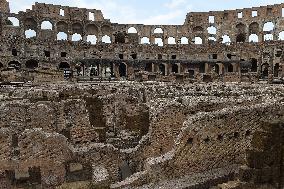
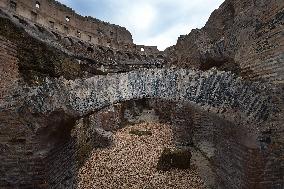
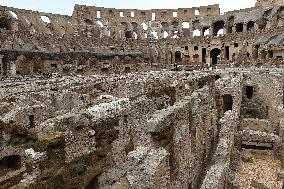
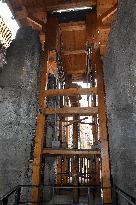
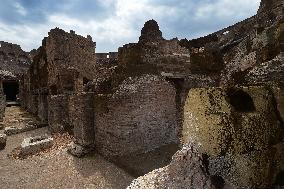
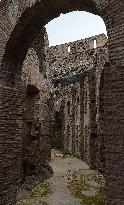
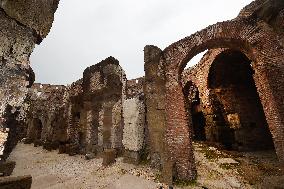
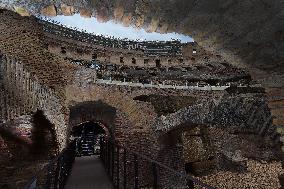
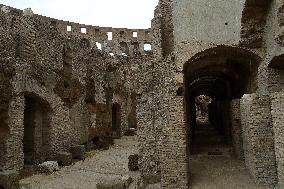
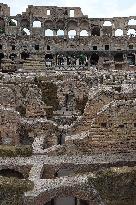
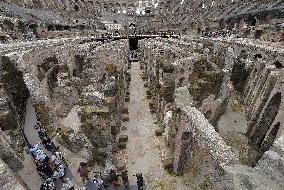
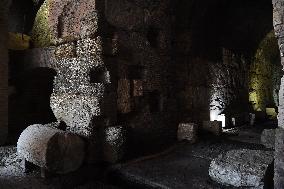
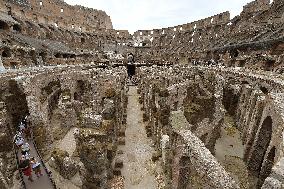
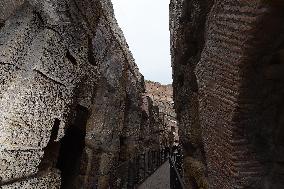
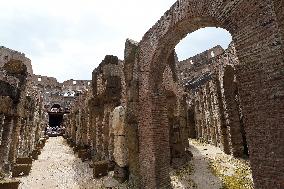
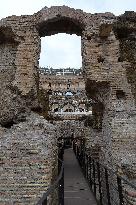
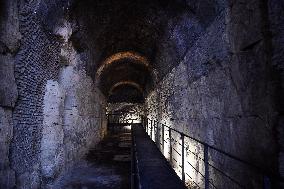
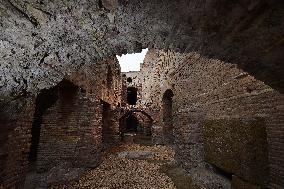
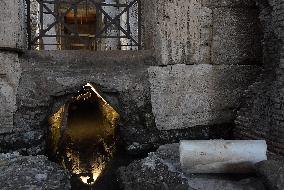
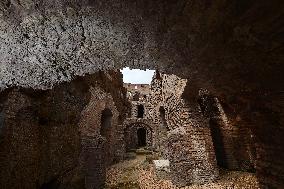
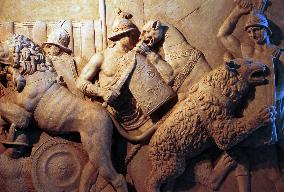
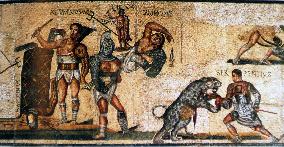
★Colosseums underground levels, the Hypogea, has been restored and is now open to visitors for the first time in Rome, Italy on July 26, 2021. The structures, located below the arena and that in ancient times was invisible to the spectators, consist of walls delimiting corridors, 8 longitudinal and 6 annular. The Colosseum, which could accommodate between 50,000 and 75,000 spectators, was equipped with a series of technological devices used for the appearance of men, animals and stage equipment on the arena. Among the devices dating back to the Flavian age, it is still possible to see the sequences of elevators housed in the corridors of the underground area. They are respectively 24 mobile platforms and 28 wooden elevators containing cages raised by winches. Until 523 AD, the year in which record indicates the last show, spectators could not enter the hypogea and access was possible thro

  •  
Colosseum's underground levels restored - Rome

Colosseum's underground levels restored - Rome

★Colosseums underground levels, the Hypogea, has been restored and is now open to visitors for the first time in Rome, Italy on July 26, 2021. The structures, located below the arena and that in ancient times was invisible to the spectators, consist of walls delimiting corridors, 8 longitudinal and 6 annular. The Colosseum, which could accommodate between 50,000 and 75,000 spectators, was equipped with a series of technological devices used for the appearance of men, animals and stage equipment on the arena. Among the devices dating back to the Flavian age, it is still possible to see the sequences of elevators housed in the corridors of the underground area. They are respectively 24 mobile platforms and 28 wooden elevators containing cages raised by winches. Until 523 AD, the year in which record indicates the last show, spectators could not enter the hypogea and access was possible thro

  •  
Colosseum's underground levels restored - Rome

Colosseum's underground levels restored - Rome

★Colosseums underground levels, the Hypogea, has been restored and is now open to visitors for the first time in Rome, Italy on July 26, 2021. The structures, located below the arena and that in ancient times was invisible to the spectators, consist of walls delimiting corridors, 8 longitudinal and 6 annular. The Colosseum, which could accommodate between 50,000 and 75,000 spectators, was equipped with a series of technological devices used for the appearance of men, animals and stage equipment on the arena. Among the devices dating back to the Flavian age, it is still possible to see the sequences of elevators housed in the corridors of the underground area. They are respectively 24 mobile platforms and 28 wooden elevators containing cages raised by winches. Until 523 AD, the year in which record indicates the last show, spectators could not enter the hypogea and access was possible thro

  •  
Colosseum's underground levels restored - Rome

Colosseum's underground levels restored - Rome

★Colosseums underground levels, the Hypogea, has been restored and is now open to visitors for the first time in Rome, Italy on July 26, 2021. The structures, located below the arena and that in ancient times was invisible to the spectators, consist of walls delimiting corridors, 8 longitudinal and 6 annular. The Colosseum, which could accommodate between 50,000 and 75,000 spectators, was equipped with a series of technological devices used for the appearance of men, animals and stage equipment on the arena. Among the devices dating back to the Flavian age, it is still possible to see the sequences of elevators housed in the corridors of the underground area. They are respectively 24 mobile platforms and 28 wooden elevators containing cages raised by winches. Until 523 AD, the year in which record indicates the last show, spectators could not enter the hypogea and access was possible thro

  •  
Colosseum's underground levels restored - Rome

Colosseum's underground levels restored - Rome

★Colosseums underground levels, the Hypogea, has been restored and is now open to visitors for the first time in Rome, Italy on July 26, 2021. The structures, located below the arena and that in ancient times was invisible to the spectators, consist of walls delimiting corridors, 8 longitudinal and 6 annular. The Colosseum, which could accommodate between 50,000 and 75,000 spectators, was equipped with a series of technological devices used for the appearance of men, animals and stage equipment on the arena. Among the devices dating back to the Flavian age, it is still possible to see the sequences of elevators housed in the corridors of the underground area. They are respectively 24 mobile platforms and 28 wooden elevators containing cages raised by winches. Until 523 AD, the year in which record indicates the last show, spectators could not enter the hypogea and access was possible thro

  •  
Colosseum's underground levels restored - Rome

Colosseum's underground levels restored - Rome

★Colosseums underground levels, the Hypogea, has been restored and is now open to visitors for the first time in Rome, Italy on July 26, 2021. The structures, located below the arena and that in ancient times was invisible to the spectators, consist of walls delimiting corridors, 8 longitudinal and 6 annular. The Colosseum, which could accommodate between 50,000 and 75,000 spectators, was equipped with a series of technological devices used for the appearance of men, animals and stage equipment on the arena. Among the devices dating back to the Flavian age, it is still possible to see the sequences of elevators housed in the corridors of the underground area. They are respectively 24 mobile platforms and 28 wooden elevators containing cages raised by winches. Until 523 AD, the year in which record indicates the last show, spectators could not enter the hypogea and access was possible thro

  •  
Colosseum's underground levels restored - Rome

Colosseum's underground levels restored - Rome

★Colosseums underground levels, the Hypogea, has been restored and is now open to visitors for the first time in Rome, Italy on July 26, 2021. The structures, located below the arena and that in ancient times was invisible to the spectators, consist of walls delimiting corridors, 8 longitudinal and 6 annular. The Colosseum, which could accommodate between 50,000 and 75,000 spectators, was equipped with a series of technological devices used for the appearance of men, animals and stage equipment on the arena. Among the devices dating back to the Flavian age, it is still possible to see the sequences of elevators housed in the corridors of the underground area. They are respectively 24 mobile platforms and 28 wooden elevators containing cages raised by winches. Until 523 AD, the year in which record indicates the last show, spectators could not enter the hypogea and access was possible thro

  •  
Colosseum's underground levels restored - Rome

Colosseum's underground levels restored - Rome

★Colosseums underground levels, the Hypogea, has been restored and is now open to visitors for the first time in Rome, Italy on July 26, 2021. The structures, located below the arena and that in ancient times was invisible to the spectators, consist of walls delimiting corridors, 8 longitudinal and 6 annular. The Colosseum, which could accommodate between 50,000 and 75,000 spectators, was equipped with a series of technological devices used for the appearance of men, animals and stage equipment on the arena. Among the devices dating back to the Flavian age, it is still possible to see the sequences of elevators housed in the corridors of the underground area. They are respectively 24 mobile platforms and 28 wooden elevators containing cages raised by winches. Until 523 AD, the year in which record indicates the last show, spectators could not enter the hypogea and access was possible thro

  •  
Colosseum's underground levels restored - Rome

Colosseum's underground levels restored - Rome

★Colosseums underground levels, the Hypogea, has been restored and is now open to visitors for the first time in Rome, Italy on July 26, 2021. The structures, located below the arena and that in ancient times was invisible to the spectators, consist of walls delimiting corridors, 8 longitudinal and 6 annular. The Colosseum, which could accommodate between 50,000 and 75,000 spectators, was equipped with a series of technological devices used for the appearance of men, animals and stage equipment on the arena. Among the devices dating back to the Flavian age, it is still possible to see the sequences of elevators housed in the corridors of the underground area. They are respectively 24 mobile platforms and 28 wooden elevators containing cages raised by winches. Until 523 AD, the year in which record indicates the last show, spectators could not enter the hypogea and access was possible thro

  •  
Colosseum's underground levels restored - Rome

Colosseum's underground levels restored - Rome

★Colosseums underground levels, the Hypogea, has been restored and is now open to visitors for the first time in Rome, Italy on July 26, 2021. The structures, located below the arena and that in ancient times was invisible to the spectators, consist of walls delimiting corridors, 8 longitudinal and 6 annular. The Colosseum, which could accommodate between 50,000 and 75,000 spectators, was equipped with a series of technological devices used for the appearance of men, animals and stage equipment on the arena. Among the devices dating back to the Flavian age, it is still possible to see the sequences of elevators housed in the corridors of the underground area. They are respectively 24 mobile platforms and 28 wooden elevators containing cages raised by winches. Until 523 AD, the year in which record indicates the last show, spectators could not enter the hypogea and access was possible thro

  •  
Colosseum's underground levels restored - Rome

Colosseum's underground levels restored - Rome

★Colosseums underground levels, the Hypogea, has been restored and is now open to visitors for the first time in Rome, Italy on July 26, 2021. The structures, located below the arena and that in ancient times was invisible to the spectators, consist of walls delimiting corridors, 8 longitudinal and 6 annular. The Colosseum, which could accommodate between 50,000 and 75,000 spectators, was equipped with a series of technological devices used for the appearance of men, animals and stage equipment on the arena. Among the devices dating back to the Flavian age, it is still possible to see the sequences of elevators housed in the corridors of the underground area. They are respectively 24 mobile platforms and 28 wooden elevators containing cages raised by winches. Until 523 AD, the year in which record indicates the last show, spectators could not enter the hypogea and access was possible thro

  •  
Colosseum's underground levels restored - Rome

Colosseum's underground levels restored - Rome

★Colosseums underground levels, the Hypogea, has been restored and is now open to visitors for the first time in Rome, Italy on July 26, 2021. The structures, located below the arena and that in ancient times was invisible to the spectators, consist of walls delimiting corridors, 8 longitudinal and 6 annular. The Colosseum, which could accommodate between 50,000 and 75,000 spectators, was equipped with a series of technological devices used for the appearance of men, animals and stage equipment on the arena. Among the devices dating back to the Flavian age, it is still possible to see the sequences of elevators housed in the corridors of the underground area. They are respectively 24 mobile platforms and 28 wooden elevators containing cages raised by winches. Until 523 AD, the year in which record indicates the last show, spectators could not enter the hypogea and access was possible thro

  •  
Colosseum's underground levels restored - Rome

Colosseum's underground levels restored - Rome

★Colosseums underground levels, the Hypogea, has been restored and is now open to visitors for the first time in Rome, Italy on July 26, 2021. The structures, located below the arena and that in ancient times was invisible to the spectators, consist of walls delimiting corridors, 8 longitudinal and 6 annular. The Colosseum, which could accommodate between 50,000 and 75,000 spectators, was equipped with a series of technological devices used for the appearance of men, animals and stage equipment on the arena. Among the devices dating back to the Flavian age, it is still possible to see the sequences of elevators housed in the corridors of the underground area. They are respectively 24 mobile platforms and 28 wooden elevators containing cages raised by winches. Until 523 AD, the year in which record indicates the last show, spectators could not enter the hypogea and access was possible thro

  •  
Colosseum's underground levels restored - Rome

Colosseum's underground levels restored - Rome

★Colosseums underground levels, the Hypogea, has been restored and is now open to visitors for the first time in Rome, Italy on July 26, 2021. The structures, located below the arena and that in ancient times was invisible to the spectators, consist of walls delimiting corridors, 8 longitudinal and 6 annular. The Colosseum, which could accommodate between 50,000 and 75,000 spectators, was equipped with a series of technological devices used for the appearance of men, animals and stage equipment on the arena. Among the devices dating back to the Flavian age, it is still possible to see the sequences of elevators housed in the corridors of the underground area. They are respectively 24 mobile platforms and 28 wooden elevators containing cages raised by winches. Until 523 AD, the year in which record indicates the last show, spectators could not enter the hypogea and access was possible thro

  •  
Colosseum's underground levels restored - Rome

Colosseum's underground levels restored - Rome

★Colosseums underground levels, the Hypogea, has been restored and is now open to visitors for the first time in Rome, Italy on July 26, 2021. The structures, located below the arena and that in ancient times was invisible to the spectators, consist of walls delimiting corridors, 8 longitudinal and 6 annular. The Colosseum, which could accommodate between 50,000 and 75,000 spectators, was equipped with a series of technological devices used for the appearance of men, animals and stage equipment on the arena. Among the devices dating back to the Flavian age, it is still possible to see the sequences of elevators housed in the corridors of the underground area. They are respectively 24 mobile platforms and 28 wooden elevators containing cages raised by winches. Until 523 AD, the year in which record indicates the last show, spectators could not enter the hypogea and access was possible thro

  •  
Colosseum's underground levels restored - Rome

Colosseum's underground levels restored - Rome

★Colosseums underground levels, the Hypogea, has been restored and is now open to visitors for the first time in Rome, Italy on July 26, 2021. The structures, located below the arena and that in ancient times was invisible to the spectators, consist of walls delimiting corridors, 8 longitudinal and 6 annular. The Colosseum, which could accommodate between 50,000 and 75,000 spectators, was equipped with a series of technological devices used for the appearance of men, animals and stage equipment on the arena. Among the devices dating back to the Flavian age, it is still possible to see the sequences of elevators housed in the corridors of the underground area. They are respectively 24 mobile platforms and 28 wooden elevators containing cages raised by winches. Until 523 AD, the year in which record indicates the last show, spectators could not enter the hypogea and access was possible thro

  •  
Colosseum's underground levels restored - Rome

Colosseum's underground levels restored - Rome

★Colosseums underground levels, the Hypogea, has been restored and is now open to visitors for the first time in Rome, Italy on July 26, 2021. The structures, located below the arena and that in ancient times was invisible to the spectators, consist of walls delimiting corridors, 8 longitudinal and 6 annular. The Colosseum, which could accommodate between 50,000 and 75,000 spectators, was equipped with a series of technological devices used for the appearance of men, animals and stage equipment on the arena. Among the devices dating back to the Flavian age, it is still possible to see the sequences of elevators housed in the corridors of the underground area. They are respectively 24 mobile platforms and 28 wooden elevators containing cages raised by winches. Until 523 AD, the year in which record indicates the last show, spectators could not enter the hypogea and access was possible thro

  •  
Colosseum's underground levels restored - Rome

Colosseum's underground levels restored - Rome

★Colosseums underground levels, the Hypogea, has been restored and is now open to visitors for the first time in Rome, Italy on July 26, 2021. The structures, located below the arena and that in ancient times was invisible to the spectators, consist of walls delimiting corridors, 8 longitudinal and 6 annular. The Colosseum, which could accommodate between 50,000 and 75,000 spectators, was equipped with a series of technological devices used for the appearance of men, animals and stage equipment on the arena. Among the devices dating back to the Flavian age, it is still possible to see the sequences of elevators housed in the corridors of the underground area. They are respectively 24 mobile platforms and 28 wooden elevators containing cages raised by winches. Until 523 AD, the year in which record indicates the last show, spectators could not enter the hypogea and access was possible thro

  •  
Colosseum's underground levels restored - Rome

Colosseum's underground levels restored - Rome

★Colosseums underground levels, the Hypogea, has been restored and is now open to visitors for the first time in Rome, Italy on July 26, 2021. The structures, located below the arena and that in ancient times was invisible to the spectators, consist of walls delimiting corridors, 8 longitudinal and 6 annular. The Colosseum, which could accommodate between 50,000 and 75,000 spectators, was equipped with a series of technological devices used for the appearance of men, animals and stage equipment on the arena. Among the devices dating back to the Flavian age, it is still possible to see the sequences of elevators housed in the corridors of the underground area. They are respectively 24 mobile platforms and 28 wooden elevators containing cages raised by winches. Until 523 AD, the year in which record indicates the last show, spectators could not enter the hypogea and access was possible thro

  •  
Colosseum's underground levels restored - Rome

Colosseum's underground levels restored - Rome

★Colosseums underground levels, the Hypogea, has been restored and is now open to visitors for the first time in Rome, Italy on July 26, 2021. The structures, located below the arena and that in ancient times was invisible to the spectators, consist of walls delimiting corridors, 8 longitudinal and 6 annular. The Colosseum, which could accommodate between 50,000 and 75,000 spectators, was equipped with a series of technological devices used for the appearance of men, animals and stage equipment on the arena. Among the devices dating back to the Flavian age, it is still possible to see the sequences of elevators housed in the corridors of the underground area. They are respectively 24 mobile platforms and 28 wooden elevators containing cages raised by winches. Until 523 AD, the year in which record indicates the last show, spectators could not enter the hypogea and access was possible thro

  •  
Colosseum's underground levels restored - Rome

Colosseum's underground levels restored - Rome

★Colosseums underground levels, the Hypogea, has been restored and is now open to visitors for the first time in Rome, Italy on July 26, 2021. The structures, located below the arena and that in ancient times was invisible to the spectators, consist of walls delimiting corridors, 8 longitudinal and 6 annular. The Colosseum, which could accommodate between 50,000 and 75,000 spectators, was equipped with a series of technological devices used for the appearance of men, animals and stage equipment on the arena. Among the devices dating back to the Flavian age, it is still possible to see the sequences of elevators housed in the corridors of the underground area. They are respectively 24 mobile platforms and 28 wooden elevators containing cages raised by winches. Until 523 AD, the year in which record indicates the last show, spectators could not enter the hypogea and access was possible thro

  •  
Colosseum's underground levels restored - Rome

Colosseum's underground levels restored - Rome

★Colosseums underground levels, the Hypogea, has been restored and is now open to visitors for the first time in Rome, Italy on July 26, 2021. The structures, located below the arena and that in ancient times was invisible to the spectators, consist of walls delimiting corridors, 8 longitudinal and 6 annular. The Colosseum, which could accommodate between 50,000 and 75,000 spectators, was equipped with a series of technological devices used for the appearance of men, animals and stage equipment on the arena. Among the devices dating back to the Flavian age, it is still possible to see the sequences of elevators housed in the corridors of the underground area. They are respectively 24 mobile platforms and 28 wooden elevators containing cages raised by winches. Until 523 AD, the year in which record indicates the last show, spectators could not enter the hypogea and access was possible thro

  •  
Inn

Inn

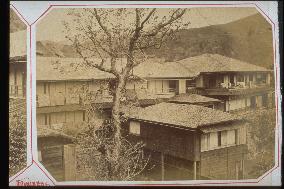
A big two-story building stretching in a longitudinal shape. Numerous futon hang on the fence of the corridor. It is probably a scene at a hotel during the daytime when the guests are absent from the hotel. The exact location is unknown.==Date:unknown, Place:unknown, Photo:[R. Stillfried], (Credit:Nagasaki University Library/Kyodo News Images) [Cabinet Number27‐15‐0]

  • Main
  • Top
  • Editorial
  • Creative
  • About Us
  • About ILG
  • Terms of use
  • Company
  • BEHIND
  • Price List
  • Single Plan
  • Monthly Plan
  • Services
  • Shooting
  • Rights Clearance
  • Support
  • FAQ
  • How To Buy
  • Contact Us
  • Become a Partner

© KYODO NEWS IMAGES INC

All Rights Reserved.

  • Editorial
  • Olympics
  • News
  • Sports
  • Japan
  • Tech
  • Royal
  • Disaster
  • NorthKorea
  • Old Japan
  • SNS
  • Creative
  • Food
  • Japan
  • Landscape
  • Animal
  • Popular
  • #Ukraine
  • #China
  • #coronavirus
  • #N. Korea
  • #Thailand
  • #Russia
  • #Ukraine
  • #China
  • #coronavirus
  • #N. Korea
  • #Thailand
  • #Russia
  • Food
  • Japan
  • Landscape
  • Animal
  • Olympics
  • News
  • Sports
  • Japan
  • Tech
  • Royal
  • Disaster
  • NorthKorea
  • Old Japan
  • SNS