•  
Protests in Iran January 8

Protests in Iran January 8

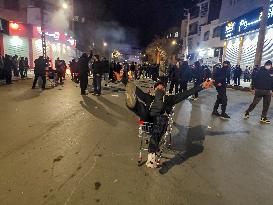
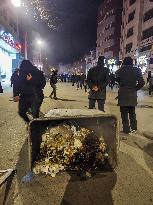
Iranians gather while blocking a street during a protest in Kermanshah, Iran on January 8, 2026. The nationwide protests started in Tehran's Grand Bazaar against the failing economic policies in late December, which spread to universities and other cities, and included economic slogans, to political and anti-government ones. Photo by Kamran/Middle East Images/ABACAPRESS.COM

  •  
Protests in Iran January 8

Protests in Iran January 8

Iranians gather while blocking a street during a protest in Kermanshah, Iran on January 8, 2026. The nationwide protests started in Tehran's Grand Bazaar against the failing economic policies in late December, which spread to universities and other cities, and included economic slogans, to political and anti-government ones. Photo by Kamran/Middle East Images/ABACAPRESS.COM

  •  
Protests in Iran January 8

Protests in Iran January 8

Iranians gather while blocking a street during a protest in Kermanshah, Iran on January 8, 2026. The nationwide protests started in Tehran's Grand Bazaar against the failing economic policies in late December, which spread to universities and other cities, and included economic slogans, to political and anti-government ones. Photo by Kamran/Middle East Images/ABACAPRESS.COM

  •  
Protests Continue in Iran

Protests Continue in Iran

Security forces detain protesters outside a commercial building on Ahmadabad Street in Mashhad, Iran on January 3, 2026. Iran has experienced recurrent waves of protests in recent years driven by political repression, economic hardship, rising living costs, and restrictions on civil and social freedoms, including women’s rights. Demonstrations have frequently been met with arrests, heavy security deployments, internet disruptions, and, according to activists and rights groups, the killing of protesters, as authorities move to suppress dissent. Photo by Middle East Images/ABACAPRESS.COM

  •  
Subsidence in Neyshabur Iran

Subsidence in Neyshabur Iran

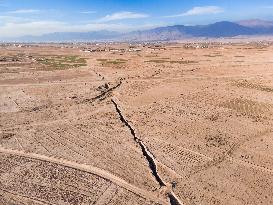
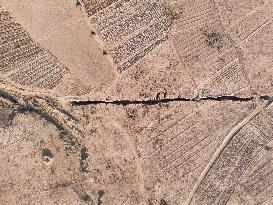
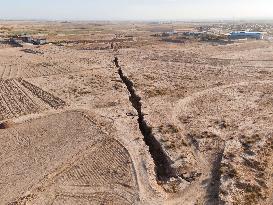
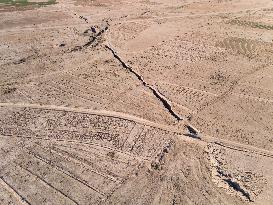
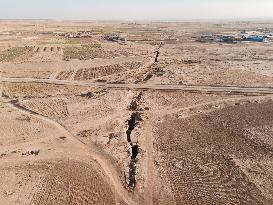
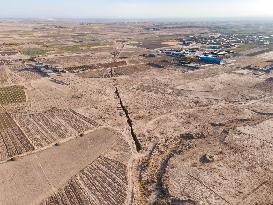
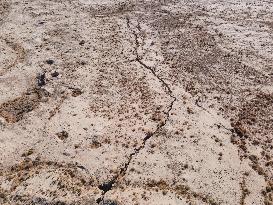
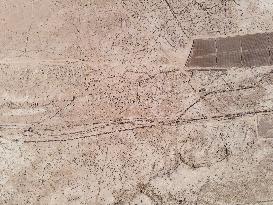
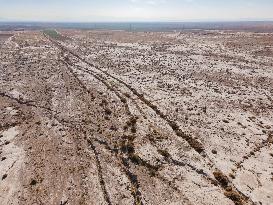
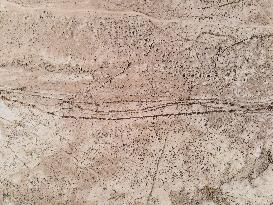
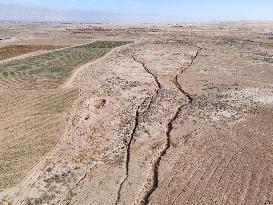
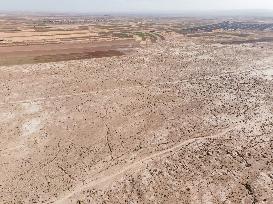
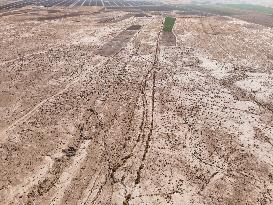
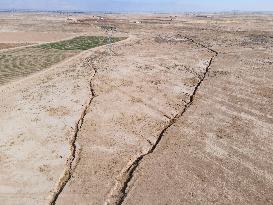
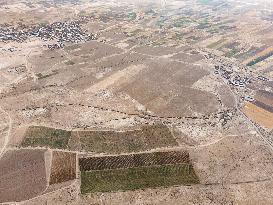
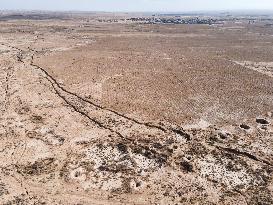
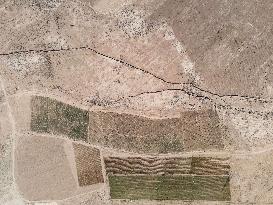
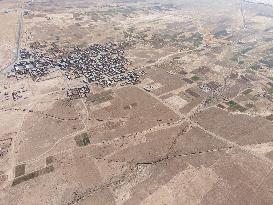
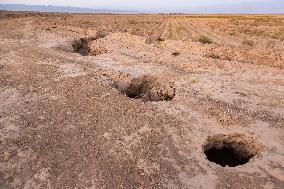
An aerial view shows wide subsidence cracks and circular sinkholes cutting across fields on the outskirts of Neyshabur, Iran, on November 14, 2025. Experts say excessive groundwater extraction has turned Neyshabur into one of Iran’s most critical subsidence hotspots. The subsidence now poses a threat to agriculture and key infrastructure, including the Tehran-Mashhad railroad and major energy pipelines. Photo by Morteza Aminoroayayi/Middle East Images/ABACAPRESS.COM

  •  
Subsidence in Neyshabur Iran

Subsidence in Neyshabur Iran

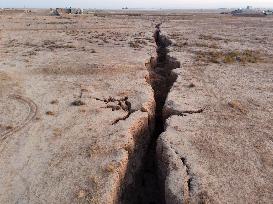
An aerial view shows a wide subsidence crack cutting across fields on the outskirts of Neyshabur, Iran, on November 14, 2025. Experts say excessive groundwater extraction has turned Neyshabur into one of Iran’s most critical subsidence hotspots. The subsidence now poses a threat to agriculture and key infrastructure, including the Tehran-Mashhad railroad and major energy pipelines. Photo by Morteza Aminoroayayi/Middle East Images/ABACAPRESS.COM

  •  
Subsidence in Neyshabur Iran

Subsidence in Neyshabur Iran

An aerial view shows wide subsidence cracks and circular sinkholes cutting across fields on the outskirts of Neyshabur, Iran, on November 14, 2025. Experts say excessive groundwater extraction has turned Neyshabur into one of Iran’s most critical subsidence hotspots. The subsidence now poses a threat to agriculture and key infrastructure, including the Tehran-Mashhad railroad and major energy pipelines. Photo by Morteza Aminoroayayi/Middle East Images/ABACAPRESS.COM

  •  
Subsidence in Neyshabur Iran

Subsidence in Neyshabur Iran

An aerial view shows wide subsidence cracks and circular sinkholes cutting across fields on the outskirts of Neyshabur, Iran, on November 14, 2025. Experts say excessive groundwater extraction has turned Neyshabur into one of Iran’s most critical subsidence hotspots. The subsidence now poses a threat to agriculture and key infrastructure, including the Tehran-Mashhad railroad and major energy pipelines. Photo by Morteza Aminoroayayi/Middle East Images/ABACAPRESS.COM

  •  
Subsidence in Neyshabur Iran

Subsidence in Neyshabur Iran

An aerial view shows wide subsidence cracks and circular sinkholes cutting across fields on the outskirts of Neyshabur, Iran, on November 14, 2025. Experts say excessive groundwater extraction has turned Neyshabur into one of Iran’s most critical subsidence hotspots. The subsidence now poses a threat to agriculture and key infrastructure, including the Tehran-Mashhad railroad and major energy pipelines. Photo by Morteza Aminoroayayi/Middle East Images/ABACAPRESS.COM

  •  
Subsidence in Neyshabur Iran

Subsidence in Neyshabur Iran

An aerial view shows wide subsidence cracks and circular sinkholes cutting across fields on the outskirts of Neyshabur, Iran, on November 14, 2025. Experts say excessive groundwater extraction has turned Neyshabur into one of Iran’s most critical subsidence hotspots. The subsidence now poses a threat to agriculture and key infrastructure, including the Tehran-Mashhad railroad and major energy pipelines. Photo by Morteza Aminoroayayi/Middle East Images/ABACAPRESS.COM

  •  
Subsidence in Neyshabur Iran

Subsidence in Neyshabur Iran

An aerial view shows a large subsidence crack and circular sinkholes cutting across the ground on the outskirts of Neyshabur, Iran, on November 14, 2025. Experts say excessive groundwater extraction has turned Neyshabur into one of Iran’s most critical subsidence hotspots. The subsidence now poses a threat to agriculture and key infrastructure, including the Tehran-Mashhad railroad and major energy pipelines. Photo by Morteza Aminoroayayi/Middle East Images/ABACAPRESS.COM

  •  
Subsidence in Neyshabur Iran

Subsidence in Neyshabur Iran

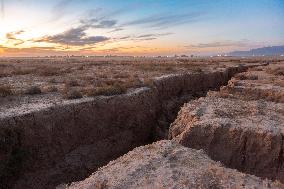
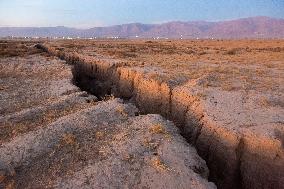
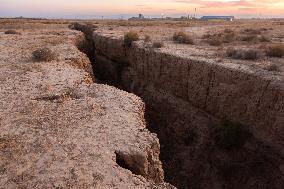
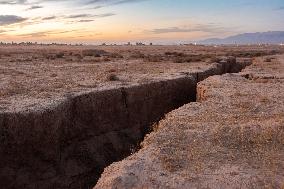
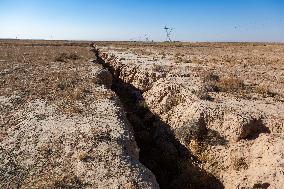
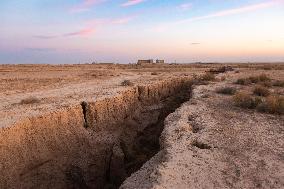
A view shows a large subsidence crack in the ground on the outskirts of Neyshabur, Iran, on November 14, 2025. Experts say excessive groundwater extraction has turned Neyshabur into one of Iran’s most critical subsidence hotspots. The subsidence now poses a threat to agriculture and key infrastructure, including the Tehran-Mashhad railroad and major energy pipelines. Photo by Morteza Aminoroayayi/Middle East Images/ABACAPRESS.COM

  •  
Subsidence in Neyshabur Iran

Subsidence in Neyshabur Iran

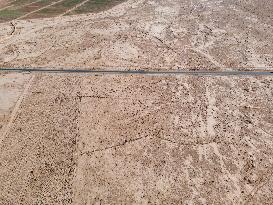
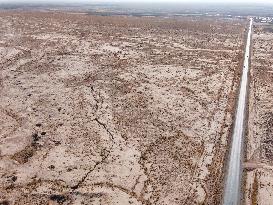
An aerial view shows subsidence cracks and circular sinkholes cutting across the ground near a road on the outskirts of Neyshabur, Iran, on November 14, 2025. Experts say excessive groundwater extraction has turned Neyshabur into one of Iran’s most critical subsidence hotspots. The subsidence now poses a threat to agriculture and key infrastructure, including the Tehran-Mashhad railroad and major energy pipelines. Photo by Morteza Aminoroayayi/Middle East Images/ABACAPRESS.COM

  •  
Subsidence in Neyshabur Iran

Subsidence in Neyshabur Iran

An aerial view shows subsidence cracks and circular sinkholes cutting across the ground near a road on the outskirts of Neyshabur, Iran, on November 14, 2025. Experts say excessive groundwater extraction has turned Neyshabur into one of Iran’s most critical subsidence hotspots. The subsidence now poses a threat to agriculture and key infrastructure, including the Tehran-Mashhad railroad and major energy pipelines. Photo by Morteza Aminoroayayi/Middle East Images/ABACAPRESS.COM

  •  
Subsidence in Neyshabur Iran

Subsidence in Neyshabur Iran

An aerial view shows a large subsidence crack and circular sinkholes cutting across the ground on the outskirts of Neyshabur, Iran, on November 14, 2025. Experts say excessive groundwater extraction has turned Neyshabur into one of Iran’s most critical subsidence hotspots. The subsidence now poses a threat to agriculture and key infrastructure, including the Tehran-Mashhad railroad and major energy pipelines. Photo by Morteza Aminoroayayi/Middle East Images/ABACAPRESS.COM

  •  
Subsidence in Neyshabur Iran

Subsidence in Neyshabur Iran

An aerial view shows subsidence cracks and circular sinkholes cutting across the ground on the outskirts of Neyshabur, Iran, on November 14, 2025. Experts say excessive groundwater extraction has turned Neyshabur into one of Iran’s most critical subsidence hotspots. The subsidence now poses a threat to agriculture and key infrastructure, including the Tehran-Mashhad railroad and major energy pipelines. Photo by Morteza Aminoroayayi/Middle East Images/ABACAPRESS.COM

  •  
Subsidence in Neyshabur Iran

Subsidence in Neyshabur Iran

An aerial view shows subsidence cracks and circular sinkholes cutting across the ground on the outskirts of Neyshabur, Iran, on November 14, 2025. Experts say excessive groundwater extraction has turned Neyshabur into one of Iran’s most critical subsidence hotspots. The subsidence now poses a threat to agriculture and key infrastructure, including the Tehran-Mashhad railroad and major energy pipelines. Photo by Morteza Aminoroayayi/Middle East Images/ABACAPRESS.COM

  •  
Subsidence in Neyshabur Iran

Subsidence in Neyshabur Iran

An aerial view shows subsidence cracks and circular sinkholes cutting across the ground on the outskirts of Neyshabur, Iran, on November 14, 2025. Experts say excessive groundwater extraction has turned Neyshabur into one of Iran’s most critical subsidence hotspots. The subsidence now poses a threat to agriculture and key infrastructure, including the Tehran-Mashhad railroad and major energy pipelines. Photo by Morteza Aminoroayayi/Middle East Images/ABACAPRESS.COM

  •  
Subsidence in Neyshabur Iran

Subsidence in Neyshabur Iran

An aerial view shows wide subsidence cracks and circular sinkholes cutting across fields on the outskirts of Neyshabur, Iran, on November 14, 2025. Experts say excessive groundwater extraction has turned Neyshabur into one of Iran’s most critical subsidence hotspots. The subsidence now poses a threat to agriculture and key infrastructure, including the Tehran-Mashhad railroad and major energy pipelines. Photo by Morteza Aminoroayayi/Middle East Images/ABACAPRESS.COM

  •  
Subsidence in Neyshabur Iran

Subsidence in Neyshabur Iran

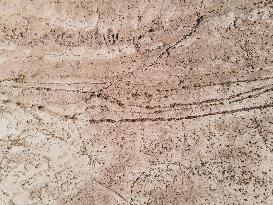
An aerial view shows subsidence cracks cutting across the ground on the outskirts of Neyshabur, Iran, on November 14, 2025. Experts say excessive groundwater extraction has turned Neyshabur into one of Iran’s most critical subsidence hotspots. The subsidence now poses a threat to agriculture and key infrastructure, including the Tehran-Mashhad railroad and major energy pipelines. Photo by Morteza Aminoroayayi/Middle East Images/ABACAPRESS.COM

  •  
Subsidence in Neyshabur Iran

Subsidence in Neyshabur Iran

An aerial view shows subsidence cracks and circular sinkholes cutting across the ground near farmlands on the outskirts of Neyshabur, Iran, on November 14, 2025. Experts say excessive groundwater extraction has turned Neyshabur into one of Iran’s most critical subsidence hotspots. The subsidence now poses a threat to agriculture and key infrastructure, including the Tehran-Mashhad railroad and major energy pipelines. Photo by Morteza Aminoroayayi/Middle East Images/ABACAPRESS.COM

  •  
Subsidence in Neyshabur Iran

Subsidence in Neyshabur Iran

An aerial view shows subsidence cracks and circular sinkholes cutting across fields on the outskirts of Neyshabur, Iran, on November 14, 2025. Experts say excessive groundwater extraction has turned Neyshabur into one of Iran’s most critical subsidence hotspots. The subsidence now poses a threat to agriculture and key infrastructure, including the Tehran-Mashhad railroad and major energy pipelines. Photo by Morteza Aminoroayayi/Middle East Images/ABACAPRESS.COM

  •  
Subsidence in Neyshabur Iran

Subsidence in Neyshabur Iran

An aerial view shows wide subsidence cracks and circular sinkholes cutting across fields on the outskirts of Neyshabur, Iran, on November 14, 2025. Experts say excessive groundwater extraction has turned Neyshabur into one of Iran’s most critical subsidence hotspots. The subsidence now poses a threat to agriculture and key infrastructure, including the Tehran-Mashhad railroad and major energy pipelines. Photo by Morteza Aminoroayayi/Middle East Images/ABACAPRESS.COM

  •  
Subsidence in Neyshabur Iran

Subsidence in Neyshabur Iran

An aerial view shows wide subsidence cracks and circular sinkholes cutting across fields on the outskirts of Neyshabur, Iran, on November 14, 2025. Experts say excessive groundwater extraction has turned Neyshabur into one of Iran’s most critical subsidence hotspots. The subsidence now poses a threat to agriculture and key infrastructure, including the Tehran-Mashhad railroad and major energy pipelines. Photo by Morteza Aminoroayayi/Middle East Images/ABACAPRESS.COM

  •  
Subsidence in Neyshabur Iran

Subsidence in Neyshabur Iran

An aerial view shows wide subsidence cracks and circular sinkholes cutting across fields on the outskirts of Neyshabur, Iran, on November 14, 2025. Experts say excessive groundwater extraction has turned Neyshabur into one of Iran’s most critical subsidence hotspots. The subsidence now poses a threat to agriculture and key infrastructure, including the Tehran-Mashhad railroad and major energy pipelines. Photo by Morteza Aminoroayayi/Middle East Images/ABACAPRESS.COM

  •  
Subsidence in Neyshabur Iran

Subsidence in Neyshabur Iran

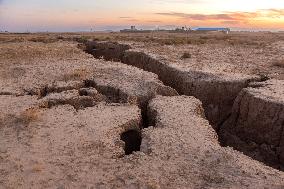
A view shows a large subsidence crack in the ground on the outskirts of Neyshabur, Iran, on November 14, 2025. Experts say excessive groundwater extraction has turned Neyshabur into one of Iran’s most critical subsidence hotspots. The subsidence now poses a threat to agriculture and key infrastructure, including the Tehran-Mashhad railroad and major energy pipelines. Photo by Morteza Aminoroayayi/Middle East Images/ABACAPRESS.COM

  •  
Subsidence in Neyshabur Iran

Subsidence in Neyshabur Iran

An aerial view shows wide subsidence cracks and circular sinkholes cutting across fields on the outskirts of Neyshabur, Iran, on November 14, 2025. Experts say excessive groundwater extraction has turned Neyshabur into one of Iran’s most critical subsidence hotspots. The subsidence now poses a threat to agriculture and key infrastructure, including the Tehran-Mashhad railroad and major energy pipelines. Photo by Morteza Aminoroayayi/Middle East Images/ABACAPRESS.COM

  •  
Subsidence in Neyshabur Iran

Subsidence in Neyshabur Iran

An aerial view shows wide subsidence cracks and circular sinkholes cutting across fields on the outskirts of Neyshabur, Iran, on November 14, 2025. Experts say excessive groundwater extraction has turned Neyshabur into one of Iran’s most critical subsidence hotspots. The subsidence now poses a threat to agriculture and key infrastructure, including the Tehran-Mashhad railroad and major energy pipelines. Photo by Morteza Aminoroayayi/Middle East Images/ABACAPRESS.COM

  •  
Subsidence in Neyshabur Iran

Subsidence in Neyshabur Iran

A view shows a large subsidence crack in the ground on the outskirts of Neyshabur, Iran, on November 14, 2025. Experts say excessive groundwater extraction has turned Neyshabur into one of Iran’s most critical subsidence hotspots. The subsidence now poses a threat to agriculture and key infrastructure, including the Tehran-Mashhad railroad and major energy pipelines. Photo by Morteza Aminoroayayi/Middle East Images/ABACAPRESS.COM

  •  
Subsidence in Neyshabur Iran

Subsidence in Neyshabur Iran

A view shows a large subsidence crack in the ground on the outskirts of Neyshabur, Iran, on November 14, 2025. Experts say excessive groundwater extraction has turned Neyshabur into one of Iran’s most critical subsidence hotspots. The subsidence now poses a threat to agriculture and key infrastructure, including the Tehran-Mashhad railroad and major energy pipelines. Photo by Morteza Aminoroayayi/Middle East Images/ABACAPRESS.COM

  •  
Subsidence in Neyshabur Iran

Subsidence in Neyshabur Iran

A view shows a large subsidence crack in the ground on the outskirts of Neyshabur, Iran, on November 14, 2025. Experts say excessive groundwater extraction has turned Neyshabur into one of Iran’s most critical subsidence hotspots. The subsidence now poses a threat to agriculture and key infrastructure, including the Tehran-Mashhad railroad and major energy pipelines. Photo by Morteza Aminoroayayi/Middle East Images/ABACAPRESS.COM

  •  
Subsidence in Neyshabur Iran

Subsidence in Neyshabur Iran

A view shows a large subsidence crack in the ground on the outskirts of Neyshabur, Iran, on November 14, 2025. Experts say excessive groundwater extraction has turned Neyshabur into one of Iran’s most critical subsidence hotspots. The subsidence now poses a threat to agriculture and key infrastructure, including the Tehran-Mashhad railroad and major energy pipelines. Photo by Morteza Aminoroayayi/Middle East Images/ABACAPRESS.COM

  •  
Subsidence in Neyshabur Iran

Subsidence in Neyshabur Iran

A view shows a wide subsidence crack in the ground on the outskirts of Neyshabur, Iran, on November 13, 2025. Experts say excessive groundwater extraction has turned Neyshabur into one of Iran’s most critical subsidence hotspots. The subsidence now poses a threat to agriculture and key infrastructure, including the Tehran-Mashhad railroad and major energy pipelines. Photo by Morteza Aminoroayayi/Middle East Images/ABACAPRESS.COM

  •  
Subsidence in Neyshabur Iran

Subsidence in Neyshabur Iran

A view shows a large subsidence crack in the ground on the outskirts of Neyshabur, Iran, on November 14, 2025. Experts say excessive groundwater extraction has turned Neyshabur into one of Iran’s most critical subsidence hotspots. The subsidence now poses a threat to agriculture and key infrastructure, including the Tehran-Mashhad railroad and major energy pipelines. Photo by Morteza Aminoroayayi/Middle East Images/ABACAPRESS.COM

  •  
Subsidence in Neyshabur Iran

Subsidence in Neyshabur Iran

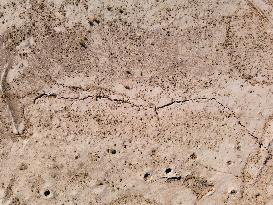
A view shows circular sinkholes and subsidence cracks on the ground on the outskirts of Neyshabur, Iran, on November 10, 2025. Experts say excessive groundwater extraction has turned Neyshabur into one of Iran’s most critical subsidence hotspots. The subsidence now poses a threat to agriculture and key infrastructure, including the Tehran-Mashhad railroad and major energy pipelines. Photo by Morteza Aminoroayayi/Middle East Images/ABACAPRESS.COM

  •  
Darougheh Historical House - Iran

Darougheh Historical House - Iran

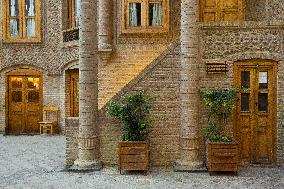
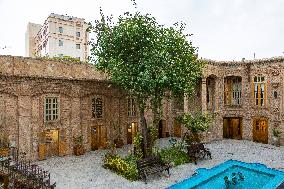
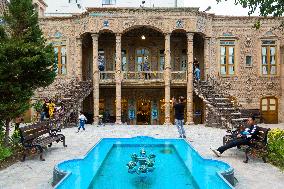
A view of the courtyard and balcony of Darougheh House in Mashhad, Iran, on September 27, 2023. The historic Darougheh House was built in the late Qajar era by order of Yousef Khan Herati, the last darougheh (warden) of Mashhad. It covers approximately 1,100 square meters. Until the 1980s, the heirs of the late Herati resided in this house. Photo by Morteza Aminoroayayi/Middle East Images/ABACAPRESS.COM

  •  
Darougheh Historical House - Iran

Darougheh Historical House - Iran

Two mannequins dressed as elderly figures sit on a bench in the courtyard of Darougheh House in Mashhad, Iran, on September 27, 2023. The historic Darougheh House was built in the late Qajar era by order of Yousef Khan Herati, the last darougheh (warden) of Mashhad. It covers approximately 1,100 square meters. Until the 1980s, the heirs of the late Herati resided in this house. Photo by Morteza Aminoroayayi/Middle East Images/ABACAPRESS.COM

  •  
Darougheh Historical House - Iran

Darougheh Historical House - Iran

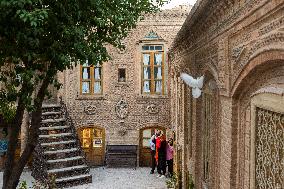
Visitors take pictures in the courtyard of Darougheh House in Mashhad, Iran, on September 27, 2023. The historic Darougheh House was built in the late Qajar era by order of Yousef Khan Herati, the last darougheh (warden) of Mashhad. It covers approximately 1,100 square meters. Until the 1980s, the heirs of the late Herati resided in this house. Photo by Morteza Aminoroayayi/Middle East Images/ABACAPRESS.COM

  •  
Darougheh Historical House - Iran

Darougheh Historical House - Iran

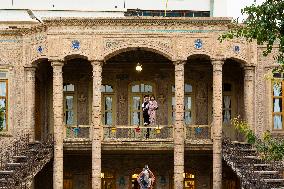
A man and a child pose on the balcony as a woman takes photos of them from the courtyard of Darougheh House in Mashhad, Iran, on September 27, 2023. The historic Darougheh House was built in the late Qajar era by order of Yousef Khan Herati, the last darougheh (warden) of Mashhad. It covers approximately 1,100 square meters. Until the 1980s, the heirs of the late Herati resided in this house. Photo by Morteza Aminoroayayi/Middle East Images/ABACAPRESS.COM

  •  
Darougheh Historical House - Iran

Darougheh Historical House - Iran

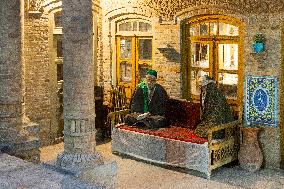
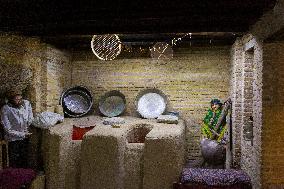
Two mannequins dressed in traditional attire sit beside a tandoor in a chamber in Darougheh House in Mashhad, Iran, on September 27, 2023. The historic Darougheh House was built in the late Qajar era by order of Yousef Khan Herati, the last darougheh (warden) of Mashhad. It covers approximately 1,100 square meters. Until the 1980s, the heirs of the late Herati resided in this house. Photo by Morteza Aminoroayayi/Middle East Images/ABACAPRESS.COM

  •  
Darougheh Historical House - Iran

Darougheh Historical House - Iran

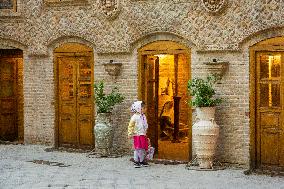
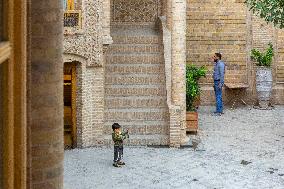
A child stands at the entrance of a chamber in the courtyard of Darougheh House in Mashhad, Iran, on September 27, 2023. The historic Darougheh House was built in the late Qajar era by order of Yousef Khan Herati, the last darougheh (warden) of Mashhad. It covers approximately 1,100 square meters. Until the 1980s, the heirs of the late Herati resided in this house. Photo by Morteza Aminoroayayi/Middle East Images/ABACAPRESS.COM

  •  
Darougheh Historical House - Iran

Darougheh Historical House - Iran

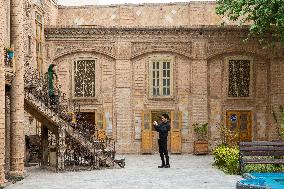
A woman poses on the stairs as a man takes photos of her from the courtyard of Darougheh House in Mashhad, Iran, on September 27, 2023. The historic Darougheh House was built in the late Qajar era by order of Yousef Khan Herati, the last darougheh (warden) of Mashhad. It covers approximately 1,100 square meters. Until the 1980s, the heirs of the late Herati resided in this house. Photo by Morteza Aminoroayayi/Middle East Images/ABACAPRESS.COM

  •  
Darougheh Historical House - Iran

Darougheh Historical House - Iran

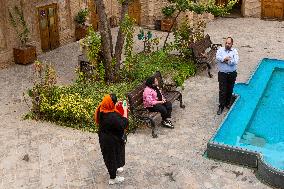
People take photos as a woman sits on a bench in the courtyard of Darougheh House in Mashhad, Iran, on September 27, 2023. The historic Darougheh House was built in the late Qajar era by order of Yousef Khan Herati, the last darougheh (warden) of Mashhad. It covers approximately 1,100 square meters. Until the 1980s, the heirs of the late Herati resided in this house. Photo by Morteza Aminoroayayi/Middle East Images/ABACAPRESS.COM

  •  
Darougheh Historical House - Iran

Darougheh Historical House - Iran

A view of the door of the photography studio under the stairs in the courtyard of Darougheh House in Mashhad, Iran, on September 27, 2023. The historic Darougheh House was built in the late Qajar era by order of Yousef Khan Herati, the last darougheh (warden) of Mashhad. It covers approximately 1,100 square meters. Until the 1980s, the heirs of the late Herati resided in this house. Photo by Morteza Aminoroayayi/Middle East Images/ABACAPRESS.COM

  •  
Darougheh Historical House - Iran

Darougheh Historical House - Iran

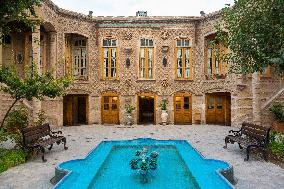
A view of the courtyard of Darougheh House in Mashhad, Iran, on September 27, 2023. The historic Darougheh House was built in the late Qajar era by order of Yousef Khan Herati, the last darougheh (warden) of Mashhad. It covers approximately 1,100 square meters. Until the 1980s, the heirs of the late Herati resided in this house. Photo by Morteza Aminoroayayi/Middle East Images/ABACAPRESS.COM

  •  
Darougheh Historical House - Iran

Darougheh Historical House - Iran

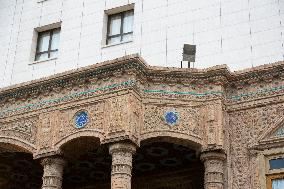
A view of a tall modern building towering over the historical Darougheh House in Mashhad, Iran, on September 27, 2023. The historic Darougheh House was built in the late Qajar era by order of Yousef Khan Herati, the last darougheh (warden) of Mashhad. It covers approximately 1,100 square meters. Until the 1980s, the heirs of the late Herati resided in this house. Photo by Morteza Aminoroayayi/Middle East Images/ABACAPRESS.COM

  •  
Darougheh Historical House - Iran

Darougheh Historical House - Iran

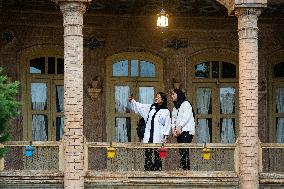
Two women pose for a selfie on the balcony of Darougheh House in Mashhad, Iran, on September 27, 2023. The historic Darougheh House was built in the late Qajar era by order of Yousef Khan Herati, the last darougheh (warden) of Mashhad. It covers approximately 1,100 square meters. Until the 1980s, the heirs of the late Herati resided in this house. Photo by Morteza Aminoroayayi/Middle East Images/ABACAPRESS.COM

  •  
Darougheh Historical House - Iran

Darougheh Historical House - Iran

Visitors take photos and spend time in the courtyard of Darougheh House in Mashhad, Iran, on September 27, 2023. The historic Darougheh House was built in the late Qajar era by order of Yousef Khan Herati, the last darougheh (warden) of Mashhad. It covers approximately 1,100 square meters. Until the 1980s, the heirs of the late Herati resided in this house. Photo by Morteza Aminoroayayi/Middle East Images/ABACAPRESS.COM

  •  
Darougheh Historical House - Iran

Darougheh Historical House - Iran

Visitors spend time in the courtyard of Darougheh House in Mashhad, Iran, on September 27, 2023. The historic Darougheh House was built in the late Qajar era by order of Yousef Khan Herati, the last darougheh (warden) of Mashhad. It covers approximately 1,100 square meters. Until the 1980s, the heirs of the late Herati resided in this house. Photo by Morteza Aminoroayayi/Middle East Images/ABACAPRESS.COM

  •  
Darougheh Historical House - Iran

Darougheh Historical House - Iran

A view of the courtyard of Darougheh House in Mashhad, Iran, on September 27, 2023. The historic Darougheh House was built in the late Qajar era by order of Yousef Khan Herati, the last darougheh (warden) of Mashhad. It covers approximately 1,100 square meters. Until the 1980s, the heirs of the late Herati resided in this house. Photo by Morteza Aminoroayayi/Middle East Images/ABACAPRESS.COM

  • Main
  • Top
  • Editorial
  • Creative
  • About Us
  • About ILG
  • Terms of use
  • Company
  • BEHIND
  • Price List
  • Single Plan
  • Monthly Plan
  • Services
  • Shooting
  • Rights Clearance
  • Support
  • FAQ
  • How To Buy
  • Contact Us
  • Become a Partner

© KYODO NEWS IMAGES INC

All Rights Reserved.

  • Editorial
  • Olympics
  • News
  • Sports
  • Japan
  • Tech
  • Royal
  • Disaster
  • NorthKorea
  • Old Japan
  • SNS
  • Creative
  • Food
  • Japan
  • Landscape
  • Animal
  • Popular
  • #Ukraine
  • #Thailand
  • #coronavirus
  • #N. Korea
  • #China
  • #Russia
  • #Ukraine
  • #Thailand
  • #coronavirus
  • #N. Korea
  • #China
  • #Russia
  • Food
  • Japan
  • Landscape
  • Animal
  • Olympics
  • News
  • Sports
  • Japan
  • Tech
  • Royal
  • Disaster
  • NorthKorea
  • Old Japan
  • SNS