•  
XINHUA PHOTOS OF THE DAY

XINHUA PHOTOS OF THE DAY

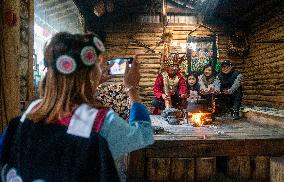
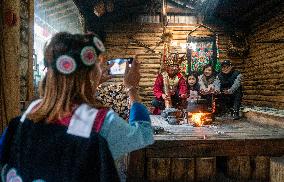
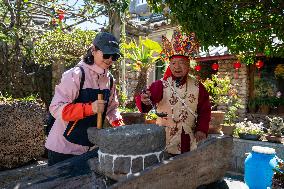
(240413) -- BEIJING, April 13, 2024 (Xinhua) -- He Yuyue (L) takes photo of her father He Jielin and tourists at home in Yuhu village, Lijiang City, southwest China's Yunnan Province, March 27, 2024. Living in Yuhu village at the foot of the Yulong Snow Mountain, He Jielin has witnessed the changes in this ancient Naxi village. From the 1980s to 1990s, He Jielin and his wife could only live off the land. Like other villagers, the couple made a living by cutting wood, picking medicinal materials and digging sand, which resulted in great damages to the forest and the environment. However, people in the village remained poor. In 2004, as the village started to develop tourism, He Jielin began to raise horses and cattle, founded home inns, and gradually, his living condition was improved. In June 2020, He Jielin renovated his old residence, turning it into the village's first museum on Naxi ethnic culture. Tourists were attracted to his museum to experience various activities related with local culture.

  •  
CHINA-YUNNAN-LIJIANG-YUHU VILLAGE-LIFE CHANGE (CN)

CHINA-YUNNAN-LIJIANG-YUHU VILLAGE-LIFE CHANGE (CN)

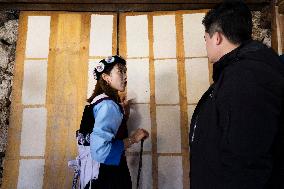
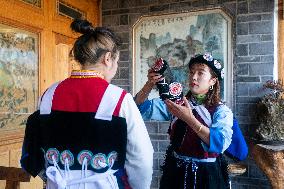
(240412) -- LIJIANG, April 12, 2024 (Xinhua) -- He Yuyue (L) introduces Naxi ethnic group's Dongba paper to a tourist at home in Yuhu village, Lijiang City, southwest China's Yunnan Province, March 27, 2024. Living in Yuhu village at the foot of the Yulong Snow Mountain, He Jielin has witnessed the changes in this ancient Naxi village. From the 1980s to 1990s, He Jielin and his wife could only live off the land. Like other villagers, the couple made a living by cutting wood, picking medicinal materials and digging sand, which resulted in great damages to the forest and the environment. However, people in the village remained poor. In 2004, as the village started to develop tourism, He Jielin began to raise horses and cattle, founded home inns, and gradually, his living condition was improved. In June 2020, He Jielin renovated his old residence, turning it into the village's first museum on Naxi ethnic culture. Tourists were attracted to his museum to experience various activities related with local

  •  
CHINA-YUNNAN-LIJIANG-YUHU VILLAGE-LIFE CHANGE (CN)

CHINA-YUNNAN-LIJIANG-YUHU VILLAGE-LIFE CHANGE (CN)

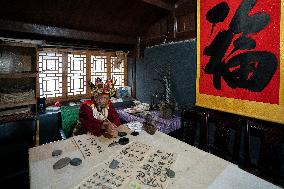
(240412) -- LIJIANG, April 12, 2024 (Xinhua) -- He Jielin writes in Dongba pictograph at home in Yuhu village, Lijiang City, southwest China's Yunnan Province, March 25, 2024. Living in Yuhu village at the foot of the Yulong Snow Mountain, He Jielin has witnessed the changes in this ancient Naxi village. From the 1980s to 1990s, He Jielin and his wife could only live off the land. Like other villagers, the couple made a living by cutting wood, picking medicinal materials and digging sand, which resulted in great damages to the forest and the environment. However, people in the village remained poor. In 2004, as the village started to develop tourism, He Jielin began to raise horses and cattle, founded home inns, and gradually, his living condition was improved. In June 2020, He Jielin renovated his old residence, turning it into the village's first museum on Naxi ethnic culture. Tourists were attracted to his museum to experience various activities related with local culture. After studying in So

  •  
CHINA-YUNNAN-LIJIANG-YUHU VILLAGE-LIFE CHANGE (CN)

CHINA-YUNNAN-LIJIANG-YUHU VILLAGE-LIFE CHANGE (CN)

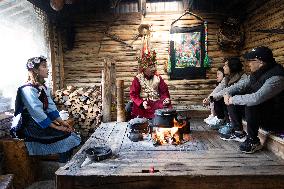
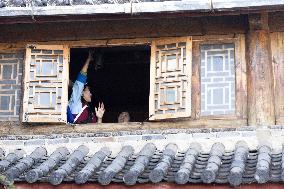
(240412) -- LIJIANG, April 12, 2024 (Xinhua) -- He Jielin (2nd L), and his daughter He Yuyue (1st L) introduce Naxi ethnic culture to tourists at home in Yuhu village, Lijiang City, southwest China's Yunnan Province, March 27, 2024. Living in Yuhu village at the foot of the Yulong Snow Mountain, He Jielin has witnessed the changes in this ancient Naxi village. From the 1980s to 1990s, He Jielin and his wife could only live off the land. Like other villagers, the couple made a living by cutting wood, picking medicinal materials and digging sand, which resulted in great damages to the forest and the environment. However, people in the village remained poor. In 2004, as the village started to develop tourism, He Jielin began to raise horses and cattle, founded home inns, and gradually, his living condition was improved. In June 2020, He Jielin renovated his old residence, turning it into the village's first museum on Naxi ethnic culture. Tourists were attracted to his museum to experience various activ

  •  
CHINA-YUNNAN-LIJIANG-YUHU VILLAGE-LIFE CHANGE (CN)

CHINA-YUNNAN-LIJIANG-YUHU VILLAGE-LIFE CHANGE (CN)

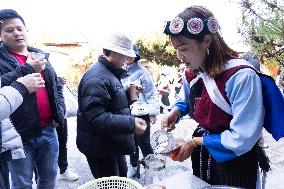
(240412) -- LIJIANG, April 12, 2024 (Xinhua) -- He Yuyue (R) serves tea for tourists at home in Yuhu village, Lijiang City, southwest China's Yunnan Province, March 27, 2024. Living in Yuhu village at the foot of the Yulong Snow Mountain, He Jielin has witnessed the changes in this ancient Naxi village. From the 1980s to 1990s, He Jielin and his wife could only live off the land. Like other villagers, the couple made a living by cutting wood, picking medicinal materials and digging sand, which resulted in great damages to the forest and the environment. However, people in the village remained poor. In 2004, as the village started to develop tourism, He Jielin began to raise horses and cattle, founded home inns, and gradually, his living condition was improved. In June 2020, He Jielin renovated his old residence, turning it into the village's first museum on Naxi ethnic culture. Tourists were attracted to his museum to experience various activities related with local culture. After studying in Sou

  •  
CHINA-YUNNAN-LIJIANG-YUHU VILLAGE-LIFE CHANGE (CN)

CHINA-YUNNAN-LIJIANG-YUHU VILLAGE-LIFE CHANGE (CN)

(240412) -- LIJIANG, April 12, 2024 (Xinhua) -- He Jielin (front) shows tourists the layout of his yard in Yuhu village, Lijiang City, southwest China's Yunnan Province, March 27, 2024. Living in Yuhu village at the foot of the Yulong Snow Mountain, He Jielin has witnessed the changes in this ancient Naxi village. From the 1980s to 1990s, He Jielin and his wife could only live off the land. Like other villagers, the couple made a living by cutting wood, picking medicinal materials and digging sand, which resulted in great damages to the forest and the environment. However, people in the village remained poor. In 2004, as the village started to develop tourism, He Jielin began to raise horses and cattle, founded home inns, and gradually, his living condition was improved. In June 2020, He Jielin renovated his old residence, turning it into the village's first museum on Naxi ethnic culture. Tourists were attracted to his museum to experience various activities related with local culture. After stud

  •  
CHINA-YUNNAN-LIJIANG-YUHU VILLAGE-LIFE CHANGE (CN)

CHINA-YUNNAN-LIJIANG-YUHU VILLAGE-LIFE CHANGE (CN)

(240412) -- LIJIANG, April 12, 2024 (Xinhua) -- He Yuyue (L) takes photo of her father He Jielin and tourists at home in Yuhu village, Lijiang City, southwest China's Yunnan Province, March 27, 2024. Living in Yuhu village at the foot of the Yulong Snow Mountain, He Jielin has witnessed the changes in this ancient Naxi village. From the 1980s to 1990s, He Jielin and his wife could only live off the land. Like other villagers, the couple made a living by cutting wood, picking medicinal materials and digging sand, which resulted in great damages to the forest and the environment. However, people in the village remained poor. In 2004, as the village started to develop tourism, He Jielin began to raise horses and cattle, founded home inns, and gradually, his living condition was improved. In June 2020, He Jielin renovated his old residence, turning it into the village's first museum on Naxi ethnic culture. Tourists were attracted to his museum to experience various activities related with local culture.

  •  
CHINA-YUNNAN-LIJIANG-YUHU VILLAGE-LIFE CHANGE (CN)

CHINA-YUNNAN-LIJIANG-YUHU VILLAGE-LIFE CHANGE (CN)

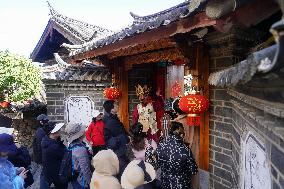
(240412) -- LIJIANG, April 12, 2024 (Xinhua) -- He Jielin guides tourists to his home in Yuhu village, Lijiang City, southwest China's Yunnan Province, March 27, 2024. Living in Yuhu village at the foot of the Yulong Snow Mountain, He Jielin has witnessed the changes in this ancient Naxi village. From the 1980s to 1990s, He Jielin and his wife could only live off the land. Like other villagers, the couple made a living by cutting wood, picking medicinal materials and digging sand, which resulted in great damages to the forest and the environment. However, people in the village remained poor. In 2004, as the village started to develop tourism, He Jielin began to raise horses and cattle, founded home inns, and gradually, his living condition was improved. In June 2020, He Jielin renovated his old residence, turning it into the village's first museum on Naxi ethnic culture. Tourists were attracted to his museum to experience various activities related with local culture. After studying in South Kore

  •  
CHINA-YUNNAN-LIJIANG-YUHU VILLAGE-LIFE CHANGE (CN)

CHINA-YUNNAN-LIJIANG-YUHU VILLAGE-LIFE CHANGE (CN)

(240412) -- LIJIANG, April 12, 2024 (Xinhua) -- He Jielin (L) introduces old items to tourists at home in Yuhu village, Lijiang City, southwest China's Yunnan Province, March 27, 2024. Living in Yuhu village at the foot of the Yulong Snow Mountain, He Jielin has witnessed the changes in this ancient Naxi village. From the 1980s to 1990s, He Jielin and his wife could only live off the land. Like other villagers, the couple made a living by cutting wood, picking medicinal materials and digging sand, which resulted in great damages to the forest and the environment. However, people in the village remained poor. In 2004, as the village started to develop tourism, He Jielin began to raise horses and cattle, founded home inns, and gradually, his living condition was improved. In June 2020, He Jielin renovated his old residence, turning it into the village's first museum on Naxi ethnic culture. Tourists were attracted to his museum to experience various activities related with local culture. After study

  •  
CHINA-YUNNAN-LIJIANG-YUHU VILLAGE-LIFE CHANGE (CN)

CHINA-YUNNAN-LIJIANG-YUHU VILLAGE-LIFE CHANGE (CN)

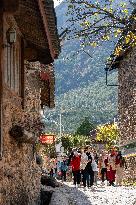
(240412) -- LIJIANG, April 12, 2024 (Xinhua) -- He Jielin (2nd R) guides tourists around Yuhu village, Lijiang City, southwest China's Yunnan Province, March 27, 2024. Living in Yuhu village at the foot of the Yulong Snow Mountain, He Jielin has witnessed the changes in this ancient Naxi village. From the 1980s to 1990s, He Jielin and his wife could only live off the land. Like other villagers, the couple made a living by cutting wood, picking medicinal materials and digging sand, which resulted in great damages to the forest and the environment. However, people in the village remained poor. In 2004, as the village started to develop tourism, He Jielin began to raise horses and cattle, founded home inns, and gradually, his living condition was improved. In June 2020, He Jielin renovated his old residence, turning it into the village's first museum on Naxi ethnic culture. Tourists were attracted to his museum to experience various activities related with local culture. After studying in South Kore

  •  
CHINA-YUNNAN-LIJIANG-YUHU VILLAGE-LIFE CHANGE (CN)

CHINA-YUNNAN-LIJIANG-YUHU VILLAGE-LIFE CHANGE (CN)

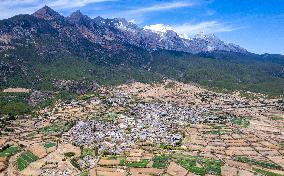
(240412) -- LIJIANG, April 12, 2024 (Xinhua) -- An aerial drone photo taken on March 25, 2024 shows the Yulong Snow Mountain and Yuhu village in Lijiang City, southwest China's Yunnan Province. Living in Yuhu village at the foot of the Yulong Snow Mountain, He Jielin has witnessed the changes in this ancient Naxi village. From the 1980s to 1990s, He Jielin and his wife could only live off the land. Like other villagers, the couple made a living by cutting wood, picking medicinal materials and digging sand, which resulted in great damages to the forest and the environment. However, people in the village remained poor. In 2004, as the village started to develop tourism, He Jielin began to raise horses and cattle, founded home inns, and gradually, his living condition was improved. In June 2020, He Jielin renovated his old residence, turning it into the village's first museum on Naxi ethnic culture. Tourists were attracted to his museum to experience various activities related with local culture. Af

  •  
CHINA-YUNNAN-LIJIANG-YUHU VILLAGE-LIFE CHANGE (CN)

CHINA-YUNNAN-LIJIANG-YUHU VILLAGE-LIFE CHANGE (CN)

(240412) -- LIJIANG, April 12, 2024 (Xinhua) -- He Jielin (R) poses for photo with his wife (L) and daughter at home in Yuhu village, Lijiang City, southwest China's Yunnan Province, Aug. 28, 2023. Living in Yuhu village at the foot of the Yulong Snow Mountain, He Jielin has witnessed the changes in this ancient Naxi village. From the 1980s to 1990s, He Jielin and his wife could only live off the land. Like other villagers, the couple made a living by cutting wood, picking medicinal materials and digging sand, which resulted in great damages to the forest and the environment. However, people in the village remained poor. In 2004, as the village started to develop tourism, He Jielin began to raise horses and cattle, founded home inns, and gradually, his living condition was improved. In June 2020, He Jielin renovated his old residence, turning it into the village's first museum on Naxi ethnic culture. Tourists were attracted to his museum to experience various activities related with local culture.

  •  
CHINA-YUNNAN-LIJIANG-YUHU VILLAGE-LIFE CHANGE (CN)

CHINA-YUNNAN-LIJIANG-YUHU VILLAGE-LIFE CHANGE (CN)

(240412) -- LIJIANG, April 12, 2024 (Xinhua) -- He Yuyue (R) helps a tourist put on traditional costume of Naxi ethnic group at home in Yuhu village, Lijiang City, southwest China's Yunnan Province, March 27, 2024. Living in Yuhu village at the foot of the Yulong Snow Mountain, He Jielin has witnessed the changes in this ancient Naxi village. From the 1980s to 1990s, He Jielin and his wife could only live off the land. Like other villagers, the couple made a living by cutting wood, picking medicinal materials and digging sand, which resulted in great damages to the forest and the environment. However, people in the village remained poor. In 2004, as the village started to develop tourism, He Jielin began to raise horses and cattle, founded home inns, and gradually, his living condition was improved. In June 2020, He Jielin renovated his old residence, turning it into the village's first museum on Naxi ethnic culture. Tourists were attracted to his museum to experience various activities related with

  •  
CHINA-YUNNAN-LIJIANG-YUHU VILLAGE-LIFE CHANGE (CN)

CHINA-YUNNAN-LIJIANG-YUHU VILLAGE-LIFE CHANGE (CN)

(240412) -- LIJIANG, April 12, 2024 (Xinhua) -- He Yuyue (L) introduces old items to a tourist at home in Yuhu village, Lijiang City, southwest China's Yunnan Province, March 27, 2024. Living in Yuhu village at the foot of the Yulong Snow Mountain, He Jielin has witnessed the changes in this ancient Naxi village. From the 1980s to 1990s, He Jielin and his wife could only live off the land. Like other villagers, the couple made a living by cutting wood, picking medicinal materials and digging sand, which resulted in great damages to the forest and the environment. However, people in the village remained poor. In 2004, as the village started to develop tourism, He Jielin began to raise horses and cattle, founded home inns, and gradually, his living condition was improved. In June 2020, He Jielin renovated his old residence, turning it into the village's first museum on Naxi ethnic culture. Tourists were attracted to his museum to experience various activities related with local culture. After study

  •  
CHINA-YUNNAN-LIJIANG-YUHU VILLAGE-LIFE CHANGE (CN)

CHINA-YUNNAN-LIJIANG-YUHU VILLAGE-LIFE CHANGE (CN)

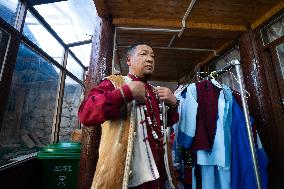
(240412) -- LIJIANG, April 12, 2024 (Xinhua) -- He Jielin puts on traditional costumes of Naxi ethnic group at home in Yuhu village, Lijiang City, southwest China's Yunnan Province, March 25, 2024. Living in Yuhu village at the foot of the Yulong Snow Mountain, He Jielin has witnessed the changes in this ancient Naxi village. From the 1980s to 1990s, He Jielin and his wife could only live off the land. Like other villagers, the couple made a living by cutting wood, picking medicinal materials and digging sand, which resulted in great damages to the forest and the environment. However, people in the village remained poor. In 2004, as the village started to develop tourism, He Jielin began to raise horses and cattle, founded home inns, and gradually, his living condition was improved. In June 2020, He Jielin renovated his old residence, turning it into the village's first museum on Naxi ethnic culture. Tourists were attracted to his museum to experience various activities related with local culture.

  •  
CHINA-YUNNAN-LIJIANG-YUHU VILLAGE-LIFE CHANGE (CN)

CHINA-YUNNAN-LIJIANG-YUHU VILLAGE-LIFE CHANGE (CN)

(240412) -- LIJIANG, April 12, 2024 (Xinhua) -- He Jielin (L) talks with a tourist wearing costumes of Naxi ethnic group in Yuhu village, Lijiang City, southwest China's Yunnan Province, March 25, 2024. Living in Yuhu village at the foot of the Yulong Snow Mountain, He Jielin has witnessed the changes in this ancient Naxi village. From the 1980s to 1990s, He Jielin and his wife could only live off the land. Like other villagers, the couple made a living by cutting wood, picking medicinal materials and digging sand, which resulted in great damages to the forest and the environment. However, people in the village remained poor. In 2004, as the village started to develop tourism, He Jielin began to raise horses and cattle, founded home inns, and gradually, his living condition was improved. In June 2020, He Jielin renovated his old residence, turning it into the village's first museum on Naxi ethnic culture. Tourists were attracted to his museum to experience various activities related with local cultu

  •  
CHINA-YUNNAN-LIJIANG-YUHU VILLAGE-LIFE CHANGE (CN)

CHINA-YUNNAN-LIJIANG-YUHU VILLAGE-LIFE CHANGE (CN)

(240412) -- LIJIANG, April 12, 2024 (Xinhua) -- He Jielin (R) shows the traditional skills of making tofu to a tourist at home in Yuhu village, Lijiang City, southwest China's Yunnan Province, March 25, 2024. Living in Yuhu village at the foot of the Yulong Snow Mountain, He Jielin has witnessed the changes in this ancient Naxi village. From the 1980s to 1990s, He Jielin and his wife could only live off the land. Like other villagers, the couple made a living by cutting wood, picking medicinal materials and digging sand, which resulted in great damages to the forest and the environment. However, people in the village remained poor. In 2004, as the village started to develop tourism, He Jielin began to raise horses and cattle, founded home inns, and gradually, his living condition was improved. In June 2020, He Jielin renovated his old residence, turning it into the village's first museum on Naxi ethnic culture. Tourists were attracted to his museum to experience various activities related with local

  •  
(SichuanMosaics)CHINA-SICHUAN-LUZHOU-EARLY SPRING TEA (CN)

(SichuanMosaics)CHINA-SICHUAN-LUZHOU-EARLY SPRING TEA (CN)

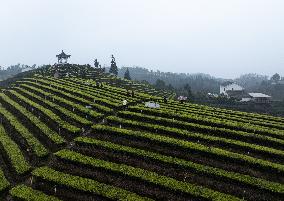
(240311) -- LUZHOU, March 11, 2024 (Xinhua) -- An aerial drone photo taken on March 10, 2024 shows tourists visiting a tea-themed park at Meiling Village of Naxi District, Luzhou City, southwest China's Sichuan Province. In recent years, Naxi District has vigorously developed early spring tea planting and promoted the development of tea tourism. With its tea planting area totaling 315,000 mu (21,000 hectares), Naxi District can produce 23,000 tonnes of tea leaves every year, benefiting more than 5,600 households and cultivating over 100 tea processing enterprises. (Xinhua/Jiang Hongjing)

  •  
(SichuanMosaics)CHINA-SICHUAN-LUZHOU-EARLY SPRING TEA (CN)

(SichuanMosaics)CHINA-SICHUAN-LUZHOU-EARLY SPRING TEA (CN)

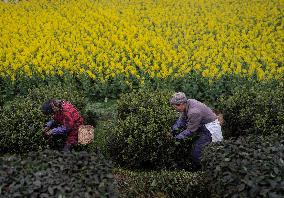
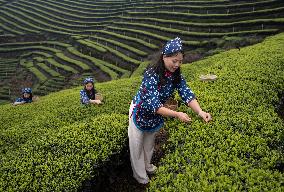
(240311) -- LUZHOU, March 11, 2024 (Xinhua) -- Villagers pick fresh tea leaves at Meiling Village of Naxi District, Luzhou City, southwest China's Sichuan Province, March 10, 2024. In recent years, Naxi District has vigorously developed early spring tea planting and promoted the development of tea tourism. With its tea planting area totaling 315,000 mu (21,000 hectares), Naxi District can produce 23,000 tonnes of tea leaves every year, benefiting more than 5,600 households and cultivating over 100 tea processing enterprises. (Xinhua/Jiang Hongjing)

  •  
(SichuanMosaics)CHINA-SICHUAN-LUZHOU-EARLY SPRING TEA (CN)

(SichuanMosaics)CHINA-SICHUAN-LUZHOU-EARLY SPRING TEA (CN)

(240311) -- LUZHOU, March 11, 2024 (Xinhua) -- Tourists pick tea leaves at a tea-themed park in Meiling Village of Naxi District, Luzhou City, southwest China's Sichuan Province, March 10, 2024. In recent years, Naxi District has vigorously developed early spring tea planting and promoted the development of tea tourism. With its tea planting area totaling 315,000 mu (21,000 hectares), Naxi District can produce 23,000 tonnes of tea leaves every year, benefiting more than 5,600 households and cultivating over 100 tea processing enterprises. (Xinhua/Jiang Hongjing)

  •  
(SichuanMosaics)CHINA-SICHUAN-LUZHOU-EARLY SPRING TEA (CN)

(SichuanMosaics)CHINA-SICHUAN-LUZHOU-EARLY SPRING TEA (CN)

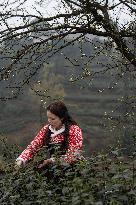
(240311) -- LUZHOU, March 11, 2024 (Xinhua) -- A villager picks fresh tea leaves at Meiling Village of Naxi District, Luzhou City, southwest China's Sichuan Province, March 10, 2024. In recent years, Naxi District has vigorously developed early spring tea planting and promoted the development of tea tourism. With its tea planting area totaling 315,000 mu (21,000 hectares), Naxi District can produce 23,000 tonnes of tea leaves every year, benefiting more than 5,600 households and cultivating over 100 tea processing enterprises. (Xinhua/Jiang Hongjing)

  •  
(SichuanMosaics)CHINA-SICHUAN-LUZHOU-EARLY SPRING TEA (CN)

(SichuanMosaics)CHINA-SICHUAN-LUZHOU-EARLY SPRING TEA (CN)

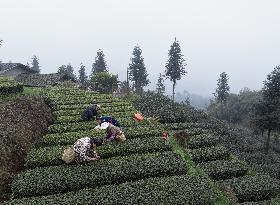
(240311) -- LUZHOU, March 11, 2024 (Xinhua) -- A drone photo taken on March 10, 2024 shows villagers picking fresh tea leaves at Meiling Village of Naxi District, Luzhou City, southwest China's Sichuan Province. In recent years, Naxi District has vigorously developed early spring tea planting and promoted the development of tea tourism. With its tea planting area totaling 315,000 mu (21,000 hectares), Naxi District can produce 23,000 tonnes of tea leaves every year, benefiting more than 5,600 households and cultivating over 100 tea processing enterprises. (Xinhua/Jiang Hongjing)

  •  
(SichuanMosaics)CHINA-SICHUAN-LUZHOU-EARLY SPRING TEA (CN)

(SichuanMosaics)CHINA-SICHUAN-LUZHOU-EARLY SPRING TEA (CN)

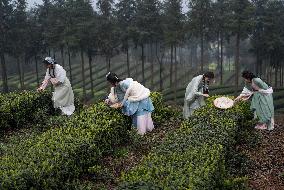
(240311) -- LUZHOU, March 11, 2024 (Xinhua) -- Tourists wearing traditional attire, known as Hanfu, pick tea leaves at Meiling Village of Naxi District, Luzhou City, southwest China's Sichuan Province, March 10, 2024. In recent years, Naxi District has vigorously developed early spring tea planting and promoted the development of tea tourism. With its tea planting area totaling 315,000 mu (21,000 hectares), Naxi District can produce 23,000 tonnes of tea leaves every year, benefiting more than 5,600 households and cultivating over 100 tea processing enterprises. (Xinhua/Jiang Hongjing)

  •  
(SichuanMosaics)CHINA-SICHUAN-LUZHOU-EARLY SPRING TEA (CN)

(SichuanMosaics)CHINA-SICHUAN-LUZHOU-EARLY SPRING TEA (CN)

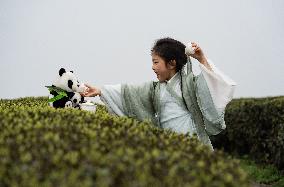
(240311) -- LUZHOU, March 11, 2024 (Xinhua) -- A child plays at a tea garden in Dehong Village of Naxi District, Luzhou City, southwest China's Sichuan Province, March 10, 2024. In recent years, Naxi District has vigorously developed early spring tea planting and promoted the development of tea tourism. With its tea planting area totaling 315,000 mu (21,000 hectares), Naxi District can produce 23,000 tonnes of tea leaves every year, benefiting more than 5,600 households and cultivating over 100 tea processing enterprises. (Xinhua/Jiang Hongjing)

  •  
#CHINA-YUNNAN-WINTER CHERRY BLOSSOM (CN)

#CHINA-YUNNAN-WINTER CHERRY BLOSSOM (CN)

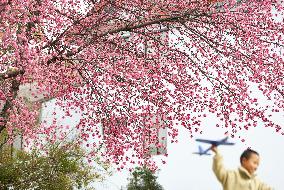
(231225) -- KUNMING, Dec. 25, 2023 (Xinhua) -- A boy plays near winter cherry blossoms in Yulong Naxi Autonomous County, southwest China's Yunnan Province, Dec. 24, 2023. (Photo by Zhao Qingzu/Xinhua)

  •  
(InTibet)CHINA-TIBET-QAMDO-MARKAM-SALT FIELD (CN)

(InTibet)CHINA-TIBET-QAMDO-MARKAM-SALT FIELD (CN)

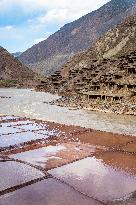
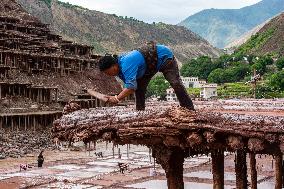
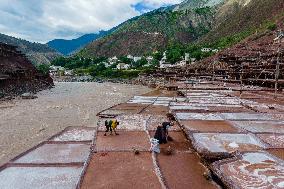
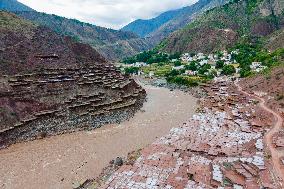
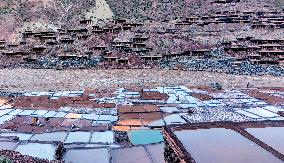
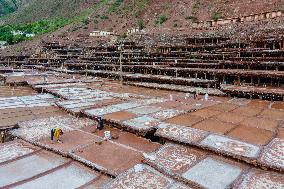
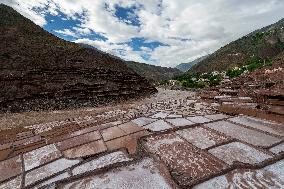
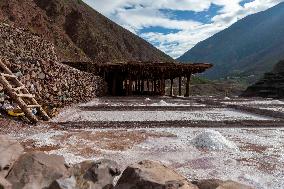
(231022) -- QAMDO, Oct. 22, 2023 (Xinhua) -- This photo taken on Oct. 20, 2023 shows salt fields in Naxi Ethnic Township of Markam County in the city of Qamdo, southwest China's Tibet Autonomous Region. Markam County is known as a place with rich salt resources since ancient China. Salt fields are mainly built on cliff slopes and riversides of the Lancang River. Local people in Naxi evaporate brine in the sun with an ancestral technique since Tang Dynasty (618-907 AD). With a large amount of yearly output of salt products, salt-production has become a main income for local people. Furthermore, the salt fields here and local folk customs also become a unique attraction to visitors. (Xinhua/Sun Fei)

  •  
(InTibet)CHINA-TIBET-QAMDO-MARKAM-SALT FIELD (CN)

(InTibet)CHINA-TIBET-QAMDO-MARKAM-SALT FIELD (CN)

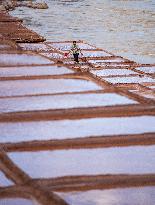
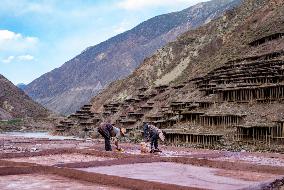
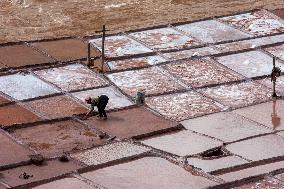
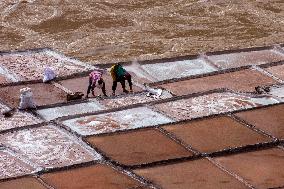
(231022) -- QAMDO, Oct. 22, 2023 (Xinhua) -- A villager works at a salt field in Naxi Ethnic Township of Markam County in the city of Qamdo, southwest China's Tibet Autonomous Region, Oct. 20, 2023. Markam County is known as a place with rich salt resources since ancient China. Salt fields are mainly built on cliff slopes and riversides of the Lancang River. Local people in Naxi evaporate brine in the sun with an ancestral technique since Tang Dynasty (618-907 AD). With a large amount of yearly output of salt products, salt-production has become a main income for local people. Furthermore, the salt fields here and local folk customs also become a unique attraction to visitors. (Xinhua/Sun Fei)

  •  
(InTibet)CHINA-TIBET-QAMDO-MARKAM-SALT FIELD (CN)

(InTibet)CHINA-TIBET-QAMDO-MARKAM-SALT FIELD (CN)

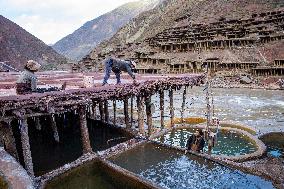
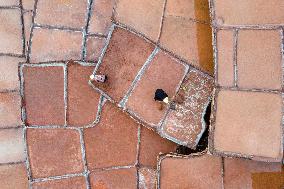
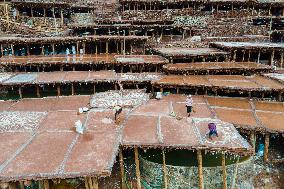
(231022) -- QAMDO, Oct. 22, 2023 (Xinhua) -- Villagers work at a salt field in Naxi Ethnic Township of Markam County in the city of Qamdo, southwest China's Tibet Autonomous Region, Oct. 20, 2023. Markam County is known as a place with rich salt resources since ancient China. Salt fields are mainly built on cliff slopes and riversides of the Lancang River. Local people in Naxi evaporate brine in the sun with an ancestral technique since Tang Dynasty (618-907 AD). With a large amount of yearly output of salt products, salt-production has become a main income for local people. Furthermore, the salt fields here and local folk customs also become a unique attraction to visitors. (Xinhua/Sun Fei)

  •  
(InTibet)CHINA-TIBET-QAMDO-MARKAM-SALT FIELD (CN)

(InTibet)CHINA-TIBET-QAMDO-MARKAM-SALT FIELD (CN)

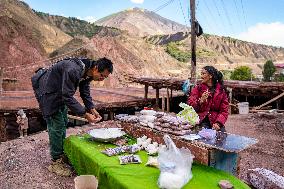
(231022) -- QAMDO, Oct. 22, 2023 (Xinhua) -- A villager promotes salt produced by her family to a tourist near a salt field in Naxi Ethnic Township of Markam County in the city of Qamdo, southwest China's Tibet Autonomous Region, Oct. 20, 2023. Markam County is known as a place with rich salt resources since ancient China. Salt fields are mainly built on cliff slopes and riversides of the Lancang River. Local people in Naxi evaporate brine in the sun with an ancestral technique since Tang Dynasty (618-907 AD). With a large amount of yearly output of salt products, salt-production has become a main income for local people. Furthermore, the salt fields here and local folk customs also become a unique attraction to visitors. (Xinhua/Sun Fei)

  •  
(InTibet)CHINA-TIBET-QAMDO-MARKAM-SALT FIELD (CN)

(InTibet)CHINA-TIBET-QAMDO-MARKAM-SALT FIELD (CN)

(231022) -- QAMDO, Oct. 22, 2023 (Xinhua) -- Villagers work at a salt field in Naxi Ethnic Township of Markam County in the city of Qamdo, southwest China's Tibet Autonomous Region, Oct. 20, 2023. Markam County is known as a place with rich salt resources since ancient China. Salt fields are mainly built on cliff slopes and riversides of the Lancang River. Local people in Naxi evaporate brine in the sun with an ancestral technique since Tang Dynasty (618-907 AD). With a large amount of yearly output of salt products, salt-production has become a main income for local people. Furthermore, the salt fields here and local folk customs also become a unique attraction to visitors. (Xinhua/Sun Fei)

  •  
(InTibet)CHINA-TIBET-QAMDO-MARKAM-SALT FIELD (CN)

(InTibet)CHINA-TIBET-QAMDO-MARKAM-SALT FIELD (CN)

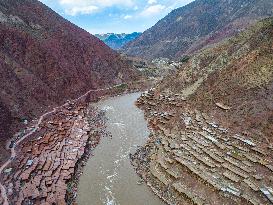
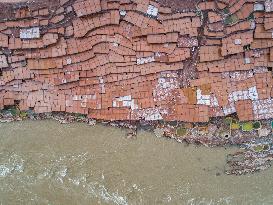
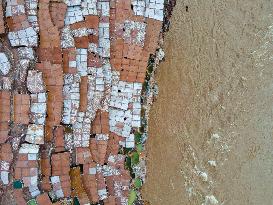
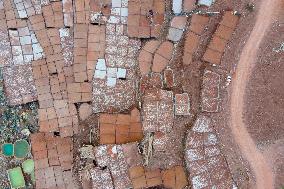
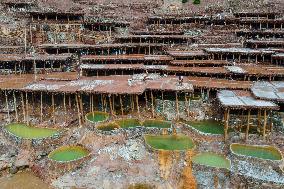
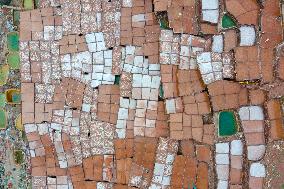
(231022) -- QAMDO, Oct. 22, 2023 (Xinhua) -- This aerial photo taken on Oct. 20, 2023 shows salt fields in Naxi Ethnic Township of Markam County in the city of Qamdo, southwest China's Tibet Autonomous Region. Markam County is known as a place with rich salt resources since ancient China. Salt fields are mainly built on cliff slopes and riversides of the Lancang River. Local people in Naxi evaporate brine in the sun with an ancestral technique since Tang Dynasty (618-907 AD). With a large amount of yearly output of salt products, salt-production has become a main income for local people. Furthermore, the salt fields here and local folk customs also become a unique attraction to visitors. (Xinhua/Sun Fei)

  •  
(InTibet)CHINA-TIBET-QAMDO-MARKAM-SALT FIELD (CN)

(InTibet)CHINA-TIBET-QAMDO-MARKAM-SALT FIELD (CN)

(231022) -- QAMDO, Oct. 22, 2023 (Xinhua) -- This aerial photo taken on Oct. 20, 2023 shows salt fields in Naxi Ethnic Township of Markam County in the city of Qamdo, southwest China's Tibet Autonomous Region. Markam County is known as a place with rich salt resources since ancient China. Salt fields are mainly built on cliff slopes and riversides of the Lancang River. Local people in Naxi evaporate brine in the sun with an ancestral technique since Tang Dynasty (618-907 AD). With a large amount of yearly output of salt products, salt-production has become a main income for local people. Furthermore, the salt fields here and local folk customs also become a unique attraction to visitors. (Xinhua/Sun Fei)

  •  
#CHINA-SUMMER-XIAOSHU-FARMING (CN)

#CHINA-SUMMER-XIAOSHU-FARMING (CN)

(220707) -- LIJIANG, July 7, 2022 (Xinhua) -- A villager removes weed at a sunflower field in Huangshan subdistrict of Yulong Naxi Autonomous County in Lijiang City, southwest China's Yunnan Province, July 7, 2022. Xiaoshu, or Lesser Heat, falls on July 7 this year, which means the beginning of hot summer. (Photo by Zhao Qingzu/Xinhua)

  •  
CHINA-TIBET-QAMDO-MANGKAM-SALT PAN (CN)

CHINA-TIBET-QAMDO-MANGKAM-SALT PAN (CN)

(220603) -- QAMDO, June 3, 2022 (Xinhua) -- A villager works in the salt pans in Naxi Township of Mangkam County, Qamdo, southwest China's Tibet Autonomous Region, May 26, 2022. Local people of Mangkam County follow a traditional salt harvesting method by collecting brines from salt mines and ponds and evaporating them in the sun until crystallization. (Xinhua/Chen Shangcai)

  •  
CHINA-TIBET-QAMDO-MANGKAM-SALT PAN (CN)

CHINA-TIBET-QAMDO-MANGKAM-SALT PAN (CN)

(220603) -- QAMDO, June 3, 2022 (Xinhua) -- Aerial photo taken on May 26, 2022 shows salt pans in Naxi Township of Mangkam County, Qamdo, southwest China's Tibet Autonomous Region. Local people of Mangkam County follow a traditional salt harvesting method by collecting brines from salt mines and ponds and evaporating them in the sun until crystallization. (Xinhua/Zhou Dixiao)

  •  
CHINA-TIBET-QAMDO-MANGKAM-SALT PAN (CN)

CHINA-TIBET-QAMDO-MANGKAM-SALT PAN (CN)

(220603) -- QAMDO, June 3, 2022 (Xinhua) -- Aerial photo taken on May 26, 2022 shows salt pans in Naxi Township of Mangkam County, Qamdo, southwest China's Tibet Autonomous Region. Local people of Mangkam County follow a traditional salt harvesting method by collecting brines from salt mines and ponds and evaporating them in the sun until crystallization. (Xinhua/Zhou Dixiao)

  •  
CHINA-TIBET-QAMDO-MANGKAM-SALT PAN (CN)

CHINA-TIBET-QAMDO-MANGKAM-SALT PAN (CN)

(220603) -- QAMDO, June 3, 2022 (Xinhua) -- Aerial photo taken on May 26, 2022 shows villagers working at the salt pans in Naxi Township of Mangkam County, Qamdo, southwest China's Tibet Autonomous Region. Local people of Mangkam County follow a traditional salt harvesting method by collecting brines from salt mines and ponds and evaporating them in the sun until crystallization. (Xinhua/Zhou Dixiao)

  •  
CHINA-TIBET-QAMDO-MANGKAM-SALT PAN (CN)

CHINA-TIBET-QAMDO-MANGKAM-SALT PAN (CN)

(220603) -- QAMDO, June 3, 2022 (Xinhua) -- Aerial photo taken on May 26, 2022 shows salt pans in Naxi Township of Mangkam County, Qamdo, southwest China's Tibet Autonomous Region. Local people of Mangkam County follow a traditional salt harvesting method by collecting brines from salt mines and ponds and evaporating them in the sun until crystallization. (Xinhua/Zhou Dixiao)

  •  
CHINA-TIBET-QAMDO-MANGKAM-SALT PAN (CN)

CHINA-TIBET-QAMDO-MANGKAM-SALT PAN (CN)

(220603) -- QAMDO, June 3, 2022 (Xinhua) -- A villager works in the salt pans in Naxi Township of Mangkam County, Qamdo, southwest China's Tibet Autonomous Region, May 26, 2022. Local people of Mangkam County follow a traditional salt harvesting method by collecting brines from salt mines and ponds and evaporating them in the sun until crystallization. (Xinhua/Chen Shangcai)

  •  
CHINA-TIBET-QAMDO-MANGKAM-SALT PAN (CN)

CHINA-TIBET-QAMDO-MANGKAM-SALT PAN (CN)

(220603) -- QAMDO, June 3, 2022 (Xinhua) -- Aerial photo taken on May 26, 2022 shows villagers working at the salt pans in Naxi Township of Mangkam County, Qamdo, southwest China's Tibet Autonomous Region. Local people of Mangkam County follow a traditional salt harvesting method by collecting brines from salt mines and ponds and evaporating them in the sun until crystallization. (Xinhua/Zhou Dixiao)

  •  
CHINA-TIBET-QAMDO-MANGKAM-SALT PAN (CN)

CHINA-TIBET-QAMDO-MANGKAM-SALT PAN (CN)

(220603) -- QAMDO, June 3, 2022 (Xinhua) -- Aerial photo taken on May 26, 2022 shows villagers working at the salt pans in Naxi Township of Mangkam County, Qamdo, southwest China's Tibet Autonomous Region. Local people of Mangkam County follow a traditional salt harvesting method by collecting brines from salt mines and ponds and evaporating them in the sun until crystallization. (Xinhua/Zhou Dixiao)

  •  
CHINA-TIBET-QAMDO-MANGKAM-SALT PAN (CN)

CHINA-TIBET-QAMDO-MANGKAM-SALT PAN (CN)

(220603) -- QAMDO, June 3, 2022 (Xinhua) -- Aerial photo taken on May 26, 2022 shows salt pans in Naxi Township of Mangkam County, Qamdo, southwest China's Tibet Autonomous Region. Local people of Mangkam County follow a traditional salt harvesting method by collecting brines from salt mines and ponds and evaporating them in the sun until crystallization. (Xinhua/Zhou Dixiao)

  •  
CHINA-TIBET-QAMDO-MANGKAM-SALT PAN (CN)

CHINA-TIBET-QAMDO-MANGKAM-SALT PAN (CN)

(220603) -- QAMDO, June 3, 2022 (Xinhua) -- Photo taken on May 25, 2022 shows salt pans in Naxi Township of Mangkam County, Qamdo, southwest China's Tibet Autonomous Region. Local people of Mangkam County follow a traditional salt harvesting method by collecting brines from salt mines and ponds and evaporating them in the sun until crystallization. (Xinhua/Fan Fan)

  •  
CHINA-TIBET-QAMDO-MANGKAM-SALT PAN (CN)

CHINA-TIBET-QAMDO-MANGKAM-SALT PAN (CN)

(220603) -- QAMDO, June 3, 2022 (Xinhua) -- Villagers work in the salt pans in Naxi Township of Mangkam County, Qamdo, southwest China's Tibet Autonomous Region, May 26, 2022. Local people of Mangkam County follow a traditional salt harvesting method by collecting brines from salt mines and ponds and evaporating them in the sun until crystallization. (Xinhua/Chen Shangcai)

  •  
CHINA-TIBET-QAMDO-MANGKAM-SALT PAN (CN)

CHINA-TIBET-QAMDO-MANGKAM-SALT PAN (CN)

(220603) -- QAMDO, June 3, 2022 (Xinhua) -- Aerial photo taken on May 26, 2022 shows villagers working at the salt pans in Naxi Township of Mangkam County, Qamdo, southwest China's Tibet Autonomous Region. Local people of Mangkam County follow a traditional salt harvesting method by collecting brines from salt mines and ponds and evaporating them in the sun until crystallization. (Xinhua/Zhou Dixiao)

  •  
CHINA-TIBET-QAMDO-MANGKAM-SALT PAN (CN)

CHINA-TIBET-QAMDO-MANGKAM-SALT PAN (CN)

(220603) -- QAMDO, June 3, 2022 (Xinhua) -- Photo taken on May 26, 2022 shows salt pans in Naxi Township of Mangkam County, Qamdo, southwest China's Tibet Autonomous Region. Local people of Mangkam County follow a traditional salt harvesting method by collecting brines from salt mines and ponds and evaporating them in the sun until crystallization. (Xinhua/Zhou Dixiao)

  •  
CHINA-TIBET-QAMDO-MANGKAM-SALT PAN (CN)

CHINA-TIBET-QAMDO-MANGKAM-SALT PAN (CN)

(220603) -- QAMDO, June 3, 2022 (Xinhua) -- Aerial photo taken on May 26, 2022 shows salt pans in Naxi Township of Mangkam County, Qamdo, southwest China's Tibet Autonomous Region. Local people of Mangkam County follow a traditional salt harvesting method by collecting brines from salt mines and ponds and evaporating them in the sun until crystallization. (Xinhua/Zhou Dixiao)

  •  
CHINA-TIBET-QAMDO-MANGKAM-SALT PAN (CN)

CHINA-TIBET-QAMDO-MANGKAM-SALT PAN (CN)

(220603) -- QAMDO, June 3, 2022 (Xinhua) -- Photo taken on May 26, 2022 shows salt pans in Naxi Township of Mangkam County, Qamdo, southwest China's Tibet Autonomous Region. Local people of Mangkam County follow a traditional salt harvesting method by collecting brines from salt mines and ponds and evaporating them in the sun until crystallization. (Xinhua/Fan Fan)

  •  
CHINA-SICHUAN-LUZHOU-RURAL VIDEO BLOGGER (CN)

CHINA-SICHUAN-LUZHOU-RURAL VIDEO BLOGGER (CN)

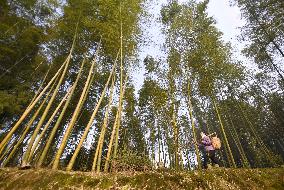
(220126) -- LUZHOU, Jan. 26, 2022 (Xinhua) -- Wu Qiuyue looks for winter bamboo shoots at a bamboo forest in Zhuhai Village of Baijie Town of Naxi District, Luzhou, southwest China's Sichuan Province, Jan. 18, 2022. Years ago, Wu Qiuyue used to work in an electronics factory in south China's Shenzhen. Later, in order to take care of her parents and daughter, she and her husband Huang Zhongping decided to return to her hometown to start a business together. At the beginning of 2020, the couple, with certain experience in e-commerce, began to try short video shooting, and opened an account on the short-video platform Douyin to record farming over the four seasons in the village. She has now become an influencer with more than 10.8 million followers and has received more than 110 million likes. "My videos are all about the original rural life. Many people who work far away from thei.....

  •  
CHINA-SICHUAN-LUZHOU-RURAL VIDEO BLOGGER (CN)

CHINA-SICHUAN-LUZHOU-RURAL VIDEO BLOGGER (CN)

(220126) -- LUZHOU, Jan. 26, 2022 (Xinhua) -- Wu Qiuyue learns about the feedback of customers in Zhuhai Village of Baijie Town of Naxi District, Luzhou, southwest China's Sichuan Province, Jan. 18, 2022. Years ago, Wu Qiuyue used to work in an electronics factory in south China's Shenzhen. Later, in order to take care of her parents and daughter, she and her husband Huang Zhongping decided to return to her hometown to start a business together. At the beginning of 2020, the couple, with certain experience in e-commerce, began to try short video shooting, and opened an account on the short-video platform Douyin to record farming over the four seasons in the village. She has now become an influencer with more than 10.8 million followers and has received more than 110 million likes. "My videos are all about the original rural life. Many people who work far away from their hometown .....

  • Main
  • Top
  • Editorial
  • Creative
  • About Us
  • About ILG
  • Terms of use
  • Company
  • BEHIND
  • Price List
  • Single Plan
  • Monthly Plan
  • Services
  • Shooting
  • Rights Clearance
  • Support
  • FAQ
  • How To Buy
  • Contact Us
  • Become a Partner

© KYODO NEWS IMAGES INC

All Rights Reserved.

  • Editorial
  • Olympics
  • News
  • Sports
  • Japan
  • Tech
  • Royal
  • Disaster
  • NorthKorea
  • Old Japan
  • SNS
  • Creative
  • Food
  • Japan
  • Landscape
  • Animal
  • Popular
  • #Ukraine
  • #Russia
  • #coronavirus
  • #N. Korea
  • #Thailand
  • #China
  • #Ukraine
  • #Russia
  • #coronavirus
  • #N. Korea
  • #Thailand
  • #China
  • Food
  • Japan
  • Landscape
  • Animal
  • Olympics
  • News
  • Sports
  • Japan
  • Tech
  • Royal
  • Disaster
  • NorthKorea
  • Old Japan
  • SNS