•  
Monsoons Flood in India

Monsoons Flood in India

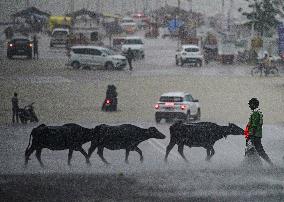
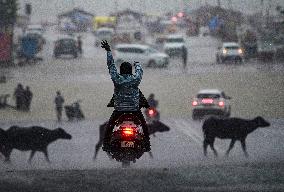
Buffaloes cross a flooded road during heavy rainfall in Prayagraj, India, on July 5, 2025. The seasonal rains bring much-needed relief from the summer heat but also disrupt daily life across northern India, leading to traffic congestion, localized flooding, and transportation delays. Photo by Sanjay Kanojia/Middle East Images/ABACAPRESS.COM

  •  
Monsoons Flood in India

Monsoons Flood in India

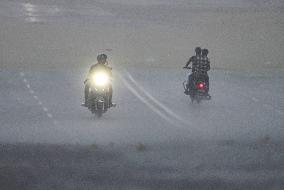
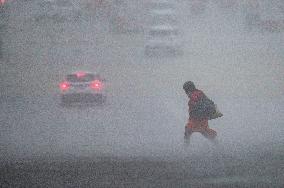
Motorcyclists ride through a flooded street during heavy rain in Prayagraj, India, on July 5, 2025. The seasonal rains bring much-needed relief from the summer heat but also disrupt daily life across northern India, leading to traffic congestion, localized flooding, and transportation delays. Photo by Sanjay Kanojia/Middle East Images/ABACAPRESS.COM

  •  
Monsoons Flood in India

Monsoons Flood in India

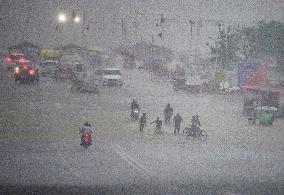
Pedestrians and vehicles navigate waterlogged streets during a heavy monsoon downpour in Prayagraj, India, on July 5, 2025. The seasonal rains bring much-needed relief from the summer heat but also disrupt daily life across northern India, leading to traffic congestion, localized flooding, and transportation delays. Photo by Sanjay Kanojia/Middle East Images/ABACAPRESS.COM

  •  
Monsoons Flood in India

Monsoons Flood in India

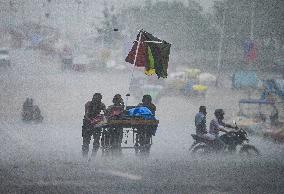
Men push a cart through floodwaters during a monsoon downpour in Prayagraj, India, on July 5, 2025. The seasonal rains bring much-needed relief from the summer heat but also disrupt daily life across northern India, leading to traffic congestion, localized flooding, and transportation delays. Photo by Sanjay Kanojia/Middle East Images/ABACAPRESS.COM

  •  
Monsoons Flood in India

Monsoons Flood in India

Buffaloes cross a flooded road during heavy rainfall in Prayagraj, India, on July 5, 2025. The seasonal rains bring much-needed relief from the summer heat but also disrupt daily life across northern India, leading to traffic congestion, localized flooding, and transportation delays. Photo by Sanjay Kanojia/Middle East Images/ABACAPRESS.COM

  •  
Monsoons Flood in India

Monsoons Flood in India

Pedestrians and vehicles navigate waterlogged streets during a heavy monsoon downpour in Prayagraj, India, on July 5, 2025. The seasonal rains bring much-needed relief from the summer heat but also disrupt daily life across northern India, leading to traffic congestion, localized flooding, and transportation delays. Photo by Sanjay Kanojia/Middle East Images/ABACAPRESS.COM

  •  
Monsoons Flood in India

Monsoons Flood in India

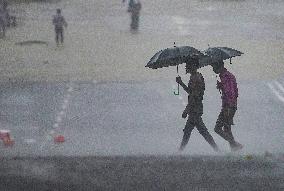
Pedestrians navigate waterlogged streets during a heavy monsoon downpour in Prayagraj, India, on July 5, 2025. The seasonal rains bring much-needed relief from the summer heat but also disrupt daily life across northern India, leading to traffic congestion, localized flooding, and transportation delays. Photo by Sanjay Kanojia/Middle East Images/ABACAPRESS.COM

  •  
Kumartuli Sculptors Prepare for Festival Season - India

Kumartuli Sculptors Prepare for Festival Season - India

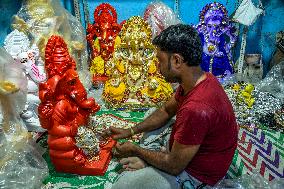
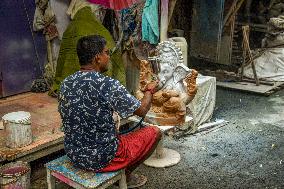
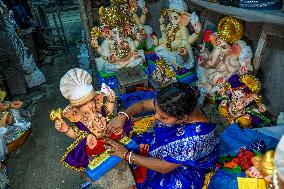
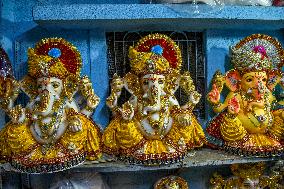
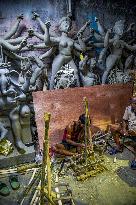
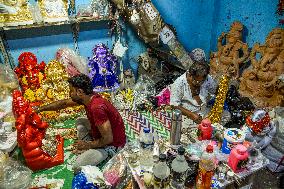
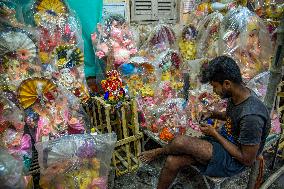
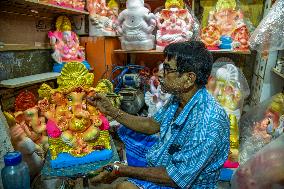
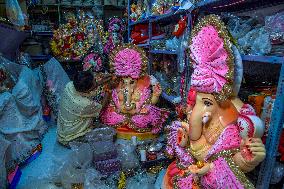
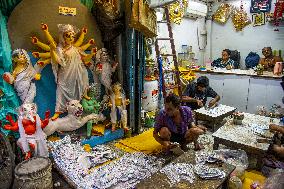
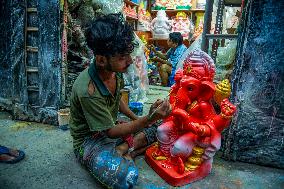
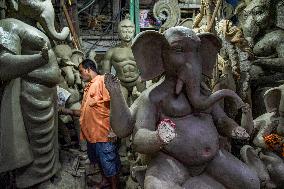
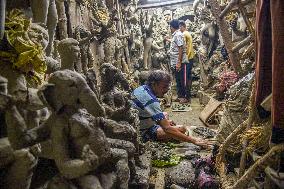
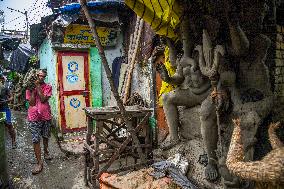
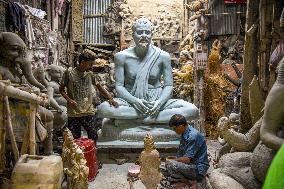
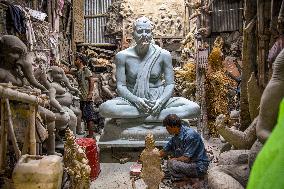
Kumartuli, Kolkata's historic potters' quarter, is renowned for its centuries-old tradition of crafting clay idols, especially for the Durga Puja festival. Artisans sculpt elaborate figures of Hindu deities from straw and clay inside narrow, open-air workshops in this densely populated neighborhood in northern Kolkata, India, on August 5, 2025. The area dates back to the early 18th century, when potters were commissioned to create idols for wealthy Bengali households. Today, Kumartuli supplies thousands of handcrafted idols not only to cities across India but also to international communities celebrating Durga Puja. As the festival approaches, the pace of work intensifies, with sculptors of all ages and skill levels contributing to the creation of goddess Durga, Ganesh, Kartik, Lakshmi, and Saraswati. The craft blends spiritual devotion with generational artistry, sustaining a vital cultural heritage that continues to thrive amid urban transformation. Photo by Debajyoti Chakraborty/Middle East Images/ABACAPRE

  •  
Kumartuli Sculptors Prepare for Festival Season - India

Kumartuli Sculptors Prepare for Festival Season - India

Kumartuli, Kolkata's historic potters' quarter, is renowned for its centuries-old tradition of crafting clay idols, especially for the Durga Puja festival. Artisans sculpt elaborate figures of Hindu deities from straw and clay inside narrow, open-air workshops in this densely populated neighborhood in northern Kolkata, India, on August 5, 2025. The area dates back to the early 18th century, when potters were commissioned to create idols for wealthy Bengali households. Today, Kumartuli supplies thousands of handcrafted idols not only to cities across India but also to international communities celebrating Durga Puja. As the festival approaches, the pace of work intensifies, with sculptors of all ages and skill levels contributing to the creation of goddess Durga, Ganesh, Kartik, Lakshmi, and Saraswati. The craft blends spiritual devotion with generational artistry, sustaining a vital cultural heritage that continues to thrive amid urban transformation. Photo by Debajyoti Chakraborty/Middle East Images/ABACAPRE

  •  
Kumartuli Sculptors Prepare for Festival Season - India

Kumartuli Sculptors Prepare for Festival Season - India

Kumartuli, Kolkata's historic potters' quarter, is renowned for its centuries-old tradition of crafting clay idols, especially for the Durga Puja festival. Artisans sculpt elaborate figures of Hindu deities from straw and clay inside narrow, open-air workshops in this densely populated neighborhood in northern Kolkata, India, on August 5, 2025. The area dates back to the early 18th century, when potters were commissioned to create idols for wealthy Bengali households. Today, Kumartuli supplies thousands of handcrafted idols not only to cities across India but also to international communities celebrating Durga Puja. As the festival approaches, the pace of work intensifies, with sculptors of all ages and skill levels contributing to the creation of goddess Durga, Ganesh, Kartik, Lakshmi, and Saraswati. The craft blends spiritual devotion with generational artistry, sustaining a vital cultural heritage that continues to thrive amid urban transformation. Photo by Debajyoti Chakraborty/Middle East Images/ABACAPRE

  •  
Kumartuli Sculptors Prepare for Festival Season - India

Kumartuli Sculptors Prepare for Festival Season - India

Kumartuli, Kolkata's historic potters' quarter, is renowned for its centuries-old tradition of crafting clay idols, especially for the Durga Puja festival. Artisans sculpt elaborate figures of Hindu deities from straw and clay inside narrow, open-air workshops in this densely populated neighborhood in northern Kolkata, India, on August 5, 2025. The area dates back to the early 18th century, when potters were commissioned to create idols for wealthy Bengali households. Today, Kumartuli supplies thousands of handcrafted idols not only to cities across India but also to international communities celebrating Durga Puja. As the festival approaches, the pace of work intensifies, with sculptors of all ages and skill levels contributing to the creation of goddess Durga, Ganesh, Kartik, Lakshmi, and Saraswati. The craft blends spiritual devotion with generational artistry, sustaining a vital cultural heritage that continues to thrive amid urban transformation. Photo by Debajyoti Chakraborty/Middle East Images/ABACAPRE

  •  
Kumartuli Sculptors Prepare for Festival Season - India

Kumartuli Sculptors Prepare for Festival Season - India

Kumartuli, Kolkata's historic potters' quarter, is renowned for its centuries-old tradition of crafting clay idols, especially for the Durga Puja festival. Artisans sculpt elaborate figures of Hindu deities from straw and clay inside narrow, open-air workshops in this densely populated neighborhood in northern Kolkata, India, on August 5, 2025. The area dates back to the early 18th century, when potters were commissioned to create idols for wealthy Bengali households. Today, Kumartuli supplies thousands of handcrafted idols not only to cities across India but also to international communities celebrating Durga Puja. As the festival approaches, the pace of work intensifies, with sculptors of all ages and skill levels contributing to the creation of goddess Durga, Ganesh, Kartik, Lakshmi, and Saraswati. The craft blends spiritual devotion with generational artistry, sustaining a vital cultural heritage that continues to thrive amid urban transformation. Photo by Debajyoti Chakraborty/Middle East Images/ABACAPRE

  •  
Kumartuli Sculptors Prepare for Festival Season - India

Kumartuli Sculptors Prepare for Festival Season - India

Kumartuli, Kolkata's historic potters' quarter, is renowned for its centuries-old tradition of crafting clay idols, especially for the Durga Puja festival. Artisans sculpt elaborate figures of Hindu deities from straw and clay inside narrow, open-air workshops in this densely populated neighborhood in northern Kolkata, India, on August 5, 2025. The area dates back to the early 18th century, when potters were commissioned to create idols for wealthy Bengali households. Today, Kumartuli supplies thousands of handcrafted idols not only to cities across India but also to international communities celebrating Durga Puja. As the festival approaches, the pace of work intensifies, with sculptors of all ages and skill levels contributing to the creation of goddess Durga, Ganesh, Kartik, Lakshmi, and Saraswati. The craft blends spiritual devotion with generational artistry, sustaining a vital cultural heritage that continues to thrive amid urban transformation. Photo by Debajyoti Chakraborty/Middle East Images/ABACAPRE

  •  
Kumartuli Sculptors Prepare for Festival Season - India

Kumartuli Sculptors Prepare for Festival Season - India

Kumartuli, Kolkata's historic potters' quarter, is renowned for its centuries-old tradition of crafting clay idols, especially for the Durga Puja festival. Artisans sculpt elaborate figures of Hindu deities from straw and clay inside narrow, open-air workshops in this densely populated neighborhood in northern Kolkata, India, on August 5, 2025. The area dates back to the early 18th century, when potters were commissioned to create idols for wealthy Bengali households. Today, Kumartuli supplies thousands of handcrafted idols not only to cities across India but also to international communities celebrating Durga Puja. As the festival approaches, the pace of work intensifies, with sculptors of all ages and skill levels contributing to the creation of goddess Durga, Ganesh, Kartik, Lakshmi, and Saraswati. The craft blends spiritual devotion with generational artistry, sustaining a vital cultural heritage that continues to thrive amid urban transformation. Photo by Debajyoti Chakraborty/Middle East Images/ABACAPRE

  •  
Kumartuli Sculptors Prepare for Festival Season - India

Kumartuli Sculptors Prepare for Festival Season - India

Kumartuli, Kolkata's historic potters' quarter, is renowned for its centuries-old tradition of crafting clay idols, especially for the Durga Puja festival. Artisans sculpt elaborate figures of Hindu deities from straw and clay inside narrow, open-air workshops in this densely populated neighborhood in northern Kolkata, India, on August 5, 2025. The area dates back to the early 18th century, when potters were commissioned to create idols for wealthy Bengali households. Today, Kumartuli supplies thousands of handcrafted idols not only to cities across India but also to international communities celebrating Durga Puja. As the festival approaches, the pace of work intensifies, with sculptors of all ages and skill levels contributing to the creation of goddess Durga, Ganesh, Kartik, Lakshmi, and Saraswati. The craft blends spiritual devotion with generational artistry, sustaining a vital cultural heritage that continues to thrive amid urban transformation. Photo by Debajyoti Chakraborty/Middle East Images/ABACAPRE

  •  
Kumartuli Sculptors Prepare for Festival Season - India

Kumartuli Sculptors Prepare for Festival Season - India

Kumartuli, Kolkata's historic potters' quarter, is renowned for its centuries-old tradition of crafting clay idols, especially for the Durga Puja festival. Artisans sculpt elaborate figures of Hindu deities from straw and clay inside narrow, open-air workshops in this densely populated neighborhood in northern Kolkata, India, on August 5, 2025. The area dates back to the early 18th century, when potters were commissioned to create idols for wealthy Bengali households. Today, Kumartuli supplies thousands of handcrafted idols not only to cities across India but also to international communities celebrating Durga Puja. As the festival approaches, the pace of work intensifies, with sculptors of all ages and skill levels contributing to the creation of goddess Durga, Ganesh, Kartik, Lakshmi, and Saraswati. The craft blends spiritual devotion with generational artistry, sustaining a vital cultural heritage that continues to thrive amid urban transformation. Photo by Debajyoti Chakraborty/Middle East Images/ABACAPRE

  •  
Kumartuli Sculptors Prepare for Festival Season - India

Kumartuli Sculptors Prepare for Festival Season - India

Kumartuli, Kolkata's historic potters' quarter, is renowned for its centuries-old tradition of crafting clay idols, especially for the Durga Puja festival. Artisans sculpt elaborate figures of Hindu deities from straw and clay inside narrow, open-air workshops in this densely populated neighborhood in northern Kolkata, India, on August 5, 2025. The area dates back to the early 18th century, when potters were commissioned to create idols for wealthy Bengali households. Today, Kumartuli supplies thousands of handcrafted idols not only to cities across India but also to international communities celebrating Durga Puja. As the festival approaches, the pace of work intensifies, with sculptors of all ages and skill levels contributing to the creation of goddess Durga, Ganesh, Kartik, Lakshmi, and Saraswati. The craft blends spiritual devotion with generational artistry, sustaining a vital cultural heritage that continues to thrive amid urban transformation. Photo by Debajyoti Chakraborty/Middle East Images/ABACAPRE

  •  
Kumartuli Sculptors Prepare for Festival Season - India

Kumartuli Sculptors Prepare for Festival Season - India

Kumartuli, Kolkata's historic potters' quarter, is renowned for its centuries-old tradition of crafting clay idols, especially for the Durga Puja festival. Artisans sculpt elaborate figures of Hindu deities from straw and clay inside narrow, open-air workshops in this densely populated neighborhood in northern Kolkata, India, on August 5, 2025. The area dates back to the early 18th century, when potters were commissioned to create idols for wealthy Bengali households. Today, Kumartuli supplies thousands of handcrafted idols not only to cities across India but also to international communities celebrating Durga Puja. As the festival approaches, the pace of work intensifies, with sculptors of all ages and skill levels contributing to the creation of goddess Durga, Ganesh, Kartik, Lakshmi, and Saraswati. The craft blends spiritual devotion with generational artistry, sustaining a vital cultural heritage that continues to thrive amid urban transformation. Photo by Debajyoti Chakraborty/Middle East Images/ABACAPRE

  •  
Kumartuli Sculptors Prepare for Festival Season - India

Kumartuli Sculptors Prepare for Festival Season - India

Kumartuli, Kolkata's historic potters' quarter, is renowned for its centuries-old tradition of crafting clay idols, especially for the Durga Puja festival. Artisans sculpt elaborate figures of Hindu deities from straw and clay inside narrow, open-air workshops in this densely populated neighborhood in northern Kolkata, India, on August 5, 2025. The area dates back to the early 18th century, when potters were commissioned to create idols for wealthy Bengali households. Today, Kumartuli supplies thousands of handcrafted idols not only to cities across India but also to international communities celebrating Durga Puja. As the festival approaches, the pace of work intensifies, with sculptors of all ages and skill levels contributing to the creation of goddess Durga, Ganesh, Kartik, Lakshmi, and Saraswati. The craft blends spiritual devotion with generational artistry, sustaining a vital cultural heritage that continues to thrive amid urban transformation. Photo by Debajyoti Chakraborty/Middle East Images/ABACAPRE

  •  
Kumartuli Sculptors Prepare for Festival Season - India

Kumartuli Sculptors Prepare for Festival Season - India

Kumartuli, Kolkata's historic potters' quarter, is renowned for its centuries-old tradition of crafting clay idols, especially for the Durga Puja festival. Artisans sculpt elaborate figures of Hindu deities from straw and clay inside narrow, open-air workshops in this densely populated neighborhood in northern Kolkata, India, on August 5, 2025. The area dates back to the early 18th century, when potters were commissioned to create idols for wealthy Bengali households. Today, Kumartuli supplies thousands of handcrafted idols not only to cities across India but also to international communities celebrating Durga Puja. As the festival approaches, the pace of work intensifies, with sculptors of all ages and skill levels contributing to the creation of goddess Durga, Ganesh, Kartik, Lakshmi, and Saraswati. The craft blends spiritual devotion with generational artistry, sustaining a vital cultural heritage that continues to thrive amid urban transformation. Photo by Debajyoti Chakraborty/Middle East Images/ABACAPRE

  •  
Kumartuli Sculptors Prepare for Festival Season - India

Kumartuli Sculptors Prepare for Festival Season - India

Kumartuli, Kolkata's historic potters' quarter, is renowned for its centuries-old tradition of crafting clay idols, especially for the Durga Puja festival. Artisans sculpt elaborate figures of Hindu deities from straw and clay inside narrow, open-air workshops in this densely populated neighborhood in northern Kolkata, India, on August 5, 2025. The area dates back to the early 18th century, when potters were commissioned to create idols for wealthy Bengali households. Today, Kumartuli supplies thousands of handcrafted idols not only to cities across India but also to international communities celebrating Durga Puja. As the festival approaches, the pace of work intensifies, with sculptors of all ages and skill levels contributing to the creation of goddess Durga, Ganesh, Kartik, Lakshmi, and Saraswati. The craft blends spiritual devotion with generational artistry, sustaining a vital cultural heritage that continues to thrive amid urban transformation. Photo by Debajyoti Chakraborty/Middle East Images/ABACAPRE

  •  
Kumartuli Sculptors Prepare for Festival Season - India

Kumartuli Sculptors Prepare for Festival Season - India

Kumartuli, Kolkata's historic potters' quarter, is renowned for its centuries-old tradition of crafting clay idols, especially for the Durga Puja festival. Artisans sculpt elaborate figures of Hindu deities from straw and clay inside narrow, open-air workshops in this densely populated neighborhood in northern Kolkata, India, on August 5, 2025. The area dates back to the early 18th century, when potters were commissioned to create idols for wealthy Bengali households. Today, Kumartuli supplies thousands of handcrafted idols not only to cities across India but also to international communities celebrating Durga Puja. As the festival approaches, the pace of work intensifies, with sculptors of all ages and skill levels contributing to the creation of goddess Durga, Ganesh, Kartik, Lakshmi, and Saraswati. The craft blends spiritual devotion with generational artistry, sustaining a vital cultural heritage that continues to thrive amid urban transformation. Photo by Debajyoti Chakraborty/Middle East Images/ABACAPRE

  •  
Kumartuli Sculptors Prepare for Festival Season - India

Kumartuli Sculptors Prepare for Festival Season - India

Kumartuli, Kolkata's historic potters' quarter, is renowned for its centuries-old tradition of crafting clay idols, especially for the Durga Puja festival. Artisans sculpt elaborate figures of Hindu deities from straw and clay inside narrow, open-air workshops in this densely populated neighborhood in northern Kolkata, India, on August 5, 2025. The area dates back to the early 18th century, when potters were commissioned to create idols for wealthy Bengali households. Today, Kumartuli supplies thousands of handcrafted idols not only to cities across India but also to international communities celebrating Durga Puja. As the festival approaches, the pace of work intensifies, with sculptors of all ages and skill levels contributing to the creation of goddess Durga, Ganesh, Kartik, Lakshmi, and Saraswati. The craft blends spiritual devotion with generational artistry, sustaining a vital cultural heritage that continues to thrive amid urban transformation. Photo by Debajyoti Chakraborty/Middle East Images/ABACAPRE

  •  
Residents Stranded as Yamuna River Floods Rise

Residents Stranded as Yamuna River Floods Rise

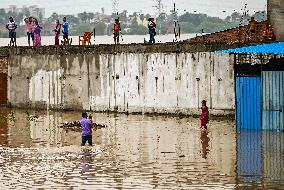
Flood-affected residents of a low-lying area stand on their rooftop on the banks of the Yamuna River in Prayagraj, India, on August 3, 2025, as water levels rise following continuous monsoon rains. The annual monsoon season brings critical rainfall to northern India, but also triggers frequent flooding, especially in vulnerable low-lying regions. Rising river levels force families to seek shelter on rooftops or evacuate their homes. The floods disrupt daily life, damage property, and pose health risks due to waterborne diseases and lack of clean water. Local authorities often struggle to provide timely relief and evacuation assistance. Scenes like this reflect the ongoing challenges of climate vulnerability and urban planning in flood-prone zones, highlighting the human cost of extreme weather patterns intensified by climate change. Photo by Middle East Images/ABACAPRESS.COM

  •  
Train Crosses Yamuna Bridge Amid Rising Waters

Train Crosses Yamuna Bridge Amid Rising Waters

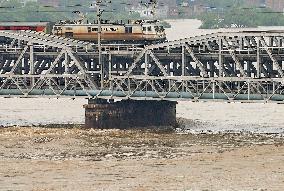
A passenger train crosses the old Yamuna Bridge over the Yamuna River in Prayagraj, India, on August 3, 2025, as water levels rise following intense monsoon rains. The annual monsoon season brings both critical rainfall and recurring threats of flooding to northern India. As river levels swell, vital infrastructure such as bridges and railway lines come under increased strain. Despite the rising water, train services continue to operate, highlighting the region’s reliance on rail transport for daily commuting and economic activity. The swollen river beneath the historic bridge creates a dramatic visual contrast, underscoring the intersection of resilience, risk, and infrastructure in flood-prone areas. Authorities remain on alert as continued rainfall poses a threat to low-lying neighborhoods and transport systems across the region. Photo by Middle East Images/ABACAPRESS.COM

  •  
Kashmiri Farmers Dry Almonds in Harvest Season - India

Kashmiri Farmers Dry Almonds in Harvest Season - India

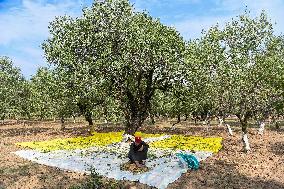
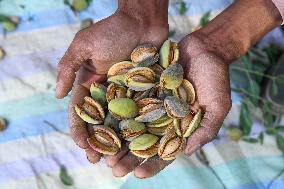
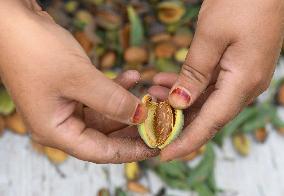
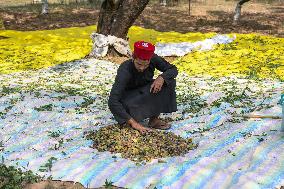
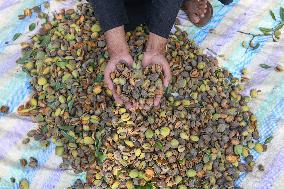
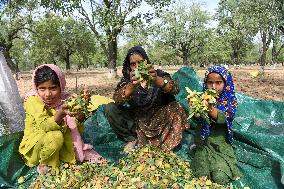
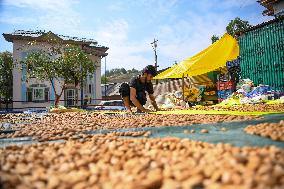
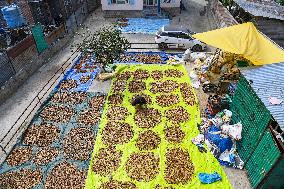
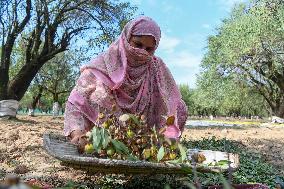
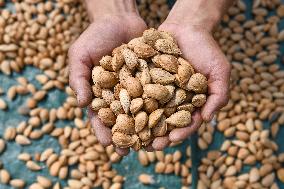
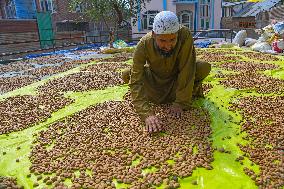
A Kashmiri farmer dries almonds during the harvesting season at a village in Pulwama district, south of Srinagar, on August 3, 2025. Almond cultivation is a key agricultural activity in the Kashmir Valley, contributing to the livelihoods of thousands of families. After harvesting, almonds are spread out under the sun to dry, a traditional method used to preserve and prepare the nuts for local markets and export. The season is labor-intensive, requiring manual effort for collection, sorting, and sun-drying. Despite challenges from erratic weather and limited infrastructure, farmers in the region continue to rely on almond production as a vital source of income. The annual harvest is also a symbol of rural resilience and cultural heritage in this conflict-affected region of northern India. Photo by Middle East Images/ABACAPRESS.COM

  •  
Kashmiri Farmers Dry Almonds in Harvest Season - India

Kashmiri Farmers Dry Almonds in Harvest Season - India

A Kashmiri farmer dries almonds during the harvesting season at a village in Pulwama district, south of Srinagar, on August 3, 2025. Almond cultivation is a key agricultural activity in the Kashmir Valley, contributing to the livelihoods of thousands of families. After harvesting, almonds are spread out under the sun to dry, a traditional method used to preserve and prepare the nuts for local markets and export. The season is labor-intensive, requiring manual effort for collection, sorting, and sun-drying. Despite challenges from erratic weather and limited infrastructure, farmers in the region continue to rely on almond production as a vital source of income. The annual harvest is also a symbol of rural resilience and cultural heritage in this conflict-affected region of northern India. Photo by Middle East Images/ABACAPRESS.COM

  •  
Kashmiri Farmers Dry Almonds in Harvest Season - India

Kashmiri Farmers Dry Almonds in Harvest Season - India

A Kashmiri farmer dries almonds during the harvesting season at a village in Pulwama district, south of Srinagar, on August 3, 2025. Almond cultivation is a key agricultural activity in the Kashmir Valley, contributing to the livelihoods of thousands of families. After harvesting, almonds are spread out under the sun to dry, a traditional method used to preserve and prepare the nuts for local markets and export. The season is labor-intensive, requiring manual effort for collection, sorting, and sun-drying. Despite challenges from erratic weather and limited infrastructure, farmers in the region continue to rely on almond production as a vital source of income. The annual harvest is also a symbol of rural resilience and cultural heritage in this conflict-affected region of northern India. Photo by Middle East Images/ABACAPRESS.COM

  •  
Kashmiri Farmers Dry Almonds in Harvest Season - India

Kashmiri Farmers Dry Almonds in Harvest Season - India

A Kashmiri farmer dries almonds during the harvesting season at a village in Pulwama district, south of Srinagar, on August 3, 2025. Almond cultivation is a key agricultural activity in the Kashmir Valley, contributing to the livelihoods of thousands of families. After harvesting, almonds are spread out under the sun to dry, a traditional method used to preserve and prepare the nuts for local markets and export. The season is labor-intensive, requiring manual effort for collection, sorting, and sun-drying. Despite challenges from erratic weather and limited infrastructure, farmers in the region continue to rely on almond production as a vital source of income. The annual harvest is also a symbol of rural resilience and cultural heritage in this conflict-affected region of northern India. Photo by Middle East Images/ABACAPRESS.COM

  •  
Kashmiri Farmers Dry Almonds in Harvest Season - India

Kashmiri Farmers Dry Almonds in Harvest Season - India

A Kashmiri farmer dries almonds during the harvesting season at a village in Pulwama district, south of Srinagar, on August 3, 2025. Almond cultivation is a key agricultural activity in the Kashmir Valley, contributing to the livelihoods of thousands of families. After harvesting, almonds are spread out under the sun to dry, a traditional method used to preserve and prepare the nuts for local markets and export. The season is labor-intensive, requiring manual effort for collection, sorting, and sun-drying. Despite challenges from erratic weather and limited infrastructure, farmers in the region continue to rely on almond production as a vital source of income. The annual harvest is also a symbol of rural resilience and cultural heritage in this conflict-affected region of northern India. Photo by Middle East Images/ABACAPRESS.COM

  •  
Kashmiri Farmers Dry Almonds in Harvest Season - India

Kashmiri Farmers Dry Almonds in Harvest Season - India

A Kashmiri farmer dries almonds during the harvesting season at a village in Pulwama district, south of Srinagar, on August 3, 2025. Almond cultivation is a key agricultural activity in the Kashmir Valley, contributing to the livelihoods of thousands of families. After harvesting, almonds are spread out under the sun to dry, a traditional method used to preserve and prepare the nuts for local markets and export. The season is labor-intensive, requiring manual effort for collection, sorting, and sun-drying. Despite challenges from erratic weather and limited infrastructure, farmers in the region continue to rely on almond production as a vital source of income. The annual harvest is also a symbol of rural resilience and cultural heritage in this conflict-affected region of northern India. Photo by Middle East Images/ABACAPRESS.COM

  •  
Kashmiri Farmers Dry Almonds in Harvest Season - India

Kashmiri Farmers Dry Almonds in Harvest Season - India

A Kashmiri farmer dries almonds during the harvesting season at a village in Pulwama district, south of Srinagar, on August 3, 2025. Almond cultivation is a key agricultural activity in the Kashmir Valley, contributing to the livelihoods of thousands of families. After harvesting, almonds are spread out under the sun to dry, a traditional method used to preserve and prepare the nuts for local markets and export. The season is labor-intensive, requiring manual effort for collection, sorting, and sun-drying. Despite challenges from erratic weather and limited infrastructure, farmers in the region continue to rely on almond production as a vital source of income. The annual harvest is also a symbol of rural resilience and cultural heritage in this conflict-affected region of northern India. Photo by Middle East Images/ABACAPRESS.COM

  •  
Kashmiri Farmers Dry Almonds in Harvest Season - India

Kashmiri Farmers Dry Almonds in Harvest Season - India

A Kashmiri farmer dries almonds during the harvesting season at a village in Pulwama district, south of Srinagar, on August 3, 2025. Almond cultivation is a key agricultural activity in the Kashmir Valley, contributing to the livelihoods of thousands of families. After harvesting, almonds are spread out under the sun to dry, a traditional method used to preserve and prepare the nuts for local markets and export. The season is labor-intensive, requiring manual effort for collection, sorting, and sun-drying. Despite challenges from erratic weather and limited infrastructure, farmers in the region continue to rely on almond production as a vital source of income. The annual harvest is also a symbol of rural resilience and cultural heritage in this conflict-affected region of northern India. Photo by Middle East Images/ABACAPRESS.COM

  •  
Kashmiri Farmers Dry Almonds in Harvest Season - India

Kashmiri Farmers Dry Almonds in Harvest Season - India

A Kashmiri farmer dries almonds during the harvesting season at a village in Pulwama district, south of Srinagar, on August 3, 2025. Almond cultivation is a key agricultural activity in the Kashmir Valley, contributing to the livelihoods of thousands of families. After harvesting, almonds are spread out under the sun to dry, a traditional method used to preserve and prepare the nuts for local markets and export. The season is labor-intensive, requiring manual effort for collection, sorting, and sun-drying. Despite challenges from erratic weather and limited infrastructure, farmers in the region continue to rely on almond production as a vital source of income. The annual harvest is also a symbol of rural resilience and cultural heritage in this conflict-affected region of northern India. Photo by Middle East Images/ABACAPRESS.COM

  •  
Kashmiri Farmers Dry Almonds in Harvest Season - India

Kashmiri Farmers Dry Almonds in Harvest Season - India

A Kashmiri farmer dries almonds during the harvesting season at a village in Pulwama district, south of Srinagar, on August 3, 2025. Almond cultivation is a key agricultural activity in the Kashmir Valley, contributing to the livelihoods of thousands of families. After harvesting, almonds are spread out under the sun to dry, a traditional method used to preserve and prepare the nuts for local markets and export. The season is labor-intensive, requiring manual effort for collection, sorting, and sun-drying. Despite challenges from erratic weather and limited infrastructure, farmers in the region continue to rely on almond production as a vital source of income. The annual harvest is also a symbol of rural resilience and cultural heritage in this conflict-affected region of northern India. Photo by Middle East Images/ABACAPRESS.COM

  •  
Kashmiri Farmers Dry Almonds in Harvest Season - India

Kashmiri Farmers Dry Almonds in Harvest Season - India

A Kashmiri farmer dries almonds during the harvesting season at a village in Pulwama district, south of Srinagar, on August 3, 2025. Almond cultivation is a key agricultural activity in the Kashmir Valley, contributing to the livelihoods of thousands of families. After harvesting, almonds are spread out under the sun to dry, a traditional method used to preserve and prepare the nuts for local markets and export. The season is labor-intensive, requiring manual effort for collection, sorting, and sun-drying. Despite challenges from erratic weather and limited infrastructure, farmers in the region continue to rely on almond production as a vital source of income. The annual harvest is also a symbol of rural resilience and cultural heritage in this conflict-affected region of northern India. Photo by Middle East Images/ABACAPRESS.COM

  •  
Arcelor Mittal Dunkerque Steel Production Site - France

Arcelor Mittal Dunkerque Steel Production Site - France

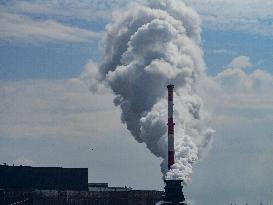
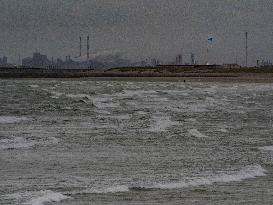
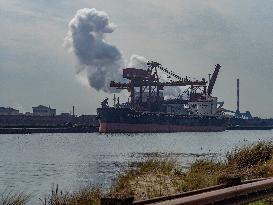
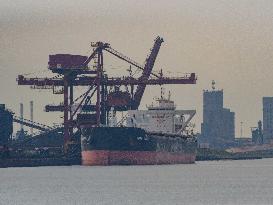
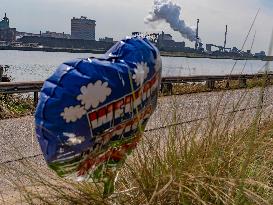
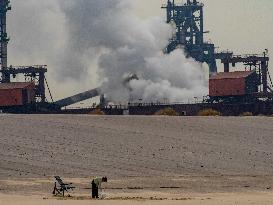
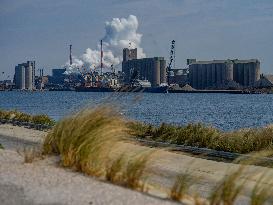
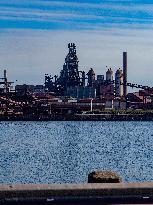
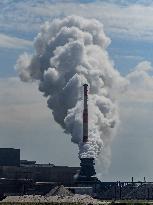
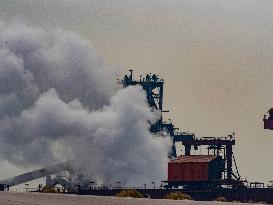
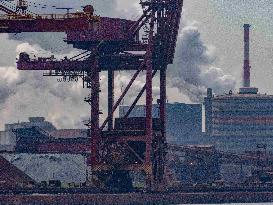
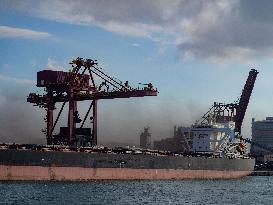
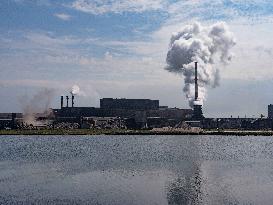
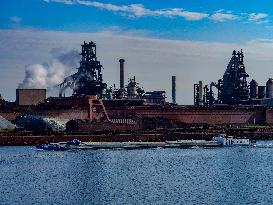
Blast furnace and general view of the Arcelor Mittal Dunkirk steelworks. The Dunkirk site is one of Europe's largest steelworks, employing 3,350 people. The Dunkirk site produces 7 million tonnes of steel a year, with three blast furnaces and a steel mill to supply the hot-rolling mills at Dunkirk and Florange. Steelmaker Arcelormittal is to cut jobs at seven sites in northern France, due to the lack of competitiveness of steel in Europe and a transfer to India of certain support functions at all its European sites, management said on April 30, 2025. Dunkerque, France, on May 3, 2025. Photo by Mario Fourmy/ABACAPRESS.COM

  •  
Arcelor Mittal Dunkerque Steel Production Site - France

Arcelor Mittal Dunkerque Steel Production Site - France

Blast furnace and general view of the Arcelor Mittal Dunkirk steelworks. The Dunkirk site is one of Europe's largest steelworks, employing 3,350 people. The Dunkirk site produces 7 million tonnes of steel a year, with three blast furnaces and a steel mill to supply the hot-rolling mills at Dunkirk and Florange. Steelmaker Arcelormittal is to cut jobs at seven sites in northern France, due to the lack of competitiveness of steel in Europe and a transfer to India of certain support functions at all its European sites, management said on April 30, 2025. Dunkerque, France, on May 3, 2025. Photo by Mario Fourmy/ABACAPRESS.COM

  •  
Arcelor Mittal Dunkerque Steel Production Site - France

Arcelor Mittal Dunkerque Steel Production Site - France

Blast furnace and general view of the Arcelor Mittal Dunkirk steelworks. The Dunkirk site is one of Europe's largest steelworks, employing 3,350 people. The Dunkirk site produces 7 million tonnes of steel a year, with three blast furnaces and a steel mill to supply the hot-rolling mills at Dunkirk and Florange. Steelmaker Arcelormittal is to cut jobs at seven sites in northern France, due to the lack of competitiveness of steel in Europe and a transfer to India of certain support functions at all its European sites, management said on April 30, 2025. Dunkerque, France, on May 3, 2025. Photo by Mario Fourmy/ABACAPRESS.COM

  •  
Arcelor Mittal Dunkerque Steel Production Site - France

Arcelor Mittal Dunkerque Steel Production Site - France

Blast furnace and general view of the Arcelor Mittal Dunkirk steelworks. The Dunkirk site is one of Europe's largest steelworks, employing 3,350 people. The Dunkirk site produces 7 million tonnes of steel a year, with three blast furnaces and a steel mill to supply the hot-rolling mills at Dunkirk and Florange. Steelmaker Arcelormittal is to cut jobs at seven sites in northern France, due to the lack of competitiveness of steel in Europe and a transfer to India of certain support functions at all its European sites, management said on April 30, 2025. Dunkerque, France, on May 3, 2025. Photo by Mario Fourmy/ABACAPRESS.COM

  •  
Arcelor Mittal Dunkerque Steel Production Site - France

Arcelor Mittal Dunkerque Steel Production Site - France

Blast furnace and general view of the Arcelor Mittal Dunkirk steelworks. The Dunkirk site is one of Europe's largest steelworks, employing 3,350 people. The Dunkirk site produces 7 million tonnes of steel a year, with three blast furnaces and a steel mill to supply the hot-rolling mills at Dunkirk and Florange. Steelmaker Arcelormittal is to cut jobs at seven sites in northern France, due to the lack of competitiveness of steel in Europe and a transfer to India of certain support functions at all its European sites, management said on April 30, 2025. Dunkerque, France, on May 3, 2025. Photo by Mario Fourmy/ABACAPRESS.COM

  •  
Arcelor Mittal Dunkerque Steel Production Site - France

Arcelor Mittal Dunkerque Steel Production Site - France

Blast furnace and general view of the Arcelor Mittal Dunkirk steelworks. The Dunkirk site is one of Europe's largest steelworks, employing 3,350 people. The Dunkirk site produces 7 million tonnes of steel a year, with three blast furnaces and a steel mill to supply the hot-rolling mills at Dunkirk and Florange. Steelmaker Arcelormittal is to cut jobs at seven sites in northern France, due to the lack of competitiveness of steel in Europe and a transfer to India of certain support functions at all its European sites, management said on April 30, 2025. Dunkerque, France, on May 3, 2025. Photo by Mario Fourmy/ABACAPRESS.COM

  •  
Arcelor Mittal Dunkerque Steel Production Site - France

Arcelor Mittal Dunkerque Steel Production Site - France

Blast furnace and general view of the Arcelor Mittal Dunkirk steelworks. The Dunkirk site is one of Europe's largest steelworks, employing 3,350 people. The Dunkirk site produces 7 million tonnes of steel a year, with three blast furnaces and a steel mill to supply the hot-rolling mills at Dunkirk and Florange. Steelmaker Arcelormittal is to cut jobs at seven sites in northern France, due to the lack of competitiveness of steel in Europe and a transfer to India of certain support functions at all its European sites, management said on April 30, 2025. Dunkerque, France, on May 3, 2025. Photo by Mario Fourmy/ABACAPRESS.COM

  •  
Arcelor Mittal Dunkerque Steel Production Site - France

Arcelor Mittal Dunkerque Steel Production Site - France

Blast furnace and general view of the Arcelor Mittal Dunkirk steelworks. The Dunkirk site is one of Europe's largest steelworks, employing 3,350 people. The Dunkirk site produces 7 million tonnes of steel a year, with three blast furnaces and a steel mill to supply the hot-rolling mills at Dunkirk and Florange. Steelmaker Arcelormittal is to cut jobs at seven sites in northern France, due to the lack of competitiveness of steel in Europe and a transfer to India of certain support functions at all its European sites, management said on April 30, 2025. Dunkerque, France, on May 3, 2025. Photo by Mario Fourmy/ABACAPRESS.COM

  •  
Arcelor Mittal Dunkerque Steel Production Site - France

Arcelor Mittal Dunkerque Steel Production Site - France

Blast furnace and general view of the Arcelor Mittal Dunkirk steelworks. The Dunkirk site is one of Europe's largest steelworks, employing 3,350 people. The Dunkirk site produces 7 million tonnes of steel a year, with three blast furnaces and a steel mill to supply the hot-rolling mills at Dunkirk and Florange. Steelmaker Arcelormittal is to cut jobs at seven sites in northern France, due to the lack of competitiveness of steel in Europe and a transfer to India of certain support functions at all its European sites, management said on April 30, 2025. Dunkerque, France, on May 3, 2025. Photo by Mario Fourmy/ABACAPRESS.COM

  •  
Arcelor Mittal Dunkerque Steel Production Site - France

Arcelor Mittal Dunkerque Steel Production Site - France

Blast furnace and general view of the Arcelor Mittal Dunkirk steelworks. The Dunkirk site is one of Europe's largest steelworks, employing 3,350 people. The Dunkirk site produces 7 million tonnes of steel a year, with three blast furnaces and a steel mill to supply the hot-rolling mills at Dunkirk and Florange. Steelmaker Arcelormittal is to cut jobs at seven sites in northern France, due to the lack of competitiveness of steel in Europe and a transfer to India of certain support functions at all its European sites, management said on April 30, 2025. Dunkerque, France, on May 3, 2025. Photo by Mario Fourmy/ABACAPRESS.COM

  •  
Arcelor Mittal Dunkerque Steel Production Site - France

Arcelor Mittal Dunkerque Steel Production Site - France

Blast furnace and general view of the Arcelor Mittal Dunkirk steelworks. The Dunkirk site is one of Europe's largest steelworks, employing 3,350 people. The Dunkirk site produces 7 million tonnes of steel a year, with three blast furnaces and a steel mill to supply the hot-rolling mills at Dunkirk and Florange. Steelmaker Arcelormittal is to cut jobs at seven sites in northern France, due to the lack of competitiveness of steel in Europe and a transfer to India of certain support functions at all its European sites, management said on April 30, 2025. Dunkerque, France, on May 3, 2025. Photo by Mario Fourmy/ABACAPRESS.COM

  •  
Arcelor Mittal Dunkerque Steel Production Site - France

Arcelor Mittal Dunkerque Steel Production Site - France

Blast furnace and general view of the Arcelor Mittal Dunkirk steelworks. The Dunkirk site is one of Europe's largest steelworks, employing 3,350 people. The Dunkirk site produces 7 million tonnes of steel a year, with three blast furnaces and a steel mill to supply the hot-rolling mills at Dunkirk and Florange. Steelmaker Arcelormittal is to cut jobs at seven sites in northern France, due to the lack of competitiveness of steel in Europe and a transfer to India of certain support functions at all its European sites, management said on April 30, 2025. Dunkerque, France, on May 3, 2025. Photo by Mario Fourmy/ABACAPRESS.COM

  •  
Arcelor Mittal Dunkerque Steel Production Site - France

Arcelor Mittal Dunkerque Steel Production Site - France

Blast furnace and general view of the Arcelor Mittal Dunkirk steelworks. The Dunkirk site is one of Europe's largest steelworks, employing 3,350 people. The Dunkirk site produces 7 million tonnes of steel a year, with three blast furnaces and a steel mill to supply the hot-rolling mills at Dunkirk and Florange. Steelmaker Arcelormittal is to cut jobs at seven sites in northern France, due to the lack of competitiveness of steel in Europe and a transfer to India of certain support functions at all its European sites, management said on April 30, 2025. Dunkerque, France, on May 3, 2025. Photo by Mario Fourmy/ABACAPRESS.COM

  •  
Arcelor Mittal Dunkerque Steel Production Site - France

Arcelor Mittal Dunkerque Steel Production Site - France

Blast furnace and general view of the Arcelor Mittal Dunkirk steelworks. The Dunkirk site is one of Europe's largest steelworks, employing 3,350 people. The Dunkirk site produces 7 million tonnes of steel a year, with three blast furnaces and a steel mill to supply the hot-rolling mills at Dunkirk and Florange. Steelmaker Arcelormittal is to cut jobs at seven sites in northern France, due to the lack of competitiveness of steel in Europe and a transfer to India of certain support functions at all its European sites, management said on April 30, 2025. Dunkerque, France, on May 3, 2025. Photo by Mario Fourmy/ABACAPRESS.COM

  • Main
  • Top
  • Editorial
  • Creative
  • About Us
  • About ILG
  • Terms of use
  • Company
  • BEHIND
  • Price List
  • Single Plan
  • Monthly Plan
  • Services
  • Shooting
  • Rights Clearance
  • Support
  • FAQ
  • How To Buy
  • Contact Us
  • Become a Partner

© KYODO NEWS IMAGES INC

All Rights Reserved.

  • Editorial
  • Olympics
  • News
  • Sports
  • Japan
  • Tech
  • Royal
  • Disaster
  • NorthKorea
  • Old Japan
  • SNS
  • Creative
  • Food
  • Japan
  • Landscape
  • Animal
  • Popular
  • #Ukraine
  • #Thailand
  • #coronavirus
  • #N. Korea
  • #China
  • #Russia
  • #Ukraine
  • #Thailand
  • #coronavirus
  • #N. Korea
  • #China
  • #Russia
  • Food
  • Japan
  • Landscape
  • Animal
  • Olympics
  • News
  • Sports
  • Japan
  • Tech
  • Royal
  • Disaster
  • NorthKorea
  • Old Japan
  • SNS