•  

China: Elderly Cyclist Knocked Unconscious by Falling Tree Branch in Hunan

A video from December 4, 2025, in Hunan, China, shows a 70-year-old man being struck by a falling tree branch while riding a bicycle. The branch snapped from a roadside tree, knocking him unconscious and sending him to the pavement. His family said he later underwent two major surgeries and is now in stable condition. They also raised concerns about whether the decayed tree had been properly maintained by local authorities.

  •  
Shuri Castle under reconstruction

Shuri Castle under reconstruction

Photo taken on Dec. 15, 2025, shows the south-side corridor that is connected to the main hall (back) of Shuri Castle, now under reconstruction, in Naha in the southern Japan island prefecture of Okinawa. The corridor, together with the west-side corridor and the main hall, is to be completed in the autumn of 2026, seven years after fire gutted the World Heritage-listed castle in October 2019.

  •  
Shuri Castle under reconstruction

Shuri Castle under reconstruction

Photo taken on Dec. 15, 2025, shows the south-side corridor that is connected to the main hall (back) of Shuri Castle, now under reconstruction, in Naha in the southern Japan island prefecture of Okinawa. The corridor, together with the west-side corridor and the main hall, is to be completed in the autumn of 2026, seven years after fire gutted the World Heritage-listed castle in October 2019.

  •  
Shuri Castle under reconstruction

Shuri Castle under reconstruction

Photo taken on Dec. 15, 2025, shows the south-side corridor that is connected to the main hall (back) of Shuri Castle, now under reconstruction, in Naha in the southern Japan island prefecture of Okinawa. The corridor, together with the west-side corridor and the main hall, is to be completed in the autumn of 2026, seven years after fire gutted the World Heritage-listed castle in October 2019.

  •  
Shuri Castle under reconstruction

Shuri Castle under reconstruction

Photo taken on Dec. 15, 2025, shows the south-side corridor that is connected to the main hall (back) of Shuri Castle, now under reconstruction, in Naha in the southern Japan island prefecture of Okinawa. The corridor, together with the west-side corridor and the main hall, is to be completed in the autumn of 2026, seven years after fire gutted the World Heritage-listed castle in October 2019.

  •  
Jimmy Lai's son meets press after conviction

Jimmy Lai's son meets press after conviction

Sebastien Lai, the son of detained pro-democracy activist Jimmy Lai who founded the now-defunct Apple Daily, holds a press conference in London on Dec. 15, 2025, after a Hong Kong court earlier in the day found the 78-year-old guilty of colluding with foreign forces under a Beijing-decreed national security law.

  •  
Jimmy Lai's son meets press after conviction

Jimmy Lai's son meets press after conviction

Sebastien Lai, the son of detained pro-democracy activist Jimmy Lai who founded the now-defunct Apple Daily, holds a press conference in London on Dec. 15, 2025, after a Hong Kong court earlier in the day found the 78-year-old guilty of colluding with foreign forces under a Beijing-decreed national security law.

  •  
Guizhou Bridges - China

Guizhou Bridges - China

This aerial panoramic drone photo taken on Sept. 5, 2025 shows the Daxiaojing Grand Bridge in southwest China's Guizhou Province. Guizhou, the only province in China without a single plain and home to deep ravines, has long relied on tunnels and bridges to overcome its jagged karst landscape. Since 2012, the province has accelerated its bridge construction endeavors. Guizhou now has over 32,000 bridges either already built or under construction -- a tenfold increase compared to the 1980s. Due to its sheer number of bridges, diverse bridge types and complex construction technologies, Guizhou has earned the title of "the world's bridge museum." Photo by Ou Dongqu /Xinhua/ABACAPRESS.COM

  •  
Guizhou Bridges - China

Guizhou Bridges - China

This aerial drone photo taken on Sept. 27, 2025 shows the Huajiang Grand Canyon Bridge in southwest China's Guizhou Province. Guizhou, the only province in China without a single plain and home to deep ravines, has long relied on tunnels and bridges to overcome its jagged karst landscape. Since 2012, the province has accelerated its bridge construction endeavors. Guizhou now has over 32,000 bridges either already built or under construction -- a tenfold increase compared to the 1980s. Due to its sheer number of bridges, diverse bridge types and complex construction technologies, Guizhou has earned the title of "the world's bridge museum." Photo by Ou Dongqu /Xinhua/ABACAPRESS.COM

  •  
Guizhou Bridges - China

Guizhou Bridges - China

This aerial drone photo taken on Nov. 25, 2021 shows the Pingtang Grand Bridge in southwest China's Guizhou Province. Guizhou, the only province in China without a single plain and home to deep ravines, has long relied on tunnels and bridges to overcome its jagged karst landscape. Since 2012, the province has accelerated its bridge construction endeavors. Guizhou now has over 32,000 bridges either already built or under construction -- a tenfold increase compared to the 1980s. Due to its sheer number of bridges, diverse bridge types and complex construction technologies, Guizhou has earned the title of "the world's bridge museum." Photo by Ou Dongqu /Xinhua/ABACAPRESS.COM

  •  
Guizhou Bridges - China

Guizhou Bridges - China

This aerial drone photo taken on Sept. 27, 2025 shows the Huajiang Grand Canyon Bridge in southwest China's Guizhou Province. Guizhou, the only province in China without a single plain and home to deep ravines, has long relied on tunnels and bridges to overcome its jagged karst landscape. Since 2012, the province has accelerated its bridge construction endeavors. Guizhou now has over 32,000 bridges either already built or under construction -- a tenfold increase compared to the 1980s. Due to its sheer number of bridges, diverse bridge types and complex construction technologies, Guizhou has earned the title of "the world's bridge museum." Photo by Ou Dongqu /Xinhua/ABACAPRESS.COM

  •  
Guizhou Bridges - China

Guizhou Bridges - China

This aerial drone photo taken on Sept. 27, 2025 shows the Huajiang Grand Canyon Bridge in southwest China's Guizhou Province. Guizhou, the only province in China without a single plain and home to deep ravines, has long relied on tunnels and bridges to overcome its jagged karst landscape. Since 2012, the province has accelerated its bridge construction endeavors. Guizhou now has over 32,000 bridges either already built or under construction -- a tenfold increase compared to the 1980s. Due to its sheer number of bridges, diverse bridge types and complex construction technologies, Guizhou has earned the title of "the world's bridge museum." Photo by Ou Dongqu /Xinhua/ABACAPRESS.COM

  •  
Guizhou Bridges - China

Guizhou Bridges - China

This satellite images shows the Pingtang Bridge in southwest China's Guizhou Province, Aug. 15, 2022. Guizhou, the only province in China without a single plain and home to deep ravines, has long relied on tunnels and bridges to overcome its jagged karst landscape. Since 2012, the province has accelerated its bridge construction endeavors. Guizhou now has over 32,000 bridges either already built or under construction -- a tenfold increase compared to the 1980s. Due to its sheer number of bridges, diverse bridge types and complex construction technologies, Guizhou has earned the title of "the world's bridge museum." (Xinhua /Xinhua/ABACAPRESS.COM

  •  
Guizhou Bridges - China

Guizhou Bridges - China

This aerial panoramic drone photo taken on Feb. 2, 2023 shows the Dafaqu Grand Bridge in southwest China's Guizhou Province. Guizhou, the only province in China without a single plain and home to deep ravines, has long relied on tunnels and bridges to overcome its jagged karst landscape. Since 2012, the province has accelerated its bridge construction endeavors. Guizhou now has over 32,000 bridges either already built or under construction -- a tenfold increase compared to the 1980s. Due to its sheer number of bridges, diverse bridge types and complex construction technologies, Guizhou has earned the title of "the world's bridge museum." Photo by Ou Dongqu /Xinhua/ABACAPRESS.COM

  •  
Guizhou Bridges - China

Guizhou Bridges - China

This aerial drone photo taken on Aug. 9, 2018 shows the Beipanjiang Bridge in southwest China's Guizhou Province. Guizhou, the only province in China without a single plain and home to deep ravines, has long relied on tunnels and bridges to overcome its jagged karst landscape. Since 2012, the province has accelerated its bridge construction endeavors. Guizhou now has over 32,000 bridges either already built or under construction -- a tenfold increase compared to the 1980s. Due to its sheer number of bridges, diverse bridge types and complex construction technologies, Guizhou has earned the title of "the world's bridge museum." Photo by Ou Dongqu /Xinhua/ABACAPRESS.COM

  •  
Subsidence in Neyshabur Iran

Subsidence in Neyshabur Iran

An aerial view shows wide subsidence cracks and circular sinkholes cutting across fields on the outskirts of Neyshabur, Iran, on November 14, 2025. Experts say excessive groundwater extraction has turned Neyshabur into one of Iran’s most critical subsidence hotspots. The subsidence now poses a threat to agriculture and key infrastructure, including the Tehran-Mashhad railroad and major energy pipelines. Photo by Morteza Aminoroayayi/Middle East Images/ABACAPRESS.COM

  •  
Subsidence in Neyshabur Iran

Subsidence in Neyshabur Iran

An aerial view shows a wide subsidence crack cutting across fields on the outskirts of Neyshabur, Iran, on November 14, 2025. Experts say excessive groundwater extraction has turned Neyshabur into one of Iran’s most critical subsidence hotspots. The subsidence now poses a threat to agriculture and key infrastructure, including the Tehran-Mashhad railroad and major energy pipelines. Photo by Morteza Aminoroayayi/Middle East Images/ABACAPRESS.COM

  •  
Subsidence in Neyshabur Iran

Subsidence in Neyshabur Iran

An aerial view shows wide subsidence cracks and circular sinkholes cutting across fields on the outskirts of Neyshabur, Iran, on November 14, 2025. Experts say excessive groundwater extraction has turned Neyshabur into one of Iran’s most critical subsidence hotspots. The subsidence now poses a threat to agriculture and key infrastructure, including the Tehran-Mashhad railroad and major energy pipelines. Photo by Morteza Aminoroayayi/Middle East Images/ABACAPRESS.COM

  •  
Subsidence in Neyshabur Iran

Subsidence in Neyshabur Iran

An aerial view shows wide subsidence cracks and circular sinkholes cutting across fields on the outskirts of Neyshabur, Iran, on November 14, 2025. Experts say excessive groundwater extraction has turned Neyshabur into one of Iran’s most critical subsidence hotspots. The subsidence now poses a threat to agriculture and key infrastructure, including the Tehran-Mashhad railroad and major energy pipelines. Photo by Morteza Aminoroayayi/Middle East Images/ABACAPRESS.COM

  •  
Subsidence in Neyshabur Iran

Subsidence in Neyshabur Iran

An aerial view shows wide subsidence cracks and circular sinkholes cutting across fields on the outskirts of Neyshabur, Iran, on November 14, 2025. Experts say excessive groundwater extraction has turned Neyshabur into one of Iran’s most critical subsidence hotspots. The subsidence now poses a threat to agriculture and key infrastructure, including the Tehran-Mashhad railroad and major energy pipelines. Photo by Morteza Aminoroayayi/Middle East Images/ABACAPRESS.COM

  •  
Subsidence in Neyshabur Iran

Subsidence in Neyshabur Iran

An aerial view shows wide subsidence cracks and circular sinkholes cutting across fields on the outskirts of Neyshabur, Iran, on November 14, 2025. Experts say excessive groundwater extraction has turned Neyshabur into one of Iran’s most critical subsidence hotspots. The subsidence now poses a threat to agriculture and key infrastructure, including the Tehran-Mashhad railroad and major energy pipelines. Photo by Morteza Aminoroayayi/Middle East Images/ABACAPRESS.COM

  •  
Subsidence in Neyshabur Iran

Subsidence in Neyshabur Iran

An aerial view shows a large subsidence crack and circular sinkholes cutting across the ground on the outskirts of Neyshabur, Iran, on November 14, 2025. Experts say excessive groundwater extraction has turned Neyshabur into one of Iran’s most critical subsidence hotspots. The subsidence now poses a threat to agriculture and key infrastructure, including the Tehran-Mashhad railroad and major energy pipelines. Photo by Morteza Aminoroayayi/Middle East Images/ABACAPRESS.COM

  •  
Subsidence in Neyshabur Iran

Subsidence in Neyshabur Iran

A view shows a large subsidence crack in the ground on the outskirts of Neyshabur, Iran, on November 14, 2025. Experts say excessive groundwater extraction has turned Neyshabur into one of Iran’s most critical subsidence hotspots. The subsidence now poses a threat to agriculture and key infrastructure, including the Tehran-Mashhad railroad and major energy pipelines. Photo by Morteza Aminoroayayi/Middle East Images/ABACAPRESS.COM

  •  
Subsidence in Neyshabur Iran

Subsidence in Neyshabur Iran

An aerial view shows subsidence cracks and circular sinkholes cutting across the ground near a road on the outskirts of Neyshabur, Iran, on November 14, 2025. Experts say excessive groundwater extraction has turned Neyshabur into one of Iran’s most critical subsidence hotspots. The subsidence now poses a threat to agriculture and key infrastructure, including the Tehran-Mashhad railroad and major energy pipelines. Photo by Morteza Aminoroayayi/Middle East Images/ABACAPRESS.COM

  •  
Subsidence in Neyshabur Iran

Subsidence in Neyshabur Iran

An aerial view shows subsidence cracks and circular sinkholes cutting across the ground near a road on the outskirts of Neyshabur, Iran, on November 14, 2025. Experts say excessive groundwater extraction has turned Neyshabur into one of Iran’s most critical subsidence hotspots. The subsidence now poses a threat to agriculture and key infrastructure, including the Tehran-Mashhad railroad and major energy pipelines. Photo by Morteza Aminoroayayi/Middle East Images/ABACAPRESS.COM

  •  
Subsidence in Neyshabur Iran

Subsidence in Neyshabur Iran

An aerial view shows a large subsidence crack and circular sinkholes cutting across the ground on the outskirts of Neyshabur, Iran, on November 14, 2025. Experts say excessive groundwater extraction has turned Neyshabur into one of Iran’s most critical subsidence hotspots. The subsidence now poses a threat to agriculture and key infrastructure, including the Tehran-Mashhad railroad and major energy pipelines. Photo by Morteza Aminoroayayi/Middle East Images/ABACAPRESS.COM

  •  
Subsidence in Neyshabur Iran

Subsidence in Neyshabur Iran

An aerial view shows subsidence cracks and circular sinkholes cutting across the ground on the outskirts of Neyshabur, Iran, on November 14, 2025. Experts say excessive groundwater extraction has turned Neyshabur into one of Iran’s most critical subsidence hotspots. The subsidence now poses a threat to agriculture and key infrastructure, including the Tehran-Mashhad railroad and major energy pipelines. Photo by Morteza Aminoroayayi/Middle East Images/ABACAPRESS.COM

  •  
Subsidence in Neyshabur Iran

Subsidence in Neyshabur Iran

An aerial view shows subsidence cracks and circular sinkholes cutting across the ground on the outskirts of Neyshabur, Iran, on November 14, 2025. Experts say excessive groundwater extraction has turned Neyshabur into one of Iran’s most critical subsidence hotspots. The subsidence now poses a threat to agriculture and key infrastructure, including the Tehran-Mashhad railroad and major energy pipelines. Photo by Morteza Aminoroayayi/Middle East Images/ABACAPRESS.COM

  •  
Subsidence in Neyshabur Iran

Subsidence in Neyshabur Iran

An aerial view shows subsidence cracks and circular sinkholes cutting across the ground on the outskirts of Neyshabur, Iran, on November 14, 2025. Experts say excessive groundwater extraction has turned Neyshabur into one of Iran’s most critical subsidence hotspots. The subsidence now poses a threat to agriculture and key infrastructure, including the Tehran-Mashhad railroad and major energy pipelines. Photo by Morteza Aminoroayayi/Middle East Images/ABACAPRESS.COM

  •  
Subsidence in Neyshabur Iran

Subsidence in Neyshabur Iran

An aerial view shows wide subsidence cracks and circular sinkholes cutting across fields on the outskirts of Neyshabur, Iran, on November 14, 2025. Experts say excessive groundwater extraction has turned Neyshabur into one of Iran’s most critical subsidence hotspots. The subsidence now poses a threat to agriculture and key infrastructure, including the Tehran-Mashhad railroad and major energy pipelines. Photo by Morteza Aminoroayayi/Middle East Images/ABACAPRESS.COM

  •  
Subsidence in Neyshabur Iran

Subsidence in Neyshabur Iran

An aerial view shows subsidence cracks cutting across the ground on the outskirts of Neyshabur, Iran, on November 14, 2025. Experts say excessive groundwater extraction has turned Neyshabur into one of Iran’s most critical subsidence hotspots. The subsidence now poses a threat to agriculture and key infrastructure, including the Tehran-Mashhad railroad and major energy pipelines. Photo by Morteza Aminoroayayi/Middle East Images/ABACAPRESS.COM

  •  
Subsidence in Neyshabur Iran

Subsidence in Neyshabur Iran

An aerial view shows subsidence cracks and circular sinkholes cutting across the ground near farmlands on the outskirts of Neyshabur, Iran, on November 14, 2025. Experts say excessive groundwater extraction has turned Neyshabur into one of Iran’s most critical subsidence hotspots. The subsidence now poses a threat to agriculture and key infrastructure, including the Tehran-Mashhad railroad and major energy pipelines. Photo by Morteza Aminoroayayi/Middle East Images/ABACAPRESS.COM

  •  
Subsidence in Neyshabur Iran

Subsidence in Neyshabur Iran

An aerial view shows subsidence cracks and circular sinkholes cutting across fields on the outskirts of Neyshabur, Iran, on November 14, 2025. Experts say excessive groundwater extraction has turned Neyshabur into one of Iran’s most critical subsidence hotspots. The subsidence now poses a threat to agriculture and key infrastructure, including the Tehran-Mashhad railroad and major energy pipelines. Photo by Morteza Aminoroayayi/Middle East Images/ABACAPRESS.COM

  •  
Subsidence in Neyshabur Iran

Subsidence in Neyshabur Iran

An aerial view shows wide subsidence cracks and circular sinkholes cutting across fields on the outskirts of Neyshabur, Iran, on November 14, 2025. Experts say excessive groundwater extraction has turned Neyshabur into one of Iran’s most critical subsidence hotspots. The subsidence now poses a threat to agriculture and key infrastructure, including the Tehran-Mashhad railroad and major energy pipelines. Photo by Morteza Aminoroayayi/Middle East Images/ABACAPRESS.COM

  •  
Subsidence in Neyshabur Iran

Subsidence in Neyshabur Iran

An aerial view shows wide subsidence cracks and circular sinkholes cutting across fields on the outskirts of Neyshabur, Iran, on November 14, 2025. Experts say excessive groundwater extraction has turned Neyshabur into one of Iran’s most critical subsidence hotspots. The subsidence now poses a threat to agriculture and key infrastructure, including the Tehran-Mashhad railroad and major energy pipelines. Photo by Morteza Aminoroayayi/Middle East Images/ABACAPRESS.COM

  •  
Subsidence in Neyshabur Iran

Subsidence in Neyshabur Iran

An aerial view shows wide subsidence cracks and circular sinkholes cutting across fields on the outskirts of Neyshabur, Iran, on November 14, 2025. Experts say excessive groundwater extraction has turned Neyshabur into one of Iran’s most critical subsidence hotspots. The subsidence now poses a threat to agriculture and key infrastructure, including the Tehran-Mashhad railroad and major energy pipelines. Photo by Morteza Aminoroayayi/Middle East Images/ABACAPRESS.COM

  •  
Subsidence in Neyshabur Iran

Subsidence in Neyshabur Iran

A view shows a large subsidence crack in the ground on the outskirts of Neyshabur, Iran, on November 14, 2025. Experts say excessive groundwater extraction has turned Neyshabur into one of Iran’s most critical subsidence hotspots. The subsidence now poses a threat to agriculture and key infrastructure, including the Tehran-Mashhad railroad and major energy pipelines. Photo by Morteza Aminoroayayi/Middle East Images/ABACAPRESS.COM

  •  
Subsidence in Neyshabur Iran

Subsidence in Neyshabur Iran

An aerial view shows wide subsidence cracks and circular sinkholes cutting across fields on the outskirts of Neyshabur, Iran, on November 14, 2025. Experts say excessive groundwater extraction has turned Neyshabur into one of Iran’s most critical subsidence hotspots. The subsidence now poses a threat to agriculture and key infrastructure, including the Tehran-Mashhad railroad and major energy pipelines. Photo by Morteza Aminoroayayi/Middle East Images/ABACAPRESS.COM

  •  
Subsidence in Neyshabur Iran

Subsidence in Neyshabur Iran

An aerial view shows wide subsidence cracks and circular sinkholes cutting across fields on the outskirts of Neyshabur, Iran, on November 14, 2025. Experts say excessive groundwater extraction has turned Neyshabur into one of Iran’s most critical subsidence hotspots. The subsidence now poses a threat to agriculture and key infrastructure, including the Tehran-Mashhad railroad and major energy pipelines. Photo by Morteza Aminoroayayi/Middle East Images/ABACAPRESS.COM

  •  
Subsidence in Neyshabur Iran

Subsidence in Neyshabur Iran

A view shows a large subsidence crack in the ground on the outskirts of Neyshabur, Iran, on November 14, 2025. Experts say excessive groundwater extraction has turned Neyshabur into one of Iran’s most critical subsidence hotspots. The subsidence now poses a threat to agriculture and key infrastructure, including the Tehran-Mashhad railroad and major energy pipelines. Photo by Morteza Aminoroayayi/Middle East Images/ABACAPRESS.COM

  •  
Subsidence in Neyshabur Iran

Subsidence in Neyshabur Iran

A view shows a large subsidence crack in the ground on the outskirts of Neyshabur, Iran, on November 14, 2025. Experts say excessive groundwater extraction has turned Neyshabur into one of Iran’s most critical subsidence hotspots. The subsidence now poses a threat to agriculture and key infrastructure, including the Tehran-Mashhad railroad and major energy pipelines. Photo by Morteza Aminoroayayi/Middle East Images/ABACAPRESS.COM

  •  
Subsidence in Neyshabur Iran

Subsidence in Neyshabur Iran

A view shows a large subsidence crack in the ground on the outskirts of Neyshabur, Iran, on November 14, 2025. Experts say excessive groundwater extraction has turned Neyshabur into one of Iran’s most critical subsidence hotspots. The subsidence now poses a threat to agriculture and key infrastructure, including the Tehran-Mashhad railroad and major energy pipelines. Photo by Morteza Aminoroayayi/Middle East Images/ABACAPRESS.COM

  •  
Subsidence in Neyshabur Iran

Subsidence in Neyshabur Iran

A view shows a large subsidence crack in the ground on the outskirts of Neyshabur, Iran, on November 14, 2025. Experts say excessive groundwater extraction has turned Neyshabur into one of Iran’s most critical subsidence hotspots. The subsidence now poses a threat to agriculture and key infrastructure, including the Tehran-Mashhad railroad and major energy pipelines. Photo by Morteza Aminoroayayi/Middle East Images/ABACAPRESS.COM

  •  
Subsidence in Neyshabur Iran

Subsidence in Neyshabur Iran

A view shows a wide subsidence crack in the ground on the outskirts of Neyshabur, Iran, on November 13, 2025. Experts say excessive groundwater extraction has turned Neyshabur into one of Iran’s most critical subsidence hotspots. The subsidence now poses a threat to agriculture and key infrastructure, including the Tehran-Mashhad railroad and major energy pipelines. Photo by Morteza Aminoroayayi/Middle East Images/ABACAPRESS.COM

  •  
Subsidence in Neyshabur Iran

Subsidence in Neyshabur Iran

A view shows a large subsidence crack in the ground on the outskirts of Neyshabur, Iran, on November 14, 2025. Experts say excessive groundwater extraction has turned Neyshabur into one of Iran’s most critical subsidence hotspots. The subsidence now poses a threat to agriculture and key infrastructure, including the Tehran-Mashhad railroad and major energy pipelines. Photo by Morteza Aminoroayayi/Middle East Images/ABACAPRESS.COM

  •  
Subsidence in Neyshabur Iran

Subsidence in Neyshabur Iran

A view shows circular sinkholes and subsidence cracks on the ground on the outskirts of Neyshabur, Iran, on November 10, 2025. Experts say excessive groundwater extraction has turned Neyshabur into one of Iran’s most critical subsidence hotspots. The subsidence now poses a threat to agriculture and key infrastructure, including the Tehran-Mashhad railroad and major energy pipelines. Photo by Morteza Aminoroayayi/Middle East Images/ABACAPRESS.COM

  •  
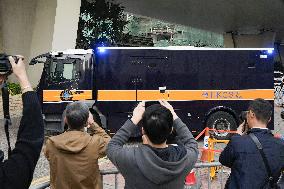
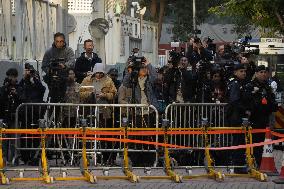
Hong Kong court ruling on Jimmy Lai

Hong Kong court ruling on Jimmy Lai

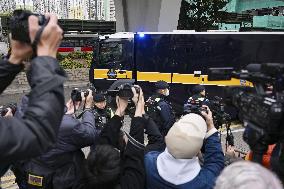
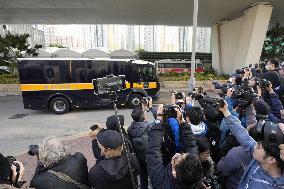
Security officers stand on guard in front of the West Kowloon Magistrates' Courts building in Hong Kong on Dec. 15, 2025, ahead of the ruling in the national security collusion trial of Jimmy Lai, founder of the now-defunct pro-democracy newspaper Apple Daily.

  •  
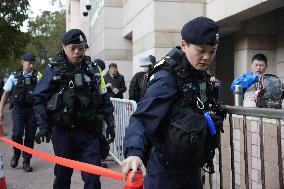
Hong Kong court ruling on Jimmy Lai

Hong Kong court ruling on Jimmy Lai

Security officers stand on guard in front of the West Kowloon Magistrates' Courts building in Hong Kong on Dec. 15, 2025, ahead of the ruling in the national security collusion trial of Jimmy Lai, founder of the now-defunct pro-democracy newspaper Apple Daily.

  •  
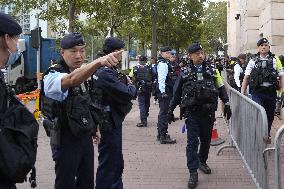
Hong Kong court ruling on Jimmy Lai

Hong Kong court ruling on Jimmy Lai

People queue to enter the West Kowloon Magistrates' Courts building in Hong Kong on Dec. 15, 2025, for the ruling in the national security collusion trial of Jimmy Lai, founder of the now-defunct pro-democracy newspaper Apple Daily.

  •  
Central Perk Coffee in Times Square - NYC

Central Perk Coffee in Times Square - NYC

Central Perk Coffeehouse from the famous TV series "Friends" is now open in Times Square, NY, USA, on December 12, 2025. Photo by Charles Guerin/ABACAPRESS.COM

  • Main
  • Top
  • Editorial
  • Creative
  • About Us
  • About ILG
  • Terms of use
  • Company
  • BEHIND
  • Price List
  • Single Plan
  • Monthly Plan
  • Services
  • Shooting
  • Rights Clearance
  • Support
  • FAQ
  • How To Buy
  • Contact Us
  • Become a Partner

© KYODO NEWS IMAGES INC

All Rights Reserved.

  • Editorial
  • Olympics
  • News
  • Sports
  • Japan
  • Tech
  • Royal
  • Disaster
  • NorthKorea
  • Old Japan
  • SNS

  • Creative
  • Food
  • Japan
  • Landscape
  • Animal
  • Popular
  • #Ukraine
  • #Thailand
  • #coronavirus
  • #N. Korea
  • #Russia
  • #China
  • #Ukraine
  • #Thailand
  • #coronavirus
  • #N. Korea
  • #Russia
  • #China
  • Food
  • Japan
  • Landscape
  • Animal
  • Olympics
  • News
  • Sports
  • Japan
  • Tech
  • Royal
  • Disaster
  • NorthKorea
  • Old Japan
  • SNS