•  
Hot Air Balloons Trip - Egypt

Hot Air Balloons Trip - Egypt

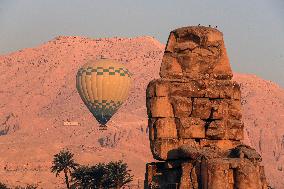
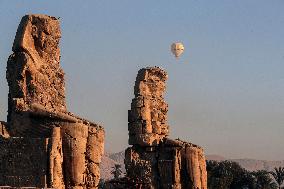
A hot air balloon is pictured near the Colossi of Memnon on the west bank of Nile River in Luxor, Egypt, on October 4, 2025. Luxor, a capital of ancient Upper Egypt known as Thebes, is a tourist destination famous for the historic temple buildings and other relics. Nowadays taking hot air balloon trips is a popular choice for tourists visiting Luxor. Photo by Xinhua/Ahmed Gomaa/ABACAPRESS.COM

  •  
Hot Air Balloons Trip - Egypt

Hot Air Balloons Trip - Egypt

A hot air balloon is pictured near the Colossi of Memnon on the west bank of Nile River in Luxor, Egypt, on October 4, 2025. Luxor, a capital of ancient Upper Egypt known as Thebes, is a tourist destination famous for the historic temple buildings and other relics. Nowadays taking hot air balloon trips is a popular choice for tourists visiting Luxor. Photo by Xinhua/Ahmed Gomaa/ABACAPRESS.COM

  •  
Hot Air Balloons Trip - Egypt

Hot Air Balloons Trip - Egypt

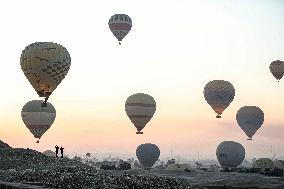
Hot air balloons are pictured during sunrise above the west bank of Nile River in Luxor, Egypt, on October 4, 2025. Luxor, a capital of ancient Upper Egypt known as Thebes, is a tourist destination famous for the historic temple buildings and other relics. Nowadays taking hot air balloon trips is a popular choice for tourists visiting Luxor. Photo by Xinhua/Ahmed Gomaa/ABACAPRESS.COM

  •  
Hot Air Balloons Trip - Egypt

Hot Air Balloons Trip - Egypt

Hot air balloons are pictured during sunrise above the west bank of Nile River in Luxor, Egypt, on October 4, 2025. Luxor, a capital of ancient Upper Egypt known as Thebes, is a tourist destination famous for the historic temple buildings and other relics. Nowadays taking hot air balloon trips is a popular choice for tourists visiting Luxor. Photo by Xinhua/Ahmed Gomaa/ABACAPRESS.COM

  •  
Hot Air Balloons Trip - Egypt

Hot Air Balloons Trip - Egypt

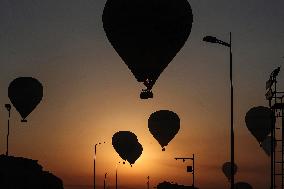
Hot air balloons are pictured during sunrise above the west bank of Nile River in Luxor, Egypt, on October 4, 2025. Luxor, a capital of ancient Upper Egypt known as Thebes, is a tourist destination famous for the historic temple buildings and other relics. Nowadays taking hot air balloon trips is a popular choice for tourists visiting Luxor. Photo by Xinhua/Ahmed Gomaa/ABACAPRESS.COM

  •  
Hot Air Balloons Trip - Egypt

Hot Air Balloons Trip - Egypt

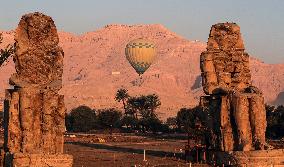
A hot air balloon is pictured near the Colossi of Memnon on the west bank of Nile River in Luxor, Egypt, on October 4, 2025. Luxor, a capital of ancient Upper Egypt known as Thebes, is a tourist destination famous for the historic temple buildings and other relics. Nowadays taking hot air balloon trips is a popular choice for tourists visiting Luxor. Photo by Xinhua/Ahmed Gomaa/ABACAPRESS.COM

  •  
Jarud Woodblock Painting in Inner Mongolia - China

Jarud Woodblock Painting in Inner Mongolia - China

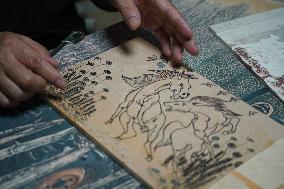
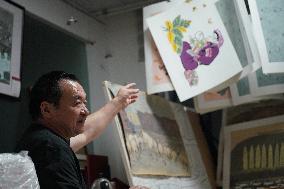
Painter Qi Tongyue introduces an unfinished Jarud woodblock painting at a woodblock painting institute in Jarud Banner, north China's Inner Mongolia Autonomous Region, Aug. 10, 2025. The creation of a Jarud woodblock painting work, which originated in Jarud Banner in the late 1950s, has to go through more than a dozen steps, finished with engraving knife, woodblock and ink. The Jarud genre of woodblock painting was listed as one of the intangible cultural heritages of Inner Mongolia Autonomous Region in 2009. Nowadays, woodblock painting artists in Jarud, professional and amateur alike, are turning out vast amount of artworks that reflect their modern life on the grasslands. Photo by Liu Wenhui/Xinhua/ABACAPRESS.COM

  •  
Jarud Woodblock Painting in Inner Mongolia - China

Jarud Woodblock Painting in Inner Mongolia - China

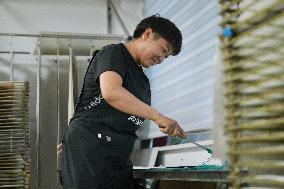
Painter Chen Qimeg prepares pigments for her painting at a woodblock painting institute in Jarud Banner, north China's Inner Mongolia Autonomous Region, Aug. 10, 2025. The creation of a Jarud woodblock painting work, which originated in Jarud Banner in the late 1950s, has to go through more than a dozen steps, finished with engraving knife, woodblock and ink. The Jarud genre of woodblock painting was listed as one of the intangible cultural heritages of Inner Mongolia Autonomous Region in 2009. Nowadays, woodblock painting artists in Jarud, professional and amateur alike, are turning out vast amount of artworks that reflect their modern life on the grasslands. Photo by Liu Wenhui/Xinhua/ABACAPRESS.COM

  •  
Jarud Woodblock Painting in Inner Mongolia - China

Jarud Woodblock Painting in Inner Mongolia - China

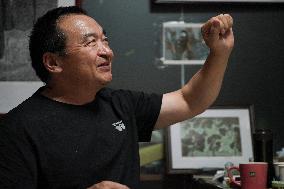
Painter Qi Tongyue introduces his artworks at a woodblock painting institute in Jarud Banner, north China's Inner Mongolia Autonomous Region, Aug. 10, 2025. The creation of a Jarud woodblock painting work, which originated in Jarud Banner in the late 1950s, has to go through more than a dozen steps, finished with engraving knife, woodblock and ink. The Jarud genre of woodblock painting was listed as one of the intangible cultural heritages of Inner Mongolia Autonomous Region in 2009. Nowadays, woodblock painting artists in Jarud, professional and amateur alike, are turning out vast amount of artworks that reflect their modern life on the grasslands. Photo by Liu Wenhui/Xinhua/ABACAPRESS.COM

  •  
Jarud Woodblock Painting in Inner Mongolia - China

Jarud Woodblock Painting in Inner Mongolia - China

Painter Qi Tongyue introduces his artworks at a woodblock painting institute in Jarud Banner, north China's Inner Mongolia Autonomous Region, Aug. 10, 2025. The creation of a Jarud woodblock painting work, which originated in Jarud Banner in the late 1950s, has to go through more than a dozen steps, finished with engraving knife, woodblock and ink. The Jarud genre of woodblock painting was listed as one of the intangible cultural heritages of Inner Mongolia Autonomous Region in 2009. Nowadays, woodblock painting artists in Jarud, professional and amateur alike, are turning out vast amount of artworks that reflect their modern life on the grasslands. Photo by Liu Wenhui/Xinhua/ABACAPRESS.COM

  •  
Jarud Woodblock Painting in Inner Mongolia - China

Jarud Woodblock Painting in Inner Mongolia - China

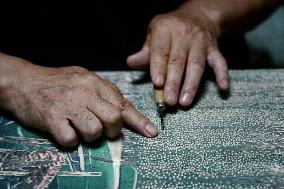
Painter Qi Tongyue creates a Jarud woodblock painting at a woodblock painting institute in Jarud Banner, north China's Inner Mongolia Autonomous Region, Aug. 10, 2025. The creation of a Jarud woodblock painting work, which originated in Jarud Banner in the late 1950s, has to go through more than a dozen steps, finished with engraving knife, woodblock and ink. The Jarud genre of woodblock painting was listed as one of the intangible cultural heritages of Inner Mongolia Autonomous Region in 2009. Nowadays, woodblock painting artists in Jarud, professional and amateur alike, are turning out vast amount of artworks that reflect their modern life on the grasslands. Photo by Liu Wenhui/Xinhua/ABACAPRESS.COM

  •  
Jarud Woodblock Painting in Inner Mongolia - China

Jarud Woodblock Painting in Inner Mongolia - China

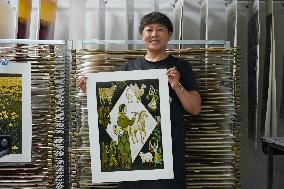
Painter Chen Qimeg shows one of her artworks at a woodblock painting institute in Jarud Banner, north China's Inner Mongolia Autonomous Region, Aug. 10, 2025. The creation of a Jarud woodblock painting work, which originated in Jarud Banner in the late 1950s, has to go through more than a dozen steps, finished with engraving knife, woodblock and ink. The Jarud genre of woodblock painting was listed as one of the intangible cultural heritages of Inner Mongolia Autonomous Region in 2009. Nowadays, woodblock painting artists in Jarud, professional and amateur alike, are turning out vast amount of artworks that reflect their modern life on the grasslands. Photo by Liu Wenhui/Xinhua/ABACAPRESS.COM

  •  
The Jewelry-Making Village - Bangladesh

The Jewelry-Making Village - Bangladesh

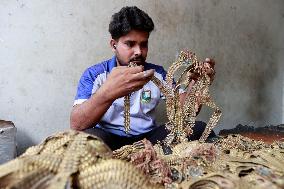
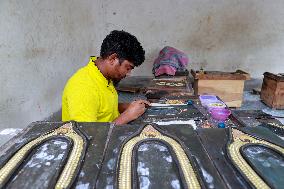
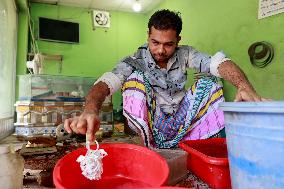
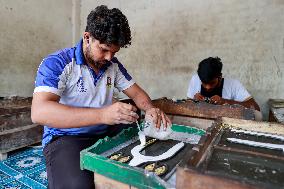
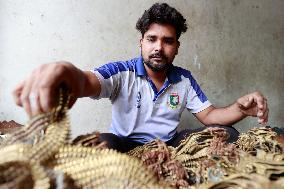
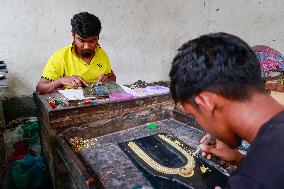
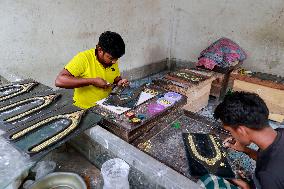
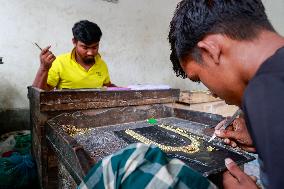
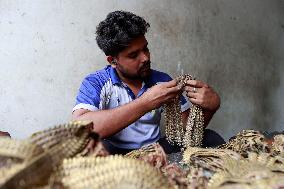
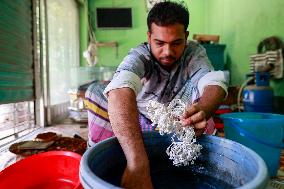
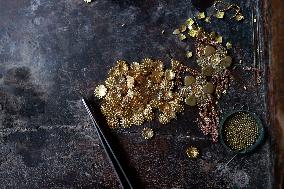
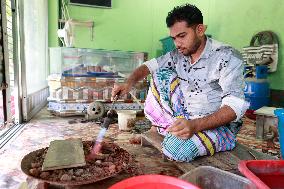
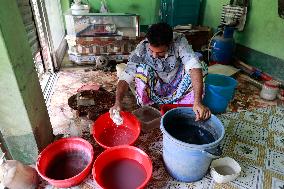
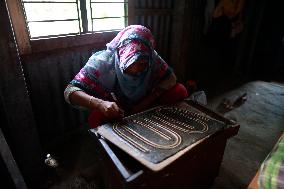
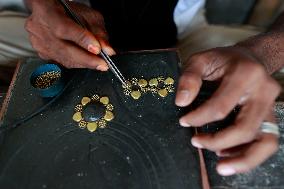
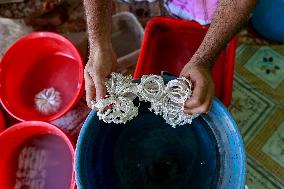
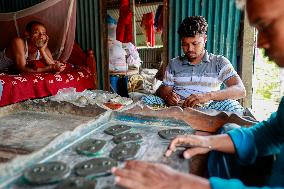
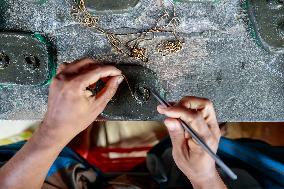
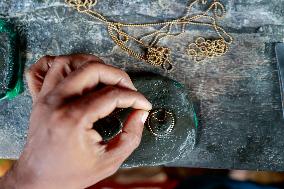
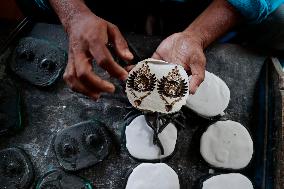
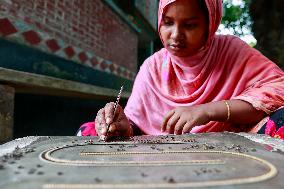
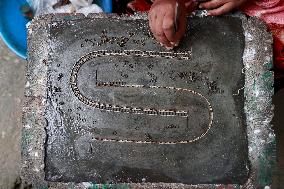
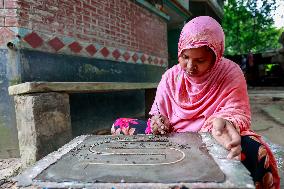
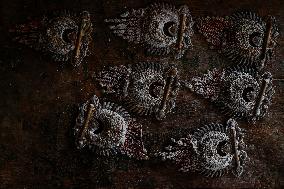
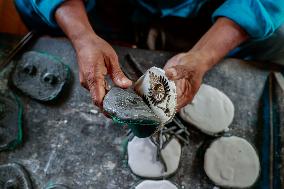
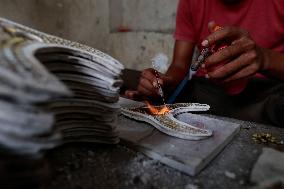
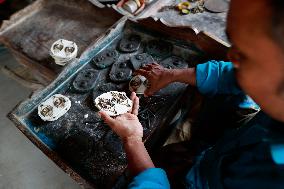
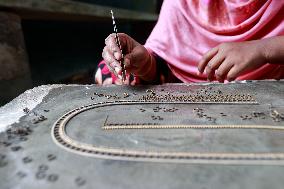
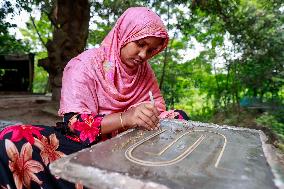
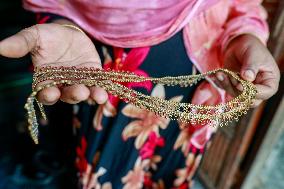
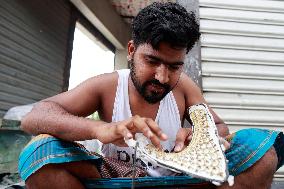
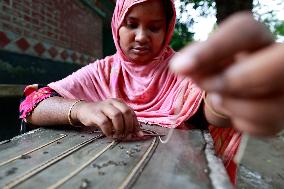
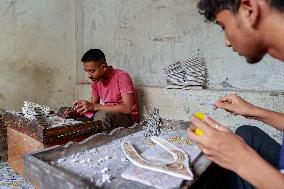
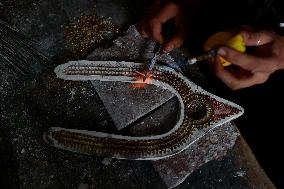
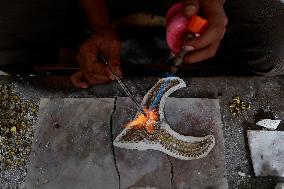
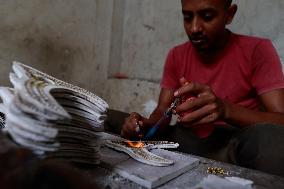
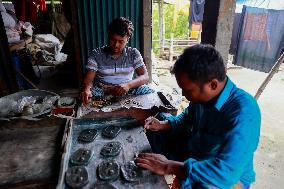
July 3, 2025, Savar, Bangladesh: In Bhakurta Union of Savar, on the outskirts of the capital, jewelry is made in almost every household. Around 10,000 people in the area are involved in the craft. According to locals, the tradition dates back to the British era, when residents adopted jewelry-making as an alternative profession. Initially, they used to craft gold ornaments. Gradually, they shifted to making silver jewelry. Nowadays, most of the ornaments are made from copper and brass. Since the 1980s, the production and sale of jewelry have expanded widely.

  •  
The Jewelry-Making Village - Bangladesh

The Jewelry-Making Village - Bangladesh

July 3, 2025, Savar, Bangladesh: In Bhakurta Union of Savar, on the outskirts of the capital, jewelry is made in almost every household. Around 10,000 people in the area are involved in the craft. According to locals, the tradition dates back to the British era, when residents adopted jewelry-making as an alternative profession. Initially, they used to craft gold ornaments. Gradually, they shifted to making silver jewelry. Nowadays, most of the ornaments are made from copper and brass. Since the 1980s, the production and sale of jewelry have expanded widely.

  •  
The Jewelry-Making Village - Bangladesh

The Jewelry-Making Village - Bangladesh

July 3, 2025, Savar, Bangladesh: In Bhakurta Union of Savar, on the outskirts of the capital, jewelry is made in almost every household. Around 10,000 people in the area are involved in the craft. According to locals, the tradition dates back to the British era, when residents adopted jewelry-making as an alternative profession. Initially, they used to craft gold ornaments. Gradually, they shifted to making silver jewelry. Nowadays, most of the ornaments are made from copper and brass. Since the 1980s, the production and sale of jewelry have expanded widely.

  •  
The Jewelry-Making Village - Bangladesh

The Jewelry-Making Village - Bangladesh

July 3, 2025, Savar, Bangladesh: In Bhakurta Union of Savar, on the outskirts of the capital, jewelry is made in almost every household. Around 10,000 people in the area are involved in the craft. According to locals, the tradition dates back to the British era, when residents adopted jewelry-making as an alternative profession. Initially, they used to craft gold ornaments. Gradually, they shifted to making silver jewelry. Nowadays, most of the ornaments are made from copper and brass. Since the 1980s, the production and sale of jewelry have expanded widely.

  •  
The Jewelry-Making Village - Bangladesh

The Jewelry-Making Village - Bangladesh

July 3, 2025, Savar, Bangladesh: In Bhakurta Union of Savar, on the outskirts of the capital, jewelry is made in almost every household. Around 10,000 people in the area are involved in the craft. According to locals, the tradition dates back to the British era, when residents adopted jewelry-making as an alternative profession. Initially, they used to craft gold ornaments. Gradually, they shifted to making silver jewelry. Nowadays, most of the ornaments are made from copper and brass. Since the 1980s, the production and sale of jewelry have expanded widely.

  •  
The Jewelry-Making Village - Bangladesh

The Jewelry-Making Village - Bangladesh

July 3, 2025, Savar, Bangladesh: In Bhakurta Union of Savar, on the outskirts of the capital, jewelry is made in almost every household. Around 10,000 people in the area are involved in the craft. According to locals, the tradition dates back to the British era, when residents adopted jewelry-making as an alternative profession. Initially, they used to craft gold ornaments. Gradually, they shifted to making silver jewelry. Nowadays, most of the ornaments are made from copper and brass. Since the 1980s, the production and sale of jewelry have expanded widely.

  •  
The Jewelry-Making Village - Bangladesh

The Jewelry-Making Village - Bangladesh

July 3, 2025, Savar, Bangladesh: In Bhakurta Union of Savar, on the outskirts of the capital, jewelry is made in almost every household. Around 10,000 people in the area are involved in the craft. According to locals, the tradition dates back to the British era, when residents adopted jewelry-making as an alternative profession. Initially, they used to craft gold ornaments. Gradually, they shifted to making silver jewelry. Nowadays, most of the ornaments are made from copper and brass. Since the 1980s, the production and sale of jewelry have expanded widely.

  •  
The Jewelry-Making Village - Bangladesh

The Jewelry-Making Village - Bangladesh

July 3, 2025, Savar, Bangladesh: In Bhakurta Union of Savar, on the outskirts of the capital, jewelry is made in almost every household. Around 10,000 people in the area are involved in the craft. According to locals, the tradition dates back to the British era, when residents adopted jewelry-making as an alternative profession. Initially, they used to craft gold ornaments. Gradually, they shifted to making silver jewelry. Nowadays, most of the ornaments are made from copper and brass. Since the 1980s, the production and sale of jewelry have expanded widely.

  •  
The Jewelry-Making Village - Bangladesh

The Jewelry-Making Village - Bangladesh

July 3, 2025, Savar, Bangladesh: In Bhakurta Union of Savar, on the outskirts of the capital, jewelry is made in almost every household. Around 10,000 people in the area are involved in the craft. According to locals, the tradition dates back to the British era, when residents adopted jewelry-making as an alternative profession. Initially, they used to craft gold ornaments. Gradually, they shifted to making silver jewelry. Nowadays, most of the ornaments are made from copper and brass. Since the 1980s, the production and sale of jewelry have expanded widely.

  •  
The Jewelry-Making Village - Bangladesh

The Jewelry-Making Village - Bangladesh

July 3, 2025, Savar, Bangladesh: In Bhakurta Union of Savar, on the outskirts of the capital, jewelry is made in almost every household. Around 10,000 people in the area are involved in the craft. According to locals, the tradition dates back to the British era, when residents adopted jewelry-making as an alternative profession. Initially, they used to craft gold ornaments. Gradually, they shifted to making silver jewelry. Nowadays, most of the ornaments are made from copper and brass. Since the 1980s, the production and sale of jewelry have expanded widely.

  •  
The Jewelry-Making Village - Bangladesh

The Jewelry-Making Village - Bangladesh

July 3, 2025, Savar, Bangladesh: In Bhakurta Union of Savar, on the outskirts of the capital, jewelry is made in almost every household. Around 10,000 people in the area are involved in the craft. According to locals, the tradition dates back to the British era, when residents adopted jewelry-making as an alternative profession. Initially, they used to craft gold ornaments. Gradually, they shifted to making silver jewelry. Nowadays, most of the ornaments are made from copper and brass. Since the 1980s, the production and sale of jewelry have expanded widely.

  •  
The Jewelry-Making Village - Bangladesh

The Jewelry-Making Village - Bangladesh

July 3, 2025, Savar, Bangladesh: In Bhakurta Union of Savar, on the outskirts of the capital, jewelry is made in almost every household. Around 10,000 people in the area are involved in the craft. According to locals, the tradition dates back to the British era, when residents adopted jewelry-making as an alternative profession. Initially, they used to craft gold ornaments. Gradually, they shifted to making silver jewelry. Nowadays, most of the ornaments are made from copper and brass. Since the 1980s, the production and sale of jewelry have expanded widely.

  •  
The Jewelry-Making Village - Bangladesh

The Jewelry-Making Village - Bangladesh

July 3, 2025, Savar, Bangladesh: In Bhakurta Union of Savar, on the outskirts of the capital, jewelry is made in almost every household. Around 10,000 people in the area are involved in the craft. According to locals, the tradition dates back to the British era, when residents adopted jewelry-making as an alternative profession. Initially, they used to craft gold ornaments. Gradually, they shifted to making silver jewelry. Nowadays, most of the ornaments are made from copper and brass. Since the 1980s, the production and sale of jewelry have expanded widely.

  •  
The Jewelry-Making Village - Bangladesh

The Jewelry-Making Village - Bangladesh

July 3, 2025, Savar, Bangladesh: In Bhakurta Union of Savar, on the outskirts of the capital, jewelry is made in almost every household. Around 10,000 people in the area are involved in the craft. According to locals, the tradition dates back to the British era, when residents adopted jewelry-making as an alternative profession. Initially, they used to craft gold ornaments. Gradually, they shifted to making silver jewelry. Nowadays, most of the ornaments are made from copper and brass. Since the 1980s, the production and sale of jewelry have expanded widely.

  •  
The Jewelry-Making Village - Bangladesh

The Jewelry-Making Village - Bangladesh

July 3, 2025, Savar, Bangladesh: In Bhakurta Union of Savar, on the outskirts of the capital, jewelry is made in almost every household. Around 10,000 people in the area are involved in the craft. According to locals, the tradition dates back to the British era, when residents adopted jewelry-making as an alternative profession. Initially, they used to craft gold ornaments. Gradually, they shifted to making silver jewelry. Nowadays, most of the ornaments are made from copper and brass. Since the 1980s, the production and sale of jewelry have expanded widely.

  •  
The Jewelry-Making Village - Bangladesh

The Jewelry-Making Village - Bangladesh

July 3, 2025, Savar, Bangladesh: In Bhakurta Union of Savar, on the outskirts of the capital, jewelry is made in almost every household. Around 10,000 people in the area are involved in the craft. According to locals, the tradition dates back to the British era, when residents adopted jewelry-making as an alternative profession. Initially, they used to craft gold ornaments. Gradually, they shifted to making silver jewelry. Nowadays, most of the ornaments are made from copper and brass. Since the 1980s, the production and sale of jewelry have expanded widely.

  •  
The Jewelry-Making Village - Bangladesh

The Jewelry-Making Village - Bangladesh

July 3, 2025, Savar, Bangladesh: In Bhakurta Union of Savar, on the outskirts of the capital, jewelry is made in almost every household. Around 10,000 people in the area are involved in the craft. According to locals, the tradition dates back to the British era, when residents adopted jewelry-making as an alternative profession. Initially, they used to craft gold ornaments. Gradually, they shifted to making silver jewelry. Nowadays, most of the ornaments are made from copper and brass. Since the 1980s, the production and sale of jewelry have expanded widely.

  •  
The Jewelry-Making Village - Bangladesh

The Jewelry-Making Village - Bangladesh

July 3, 2025, Savar, Bangladesh: In Bhakurta Union of Savar, on the outskirts of the capital, jewelry is made in almost every household. Around 10,000 people in the area are involved in the craft. According to locals, the tradition dates back to the British era, when residents adopted jewelry-making as an alternative profession. Initially, they used to craft gold ornaments. Gradually, they shifted to making silver jewelry. Nowadays, most of the ornaments are made from copper and brass. Since the 1980s, the production and sale of jewelry have expanded widely.

  •  
The Jewelry-Making Village - Bangladesh

The Jewelry-Making Village - Bangladesh

July 3, 2025, Savar, Bangladesh: In Bhakurta Union of Savar, on the outskirts of the capital, jewelry is made in almost every household. Around 10,000 people in the area are involved in the craft. According to locals, the tradition dates back to the British era, when residents adopted jewelry-making as an alternative profession. Initially, they used to craft gold ornaments. Gradually, they shifted to making silver jewelry. Nowadays, most of the ornaments are made from copper and brass. Since the 1980s, the production and sale of jewelry have expanded widely.

  •  
The Jewelry-Making Village - Bangladesh

The Jewelry-Making Village - Bangladesh

July 3, 2025, Savar, Bangladesh: In Bhakurta Union of Savar, on the outskirts of the capital, jewelry is made in almost every household. Around 10,000 people in the area are involved in the craft. According to locals, the tradition dates back to the British era, when residents adopted jewelry-making as an alternative profession. Initially, they used to craft gold ornaments. Gradually, they shifted to making silver jewelry. Nowadays, most of the ornaments are made from copper and brass. Since the 1980s, the production and sale of jewelry have expanded widely.

  •  
The Jewelry-Making Village - Bangladesh

The Jewelry-Making Village - Bangladesh

July 3, 2025, Savar, Bangladesh: In Bhakurta Union of Savar, on the outskirts of the capital, jewelry is made in almost every household. Around 10,000 people in the area are involved in the craft. According to locals, the tradition dates back to the British era, when residents adopted jewelry-making as an alternative profession. Initially, they used to craft gold ornaments. Gradually, they shifted to making silver jewelry. Nowadays, most of the ornaments are made from copper and brass. Since the 1980s, the production and sale of jewelry have expanded widely.

  •  
The Jewelry-Making Village - Bangladesh

The Jewelry-Making Village - Bangladesh

July 3, 2025, Savar, Bangladesh: In Bhakurta Union of Savar, on the outskirts of the capital, jewelry is made in almost every household. Around 10,000 people in the area are involved in the craft. According to locals, the tradition dates back to the British era, when residents adopted jewelry-making as an alternative profession. Initially, they used to craft gold ornaments. Gradually, they shifted to making silver jewelry. Nowadays, most of the ornaments are made from copper and brass. Since the 1980s, the production and sale of jewelry have expanded widely.

  •  
The Jewelry-Making Village - Bangladesh

The Jewelry-Making Village - Bangladesh

July 3, 2025, Savar, Bangladesh: In Bhakurta Union of Savar, on the outskirts of the capital, jewelry is made in almost every household. Around 10,000 people in the area are involved in the craft. According to locals, the tradition dates back to the British era, when residents adopted jewelry-making as an alternative profession. Initially, they used to craft gold ornaments. Gradually, they shifted to making silver jewelry. Nowadays, most of the ornaments are made from copper and brass. Since the 1980s, the production and sale of jewelry have expanded widely.

  •  
The Jewelry-Making Village - Bangladesh

The Jewelry-Making Village - Bangladesh

July 3, 2025, Savar, Bangladesh: In Bhakurta Union of Savar, on the outskirts of the capital, jewelry is made in almost every household. Around 10,000 people in the area are involved in the craft. According to locals, the tradition dates back to the British era, when residents adopted jewelry-making as an alternative profession. Initially, they used to craft gold ornaments. Gradually, they shifted to making silver jewelry. Nowadays, most of the ornaments are made from copper and brass. Since the 1980s, the production and sale of jewelry have expanded widely.

  •  
The Jewelry-Making Village - Bangladesh

The Jewelry-Making Village - Bangladesh

July 3, 2025, Savar, Bangladesh: In Bhakurta Union of Savar, on the outskirts of the capital, jewelry is made in almost every household. Around 10,000 people in the area are involved in the craft. According to locals, the tradition dates back to the British era, when residents adopted jewelry-making as an alternative profession. Initially, they used to craft gold ornaments. Gradually, they shifted to making silver jewelry. Nowadays, most of the ornaments are made from copper and brass. Since the 1980s, the production and sale of jewelry have expanded widely.

  •  
The Jewelry-Making Village - Bangladesh

The Jewelry-Making Village - Bangladesh

July 3, 2025, Savar, Bangladesh: In Bhakurta Union of Savar, on the outskirts of the capital, jewelry is made in almost every household. Around 10,000 people in the area are involved in the craft. According to locals, the tradition dates back to the British era, when residents adopted jewelry-making as an alternative profession. Initially, they used to craft gold ornaments. Gradually, they shifted to making silver jewelry. Nowadays, most of the ornaments are made from copper and brass. Since the 1980s, the production and sale of jewelry have expanded widely.

  •  
The Jewelry-Making Village - Bangladesh

The Jewelry-Making Village - Bangladesh

July 3, 2025, Savar, Bangladesh: In Bhakurta Union of Savar, on the outskirts of the capital, jewelry is made in almost every household. Around 10,000 people in the area are involved in the craft. According to locals, the tradition dates back to the British era, when residents adopted jewelry-making as an alternative profession. Initially, they used to craft gold ornaments. Gradually, they shifted to making silver jewelry. Nowadays, most of the ornaments are made from copper and brass. Since the 1980s, the production and sale of jewelry have expanded widely.

  •  
The Jewelry-Making Village - Bangladesh

The Jewelry-Making Village - Bangladesh

July 3, 2025, Savar, Bangladesh: In Bhakurta Union of Savar, on the outskirts of the capital, jewelry is made in almost every household. Around 10,000 people in the area are involved in the craft. According to locals, the tradition dates back to the British era, when residents adopted jewelry-making as an alternative profession. Initially, they used to craft gold ornaments. Gradually, they shifted to making silver jewelry. Nowadays, most of the ornaments are made from copper and brass. Since the 1980s, the production and sale of jewelry have expanded widely.

  •  
The Jewelry-Making Village - Bangladesh

The Jewelry-Making Village - Bangladesh

July 3, 2025, Savar, Bangladesh: In Bhakurta Union of Savar, on the outskirts of the capital, jewelry is made in almost every household. Around 10,000 people in the area are involved in the craft. According to locals, the tradition dates back to the British era, when residents adopted jewelry-making as an alternative profession. Initially, they used to craft gold ornaments. Gradually, they shifted to making silver jewelry. Nowadays, most of the ornaments are made from copper and brass. Since the 1980s, the production and sale of jewelry have expanded widely.

  •  
The Jewelry-Making Village - Bangladesh

The Jewelry-Making Village - Bangladesh

July 3, 2025, Savar, Bangladesh: In Bhakurta Union of Savar, on the outskirts of the capital, jewelry is made in almost every household. Around 10,000 people in the area are involved in the craft. According to locals, the tradition dates back to the British era, when residents adopted jewelry-making as an alternative profession. Initially, they used to craft gold ornaments. Gradually, they shifted to making silver jewelry. Nowadays, most of the ornaments are made from copper and brass. Since the 1980s, the production and sale of jewelry have expanded widely.

  •  
The Jewelry-Making Village - Bangladesh

The Jewelry-Making Village - Bangladesh

July 3, 2025, Savar, Bangladesh: In Bhakurta Union of Savar, on the outskirts of the capital, jewelry is made in almost every household. Around 10,000 people in the area are involved in the craft. According to locals, the tradition dates back to the British era, when residents adopted jewelry-making as an alternative profession. Initially, they used to craft gold ornaments. Gradually, they shifted to making silver jewelry. Nowadays, most of the ornaments are made from copper and brass. Since the 1980s, the production and sale of jewelry have expanded widely.

  •  
The Jewelry-Making Village - Bangladesh

The Jewelry-Making Village - Bangladesh

July 3, 2025, Savar, Bangladesh: In Bhakurta Union of Savar, on the outskirts of the capital, jewelry is made in almost every household. Around 10,000 people in the area are involved in the craft. According to locals, the tradition dates back to the British era, when residents adopted jewelry-making as an alternative profession. Initially, they used to craft gold ornaments. Gradually, they shifted to making silver jewelry. Nowadays, most of the ornaments are made from copper and brass. Since the 1980s, the production and sale of jewelry have expanded widely.

  •  
The Jewelry-Making Village - Bangladesh

The Jewelry-Making Village - Bangladesh

July 3, 2025, Savar, Bangladesh: In Bhakurta Union of Savar, on the outskirts of the capital, jewelry is made in almost every household. Around 10,000 people in the area are involved in the craft. According to locals, the tradition dates back to the British era, when residents adopted jewelry-making as an alternative profession. Initially, they used to craft gold ornaments. Gradually, they shifted to making silver jewelry. Nowadays, most of the ornaments are made from copper and brass. Since the 1980s, the production and sale of jewelry have expanded widely.

  •  
The Jewelry-Making Village - Bangladesh

The Jewelry-Making Village - Bangladesh

July 3, 2025, Savar, Bangladesh: In Bhakurta Union of Savar, on the outskirts of the capital, jewelry is made in almost every household. Around 10,000 people in the area are involved in the craft. According to locals, the tradition dates back to the British era, when residents adopted jewelry-making as an alternative profession. Initially, they used to craft gold ornaments. Gradually, they shifted to making silver jewelry. Nowadays, most of the ornaments are made from copper and brass. Since the 1980s, the production and sale of jewelry have expanded widely.

  •  
The Jewelry-Making Village - Bangladesh

The Jewelry-Making Village - Bangladesh

July 3, 2025, Savar, Bangladesh: In Bhakurta Union of Savar, on the outskirts of the capital, jewelry is made in almost every household. Around 10,000 people in the area are involved in the craft. According to locals, the tradition dates back to the British era, when residents adopted jewelry-making as an alternative profession. Initially, they used to craft gold ornaments. Gradually, they shifted to making silver jewelry. Nowadays, most of the ornaments are made from copper and brass. Since the 1980s, the production and sale of jewelry have expanded widely.

  •  
The Jewelry-Making Village - Bangladesh

The Jewelry-Making Village - Bangladesh

July 3, 2025, Savar, Bangladesh: In Bhakurta Union of Savar, on the outskirts of the capital, jewelry is made in almost every household. Around 10,000 people in the area are involved in the craft. According to locals, the tradition dates back to the British era, when residents adopted jewelry-making as an alternative profession. Initially, they used to craft gold ornaments. Gradually, they shifted to making silver jewelry. Nowadays, most of the ornaments are made from copper and brass. Since the 1980s, the production and sale of jewelry have expanded widely.

  •  
The Jewelry-Making Village - Bangladesh

The Jewelry-Making Village - Bangladesh

July 3, 2025, Savar, Bangladesh: In Bhakurta Union of Savar, on the outskirts of the capital, jewelry is made in almost every household. Around 10,000 people in the area are involved in the craft. According to locals, the tradition dates back to the British era, when residents adopted jewelry-making as an alternative profession. Initially, they used to craft gold ornaments. Gradually, they shifted to making silver jewelry. Nowadays, most of the ornaments are made from copper and brass. Since the 1980s, the production and sale of jewelry have expanded widely.

  •  
Levanta in Barbate - Cadiz

Levanta in Barbate - Cadiz

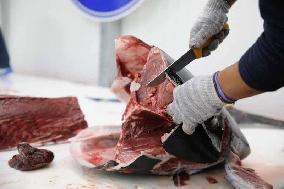
A person cuts up a tuna after the 'levantá' of tuna in the vicinity of Barbate, on May 27, 2025, in Barbate, Cadiz, Andalusia (Spain). The 'levantá' of Barbate is the culminating and most spectacular moment of the traditional fishing of bluefin tuna in the almadraba, an ancient art that is practiced every spring off the coast of Barbate (Cadiz). It consists of slowly raising the codend net, where the tuna have been trapped during their migration towards the Mediterranean, causing the large fish to emerge to the surface amidst flapping and foam, while the fishermen select and catch the largest specimens. Nowadays, the technique has evolved: the divers sacrifice the tuna one by one with "luparas" (special poles), and the final lifting is done with cranes, although the ritual and collective character of the process is preserved. Photo by Juanma Jimenez/Europa Press/ABACAPRESS.COM

  • Main
  • Top
  • Editorial
  • Creative
  • About Us
  • About ILG
  • Terms of use
  • Company
  • BEHIND
  • Price List
  • Single Plan
  • Monthly Plan
  • Services
  • Shooting
  • Rights Clearance
  • Support
  • FAQ
  • How To Buy
  • Contact Us
  • Become a Partner

© KYODO NEWS IMAGES INC

All Rights Reserved.

  • Editorial
  • Olympics
  • News
  • Sports
  • Japan
  • Tech
  • Royal
  • Disaster
  • NorthKorea
  • Old Japan
  • SNS
  • Creative
  • Food
  • Japan
  • Landscape
  • Animal
  • Popular
  • #Ukraine
  • #Russia
  • #coronavirus
  • #N. Korea
  • #China
  • #Thailand
  • #Ukraine
  • #Russia
  • #coronavirus
  • #N. Korea
  • #China
  • #Thailand
  • Food
  • Japan
  • Landscape
  • Animal
  • Olympics
  • News
  • Sports
  • Japan
  • Tech
  • Royal
  • Disaster
  • NorthKorea
  • Old Japan
  • SNS