•  
Illustration - Nitrous Oxide

Illustration - Nitrous Oxide

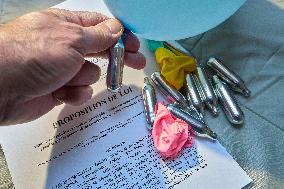
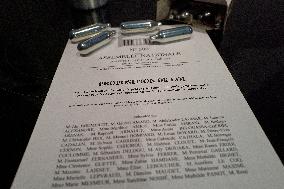
Illustration - French Bill to Restrict Nitrous Oxide Sale. The Social Affairs Committee of the National Assembly adopted, on Wednesday, January 22, the bill aimed at restricting the sale of nitrous oxide to professionals only and at strengthening preventive actions on misused consumption. The sale would thus be reserved only for professionals in the medical and catering sectors. The text was adopted this Wednesday, January 29 by the National Assembly. Photo by Jean Pierre Nguyen Van Hai Barbier/ABACAPRESS.COM

  •  
Illustration - Nitrous Oxide

Illustration - Nitrous Oxide

Illustration - French Bill to Restrict Nitrous Oxide Sale. The Social Affairs Committee of the National Assembly adopted, on Wednesday, January 22, the bill aimed at restricting the sale of nitrous oxide to professionals only and at strengthening preventive actions on misused consumption. The sale would thus be reserved only for professionals in the medical and catering sectors. The text was adopted this Wednesday, January 29 by the National Assembly. Photo by Jean Pierre Nguyen Van Hai Barbier/ABACAPRESS.COM

  •  
Illustration - Nitrous Oxide

Illustration - Nitrous Oxide

Illustration - French Bill to Restrict Nitrous Oxide Sale. The Social Affairs Committee of the National Assembly adopted, on Wednesday, January 22, the bill aimed at restricting the sale of nitrous oxide to professionals only and at strengthening preventive actions on misused consumption. The sale would thus be reserved only for professionals in the medical and catering sectors. The text was adopted this Wednesday, January 29 by the National Assembly. Photo by Jean Pierre Nguyen Van Hai Barbier/ABACAPRESS.COM

  •  
Illustration - Nitrous Oxide

Illustration - Nitrous Oxide

Illustration - French Bill to Restrict Nitrous Oxide Sale. The Social Affairs Committee of the National Assembly adopted, on Wednesday, January 22, the bill aimed at restricting the sale of nitrous oxide to professionals only and at strengthening preventive actions on misused consumption. The sale would thus be reserved only for professionals in the medical and catering sectors. The text was adopted this Wednesday, January 29 by the National Assembly. Photo by Jean Pierre Nguyen Van Hai Barbier/ABACAPRESS.COM

  •  
Illustration - Nitrous Oxide

Illustration - Nitrous Oxide

Illustration - French Bill to Restrict Nitrous Oxide Sale. The Social Affairs Committee of the National Assembly adopted, on Wednesday, January 22, the bill aimed at restricting the sale of nitrous oxide to professionals only and at strengthening preventive actions on misused consumption. The sale would thus be reserved only for professionals in the medical and catering sectors. The text was adopted this Wednesday, January 29 by the National Assembly. Photo by Jean Pierre Nguyen Van Hai Barbier/ABACAPRESS.COM

  •  
Illustration - Nitrous Oxide

Illustration - Nitrous Oxide

Illustration - French Bill to Restrict Nitrous Oxide Sale. The Social Affairs Committee of the National Assembly adopted, on Wednesday, January 22, the bill aimed at restricting the sale of nitrous oxide to professionals only and at strengthening preventive actions on misused consumption. The sale would thus be reserved only for professionals in the medical and catering sectors. The text will be examined this Tuesday, January 28 in the hemicycle. Photo by Jean Pierre Nguyen Van Hai Barbier/ABACAPRESS.COM

  •  
Illustration - Nitrous Oxide

Illustration - Nitrous Oxide

Illustration - French Bill to Restrict Nitrous Oxide Sale. The Social Affairs Committee of the National Assembly adopted, on Wednesday, January 22, the bill aimed at restricting the sale of nitrous oxide to professionals only and at strengthening preventive actions on misused consumption. The sale would thus be reserved only for professionals in the medical and catering sectors. The text will be examined this Tuesday, January 28 in the hemicycle. Photo by Jean Pierre Nguyen Van Hai Barbier/ABACAPRESS.COM

  •  
Illustration - Nitrous Oxide

Illustration - Nitrous Oxide

Illustration - French Bill to Restrict Nitrous Oxide Sale. The Social Affairs Committee of the National Assembly adopted, on Wednesday, January 22, the bill aimed at restricting the sale of nitrous oxide to professionals only and at strengthening preventive actions on misused consumption. The sale would thus be reserved only for professionals in the medical and catering sectors. The text will be examined this Tuesday, January 28 in the hemicycle. Photo by Jean Pierre Nguyen Van Hai Barbier/ABACAPRESS.COM

  •  
Illustration - Nitrous Oxide

Illustration - Nitrous Oxide

Illustration - French Bill to Restrict Nitrous Oxide Sale. The Social Affairs Committee of the National Assembly adopted, on Wednesday, January 22, the bill aimed at restricting the sale of nitrous oxide to professionals only and at strengthening preventive actions on misused consumption. The sale would thus be reserved only for professionals in the medical and catering sectors. The text will be examined this Tuesday, January 28 in the hemicycle. Photo by Jean Pierre Nguyen Van Hai Barbier/ABACAPRESS.COM

  •  
Laborers Work At A Bricks Field In Bangladesh

Laborers Work At A Bricks Field In Bangladesh

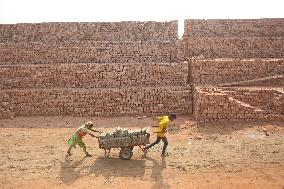
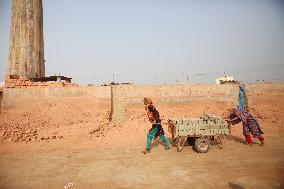
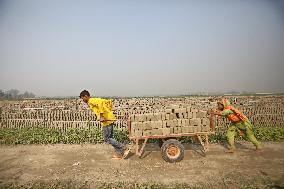
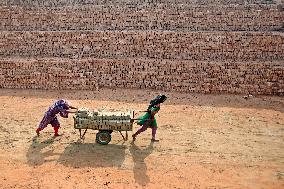
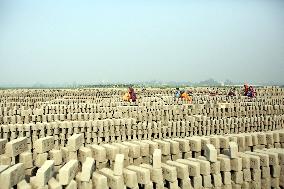
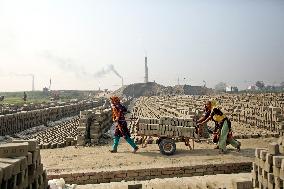
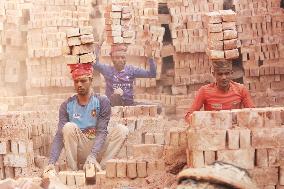
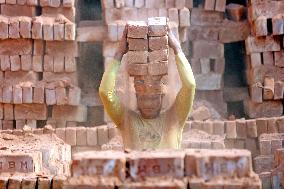
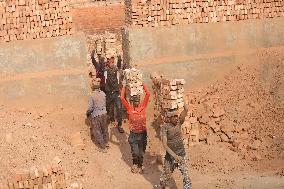
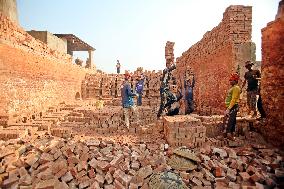
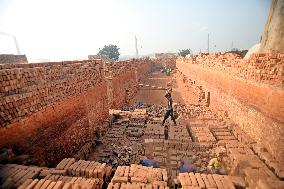
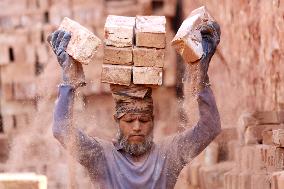
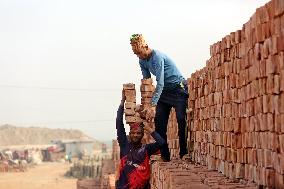
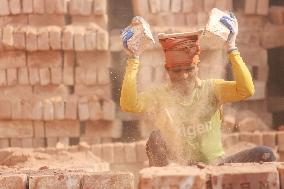
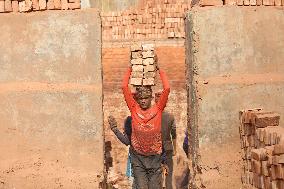
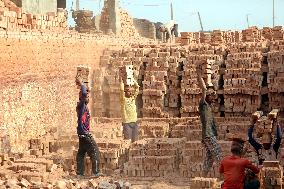
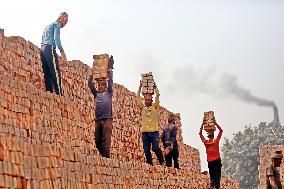
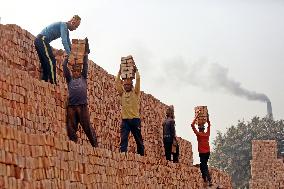
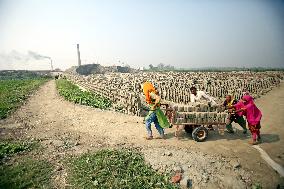
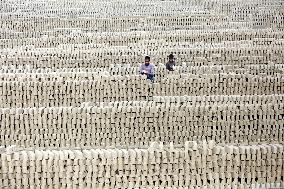
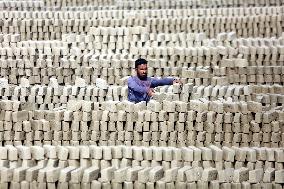
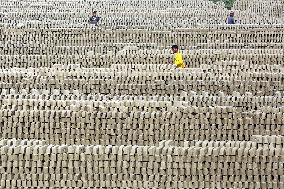
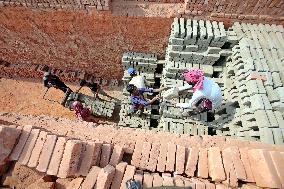
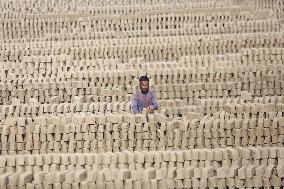
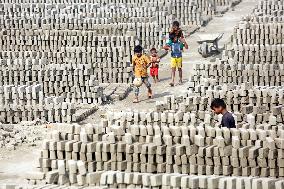
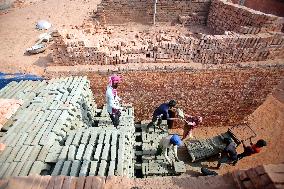
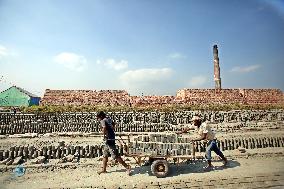
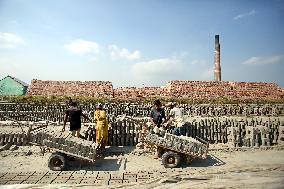
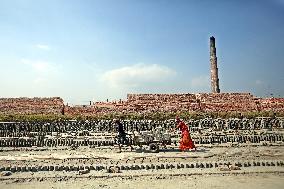
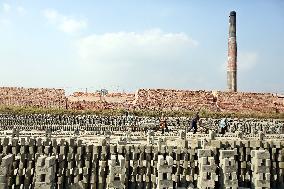
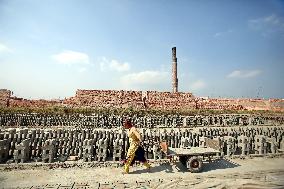
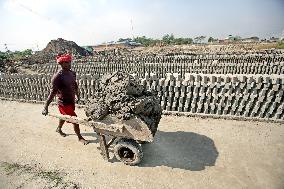
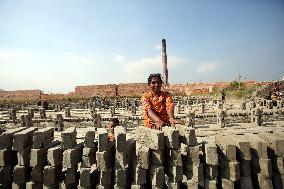
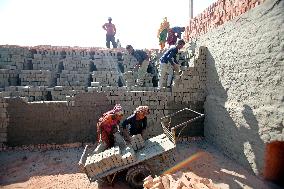
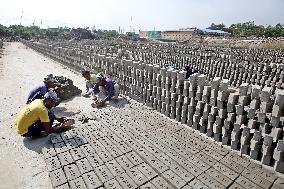
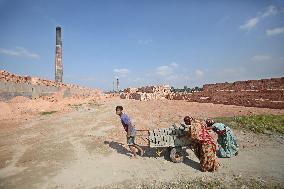
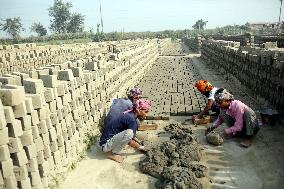
Laborers work at a brickyard on January 28, 2024, in Dhaka, Bangladesh. Bangladesh goes through speedy urbanization. Rapid urbanization generates massive demand for bricks as it is one of the key ingredients to build concrete structures. To meet this growing need, the number of brick-making fields has been increasing at an alarming rate in Bangladesh. Most of them take place in farming lands which causes a reduction in agricultural production, and burning coal causes tremendous emission of Carbon-Di-Oxide (CO2) gas which is primarily responsible for climate change. Photo by Habibur Rahman/ABACAPRESS.COM

  •  
Laborers Work At A Bricks Field In Bangladesh

Laborers Work At A Bricks Field In Bangladesh

Laborers work at a brickyard on January 28, 2024, in Dhaka, Bangladesh. Bangladesh goes through speedy urbanization. Rapid urbanization generates massive demand for bricks as it is one of the key ingredients to build concrete structures. To meet this growing need, the number of brick-making fields has been increasing at an alarming rate in Bangladesh. Most of them take place in farming lands which causes a reduction in agricultural production, and burning coal causes tremendous emission of Carbon-Di-Oxide (CO2) gas which is primarily responsible for climate change. Photo by Habibur Rahman/ABACAPRESS.COM

  •  
Laborers Work At A Bricks Field In Bangladesh

Laborers Work At A Bricks Field In Bangladesh

Laborers work at a brickyard on January 28, 2024, in Dhaka, Bangladesh. Bangladesh goes through speedy urbanization. Rapid urbanization generates massive demand for bricks as it is one of the key ingredients to build concrete structures. To meet this growing need, the number of brick-making fields has been increasing at an alarming rate in Bangladesh. Most of them take place in farming lands which causes a reduction in agricultural production, and burning coal causes tremendous emission of Carbon-Di-Oxide (CO2) gas which is primarily responsible for climate change. Photo by Habibur Rahman/ABACAPRESS.COM

  •  
Laborers Work At A Bricks Field In Bangladesh

Laborers Work At A Bricks Field In Bangladesh

Laborers work at a brickyard on January 28, 2024, in Dhaka, Bangladesh. Bangladesh goes through speedy urbanization. Rapid urbanization generates massive demand for bricks as it is one of the key ingredients to build concrete structures. To meet this growing need, the number of brick-making fields has been increasing at an alarming rate in Bangladesh. Most of them take place in farming lands which causes a reduction in agricultural production, and burning coal causes tremendous emission of Carbon-Di-Oxide (CO2) gas which is primarily responsible for climate change. Photo by Habibur Rahman/ABACAPRESS.COM

  •  
Laborers Work At A Bricks Field In Bangladesh

Laborers Work At A Bricks Field In Bangladesh

Laborers work at a brickyard on January 28, 2024, in Dhaka, Bangladesh. Bangladesh goes through speedy urbanization. Rapid urbanization generates massive demand for bricks as it is one of the key ingredients to build concrete structures. To meet this growing need, the number of brick-making fields has been increasing at an alarming rate in Bangladesh. Most of them take place in farming lands which causes a reduction in agricultural production, and burning coal causes tremendous emission of Carbon-Di-Oxide (CO2) gas which is primarily responsible for climate change. Photo by Habibur Rahman/ABACAPRESS.COM

  •  
Laborers Work At A Bricks Field In Bangladesh

Laborers Work At A Bricks Field In Bangladesh

Laborers work at a brickyard on January 28, 2024, in Dhaka, Bangladesh. Bangladesh goes through speedy urbanization. Rapid urbanization generates massive demand for bricks as it is one of the key ingredients to build concrete structures. To meet this growing need, the number of brick-making fields has been increasing at an alarming rate in Bangladesh. Most of them take place in farming lands which causes a reduction in agricultural production, and burning coal causes tremendous emission of Carbon-Di-Oxide (CO2) gas which is primarily responsible for climate change. Photo by Habibur Rahman/ABACAPRESS.COM

  •  
Laborers Work At A Bricks Field In Bangladesh

Laborers Work At A Bricks Field In Bangladesh

Laborers work at a brickyard on January 28, 2024, in Dhaka, Bangladesh. Bangladesh goes through speedy urbanization. Rapid urbanization generates massive demand for bricks as it is one of the key ingredients to build concrete structures. To meet this growing need, the number of brick-making fields has been increasing at an alarming rate in Bangladesh. Most of them take place in farming lands which causes a reduction in agricultural production, and burning coal causes tremendous emission of Carbon-Di-Oxide (CO2) gas which is primarily responsible for climate change. Photo by Habibur Rahman/ABACAPRESS.COM

  •  
Laborers Work At A Bricks Field In Bangladesh

Laborers Work At A Bricks Field In Bangladesh

Laborers work at a brickyard on January 28, 2024, in Dhaka, Bangladesh. Bangladesh goes through speedy urbanization. Rapid urbanization generates massive demand for bricks as it is one of the key ingredients to build concrete structures. To meet this growing need, the number of brick-making fields has been increasing at an alarming rate in Bangladesh. Most of them take place in farming lands which causes a reduction in agricultural production, and burning coal causes tremendous emission of Carbon-Di-Oxide (CO2) gas which is primarily responsible for climate change. Photo by Habibur Rahman/ABACAPRESS.COM

  •  
Laborers Work At A Bricks Field In Bangladesh

Laborers Work At A Bricks Field In Bangladesh

Laborers work at a brickyard on January 28, 2024, in Dhaka, Bangladesh. Bangladesh goes through speedy urbanization. Rapid urbanization generates massive demand for bricks as it is one of the key ingredients to build concrete structures. To meet this growing need, the number of brick-making fields has been increasing at an alarming rate in Bangladesh. Most of them take place in farming lands which causes a reduction in agricultural production, and burning coal causes tremendous emission of Carbon-Di-Oxide (CO2) gas which is primarily responsible for climate change. Photo by Habibur Rahman/ABACAPRESS.COM

  •  
Laborers Work At A Bricks Field In Bangladesh

Laborers Work At A Bricks Field In Bangladesh

Laborers work at a brickyard on January 28, 2024, in Dhaka, Bangladesh. Bangladesh goes through speedy urbanization. Rapid urbanization generates massive demand for bricks as it is one of the key ingredients to build concrete structures. To meet this growing need, the number of brick-making fields has been increasing at an alarming rate in Bangladesh. Most of them take place in farming lands which causes a reduction in agricultural production, and burning coal causes tremendous emission of Carbon-Di-Oxide (CO2) gas which is primarily responsible for climate change. Photo by Habibur Rahman/ABACAPRESS.COM

  •  
Laborers Work At A Bricks Field In Bangladesh

Laborers Work At A Bricks Field In Bangladesh

Laborers work at a brickyard on January 28, 2024, in Dhaka, Bangladesh. Bangladesh goes through speedy urbanization. Rapid urbanization generates massive demand for bricks as it is one of the key ingredients to build concrete structures. To meet this growing need, the number of brick-making fields has been increasing at an alarming rate in Bangladesh. Most of them take place in farming lands which causes a reduction in agricultural production, and burning coal causes tremendous emission of Carbon-Di-Oxide (CO2) gas which is primarily responsible for climate change. Photo by Habibur Rahman/ABACAPRESS.COM

  •  
Laborers Work At A Bricks Field In Bangladesh

Laborers Work At A Bricks Field In Bangladesh

Laborers work at a brickyard on January 28, 2024, in Dhaka, Bangladesh. Bangladesh goes through speedy urbanization. Rapid urbanization generates massive demand for bricks as it is one of the key ingredients to build concrete structures. To meet this growing need, the number of brick-making fields has been increasing at an alarming rate in Bangladesh. Most of them take place in farming lands which causes a reduction in agricultural production, and burning coal causes tremendous emission of Carbon-Di-Oxide (CO2) gas which is primarily responsible for climate change. Photo by Habibur Rahman/ABACAPRESS.COM

  •  
Laborers Work At A Bricks Field In Bangladesh

Laborers Work At A Bricks Field In Bangladesh

Laborers work at a brickyard on January 28, 2024, in Dhaka, Bangladesh. Bangladesh goes through speedy urbanization. Rapid urbanization generates massive demand for bricks as it is one of the key ingredients to build concrete structures. To meet this growing need, the number of brick-making fields has been increasing at an alarming rate in Bangladesh. Most of them take place in farming lands which causes a reduction in agricultural production, and burning coal causes tremendous emission of Carbon-Di-Oxide (CO2) gas which is primarily responsible for climate change. Photo by Habibur Rahman/ABACAPRESS.COM

  •  
Laborers Work At A Bricks Field In Bangladesh

Laborers Work At A Bricks Field In Bangladesh

Laborers work at a brickyard on January 28, 2024, in Dhaka, Bangladesh. Bangladesh goes through speedy urbanization. Rapid urbanization generates massive demand for bricks as it is one of the key ingredients to build concrete structures. To meet this growing need, the number of brick-making fields has been increasing at an alarming rate in Bangladesh. Most of them take place in farming lands which causes a reduction in agricultural production, and burning coal causes tremendous emission of Carbon-Di-Oxide (CO2) gas which is primarily responsible for climate change. Photo by Habibur Rahman/ABACAPRESS.COM

  •  
Laborers Work At A Bricks Field In Bangladesh

Laborers Work At A Bricks Field In Bangladesh

Laborers work at a brickyard on January 28, 2024, in Dhaka, Bangladesh. Bangladesh goes through speedy urbanization. Rapid urbanization generates massive demand for bricks as it is one of the key ingredients to build concrete structures. To meet this growing need, the number of brick-making fields has been increasing at an alarming rate in Bangladesh. Most of them take place in farming lands which causes a reduction in agricultural production, and burning coal causes tremendous emission of Carbon-Di-Oxide (CO2) gas which is primarily responsible for climate change. Photo by Habibur Rahman/ABACAPRESS.COM

  •  
Laborers Work At A Bricks Field In Bangladesh

Laborers Work At A Bricks Field In Bangladesh

Laborers work at a brickyard on January 28, 2024, in Dhaka, Bangladesh. Bangladesh goes through speedy urbanization. Rapid urbanization generates massive demand for bricks as it is one of the key ingredients to build concrete structures. To meet this growing need, the number of brick-making fields has been increasing at an alarming rate in Bangladesh. Most of them take place in farming lands which causes a reduction in agricultural production, and burning coal causes tremendous emission of Carbon-Di-Oxide (CO2) gas which is primarily responsible for climate change. Photo by Habibur Rahman/ABACAPRESS.COM

  •  
Laborers Work At A Bricks Field In Bangladesh

Laborers Work At A Bricks Field In Bangladesh

Laborers work at a brickyard on January 28, 2024, in Dhaka, Bangladesh. Bangladesh goes through speedy urbanization. Rapid urbanization generates massive demand for bricks as it is one of the key ingredients to build concrete structures. To meet this growing need, the number of brick-making fields has been increasing at an alarming rate in Bangladesh. Most of them take place in farming lands which causes a reduction in agricultural production, and burning coal causes tremendous emission of Carbon-Di-Oxide (CO2) gas which is primarily responsible for climate change. Photo by Habibur Rahman/ABACAPRESS.COM

  •  
Laborers Work At A Bricks Field In Bangladesh

Laborers Work At A Bricks Field In Bangladesh

Laborers work at a brickyard on January 28, 2024, in Dhaka, Bangladesh. Bangladesh goes through speedy urbanization. Rapid urbanization generates massive demand for bricks as it is one of the key ingredients to build concrete structures. To meet this growing need, the number of brick-making fields has been increasing at an alarming rate in Bangladesh. Most of them take place in farming lands which causes a reduction in agricultural production, and burning coal causes tremendous emission of Carbon-Di-Oxide (CO2) gas which is primarily responsible for climate change. Photo by Habibur Rahman/ABACAPRESS.COM

  •  
Laborers Work At A Bricks Field In Bangladesh

Laborers Work At A Bricks Field In Bangladesh

Laborers work at a brickyard on January 28, 2024, in Dhaka, Bangladesh. Bangladesh goes through speedy urbanization. Rapid urbanization generates massive demand for bricks as it is one of the key ingredients to build concrete structures. To meet this growing need, the number of brick-making fields has been increasing at an alarming rate in Bangladesh. Most of them take place in farming lands which causes a reduction in agricultural production, and burning coal causes tremendous emission of Carbon-Di-Oxide (CO2) gas which is primarily responsible for climate change. Photo by Habibur Rahman/ABACAPRESS.COM

  •  
Laborers Work At A Bricks Field In Bangladesh

Laborers Work At A Bricks Field In Bangladesh

Laborers work at a brickyard on January 28, 2024, in Dhaka, Bangladesh. Bangladesh goes through speedy urbanization. Rapid urbanization generates massive demand for bricks as it is one of the key ingredients to build concrete structures. To meet this growing need, the number of brick-making fields has been increasing at an alarming rate in Bangladesh. Most of them take place in farming lands which causes a reduction in agricultural production, and burning coal causes tremendous emission of Carbon-Di-Oxide (CO2) gas which is primarily responsible for climate change. Photo by Habibur Rahman/ABACAPRESS.COM

  •  
Laborers Work At A Bricks Field In Bangladesh

Laborers Work At A Bricks Field In Bangladesh

Laborers work at a brickyard on January 28, 2024, in Dhaka, Bangladesh. Bangladesh goes through speedy urbanization. Rapid urbanization generates massive demand for bricks as it is one of the key ingredients to build concrete structures. To meet this growing need, the number of brick-making fields has been increasing at an alarming rate in Bangladesh. Most of them take place in farming lands which causes a reduction in agricultural production, and burning coal causes tremendous emission of Carbon-Di-Oxide (CO2) gas which is primarily responsible for climate change. Photo by Habibur Rahman/ABACAPRESS.COM

  •  
Laborers Work At A Bricks Field In Bangladesh

Laborers Work At A Bricks Field In Bangladesh

Laborers work at a brickyard on January 28, 2024, in Dhaka, Bangladesh. Bangladesh goes through speedy urbanization. Rapid urbanization generates massive demand for bricks as it is one of the key ingredients to build concrete structures. To meet this growing need, the number of brick-making fields has been increasing at an alarming rate in Bangladesh. Most of them take place in farming lands which causes a reduction in agricultural production, and burning coal causes tremendous emission of Carbon-Di-Oxide (CO2) gas which is primarily responsible for climate change. Photo by Habibur Rahman/ABACAPRESS.COM

  •  
Laborers Work At A Bricks Field In Bangladesh

Laborers Work At A Bricks Field In Bangladesh

Laborers work at a brickyard on January 28, 2024, in Dhaka, Bangladesh. Bangladesh goes through speedy urbanization. Rapid urbanization generates massive demand for bricks as it is one of the key ingredients to build concrete structures. To meet this growing need, the number of brick-making fields has been increasing at an alarming rate in Bangladesh. Most of them take place in farming lands which causes a reduction in agricultural production, and burning coal causes tremendous emission of Carbon-Di-Oxide (CO2) gas which is primarily responsible for climate change. Photo by Habibur Rahman/ABACAPRESS.COM

  •  
Laborers Work At A Bricks Field In Bangladesh

Laborers Work At A Bricks Field In Bangladesh

Laborers work at a brickyard on January 28, 2024, in Dhaka, Bangladesh. Bangladesh goes through speedy urbanization. Rapid urbanization generates massive demand for bricks as it is one of the key ingredients to build concrete structures. To meet this growing need, the number of brick-making fields has been increasing at an alarming rate in Bangladesh. Most of them take place in farming lands which causes a reduction in agricultural production, and burning coal causes tremendous emission of Carbon-Di-Oxide (CO2) gas which is primarily responsible for climate change. Photo by Habibur Rahman/ABACAPRESS.COM

  •  
Laborers Work At A Bricks Field In Bangladesh

Laborers Work At A Bricks Field In Bangladesh

Laborers work at a brickyard on January 28, 2024, in Dhaka, Bangladesh. Bangladesh goes through speedy urbanization. Rapid urbanization generates massive demand for bricks as it is one of the key ingredients to build concrete structures. To meet this growing need, the number of brick-making fields has been increasing at an alarming rate in Bangladesh. Most of them take place in farming lands which causes a reduction in agricultural production, and burning coal causes tremendous emission of Carbon-Di-Oxide (CO2) gas which is primarily responsible for climate change. Photo by Habibur Rahman/ABACAPRESS.COM

  •  
Laborers Work At A Bricks Field In Bangladesh

Laborers Work At A Bricks Field In Bangladesh

Laborers work at a brickyard on January 28, 2024, in Dhaka, Bangladesh. Bangladesh goes through speedy urbanization. Rapid urbanization generates massive demand for bricks as it is one of the key ingredients to build concrete structures. To meet this growing need, the number of brick-making fields has been increasing at an alarming rate in Bangladesh. Most of them take place in farming lands which causes a reduction in agricultural production, and burning coal causes tremendous emission of Carbon-Di-Oxide (CO2) gas which is primarily responsible for climate change. Photo by Habibur Rahman/ABACAPRESS.COM

  •  
Laborers Work At A Bricks Field In Bangladesh

Laborers Work At A Bricks Field In Bangladesh

Laborers work at a brickyard on January 28, 2024, in Dhaka, Bangladesh. Bangladesh goes through speedy urbanization. Rapid urbanization generates massive demand for bricks as it is one of the key ingredients to build concrete structures. To meet this growing need, the number of brick-making fields has been increasing at an alarming rate in Bangladesh. Most of them take place in farming lands which causes a reduction in agricultural production, and burning coal causes tremendous emission of Carbon-Di-Oxide (CO2) gas which is primarily responsible for climate change. Photo by Habibur Rahman/ABACAPRESS.COM

  •  
Laborers Work At A Bricks Field In Bangladesh

Laborers Work At A Bricks Field In Bangladesh

Laborers work at a brickyard on January 28, 2024, in Dhaka, Bangladesh. Bangladesh goes through speedy urbanization. Rapid urbanization generates massive demand for bricks as it is one of the key ingredients to build concrete structures. To meet this growing need, the number of brick-making fields has been increasing at an alarming rate in Bangladesh. Most of them take place in farming lands which causes a reduction in agricultural production, and burning coal causes tremendous emission of Carbon-Di-Oxide (CO2) gas which is primarily responsible for climate change. Photo by Habibur Rahman/ABACAPRESS.COM

  •  
Laborers Work At A Bricks Field In Bangladesh

Laborers Work At A Bricks Field In Bangladesh

Laborers work at a brickyard on January 28, 2024, in Dhaka, Bangladesh. Bangladesh goes through speedy urbanization. Rapid urbanization generates massive demand for bricks as it is one of the key ingredients to build concrete structures. To meet this growing need, the number of brick-making fields has been increasing at an alarming rate in Bangladesh. Most of them take place in farming lands which causes a reduction in agricultural production, and burning coal causes tremendous emission of Carbon-Di-Oxide (CO2) gas which is primarily responsible for climate change. Photo by Habibur Rahman/ABACAPRESS.COM

  •  
Laborers Work At A Bricks Field In Bangladesh

Laborers Work At A Bricks Field In Bangladesh

Laborers work at a brickyard on January 28, 2024, in Dhaka, Bangladesh. Bangladesh goes through speedy urbanization. Rapid urbanization generates massive demand for bricks as it is one of the key ingredients to build concrete structures. To meet this growing need, the number of brick-making fields has been increasing at an alarming rate in Bangladesh. Most of them take place in farming lands which causes a reduction in agricultural production, and burning coal causes tremendous emission of Carbon-Di-Oxide (CO2) gas which is primarily responsible for climate change. Photo by Habibur Rahman/ABACAPRESS.COM

  •  
Laborers Work At A Brickyard - Bangladesh

Laborers Work At A Brickyard - Bangladesh

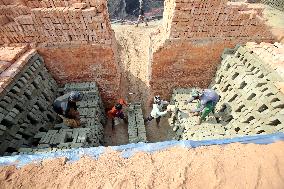
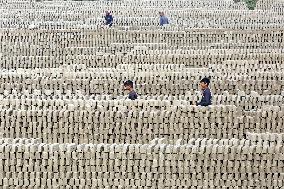
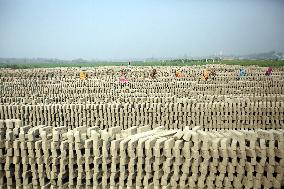
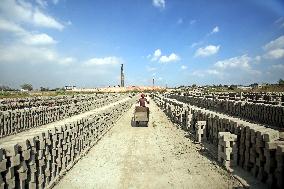
Laborer work at a brickyard. Bangladesh goes through speedy urbanization. Rapid urbanization generates massive demand for bricks as it is one of the key ingredients to build concrete structures. To meet this growing need, the number of brick-making fields has been increasing at an alarming rate in Bangladesh. Most of them take place in farming lands which causes a reduction in agricultural production, and burning coal causes tremendous emission of Carbon-Di-Oxide (CO2) gas which is primarily responsible for climate change. On November 26, 2023 in Dhaka, Bangladesh.Most laborers work here 7 days a week and get BDT (Bangladeshi taka) 450 ($ 4.37) per day. Photo by Habibur Rahman/ABACAPRESS.COM

  •  
Laborers Work At A Brickyard - Bangladesh

Laborers Work At A Brickyard - Bangladesh

Laborer work at a brickyard. Bangladesh goes through speedy urbanization. Rapid urbanization generates massive demand for bricks as it is one of the key ingredients to build concrete structures. To meet this growing need, the number of brick-making fields has been increasing at an alarming rate in Bangladesh. Most of them take place in farming lands which causes a reduction in agricultural production, and burning coal causes tremendous emission of Carbon-Di-Oxide (CO2) gas which is primarily responsible for climate change. On November 26, 2023 in Dhaka, Bangladesh.Most laborers work here 7 days a week and get BDT (Bangladeshi taka) 450 ($ 4.37) per day. Photo by Habibur Rahman/ABACAPRESS.COM

  •  
Laborers Work At A Brickyard - Bangladesh

Laborers Work At A Brickyard - Bangladesh

Laborer work at a brickyard. Bangladesh goes through speedy urbanization. Rapid urbanization generates massive demand for bricks as it is one of the key ingredients to build concrete structures. To meet this growing need, the number of brick-making fields has been increasing at an alarming rate in Bangladesh. Most of them take place in farming lands which causes a reduction in agricultural production, and burning coal causes tremendous emission of Carbon-Di-Oxide (CO2) gas which is primarily responsible for climate change. On November 26, 2023 in Dhaka, Bangladesh.Most laborers work here 7 days a week and get BDT (Bangladeshi taka) 450 ($ 4.37) per day. Photo by Habibur Rahman/ABACAPRESS.COM

  •  
Laborers Work At A Brickyard - Bangladesh

Laborers Work At A Brickyard - Bangladesh

Laborer work at a brickyard. Bangladesh goes through speedy urbanization. Rapid urbanization generates massive demand for bricks as it is one of the key ingredients to build concrete structures. To meet this growing need, the number of brick-making fields has been increasing at an alarming rate in Bangladesh. Most of them take place in farming lands which causes a reduction in agricultural production, and burning coal causes tremendous emission of Carbon-Di-Oxide (CO2) gas which is primarily responsible for climate change. On November 26, 2023 in Dhaka, Bangladesh.Most laborers work here 7 days a week and get BDT (Bangladeshi taka) 450 ($ 4.37) per day. Photo by Habibur Rahman/ABACAPRESS.COM

  •  
Laborers Work At A Brickyard - Bangladesh

Laborers Work At A Brickyard - Bangladesh

Laborer work at a brickyard. Bangladesh goes through speedy urbanization. Rapid urbanization generates massive demand for bricks as it is one of the key ingredients to build concrete structures. To meet this growing need, the number of brick-making fields has been increasing at an alarming rate in Bangladesh. Most of them take place in farming lands which causes a reduction in agricultural production, and burning coal causes tremendous emission of Carbon-Di-Oxide (CO2) gas which is primarily responsible for climate change. On November 26, 2023 in Dhaka, Bangladesh.Most laborers work here 7 days a week and get BDT (Bangladeshi taka) 450 ($ 4.37) per day. Photo by Habibur Rahman/ABACAPRESS.COM

  •  
Laborers Work At A Brickyard - Bangladesh

Laborers Work At A Brickyard - Bangladesh

Laborer work at a brickyard. Bangladesh goes through speedy urbanization. Rapid urbanization generates massive demand for bricks as it is one of the key ingredients to build concrete structures. To meet this growing need, the number of brick-making fields has been increasing at an alarming rate in Bangladesh. Most of them take place in farming lands which causes a reduction in agricultural production, and burning coal causes tremendous emission of Carbon-Di-Oxide (CO2) gas which is primarily responsible for climate change. On November 26, 2023 in Dhaka, Bangladesh.Most laborers work here 7 days a week and get BDT (Bangladeshi taka) 450 ($ 4.37) per day. Photo by Habibur Rahman/ABACAPRESS.COM

  •  
Laborers Work At A Brickyard - Bangladesh

Laborers Work At A Brickyard - Bangladesh

Laborer work at a brickyard. Bangladesh goes through speedy urbanization. Rapid urbanization generates massive demand for bricks as it is one of the key ingredients to build concrete structures. To meet this growing need, the number of brick-making fields has been increasing at an alarming rate in Bangladesh. Most of them take place in farming lands which causes a reduction in agricultural production, and burning coal causes tremendous emission of Carbon-Di-Oxide (CO2) gas which is primarily responsible for climate change. On November 26, 2023 in Dhaka, Bangladesh.Most laborers work here 7 days a week and get BDT (Bangladeshi taka) 450 ($ 4.37) per day. Photo by Habibur Rahman/ABACAPRESS.COM

  •  
Laborers Work At A Brickyard - Bangladesh

Laborers Work At A Brickyard - Bangladesh

Laborer work at a brickyard. Bangladesh goes through speedy urbanization. Rapid urbanization generates massive demand for bricks as it is one of the key ingredients to build concrete structures. To meet this growing need, the number of brick-making fields has been increasing at an alarming rate in Bangladesh. Most of them take place in farming lands which causes a reduction in agricultural production, and burning coal causes tremendous emission of Carbon-Di-Oxide (CO2) gas which is primarily responsible for climate change. On November 26, 2023 in Dhaka, Bangladesh.Most laborers work here 7 days a week and get BDT (Bangladeshi taka) 450 ($ 4.37) per day. Photo by Habibur Rahman/ABACAPRESS.COM

  •  
Laborers Work At A Brickyard - Bangladesh

Laborers Work At A Brickyard - Bangladesh

Laborer work at a brickyard. Bangladesh goes through speedy urbanization. Rapid urbanization generates massive demand for bricks as it is one of the key ingredients to build concrete structures. To meet this growing need, the number of brick-making fields has been increasing at an alarming rate in Bangladesh. Most of them take place in farming lands which causes a reduction in agricultural production, and burning coal causes tremendous emission of Carbon-Di-Oxide (CO2) gas which is primarily responsible for climate change. On November 26, 2023 in Dhaka, Bangladesh.Most laborers work here 7 days a week and get BDT (Bangladeshi taka) 450 ($ 4.37) per day. Photo by Habibur Rahman/ABACAPRESS.COM

  •  
Laborers Work At A Brickyard - Bangladesh

Laborers Work At A Brickyard - Bangladesh

Laborer work at a brickyard. Bangladesh goes through speedy urbanization. Rapid urbanization generates massive demand for bricks as it is one of the key ingredients to build concrete structures. To meet this growing need, the number of brick-making fields has been increasing at an alarming rate in Bangladesh. Most of them take place in farming lands which causes a reduction in agricultural production, and burning coal causes tremendous emission of Carbon-Di-Oxide (CO2) gas which is primarily responsible for climate change. On November 26, 2023 in Dhaka, Bangladesh.Most laborers work here 7 days a week and get BDT (Bangladeshi taka) 450 ($ 4.37) per day. Photo by Habibur Rahman/ABACAPRESS.COM

  •  
Laborers Work At A Brickyard - Bangladesh

Laborers Work At A Brickyard - Bangladesh

Laborer work at a brickyard. Bangladesh goes through speedy urbanization. Rapid urbanization generates massive demand for bricks as it is one of the key ingredients to build concrete structures. To meet this growing need, the number of brick-making fields has been increasing at an alarming rate in Bangladesh. Most of them take place in farming lands which causes a reduction in agricultural production, and burning coal causes tremendous emission of Carbon-Di-Oxide (CO2) gas which is primarily responsible for climate change. On November 26, 2023 in Dhaka, Bangladesh.Most laborers work here 7 days a week and get BDT (Bangladeshi taka) 450 ($ 4.37) per day. Photo by Habibur Rahman/ABACAPRESS.COM

  • Main
  • Top
  • Editorial
  • Creative
  • About Us
  • About ILG
  • Terms of use
  • Company
  • BEHIND
  • Price List
  • Single Plan
  • Monthly Plan
  • Services
  • Shooting
  • Rights Clearance
  • Support
  • FAQ
  • How To Buy
  • Contact Us
  • Become a Partner

© KYODO NEWS IMAGES INC

All Rights Reserved.

  • Editorial
  • Olympics
  • News
  • Sports
  • Japan
  • Tech
  • Royal
  • Disaster
  • NorthKorea
  • Old Japan
  • SNS
  • Creative
  • Food
  • Japan
  • Landscape
  • Animal
  • Popular
  • #Ukraine
  • #Thailand
  • #coronavirus
  • #N. Korea
  • #Russia
  • #China
  • #Ukraine
  • #Thailand
  • #coronavirus
  • #N. Korea
  • #Russia
  • #China
  • Food
  • Japan
  • Landscape
  • Animal
  • Olympics
  • News
  • Sports
  • Japan
  • Tech
  • Royal
  • Disaster
  • NorthKorea
  • Old Japan
  • SNS