•  
Quake-hit Hatay Archaeology Museum Gets Reinforced - Turkey

Quake-hit Hatay Archaeology Museum Gets Reinforced - Turkey

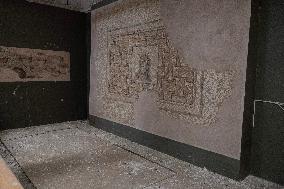
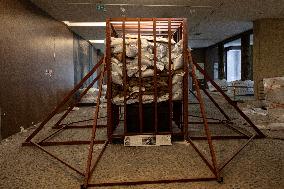
An inside view of the mosaics at the Hatay Archaeology Museum, during the reinforcement work in Hatay, Turkey, on January 23, 2024, on year after deadly quake. The museum has a total exhibition area of 10,000 square meters, including 3,500 square meters of mosaics, and is known for its extensive collection of archaeological artifacts. Hatay Archeology Museum, one of the museums where the world's largest mosaic collection of the Roman and Byzantine Era. There are also many artifacts from the Paleolithic, Neolithic, Chalcolithic, Bronze Age, Hittite, Hellenistic, Eastern Roman, Seljuk and Ottoman periods in the museum. Photo by Ugur Yildirim/Demiroren Visual Media/ABACAPRESS.COM

  •  
Quake-hit Hatay Archaeology Museum Gets Reinforced - Turkey

Quake-hit Hatay Archaeology Museum Gets Reinforced - Turkey

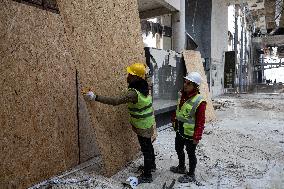
Museum Director Ayşe Ersoy poses in fornt of a mosaic, in Hatay, Turkey, on January 23, 2024, on year after deadly quake. Hatay Archeology Museum Director Ayşe Ersoy said, 'Thirty artifacts too big to carry were put under cages. All of our mosaics were taken under protection on site', reinforcement works are now being carried out in the building. Teams continue to work in line with the report given by the scientific teams. After three years, our museum will be reopened to visitors with a completely different concept'. The museum has a total exhibition area of 10,000 square meters, including 3,500 square meters of mosaics, and is known for its extensive collection of archaeological artifacts. Hatay Archeology Museum, one of the museums where the world's largest mosaic collection of the Roman and Byzantine Era. There are also many artifacts from the Paleolithic, Neolithic, Chalcolithic, Bronze Age, Hittite, Hellenistic, Eastern Roman, Seljuk and Ottoman periods in the museum. Photo by Ugur Yildirim/Demiroren Vi

  •  
Quake-hit Hatay Archaeology Museum Gets Reinforced - Turkey

Quake-hit Hatay Archaeology Museum Gets Reinforced - Turkey

An inside view of the mosaics at the Hatay Archaeology Museum, during the reinforcement work in Hatay, Turkey, on January 23, 2024, on year after deadly quake. The museum has a total exhibition area of 10,000 square meters, including 3,500 square meters of mosaics, and is known for its extensive collection of archaeological artifacts. Hatay Archeology Museum, one of the museums where the world's largest mosaic collection of the Roman and Byzantine Era. There are also many artifacts from the Paleolithic, Neolithic, Chalcolithic, Bronze Age, Hittite, Hellenistic, Eastern Roman, Seljuk and Ottoman periods in the museum. Photo by Ugur Yildirim/Demiroren Visual Media/ABACAPRESS.COM

  •  
Quake-hit Hatay Archaeology Museum Gets Reinforced - Turkey

Quake-hit Hatay Archaeology Museum Gets Reinforced - Turkey

An inside view of the mosaics at the Hatay Archaeology Museum, during the reinforcement work in Hatay, Turkey, on January 23, 2024, on year after deadly quake. The museum has a total exhibition area of 10,000 square meters, including 3,500 square meters of mosaics, and is known for its extensive collection of archaeological artifacts. Hatay Archeology Museum, one of the museums where the world's largest mosaic collection of the Roman and Byzantine Era. There are also many artifacts from the Paleolithic, Neolithic, Chalcolithic, Bronze Age, Hittite, Hellenistic, Eastern Roman, Seljuk and Ottoman periods in the museum. Photo by Ugur Yildirim/Demiroren Visual Media/ABACAPRESS.COM

  •  
Quake-hit Hatay Archaeology Museum Gets Reinforced - Turkey

Quake-hit Hatay Archaeology Museum Gets Reinforced - Turkey

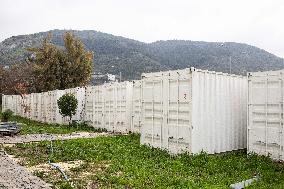
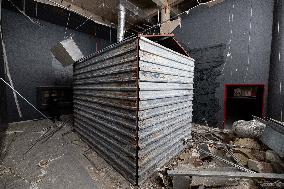
Containers outside the Hatay Archaeology Museum, with the artifacts from the Paleolithic, Neolithic, Chalcolithic, Bronze Age, Hittite, Hellenistic, Eastern Roman, Seljuk and Ottoman periods, during the reinforcement work in Hatay, Turkey, on January 23, 2024, on year after deadly quake. The museum has a total exhibition area of 10,000 square meters, including 3,500 square meters of mosaics, and is known for its extensive collection of archaeological artifacts. Hatay Archeology Museum, one of the museums where the world's largest mosaic collection of the Roman and Byzantine Era. There are also many artifacts from the Paleolithic, Neolithic, Chalcolithic, Bronze Age, Hittite, Hellenistic, Eastern Roman, Seljuk and Ottoman periods in the museum. Photo by Ugur Yildirim/Demiroren Visual Media/ABACAPRESS.COM

  •  
Quake-hit Hatay Archaeology Museum Gets Reinforced - Turkey

Quake-hit Hatay Archaeology Museum Gets Reinforced - Turkey

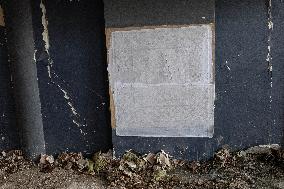
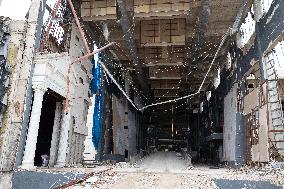
An inside view of the Hatay Archaeology Museum, during the reinforcement work in Hatay, Turkey, on January 23, 2024, on year after deadly quake. The museum has a total exhibition area of 10,000 square meters, including 3,500 square meters of mosaics, and is known for its extensive collection of archaeological artifacts. Hatay Archeology Museum, one of the museums where the world's largest mosaic collection of the Roman and Byzantine Era. There are also many artifacts from the Paleolithic, Neolithic, Chalcolithic, Bronze Age, Hittite, Hellenistic, Eastern Roman, Seljuk and Ottoman periods in the museum. Photo by Ugur Yildirim/Demiroren Visual Media/ABACAPRESS.COM

  •  
Quake-hit Hatay Archaeology Museum Gets Reinforced - Turkey

Quake-hit Hatay Archaeology Museum Gets Reinforced - Turkey

An inside view of the Hatay Archaeology Museum, during the reinforcement work in Hatay, Turkey, on January 23, 2024, on year after deadly quake. The museum has a total exhibition area of 10,000 square meters, including 3,500 square meters of mosaics, and is known for its extensive collection of archaeological artifacts. Hatay Archeology Museum, one of the museums where the world's largest mosaic collection of the Roman and Byzantine Era. There are also many artifacts from the Paleolithic, Neolithic, Chalcolithic, Bronze Age, Hittite, Hellenistic, Eastern Roman, Seljuk and Ottoman periods in the museum. Photo by Ugur Yildirim/Demiroren Visual Media/ABACAPRESS.COM

  •  
Quake-hit Hatay Archaeology Museum Gets Reinforced - Turkey

Quake-hit Hatay Archaeology Museum Gets Reinforced - Turkey

An inside view of the Hatay Archaeology Museum, during the reinforcement work in Hatay, Turkey, on January 23, 2024, on year after deadly quake. The museum has a total exhibition area of 10,000 square meters, including 3,500 square meters of mosaics, and is known for its extensive collection of archaeological artifacts. Hatay Archeology Museum, one of the museums where the world's largest mosaic collection of the Roman and Byzantine Era. There are also many artifacts from the Paleolithic, Neolithic, Chalcolithic, Bronze Age, Hittite, Hellenistic, Eastern Roman, Seljuk and Ottoman periods in the museum. Photo by Ugur Yildirim/Demiroren Visual Media/ABACAPRESS.COM

  •  
Quake-hit Hatay Archaeology Museum Gets Reinforced - Turkey

Quake-hit Hatay Archaeology Museum Gets Reinforced - Turkey

An view of the Antakya Sarcophagus from the 3rd century BC, under protection in Hatay Archaeology Museum, during the reinforcement work in Hatay, Turkey, on January 23, 2024, on year after deadly quake. The museum has a total exhibition area of 10,000 square meters, including 3,500 square meters of mosaics, and is known for its extensive collection of archaeological artifacts. Hatay Archeology Museum, one of the museums where the world's largest mosaic collection of the Roman and Byzantine Era. There are also many artifacts from the Paleolithic, Neolithic, Chalcolithic, Bronze Age, Hittite, Hellenistic, Eastern Roman, Seljuk and Ottoman periods in the museum. Photo by Ugur Yildirim/Demiroren Visual Media/ABACAPRESS.COM

  •  
XINHUA PHOTOS OF THE DAY

XINHUA PHOTOS OF THE DAY

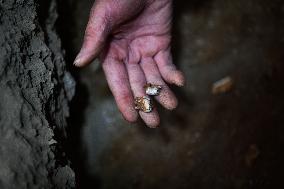
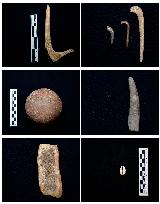
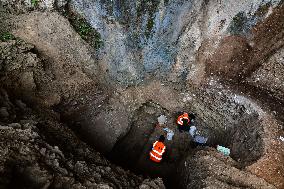
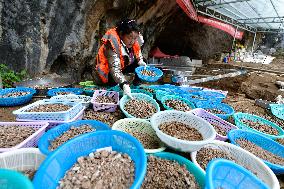
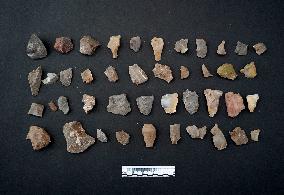
(240126) -- BEIJING, Jan. 26, 2024 (Xinhua) -- This photo taken on Jan. 24, 2024 shows archaeological samples unearthed from Chuandong Site in Puding County, southwest China's Guizhou Province. Large quantities of artifacts made of stone, bone and horn have been unearthed at Chuandong Site in Puding County, southwest China's Guizhou Province, indicating prehistoric human activity dating back more than 55,000 years. Chuandong Site, first discovered in 1978, is believed to have existed across the end of the middle Paleolithic Period, the late Paleolithic Period and the Neolithic Age. Over two years of excavation work, the third one since 1978, researchers discovered a new soil layer at the site, where they found more than 100,000 animal bones, over 10,000 pieces of earthenware and stoneware, and more than 2,500 items made of bone or horn. (Xinhua/Yang Wenbin)

  •  
CHINA-GUIZHOU-PUDING-CHUANDONG SITE-NEW FINDING (CN)

CHINA-GUIZHOU-PUDING-CHUANDONG SITE-NEW FINDING (CN)

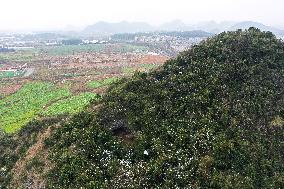
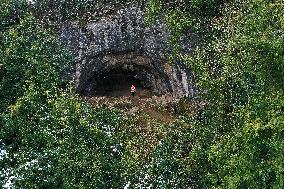
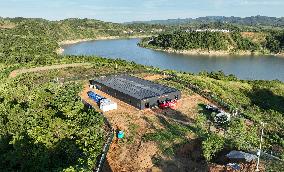
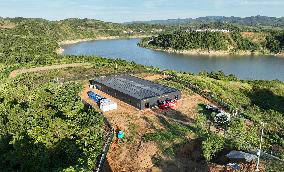
(240125) -- PUDING, Jan. 25, 2024 (Xinhua) -- An aerial drone photo taken on Jan. 24, 2024 shows a view of Chuandong Site in Puding County, southwest China's Guizhou Province. Large quantities of artifacts made of stone, bone and horn have been unearthed at Chuandong Site in Puding County, southwest China's Guizhou Province, indicating prehistoric human activity dating back more than 55,000 years. Chuandong Site, first discovered in 1978, is believed to have existed across the end of the middle Paleolithic Period, the late Paleolithic Period and the Neolithic Age. Over two years of excavation work, the third one since 1978, researchers discovered a new soil layer at the site, where they found more than 100,000 animal bones, over 10,000 pieces of earthenware and stoneware, and more than 2,500 items made of bone or horn. (Xinhua/Yang Wenbin)

  •  
CHINA-GUIZHOU-PUDING-CHUANDONG SITE-NEW FINDING (CN)

CHINA-GUIZHOU-PUDING-CHUANDONG SITE-NEW FINDING (CN)

(240125) -- PUDING, Jan. 25, 2024 (Xinhua) -- This combo photo taken on Jan. 24, 2024 shows archaeological samples unearthed from Chuandong Site in Puding County, southwest China's Guizhou Province. Large quantities of artifacts made of stone, bone and horn have been unearthed at Chuandong Site in Puding County, southwest China's Guizhou Province, indicating prehistoric human activity dating back more than 55,000 years. Chuandong Site, first discovered in 1978, is believed to have existed across the end of the middle Paleolithic Period, the late Paleolithic Period and the Neolithic Age. Over two years of excavation work, the third one since 1978, researchers discovered a new soil layer at the site, where they found more than 100,000 animal bones, over 10,000 pieces of earthenware and stoneware, and more than 2,500 items made of bone or horn. (Xinhua/Yang Wenbin)

  •  
CHINA-GUIZHOU-PUDING-CHUANDONG SITE-NEW FINDING (CN)

CHINA-GUIZHOU-PUDING-CHUANDONG SITE-NEW FINDING (CN)

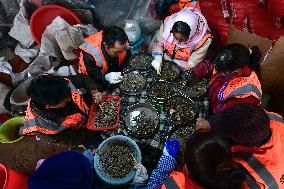
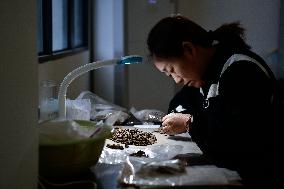
(240125) -- PUDING, Jan. 25, 2024 (Xinhua) -- Workers sort findings unearthed from Chuandong Site in Puding County, southwest China's Guizhou Province, Jan. 24, 2024. Large quantities of artifacts made of stone, bone and horn have been unearthed at Chuandong Site in Puding County, southwest China's Guizhou Province, indicating prehistoric human activity dating back more than 55,000 years. Chuandong Site, first discovered in 1978, is believed to have existed across the end of the middle Paleolithic Period, the late Paleolithic Period and the Neolithic Age. Over two years of excavation work, the third one since 1978, researchers discovered a new soil layer at the site, where they found more than 100,000 animal bones, over 10,000 pieces of earthenware and stoneware, and more than 2,500 items made of bone or horn. (Xinhua/Yang Wenbin)

  •  
CHINA-GUIZHOU-PUDING-CHUANDONG SITE-NEW FINDING (CN)

CHINA-GUIZHOU-PUDING-CHUANDONG SITE-NEW FINDING (CN)

(240125) -- PUDING, Jan. 25, 2024 (Xinhua) -- This photo taken on Jan. 24, 2024 shows archaeological samples unearthed from Chuandong Site in Puding County, southwest China's Guizhou Province. Large quantities of artifacts made of stone, bone and horn have been unearthed at Chuandong Site in Puding County, southwest China's Guizhou Province, indicating prehistoric human activity dating back more than 55,000 years. Chuandong Site, first discovered in 1978, is believed to have existed across the end of the middle Paleolithic Period, the late Paleolithic Period and the Neolithic Age. Over two years of excavation work, the third one since 1978, researchers discovered a new soil layer at the site, where they found more than 100,000 animal bones, over 10,000 pieces of earthenware and stoneware, and more than 2,500 items made of bone or horn. (Xinhua/Yang Wenbin)

  •  
CHINA-GUIZHOU-PUDING-CHUANDONG SITE-NEW FINDING (CN)

CHINA-GUIZHOU-PUDING-CHUANDONG SITE-NEW FINDING (CN)

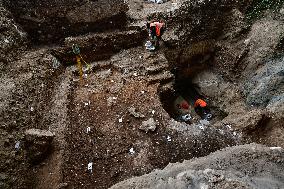
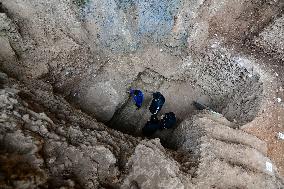
(240125) -- PUDING, Jan. 25, 2024 (Xinhua) -- Staff members conduct work at Chuandong Site in Puding County, southwest China's Guizhou Province, Jan. 24, 2024. Large quantities of artifacts made of stone, bone and horn have been unearthed at Chuandong Site in Puding County, southwest China's Guizhou Province, indicating prehistoric human activity dating back more than 55,000 years. Chuandong Site, first discovered in 1978, is believed to have existed across the end of the middle Paleolithic Period, the late Paleolithic Period and the Neolithic Age. Over two years of excavation work, the third one since 1978, researchers discovered a new soil layer at the site, where they found more than 100,000 animal bones, over 10,000 pieces of earthenware and stoneware, and more than 2,500 items made of bone or horn. (Xinhua/Yang Wenbin)

  •  
CHINA-GUIZHOU-PUDING-CHUANDONG SITE-NEW FINDING (CN)

CHINA-GUIZHOU-PUDING-CHUANDONG SITE-NEW FINDING (CN)

(240125) -- PUDING, Jan. 25, 2024 (Xinhua) -- An aerial drone photo taken on Jan. 24, 2024 shows a view of Chuandong Site in Puding County, southwest China's Guizhou Province. Large quantities of artifacts made of stone, bone and horn have been unearthed at Chuandong Site in Puding County, southwest China's Guizhou Province, indicating prehistoric human activity dating back more than 55,000 years. Chuandong Site, first discovered in 1978, is believed to have existed across the end of the middle Paleolithic Period, the late Paleolithic Period and the Neolithic Age. Over two years of excavation work, the third one since 1978, researchers discovered a new soil layer at the site, where they found more than 100,000 animal bones, over 10,000 pieces of earthenware and stoneware, and more than 2,500 items made of bone or horn. (Xinhua/Yang Wenbin)

  •  
CHINA-GUIZHOU-PUDING-CHUANDONG SITE-NEW FINDING (CN)

CHINA-GUIZHOU-PUDING-CHUANDONG SITE-NEW FINDING (CN)

(240125) -- PUDING, Jan. 25, 2024 (Xinhua) -- Staff members conduct work at Chuandong Site in Puding County, southwest China's Guizhou Province, Jan. 24, 2024. Large quantities of artifacts made of stone, bone and horn have been unearthed at Chuandong Site in Puding County, southwest China's Guizhou Province, indicating prehistoric human activity dating back more than 55,000 years. Chuandong Site, first discovered in 1978, is believed to have existed across the end of the middle Paleolithic Period, the late Paleolithic Period and the Neolithic Age. Over two years of excavation work, the third one since 1978, researchers discovered a new soil layer at the site, where they found more than 100,000 animal bones, over 10,000 pieces of earthenware and stoneware, and more than 2,500 items made of bone or horn. (Xinhua/Yang Wenbin)

  •  
CHINA-GUIZHOU-PUDING-CHUANDONG SITE-NEW FINDING (CN)

CHINA-GUIZHOU-PUDING-CHUANDONG SITE-NEW FINDING (CN)

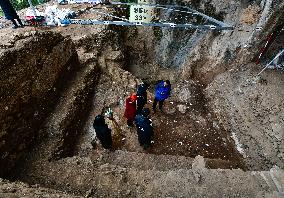
(240125) -- PUDING, Jan. 25, 2024 (Xinhua) -- Archaeological expert and students discuss at Chuandong Site in Puding County, southwest China's Guizhou Province, Jan. 24, 2024. Large quantities of artifacts made of stone, bone and horn have been unearthed at Chuandong Site in Puding County, southwest China's Guizhou Province, indicating prehistoric human activity dating back more than 55,000 years. Chuandong Site, first discovered in 1978, is believed to have existed across the end of the middle Paleolithic Period, the late Paleolithic Period and the Neolithic Age. Over two years of excavation work, the third one since 1978, researchers discovered a new soil layer at the site, where they found more than 100,000 animal bones, over 10,000 pieces of earthenware and stoneware, and more than 2,500 items made of bone or horn. (Xinhua/Yang Wenbin)

  •  
CHINA-GUIZHOU-PUDING-CHUANDONG SITE-NEW FINDING (CN)

CHINA-GUIZHOU-PUDING-CHUANDONG SITE-NEW FINDING (CN)

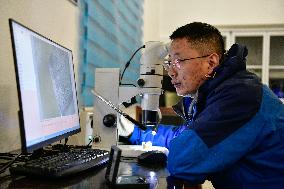
(240125) -- PUDING, Jan. 25, 2024 (Xinhua) -- Zhang Xinglong, an expert with the Guizhou provincial cultural relics and archaeology institute, examines archaeological samples unearthed from Chuandong Site under a microscope in Puding County, southwest China's Guizhou Province, Jan. 24, 2024. Large quantities of artifacts made of stone, bone and horn have been unearthed at Chuandong Site in Puding County, southwest China's Guizhou Province, indicating prehistoric human activity dating back more than 55,000 years. Chuandong Site, first discovered in 1978, is believed to have existed across the end of the middle Paleolithic Period, the late Paleolithic Period and the Neolithic Age. Over two years of excavation work, the third one since 1978, researchers discovered a new soil layer at the site, where they found more than 100,000 animal bones, over 10,000 pieces of earthenware and stoneware, and more than 2,500 items made of bone or horn. (Xinhua/Yang Wenbin)

  •  
CHINA-GUIZHOU-PUDING-CHUANDONG SITE-NEW FINDING (CN)

CHINA-GUIZHOU-PUDING-CHUANDONG SITE-NEW FINDING (CN)

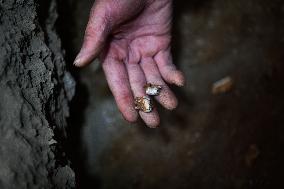
(240125) -- PUDING, Jan. 25, 2024 (Xinhua) -- A worker arranges findings unearthed from Chuandong Site in Puding County, southwest China's Guizhou Province, Jan. 24, 2024. Large quantities of artifacts made of stone, bone and horn have been unearthed at Chuandong Site in Puding County, southwest China's Guizhou Province, indicating prehistoric human activity dating back more than 55,000 years. Chuandong Site, first discovered in 1978, is believed to have existed across the end of the middle Paleolithic Period, the late Paleolithic Period and the Neolithic Age. Over two years of excavation work, the third one since 1978, researchers discovered a new soil layer at the site, where they found more than 100,000 animal bones, over 10,000 pieces of earthenware and stoneware, and more than 2,500 items made of bone or horn. (Xinhua/Yang Wenbin)

  •  
CHINA-GUIZHOU-PUDING-CHUANDONG SITE-NEW FINDING (CN)

CHINA-GUIZHOU-PUDING-CHUANDONG SITE-NEW FINDING (CN)

(240125) -- PUDING, Jan. 25, 2024 (Xinhua) -- A staff member sorts findings unearthed from Chuandong Site at a work site of the Guizhou provincial cultural relics and archaeology institute in Puding County, southwest China's Guizhou Province, Jan. 24, 2024. Large quantities of artifacts made of stone, bone and horn have been unearthed at Chuandong Site in Puding County, southwest China's Guizhou Province, indicating prehistoric human activity dating back more than 55,000 years. Chuandong Site, first discovered in 1978, is believed to have existed across the end of the middle Paleolithic Period, the late Paleolithic Period and the Neolithic Age. Over two years of excavation work, the third one since 1978, researchers discovered a new soil layer at the site, where they found more than 100,000 animal bones, over 10,000 pieces of earthenware and stoneware, and more than 2,500 items made of bone or horn. (Xinhua/Yang Wenbin)

  •  
CHINA-GUIZHOU-PUDING-CHUANDONG SITE-NEW FINDING (CN)

CHINA-GUIZHOU-PUDING-CHUANDONG SITE-NEW FINDING (CN)

(240125) -- PUDING, Jan. 25, 2024 (Xinhua) -- Archaeological expert and students discuss at Chuandong Site in Puding County, southwest China's Guizhou Province, Jan. 24, 2024. Large quantities of artifacts made of stone, bone and horn have been unearthed at Chuandong Site in Puding County, southwest China's Guizhou Province, indicating prehistoric human activity dating back more than 55,000 years. Chuandong Site, first discovered in 1978, is believed to have existed across the end of the middle Paleolithic Period, the late Paleolithic Period and the Neolithic Age. Over two years of excavation work, the third one since 1978, researchers discovered a new soil layer at the site, where they found more than 100,000 animal bones, over 10,000 pieces of earthenware and stoneware, and more than 2,500 items made of bone or horn. (Xinhua/Yang Wenbin)

  •  
Macron Opens Cosquer Mediterranee - Marseille

Macron Opens Cosquer Mediterranee - Marseille

French President Emmanuel Macron gestures during the inauguration of the Cosquer Mediterranee, an interpretation center housing a partial replica of the Cosquer paleolithic cave, in Marseille, southeastern France, on June 27, 2023. The French president is on a three-day visit to Marseille from June 26 to 28, two years after launching a transformation plan for the city. In September 2021 he promised five billion euros (5.5 billion USD) to hire new police, renovate schools and public spaces and upgrade the creaking public transport network. Photo by Eliot Blondet/ABACAPRESS.COM

  •  
Macron Opens Cosquer Mediterranee - Marseille

Macron Opens Cosquer Mediterranee - Marseille

French President Emmanuel Macron gestures during the inauguration of the Cosquer Mediterranee, an interpretation center housing a partial replica of the Cosquer paleolithic cave, in Marseille, southeastern France, on June 27, 2023. The French president is on a three-day visit to Marseille from June 26 to 28, two years after launching a transformation plan for the city. In September 2021 he promised five billion euros (5.5 billion USD) to hire new police, renovate schools and public spaces and upgrade the creaking public transport network. Photo by Eliot Blondet/ABACAPRESS.COM

  •  
Macron Opens Cosquer Mediterranee - Marseille

Macron Opens Cosquer Mediterranee - Marseille

French President Emmanuel Macron gestures during the inauguration of the Cosquer Mediterranee, an interpretation center housing a partial replica of the Cosquer paleolithic cave, in Marseille, southeastern France, on June 27, 2023. The French president is on a three-day visit to Marseille from June 26 to 28, two years after launching a transformation plan for the city. In September 2021 he promised five billion euros (5.5 billion USD) to hire new police, renovate schools and public spaces and upgrade the creaking public transport network. Photo by Eliot Blondet/ABACAPRESS.COM

  •  
Macron Opens Cosquer Mediterranee - Marseille

Macron Opens Cosquer Mediterranee - Marseille

Renaud Muselier gestures during the inauguration of the Cosquer Mediterranee, an interpretation center housing a partial replica of the Cosquer paleolithic cave, in Marseille, southeastern France, on June 27, 2023. The French president is on a three-day visit to Marseille from June 26 to 28, two years after launching a transformation plan for the city. In September 2021 he promised five billion euros (5.5 billion USD) to hire new police, renovate schools and public spaces and upgrade the creaking public transport network. Photo by Eliot Blondet/ABACAPRESS.COM

  •  
Macron Opens Cosquer Mediterranee - Marseille

Macron Opens Cosquer Mediterranee - Marseille

French President Emmanuel Macron gestures during the inauguration of the Cosquer Mediterranee, an interpretation center housing a partial replica of the Cosquer paleolithic cave, in Marseille, southeastern France, on June 27, 2023. The French president is on a three-day visit to Marseille from June 26 to 28, two years after launching a transformation plan for the city. In September 2021 he promised five billion euros (5.5 billion USD) to hire new police, renovate schools and public spaces and upgrade the creaking public transport network. Photo by Eliot Blondet/ABACAPRESS.COM

  •  
Macron Opens Cosquer Mediterranee - Marseille

Macron Opens Cosquer Mediterranee - Marseille

French President Emmanuel Macron gestures during the inauguration of the Cosquer Mediterranee, an interpretation center housing a partial replica of the Cosquer paleolithic cave, in Marseille, southeastern France, on June 27, 2023. The French president is on a three-day visit to Marseille from June 26 to 28, two years after launching a transformation plan for the city. In September 2021 he promised five billion euros (5.5 billion USD) to hire new police, renovate schools and public spaces and upgrade the creaking public transport network. Photo by Eliot Blondet/ABACAPRESS.COM

  •  
Macron Opens Cosquer Mediterranee - Marseille

Macron Opens Cosquer Mediterranee - Marseille

French President Emmanuel Macron gestures during the inauguration of the Cosquer Mediterranee, an interpretation center housing a partial replica of the Cosquer paleolithic cave, in Marseille, southeastern France, on June 27, 2023. The French president is on a three-day visit to Marseille from June 26 to 28, two years after launching a transformation plan for the city. In September 2021 he promised five billion euros (5.5 billion USD) to hire new police, renovate schools and public spaces and upgrade the creaking public transport network. Photo by Eliot Blondet/ABACAPRESS.COM

  •  
Macron Opens Cosquer Mediterranee - Marseille

Macron Opens Cosquer Mediterranee - Marseille

Renaud Muselier gestures during the inauguration of the Cosquer Mediterranee, an interpretation center housing a partial replica of the Cosquer paleolithic cave, in Marseille, southeastern France, on June 27, 2023. The French president is on a three-day visit to Marseille from June 26 to 28, two years after launching a transformation plan for the city. In September 2021 he promised five billion euros (5.5 billion USD) to hire new police, renovate schools and public spaces and upgrade the creaking public transport network. Photo by Eliot Blondet/ABACAPRESS.COM

  •  
Macron Opens Cosquer Mediterranee - Marseille

Macron Opens Cosquer Mediterranee - Marseille

French President Emmanuel Macron gestures during the inauguration of the Cosquer Mediterranee, an interpretation center housing a partial replica of the Cosquer paleolithic cave, in Marseille, southeastern France, on June 27, 2023. The French president is on a three-day visit to Marseille from June 26 to 28, two years after launching a transformation plan for the city. In September 2021 he promised five billion euros (5.5 billion USD) to hire new police, renovate schools and public spaces and upgrade the creaking public transport network. Photo by Eliot Blondet/ABACAPRESS.COM

  •  
Macron Opens Cosquer Mediterranee - Marseille

Macron Opens Cosquer Mediterranee - Marseille

French author Nicolas Pagnol attends the inauguration of the Cosquer Mediterranee, an interpretation center housing a partial replica of the Cosquer paleolithic cave, in Marseille, southeastern France, on June 27, 2023. The French president is on a three-day visit to Marseille from June 26 to 28, two years after launching a transformation plan for the city. In September 2021 he promised five billion euros (5.5 billion USD) to hire new police, renovate schools and public spaces and upgrade the creaking public transport network. Photo by Eliot Blondet/ABACAPRESS.COM

  •  
Macron Opens Cosquer Mediterranee - Marseille

Macron Opens Cosquer Mediterranee - Marseille

French diver Henri Cosquer during the inauguration of the Cosquer Mediterranee, an interpretation center housing a partial replica of the Cosquer paleolithic cave, in Marseille, southeastern France, on June 27, 2023. The French president is on a three-day visit to Marseille from June 26 to 28, two years after launching a transformation plan for the city. In September 2021 he promised five billion euros (5.5 billion USD) to hire new police, renovate schools and public spaces and upgrade the creaking public transport network. Photo by Eliot Blondet/ABACAPRESS.COM

  •  
Macron Opens Cosquer Mediterranee - Marseille

Macron Opens Cosquer Mediterranee - Marseille

French Culture Minister Rima Abdul Malak smiles during the inauguration of the Cosquer Mediterranee, an interpretation center housing a partial replica of the Cosquer paleolithic cave, in Marseille, southeastern France, on June 27, 2023. The French president is on a three-day visit to Marseille from June 26 to 28, two years after launching a transformation plan for the city. In September 2021 he promised five billion euros (5.5 billion USD) to hire new police, renovate schools and public spaces and upgrade the creaking public transport network. Photo by Eliot Blondet/ABACAPRESS.COM

  •  
Macron Opens Cosquer Mediterranee - Marseille

Macron Opens Cosquer Mediterranee - Marseille

Christophe Castaner during the inauguration of the Cosquer Mediterranee, an interpretation center housing a partial replica of the Cosquer paleolithic cave, in Marseille, southeastern France, on June 27, 2023. The French president is on a three-day visit to Marseille from June 26 to 28, two years after launching a transformation plan for the city. In September 2021 he promised five billion euros (5.5 billion USD) to hire new police, renovate schools and public spaces and upgrade the creaking public transport network. Photo by Eliot Blondet/ABACAPRESS.COM

  •  
Macron Opens Cosquer Mediterranee - Marseille

Macron Opens Cosquer Mediterranee - Marseille

French author Nicolas Pagnol attends the inauguration of the Cosquer Mediterranee, an interpretation center housing a partial replica of the Cosquer paleolithic cave, in Marseille, southeastern France, on June 27, 2023. The French president is on a three-day visit to Marseille from June 26 to 28, two years after launching a transformation plan for the city. In September 2021 he promised five billion euros (5.5 billion USD) to hire new police, renovate schools and public spaces and upgrade the creaking public transport network. Photo by Eliot Blondet/ABACAPRESS.COM

  •  
Macron Opens Cosquer Mediterranee - Marseille

Macron Opens Cosquer Mediterranee - Marseille

French diver Henri Cosquer during the inauguration of the Cosquer Mediterranee, an interpretation center housing a partial replica of the Cosquer paleolithic cave, in Marseille, southeastern France, on June 27, 2023. The French president is on a three-day visit to Marseille from June 26 to 28, two years after launching a transformation plan for the city. In September 2021 he promised five billion euros (5.5 billion USD) to hire new police, renovate schools and public spaces and upgrade the creaking public transport network. Photo by Eliot Blondet/ABACAPRESS.COM

  •  
CHINA-TOP TEN ARCHAEOLOGICAL DISCOVERIES OF 2022-UNVEILING (CN)

CHINA-TOP TEN ARCHAEOLOGICAL DISCOVERIES OF 2022-UNVEILING (CN)

(230329) -- BEIJING, March 29, 2023 (Xinhua) -- This undated file photo shows a Paleolithic period site in Shiyan, central China's Hubei Province. China released a list of the top ten archaeological findings of 2022 on Tuesday. TO GO WITH "China unveils top 10 archaeological discoveries of 2022" (Xinhua)

  •  
CHINA-TOP TEN ARCHAEOLOGICAL DISCOVERIES OF 2022-UNVEILING (CN)

CHINA-TOP TEN ARCHAEOLOGICAL DISCOVERIES OF 2022-UNVEILING (CN)

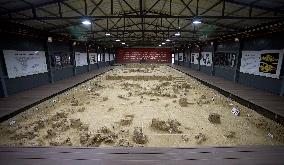
(230329) -- BEIJING, March 29, 2023 (Xinhua) -- This undated file photo shows a Paleolithic period site in Shiyan, central China's Hubei Province. China released a list of the top ten archaeological findings of 2022 on Tuesday. TO GO WITH "China unveils top 10 archaeological discoveries of 2022" (Xinhua)

  •  
CHINA-TOP TEN ARCHAEOLOGICAL DISCOVERIES OF 2022-UNVEILING (CN)

CHINA-TOP TEN ARCHAEOLOGICAL DISCOVERIES OF 2022-UNVEILING (CN)

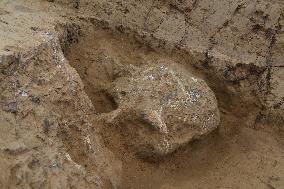
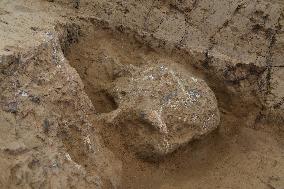
(230329) -- BEIJING, March 29, 2023 (Xinhua) -- This undated file photo shows a fossilized skull unearthed at a site dating back to the Paleolithic period in Shiyan, central China's Hubei Province. China released a list of the top ten archaeological findings of 2022 on Tuesday. TO GO WITH "China unveils top 10 archaeological discoveries of 2022" (Xinhua)

  •  
CHINA-ARCHAEOLOGICAL FINDS-2022 (CN)

CHINA-ARCHAEOLOGICAL FINDS-2022 (CN)

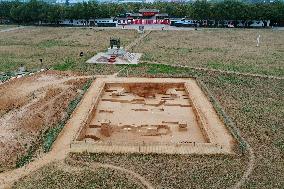
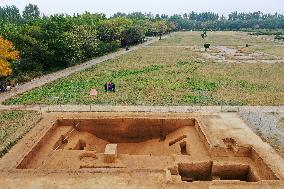
(230222) -- BEIJING, Feb. 22, 2023 (Xinhua) -- This file photo taken in 2022 shows an archaeological excavation site of the Yin Ruins dating back to the Shang Dynasty (1600-1046 B.C.), in the northwest suburbs of Anyang, central China's Henan Province. Six historic sites dating back to the Paleolithic period at the earliest were listed as China's new archaeological discoveries of 2022 at a forum on Wednesday. (Xinhua)

  •  
CHINA-ARCHAEOLOGICAL FINDS-2022 (CN)

CHINA-ARCHAEOLOGICAL FINDS-2022 (CN)

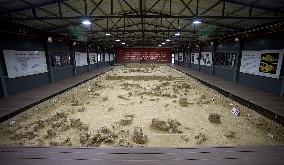
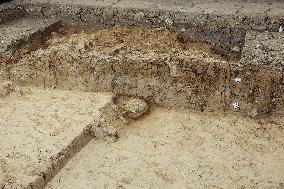
(230222) -- BEIJING, Feb. 22, 2023 (Xinhua) -- This file photo shows a Paleolithic period site in Shiyan, central China's Hubei Province. Six historic sites dating back to the Paleolithic period at the earliest were listed as China's new archaeological discoveries of 2022 at a forum on Wednesday. (Xinhua)

  •  
CHINA-ARCHAEOLOGICAL FINDS-2022 (CN)

CHINA-ARCHAEOLOGICAL FINDS-2022 (CN)

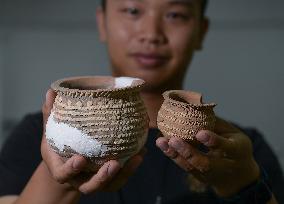
(230222) -- BEIJING, Feb. 22, 2023 (Xinhua) -- An archaeologist shows clay pots unearthed from a Neolithic ruins in Qingyang, northwest China's Gansu Province, on Aug. 25, 2022. Six historic sites dating back to the Paleolithic period at the earliest were listed as China's new archaeological discoveries of 2022 at a forum on Wednesday. (Xinhua/Li He)

  •  
CHINA-ARCHAEOLOGICAL FINDS-2022 (CN)

CHINA-ARCHAEOLOGICAL FINDS-2022 (CN)

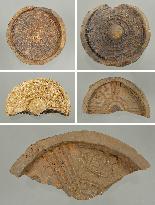
(230222) -- BEIJING, Feb. 22, 2023 (Xinhua) -- This combo photo shows eaves tiles unearthed from Hebosuo relics site dating back to the Bronze Age, in Kunming, southwest China's Yunnan Province. Six historic sites dating back to the Paleolithic period at the earliest were listed as China's new archaeological discoveries of 2022 at a forum on Wednesday. (Xinhua)

  •  
CHINA-ARCHAEOLOGICAL FINDS-2022 (CN)

CHINA-ARCHAEOLOGICAL FINDS-2022 (CN)

(230222) -- BEIJING, Feb. 22, 2023 (Xinhua) -- This file photo taken in 2022 shows an archaeological excavation site of the Yin Ruins dating back to the Shang Dynasty (1600-1046 B.C.), in the northwest suburbs of Anyang, central China's Henan Province. Six historic sites dating back to the Paleolithic period at the earliest were listed as China's new archaeological discoveries of 2022 at a forum on Wednesday. (Xinhua)

  •  
CHINA-ARCHAEOLOGICAL FINDS-2022 (CN)

CHINA-ARCHAEOLOGICAL FINDS-2022 (CN)

(230222) -- BEIJING, Feb. 22, 2023 (Xinhua) -- This file photo shows a fossilized skull unearthed from a Paleolithic period site in Shiyan, central China's Hubei Province. Six historic sites dating back to the Paleolithic period at the earliest were listed as China's new archaeological discoveries of 2022 at a forum on Wednesday. (Xinhua)

  •  
CHINA-ARCHAEOLOGICAL FINDS-2022 (CN)

CHINA-ARCHAEOLOGICAL FINDS-2022 (CN)

(230222) -- BEIJING, Feb. 22, 2023 (Xinhua) -- This file photo shows a Paleolithic period site in Shiyan, central China's Hubei Province. Six historic sites dating back to the Paleolithic period at the earliest were listed as China's new archaeological discoveries of 2022 at a forum on Wednesday. (Xinhua)

  •  
CHINA-ARCHAEOLOGICAL FINDS-2022 (CN)

CHINA-ARCHAEOLOGICAL FINDS-2022 (CN)

(230222) -- BEIJING, Feb. 22, 2023 (Xinhua) -- This file photo shows a fossilized skull unearthed from a Paleolithic period site in Shiyan, central China's Hubei Province. Six historic sites dating back to the Paleolithic period at the earliest were listed as China's new archaeological discoveries of 2022 at a forum on Wednesday. (Xinhua)

  •  
CHINA-ARCHAEOLOGICAL FINDS-2022 (CN)

CHINA-ARCHAEOLOGICAL FINDS-2022 (CN)

(230222) -- BEIJING, Feb. 22, 2023 (Xinhua) -- This file photo shows stone wares unearthed from a Neolithic ruins in Shangyi County, north China's Hebei Province. Six historic sites dating back to the Paleolithic period at the earliest were listed as China's new archaeological discoveries of 2022 at a forum on Wednesday. (Xinhua)

  •  
CHINA-ARCHAEOLOGICAL FINDS-2022 (CN)

CHINA-ARCHAEOLOGICAL FINDS-2022 (CN)

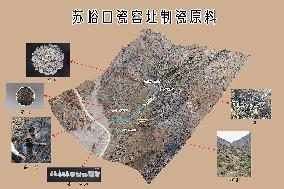
(230222) -- BEIJING, Feb. 22, 2023 (Xinhua) -- This file photo shows raw material of a porcelain kiln site from the Western Xia Dynasty (1038-1227) in Helan County, northwest China's Ningxia Hui Autonomous Region. Six historic sites dating back to the Paleolithic period at the earliest were listed as China's new archaeological discoveries of 2022 at a forum on Wednesday. (Xinhua)

  • Main
  • Top
  • Editorial
  • Creative
  • About Us
  • About ILG
  • Terms of use
  • Company
  • BEHIND
  • Price List
  • Single Plan
  • Monthly Plan
  • Services
  • Shooting
  • Rights Clearance
  • Support
  • FAQ
  • How To Buy
  • Contact Us
  • Become a Partner

© KYODO NEWS IMAGES INC

All Rights Reserved.

  • Editorial
  • Olympics
  • News
  • Sports
  • Japan
  • Tech
  • Royal
  • Disaster
  • NorthKorea
  • Old Japan
  • SNS

  • Creative
  • Food
  • Japan
  • Landscape
  • Animal
  • Popular
  • #Ukraine
  • #Russia
  • #coronavirus
  • #N. Korea
  • #Thailand
  • #China
  • #Ukraine
  • #Russia
  • #coronavirus
  • #N. Korea
  • #Thailand
  • #China
  • Food
  • Japan
  • Landscape
  • Animal
  • Olympics
  • News
  • Sports
  • Japan
  • Tech
  • Royal
  • Disaster
  • NorthKorea
  • Old Japan
  • SNS