•  
Emajõgi Barge Society

Emajõgi Barge Society

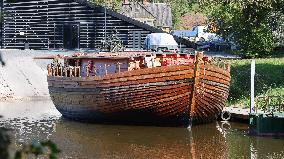
04.09.2024, Tartu. A two-mast barge, 22 m long and 9 m wide. The Emajõgi-Peipsi barges were unique wooden sailboats, relatives of the Hanseatic logs, which began to be built for the waters here in the 14th century, when Tartu and Peipsi passed through international transit - the Hanseatic trade. Barges were used on Peipsi after the Hanseatic era until the second world war. Photo Margus Ansu, Tartu Postimees

  •  
The beginning of sailing season

The beginning of sailing season

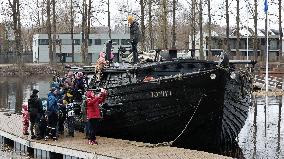
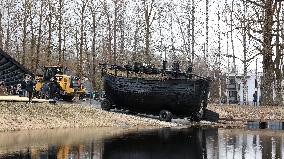
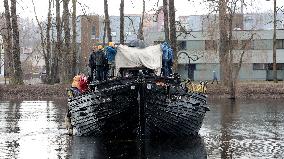
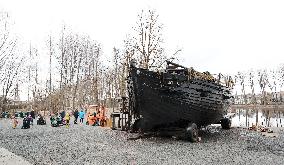
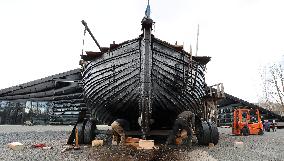
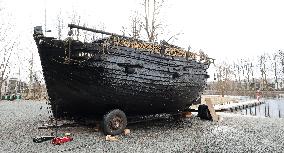
25.03.2024, Tartu. Lodi Jõmmu is an archaic wooden cargo sailboat, the likes of which sailed on Peipsi and Emajõgi from the Hanseatic era to the mid-20th century. Jõmmu was launched in spring 2006 and is the only representative of this distinctive type of ship in the world. Lodi is 12 m long, 8 m wide, weighs 25 t, has a sail surface of 100 m2 and the mast reaches 14 m above the water surface. Photo Margus Ansu, Tartu Postimees

  •  
The beginning of sailing season

The beginning of sailing season

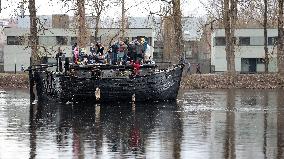
25.03.2024, Tartu. Lodi Jõmmu is an archaic wooden cargo sailboat, the likes of which sailed on Peipsi and Emajõgi from the Hanseatic era to the mid-20th century. Jõmmu was launched in spring 2006 and is the only representative of this distinctive type of ship in the world. Lodi is 12 m long, 8 m wide, weighs 25 t, has a sail surface of 100 m2 and the mast reaches 14 m above the water surface. Photo Margus Ansu, Tartu Postimees

  •  
The beginning of sailing season

The beginning of sailing season

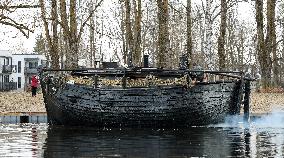
25.03.2024, Tartu. Lodi Jõmmu is an archaic wooden cargo sailboat, the likes of which sailed on Peipsi and Emajõgi from the Hanseatic era to the mid-20th century. Jõmmu was launched in spring 2006 and is the only representative of this distinctive type of ship in the world. Lodi is 12 m long, 8 m wide, weighs 25 t, has a sail surface of 100 m2 and the mast reaches 14 m above the water surface. Photo Margus Ansu, Tartu Postimees

  •  
The beginning of sailing season

The beginning of sailing season

25.03.2024, Tartu. Lodi Jõmmu is an archaic wooden cargo sailboat, the likes of which sailed on Peipsi and Emajõgi from the Hanseatic era to the mid-20th century. Jõmmu was launched in spring 2006 and is the only representative of this distinctive type of ship in the world. Lodi is 12 m long, 8 m wide, weighs 25 t, has a sail surface of 100 m2 and the mast reaches 14 m above the water surface. Photo Margus Ansu, Tartu Postimees

  •  
The beginning of sailing season

The beginning of sailing season

25.03.2024, Tartu. Lodi Jõmmu is an archaic wooden cargo sailboat, the likes of which sailed on Peipsi and Emajõgi from the Hanseatic era to the mid-20th century. Jõmmu was launched in spring 2006 and is the only representative of this distinctive type of ship in the world. Lodi is 12 m long, 8 m wide, weighs 25 t, has a sail surface of 100 m2 and the mast reaches 14 m above the water surface. Photo Margus Ansu, Tartu Postimees

  •  
The beginning of sailing season

The beginning of sailing season

25.03.2024, Tartu. Lodi Jõmmu is an archaic wooden cargo sailboat, the likes of which sailed on Peipsi and Emajõgi from the Hanseatic era to the mid-20th century. Jõmmu was launched in spring 2006 and is the only representative of this distinctive type of ship in the world. Lodi is 12 m long, 8 m wide, weighs 25 t, has a sail surface of 100 m2 and the mast reaches 14 m above the water surface. Photo Margus Ansu, Tartu Postimees

  •  
The beginning of sailing season

The beginning of sailing season

25.03.2024, Tartu. Lodi Jõmmu is an archaic wooden cargo sailboat, the likes of which sailed on Peipsi and Emajõgi from the Hanseatic era to the mid-20th century. Jõmmu was launched in spring 2006 and is the only representative of this distinctive type of ship in the world. Lodi is 12 m long, 8 m wide, weighs 25 t, has a sail surface of 100 m2 and the mast reaches 14 m above the water surface. Photo Margus Ansu, Tartu Postimees

  •  
The beginning of sailing season

The beginning of sailing season

25.03.2024, Tartu. Lodi Jõmmu is an archaic wooden cargo sailboat, the likes of which sailed on Peipsi and Emajõgi from the Hanseatic era to the mid-20th century. Jõmmu was launched in spring 2006 and is the only representative of this distinctive type of ship in the world. Lodi is 12 m long, 8 m wide, weighs 25 t, has a sail surface of 100 m2 and the mast reaches 14 m above the water surface. Photo Margus Ansu, Tartu Postimees

  •  
Second part of Estonian-Russian border fence completed

Second part of Estonian-Russian border fence completed

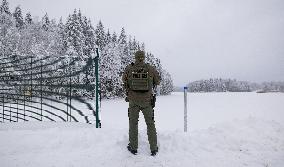
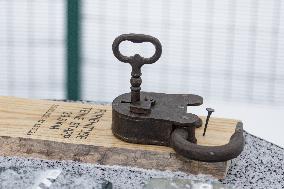
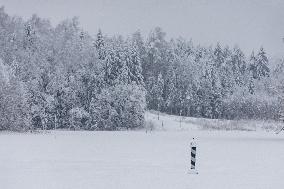
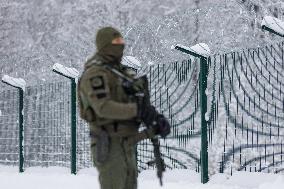
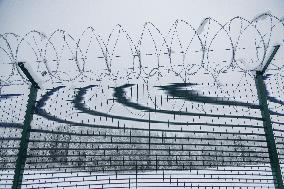
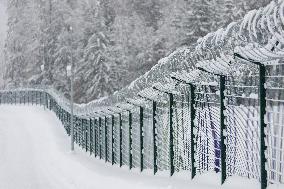
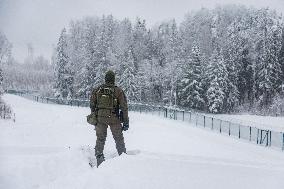
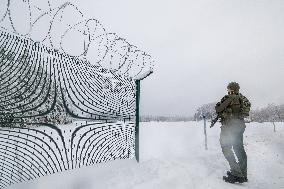
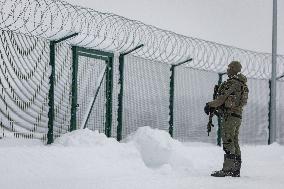
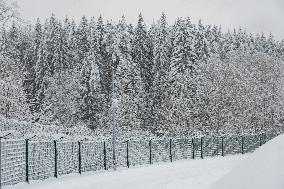
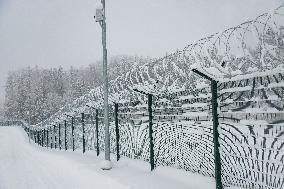
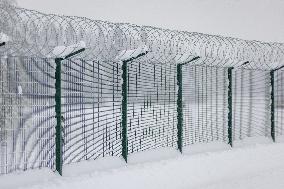
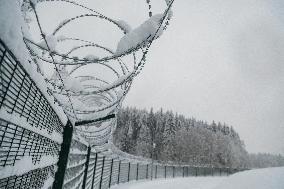
11.12.2023, Viitka. Construction has ended on the second section of Estonia's eastern border, a 39.5 kilometer stretch in the southeast of the country. This part of the border ran through hilly and sometimes very swampy terrain between Luhamaa and Võmmorsk. It has brought big changes to the area and 121 new border posts have been installed. Border construction started in 2020 and is expected to be completed in 2025. It will cover 115 km of the Estonian-Russian border. The is 338.6 km long in total and 135 km of it is located on land, in difficult terrain and forested area, while 76 km is in the Narva River and 127 km runs through Lake Peipsi. Photo Mihkel Maripuu, Postimees

  •  
Second part of Estonian-Russian border fence completed

Second part of Estonian-Russian border fence completed

11.12.2023, Viitka. Construction has ended on the second section of Estonia's eastern border, a 39.5 kilometer stretch in the southeast of the country. This part of the border ran through hilly and sometimes very swampy terrain between Luhamaa and Võmmorsk. It has brought big changes to the area and 121 new border posts have been installed. Border construction started in 2020 and is expected to be completed in 2025. It will cover 115 km of the Estonian-Russian border. The is 338.6 km long in total and 135 km of it is located on land, in difficult terrain and forested area, while 76 km is in the Narva River and 127 km runs through Lake Peipsi. Photo Mihkel Maripuu, Postimees

  •  
Second part of Estonian-Russian border fence completed

Second part of Estonian-Russian border fence completed

11.12.2023, Viitka. Construction has ended on the second section of Estonia's eastern border, a 39.5 kilometer stretch in the southeast of the country. This part of the border ran through hilly and sometimes very swampy terrain between Luhamaa and Võmmorsk. It has brought big changes to the area and 121 new border posts have been installed. Border construction started in 2020 and is expected to be completed in 2025. It will cover 115 km of the Estonian-Russian border. The is 338.6 km long in total and 135 km of it is located on land, in difficult terrain and forested area, while 76 km is in the Narva River and 127 km runs through Lake Peipsi. Photo Mihkel Maripuu, Postimees

  •  
Second part of Estonian-Russian border fence completed

Second part of Estonian-Russian border fence completed

11.12.2023, Viitka. Construction has ended on the second section of Estonia's eastern border, a 39.5 kilometer stretch in the southeast of the country. This part of the border ran through hilly and sometimes very swampy terrain between Luhamaa and Võmmorsk. It has brought big changes to the area and 121 new border posts have been installed. Border construction started in 2020 and is expected to be completed in 2025. It will cover 115 km of the Estonian-Russian border. The is 338.6 km long in total and 135 km of it is located on land, in difficult terrain and forested area, while 76 km is in the Narva River and 127 km runs through Lake Peipsi. Photo Mihkel Maripuu, Postimees

  •  
Second part of Estonian-Russian border fence completed

Second part of Estonian-Russian border fence completed

11.12.2023, Viitka. Construction has ended on the second section of Estonia's eastern border, a 39.5 kilometer stretch in the southeast of the country. This part of the border ran through hilly and sometimes very swampy terrain between Luhamaa and Võmmorsk. It has brought big changes to the area and 121 new border posts have been installed. Border construction started in 2020 and is expected to be completed in 2025. It will cover 115 km of the Estonian-Russian border. The is 338.6 km long in total and 135 km of it is located on land, in difficult terrain and forested area, while 76 km is in the Narva River and 127 km runs through Lake Peipsi. Photo Mihkel Maripuu, Postimees

  •  
Second part of Estonian-Russian border fence completed

Second part of Estonian-Russian border fence completed

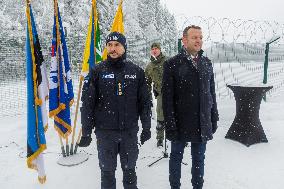
11.12.2023, Viitka. Construction has ended on the second section of Estonia's eastern border, a 39.5 kilometer stretch in the southeast of the country. This part of the border ran through hilly and sometimes very swampy terrain between Luhamaa and Võmmorsk. It has brought big changes to the area and 121 new border posts have been installed. Border construction started in 2020 and is expected to be completed in 2025. It will cover 115 km of the Estonian-Russian border. The is 338.6 km long in total and 135 km of it is located on land, in difficult terrain and forested area, while 76 km is in the Narva River and 127 km runs through Lake Peipsi. On the photo Minister of Interior Lauri Läänemets. Photo Mihkel Maripuu, Postimees

  •  
Second part of Estonian-Russian border fence completed

Second part of Estonian-Russian border fence completed

11.12.2023, Viitka. Construction has ended on the second section of Estonia's eastern border, a 39.5 kilometer stretch in the southeast of the country. This part of the border ran through hilly and sometimes very swampy terrain between Luhamaa and Võmmorsk. It has brought big changes to the area and 121 new border posts have been installed. Border construction started in 2020 and is expected to be completed in 2025. It will cover 115 km of the Estonian-Russian border. The is 338.6 km long in total and 135 km of it is located on land, in difficult terrain and forested area, while 76 km is in the Narva River and 127 km runs through Lake Peipsi. Photo Mihkel Maripuu, Postimees

  •  
Second part of Estonian-Russian border fence completed

Second part of Estonian-Russian border fence completed

11.12.2023, Viitka. Construction has ended on the second section of Estonia's eastern border, a 39.5 kilometer stretch in the southeast of the country. This part of the border ran through hilly and sometimes very swampy terrain between Luhamaa and Võmmorsk. It has brought big changes to the area and 121 new border posts have been installed. Border construction started in 2020 and is expected to be completed in 2025. It will cover 115 km of the Estonian-Russian border. The is 338.6 km long in total and 135 km of it is located on land, in difficult terrain and forested area, while 76 km is in the Narva River and 127 km runs through Lake Peipsi. Photo Mihkel Maripuu, Postimees

  •  
Second part of Estonian-Russian border fence completed

Second part of Estonian-Russian border fence completed

11.12.2023, Viitka. Construction has ended on the second section of Estonia's eastern border, a 39.5 kilometer stretch in the southeast of the country. This part of the border ran through hilly and sometimes very swampy terrain between Luhamaa and Võmmorsk. It has brought big changes to the area and 121 new border posts have been installed. Border construction started in 2020 and is expected to be completed in 2025. It will cover 115 km of the Estonian-Russian border. The is 338.6 km long in total and 135 km of it is located on land, in difficult terrain and forested area, while 76 km is in the Narva River and 127 km runs through Lake Peipsi. On the photo PPA general director Egert Belitev and Minister of Interior Lauri Läänemets. Photo Mihkel Maripuu, Postimees

  •  
Second part of Estonian-Russian border fence completed

Second part of Estonian-Russian border fence completed

11.12.2023, Viitka. Construction has ended on the second section of Estonia's eastern border, a 39.5 kilometer stretch in the southeast of the country. This part of the border ran through hilly and sometimes very swampy terrain between Luhamaa and Võmmorsk. It has brought big changes to the area and 121 new border posts have been installed. Border construction started in 2020 and is expected to be completed in 2025. It will cover 115 km of the Estonian-Russian border. The is 338.6 km long in total and 135 km of it is located on land, in difficult terrain and forested area, while 76 km is in the Narva River and 127 km runs through Lake Peipsi. Photo Mihkel Maripuu, Postimees

  •  
Second part of Estonian-Russian border fence completed

Second part of Estonian-Russian border fence completed

11.12.2023, Viitka. Construction has ended on the second section of Estonia's eastern border, a 39.5 kilometer stretch in the southeast of the country. This part of the border ran through hilly and sometimes very swampy terrain between Luhamaa and Võmmorsk. It has brought big changes to the area and 121 new border posts have been installed. Border construction started in 2020 and is expected to be completed in 2025. It will cover 115 km of the Estonian-Russian border. The is 338.6 km long in total and 135 km of it is located on land, in difficult terrain and forested area, while 76 km is in the Narva River and 127 km runs through Lake Peipsi. Photo Mihkel Maripuu, Postimees

  •  
Second part of Estonian-Russian border fence completed

Second part of Estonian-Russian border fence completed

11.12.2023, Viitka. Construction has ended on the second section of Estonia's eastern border, a 39.5 kilometer stretch in the southeast of the country. This part of the border ran through hilly and sometimes very swampy terrain between Luhamaa and Võmmorsk. It has brought big changes to the area and 121 new border posts have been installed. Border construction started in 2020 and is expected to be completed in 2025. It will cover 115 km of the Estonian-Russian border. The is 338.6 km long in total and 135 km of it is located on land, in difficult terrain and forested area, while 76 km is in the Narva River and 127 km runs through Lake Peipsi. Photo Mihkel Maripuu, Postimees

  •  
Second part of Estonian-Russian border fence completed

Second part of Estonian-Russian border fence completed

11.12.2023, Viitka. Construction has ended on the second section of Estonia's eastern border, a 39.5 kilometer stretch in the southeast of the country. This part of the border ran through hilly and sometimes very swampy terrain between Luhamaa and Võmmorsk. It has brought big changes to the area and 121 new border posts have been installed. Border construction started in 2020 and is expected to be completed in 2025. It will cover 115 km of the Estonian-Russian border. The is 338.6 km long in total and 135 km of it is located on land, in difficult terrain and forested area, while 76 km is in the Narva River and 127 km runs through Lake Peipsi. Photo Mihkel Maripuu, Postimees

  •  
Second part of Estonian-Russian border fence completed

Second part of Estonian-Russian border fence completed

11.12.2023, Viitka. Construction has ended on the second section of Estonia's eastern border, a 39.5 kilometer stretch in the southeast of the country. This part of the border ran through hilly and sometimes very swampy terrain between Luhamaa and Võmmorsk. It has brought big changes to the area and 121 new border posts have been installed. Border construction started in 2020 and is expected to be completed in 2025. It will cover 115 km of the Estonian-Russian border. The is 338.6 km long in total and 135 km of it is located on land, in difficult terrain and forested area, while 76 km is in the Narva River and 127 km runs through Lake Peipsi. Photo Mihkel Maripuu, Postimees

  •  
Second part of Estonian-Russian border fence completed

Second part of Estonian-Russian border fence completed

11.12.2023, Viitka. Construction has ended on the second section of Estonia's eastern border, a 39.5 kilometer stretch in the southeast of the country. This part of the border ran through hilly and sometimes very swampy terrain between Luhamaa and Võmmorsk. It has brought big changes to the area and 121 new border posts have been installed. Border construction started in 2020 and is expected to be completed in 2025. It will cover 115 km of the Estonian-Russian border. The is 338.6 km long in total and 135 km of it is located on land, in difficult terrain and forested area, while 76 km is in the Narva River and 127 km runs through Lake Peipsi. Photo Mihkel Maripuu, Postimees

  •  
Second part of Estonian-Russian border fence completed

Second part of Estonian-Russian border fence completed

11.12.2023, Viitka. Construction has ended on the second section of Estonia's eastern border, a 39.5 kilometer stretch in the southeast of the country. This part of the border ran through hilly and sometimes very swampy terrain between Luhamaa and Võmmorsk. It has brought big changes to the area and 121 new border posts have been installed. Border construction started in 2020 and is expected to be completed in 2025. It will cover 115 km of the Estonian-Russian border. The is 338.6 km long in total and 135 km of it is located on land, in difficult terrain and forested area, while 76 km is in the Narva River and 127 km runs through Lake Peipsi. On the photo PPA general director Egert Belitev and Minister of Interior Lauri Läänemets. Photo Mihkel Maripuu, Postimees

  •  
Second part of Estonian-Russian border fence completed

Second part of Estonian-Russian border fence completed

11.12.2023, Viitka. Construction has ended on the second section of Estonia's eastern border, a 39.5 kilometer stretch in the southeast of the country. This part of the border ran through hilly and sometimes very swampy terrain between Luhamaa and Võmmorsk. It has brought big changes to the area and 121 new border posts have been installed. Border construction started in 2020 and is expected to be completed in 2025. It will cover 115 km of the Estonian-Russian border. The is 338.6 km long in total and 135 km of it is located on land, in difficult terrain and forested area, while 76 km is in the Narva River and 127 km runs through Lake Peipsi. On the photo PPA general director Egert Belitev, Minister of Interior Lauri Läänemets and PPA deputy chief Veiko Kommusaar. Photo Mihkel Maripuu, Postimees

  •  
Second part of Estonian-Russian border fence completed

Second part of Estonian-Russian border fence completed

11.12.2023, Viitka. Construction has ended on the second section of Estonia's eastern border, a 39.5 kilometer stretch in the southeast of the country. This part of the border ran through hilly and sometimes very swampy terrain between Luhamaa and Võmmorsk. It has brought big changes to the area and 121 new border posts have been installed. Border construction started in 2020 and is expected to be completed in 2025. It will cover 115 km of the Estonian-Russian border. The is 338.6 km long in total and 135 km of it is located on land, in difficult terrain and forested area, while 76 km is in the Narva River and 127 km runs through Lake Peipsi. Photo Mihkel Maripuu, Postimees

  •  
Second part of Estonian-Russian border fence completed

Second part of Estonian-Russian border fence completed

11.12.2023, Viitka. Construction has ended on the second section of Estonia's eastern border, a 39.5 kilometer stretch in the southeast of the country. This part of the border ran through hilly and sometimes very swampy terrain between Luhamaa and Võmmorsk. It has brought big changes to the area and 121 new border posts have been installed. Border construction started in 2020 and is expected to be completed in 2025. It will cover 115 km of the Estonian-Russian border. The is 338.6 km long in total and 135 km of it is located on land, in difficult terrain and forested area, while 76 km is in the Narva River and 127 km runs through Lake Peipsi. Photo Mihkel Maripuu, Postimees

  •  
Peipsi Food Street

Peipsi Food Street

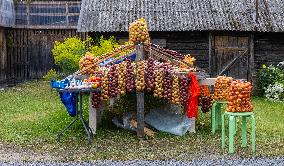
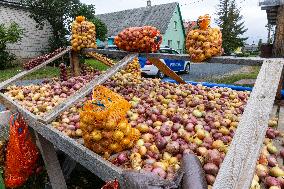
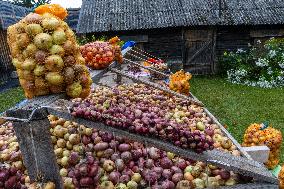
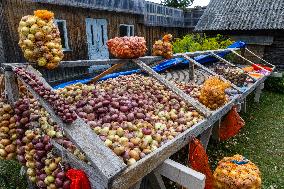
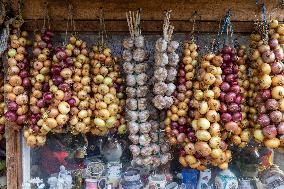
19.08.2023, Tartu. The third Peipsi Food Street. Along the 175 km shoreline of Peipsi Lake between there were countless pop-up restaurants offering food and drinks made from fresh local ingredients. Photo: Kristjan Teedema/Tartu Postimees

  •  
Peipsi Food Street

Peipsi Food Street

19.08.2023, Tartu. The third Peipsi Food Street. Along the 175 km shoreline of Peipsi Lake between there were countless pop-up restaurants offering food and drinks made from fresh local ingredients. Photo: Kristjan Teedema/Tartu Postimees

  •  
Peipsi Food Street

Peipsi Food Street

19.08.2023, Tartu. The third Peipsi Food Street. Along the 175 km shoreline of Peipsi Lake between there were countless pop-up restaurants offering food and drinks made from fresh local ingredients. Photo: Kristjan Teedema/Tartu Postimees

  •  
Peipsi Food Street

Peipsi Food Street

19.08.2023, Tartu. The third Peipsi Food Street. Along the 175 km shoreline of Peipsi Lake between there were countless pop-up restaurants offering food and drinks made from fresh local ingredients. Photo: Kristjan Teedema/Tartu Postimees

  •  
Peipsi Food Street

Peipsi Food Street

19.08.2023, Tartu. The third Peipsi Food Street. Along the 175 km shoreline of Peipsi Lake between there were countless pop-up restaurants offering food and drinks made from fresh local ingredients. Photo: Kristjan Teedema/Tartu Postimees

  •  
Rally Estonia 2023

Rally Estonia 2023

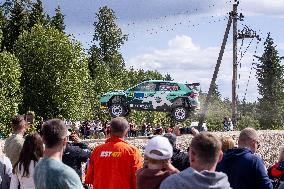
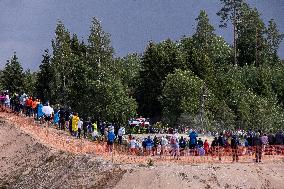
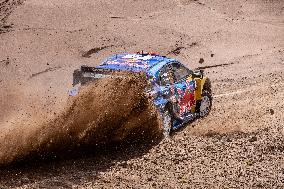
21.07.2023, Peipsi. Rally Estonia 2023 , day 2. Photo: Sander Ilvest, Postimees

  •  
Rally Estonia 2023

Rally Estonia 2023

21.07.2023, Peipsi. Rally Estonia 2023 , day 2. Photo: Sander Ilvest, Postimees

  •  
Rally Estonia 2023

Rally Estonia 2023

21.07.2023, Peipsi. Rally Estonia 2023 , day 2. Photo: Sander Ilvest, Postimees

  •  
Rally Estonia 2023

Rally Estonia 2023

21.07.2023, Peipsi. Rally Estonia 2023 , day 2. Photo: Sander Ilvest, Postimees

  •  
Rally Estonia 2023

Rally Estonia 2023

21.07.2023, Peipsi. Rally Estonia 2023 , day 2. Photo: Sander Ilvest, Postimees

  •  
Rally Estonia 2023

Rally Estonia 2023

21.07.2023, Peipsi. Rally Estonia 2023 , day 2. Photo: Sander Ilvest, Postimees

  • Main
  • Top
  • Editorial
  • Creative
  • About Us
  • About ILG
  • Terms of use
  • Company
  • BEHIND
  • Price List
  • Single Plan
  • Monthly Plan
  • Services
  • Shooting
  • Rights Clearance
  • Support
  • FAQ
  • How To Buy
  • Contact Us
  • Become a Partner

© KYODO NEWS IMAGES INC

All Rights Reserved.

  • Editorial
  • Olympics
  • News
  • Sports
  • Japan
  • Tech
  • Royal
  • Disaster
  • NorthKorea
  • Old Japan
  • SNS
  • Creative
  • Food
  • Japan
  • Landscape
  • Animal
  • Popular
  • #Ukraine
  • #China
  • #coronavirus
  • #N. Korea
  • #Russia
  • #Thailand
  • #Ukraine
  • #China
  • #coronavirus
  • #N. Korea
  • #Russia
  • #Thailand
  • Food
  • Japan
  • Landscape
  • Animal
  • Olympics
  • News
  • Sports
  • Japan
  • Tech
  • Royal
  • Disaster
  • NorthKorea
  • Old Japan
  • SNS