•  
Hunt for Leftover Oil Palm Fruit - Aceh Tamiang

Hunt for Leftover Oil Palm Fruit - Aceh Tamiang

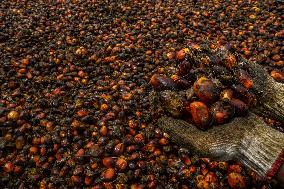
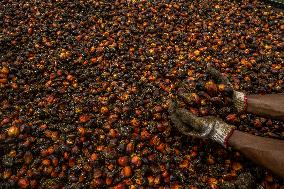
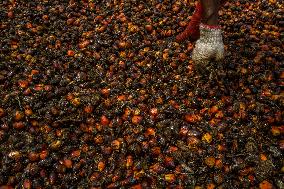
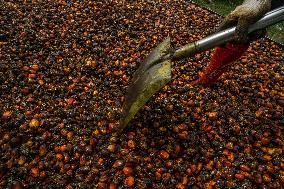
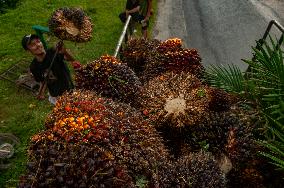
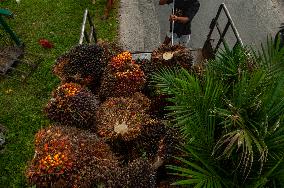
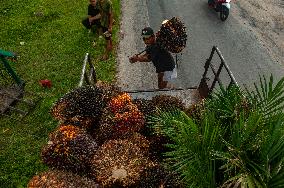
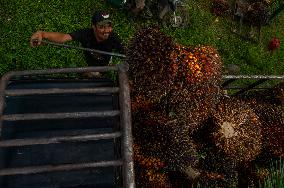
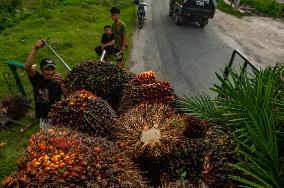
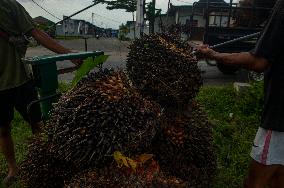
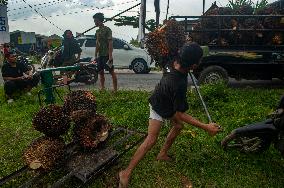
In the midst of the difficult post-flood period, residents in Aceh Tamiang utilised the remaining harvest from their oil palm plantations to survive on December 30, 2025. By collecting loose palm fruit (loose fruit), residents were able to sell it for IDR 4,000 per kilogram. This activity became an alternative economic source for flash flood or ecological disaster victims whose agricultural land or livelihoods were crippled by the floodwaters. Photo by Aditya Sutanta/ABACAPRESS.COM

  •  
Hunt for Leftover Oil Palm Fruit - Aceh Tamiang

Hunt for Leftover Oil Palm Fruit - Aceh Tamiang

In the midst of the difficult post-flood period, residents in Aceh Tamiang utilised the remaining harvest from their oil palm plantations to survive on December 30, 2025. By collecting loose palm fruit (loose fruit), residents were able to sell it for IDR 4,000 per kilogram. This activity became an alternative economic source for flash flood or ecological disaster victims whose agricultural land or livelihoods were crippled by the floodwaters. Photo by Aditya Sutanta/ABACAPRESS.COM

  •  
Hunt for Leftover Oil Palm Fruit - Aceh Tamiang

Hunt for Leftover Oil Palm Fruit - Aceh Tamiang

In the midst of the difficult post-flood period, residents in Aceh Tamiang utilised the remaining harvest from their oil palm plantations to survive on December 30, 2025. By collecting loose palm fruit (loose fruit), residents were able to sell it for IDR 4,000 per kilogram. This activity became an alternative economic source for flash flood or ecological disaster victims whose agricultural land or livelihoods were crippled by the floodwaters. Photo by Aditya Sutanta/ABACAPRESS.COM

  •  
Hunt for Leftover Oil Palm Fruit - Aceh Tamiang

Hunt for Leftover Oil Palm Fruit - Aceh Tamiang

In the midst of the difficult post-flood period, residents in Aceh Tamiang utilised the remaining harvest from their oil palm plantations to survive on December 30, 2025. By collecting loose palm fruit (loose fruit), residents were able to sell it for IDR 4,000 per kilogram. This activity became an alternative economic source for flash flood or ecological disaster victims whose agricultural land or livelihoods were crippled by the floodwaters. Photo by Aditya Sutanta/ABACAPRESS.COM

  •  
Hunt for Leftover Oil Palm Fruit - Aceh Tamiang

Hunt for Leftover Oil Palm Fruit - Aceh Tamiang

In the midst of the difficult post-flood period, residents in Aceh Tamiang utilised the remaining harvest from their oil palm plantations to survive on December 30, 2025. By collecting loose palm fruit (loose fruit), residents were able to sell it for IDR 4,000 per kilogram. This activity became an alternative economic source for flash flood or ecological disaster victims whose agricultural land or livelihoods were crippled by the floodwaters. Photo by Aditya Sutanta/ABACAPRESS.COM

  •  
Farmer Harvests Mandarins In Boufarik - Algeria

Farmer Harvests Mandarins In Boufarik - Algeria

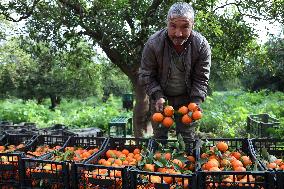
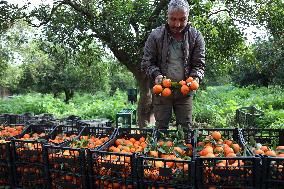
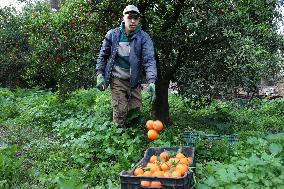
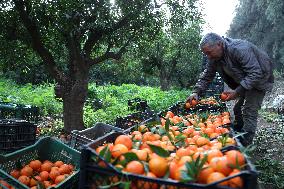
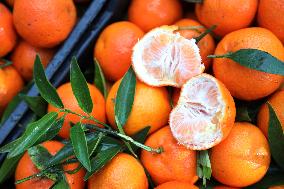
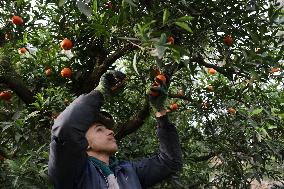
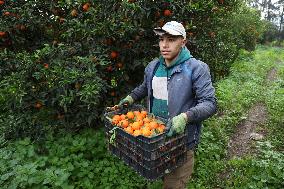
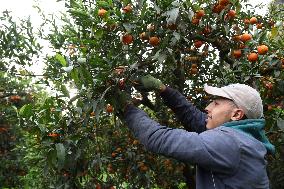
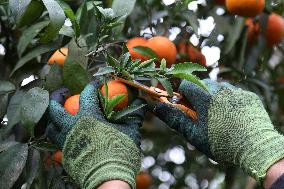
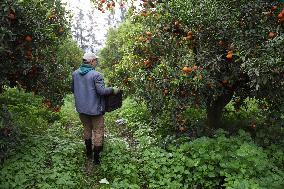
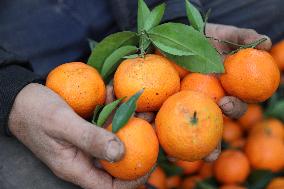
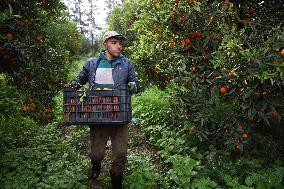
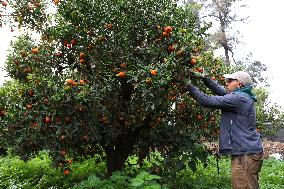
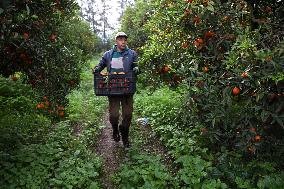
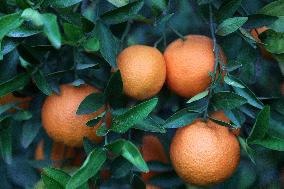
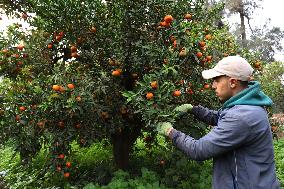
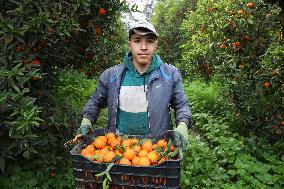
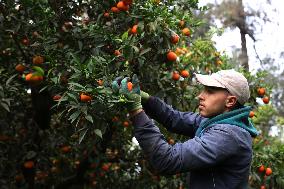
An Algerian farmer picks mandarins in Boufarik, Algeria, on December 14, 2025. The town of Boufarik, also known as “the town of oranges,” and its surrounding plantations are well known for growing oranges and tangerines. Photo by Billel Bensalem/APP/ABACAPRESS.COM

  •  
Farmer Harvests Mandarins In Boufarik - Algeria

Farmer Harvests Mandarins In Boufarik - Algeria

An Algerian farmer picks mandarins in Boufarik, Algeria, on December 14, 2025. The town of Boufarik, also known as “the town of oranges,” and its surrounding plantations are well known for growing oranges and tangerines. Photo by Billel Bensalem/APP/ABACAPRESS.COM

  •  
Farmer Harvests Mandarins In Boufarik - Algeria

Farmer Harvests Mandarins In Boufarik - Algeria

An Algerian farmer picks mandarins in Boufarik, Algeria, on December 14, 2025. The town of Boufarik, also known as “the town of oranges,” and its surrounding plantations are well known for growing oranges and tangerines. Photo by Billel Bensalem/APP/ABACAPRESS.COM

  •  
Farmer Harvests Mandarins In Boufarik - Algeria

Farmer Harvests Mandarins In Boufarik - Algeria

An Algerian farmer picks mandarins in Boufarik, Algeria, on December 14, 2025. The town of Boufarik, also known as “the town of oranges,” and its surrounding plantations are well known for growing oranges and tangerines. Photo by Billel Bensalem/APP/ABACAPRESS.COM

  •  
Farmer Harvests Mandarins In Boufarik - Algeria

Farmer Harvests Mandarins In Boufarik - Algeria

An Algerian farmer picks mandarins in Boufarik, Algeria, on December 14, 2025. The town of Boufarik, also known as “the town of oranges,” and its surrounding plantations are well known for growing oranges and tangerines. Photo by Billel Bensalem/APP/ABACAPRESS.COM

  •  
Farmer Harvests Mandarins In Boufarik - Algeria

Farmer Harvests Mandarins In Boufarik - Algeria

An Algerian farmer picks mandarins in Boufarik, Algeria, on December 14, 2025. The town of Boufarik, also known as “the town of oranges,” and its surrounding plantations are well known for growing oranges and tangerines. Photo by Billel Bensalem/APP/ABACAPRESS.COM

  •  
Farmer Harvests Mandarins In Boufarik - Algeria

Farmer Harvests Mandarins In Boufarik - Algeria

An Algerian farmer picks mandarins in Boufarik, Algeria, on December 14, 2025. The town of Boufarik, also known as “the town of oranges,” and its surrounding plantations are well known for growing oranges and tangerines. Photo by Billel Bensalem/APP/ABACAPRESS.COM

  •  
Farmer Harvests Mandarins In Boufarik - Algeria

Farmer Harvests Mandarins In Boufarik - Algeria

An Algerian farmer picks mandarins in Boufarik, Algeria, on December 14, 2025. The town of Boufarik, also known as “the town of oranges,” and its surrounding plantations are well known for growing oranges and tangerines. Photo by Billel Bensalem/APP/ABACAPRESS.COM

  •  
Farmer Harvests Mandarins In Boufarik - Algeria

Farmer Harvests Mandarins In Boufarik - Algeria

An Algerian farmer picks mandarins in Boufarik, Algeria, on December 14, 2025. The town of Boufarik, also known as “the town of oranges,” and its surrounding plantations are well known for growing oranges and tangerines. Photo by Billel Bensalem/APP/ABACAPRESS.COM

  •  
Farmer Harvests Mandarins In Boufarik - Algeria

Farmer Harvests Mandarins In Boufarik - Algeria

An Algerian farmer picks mandarins in Boufarik, Algeria, on December 14, 2025. The town of Boufarik, also known as “the town of oranges,” and its surrounding plantations are well known for growing oranges and tangerines. Photo by Billel Bensalem/APP/ABACAPRESS.COM

  •  
Farmer Harvests Mandarins In Boufarik - Algeria

Farmer Harvests Mandarins In Boufarik - Algeria

An Algerian farmer picks mandarins in Boufarik, Algeria, on December 14, 2025. The town of Boufarik, also known as “the town of oranges,” and its surrounding plantations are well known for growing oranges and tangerines. Photo by Billel Bensalem/APP/ABACAPRESS.COM

  •  
Farmer Harvests Mandarins In Boufarik - Algeria

Farmer Harvests Mandarins In Boufarik - Algeria

An Algerian farmer picks mandarins in Boufarik, Algeria, on December 14, 2025. The town of Boufarik, also known as “the town of oranges,” and its surrounding plantations are well known for growing oranges and tangerines. Photo by Billel Bensalem/APP/ABACAPRESS.COM

  •  
Farmer Harvests Mandarins In Boufarik - Algeria

Farmer Harvests Mandarins In Boufarik - Algeria

An Algerian farmer picks mandarins in Boufarik, Algeria, on December 14, 2025. The town of Boufarik, also known as “the town of oranges,” and its surrounding plantations are well known for growing oranges and tangerines. Photo by Billel Bensalem/APP/ABACAPRESS.COM

  •  
Farmer Harvests Mandarins In Boufarik - Algeria

Farmer Harvests Mandarins In Boufarik - Algeria

An Algerian farmer picks mandarins in Boufarik, Algeria, on December 14, 2025. The town of Boufarik, also known as “the town of oranges,” and its surrounding plantations are well known for growing oranges and tangerines. Photo by Billel Bensalem/APP/ABACAPRESS.COM

  •  
Farmer Harvests Mandarins In Boufarik - Algeria

Farmer Harvests Mandarins In Boufarik - Algeria

An Algerian farmer picks mandarins in Boufarik, Algeria, on December 14, 2025. The town of Boufarik, also known as “the town of oranges,” and its surrounding plantations are well known for growing oranges and tangerines. Photo by Billel Bensalem/APP/ABACAPRESS.COM

  •  
Farmer Harvests Mandarins In Boufarik - Algeria

Farmer Harvests Mandarins In Boufarik - Algeria

An Algerian farmer picks mandarins in Boufarik, Algeria, on December 14, 2025. The town of Boufarik, also known as “the town of oranges,” and its surrounding plantations are well known for growing oranges and tangerines. Photo by Billel Bensalem/APP/ABACAPRESS.COM

  •  
Farmer Harvests Mandarins In Boufarik - Algeria

Farmer Harvests Mandarins In Boufarik - Algeria

An Algerian farmer picks mandarins in Boufarik, Algeria, on December 14, 2025. The town of Boufarik, also known as “the town of oranges,” and its surrounding plantations are well known for growing oranges and tangerines. Photo by Billel Bensalem/APP/ABACAPRESS.COM

  •  
Farmer Harvests Mandarins In Boufarik - Algeria

Farmer Harvests Mandarins In Boufarik - Algeria

An Algerian farmer picks mandarins in Boufarik, Algeria, on December 14, 2025. The town of Boufarik, also known as “the town of oranges,” and its surrounding plantations are well known for growing oranges and tangerines. Photo by Billel Bensalem/APP/ABACAPRESS.COM

  •  
Women Pluck Tea Leaves in Siliguri - India

Women Pluck Tea Leaves in Siliguri - India

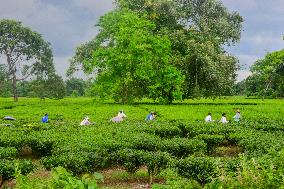
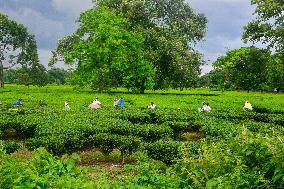
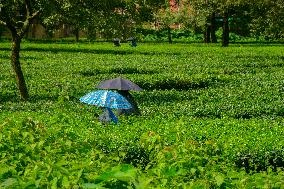
Female tea garden workers pluck tea leaves at Dagapur Tea Garden near Siliguri, India, on July 4, 2025. Dressed in traditional clothing and carrying baskets, they work under the morning sun amid lush plantations. The Siliguri region, in the Himalayan foothills, is known for tea production that supports local livelihoods and India’s export economy. Despite their crucial role, tea workers often face low wages and tough conditions, highlighting ongoing calls for labor reform. Photo by Diptendu Dutta/Middle East Images/ABACAPRESS.COM

  •  
Women Pluck Tea Leaves in Siliguri - India

Women Pluck Tea Leaves in Siliguri - India

Female tea garden workers pluck tea leaves at Dagapur Tea Garden near Siliguri, India, on July 4, 2025. Dressed in traditional clothing and carrying baskets, they work under the morning sun amid lush plantations. The Siliguri region, in the Himalayan foothills, is known for tea production that supports local livelihoods and India’s export economy. Despite their crucial role, tea workers often face low wages and tough conditions, highlighting ongoing calls for labor reform. Photo by Diptendu Dutta/Middle East Images/ABACAPRESS.COM

  •  
Women Pluck Tea Leaves in Siliguri - India

Women Pluck Tea Leaves in Siliguri - India

Two female workers pluck tea leaves at Dagapur Tea Garden near Siliguri, India, on July 4, 2025. Dressed in traditional attire, they work under the morning sun in the lush plantations. The region is known for its tea production, though workers often face low wages and tough conditions. Photo by Diptendu Dutta/Middle East Images/ABACAPRESS.COM

  •  
Palm Oil Fruits Illustrations - Indonesia

Palm Oil Fruits Illustrations - Indonesia

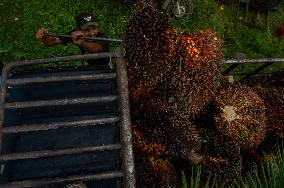
Collectors load palm-oil fruits onto a truck in Patumbak, North Sumatra, Indonesia, on June 3, 2025, highlighting their key role in connecting smallholders to processing plants within the palm oil supply chain. This activity reflects the dynamics of Indonesia’s palm oil sector, the world’s largest, accounting for over 50% of global production and exports. Driven by demand across food, cosmetics, soap, and biofuels, palm oil remains the most productive and competitive vegetable oil, with export volumes expected to stay strong in 2025 despite rising domestic consumption—underscoring the critical function of collectors in maintaining the flow from plantations to global markets. Photo by Sutanta Aditya/ABACAPRESS.COM

  •  
Palm Oil Fruits Illustrations - Indonesia

Palm Oil Fruits Illustrations - Indonesia

Collectors load palm-oil fruits onto a truck in Patumbak, North Sumatra, Indonesia, on June 3, 2025, highlighting their key role in connecting smallholders to processing plants within the palm oil supply chain. This activity reflects the dynamics of Indonesia’s palm oil sector, the world’s largest, accounting for over 50% of global production and exports. Driven by demand across food, cosmetics, soap, and biofuels, palm oil remains the most productive and competitive vegetable oil, with export volumes expected to stay strong in 2025 despite rising domestic consumption—underscoring the critical function of collectors in maintaining the flow from plantations to global markets. Photo by Sutanta Aditya/ABACAPRESS.COM

  •  
Palm Oil Fruits Illustrations - Indonesia

Palm Oil Fruits Illustrations - Indonesia

Collectors load palm-oil fruits onto a truck in Patumbak, North Sumatra, Indonesia, on June 3, 2025, highlighting their key role in connecting smallholders to processing plants within the palm oil supply chain. This activity reflects the dynamics of Indonesia’s palm oil sector, the world’s largest, accounting for over 50% of global production and exports. Driven by demand across food, cosmetics, soap, and biofuels, palm oil remains the most productive and competitive vegetable oil, with export volumes expected to stay strong in 2025 despite rising domestic consumption—underscoring the critical function of collectors in maintaining the flow from plantations to global markets. Photo by Sutanta Aditya/ABACAPRESS.COM

  •  
Palm Oil Fruits Illustrations - Indonesia

Palm Oil Fruits Illustrations - Indonesia

Collectors load palm-oil fruits onto a truck in Patumbak, North Sumatra, Indonesia, on June 3, 2025, highlighting their key role in connecting smallholders to processing plants within the palm oil supply chain. This activity reflects the dynamics of Indonesia’s palm oil sector, the world’s largest, accounting for over 50% of global production and exports. Driven by demand across food, cosmetics, soap, and biofuels, palm oil remains the most productive and competitive vegetable oil, with export volumes expected to stay strong in 2025 despite rising domestic consumption—underscoring the critical function of collectors in maintaining the flow from plantations to global markets. Photo by Sutanta Aditya/ABACAPRESS.COM

  •  
Palm Oil Fruits Illustrations - Indonesia

Palm Oil Fruits Illustrations - Indonesia

Collectors load palm-oil fruits onto a truck in Patumbak, North Sumatra, Indonesia, on June 3, 2025, highlighting their key role in connecting smallholders to processing plants within the palm oil supply chain. This activity reflects the dynamics of Indonesia’s palm oil sector, the world’s largest, accounting for over 50% of global production and exports. Driven by demand across food, cosmetics, soap, and biofuels, palm oil remains the most productive and competitive vegetable oil, with export volumes expected to stay strong in 2025 despite rising domestic consumption—underscoring the critical function of collectors in maintaining the flow from plantations to global markets. Photo by Sutanta Aditya/ABACAPRESS.COM

  •  
Palm Oil Fruits Illustrations - Indonesia

Palm Oil Fruits Illustrations - Indonesia

Collectors load palm-oil fruits onto a truck in Patumbak, North Sumatra, Indonesia, on June 3, 2025, highlighting their key role in connecting smallholders to processing plants within the palm oil supply chain. This activity reflects the dynamics of Indonesia’s palm oil sector, the world’s largest, accounting for over 50% of global production and exports. Driven by demand across food, cosmetics, soap, and biofuels, palm oil remains the most productive and competitive vegetable oil, with export volumes expected to stay strong in 2025 despite rising domestic consumption—underscoring the critical function of collectors in maintaining the flow from plantations to global markets. Photo by Sutanta Aditya/ABACAPRESS.COM

  •  
Palm Oil Fruits Illustrations - Indonesia

Palm Oil Fruits Illustrations - Indonesia

Collectors load palm-oil fruits onto a truck in Patumbak, North Sumatra, Indonesia, on June 3, 2025, highlighting their key role in connecting smallholders to processing plants within the palm oil supply chain. This activity reflects the dynamics of Indonesia’s palm oil sector, the world’s largest, accounting for over 50% of global production and exports. Driven by demand across food, cosmetics, soap, and biofuels, palm oil remains the most productive and competitive vegetable oil, with export volumes expected to stay strong in 2025 despite rising domestic consumption—underscoring the critical function of collectors in maintaining the flow from plantations to global markets. Photo by Sutanta Aditya/ABACAPRESS.COM

  •  
Palm Oil Fruits Illustrations - Indonesia

Palm Oil Fruits Illustrations - Indonesia

Collectors load palm-oil fruits onto a truck in Patumbak, North Sumatra, Indonesia, on June 3, 2025, highlighting their key role in connecting smallholders to processing plants within the palm oil supply chain. This activity reflects the dynamics of Indonesia’s palm oil sector, the world’s largest, accounting for over 50% of global production and exports. Driven by demand across food, cosmetics, soap, and biofuels, palm oil remains the most productive and competitive vegetable oil, with export volumes expected to stay strong in 2025 despite rising domestic consumption—underscoring the critical function of collectors in maintaining the flow from plantations to global markets. Photo by Sutanta Aditya/ABACAPRESS.COM

  •  
Vegetable Plantation

Vegetable Plantation

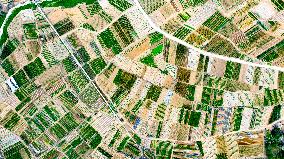
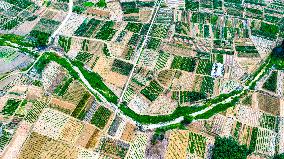
QINGDAO, CHINA - MAY 26, 2025 - Aerial view of various vegetables growing well in many vegetable plantations in Qingdao City, Shandong Province, China on May 26, 2025.

  •  
Vegetable Plantation

Vegetable Plantation

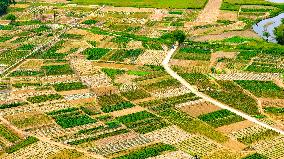
QINGDAO, CHINA - MAY 26, 2025 - Aerial view of various vegetables growing well in many vegetable plantations in Qingdao City, Shandong Province, China on May 26, 2025.

  •  
Vegetable Plantation

Vegetable Plantation

QINGDAO, CHINA - MAY 26, 2025 - Aerial view of various vegetables growing well in many vegetable plantations in Qingdao City, Shandong Province, China on May 26, 2025.

  •  
Mount Fanjing Matcha Industry - China

Mount Fanjing Matcha Industry - China

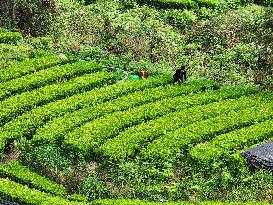
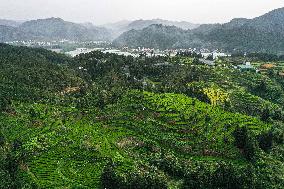
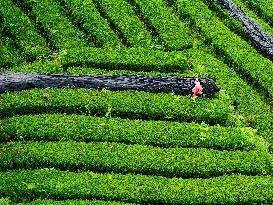
A drone photo shows a farmer weeding at a tea garden in Jiangkou County of Tongren, southwest China's Guizhou Province, on April 16, 2025. Located at the foot of Mount Fanjing, a UNESCO World Heritage Site, Jiangkou County is a powerhouse in the world's matcha industry. The county boasts over 10,000 hectares of tea plantations, nearly a fifth of which are dedicated to matcha production. In 2024, Jiangkou County produced more than 1,200 tonnes of matcha with a total output value of 350 million yuan (about 48.02 million U.S. dollars). The local matcha products have been exported to more than 40 overseas markets. Experts and agronomists believe that Guizhou, located on a plateau, possesses geographical and climatic advantages such as high altitude, low latitude, abundant fog and limited sunlight ideal for growing tea. Therefore, tea produced in this area is green, ecological and organic. Photo by Ou Dongqu/Xinhua/ABACAPRESS.COM

  •  
Mount Fanjing Matcha Industry - China

Mount Fanjing Matcha Industry - China

An aerial drone photo shows a tea garden in Jiangkou County of Tongren, southwest China's Guizhou Province, on April 16, 2025. Located at the foot of Mount Fanjing, a UNESCO World Heritage Site, Jiangkou County is a powerhouse in the world's matcha industry. The county boasts over 10,000 hectares of tea plantations, nearly a fifth of which are dedicated to matcha production. In 2024, Jiangkou County produced more than 1,200 tonnes of matcha with a total output value of 350 million yuan (about 48.02 million U.S. dollars). The local matcha products have been exported to more than 40 overseas markets. Experts and agronomists believe that Guizhou, located on a plateau, possesses geographical and climatic advantages such as high altitude, low latitude, abundant fog and limited sunlight ideal for growing tea. Therefore, tea produced in this area is green, ecological and organic. Photo by Yang Wenbin/Xinhua/ABACAPRESS.COM

  •  
Mount Fanjing Matcha Industry - China

Mount Fanjing Matcha Industry - China

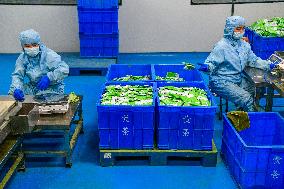
Workers pack matcha powder at a tea industrial park in Jiangkou County of Tongren, southwest China's Guizhou Province, on April 14, 2025. Located at the foot of Mount Fanjing, a UNESCO World Heritage Site, Jiangkou County is a powerhouse in the world's matcha industry. The county boasts over 10,000 hectares of tea plantations, nearly a fifth of which are dedicated to matcha production. In 2024, Jiangkou County produced more than 1,200 tonnes of matcha with a total output value of 350 million yuan (about 48.02 million U.S. dollars). The local matcha products have been exported to more than 40 overseas markets. Experts and agronomists believe that Guizhou, located on a plateau, possesses geographical and climatic advantages such as high altitude, low latitude, abundant fog and limited sunlight ideal for growing tea. Therefore, tea produced in this area is green, ecological and organic. Photo by Yang Wenbin/Xinhua/ABACAPRESS.COM

  •  
Mount Fanjing Matcha Industry - China

Mount Fanjing Matcha Industry - China

A worker packs matcha powder at a tea industrial park in Jiangkou County of Tongren, southwest China's Guizhou Province, on April 14, 2025. Located at the foot of Mount Fanjing, a UNESCO World Heritage Site, Jiangkou County is a powerhouse in the world's matcha industry. The county boasts over 10,000 hectares of tea plantations, nearly a fifth of which are dedicated to matcha production. In 2024, Jiangkou County produced more than 1,200 tonnes of matcha with a total output value of 350 million yuan (about 48.02 million U.S. dollars). The local matcha products have been exported to more than 40 overseas markets. Experts and agronomists believe that Guizhou, located on a plateau, possesses geographical and climatic advantages such as high altitude, low latitude, abundant fog and limited sunlight ideal for growing tea. Therefore, tea produced in this area is green, ecological and organic. Photo by Ou Dongqu/Xinhua/ABACAPRESS.COM

  •  
Mount Fanjing Matcha Industry - China

Mount Fanjing Matcha Industry - China

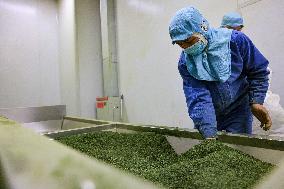
A staff member checks the raw materials for matcha production at a tea industrial park in Jiangkou County of Tongren, southwest China's Guizhou Province, on April 14, 2025. Located at the foot of Mount Fanjing, a UNESCO World Heritage Site, Jiangkou County is a powerhouse in the world's matcha industry. The county boasts over 10,000 hectares of tea plantations, nearly a fifth of which are dedicated to matcha production. In 2024, Jiangkou County produced more than 1,200 tonnes of matcha with a total output value of 350 million yuan (about 48.02 million U.S. dollars). The local matcha products have been exported to more than 40 overseas markets. Experts and agronomists believe that Guizhou, located on a plateau, possesses geographical and climatic advantages such as high altitude, low latitude, abundant fog and limited sunlight ideal for growing tea. Therefore, tea produced in this area is green, ecological and organic. Photo by Ou Dongqu/Xinhua/ABACAPRESS.COM

  •  
Mount Fanjing Matcha Industry - China

Mount Fanjing Matcha Industry - China

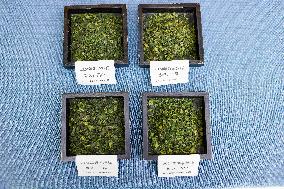
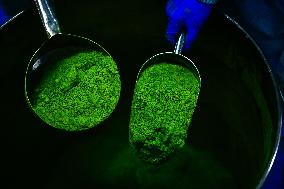
Raw materials for matcha production are on display in a tea industrial park in Jiangkou County of Tongren, southwest China's Guizhou Province, on April 14, 2025. Located at the foot of Mount Fanjing, a UNESCO World Heritage Site, Jiangkou County is a powerhouse in the world's matcha industry. The county boasts over 10,000 hectares of tea plantations, nearly a fifth of which are dedicated to matcha production. In 2024, Jiangkou County produced more than 1,200 tonnes of matcha with a total output value of 350 million yuan (about 48.02 million U.S. dollars). The local matcha products have been exported to more than 40 overseas markets. Experts and agronomists believe that Guizhou, located on a plateau, possesses geographical and climatic advantages such as high altitude, low latitude, abundant fog and limited sunlight ideal for growing tea. Therefore, tea produced in this area is green, ecological and organic. Photo by Ou Dongqu/Xinhua/ABACAPRESS.COM

  •  
Mount Fanjing Matcha Industry - China

Mount Fanjing Matcha Industry - China

A staff member produces matcha at a tea industrial park in Jiangkou County of Tongren, southwest China's Guizhou Province, on April 14, 2025. Located at the foot of Mount Fanjing, a UNESCO World Heritage Site, Jiangkou County is a powerhouse in the world's matcha industry. The county boasts over 10,000 hectares of tea plantations, nearly a fifth of which are dedicated to matcha production. In 2024, Jiangkou County produced more than 1,200 tonnes of matcha with a total output value of 350 million yuan (about 48.02 million U.S. dollars). The local matcha products have been exported to more than 40 overseas markets. Experts and agronomists believe that Guizhou, located on a plateau, possesses geographical and climatic advantages such as high altitude, low latitude, abundant fog and limited sunlight ideal for growing tea. Therefore, tea produced in this area is green, ecological and organic. Photo by Ou Dongqu/Xinhua/ABACAPRESS.COM

  •  
Mount Fanjing Matcha Industry - China

Mount Fanjing Matcha Industry - China

An aerial drone photo shows a farmer applying shading nets at a tea garden in Jiangkou County of Tongren, southwest China's Guizhou Province, on April 16, 2025. Located at the foot of Mount Fanjing, a UNESCO World Heritage Site, Jiangkou County is a powerhouse in the world's matcha industry. The county boasts over 10,000 hectares of tea plantations, nearly a fifth of which are dedicated to matcha production. In 2024, Jiangkou County produced more than 1,200 tonnes of matcha with a total output value of 350 million yuan (about 48.02 million U.S. dollars). The local matcha products have been exported to more than 40 overseas markets. Experts and agronomists believe that Guizhou, located on a plateau, possesses geographical and climatic advantages such as high altitude, low latitude, abundant fog and limited sunlight ideal for growing tea. Therefore, tea produced in this area is green, ecological and organic. Photo by Ou Dongqu/Xinhua/ABACAPRESS.COM

  •  
Mount Fanjing Matcha Industry - China

Mount Fanjing Matcha Industry - China

Matcha beverages are displayed at a tea industrial park in Jiangkou County of Tongren, southwest China's Guizhou Province, on April 14, 2025. Located at the foot of Mount Fanjing, a UNESCO World Heritage Site, Jiangkou County is a powerhouse in the world's matcha industry. The county boasts over 10,000 hectares of tea plantations, nearly a fifth of which are dedicated to matcha production. In 2024, Jiangkou County produced more than 1,200 tonnes of matcha with a total output value of 350 million yuan (about 48.02 million U.S. dollars). The local matcha products have been exported to more than 40 overseas markets. Experts and agronomists believe that Guizhou, located on a plateau, possesses geographical and climatic advantages such as high altitude, low latitude, abundant fog and limited sunlight ideal for growing tea. Therefore, tea produced in this area is green, ecological and organic. Photo by Yang Wenbin/Xinhua/ABACAPRESS.COM

  •  
Mount Fanjing Matcha Industry - China

Mount Fanjing Matcha Industry - China

A staff member works at a matcha factory in Jiangkou County of Tongren, southwest China's Guizhou Province, on April 14, 2025. Located at the foot of Mount Fanjing, a UNESCO World Heritage Site, Jiangkou County is a powerhouse in the world's matcha industry. The county boasts over 10,000 hectares of tea plantations, nearly a fifth of which are dedicated to matcha production. In 2024, Jiangkou County produced more than 1,200 tonnes of matcha with a total output value of 350 million yuan (about 48.02 million U.S. dollars). The local matcha products have been exported to more than 40 overseas markets. Experts and agronomists believe that Guizhou, located on a plateau, possesses geographical and climatic advantages such as high altitude, low latitude, abundant fog and limited sunlight ideal for growing tea. Therefore, tea produced in this area is green, ecological and organic. Photo by Ou Dongqu/Xinhua/ABACAPRESS.COM

  •  
Mount Fanjing Matcha Industry - China

Mount Fanjing Matcha Industry - China

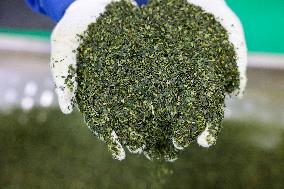
Matcha powder is pictured at a matcha factory in Jiangkou County of Tongren, southwest China's Guizhou Province, on April 14, 2025. Located at the foot of Mount Fanjing, a UNESCO World Heritage Site, Jiangkou County is a powerhouse in the world's matcha industry. The county boasts over 10,000 hectares of tea plantations, nearly a fifth of which are dedicated to matcha production. In 2024, Jiangkou County produced more than 1,200 tonnes of matcha with a total output value of 350 million yuan (about 48.02 million U.S. dollars). The local matcha products have been exported to more than 40 overseas markets. Experts and agronomists believe that Guizhou, located on a plateau, possesses geographical and climatic advantages such as high altitude, low latitude, abundant fog and limited sunlight ideal for growing tea. Therefore, tea produced in this area is green, ecological and organic. Photo by Yang Wenbin/Xinhua/ABACAPRESS.COM

  •  
Mount Fanjing Matcha Industry - China

Mount Fanjing Matcha Industry - China

A staff member makes matcha beverage at a tea industrial park in Jiangkou County of Tongren, southwest China's Guizhou Province, on April 14, 2025. Located at the foot of Mount Fanjing, a UNESCO World Heritage Site, Jiangkou County is a powerhouse in the world's matcha industry. The county boasts over 10,000 hectares of tea plantations, nearly a fifth of which are dedicated to matcha production. In 2024, Jiangkou County produced more than 1,200 tonnes of matcha with a total output value of 350 million yuan (about 48.02 million U.S. dollars). The local matcha products have been exported to more than 40 overseas markets. Experts and agronomists believe that Guizhou, located on a plateau, possesses geographical and climatic advantages such as high altitude, low latitude, abundant fog and limited sunlight ideal for growing tea. Therefore, tea produced in this area is green, ecological and organic. Photo by Ou Dongqu/Xinhua/ABACAPRESS.COM

  •  
Mount Fanjing Matcha Industry - China

Mount Fanjing Matcha Industry - China

A staff member makes matcha beverage at a tea industrial park in Jiangkou County of Tongren, southwest China's Guizhou Province, on April 14, 2025. Located at the foot of Mount Fanjing, a UNESCO World Heritage Site, Jiangkou County is a powerhouse in the world's matcha industry. The county boasts over 10,000 hectares of tea plantations, nearly a fifth of which are dedicated to matcha production. In 2024, Jiangkou County produced more than 1,200 tonnes of matcha with a total output value of 350 million yuan (about 48.02 million U.S. dollars). The local matcha products have been exported to more than 40 overseas markets. Experts and agronomists believe that Guizhou, located on a plateau, possesses geographical and climatic advantages such as high altitude, low latitude, abundant fog and limited sunlight ideal for growing tea. Therefore, tea produced in this area is green, ecological and organic. Photo by Ou Dongqu/Xinhua/ABACAPRESS.COM

  • Main
  • Top
  • Editorial
  • Creative
  • About Us
  • About ILG
  • Terms of use
  • Company
  • BEHIND
  • Price List
  • Single Plan
  • Monthly Plan
  • Services
  • Shooting
  • Rights Clearance
  • Support
  • FAQ
  • How To Buy
  • Contact Us
  • Become a Partner

© KYODO NEWS IMAGES INC

All Rights Reserved.

  • Editorial
  • Olympics
  • News
  • Sports
  • Japan
  • Tech
  • Royal
  • Disaster
  • NorthKorea
  • Old Japan
  • SNS
  • Creative
  • Food
  • Japan
  • Landscape
  • Animal
  • Popular
  • #Ukraine
  • #Russia
  • #coronavirus
  • #N. Korea
  • #Thailand
  • #China
  • #Ukraine
  • #Russia
  • #coronavirus
  • #N. Korea
  • #Thailand
  • #China
  • Food
  • Japan
  • Landscape
  • Animal
  • Olympics
  • News
  • Sports
  • Japan
  • Tech
  • Royal
  • Disaster
  • NorthKorea
  • Old Japan
  • SNS