•  
Samawar Dance Performance In Urumqi - China

Samawar Dance Performance In Urumqi - China

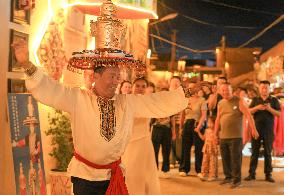
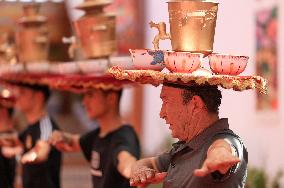
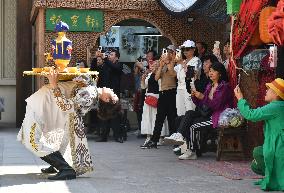
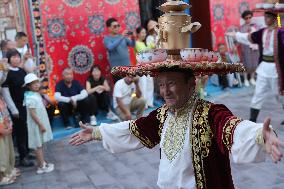
Ahmat Mollaq performs the Samawar dance in the Qiuci Alley of Kuqa City, northwest China's Xinjiang Uygur Autonomous Region, Aug. 4, 2025. In the Qiuci Alley of Kuqa City, northwest China's Xinjiang Uygur Autonomous Region, Parhat Emin performs the Samawar (a Uygur term meaning "tea set") dance, a traditional Uygur greeting dance with a history dating back to the millennium-old ancient Qiuci State. His eyes shine brightly, and his smile is warm and welcoming. With a bronze pot and porcelain bowls balanced steadily on a plate over his head, his body spins smoothly, and his feet move as lightly as the wind. As he dances gracefully to the rhythm of traditional Uygur music, the surrounding audience burst into cheers from time to time. Kuqa, where the ancient Qiuci State was mainly located, was a vital hub along the ancient Silk Road, bustling with merchants and the tinkle of camel bells. Today the Qiuci Alley is a popular tourist destination in Kuqa. From noon till midnight every day, dances including the Samawar

  •  
Samawar Dance Performance In Urumqi - China

Samawar Dance Performance In Urumqi - China

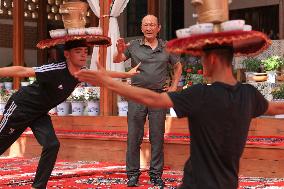
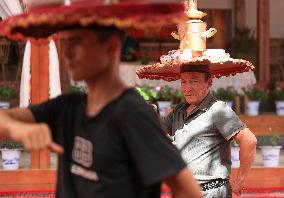
Parhat Emin (C) teaches young dancers the move of Samawar dance in the Qiuci Alley of Kuqa City, northwest China's Xinjiang Uygur Autonomous Region, July 22, 2025. In the Qiuci Alley of Kuqa City, northwest China's Xinjiang Uygur Autonomous Region, Parhat Emin performs the Samawar (a Uygur term meaning "tea set") dance, a traditional Uygur greeting dance with a history dating back to the millennium-old ancient Qiuci State. His eyes shine brightly, and his smile is warm and welcoming. With a bronze pot and porcelain bowls balanced steadily on a plate over his head, his body spins smoothly, and his feet move as lightly as the wind. As he dances gracefully to the rhythm of traditional Uygur music, the surrounding audience burst into cheers from time to time. Kuqa, where the ancient Qiuci State was mainly located, was a vital hub along the ancient Silk Road, bustling with merchants and the tinkle of camel bells. Today the Qiuci Alley is a popular tourist destination in Kuqa. From noon till midnight every day, dan

  •  
Samawar Dance Performance In Urumqi - China

Samawar Dance Performance In Urumqi - China

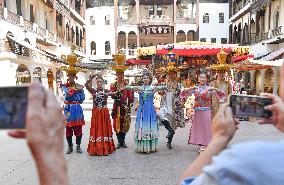
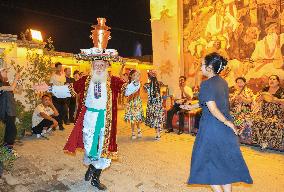
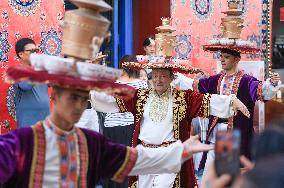
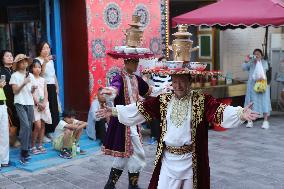
Artists perform the Samawar dance at the Grand Bazaar in Urumqi, northwest China's Xinjiang Uygur Autonomous Region, Sept. 9, 2025. In the Qiuci Alley of Kuqa City, northwest China's Xinjiang Uygur Autonomous Region, Parhat Emin performs the Samawar (a Uygur term meaning "tea set") dance, a traditional Uygur greeting dance with a history dating back to the millennium-old ancient Qiuci State. His eyes shine brightly, and his smile is warm and welcoming. With a bronze pot and porcelain bowls balanced steadily on a plate over his head, his body spins smoothly, and his feet move as lightly as the wind. As he dances gracefully to the rhythm of traditional Uygur music, the surrounding audience burst into cheers from time to time. Kuqa, where the ancient Qiuci State was mainly located, was a vital hub along the ancient Silk Road, bustling with merchants and the tinkle of camel bells. Today the Qiuci Alley is a popular tourist destination in Kuqa. From noon till midnight every day, dances including the Samawar are pe

  •  
Samawar Dance Performance In Urumqi - China

Samawar Dance Performance In Urumqi - China

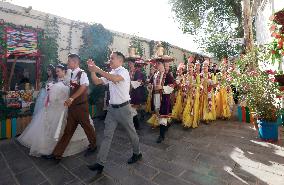
Performers participate in a wedding ceremony in the Qiuci Alley of Kuqa City, northwest China's Xinjiang Uygur Autonomous Region, July 22, 2025. In the Qiuci Alley of Kuqa City, northwest China's Xinjiang Uygur Autonomous Region, Parhat Emin performs the Samawar (a Uygur term meaning "tea set") dance, a traditional Uygur greeting dance with a history dating back to the millennium-old ancient Qiuci State. His eyes shine brightly, and his smile is warm and welcoming. With a bronze pot and porcelain bowls balanced steadily on a plate over his head, his body spins smoothly, and his feet move as lightly as the wind. As he dances gracefully to the rhythm of traditional Uygur music, the surrounding audience burst into cheers from time to time. Kuqa, where the ancient Qiuci State was mainly located, was a vital hub along the ancient Silk Road, bustling with merchants and the tinkle of camel bells. Today the Qiuci Alley is a popular tourist destination in Kuqa. From noon till midnight every day, dances including the S

  •  
Samawar Dance Performance In Urumqi - China

Samawar Dance Performance In Urumqi - China

A senior artist performs the Samawar dance in the Qiuci Alley of Kuqa City, northwest China's Xinjiang Uygur Autonomous Region, Aug. 4, 2025. In the Qiuci Alley of Kuqa City, northwest China's Xinjiang Uygur Autonomous Region, Parhat Emin performs the Samawar (a Uygur term meaning "tea set") dance, a traditional Uygur greeting dance with a history dating back to the millennium-old ancient Qiuci State. His eyes shine brightly, and his smile is warm and welcoming. With a bronze pot and porcelain bowls balanced steadily on a plate over his head, his body spins smoothly, and his feet move as lightly as the wind. As he dances gracefully to the rhythm of traditional Uygur music, the surrounding audience burst into cheers from time to time. Kuqa, where the ancient Qiuci State was mainly located, was a vital hub along the ancient Silk Road, bustling with merchants and the tinkle of camel bells. Today the Qiuci Alley is a popular tourist destination in Kuqa. From noon till midnight every day, dances including the Sama

  •  
Samawar Dance Performance In Urumqi - China

Samawar Dance Performance In Urumqi - China

Parhat Emin performs the Samawar dance in the Qiuci Alley of Kuqa City, northwest China's Xinjiang Uygur Autonomous Region, July 22, 2025. In the Qiuci Alley of Kuqa City, northwest China's Xinjiang Uygur Autonomous Region, Parhat Emin performs the Samawar (a Uygur term meaning "tea set") dance, a traditional Uygur greeting dance with a history dating back to the millennium-old ancient Qiuci State. His eyes shine brightly, and his smile is warm and welcoming. With a bronze pot and porcelain bowls balanced steadily on a plate over his head, his body spins smoothly, and his feet move as lightly as the wind. As he dances gracefully to the rhythm of traditional Uygur music, the surrounding audience burst into cheers from time to time. Kuqa, where the ancient Qiuci State was mainly located, was a vital hub along the ancient Silk Road, bustling with merchants and the tinkle of camel bells. Today the Qiuci Alley is a popular tourist destination in Kuqa. From noon till midnight every day, dances including the Samawar

  •  
Samawar Dance Performance In Urumqi - China

Samawar Dance Performance In Urumqi - China

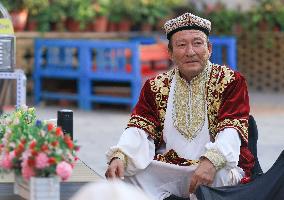
Parhat Emin takes a break in the Qiuci Alley of Kuqa City, northwest China's Xinjiang Uygur Autonomous Region, July 22, 2025. In the Qiuci Alley of Kuqa City, northwest China's Xinjiang Uygur Autonomous Region, Parhat Emin performs the Samawar (a Uygur term meaning "tea set") dance, a traditional Uygur greeting dance with a history dating back to the millennium-old ancient Qiuci State. His eyes shine brightly, and his smile is warm and welcoming. With a bronze pot and porcelain bowls balanced steadily on a plate over his head, his body spins smoothly, and his feet move as lightly as the wind. As he dances gracefully to the rhythm of traditional Uygur music, the surrounding audience burst into cheers from time to time. Kuqa, where the ancient Qiuci State was mainly located, was a vital hub along the ancient Silk Road, bustling with merchants and the tinkle of camel bells. Today the Qiuci Alley is a popular tourist destination in Kuqa. From noon till midnight every day, dances including the Samawar are performe

  •  
Samawar Dance Performance In Urumqi - China

Samawar Dance Performance In Urumqi - China

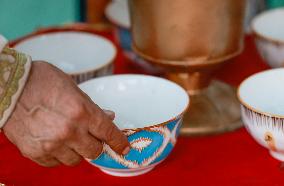
Parhat Emin arranges bowls for performing the Samawar dance in the Qiuci Alley of Kuqa City, northwest China's Xinjiang Uygur Autonomous Region, July 22, 2025. In the Qiuci Alley of Kuqa City, northwest China's Xinjiang Uygur Autonomous Region, Parhat Emin performs the Samawar (a Uygur term meaning "tea set") dance, a traditional Uygur greeting dance with a history dating back to the millennium-old ancient Qiuci State. His eyes shine brightly, and his smile is warm and welcoming. With a bronze pot and porcelain bowls balanced steadily on a plate over his head, his body spins smoothly, and his feet move as lightly as the wind. As he dances gracefully to the rhythm of traditional Uygur music, the surrounding audience burst into cheers from time to time. Kuqa, where the ancient Qiuci State was mainly located, was a vital hub along the ancient Silk Road, bustling with merchants and the tinkle of camel bells. Today the Qiuci Alley is a popular tourist destination in Kuqa. From noon till midnight every day, dances

  •  
Samawar Dance Performance In Urumqi - China

Samawar Dance Performance In Urumqi - China

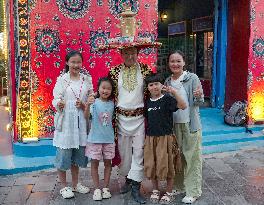
Parhat Emin (C) poses for a photo with tourists after performing the Samawar dance in the Qiuci Alley of Kuqa City, northwest China's Xinjiang Uygur Autonomous Region, July 22, 2025. In the Qiuci Alley of Kuqa City, northwest China's Xinjiang Uygur Autonomous Region, Parhat Emin performs the Samawar (a Uygur term meaning "tea set") dance, a traditional Uygur greeting dance with a history dating back to the millennium-old ancient Qiuci State. His eyes shine brightly, and his smile is warm and welcoming. With a bronze pot and porcelain bowls balanced steadily on a plate over his head, his body spins smoothly, and his feet move as lightly as the wind. As he dances gracefully to the rhythm of traditional Uygur music, the surrounding audience burst into cheers from time to time. Kuqa, where the ancient Qiuci State was mainly located, was a vital hub along the ancient Silk Road, bustling with merchants and the tinkle of camel bells. Today the Qiuci Alley is a popular tourist destination in Kuqa. From noon till midn

  •  
Samawar Dance Performance In Urumqi - China

Samawar Dance Performance In Urumqi - China

Parhat Emin (1st R) teaches young dancers the move of Samawar dance in the Qiuci Alley of Kuqa City, northwest China's Xinjiang Uygur Autonomous Region, July 22, 2025. In the Qiuci Alley of Kuqa City, northwest China's Xinjiang Uygur Autonomous Region, Parhat Emin performs the Samawar (a Uygur term meaning "tea set") dance, a traditional Uygur greeting dance with a history dating back to the millennium-old ancient Qiuci State. His eyes shine brightly, and his smile is warm and welcoming. With a bronze pot and porcelain bowls balanced steadily on a plate over his head, his body spins smoothly, and his feet move as lightly as the wind. As he dances gracefully to the rhythm of traditional Uygur music, the surrounding audience burst into cheers from time to time. Kuqa, where the ancient Qiuci State was mainly located, was a vital hub along the ancient Silk Road, bustling with merchants and the tinkle of camel bells. Today the Qiuci Alley is a popular tourist destination in Kuqa. From noon till midnight every day,

  •  
Samawar Dance Performance In Urumqi - China

Samawar Dance Performance In Urumqi - China

Parhat Emin performs the Samawar dance in the Qiuci Alley of Kuqa City, northwest China's Xinjiang Uygur Autonomous Region, July 22, 2025. In the Qiuci Alley of Kuqa City, northwest China's Xinjiang Uygur Autonomous Region, Parhat Emin performs the Samawar (a Uygur term meaning "tea set") dance, a traditional Uygur greeting dance with a history dating back to the millennium-old ancient Qiuci State. His eyes shine brightly, and his smile is warm and welcoming. With a bronze pot and porcelain bowls balanced steadily on a plate over his head, his body spins smoothly, and his feet move as lightly as the wind. As he dances gracefully to the rhythm of traditional Uygur music, the surrounding audience burst into cheers from time to time. Kuqa, where the ancient Qiuci State was mainly located, was a vital hub along the ancient Silk Road, bustling with merchants and the tinkle of camel bells. Today the Qiuci Alley is a popular tourist destination in Kuqa. From noon till midnight every day, dances including the Samawar

  •  
Samawar Dance Performance In Urumqi - China

Samawar Dance Performance In Urumqi - China

Parhat Emin performs the Samawar dance in the Qiuci Alley of Kuqa City, northwest China's Xinjiang Uygur Autonomous Region, July 22, 2025. In the Qiuci Alley of Kuqa City, northwest China's Xinjiang Uygur Autonomous Region, Parhat Emin performs the Samawar (a Uygur term meaning "tea set") dance, a traditional Uygur greeting dance with a history dating back to the millennium-old ancient Qiuci State. His eyes shine brightly, and his smile is warm and welcoming. With a bronze pot and porcelain bowls balanced steadily on a plate over his head, his body spins smoothly, and his feet move as lightly as the wind. As he dances gracefully to the rhythm of traditional Uygur music, the surrounding audience burst into cheers from time to time. Kuqa, where the ancient Qiuci State was mainly located, was a vital hub along the ancient Silk Road, bustling with merchants and the tinkle of camel bells. Today the Qiuci Alley is a popular tourist destination in Kuqa. From noon till midnight every day, dances including the Samawar

  •  
Samawar Dance Performance In Urumqi - China

Samawar Dance Performance In Urumqi - China

Parhat Emin (C) performs the Samawar dance in the Qiuci Alley of Kuqa City, northwest China's Xinjiang Uygur Autonomous Region, July 22, 2025. In the Qiuci Alley of Kuqa City, northwest China's Xinjiang Uygur Autonomous Region, Parhat Emin performs the Samawar (a Uygur term meaning "tea set") dance, a traditional Uygur greeting dance with a history dating back to the millennium-old ancient Qiuci State. His eyes shine brightly, and his smile is warm and welcoming. With a bronze pot and porcelain bowls balanced steadily on a plate over his head, his body spins smoothly, and his feet move as lightly as the wind. As he dances gracefully to the rhythm of traditional Uygur music, the surrounding audience burst into cheers from time to time. Kuqa, where the ancient Qiuci State was mainly located, was a vital hub along the ancient Silk Road, bustling with merchants and the tinkle of camel bells. Today the Qiuci Alley is a popular tourist destination in Kuqa. From noon till midnight every day, dances including the Sam

  •  
Samawar Dance Performance In Urumqi - China

Samawar Dance Performance In Urumqi - China

Parhat Emin performs the Samawar dance in the Qiuci Alley of Kuqa City, northwest China's Xinjiang Uygur Autonomous Region, July 22, 2025. In the Qiuci Alley of Kuqa City, northwest China's Xinjiang Uygur Autonomous Region, Parhat Emin performs the Samawar (a Uygur term meaning "tea set") dance, a traditional Uygur greeting dance with a history dating back to the millennium-old ancient Qiuci State. His eyes shine brightly, and his smile is warm and welcoming. With a bronze pot and porcelain bowls balanced steadily on a plate over his head, his body spins smoothly, and his feet move as lightly as the wind. As he dances gracefully to the rhythm of traditional Uygur music, the surrounding audience burst into cheers from time to time. Kuqa, where the ancient Qiuci State was mainly located, was a vital hub along the ancient Silk Road, bustling with merchants and the tinkle of camel bells. Today the Qiuci Alley is a popular tourist destination in Kuqa. From noon till midnight every day, dances including the Samawar

  •  
Samawar Dance Performance In Urumqi - China

Samawar Dance Performance In Urumqi - China

Parhat Emin (R) teaches young dancers the move of Samawar dance in the Qiuci Alley of Kuqa City, northwest China's Xinjiang Uygur Autonomous Region, July 22, 2025. In the Qiuci Alley of Kuqa City, northwest China's Xinjiang Uygur Autonomous Region, Parhat Emin performs the Samawar (a Uygur term meaning "tea set") dance, a traditional Uygur greeting dance with a history dating back to the millennium-old ancient Qiuci State. His eyes shine brightly, and his smile is warm and welcoming. With a bronze pot and porcelain bowls balanced steadily on a plate over his head, his body spins smoothly, and his feet move as lightly as the wind. As he dances gracefully to the rhythm of traditional Uygur music, the surrounding audience burst into cheers from time to time. Kuqa, where the ancient Qiuci State was mainly located, was a vital hub along the ancient Silk Road, bustling with merchants and the tinkle of camel bells. Today the Qiuci Alley is a popular tourist destination in Kuqa. From noon till midnight every day, dan

  •  
Samawar Dance Performance In Urumqi - China

Samawar Dance Performance In Urumqi - China

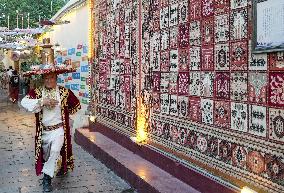
This photo shows a view of the Qiuci Alley of Kuqa City, northwest China's Xinjiang Uygur Autonomous Region, July 22, 2025. In the Qiuci Alley of Kuqa City, northwest China's Xinjiang Uygur Autonomous Region, Parhat Emin performs the Samawar (a Uygur term meaning "tea set") dance, a traditional Uygur greeting dance with a history dating back to the millennium-old ancient Qiuci State. His eyes shine brightly, and his smile is warm and welcoming. With a bronze pot and porcelain bowls balanced steadily on a plate over his head, his body spins smoothly, and his feet move as lightly as the wind. As he dances gracefully to the rhythm of traditional Uygur music, the surrounding audience burst into cheers from time to time. Kuqa, where the ancient Qiuci State was mainly located, was a vital hub along the ancient Silk Road, bustling with merchants and the tinkle of camel bells. Today the Qiuci Alley is a popular tourist destination in Kuqa. From noon till midnight every day, dances including the Samawar are performed

  •  
Samawar Dance Performance In Urumqi - China

Samawar Dance Performance In Urumqi - China

An artist performs the Samawar dance at the Grand Bazaar in Urumqi, northwest China's Xinjiang Uygur Autonomous Region, Sept. 9, 2025. In the Qiuci Alley of Kuqa City, northwest China's Xinjiang Uygur Autonomous Region, Parhat Emin performs the Samawar (a Uygur term meaning "tea set") dance, a traditional Uygur greeting dance with a history dating back to the millennium-old ancient Qiuci State. His eyes shine brightly, and his smile is warm and welcoming. With a bronze pot and porcelain bowls balanced steadily on a plate over his head, his body spins smoothly, and his feet move as lightly as the wind. As he dances gracefully to the rhythm of traditional Uygur music, the surrounding audience burst into cheers from time to time. Kuqa, where the ancient Qiuci State was mainly located, was a vital hub along the ancient Silk Road, bustling with merchants and the tinkle of camel bells. Today the Qiuci Alley is a popular tourist destination in Kuqa. From noon till midnight every day, dances including the Samawar are

  •  
Samawar Dance Performance In Urumqi - China

Samawar Dance Performance In Urumqi - China

Parhat Emin performs the Samawar dance in the Qiuci Alley of Kuqa City, northwest China's Xinjiang Uygur Autonomous Region, July 22, 2025. In the Qiuci Alley of Kuqa City, northwest China's Xinjiang Uygur Autonomous Region, Parhat Emin performs the Samawar (a Uygur term meaning "tea set") dance, a traditional Uygur greeting dance with a history dating back to the millennium-old ancient Qiuci State. His eyes shine brightly, and his smile is warm and welcoming. With a bronze pot and porcelain bowls balanced steadily on a plate over his head, his body spins smoothly, and his feet move as lightly as the wind. As he dances gracefully to the rhythm of traditional Uygur music, the surrounding audience burst into cheers from time to time. Kuqa, where the ancient Qiuci State was mainly located, was a vital hub along the ancient Silk Road, bustling with merchants and the tinkle of camel bells. Today the Qiuci Alley is a popular tourist destination in Kuqa. From noon till midnight every day, dances including the Samawar

  •  
Samawar Dance Performance In Urumqi - China

Samawar Dance Performance In Urumqi - China

Parhat Emin performs the Samawar dance in the Qiuci Alley of Kuqa City, northwest China's Xinjiang Uygur Autonomous Region, July 22, 2025. In the Qiuci Alley of Kuqa City, northwest China's Xinjiang Uygur Autonomous Region, Parhat Emin performs the Samawar (a Uygur term meaning "tea set") dance, a traditional Uygur greeting dance with a history dating back to the millennium-old ancient Qiuci State. His eyes shine brightly, and his smile is warm and welcoming. With a bronze pot and porcelain bowls balanced steadily on a plate over his head, his body spins smoothly, and his feet move as lightly as the wind. As he dances gracefully to the rhythm of traditional Uygur music, the surrounding audience burst into cheers from time to time. Kuqa, where the ancient Qiuci State was mainly located, was a vital hub along the ancient Silk Road, bustling with merchants and the tinkle of camel bells. Today the Qiuci Alley is a popular tourist destination in Kuqa. From noon till midnight every day, dances including the Samawar

  •  
XINHUA PHOTOS OF THE DAY

XINHUA PHOTOS OF THE DAY

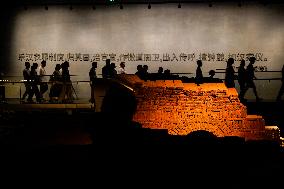
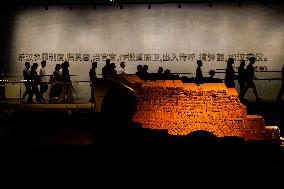
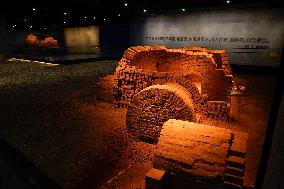
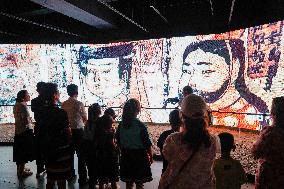
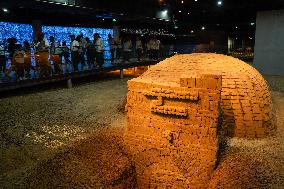
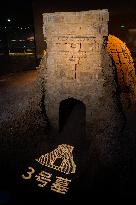
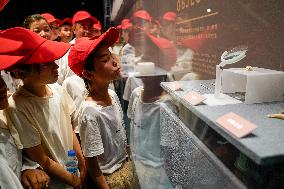
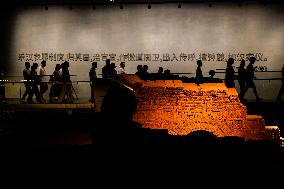
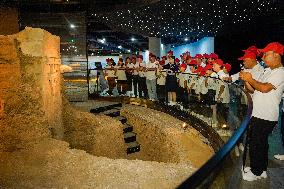
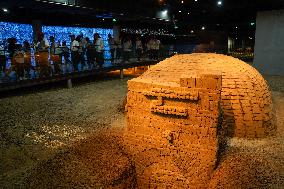
(240716) -- BEIJING, July 16, 2024 Photo by Xinhua/ABACAPRESS.COM) -- People visit the Wei and Jin Dynasties Ancient Tombs Site Museum in Kuqa City, northwest China's Xinjiang Uygur Autonomous Region, July 15, 2024. An underground museum of the Wei and Jin dynasties (220-420) ancient tombs opened on Monday in Kuqa County, an area that previously belonged to the ancient Qiuci State. The Qiuci State, which commenced in the second century BC and existed for more than 1,000 years, was one of the 36 states in the Western Regions, a term used in the Han Dynasty (206 BC-220 AD) for areas west of the Yumen Pass, including present Xinjiang and parts of Central Asia. This in-situ museum with an exhibition space of 5,000 square meters was built to protect 15 brick tomb chambers discovered in 2007 during the construction of the Youyi Road underground pass. The discovery was one of China's top ten new archaeological discoveries that year. The tomb complex was built in consistence with the Han Dynasty style brick-chambered

  •  
Wei And Jin Dynasties Ancient Tombs Site Museum - Kuqa City

Wei And Jin Dynasties Ancient Tombs Site Museum - Kuqa City

This photo taken on July 15, 2024. An underground museum of the Wei and Jin dynasties (220-420) ancient tombs opened on Monday in Kuqa County, an area that previously belonged to the ancient Qiuci State. The Qiuci State, which commenced in the second century BC and existed for more than 1,000 years, was one of the 36 states in the Western Regions, a term used in the Han Dynasty (206 BC-220 AD) for areas west of the Yumen Pass, including present Xinjiang and parts of Central Asia. This in-situ museum with an exhibition space of 5,000 square meters was built to protect 15 brick tomb chambers discovered in 2007 during the construction of the Youyi Road underground pass. The discovery was one of China's top ten new archaeological discoveries that year. The tomb complex was built in consistence with the Han Dynasty style brick-chambered tombs found in the central China region and along the Hexi Corridor, stretching over a distance of nearly 1,000 kilometers in northwest China's Gansu Province, which is home to fiv

  •  
Wei And Jin Dynasties Ancient Tombs Site Museum - Kuqa City

Wei And Jin Dynasties Ancient Tombs Site Museum - Kuqa City

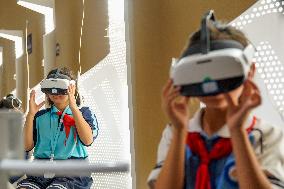
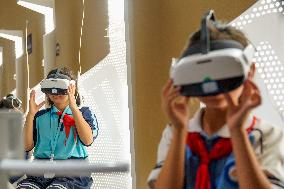
Visitors wear VR sets for exhibitions at the Wei and Jin Dynasties Ancient Tombs Site Museum in Kuqa City, northwest China's Xinjiang Uygur Autonomous Region, July 15, 2024. An underground museum of the Wei and Jin dynasties (220-420) ancient tombs opened on Monday in Kuqa County, an area that previously belonged to the ancient Qiuci State. The Qiuci State, which commenced in the second century BC and existed for more than 1,000 years, was one of the 36 states in the Western Regions, a term used in the Han Dynasty (206 BC-220 AD) for areas west of the Yumen Pass, including present Xinjiang and parts of Central Asia. This in-situ museum with an exhibition space of 5,000 square meters was built to protect 15 brick tomb chambers discovered in 2007 during the construction of the Youyi Road underground pass. The discovery was one of China's top ten new archaeological discoveries that year. The tomb complex was built in consistence with the Han Dynasty style brick-chambered tombs found in the central China region a

  •  
Wei And Jin Dynasties Ancient Tombs Site Museum - Kuqa City

Wei And Jin Dynasties Ancient Tombs Site Museum - Kuqa City

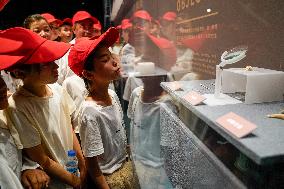
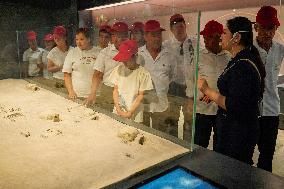
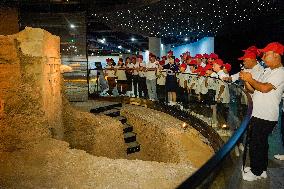
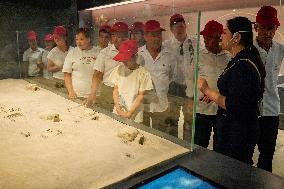
People visit the Wei and Jin Dynasties Ancient Tombs Site Museum in Kuqa City, northwest China's Xinjiang Uygur Autonomous Region, July 15, 2024. An underground museum of the Wei and Jin dynasties (220-420) ancient tombs opened on Monday in Kuqa County, an area that previously belonged to the ancient Qiuci State. The Qiuci State, which commenced in the second century BC and existed for more than 1,000 years, was one of the 36 states in the Western Regions, a term used in the Han Dynasty (206 BC-220 AD) for areas west of the Yumen Pass, including present Xinjiang and parts of Central Asia. This in-situ museum with an exhibition space of 5,000 square meters was built to protect 15 brick tomb chambers discovered in 2007 during the construction of the Youyi Road underground pass. The discovery was one of China's top ten new archaeological discoveries that year. The tomb complex was built in consistence with the Han Dynasty style brick-chambered tombs found in the central China region and along the Hexi Corridor,

  •  
Wei And Jin Dynasties Ancient Tombs Site Museum - Kuqa City

Wei And Jin Dynasties Ancient Tombs Site Museum - Kuqa City

This photo taken on July 15, 2024. An underground museum of the Wei and Jin dynasties (220-420) ancient tombs opened on Monday in Kuqa County, an area that previously belonged to the ancient Qiuci State. The Qiuci State, which commenced in the second century BC and existed for more than 1,000 years, was one of the 36 states in the Western Regions, a term used in the Han Dynasty (206 BC-220 AD) for areas west of the Yumen Pass, including present Xinjiang and parts of Central Asia. This in-situ museum with an exhibition space of 5,000 square meters was built to protect 15 brick tomb chambers discovered in 2007 during the construction of the Youyi Road underground pass. The discovery was one of China's top ten new archaeological discoveries that year. The tomb complex was built in consistence with the Han Dynasty style brick-chambered tombs found in the central China region and along the Hexi Corridor, stretching over a distance of nearly 1,000 kilometers in northwest China's Gansu Province, which is home to fiv

  •  
Wei And Jin Dynasties Ancient Tombs Site Museum - Kuqa City

Wei And Jin Dynasties Ancient Tombs Site Museum - Kuqa City

People visit the Wei and Jin Dynasties Ancient Tombs Site Museum in Kuqa City, northwest China's Xinjiang Uygur Autonomous Region, July 15, 2024. An underground museum of the Wei and Jin dynasties (220-420) ancient tombs opened on Monday in Kuqa County, an area that previously belonged to the ancient Qiuci State. The Qiuci State, which commenced in the second century BC and existed for more than 1,000 years, was one of the 36 states in the Western Regions, a term used in the Han Dynasty (206 BC-220 AD) for areas west of the Yumen Pass, including present Xinjiang and parts of Central Asia. This in-situ museum with an exhibition space of 5,000 square meters was built to protect 15 brick tomb chambers discovered in 2007 during the construction of the Youyi Road underground pass. The discovery was one of China's top ten new archaeological discoveries that year. The tomb complex was built in consistence with the Han Dynasty style brick-chambered tombs found in the central China region and along the Hexi Corridor,

  •  
Wei And Jin Dynasties Ancient Tombs Site Museum - Kuqa City

Wei And Jin Dynasties Ancient Tombs Site Museum - Kuqa City

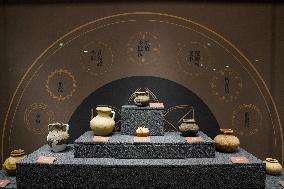
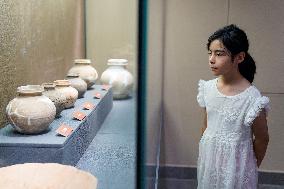
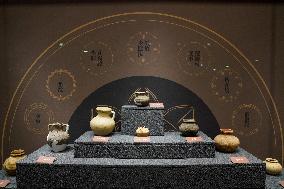
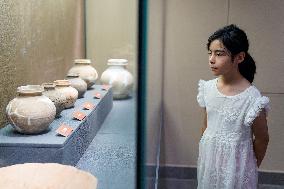
Potteries are exhibited at the Wei and Jin Dynasties Ancient Tombs Site Museum in Kuqa City, northwest China's Xinjiang Uygur Autonomous Region, July 15, 2024. An underground museum of the Wei and Jin dynasties (220-420) ancient tombs opened on Monday in Kuqa County, an area that previously belonged to the ancient Qiuci State. The Qiuci State, which commenced in the second century BC and existed for more than 1,000 years, was one of the 36 states in the Western Regions, a term used in the Han Dynasty (206 BC-220 AD) for areas west of the Yumen Pass, including present Xinjiang and parts of Central Asia. This in-situ museum with an exhibition space of 5,000 square meters was built to protect 15 brick tomb chambers discovered in 2007 during the construction of the Youyi Road underground pass. The discovery was one of China's top ten new archaeological discoveries that year. The tomb complex was built in consistence with the Han Dynasty style brick-chambered tombs found in the central China region and along the H

  •  
Wei And Jin Dynasties Ancient Tombs Site Museum - Kuqa City

Wei And Jin Dynasties Ancient Tombs Site Museum - Kuqa City

People visit the Wei and Jin Dynasties Ancient Tombs Site Museum in Kuqa City, northwest China's Xinjiang Uygur Autonomous Region, July 15, 2024. An underground museum of the Wei and Jin dynasties (220-420) ancient tombs opened on Monday in Kuqa County, an area that previously belonged to the ancient Qiuci State. The Qiuci State, which commenced in the second century BC and existed for more than 1,000 years, was one of the 36 states in the Western Regions, a term used in the Han Dynasty (206 BC-220 AD) for areas west of the Yumen Pass, including present Xinjiang and parts of Central Asia. This in-situ museum with an exhibition space of 5,000 square meters was built to protect 15 brick tomb chambers discovered in 2007 during the construction of the Youyi Road underground pass. The discovery was one of China's top ten new archaeological discoveries that year. The tomb complex was built in consistence with the Han Dynasty style brick-chambered tombs found in the central China region and along the Hexi Corridor,

  •  
Wei And Jin Dynasties Ancient Tombs Site Museum - Kuqa City

Wei And Jin Dynasties Ancient Tombs Site Museum - Kuqa City

This photo taken on July 15, 2024. An underground museum of the Wei and Jin dynasties (220-420) ancient tombs opened on Monday in Kuqa County, an area that previously belonged to the ancient Qiuci State. The Qiuci State, which commenced in the second century BC and existed for more than 1,000 years, was one of the 36 states in the Western Regions, a term used in the Han Dynasty (206 BC-220 AD) for areas west of the Yumen Pass, including present Xinjiang and parts of Central Asia. This in-situ museum with an exhibition space of 5,000 square meters was built to protect 15 brick tomb chambers discovered in 2007 during the construction of the Youyi Road underground pass. The discovery was one of China's top ten new archaeological discoveries that year. The tomb complex was built in consistence with the Han Dynasty style brick-chambered tombs found in the central China region and along the Hexi Corridor, stretching over a distance of nearly 1,000 kilometers in northwest China's Gansu Province, which is home to fiv

  •  
Wei And Jin Dynasties Ancient Tombs Site Museum - Kuqa City

Wei And Jin Dynasties Ancient Tombs Site Museum - Kuqa City

People visit the Wei and Jin Dynasties Ancient Tombs Site Museum in Kuqa City, northwest China's Xinjiang Uygur Autonomous Region, July 15, 2024. An underground museum of the Wei and Jin dynasties (220-420) ancient tombs opened on Monday in Kuqa County, an area that previously belonged to the ancient Qiuci State. The Qiuci State, which commenced in the second century BC and existed for more than 1,000 years, was one of the 36 states in the Western Regions, a term used in the Han Dynasty (206 BC-220 AD) for areas west of the Yumen Pass, including present Xinjiang and parts of Central Asia. This in-situ museum with an exhibition space of 5,000 square meters was built to protect 15 brick tomb chambers discovered in 2007 during the construction of the Youyi Road underground pass. The discovery was one of China's top ten new archaeological discoveries that year. The tomb complex was built in consistence with the Han Dynasty style brick-chambered tombs found in the central China region and along the Hexi Corridor,

  •  
Wei And Jin Dynasties Ancient Tombs Site Museum - Kuqa City

Wei And Jin Dynasties Ancient Tombs Site Museum - Kuqa City

People visit the Wei and Jin Dynasties Ancient Tombs Site Museum in Kuqa City, northwest China's Xinjiang Uygur Autonomous Region, July 15, 2024. An underground museum of the Wei and Jin dynasties (220-420) ancient tombs opened on Monday in Kuqa County, an area that previously belonged to the ancient Qiuci State. The Qiuci State, which commenced in the second century BC and existed for more than 1,000 years, was one of the 36 states in the Western Regions, a term used in the Han Dynasty (206 BC-220 AD) for areas west of the Yumen Pass, including present Xinjiang and parts of Central Asia. This in-situ museum with an exhibition space of 5,000 square meters was built to protect 15 brick tomb chambers discovered in 2007 during the construction of the Youyi Road underground pass. The discovery was one of China's top ten new archaeological discoveries that year. The tomb complex was built in consistence with the Han Dynasty style brick-chambered tombs found in the central China region and along the Hexi Corridor,

  •  
Wei And Jin Dynasties Ancient Tombs Site Museum - Kuqa City

Wei And Jin Dynasties Ancient Tombs Site Museum - Kuqa City

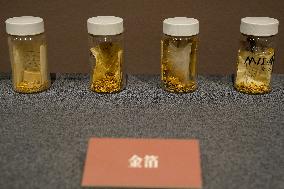
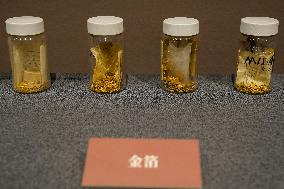
Gold foils are exhibited at the Wei and Jin Dynasties Ancient Tombs Site Museum in Kuqa City, northwest China's Xinjiang Uygur Autonomous Region, July 15, 2024. An underground museum of the Wei and Jin dynasties (220-420) ancient tombs opened on Monday in Kuqa County, an area that previously belonged to the ancient Qiuci State. The Qiuci State, which commenced in the second century BC and existed for more than 1,000 years, was one of the 36 states in the Western Regions, a term used in the Han Dynasty (206 BC-220 AD) for areas west of the Yumen Pass, including present Xinjiang and parts of Central Asia. This in-situ museum with an exhibition space of 5,000 square meters was built to protect 15 brick tomb chambers discovered in 2007 during the construction of the Youyi Road underground pass. The discovery was one of China's top ten new archaeological discoveries that year. The tomb complex was built in consistence with the Han Dynasty style brick-chambered tombs found in the central China region and along the

  •  
Wei And Jin Dynasties Ancient Tombs Site Museum - Kuqa City

Wei And Jin Dynasties Ancient Tombs Site Museum - Kuqa City

People visit the Wei and Jin Dynasties Ancient Tombs Site Museum in Kuqa City, northwest China's Xinjiang Uygur Autonomous Region, July 15, 2024. An underground museum of the Wei and Jin dynasties (220-420) ancient tombs opened on Monday in Kuqa County, an area that previously belonged to the ancient Qiuci State. The Qiuci State, which commenced in the second century BC and existed for more than 1,000 years, was one of the 36 states in the Western Regions, a term used in the Han Dynasty (206 BC-220 AD) for areas west of the Yumen Pass, including present Xinjiang and parts of Central Asia. This in-situ museum with an exhibition space of 5,000 square meters was built to protect 15 brick tomb chambers discovered in 2007 during the construction of the Youyi Road underground pass. The discovery was one of China's top ten new archaeological discoveries that year. The tomb complex was built in consistence with the Han Dynasty style brick-chambered tombs found in the central China region and along the Hexi Corridor,

  •  
Wei And Jin Dynasties Ancient Tombs Site Museum - Kuqa City

Wei And Jin Dynasties Ancient Tombs Site Museum - Kuqa City

People visit the Wei and Jin Dynasties Ancient Tombs Site Museum in Kuqa City, northwest China's Xinjiang Uygur Autonomous Region, July 15, 2024. An underground museum of the Wei and Jin dynasties (220-420) ancient tombs opened on Monday in Kuqa County, an area that previously belonged to the ancient Qiuci State. The Qiuci State, which commenced in the second century BC and existed for more than 1,000 years, was one of the 36 states in the Western Regions, a term used in the Han Dynasty (206 BC-220 AD) for areas west of the Yumen Pass, including present Xinjiang and parts of Central Asia. This in-situ museum with an exhibition space of 5,000 square meters was built to protect 15 brick tomb chambers discovered in 2007 during the construction of the Youyi Road underground pass. The discovery was one of China's top ten new archaeological discoveries that year. The tomb complex was built in consistence with the Han Dynasty style brick-chambered tombs found in the central China region and along the Hexi Corridor,

  •  
Wei And Jin Dynasties Ancient Tombs Site Museum - Kuqa City

Wei And Jin Dynasties Ancient Tombs Site Museum - Kuqa City

A visitor views exhibits at the Wei and Jin Dynasties Ancient Tombs Site Museum in Kuqa City, northwest China's Xinjiang Uygur Autonomous Region, July 15, 2024. An underground museum of the Wei and Jin dynasties (220-420) ancient tombs opened on Monday in Kuqa County, an area that previously belonged to the ancient Qiuci State. The Qiuci State, which commenced in the second century BC and existed for more than 1,000 years, was one of the 36 states in the Western Regions, a term used in the Han Dynasty (206 BC-220 AD) for areas west of the Yumen Pass, including present Xinjiang and parts of Central Asia. This in-situ museum with an exhibition space of 5,000 square meters was built to protect 15 brick tomb chambers discovered in 2007 during the construction of the Youyi Road underground pass. The discovery was one of China's top ten new archaeological discoveries that year. The tomb complex was built in consistence with the Han Dynasty style brick-chambered tombs found in the central China region and along the

  •  
Wei And Jin Dynasties Ancient Tombs Site Museum - Kuqa City

Wei And Jin Dynasties Ancient Tombs Site Museum - Kuqa City

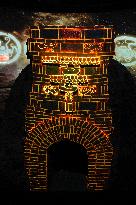
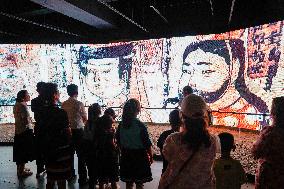
Exhibits powered by digital technologies are pictured at the Wei and Jin Dynasties Ancient Tombs Site Museum in Kuqa City, northwest China's Xinjiang Uygur Autonomous Region, July 15, 2024. An underground museum of the Wei and Jin dynasties (220-420) ancient tombs opened on Monday in Kuqa County, an area that previously belonged to the ancient Qiuci State. The Qiuci State, which commenced in the second century BC and existed for more than 1,000 years, was one of the 36 states in the Western Regions, a term used in the Han Dynasty (206 BC-220 AD) for areas west of the Yumen Pass, including present Xinjiang and parts of Central Asia. This in-situ museum with an exhibition space of 5,000 square meters was built to protect 15 brick tomb chambers discovered in 2007 during the construction of the Youyi Road underground pass. The discovery was one of China's top ten new archaeological discoveries that year. The tomb complex was built in consistence with the Han Dynasty style brick-chambered tombs found in the centra

  •  
CHINA-XINJIANG-KUQA-TOMBS SITE MUSEUM-OPEN (CN)

CHINA-XINJIANG-KUQA-TOMBS SITE MUSEUM-OPEN (CN)

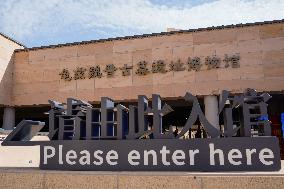
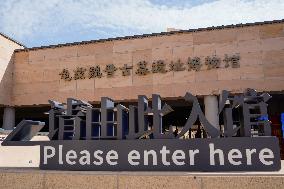
(240715) -- KUQA, July 15, 2024 Photo by Xinhua/ABACAPRESS.COM) -- This photo taken on July 15, 2024 shows an exterior view of the Wei and Jin Dynasties Ancient Tombs Site Museum in Kuqa City, northwest China's Xinjiang Uygur Autonomous Region. An underground museum of the Wei and Jin dynasties (220-420) ancient tombs opened on Monday in Kuqa County, an area that previously belonged to the ancient Qiuci State. The Qiuci State, which commenced in the second century BC and existed for more than 1,000 years, was one of the 36 states in the Western Regions, a term used in the Han Dynasty (206 BC-220 AD) for areas west of the Yumen Pass, including present Xinjiang and parts of Central Asia. This in-situ museum with an exhibition space of 5,000 square meters was built to protect 15 brick tomb chambers discovered in 2007 during the construction of the Youyi Road underground pass. The discovery was one of China's top ten new archaeological discoveries that year. The tomb complex was built in consistence with the Han

  •  
CHINA-XINJIANG-KUQA-TOMBS SITE MUSEUM-OPEN (CN)

CHINA-XINJIANG-KUQA-TOMBS SITE MUSEUM-OPEN (CN)

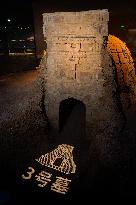
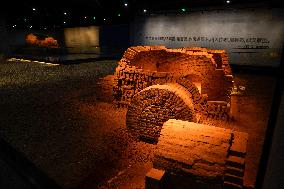
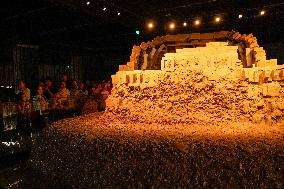
(240715) -- KUQA, July 15, 2024 Photo by Xinhua/ABACAPRESS.COM) -- This photo taken on July 15, 2024 shows a tomb exhibited at the Wei and Jin Dynasties Ancient Tombs Site Museum in Kuqa City, northwest China's Xinjiang Uygur Autonomous Region. An underground museum of the Wei and Jin dynasties (220-420) ancient tombs opened on Monday in Kuqa County, an area that previously belonged to the ancient Qiuci State. The Qiuci State, which commenced in the second century BC and existed for more than 1,000 years, was one of the 36 states in the Western Regions, a term used in the Han Dynasty (206 BC-220 AD) for areas west of the Yumen Pass, including present Xinjiang and parts of Central Asia. This in-situ museum with an exhibition space of 5,000 square meters was built to protect 15 brick tomb chambers discovered in 2007 during the construction of the Youyi Road underground pass. The discovery was one of China's top ten new archaeological discoveries that year. The tomb complex was built in consistence with the Han

  •  
CHINA-XINJIANG-KUQA-TOMBS SITE MUSEUM-OPEN (CN)

CHINA-XINJIANG-KUQA-TOMBS SITE MUSEUM-OPEN (CN)

(240715) -- KUQA, July 15, 2024 Photo by Xinhua/ABACAPRESS.COM) -- People visit the Wei and Jin Dynasties Ancient Tombs Site Museum in Kuqa City, northwest China's Xinjiang Uygur Autonomous Region, July 15, 2024. An underground museum of the Wei and Jin dynasties (220-420) ancient tombs opened on Monday in Kuqa County, an area that previously belonged to the ancient Qiuci State. The Qiuci State, which commenced in the second century BC and existed for more than 1,000 years, was one of the 36 states in the Western Regions, a term used in the Han Dynasty (206 BC-220 AD) for areas west of the Yumen Pass, including present Xinjiang and parts of Central Asia. This in-situ museum with an exhibition space of 5,000 square meters was built to protect 15 brick tomb chambers discovered in 2007 during the construction of the Youyi Road underground pass. The discovery was one of China's top ten new archaeological discoveries that year. The tomb complex was built in consistence with the Han Dynasty style brick-chambered to

  •  
CHINA-XINJIANG-KUQA-TOMBS SITE MUSEUM-OPEN (CN)

CHINA-XINJIANG-KUQA-TOMBS SITE MUSEUM-OPEN (CN)

(240715) -- KUQA, July 15, 2024 Photo by Xinhua/ABACAPRESS.COM) -- People visit the Wei and Jin Dynasties Ancient Tombs Site Museum in Kuqa City, northwest China's Xinjiang Uygur Autonomous Region, July 15, 2024. An underground museum of the Wei and Jin dynasties (220-420) ancient tombs opened on Monday in Kuqa County, an area that previously belonged to the ancient Qiuci State. The Qiuci State, which commenced in the second century BC and existed for more than 1,000 years, was one of the 36 states in the Western Regions, a term used in the Han Dynasty (206 BC-220 AD) for areas west of the Yumen Pass, including present Xinjiang and parts of Central Asia. This in-situ museum with an exhibition space of 5,000 square meters was built to protect 15 brick tomb chambers discovered in 2007 during the construction of the Youyi Road underground pass. The discovery was one of China's top ten new archaeological discoveries that year. The tomb complex was built in consistence with the Han Dynasty style brick-chambered to

  •  
CHINA-XINJIANG-KUQA-TOMBS SITE MUSEUM-OPEN (CN)

CHINA-XINJIANG-KUQA-TOMBS SITE MUSEUM-OPEN (CN)

(240715) -- KUQA, July 15, 2024 Photo by Xinhua/ABACAPRESS.COM) -- This photo taken on July 15, 2024 shows an exterior view of the Wei and Jin Dynasties Ancient Tombs Site Museum in Kuqa City, northwest China's Xinjiang Uygur Autonomous Region. An underground museum of the Wei and Jin dynasties (220-420) ancient tombs opened on Monday in Kuqa County, an area that previously belonged to the ancient Qiuci State. The Qiuci State, which commenced in the second century BC and existed for more than 1,000 years, was one of the 36 states in the Western Regions, a term used in the Han Dynasty (206 BC-220 AD) for areas west of the Yumen Pass, including present Xinjiang and parts of Central Asia. This in-situ museum with an exhibition space of 5,000 square meters was built to protect 15 brick tomb chambers discovered in 2007 during the construction of the Youyi Road underground pass. The discovery was one of China's top ten new archaeological discoveries that year. The tomb complex was built in consistence with the Han

  •  
CHINA-XINJIANG-KUQA-TOMBS SITE MUSEUM-OPEN (CN)

CHINA-XINJIANG-KUQA-TOMBS SITE MUSEUM-OPEN (CN)

(240715) -- KUQA, July 15, 2024 Photo by Xinhua/ABACAPRESS.COM) -- People visit the Wei and Jin Dynasties Ancient Tombs Site Museum in Kuqa City, northwest China's Xinjiang Uygur Autonomous Region, July 15, 2024. An underground museum of the Wei and Jin dynasties (220-420) ancient tombs opened on Monday in Kuqa County, an area that previously belonged to the ancient Qiuci State. The Qiuci State, which commenced in the second century BC and existed for more than 1,000 years, was one of the 36 states in the Western Regions, a term used in the Han Dynasty (206 BC-220 AD) for areas west of the Yumen Pass, including present Xinjiang and parts of Central Asia. This in-situ museum with an exhibition space of 5,000 square meters was built to protect 15 brick tomb chambers discovered in 2007 during the construction of the Youyi Road underground pass. The discovery was one of China's top ten new archaeological discoveries that year. The tomb complex was built in consistence with the Han Dynasty style brick-chambered to

  •  
CHINA-XINJIANG-KUQA-TOMBS SITE MUSEUM-OPEN (CN)

CHINA-XINJIANG-KUQA-TOMBS SITE MUSEUM-OPEN (CN)

(240715) -- KUQA, July 15, 2024 Photo by Xinhua/ABACAPRESS.COM) -- Potteries are exhibited at the Wei and Jin Dynasties Ancient Tombs Site Museum in Kuqa City, northwest China's Xinjiang Uygur Autonomous Region, July 15, 2024. An underground museum of the Wei and Jin dynasties (220-420) ancient tombs opened on Monday in Kuqa County, an area that previously belonged to the ancient Qiuci State. The Qiuci State, which commenced in the second century BC and existed for more than 1,000 years, was one of the 36 states in the Western Regions, a term used in the Han Dynasty (206 BC-220 AD) for areas west of the Yumen Pass, including present Xinjiang and parts of Central Asia. This in-situ museum with an exhibition space of 5,000 square meters was built to protect 15 brick tomb chambers discovered in 2007 during the construction of the Youyi Road underground pass. The discovery was one of China's top ten new archaeological discoveries that year. The tomb complex was built in consistence with the Han Dynasty style bric

  •  
CHINA-XINJIANG-KUQA-TOMBS SITE MUSEUM-OPEN (CN)

CHINA-XINJIANG-KUQA-TOMBS SITE MUSEUM-OPEN (CN)

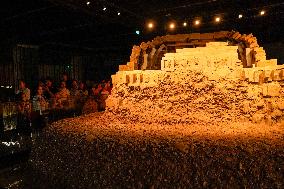
(240715) -- KUQA, July 15, 2024 Photo by Xinhua/ABACAPRESS.COM) -- This photo taken on July 15, 2024 shows an interior view of the Wei and Jin Dynasties Ancient Tombs Site Museum in Kuqa City, northwest China's Xinjiang Uygur Autonomous Region. An underground museum of the Wei and Jin dynasties (220-420) ancient tombs opened on Monday in Kuqa County, an area that previously belonged to the ancient Qiuci State. The Qiuci State, which commenced in the second century BC and existed for more than 1,000 years, was one of the 36 states in the Western Regions, a term used in the Han Dynasty (206 BC-220 AD) for areas west of the Yumen Pass, including present Xinjiang and parts of Central Asia. This in-situ museum with an exhibition space of 5,000 square meters was built to protect 15 brick tomb chambers discovered in 2007 during the construction of the Youyi Road underground pass. The discovery was one of China's top ten new archaeological discoveries that year. The tomb complex was built in consistence with the Han

  •  
CHINA-XINJIANG-KUQA-TOMBS SITE MUSEUM-OPEN (CN)

CHINA-XINJIANG-KUQA-TOMBS SITE MUSEUM-OPEN (CN)

(240715) -- KUQA, July 15, 2024 Photo by Xinhua/ABACAPRESS.COM) -- People visit the Wei and Jin Dynasties Ancient Tombs Site Museum in Kuqa City, northwest China's Xinjiang Uygur Autonomous Region, July 15, 2024. An underground museum of the Wei and Jin dynasties (220-420) ancient tombs opened on Monday in Kuqa County, an area that previously belonged to the ancient Qiuci State. The Qiuci State, which commenced in the second century BC and existed for more than 1,000 years, was one of the 36 states in the Western Regions, a term used in the Han Dynasty (206 BC-220 AD) for areas west of the Yumen Pass, including present Xinjiang and parts of Central Asia. This in-situ museum with an exhibition space of 5,000 square meters was built to protect 15 brick tomb chambers discovered in 2007 during the construction of the Youyi Road underground pass. The discovery was one of China's top ten new archaeological discoveries that year. The tomb complex was built in consistence with the Han Dynasty style brick-chambered to

  •  
CHINA-XINJIANG-KUQA-TOMBS SITE MUSEUM-OPEN (CN)

CHINA-XINJIANG-KUQA-TOMBS SITE MUSEUM-OPEN (CN)

(240715) -- KUQA, July 15, 2024 Photo by Xinhua/ABACAPRESS.COM) -- People visit the Wei and Jin Dynasties Ancient Tombs Site Museum in Kuqa City, northwest China's Xinjiang Uygur Autonomous Region, July 15, 2024. An underground museum of the Wei and Jin dynasties (220-420) ancient tombs opened on Monday in Kuqa County, an area that previously belonged to the ancient Qiuci State. The Qiuci State, which commenced in the second century BC and existed for more than 1,000 years, was one of the 36 states in the Western Regions, a term used in the Han Dynasty (206 BC-220 AD) for areas west of the Yumen Pass, including present Xinjiang and parts of Central Asia. This in-situ museum with an exhibition space of 5,000 square meters was built to protect 15 brick tomb chambers discovered in 2007 during the construction of the Youyi Road underground pass. The discovery was one of China's top ten new archaeological discoveries that year. The tomb complex was built in consistence with the Han Dynasty style brick-chambered to

  •  
CHINA-XINJIANG-KUQA-TOMBS SITE MUSEUM-OPEN (CN)

CHINA-XINJIANG-KUQA-TOMBS SITE MUSEUM-OPEN (CN)

(240715) -- KUQA, July 15, 2024 Photo by Xinhua/ABACAPRESS.COM) -- Visitors wear VR sets for exhibitions at the Wei and Jin Dynasties Ancient Tombs Site Museum in Kuqa City, northwest China's Xinjiang Uygur Autonomous Region, July 15, 2024. An underground museum of the Wei and Jin dynasties (220-420) ancient tombs opened on Monday in Kuqa County, an area that previously belonged to the ancient Qiuci State. The Qiuci State, which commenced in the second century BC and existed for more than 1,000 years, was one of the 36 states in the Western Regions, a term used in the Han Dynasty (206 BC-220 AD) for areas west of the Yumen Pass, including present Xinjiang and parts of Central Asia. This in-situ museum with an exhibition space of 5,000 square meters was built to protect 15 brick tomb chambers discovered in 2007 during the construction of the Youyi Road underground pass. The discovery was one of China's top ten new archaeological discoveries that year. The tomb complex was built in consistence with the Han Dyna

  •  
CHINA-XINJIANG-KUQA-TOMBS SITE MUSEUM-OPEN (CN)

CHINA-XINJIANG-KUQA-TOMBS SITE MUSEUM-OPEN (CN)

(240715) -- KUQA, July 15, 2024 Photo by Xinhua/ABACAPRESS.COM) -- Gold foils are exhibited at the Wei and Jin Dynasties Ancient Tombs Site Museum in Kuqa City, northwest China's Xinjiang Uygur Autonomous Region, July 15, 2024. An underground museum of the Wei and Jin dynasties (220-420) ancient tombs opened on Monday in Kuqa County, an area that previously belonged to the ancient Qiuci State. The Qiuci State, which commenced in the second century BC and existed for more than 1,000 years, was one of the 36 states in the Western Regions, a term used in the Han Dynasty (206 BC-220 AD) for areas west of the Yumen Pass, including present Xinjiang and parts of Central Asia. This in-situ museum with an exhibition space of 5,000 square meters was built to protect 15 brick tomb chambers discovered in 2007 during the construction of the Youyi Road underground pass. The discovery was one of China's top ten new archaeological discoveries that year. The tomb complex was built in consistence with the Han Dynasty style bri

  •  
CHINA-XINJIANG-KUQA-TOMBS SITE MUSEUM-OPEN (CN)

CHINA-XINJIANG-KUQA-TOMBS SITE MUSEUM-OPEN (CN)

(240715) -- KUQA, July 15, 2024 Photo by Xinhua/ABACAPRESS.COM) -- People visit the Wei and Jin Dynasties Ancient Tombs Site Museum in Kuqa City, northwest China's Xinjiang Uygur Autonomous Region, July 15, 2024. An underground museum of the Wei and Jin dynasties (220-420) ancient tombs opened on Monday in Kuqa County, an area that previously belonged to the ancient Qiuci State. The Qiuci State, which commenced in the second century BC and existed for more than 1,000 years, was one of the 36 states in the Western Regions, a term used in the Han Dynasty (206 BC-220 AD) for areas west of the Yumen Pass, including present Xinjiang and parts of Central Asia. This in-situ museum with an exhibition space of 5,000 square meters was built to protect 15 brick tomb chambers discovered in 2007 during the construction of the Youyi Road underground pass. The discovery was one of China's top ten new archaeological discoveries that year. The tomb complex was built in consistence with the Han Dynasty style brick-chambered to

  •  
CHINA-XINJIANG-KUQA-TOMBS SITE MUSEUM-OPEN (CN)

CHINA-XINJIANG-KUQA-TOMBS SITE MUSEUM-OPEN (CN)

(240715) -- KUQA, July 15, 2024 Photo by Xinhua/ABACAPRESS.COM) -- People visit the Wei and Jin Dynasties Ancient Tombs Site Museum in Kuqa City, northwest China's Xinjiang Uygur Autonomous Region, July 15, 2024. An underground museum of the Wei and Jin dynasties (220-420) ancient tombs opened on Monday in Kuqa County, an area that previously belonged to the ancient Qiuci State. The Qiuci State, which commenced in the second century BC and existed for more than 1,000 years, was one of the 36 states in the Western Regions, a term used in the Han Dynasty (206 BC-220 AD) for areas west of the Yumen Pass, including present Xinjiang and parts of Central Asia. This in-situ museum with an exhibition space of 5,000 square meters was built to protect 15 brick tomb chambers discovered in 2007 during the construction of the Youyi Road underground pass. The discovery was one of China's top ten new archaeological discoveries that year. The tomb complex was built in consistence with the Han Dynasty style brick-chambered to

  •  
CHINA-XINJIANG-KUQA-TOMBS SITE MUSEUM-OPEN (CN)

CHINA-XINJIANG-KUQA-TOMBS SITE MUSEUM-OPEN (CN)

(240715) -- KUQA, July 15, 2024 Photo by Xinhua/ABACAPRESS.COM) -- A visitor views exhibits at the Wei and Jin Dynasties Ancient Tombs Site Museum in Kuqa City, northwest China's Xinjiang Uygur Autonomous Region, July 15, 2024. An underground museum of the Wei and Jin dynasties (220-420) ancient tombs opened on Monday in Kuqa County, an area that previously belonged to the ancient Qiuci State. The Qiuci State, which commenced in the second century BC and existed for more than 1,000 years, was one of the 36 states in the Western Regions, a term used in the Han Dynasty (206 BC-220 AD) for areas west of the Yumen Pass, including present Xinjiang and parts of Central Asia. This in-situ museum with an exhibition space of 5,000 square meters was built to protect 15 brick tomb chambers discovered in 2007 during the construction of the Youyi Road underground pass. The discovery was one of China's top ten new archaeological discoveries that year. The tomb complex was built in consistence with the Han Dynasty style bri

  • Main
  • Top
  • Editorial
  • Creative
  • About Us
  • About ILG
  • Terms of use
  • Company
  • BEHIND
  • Price List
  • Single Plan
  • Monthly Plan
  • Services
  • Shooting
  • Rights Clearance
  • Support
  • FAQ
  • How To Buy
  • Contact Us
  • Become a Partner

© KYODO NEWS IMAGES INC

All Rights Reserved.

  • Editorial
  • Olympics
  • News
  • Sports
  • Japan
  • Tech
  • Royal
  • Disaster
  • NorthKorea
  • Old Japan
  • SNS
  • Creative
  • Food
  • Japan
  • Landscape
  • Animal
  • Popular
  • #Ukraine
  • #Russia
  • #coronavirus
  • #N. Korea
  • #China
  • #Thailand
  • #Ukraine
  • #Russia
  • #coronavirus
  • #N. Korea
  • #China
  • #Thailand
  • Food
  • Japan
  • Landscape
  • Animal
  • Olympics
  • News
  • Sports
  • Japan
  • Tech
  • Royal
  • Disaster
  • NorthKorea
  • Old Japan
  • SNS