•  
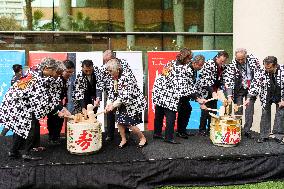
Riken NPR signboard and logo

Riken NPR signboard and logo

Riken NPR signboard and logo=July 29,2025,Tokyo

  •  
Riken NPR signboard and logo

Riken NPR signboard and logo

Riken NPR signboard and logo=July 29,2025,Tokyo

  •  
Riken NPR signboard and logo

Riken NPR signboard and logo

Riken NPR signboard and logo=July 29,2025,Tokyo

  •  
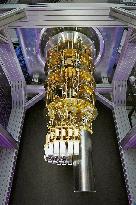
RIKEN and Fujitsu's superconducting quantum computer briefing

RIKEN and Fujitsu's superconducting quantum computer briefing

RIKEN and Fujitsu's superconducting quantum computer briefing. Photo shows the 256-qubit superconducting quantum computer that was unveiled.=April 22,2025,Japan

  •  
RIKEN and Fujitsu's superconducting quantum computer briefing

RIKEN and Fujitsu's superconducting quantum computer briefing

RIKEN and Fujitsu superconducting quantum computer briefing. Photo shows 256 qubit chip.=April 22,2025,Japan

  •  
RIKEN and Fujitsu's superconducting quantum computer briefing

RIKEN and Fujitsu's superconducting quantum computer briefing

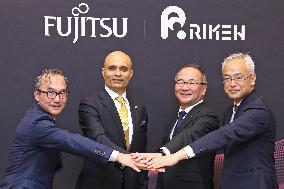
RIKEN and Fujitsu superconducting quantum computer briefing. Photo shows Shintaro Sato, Fellow and Director of the Quantum Research Institute at Fujitsu Laboratories; Vivek Mahajan, Vice President of Fujitsu; Masashi Kawasaki, Executive Director of RIKEN; and Yasunobu Nakamura, Director of RIKEN's Quantum Computing Research Center.=April 22,2025,Japan

  •  
RIKEN and Fujitsu's superconducting quantum computer briefing

RIKEN and Fujitsu's superconducting quantum computer briefing

RIKEN and Fujitsu's superconducting quantum computer briefing. Photo shows the 256-qubit superconducting quantum computer that was unveiled.=April 22,2025,Japan

  •  
Riken Seiki signage and logo

Riken Seiki signage and logo

Signboard and logo of RIKEN SEIKI. (Photo taken at JIMTOF2024)=November 6,2024,Tokyo,Japan

  •  
Supercomputer “Fugaku”

Supercomputer “Fugaku”

Supercomputer “Fugaku”. (Photo taken at the RIKEN Center for Computational Science)=September 18,2024,Hyogo, Japan

  •  
Supercomputer “Fugaku”

Supercomputer “Fugaku”

Supercomputer “Fugaku”. (Photo taken at the RIKEN Center for Computational Science)=September 18,2024,Hyogo, Japan

  •  
Supercomputer “Fugaku”

Supercomputer “Fugaku”

Supercomputer “Fugaku”. (Photo taken at the RIKEN Center for Computational Science)=September 18,2024,Hyogo, Japan

  •  
Supercomputer “Fugaku”

Supercomputer “Fugaku”

Supercomputer “Fugaku”. (Photo taken at the RIKEN Center for Computational Science)=September 18,2024,Hyogo, Japan

  •  
Supercomputer “Fugaku”

Supercomputer “Fugaku”

Supercomputer “Fugaku”. (Photo taken at the RIKEN Center for Computational Science)=September 18,2024,Hyogo, Japan

  •  
Supercomputer “Fugaku”

Supercomputer “Fugaku”

Supercomputer “Fugaku”. (Photo taken at the RIKEN Center for Computational Science)=September 18,2024,Hyogo, Japan

  •  
Supercomputer “Fugaku”

Supercomputer “Fugaku”

Supercomputer “Fugaku”. (Photo taken at the RIKEN Center for Computational Science)=September 18,2024,Hyogo, Japan

  •  
Supercomputer “Fugaku”

Supercomputer “Fugaku”

Supercomputer “Fugaku”. (Photo taken at the RIKEN Center for Computational Science)=September 18,2024,Hyogo, Japan

  •  
Supercomputer “Fugaku”

Supercomputer “Fugaku”

Supercomputer “Fugaku”. (Photo taken at the RIKEN Center for Computational Science)=September 18,2024,Hyogo, Japan

  •  
Supercomputer “Fugaku”

Supercomputer “Fugaku”

Supercomputer “Fugaku”. (Photo taken at the RIKEN Center for Computational Science)=September 18,2024,Hyogo, Japan

  •  
Supercomputer “Fugaku”

Supercomputer “Fugaku”

Supercomputer “Fugaku”. (Photo taken at the RIKEN Center for Computational Science)=September 18,2024,Hyogo, Japan

  •  
Inauguration of the Tokyo Atacama Observatory - TAO

Inauguration of the Tokyo Atacama Observatory - TAO

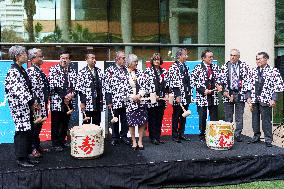
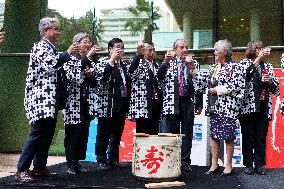
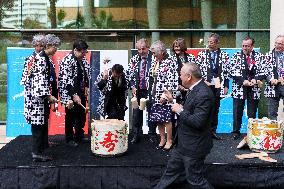
SANTIAGO, CHILE – APRIL 30: (L-R) Vice President of the University of Tokyo Ms. HAYASHI Kaori, President of the Comprehensive Research Institute of Natural Sciences in Japan, RIKEN Mr. GONOKAMI Makoto, Minister of State for Education, Culture, Sports, Science and Technology of Japan Mr. IMAEDA Soichiro, Former President of Chile Eduardo Frei, Ambassador of Japan in Chile Mrs. ITO Takako, Rector of the University of Chile Mrs. Rosa Devés, Rector of the University of Tokyo Prof. FUJII Teruo, Rector of the Pontifical Catholic University of Chile Mr. Ignacio Sánchez, Senator of the Republic of Chile Francisco Chahuán and the President, Chile-Japan Parliamentary Friendship League Mr. SHIONOYA Ryu, participate in the Kagami-Biraki for the good fortune and unity of the Tokyo Atacama Observatory – TAO project University of Tokyoon April 30, 2024 in Santiago, Chile. (Photo by Sebastián Vivallo Oñate/Agencia Makro)

  •  
Inauguration of the Tokyo Atacama Observatory - TAO

Inauguration of the Tokyo Atacama Observatory - TAO

SANTIAGO, CHILE – APRIL 30: (L-R) Vice President of the University of Tokyo Ms. HAYASHI Kaori, President of the Comprehensive Research Institute of Natural Sciences in Japan, RIKEN Mr. GONOKAMI Makoto, Minister of State for Education, Culture, Sports, Science and Technology of Japan Mr. IMAEDA Soichiro, Former President of Chile Eduardo Frei, Ambassador of Japan in Chile Mrs. ITO Takako, Rector of the University of Chile Mrs. Rosa Devés, Rector of the University of Tokyo Prof. FUJII Teruo, Rector of the Pontifical Catholic University of Chile Mr. Ignacio Sánchez, Senator of the Republic of Chile Francisco Chahuán and the President, Chile-Japan Parliamentary Friendship League Mr. SHIONOYA Ryu, participate in the Kagami-Biraki for the good fortune and unity of the Tokyo Atacama Observatory – TAO project University of Tokyoon April 30, 2024 in Santiago, Chile. (Photo by Sebastián Vivallo Oñate/Agencia Makro)

  •  
Inauguration of the Tokyo Atacama Observatory - TAO

Inauguration of the Tokyo Atacama Observatory - TAO

SANTIAGO, CHILE – APRIL 30: (L-R) Vice President of the University of Tokyo Ms. HAYASHI Kaori, President of the Comprehensive Research Institute of Natural Sciences in Japan, RIKEN Mr. GONOKAMI Makoto, Minister of State for Education, Culture, Sports, Science and Technology of Japan Mr. IMAEDA Soichiro, Former President of Chile Eduardo Frei, Ambassador of Japan in Chile Mrs. ITO Takako, Rector of the University of Chile Mrs. Rosa Devés, Rector of the University of Tokyo Prof. FUJII Teruo, Rector of the Pontifical Catholic University of Chile Mr. Ignacio Sánchez, Senator of the Republic of Chile Francisco Chahuán and the President, Chile-Japan Parliamentary Friendship League Mr. SHIONOYA Ryu, participate in the Kagami-Biraki for the good fortune and unity of the Tokyo Atacama Observatory – TAO project University of Tokyoon April 30, 2024 in Santiago, Chile. (Photo by Sebastián Vivallo Oñate/Agencia Makro)

  •  
Inauguration of the Tokyo Atacama Observatory - TAO

Inauguration of the Tokyo Atacama Observatory - TAO

SANTIAGO, CHILE – APRIL 30: (L-R) Vice President of the University of Tokyo Ms. HAYASHI Kaori, President of the Comprehensive Research Institute of Natural Sciences in Japan, RIKEN Mr. GONOKAMI Makoto, Minister of State for Education, Culture, Sports, Science and Technology of Japan Mr. IMAEDA Soichiro, Former President of Chile Eduardo Frei, Ambassador of Japan in Chile Mrs. ITO Takako, Rector of the University of Chile Mrs. Rosa Devés, Rector of the University of Tokyo Prof. FUJII Teruo, Rector of the Pontifical Catholic University of Chile Mr. Ignacio Sánchez, Senator of the Republic of Chile Francisco Chahuán and the President, Chile-Japan Parliamentary Friendship League Mr. SHIONOYA Ryu, participate in the Kagami-Biraki for the good fortune and unity of the Tokyo Atacama Observatory – TAO project University of Tokyoon April 30, 2024 in Santiago, Chile. (Photo by Sebastián Vivallo Oñate/Agencia Makro)

  •  
Inauguration of the Tokyo Atacama Observatory - TAO

Inauguration of the Tokyo Atacama Observatory - TAO

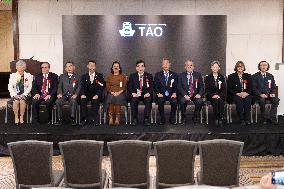
SANTIAGO, CHILE – APRIL 30: (L-R) Ambassador of Japan in Chile Mrs. ITO Takako, Rector of Pontifical Catholic University of Chile Mr. Ignacio Sánchez, President, Parliamentary League of Friendship Chile - Japan Mr. SHIONOYA Ryu, Minister of State of Education, Culture, Sports, Science and Technology of Japan Mr. IMAEDA Soichiro, Minister of Science, Technology, Knowledge and Innovation of Chile Aisén Etcheverry, President of the Comprehensive Research Institute of Natural Sciences in Japan, RIKEN Mr. GONOKAMI Makoto, Rector of the University of Tokyo Prof. FUJII Teruo, Former President of Chile Eduardo Frei, Vice President of the University of Tokyo Mrs. HAYASHI Kaori, Rector of the University of Chile Mrs. Rosa Devés, and Prof. Emeritus YOSHII Yuzuru, pose for the official photograph at the end of the ceremony inauguration of the Tokyo Atacama Observatory project - TAO of the University of Tokyo on April 30, 2024 in Santiago, Chile. (Photo by Sebastián Vivallo Oñate/Agencia Makro)

  •  
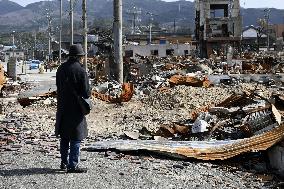
Japan architect Yamamoto

Japan architect Yamamoto

Japanese architect Riken Yamamoto visits the site of a gutted market in Wajima in Ishikawa Prefecture, central Japan, on March 18, 2024, after a blaze following a strong earthquake on Jan. 1 burned out the area.

  •  
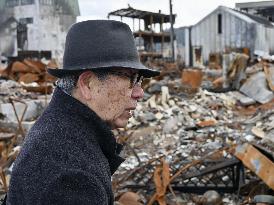
Japan architect Yamamoto

Japan architect Yamamoto

Japanese architect Riken Yamamoto visits the site of a gutted market in Wajima in Ishikawa Prefecture, central Japan, on March 18, 2024, after a blaze following a strong earthquake on Jan. 1 burned out the area.

  •  
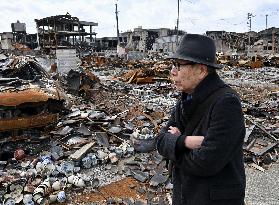
Japan architect Yamamoto

Japan architect Yamamoto

Japanese architect Riken Yamamoto visits the site of a gutted market in Wajima in Ishikawa Prefecture, central Japan, on March 18, 2024, after a blaze following a strong earthquake on Jan. 1 burned out the area.

  •  
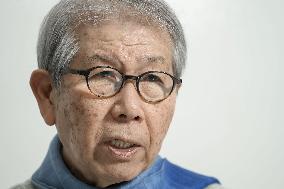
Japan architect Yamamoto

Japan architect Yamamoto

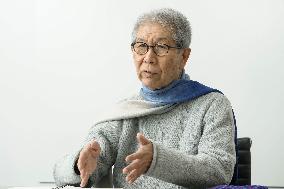
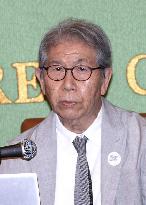
Japanese architect Riken Yamamoto gives an interview in Yokohama, near Tokyo, on March 12, 2024.

  •  
Japan architect Yamamoto

Japan architect Yamamoto

Japanese architect Riken Yamamoto gives an interview in Yokohama, near Tokyo, on March 12, 2024.

  •  
Japan architect Yamamoto

Japan architect Yamamoto

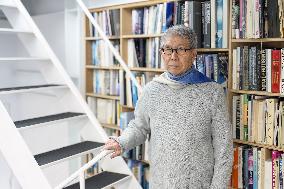
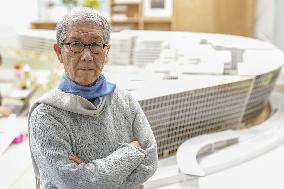
Japanese architect Riken Yamamoto poses for a photo as he gives an interview in Yokohama, near Tokyo, on March 12, 2024.

  •  
Japan architect Yamamoto

Japan architect Yamamoto

Japanese architect Riken Yamamoto poses for a photo as he gives an interview in Yokohama, near Tokyo, on March 12, 2024.

  •  
Architect Yamamoto wins U.S. Pritzker prize

Architect Yamamoto wins U.S. Pritzker prize

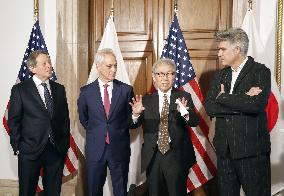
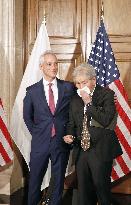
Architect Riken Yamamoto (2nd from R) meets the press alongside U.S. Ambassador to Japan Rahm Emanuel (3rd from R) in Tokyo on March 7, 2024, after winning the U.S. Pritzker prize, dubbed the Nobel prize of architecture.

  •  
Architect Yamamoto wins U.S. Pritzker prize

Architect Yamamoto wins U.S. Pritzker prize

Architect Riken Yamamoto (R) who won the 2024 U.S. Pritzker prize, dubbed the Nobel prize of architecture, gets emotional, alongside U.S. Ambassador to Japan Rahm Emanuel, during a meeting with the press at the U.S. embassy in Tokyo on March 7, 2024.

  •  
Architect Riken Yamamoto

Architect Riken Yamamoto

Undated file photo shows Japanese architect Riken Yamamoto. He has won the U.S. Pritzker prize, the organizer said on March 5, 2024.

  •  
Japan's first next-generation quantum computer

Japan's first next-generation quantum computer

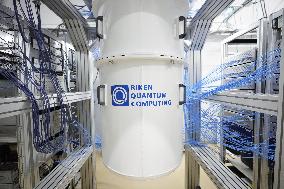
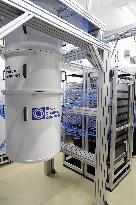
Photo taken on March 27, 2023, in Wako, Saitama Prefecture, near Tokyo, shows Japan's first domestically-built next-generation quantum computer developed by Riken research institute and its partners. The research institute and its partners allowed external researchers to start using the computer the same day.

  •  
Japan's first next-generation quantum computer

Japan's first next-generation quantum computer

Photo taken on March 27, 2023, in Wako, Saitama Prefecture, near Tokyo, shows Japan's first domestically-built next-generation quantum computer developed by Riken research institute and its partners. The research institute and its partners allowed external researchers to start using the computer the same day.

  •  
Japan's first next-generation quantum computer

Japan's first next-generation quantum computer

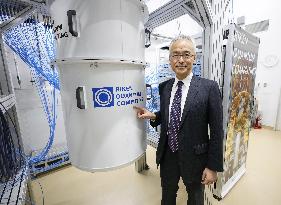
Yasunobu Nakamura, director of Riken Center for Quantum Computing at Riken research institute, shows Japan's first next-generation quantum computer developed by RIKEN research institute and its partners on March 27, 2023, in Wako, Saitama Prefecture, near Tokyo. The research institute and its partners allowed external researchers to start using the computer the same day.

  •  
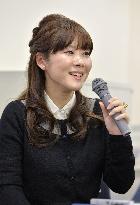
Haruko Obokata

Haruko Obokata

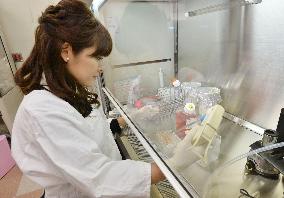
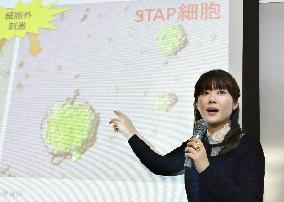
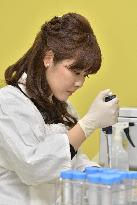
KOBE, Japan - Haruko Obokata, a scientist at Riken's Center for Developmental Biology in Kobe, speaks at a press conference in Kobe, Hyogo Prefecture, on Jan. 28, 2014, on "stimulus-triggered acquisition of pluripotency," or STAP, a method of generating pluripotent cells. A team of scientists led by Obokata has discovered, in research conducted by scientists at the state-backed Riken institute and Harvard University, that by simply exposing body cells to acidic liquids, the cells can be reprogrammed to grow into any type of mature tissue.

  •  
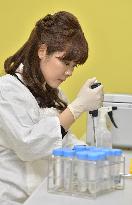
Haruko Obokata

Haruko Obokata

KOBE, Japan - Photo shows Haruko Obokata, a scientist at Riken's Center for Developmental Biology, at its laboratory in Kobe, Hyogo Prefecture, on Jan. 28, 2014. A team of scientists led by Obokata has discovered, in research conducted by scientists at the state-backed Riken institute and Harvard University, that by simply exposing body cells to acidic liquids, the cells can be reprogrammed to grow into any type of mature tissue.

  •  
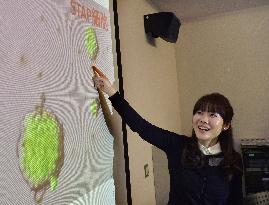
Haruko Obokata

Haruko Obokata

KOBE, Japan - Haruko Obokata, a scientist at Riken's Center for Developmental Biology in Kobe, speaks on "stimulus-triggered acquisition of pluripotency," or STAP, a method of generating pluripotent cells, in Kobe, Hyogo Prefecture, on Jan. 28, 2014. A team of scientists led by Obokata has discovered, in research conducted by scientists at the state-backed Riken institute and Harvard University, that by simply exposing body cells to acidic liquids, cells can be reprogrammed to grow into any type of mature tissue.

  •  
New method for reprogramming body cells

New method for reprogramming body cells

TOKYO, Japan - Photo shows Haruko Obokata, a scientist at Riken's Center for Developmental Biology in Kobe. A team of scientists led by Obokata has discovered, in research conducted by scientists at the state-backed Riken institute and Harvard University, that by simply exposing body cells to acidic liquids, the cells can be reprogrammed to grow into any type of mature tissue. They named the method of generating pluripotent cells, or cells that can grow into any type of mature tissues in the body, "stimulus-triggered acquisition of pluripotency," or STAP. The discovery was announced in the Jan. 30, 2014 issue of Nature.

  •  
New method for reprogramming body cells

New method for reprogramming body cells

KOBE, Japan - Photo shows Haruko Obokata, a scientist at Riken Center for Developmental Biology, at its laboratory in Kobe, Hyogo Prefecture, on Jan. 28, 2014. A team of scientists led by Obokata has discovered, in research conducted by scientists at the state-backed Riken institute and Harvard University, that by simply exposing body cells to acidic liquids, the cells can be reprogrammed to grow into any type of mature tissue. They named the method of generating pluripotent cells, or cells that can grow into any type of mature tissues in the body, "stimulus-triggered acquisition of pluripotency," or STAP. The discovery was announced in the Jan. 30, 2014 issue of Nature.

  •  
Riken to ask Obokata to return 600,000 yen paper submission fee

Riken to ask Obokata to return 600,000 yen paper submission fee

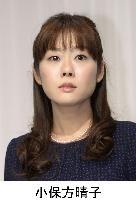
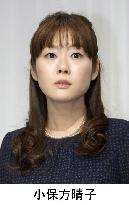
TOKYO, March 20 Kyodo - Undated photo shows Haruko Obokata, who resigned from the Riken research institute in December 2014 in the wake of a scandal over her misconduct in a so-called STAP stem-cell study. Riken announced on March 20, 2015, it plans to demand that Obokata return about 600,000 yen in research paper submission fees.

  •  
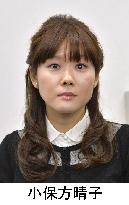
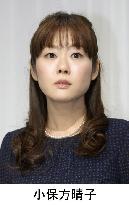
Obokata fails to file appeal after panel condemns "STAP cell" study

Obokata fails to file appeal after panel condemns "STAP cell" study

TOKYO, Japan - Photo shows Haruko Obokata, a former researcher with the Riken research institute. The institute said on Jan. 6, 2015, that Obokata has not filed an appeal in response to a panel investigation finding in December, 2014 that "STAP cells" she claimed to have created almost certainly did not exist.

  •  
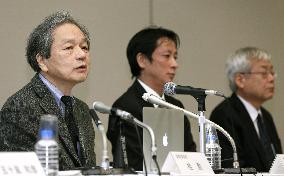
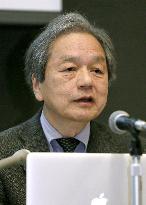
Purported "STAP cells" likely came from embryonic stem cells

Purported "STAP cells" likely came from embryonic stem cells

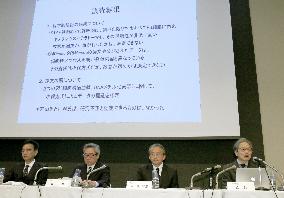
TOKYO, Japan - Isao Katsura (far R), director general of the National Institute of Genetics and leader of a panel under the Riken research institute, attends a press conference along with other panel members in Tokyo on Dec. 26, 2014, to announce that the "STAP cells" that scientist Haruko Obokata, who left Riken on Dec. 21, claimed to have created were likely cells generated from embryonic stem cells.

  •  
Purported "STAP cells" likely came from embryonic stem cells

Purported "STAP cells" likely came from embryonic stem cells

TOKYO, Japan - Isao Katsura (L), director general of the National Institute of Genetics and leader of a panel under the Riken research institute, attends a press conference along with other panel members in Tokyo on Dec. 26, 2014, to announce that the "STAP cells" that scientist Haruko Obokata, who left Riken on Dec. 21, claimed to have created were likely cells generated from embryonic stem cells.

  •  
Purported "STAP cells" likely came from embryonic stem cells

Purported "STAP cells" likely came from embryonic stem cells

TOKYO, Japan - Isao Katsura, director general of the National Institute of Genetics and leader of a panel under the Riken research institute, attends a press conference in Tokyo on Dec. 26, 2014, to announce that the "STAP cells" that scientist Haruko Obokata, who left Riken on Dec. 21, claimed to have created were likely cells generated from embryonic stem cells.

  •  
Purported "STAP cells" likely came from embryonic stem cells

Purported "STAP cells" likely came from embryonic stem cells

TOKYO, Japan - Haruko Obokata, then a researcher with the Riken research institute, announces the creation of the "STAP cells," claimed to be capable of developing into any type of tissue, in Kobe, western Japan, in this file photo taken in January 2014. A panel under the government-backed institute said Dec. 26, 2014, that the STAP cells that Obokata claimed to have created were likely cells generated from embryonic stem cells. Obokata left her job at Riken on Dec. 21.

  •  
Purported "STAP cells" likely came from embryonic stem cells

Purported "STAP cells" likely came from embryonic stem cells

TOKYO, Japan - Photo shows Haruko Obokata, a former researcher with the Riken research institute. A panel under the government-backed institute said Dec. 26, 2014, that the "STAP cells" that Obokata claimed to have created were likely cells generated from embryonic stem cells. Obokata left her job at Riken on Dec. 21.

  •  
Institute concludes Obokata failed to replicate "STAP cell" creation

Institute concludes Obokata failed to replicate "STAP cell" creation

TOKYO, Japan - File photo taken Jan. 28, 2014, shows Haruko Obokata, a researcher with the Riken institute, at her laboratory in the institute in Kobe, western Japan. On Dec. 19, 2014, Riken concluded that Obokata failed in experiments to produce stem cells that she previously claimed to have created.

  • Main
  • Top
  • Editorial
  • Creative
  • About Us
  • About ILG
  • Terms of use
  • Company
  • BEHIND
  • Price List
  • Single Plan
  • Monthly Plan
  • Services
  • Shooting
  • Rights Clearance
  • Support
  • FAQ
  • How To Buy
  • Contact Us
  • Become a Partner

© KYODO NEWS IMAGES INC

All Rights Reserved.

  • Editorial
  • Olympics
  • News
  • Sports
  • Japan
  • Tech
  • Royal
  • Disaster
  • NorthKorea
  • Old Japan
  • SNS
  • Creative
  • Food
  • Japan
  • Landscape
  • Animal
  • Popular
  • #Ukraine
  • #Russia
  • #coronavirus
  • #N. Korea
  • #China
  • #Thailand
  • #Ukraine
  • #Russia
  • #coronavirus
  • #N. Korea
  • #China
  • #Thailand
  • Food
  • Japan
  • Landscape
  • Animal
  • Olympics
  • News
  • Sports
  • Japan
  • Tech
  • Royal
  • Disaster
  • NorthKorea
  • Old Japan
  • SNS