•  
Haruko Obokata

Haruko Obokata

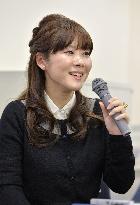
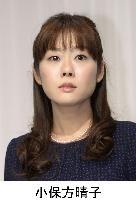
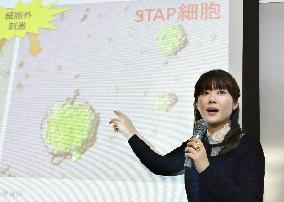
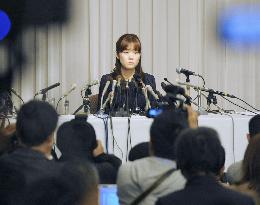
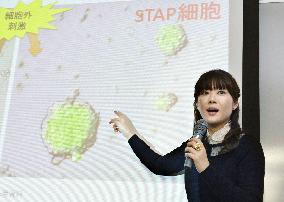
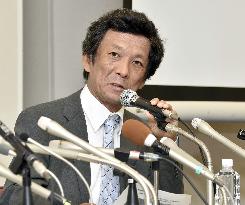
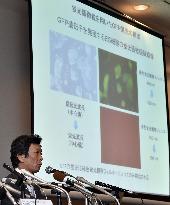
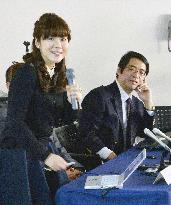
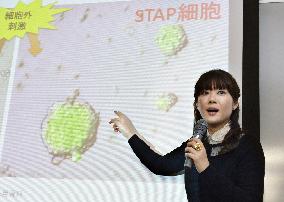
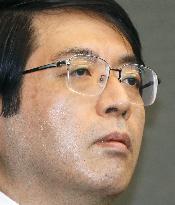
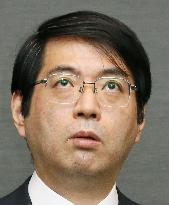
KOBE, Japan - Haruko Obokata, a scientist at Riken's Center for Developmental Biology in Kobe, speaks at a press conference in Kobe, Hyogo Prefecture, on Jan. 28, 2014, on "stimulus-triggered acquisition of pluripotency," or STAP, a method of generating pluripotent cells. A team of scientists led by Obokata has discovered, in research conducted by scientists at the state-backed Riken institute and Harvard University, that by simply exposing body cells to acidic liquids, the cells can be reprogrammed to grow into any type of mature tissue.

  •  
Haruko Obokata

Haruko Obokata

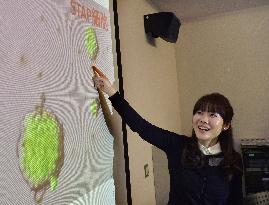
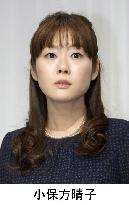
KOBE, Japan - Haruko Obokata, a scientist at Riken's Center for Developmental Biology in Kobe, speaks on "stimulus-triggered acquisition of pluripotency," or STAP, a method of generating pluripotent cells, in Kobe, Hyogo Prefecture, on Jan. 28, 2014. A team of scientists led by Obokata has discovered, in research conducted by scientists at the state-backed Riken institute and Harvard University, that by simply exposing body cells to acidic liquids, cells can be reprogrammed to grow into any type of mature tissue.

  •  
New method for reprogramming body cells

New method for reprogramming body cells

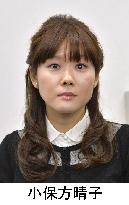
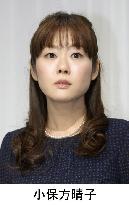
TOKYO, Japan - Photo shows Haruko Obokata, a scientist at Riken's Center for Developmental Biology in Kobe. A team of scientists led by Obokata has discovered, in research conducted by scientists at the state-backed Riken institute and Harvard University, that by simply exposing body cells to acidic liquids, the cells can be reprogrammed to grow into any type of mature tissue. They named the method of generating pluripotent cells, or cells that can grow into any type of mature tissues in the body, "stimulus-triggered acquisition of pluripotency," or STAP. The discovery was announced in the Jan. 30, 2014 issue of Nature.

  •  
New method for reprogramming body cells

New method for reprogramming body cells

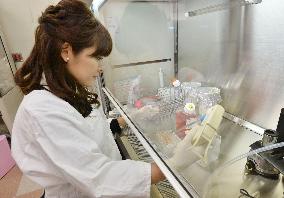
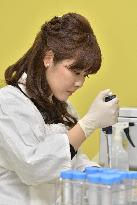
KOBE, Japan - Photo shows Haruko Obokata, a scientist at Riken Center for Developmental Biology, at its laboratory in Kobe, Hyogo Prefecture, on Jan. 28, 2014. A team of scientists led by Obokata has discovered, in research conducted by scientists at the state-backed Riken institute and Harvard University, that by simply exposing body cells to acidic liquids, the cells can be reprogrammed to grow into any type of mature tissue. They named the method of generating pluripotent cells, or cells that can grow into any type of mature tissues in the body, "stimulus-triggered acquisition of pluripotency," or STAP. The discovery was announced in the Jan. 30, 2014 issue of Nature.

  •  
Riken to ask Obokata to return 600,000 yen paper submission fee

Riken to ask Obokata to return 600,000 yen paper submission fee

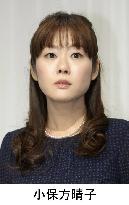
TOKYO, March 20 Kyodo - Undated photo shows Haruko Obokata, who resigned from the Riken research institute in December 2014 in the wake of a scandal over her misconduct in a so-called STAP stem-cell study. Riken announced on March 20, 2015, it plans to demand that Obokata return about 600,000 yen in research paper submission fees.

  •  
Obokata fails to file appeal after panel condemns "STAP cell" study

Obokata fails to file appeal after panel condemns "STAP cell" study

TOKYO, Japan - Photo shows Haruko Obokata, a former researcher with the Riken research institute. The institute said on Jan. 6, 2015, that Obokata has not filed an appeal in response to a panel investigation finding in December, 2014 that "STAP cells" she claimed to have created almost certainly did not exist.

  •  
Purported "STAP cells" likely came from embryonic stem cells

Purported "STAP cells" likely came from embryonic stem cells

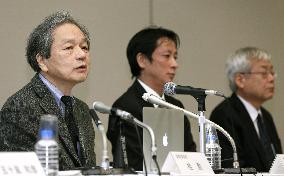
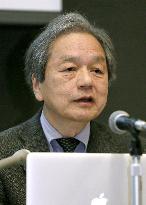
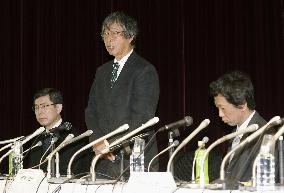
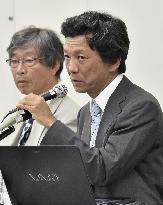
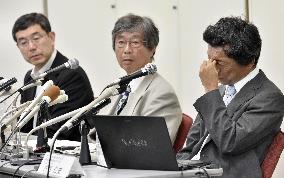
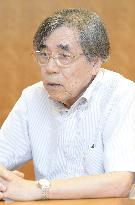
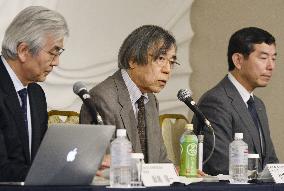
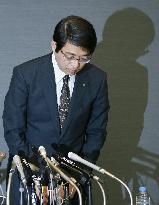
TOKYO, Japan - Isao Katsura (far R), director general of the National Institute of Genetics and leader of a panel under the Riken research institute, attends a press conference along with other panel members in Tokyo on Dec. 26, 2014, to announce that the "STAP cells" that scientist Haruko Obokata, who left Riken on Dec. 21, claimed to have created were likely cells generated from embryonic stem cells.

  •  
Purported "STAP cells" likely came from embryonic stem cells

Purported "STAP cells" likely came from embryonic stem cells

TOKYO, Japan - Isao Katsura (L), director general of the National Institute of Genetics and leader of a panel under the Riken research institute, attends a press conference along with other panel members in Tokyo on Dec. 26, 2014, to announce that the "STAP cells" that scientist Haruko Obokata, who left Riken on Dec. 21, claimed to have created were likely cells generated from embryonic stem cells.

  •  
Purported "STAP cells" likely came from embryonic stem cells

Purported "STAP cells" likely came from embryonic stem cells

TOKYO, Japan - Isao Katsura, director general of the National Institute of Genetics and leader of a panel under the Riken research institute, attends a press conference in Tokyo on Dec. 26, 2014, to announce that the "STAP cells" that scientist Haruko Obokata, who left Riken on Dec. 21, claimed to have created were likely cells generated from embryonic stem cells.

  •  
Purported "STAP cells" likely came from embryonic stem cells

Purported "STAP cells" likely came from embryonic stem cells

TOKYO, Japan - Haruko Obokata, then a researcher with the Riken research institute, announces the creation of the "STAP cells," claimed to be capable of developing into any type of tissue, in Kobe, western Japan, in this file photo taken in January 2014. A panel under the government-backed institute said Dec. 26, 2014, that the STAP cells that Obokata claimed to have created were likely cells generated from embryonic stem cells. Obokata left her job at Riken on Dec. 21.

  •  
Purported "STAP cells" likely came from embryonic stem cells

Purported "STAP cells" likely came from embryonic stem cells

TOKYO, Japan - Photo shows Haruko Obokata, a former researcher with the Riken research institute. A panel under the government-backed institute said Dec. 26, 2014, that the "STAP cells" that Obokata claimed to have created were likely cells generated from embryonic stem cells. Obokata left her job at Riken on Dec. 21.

  •  
Institute concludes Obokata failed to replicate "STAP cell" creation

Institute concludes Obokata failed to replicate "STAP cell" creation

TOKYO, Japan - File photo taken Jan. 28, 2014, shows Haruko Obokata, a researcher with the Riken institute, at her laboratory in the institute in Kobe, western Japan. On Dec. 19, 2014, Riken concluded that Obokata failed in experiments to produce stem cells that she previously claimed to have created.

  •  
Institute concludes Obokata failed to replicate "STAP cell" creation

Institute concludes Obokata failed to replicate "STAP cell" creation

TOKYO, Japan - File photo taken in April 2014 shows Haruko Obokata, a researcher with the Riken institute, during a press conference at an Osaka hotel. On Dec. 19, 2014, Riken concluded that Obokata failed in experiments to produce stem cells that she previously claimed to have created.

  •  
Obokata failed to replicate "STAP cell" creation

Obokata failed to replicate "STAP cell" creation

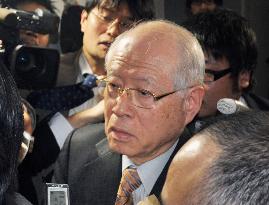
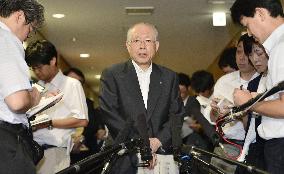
TOKYO, Japan - Riken President Ryoji Noyori, a 2001 Nobel laureate in chemistry, is surrounded by reporters at the science ministry in Tokyo on Dec. 19, 2014, as the Japanese research institute announced that embattled scientist Haruko Obokata has failed in experiments to produce the cells that she previously claimed to have created.

  •  
Institute concludes Obokata failed to replicate "STAP cell" creation

Institute concludes Obokata failed to replicate "STAP cell" creation

OSAKA, Japan - Hideo Miki, lawyer for Haruko Obokata, a researcher with the Riken institute, meets the press in Osaka on Dec. 19, 2014, after the institute concluded that Obokata failed in experiments to produce stem cells that she previously claimed to have created.

  •  
Obokata failed to replicate "STAP cell" creation

Obokata failed to replicate "STAP cell" creation

TOKYO, Japan - Shinichi Aizawa (2nd from L), head of Japan's Riken verification team on the STAP cell research, attends a press conference in Tokyo on Dec. 19, 2014. The research institute announced that embattled scientist Haruko Obokata has failed in experiments to produce the cells that she previously claimed to have created.

  •  
Obokata failed to replicate "STAP cell" creation

Obokata failed to replicate "STAP cell" creation

TOKYO, Japan - Shinichi Aizawa (2nd from L), head of Japan's Riken verification team on the STAP cell research, attends a press conference in Tokyo on Dec. 19, 2014. The research institute announced that embattled scientist Haruko Obokata has failed in experiments to produce the cells that she previously claimed to have created.

  •  
Obokata failed to replicate "STAP cell" creation

Obokata failed to replicate "STAP cell" creation

TOKYO, Japan - Shinichi Aizawa, head of Japan's Riken verification team on the STAP cell research, attends a press conference in Tokyo on Dec. 19, 2014. The research institute announced that embattled scientist Haruko Obokata has failed in experiments to produce the cells that she previously claimed to have created.

  •  
Obokata failed to replicate "STAP cell" creation

Obokata failed to replicate "STAP cell" creation

TOKYO, Japan - Shinichi Aizawa (C), head of Japan's Riken verification team on the STAP cell research, attends a press conference in Tokyo on Dec. 19, 2014. The research institute announced that embattled scientist Haruko Obokata has failed in experiments to produce the cells that she previously claimed to have created.

  •  
Verification experiment on STAP cells to be terminated

Verification experiment on STAP cells to be terminated

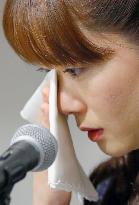
TOKYO, Japan - Embattled scientist Haruko Obokata at Japan's Riken research institute wipes away tears during a press conference in April 2014 at an Osaka hotel, as doubts emerged about so-called STAP cell papers she co-authored. Riken will announce on Dec. 19, 2014, that it has decided to end the verification experiment over her research as the cells cannot be produced.

  •  
Obokata apparently fails to reproduce STAP cells

Obokata apparently fails to reproduce STAP cells

TOKYO, Japan - File photo taken in January 2014 shows scientist Haruko Obokata at Japan's Riken research institute announcing her research into so-called STAP cells in the western city of Kobe. Her research papers were withdrawn later amid allegations of misconduct, and it was reported on Dec. 18, 2014, that she has failed to reproduce STAP cells during verification experiments.

  •  
Waseda to strip Obokata of doctorate unless dissertation corrected

Waseda to strip Obokata of doctorate unless dissertation corrected

TOKYO, Japan - Photo shows Haruko Obokata, a 31-year-old researcher at the Japanese government-affiliated Riken institute. Waseda University said Oct. 7, 2014, it will strip Obokata of her doctorate unless she corrects her dissertation, following her involvement in a scandal earlier in the year related to research on so-called STAP cells. Citing a serious fault in the dissertation screening process, the university gave Obokata a year to correct a number of irregularities including the use of material from a U.S. website.

  •  
Riken team has not reproduced STAP cells

Riken team has not reproduced STAP cells

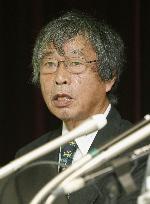
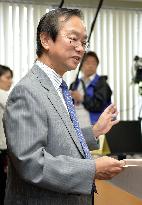
TOKYO, Japan - Hitoshi Niwa (R), a researcher at the Riken research institute who heads the team reexamining the so-called STAP cells, speaks at a news conference in Tokyo on Aug. 27, 2014. He said the team has yet to reproduce through ongoing experiments the cells described in Haruko Obokata's research papers, which she subsequently withdrew amid allegations of misconduct.

  •  
Riken team has not reproduced STAP cells

Riken team has not reproduced STAP cells

TOKYO, Japan - Hitoshi Niwa (R), a researcher at the Riken research institute who heads the team reexamining the so-called STAP cells, prepares to answer a question during a press conference in Tokyo on Aug. 27, 2014. He said the team has yet to reproduce through ongoing experiments the cells described in Haruko Obokata's research papers, which she subsequently withdrew amid allegations of misconduct.

  •  
Riken team has not reproduced STAP cells

Riken team has not reproduced STAP cells

TOKYO, Japan - Hitoshi Niwa, a researcher at the Riken research institute who heads the team reexamining the so-called STAP cells, speaks at a news conference in Tokyo on Aug. 27, 2014. He said the team has yet to reproduce through ongoing experiments the cells described in Haruko Obokata's research papers, which she subsequently withdrew amid allegations of misconduct.

  •  
Riken team has not reproduced STAP cells

Riken team has not reproduced STAP cells

TOKYO, Japan - Hitoshi Niwa, a researcher at the Riken research institute who heads the team reexamining the so-called STAP cells, speaks at a news conference in Tokyo on Aug. 27, 2014. He said the team has yet to reproduce through ongoing experiments the cells described in Haruko Obokata's research papers, which she subsequently withdrew amid allegations of misconduct.

  •  
Riken to halve its size following STAP cell scandal

Riken to halve its size following STAP cell scandal

TOKYO, Japan - Riken President Ryoji Noyori meets with reporters on Aug. 27, 2014, at the science ministry in Tokyo, Japan, after reporting to science minister Hakubun Shimomura that the government-affiliated research institute will halve its size in the wake of the STAP cell scandal.

  •  
STAP cells paper co-author Sasai commits suicide

STAP cells paper co-author Sasai commits suicide

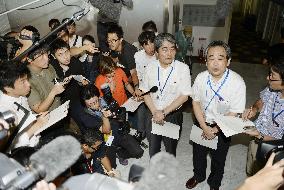
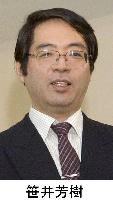
KOBE, Japan - Riken staff are surrounded by reporters on Aug. 5, 2014, in the western Japan city of Kobe, following the suicide of Yoshiki Sasai, deputy director of the Riken Center for Developmental Biology and a co-author of controversial research papers on so-called STAP cells.

  •  
STAP cells paper co-author Sasai commits suicide

STAP cells paper co-author Sasai commits suicide

KOBE, Japan - File photo taken Jan. 28, 2014, in the western Japan city of Kobe shows Yoshiki Sasai (R), deputy director of the Riken Center for Developmental Biology, and Riken scientist Haruko Obokata announcing their research on so-called STAP cells. Sasai, a co-author of STAP research papers, committed suicide on Aug. 5 at Riken. Obokata is the lead author of the two controversial papers.

  •  
STAP paper co-author Sasai commits suicide

STAP paper co-author Sasai commits suicide

KOBE, Japan - Photo shows Japanese scientist Yoshiki Sasai, a co-author of controversial research papers on so-called STAP cells. He committed suicide on Aug. 5, 2014, at an institute of the government-affiliated Riken in the western Japan city of Kobe.

  •  
Obokata arrives at Riken to prove STAP cells

Obokata arrives at Riken to prove STAP cells

KOBE, Japan - Haruko Obokata, the lead author of two controversial STAP cell papers, enters Riken's Center for Developmental Biology in Kobe on July 2, 2014, to participate in experiments to verify the findings of her research. Obokata, 30, will participate in the experiments through Nov. 30 to determine if STAP cells can be produced. The institute said it will secure transparency by video recording her experiments and through other means.

  •  
Obokata arrives at Riken to prove STAP cells

Obokata arrives at Riken to prove STAP cells

KOBE, Japan - Haruko Obokata, the lead author of two controversial STAP cell papers, enters Riken's Center for Developmental Biology in Kobe on July 2, 2014, to participate in experiments to verify the findings of her research. Obokata, 30, will participate in the experiments through Nov. 30 to determine if STAP cells can be produced. The institute said it will secure transparency by video recording her experiments and through other means.

  •  
Obokata arrives at Riken to prove STAP cells

Obokata arrives at Riken to prove STAP cells

KOBE, Japan - Haruko Obokata, the lead author of two controversial STAP cell papers, arrives at Riken's Center for Developmental Biology in Kobe on July 2, 2014, to participate in experiments to verify the findings of her research. Obokata, 30, will participate in the experiments through Nov. 30 to determine if STAP cells can be produced. The institute said it will secure transparency by video recording her experiments and through other means.

  •  
Obokata arrives at Riken to prove STAP cells

Obokata arrives at Riken to prove STAP cells

KOBE, Japan - Haruko Obokata, the lead author of two controversial STAP cell papers, enters Riken's Center for Developmental Biology in Kobe on July 2, 2014, to participate in experiments to verify the findings of her research. Obokata, 30, will participate in the experiments through Nov. 30 to determine if STAP cells can be produced. The institute said it will secure transparency by video recording her experiments and through other means.

  •  
Riken research center chief on STAP cell scandal

Riken research center chief on STAP cell scandal

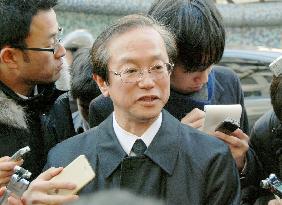
KOBE, Japan - Masatoshi Takeichi, director of the Riken Center for Developmental Biology, speaks about the scandal over the stimulus-triggered acquisition of pluripotency (STAP) cells research in Kobe, western Japan, on June 26, 2014.

  •  
Obokata rejects most recent doubt

Obokata rejects most recent doubt

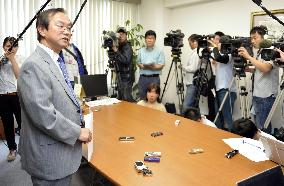
OSAKA, Japan - Hideo Miki, lawyer for Haruko Obokata, a researcher with the government-funded Riken institute, meets reporters in Osaka on June 18, 2014. Miki said Obokata, the lead author of two controversial papers on STAP cells, or stimulus-triggered acquisition of pluripotency cells, is eager to prove on her own that her findings are valid, refuting her research collaborator's recent unsupportive remarks.

  •  
Obokata rejects most recent doubt

Obokata rejects most recent doubt

OSAKA, Japan - Hideo Miki, lawyer for Haruko Obokata, a researcher with the government-funded Riken institute, meets reporters in Osaka on June 18, 2014. Miki said Obokata, the lead author of two controversial papers on STAP cells, or stimulus-triggered acquisition of pluripotency cells, is eager to prove on her own that her findings are valid, refuting her research collaborator's recent unsupportive remarks.

  •  
Wakayama on STAP cells

Wakayama on STAP cells

KOFU, Japan - Teruhiko Wakayama (L top), a professor at the University of Yamanashi, holds a press conference at the university in Kofu, Yamanashi Prefecture, on June 16, 2014. Wakayama, a co-author of purportedly trailblazing stem cell papers, said new tests had found there is no evidence that so-called STAP cells had really been produced.

  •  
Top Riken research center officials meet press

Top Riken research center officials meet press

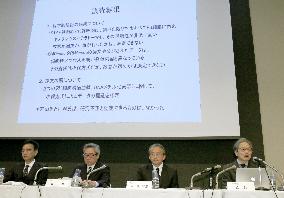
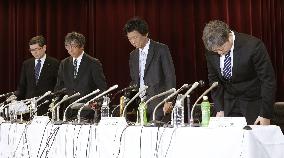
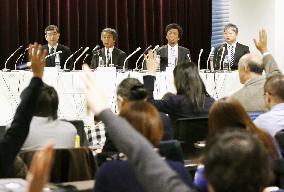
TOKYO, Japan - Masatoshi Takeichi (C), director of the government-affiliated Riken institute's Center for Development Biology, and other senior officials meet the press on June 12, 2014, following recommendations by an outside panel to disband the center in the wake of a scandal surrounding a STAP stem cell study by one of its scientists.

  •  
Panel urges research center to disband after STAP controversy

Panel urges research center to disband after STAP controversy

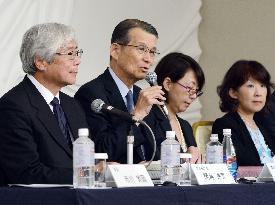
TOKYO, Japan - Members of a panel tasked with reforming operations of the Riken research institute attend a press conference on June 12, 2014, in Tokyo, urging it to disband the research center employing Haruko Obokata following misconduct over a study into so-called STAP cells. They include the panel chief Teruo Kishi (2nd from L).

  •  
Obokata agrees to retract primary STAP cell paper

Obokata agrees to retract primary STAP cell paper

TOKYO, Japan - In this file photo taken in Kobe in western Japan on Jan. 28, 2014, Japanese scientist Haruko Obokata briefs reporters on the production of so-called STAP cells capable of developing into any type of tissue. The government-backed Riken institute said on June 4, 2014, that Obokata has agreed to retract a key paper claiming STAP cell production and deliver the agreed document to co-authors of the paper.

  •  
Obokata's supervisor holds press conference

Obokata's supervisor holds press conference

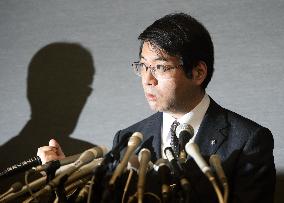
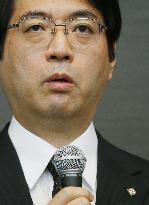
TOKYO, Japan - Yoshiki Sasai, deputy director of the Riken Center for Developmental Biology, holds a press conference in Tokyo on April 16, 2014. Sasai, a veteran scientist who supervised the writing by Haruko Obokata of two controversial papers on STAP cells, apologized for the confusion, concern and sense of mistrust caused by the papers but expressed confidence about the existence of the STAP phenomenon.

  •  
Obokata's supervisor holds press conference

Obokata's supervisor holds press conference

TOKYO, Japan - Yoshiki Sasai, deputy director of the Riken Center for Developmental Biology, holds a press conference in Tokyo on April 16, 2014. Sasai, a veteran scientist who supervised the writing by Haruko Obokata of two controversial papers on STAP cells, apologized for the confusion, concern and sense of mistrust caused by the papers but expressed confidence about the existence of the STAP phenomenon.

  •  
Obokata's supervisor holds press conference

Obokata's supervisor holds press conference

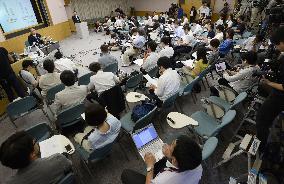
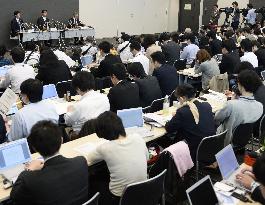
TOKYO, Japan - Photo shows reporters during a press conference in Tokyo by Yoshiki Sasai, deputy director of the Riken Center for Developmental Biology, on April 16, 2014. Sasai, a veteran scientist who supervised the writing by Haruko Obokata of two controversial papers on STAP cells, apologized for the confusion, concern and sense of mistrust caused by the papers but expressed confidence about the existence of the STAP phenomenon.

  •  
Obokata's supervisor holds press conference

Obokata's supervisor holds press conference

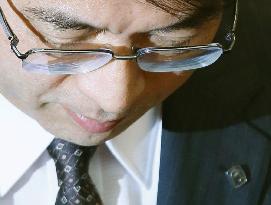
TOKYO, Japan - Yoshiki Sasai, deputy director of the Riken Center for Developmental Biology, holds a press conference in Tokyo on April 16, 2014, wearing a pin of the Japanese government-funded Riken institute. Sasai, a veteran scientist who supervised the writing by Haruko Obokata of two controversial papers on STAP cells, apologized for the confusion, concern and sense of mistrust caused by the papers but expressed confidence about the existence of the STAP phenomenon.

  •  
Obokata's supervisor holds press conference

Obokata's supervisor holds press conference

TOKYO, Japan - Yoshiki Sasai, deputy director of the Riken Center for Developmental Biology, apologizes at the start of a press conference in Tokyo on April 16, 2014, wearing a pin of the Japanese government-funded Riken institute. Sasai, a veteran scientist who supervised the writing by Haruko Obokata of two controversial papers on STAP cells, apologized for the confusion, concern and sense of mistrust caused by the papers but expressed confidence about the existence of the STAP phenomenon.

  •  
Obokata's supervisor holds press conference

Obokata's supervisor holds press conference

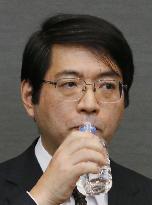
TOKYO, Japan - Yoshiki Sasai, deputy director of the Riken Center for Developmental Biology, drinks water during a press conference in Tokyo on April 16, 2014. Sasai, a veteran scientist who supervised the writing by Haruko Obokata of two controversial papers on STAP cells, apologized for the confusion, concern and sense of mistrust caused by the papers but expressed confidence about the existence of the STAP phenomenon.

  •  
Obokata's supervisor holds press conference

Obokata's supervisor holds press conference

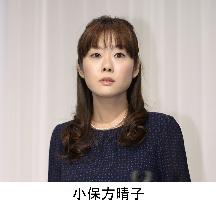
TOKYO, Japan - Photo shows Haruko Obokata, a researcher with the government-funded Riken institute, during a press conference in Osaka on April 9, 2014. Yoshiki Sasai, deputy director of the Riken Center for Developmental Biology, who supervised the writing by Obokata of two controversial papers on STAP cells, held a press conference in Tokyo on April 16 to apologize for the confusion, concern and sense of mistrust caused by the papers but expressed confidence about the existence of the STAP phenomenon.

  •  
Obokata's supervisor holds press conference

Obokata's supervisor holds press conference

TOKYO, Japan - Yoshiki Sasai, deputy director of the Riken Center for Developmental Biology, is pictured during a press conference in Tokyo on April 16, 2014. Sasai, a veteran scientist who supervised the writing by Haruko Obokata of two controversial papers on STAP cells, apologized for the confusion, concern and sense of mistrust caused by the papers but expressed confidence about the existence of the STAP phenomenon.

  •  
Obokata's supervisor holds press conference

Obokata's supervisor holds press conference

TOKYO, Japan - Yoshiki Sasai, deputy director of the Riken Center for Developmental Biology, is pictured during a press conference in Tokyo on April 16, 2014. Sasai, a veteran scientist who supervised the writing by Haruko Obokata of two controversial papers on STAP cells, apologized for the confusion, concern and sense of mistrust caused by the papers but expressed confidence about the existence of the STAP phenomenon.

  • Main
  • Top
  • Editorial
  • Creative
  • About Us
  • About ILG
  • Terms of use
  • Company
  • BEHIND
  • Price List
  • Single Plan
  • Monthly Plan
  • Services
  • Shooting
  • Rights Clearance
  • Support
  • FAQ
  • How To Buy
  • Contact Us
  • Become a Partner

© KYODO NEWS IMAGES INC

All Rights Reserved.

  • Editorial
  • Olympics
  • News
  • Sports
  • Japan
  • Tech
  • Royal
  • Disaster
  • NorthKorea
  • Old Japan
  • SNS
  • Creative
  • Food
  • Japan
  • Landscape
  • Animal
  • Popular
  • #Ukraine
  • #China
  • #coronavirus
  • #N. Korea
  • #Thailand
  • #Russia
  • #Ukraine
  • #China
  • #coronavirus
  • #N. Korea
  • #Thailand
  • #Russia
  • Food
  • Japan
  • Landscape
  • Animal
  • Olympics
  • News
  • Sports
  • Japan
  • Tech
  • Royal
  • Disaster
  • NorthKorea
  • Old Japan
  • SNS