•  
Bush, Cheney, and Powell at the Pentagon

Bush, Cheney, and Powell at the Pentagon

Washington, D.C. - August 15, 1990 -- United States Secretary of Defense Dick Cheney (seated left) and Chairman, Joint Chiefs of Staff, General Colin E. Powell, United States Army (seated center), listen as United States President George H.W. Bush delivers a speech to Pentagon employees, August 15, 1990. President Bush praised the Defense Department workers for their untiring efforts in support of the deployment of United States military forces to the Middle East -- Operation Desert Shield, and condemned President Saddam Hussein of Iraq for his invasion of Kuwait. .Photo by White House via CNP/ABACAPRESS.COM

  •  
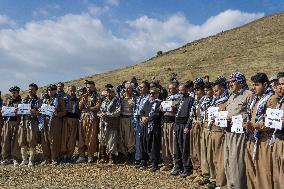
Kurds in Iran celebrate Nowruz

Kurds in Iran celebrate Nowruz

Kurdish men hold signs commemorating the victims of the 1988 Halabja chemical attack during Nowruz festivities in Saqqez, Iran on March 15, 2024. The attack, carried out by Saddam Hussein’s regime, killed thousands of civilians and remains a haunting memory across Kurdish communities in the region. Photo by Barbod Khorshidi/Middle East Images/ABACAPRESS.COM

  •  
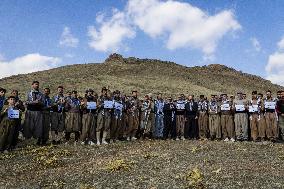
Kurds in Iran celebrate Nowruz

Kurds in Iran celebrate Nowruz

Kurdish men hold signs commemorating the victims of the 1988 Halabja chemical attack during Nowruz festivities in Saqqez, Iran on March 15, 2024. The attack, carried out by Saddam Hussein’s regime, killed thousands of civilians and remains a haunting memory across Kurdish communities in the region. Photo by Barbod Khorshidi/Middle East Images/ABACAPRESS.COM

  •  
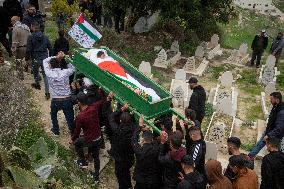
Funeral Ceremony Of Palestinian Child Killed By Israeli Soldiers - West Bank

Funeral Ceremony Of Palestinian Child Killed By Israeli Soldiers - West Bank

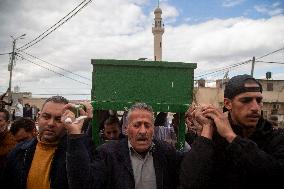
Mourners carry the body of 11-year-old Saddam Iyad Rajab during his funeral in Kafr Al-Labad, Tulkarm, West Bank, on February 8, 2025. Saddam died after being seriously injured during raids conducted by Israeli soldiers last week. Photo by Wahaj Bani Moufleh/Middle East Images/ABACAPRESS.COM

  •  
Funeral Ceremony Of Palestinian Child Killed By Israeli Soldiers - West Bank

Funeral Ceremony Of Palestinian Child Killed By Israeli Soldiers - West Bank

Mourners carry the body of 11-year-old Saddam Iyad Rajab during his funeral in Kafr Al-Labad, Tulkarm, West Bank, on February 8, 2025. Saddam died after being seriously injured during raids conducted by Israeli soldiers last week. Photo by Wahaj Bani Moufleh/Middle East Images/ABACAPRESS.COM

  •  
Funeral Ceremony Of Palestinian Child Killed By Israeli Soldiers - West Bank

Funeral Ceremony Of Palestinian Child Killed By Israeli Soldiers - West Bank

Family members grieve as they say their final goodbyes to Saddam Iyad Rajab in Kafr Al-Labad, Tulkarm, West Bank, on February 8, 2025. He died after being seriously injured during raids conducted by Israeli soldiers last week. Photo by Wahaj Bani Moufleh/Middle East Images/ABACAPRESS.COM

  •  
Funeral Ceremony Of Palestinian Child Killed By Israeli Soldiers - West Bank

Funeral Ceremony Of Palestinian Child Killed By Israeli Soldiers - West Bank

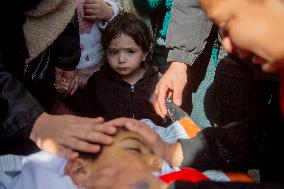
A girl looks at the mourners gathering around the body of 11-year-old Saddam Iyad Rajab in Kafr Al-Labad, Tulkarm, West Bank, on February 8, 2025. Saddam died after being seriously injured during raids conducted by Israeli soldiers last week. Photo by Wahaj Bani Moufleh/Middle East Images/ABACAPRESS.COM

  •  
Funeral Ceremony Of Palestinian Child Killed By Israeli Soldiers - West Bank

Funeral Ceremony Of Palestinian Child Killed By Israeli Soldiers - West Bank

Mourners carry the body of 11-year-old Saddam Iyad Rajab during his funeral in Kafr Al-Labad, Tulkarm, West Bank, on February 8, 2025. Saddam died after being seriously injured during raids conducted by Israeli soldiers last week. Photo by Wahaj Bani Moufleh/Middle East Images/ABACAPRESS.COM

  •  
Funeral Ceremony Of Palestinian Child Killed By Israeli Soldiers - West Bank

Funeral Ceremony Of Palestinian Child Killed By Israeli Soldiers - West Bank

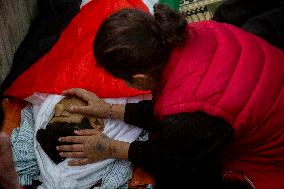
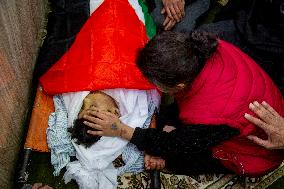
A woman weeps as she holds Saddam Iyad Rajab's face during his funeral in Kafr Al-Labad, Tulkarm, West Bank, on February 8, 2025. He died after being seriously injured during raids conducted by Israeli soldiers last week. Photo by Wahaj Bani Moufleh/Middle East Images/ABACAPRESS.COM

  •  
Funeral Ceremony Of Palestinian Child Killed By Israeli Soldiers - West Bank

Funeral Ceremony Of Palestinian Child Killed By Israeli Soldiers - West Bank

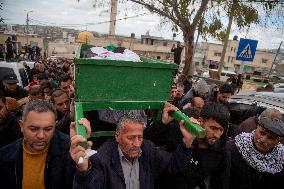
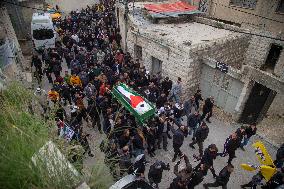
Mourners carry the coffin of Saddam Iyad Rajab through the streets of Kafr Al-Labad, Tulkarm, West Bank, on February 8, 2025. Saddam died after being seriously injured during raids conducted by Israeli soldiers last week. Photo by Wahaj Bani Moufleh/Middle East Images/ABACAPRESS.COM

  •  
Funeral Ceremony Of Palestinian Child Killed By Israeli Soldiers - West Bank

Funeral Ceremony Of Palestinian Child Killed By Israeli Soldiers - West Bank

Family members grieve as they say their final goodbyes to Saddam Iyad Rajab in Kafr Al-Labad, Tulkarm, West Bank, on February 8, 2025. He died after being seriously injured during raids conducted by Israeli soldiers last week. Photo by Wahaj Bani Moufleh/Middle East Images/ABACAPRESS.COM

  •  
Funeral Ceremony Of Palestinian Child Killed By Israeli Soldiers - West Bank

Funeral Ceremony Of Palestinian Child Killed By Israeli Soldiers - West Bank

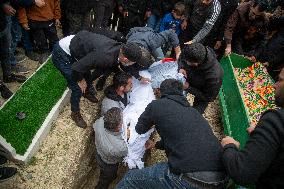
Relatives and mourners prepare to lower the body of Saddam Iyad Rajab into his final resting place in Kafr Al-Labad, Tulkarm, West Bank, on February 8, 2025. Saddam died after being seriously injured during raids conducted by Israeli soldiers last week. Photo by Wahaj Bani Moufleh/Middle East Images/ABACAPRESS.COM

  •  
Funeral Ceremony Of Palestinian Child Killed By Israeli Soldiers - West Bank

Funeral Ceremony Of Palestinian Child Killed By Israeli Soldiers - West Bank

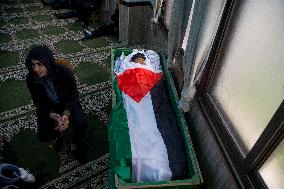
Mourners gather around the body of Saddam Iyad Rajab, wrapped in a Palestinian flag, in a mosque in Kafr Al-Labad, Tulkarm, West Bank, on February 8, 2025. Saddam died after being seriously injured during raids conducted by Israeli soldiers last week. Photo by Wahaj Bani Moufleh/Middle East Images/ABACAPRESS.COM

  •  
Funeral Ceremony Of Palestinian Child Killed By Israeli Soldiers - West Bank

Funeral Ceremony Of Palestinian Child Killed By Israeli Soldiers - West Bank

A man recites prayers over the body of Saddam Iyad Rajab during the funeral ceremony in a mosque in Kafr Al-Labad, Tulkarm, West Bank, on February 8, 2025. Saddam died after being seriously injured during raids conducted by Israeli soldiers last week. Photo by Wahaj Bani Moufleh/Middle East Images/ABACAPRESS.COM

  •  
Funeral Ceremony Of Palestinian Child Killed By Israeli Soldiers - West Bank

Funeral Ceremony Of Palestinian Child Killed By Israeli Soldiers - West Bank

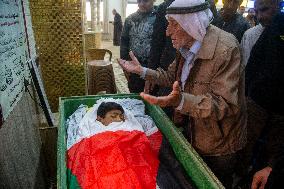
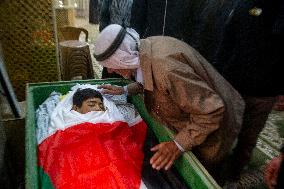
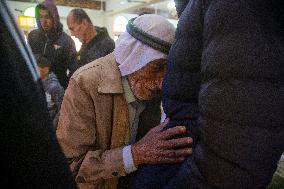
An elderly man bends down to say goodbye to Saddam Iyad Rajab inside a mosque in Kafr Al-Labad, Tulkarm, West Bank, on February 8, 2025. Saddam died after being seriously injured during raids conducted by Israeli soldiers last week. Photo by Wahaj Bani Moufleh/Middle East Images/ABACAPRESS.COM

  •  
Funeral Ceremony Of Palestinian Child Killed By Israeli Soldiers - West Bank

Funeral Ceremony Of Palestinian Child Killed By Israeli Soldiers - West Bank

Mourners carry the coffin of Saddam Iyad Rajab through the streets of Kafr Al-Labad, Tulkarm, West Bank, on February 8, 2025. Saddam died after being seriously injured during raids conducted by Israeli soldiers last week. Photo by Wahaj Bani Moufleh/Middle East Images/ABACAPRESS.COM

  •  
Funeral Ceremony Of Palestinian Child Killed By Israeli Soldiers - West Bank

Funeral Ceremony Of Palestinian Child Killed By Israeli Soldiers - West Bank

Mourners gather around the body of Saddam Iyad Rajab, wrapped in a Palestinian flag, in a mosque in Kafr Al-Labad, Tulkarm, West Bank, on February 8, 2025. Saddam died after being seriously injured during raids conducted by Israeli soldiers last week. Photo by Wahaj Bani Moufleh/Middle East Images/ABACAPRESS.COM

  •  
Funeral Ceremony Of Palestinian Child Killed By Israeli Soldiers - West Bank

Funeral Ceremony Of Palestinian Child Killed By Israeli Soldiers - West Bank

Mourners carry the coffin of Saddam Iyad Rajab through the streets of Kafr Al-Labad, Tulkarm, West Bank, on February 8, 2025. Saddam died after being seriously injured during raids conducted by Israeli soldiers last week. Photo by Wahaj Bani Moufleh/Middle East Images/ABACAPRESS.COM

  •  
Funeral Ceremony Of Palestinian Child Killed By Israeli Soldiers - West Bank

Funeral Ceremony Of Palestinian Child Killed By Israeli Soldiers - West Bank

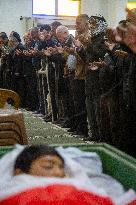
Crowds line in front of Saddam Iyad Rajab's body during the funeral prayer in Kafr Al-Labad, Tulkarm, West Bank, on February 8, 2025. Saddam died after being seriously injured during raids conducted by Israeli soldiers last week. Photo by Wahaj Bani Moufleh/Middle East Images/ABACAPRESS.COM

  •  
Funeral Ceremony Of Palestinian Child Killed By Israeli Soldiers - West Bank

Funeral Ceremony Of Palestinian Child Killed By Israeli Soldiers - West Bank

An elderly man sheds tears during the funeral of Saddam Iyad Rajab in Kafr Al-Labad, Tulkarm, West Bank, on February 8, 2025. Saddam died after being seriously injured during raids conducted by Israeli soldiers last week. Photo by Wahaj Bani Moufleh/Middle East Images/ABACAPRESS.COM

  •  
Funeral Ceremony Of Palestinian Child Killed By Israeli Soldiers - West Bank

Funeral Ceremony Of Palestinian Child Killed By Israeli Soldiers - West Bank

A woman weeps as she holds Saddam Iyad Rajab's face during his funeral in Kafr Al-Labad, Tulkarm, West Bank, on February 8, 2025. He died after being seriously injured during raids conducted by Israeli soldiers last week. Photo by Wahaj Bani Moufleh/Middle East Images/ABACAPRESS.COM

  •  
Funeral Ceremony Of Palestinian Child Killed By Israeli Soldiers - West Bank

Funeral Ceremony Of Palestinian Child Killed By Israeli Soldiers - West Bank

The body of 11-year-old Saddam Iyad Rajab lies wrapped in a Palestinian flag before the funeral prayer in Kafr Al-Labad, Tulkarm, West Bank, on February 8, 2025. Saddam died after being seriously injured during raids conducted by Israeli soldiers last week. Photo by Wahaj Bani Moufleh/Middle East Images/ABACAPRESS.COM

  •  
Funeral Ceremony Of Palestinian Child Killed By Israeli Soldiers - West Bank

Funeral Ceremony Of Palestinian Child Killed By Israeli Soldiers - West Bank

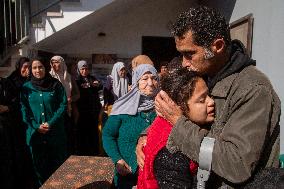
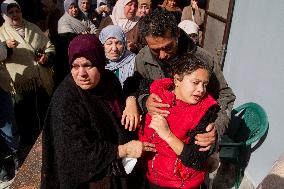
Relatives embrace and comfort a woman during Saddam Iyad Rajab’s funeral in Kafr Al-Labad, Tulkarm, West Bank, on February 8, 2025. Saddam died after being seriously injured during raids conducted by Israeli soldiers last week. Photo by Wahaj Bani Moufleh/Middle East Images/ABACAPRESS.COM

  •  
Funeral Ceremony Of Palestinian Child Killed By Israeli Soldiers - West Bank

Funeral Ceremony Of Palestinian Child Killed By Israeli Soldiers - West Bank

Relatives embrace and comfort a woman during Saddam Iyad Rajab’s funeral in Kafr Al-Labad, Tulkarm, West Bank, on February 8, 2025. Saddam died after being seriously injured during raids conducted by Israeli soldiers last week. Photo by Wahaj Bani Moufleh/Middle East Images/ABACAPRESS.COM

  •  
Funeral Ceremony Of Palestinian Child Killed By Israeli Soldiers - West Bank

Funeral Ceremony Of Palestinian Child Killed By Israeli Soldiers - West Bank

Family members grieve as they say their final goodbyes to Saddam Iyad Rajab in Kafr Al-Labad, Tulkarm, West Bank, on February 8, 2025. He died after being seriously injured during raids conducted by Israeli soldiers last week. Photo by Wahaj Bani Moufleh/Middle East Images/ABACAPRESS.COM

  •  
Funeral Ceremony Of Palestinian Child Killed By Israeli Soldiers - West Bank

Funeral Ceremony Of Palestinian Child Killed By Israeli Soldiers - West Bank

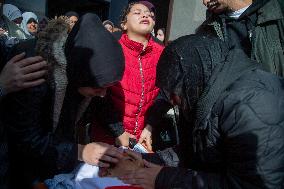
Relatives place their hands on Saddam Iyad Rajab’s body during the funeral ceremony in Kafr Al-Labad, Tulkarm, West Bank, on February 8, 2025. Saddam died after being seriously injured during raids conducted by Israeli soldiers last week. Photo by Wahaj Bani Moufleh/Middle East Images/ABACAPRESS.COM

  •  
Funeral Ceremony Of Palestinian Child Killed By Israeli Soldiers - West Bank

Funeral Ceremony Of Palestinian Child Killed By Israeli Soldiers - West Bank

Relatives place their hands on Saddam Iyad Rajab’s body during the funeral ceremony in Kafr Al-Labad, Tulkarm, West Bank, on February 8, 2025. Saddam died after being seriously injured during raids conducted by Israeli soldiers last week. Photo by Wahaj Bani Moufleh/Middle East Images/ABACAPRESS.COM

  •  
Landslides And Flash Floods Hit Java - Indonesia

Landslides And Flash Floods Hit Java - Indonesia

A woman touches her cat as they wade through flood water in Jombang, East Java, Indonesia, on December 12, 2024. Indonesian rescuers recovered 10 bodies that were swept away in flash floods or buried under tons of mud and rocks that hit hilly villages on the country’s main island of Java, officials said Monday. Two people are still missing. Torrential rains since last week have caused rivers to burst their banks, tearing through more than 170 villages in Sukabumi district of West Java province, as mud, rocks and trees tumbled down mountainside hamlets, said Lt. Col. Yudi Hariyanto, who heads a rescue command post in Sukabum. Photo by Saddam/Xinhua/ABACAPRESS.COM

  •  
Landslides And Flash Floods Hit Java - Indonesia

Landslides And Flash Floods Hit Java - Indonesia

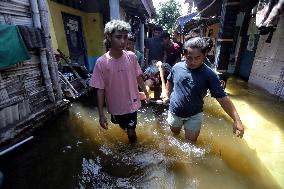
People wade through flood water with their belongings in Jombang, East Java, Indonesia, on December 12, 2024. Indonesian rescuers recovered 10 bodies that were swept away in flash floods or buried under tons of mud and rocks that hit hilly villages on the country’s main island of Java, officials said Monday. Two people are still missing. Torrential rains since last week have caused rivers to burst their banks, tearing through more than 170 villages in Sukabumi district of West Java province, as mud, rocks and trees tumbled down mountainside hamlets, said Lt. Col. Yudi Hariyanto, who heads a rescue command post in Sukabum. Photo by Saddam/Xinhua/ABACAPRESS.COM

  •  
Landslides And Flash Floods Hit Java - Indonesia

Landslides And Flash Floods Hit Java - Indonesia

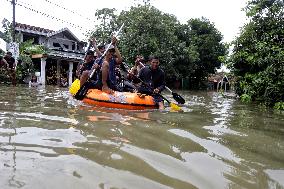
People ride a rubber boat in flood water in Jombang, East Java, Indonesia, on December 12, 2024. Indonesian rescuers recovered 10 bodies that were swept away in flash floods or buried under tons of mud and rocks that hit hilly villages on the country’s main island of Java, officials said Monday. Two people are still missing. Torrential rains since last week have caused rivers to burst their banks, tearing through more than 170 villages in Sukabumi district of West Java province, as mud, rocks and trees tumbled down mountainside hamlets, said Lt. Col. Yudi Hariyanto, who heads a rescue command post in Sukabum. Photo by Saddam/Xinhua/ABACAPRESS.COM

  •  
Severe rainfalls in Mojokerto - Indonesia

Severe rainfalls in Mojokerto - Indonesia

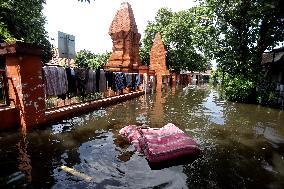
A flooded area is seen after severe rainfalls in Mojokerto, East Java, Indonesia, Dec. 10, 2024. Photo by Saddam/Xinhua/ABACAPRESS.COM

  •  
Severe rainfalls in Mojokerto - Indonesia

Severe rainfalls in Mojokerto - Indonesia

People evacuate an elderly man after severe rainfalls in Mojokerto, East Java, Indonesia, Dec. 10, 2024. Photo by Saddam/Xinhua/ABACAPRESS.COM

  •  
Severe rainfalls in Mojokerto - Indonesia

Severe rainfalls in Mojokerto - Indonesia

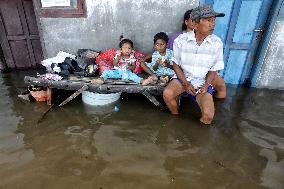
People rest outside their flooded home after severe rainfalls in Mojokerto, East Java, Indonesia, Dec. 10, 2024. Photo by Saddam/Xinhua/ABACAPRESS.COM

  •  
The Marsh Arabs - Iraq

The Marsh Arabs - Iraq

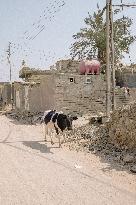
A cow walks on the street in the Chibayesh town in the marshlands in Iraq's southern Ahwar area of Dhi Qar on January 22, 2021. The Mesopotamian Marshes are located in southern Iraq, in the basin of the two mythical rivers of the Middle East: the Euphrates and the Tigris. The region is considered one of the cradles of civilization and, according to legend, even hosted the Gardens of Eden. The Marsh Arabs, also called Maadans, are an ancient community. It is estimated that they have occupied the marshes for almost 5,000 years. Between 1991 and 2003, the former dictator Saddam Hussein completely dried up the area because he believed it harbored his opponents. When he fell, the Maadans returned and tore down the dikes and dams he had built. The marshes have then almost returned to their original state. But in recent years, global warming and dams built upstream of the two rivers in Turkey have once again put the marshes in danger. Photo by Aline Deschamps/Middle East Images/ABACAPRESS.COM

  •  
The Marsh Arabs - Iraq

The Marsh Arabs - Iraq

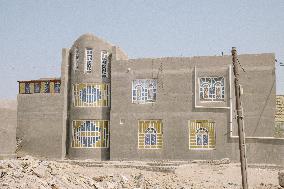
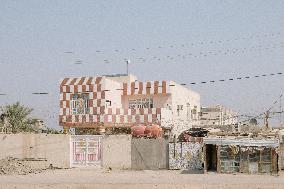
View of a house in the Chibayesh town in the marshlands in Iraq's southern Ahwar area of Dhi Qar on January 22, 2021. The Mesopotamian Marshes are located in southern Iraq, in the basin of the two mythical rivers of the Middle East: the Euphrates and the Tigris. The region is considered one of the cradles of civilization and, according to legend, even hosted the Gardens of Eden. The Marsh Arabs, also called Maadans, are an ancient community. It is estimated that they have occupied the marshes for almost 5,000 years. Between 1991 and 2003, the former dictator Saddam Hussein completely dried up the area because he believed it harbored his opponents. When he fell, the Maadans returned and tore down the dikes and dams he had built. The marshes have then almost returned to their original state. But in recent years, global warming and dams built upstream of the two rivers in Turkey have once again put the marshes in danger. Photo by Aline Deschamps/Middle East Images/ABACAPRESS.COM

  •  
The Marsh Arabs - Iraq

The Marsh Arabs - Iraq

View of a street in the Chibayesh marshland in Iraq's southern Ahwar area of Dhi Qar on January 22, 2021. The Mesopotamian Marshes are located in southern Iraq, in the basin of the two mythical rivers of the Middle East: the Euphrates and the Tigris. The region is considered one of the cradles of civilization and, according to legend, even hosted the Gardens of Eden. The Marsh Arabs, also called Maadans, are an ancient community. It is estimated that they have occupied the marshes for almost 5,000 years. Between 1991 and 2003, the former dictator Saddam Hussein completely dried up the area because he believed it harbored his opponents. When he fell, the Maadans returned and tore down the dikes and dams he had built. The marshes have then almost returned to their original state. But in recent years, global warming and dams built upstream of the two rivers in Turkey have once again put the marshes in danger. Photo by Aline Deschamps/Middle East Images/ABACAPRESS.COM

  •  
The Marsh Arabs - Iraq

The Marsh Arabs - Iraq

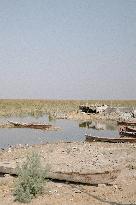
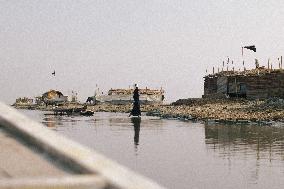
View of wooden narrow canoes by a waterway in the Chibayesh marshland in Iraq's southern Ahwar area of Dhi Qar on January 22, 2021. The Mesopotamian Marshes are located in southern Iraq, in the basin of the two mythical rivers of the Middle East: the Euphrates and the Tigris. The region is considered one of the cradles of civilization and, according to legend, even hosted the Gardens of Eden. The Marsh Arabs, also called Maadans, are an ancient community. It is estimated that they have occupied the marshes for almost 5,000 years. Between 1991 and 2003, the former dictator Saddam Hussein completely dried up the area because he believed it harbored his opponents. When he fell, the Maadans returned and tore down the dikes and dams he had built. The marshes have then almost returned to their original state. But in recent years, global warming and dams built upstream of the two rivers in Turkey have once again put the marshes in danger. Photo by Aline Deschamps/Middle East Images/ABACAPRESS.COM

  •  
The Marsh Arabs - Iraq

The Marsh Arabs - Iraq

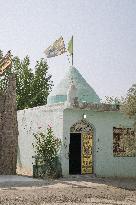
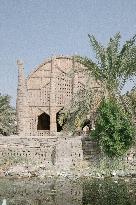
View of a Husayniyya in the Chibayesh town of the marshlands in Iraq's southern Ahwar area of Dhi Qar on January 22, 2021. The Mesopotamian Marshes are located in southern Iraq, in the basin of the two mythical rivers of the Middle East: the Euphrates and the Tigris. The region is considered one of the cradles of civilization and, according to legend, even hosted the Gardens of Eden. The Marsh Arabs, also called Maadans, are an ancient community. It is estimated that they have occupied the marshes for almost 5,000 years. Between 1991 and 2003, the former dictator Saddam Hussein completely dried up the area because he believed it harbored his opponents. When he fell, the Maadans returned and tore down the dikes and dams he had built. The marshes have then almost returned to their original state. But in recent years, global warming and dams built upstream of the two rivers in Turkey have once again put the marshes in danger. Photo by Aline Deschamps/Middle East Images/ABACAPRESS.COM

  •  
The Marsh Arabs - Iraq

The Marsh Arabs - Iraq

A man stands on a wooden narrow canoe in the waterways of the Chibayesh marshland in Iraq's southern Ahwar area of Dhi Qar on January 22, 2021. The Mesopotamian Marshes are located in southern Iraq, in the basin of the two mythical rivers of the Middle East: the Euphrates and the Tigris. The region is considered one of the cradles of civilization and, according to legend, even hosted the Gardens of Eden. The Marsh Arabs, also called Maadans, are an ancient community. It is estimated that they have occupied the marshes for almost 5,000 years. Between 1991 and 2003, the former dictator Saddam Hussein completely dried up the area because he believed it harbored his opponents. When he fell, the Maadans returned and tore down the dikes and dams he had built. The marshes have then almost returned to their original state. But in recent years, global warming and dams built upstream of the two rivers in Turkey have once again put the marshes in danger. Photo by Aline Deschamps/Middle East Images/ABACAPRESS.COM

  •  
The Marsh Arabs - Iraq

The Marsh Arabs - Iraq

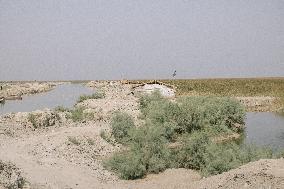
View of a waterway in the Chibayesh marshland in Iraq's southern Ahwar area of Dhi Qar on January 22, 2021. The Mesopotamian Marshes are located in southern Iraq, in the basin of the two mythical rivers of the Middle East: the Euphrates and the Tigris. The region is considered one of the cradles of civilization and, according to legend, even hosted the Gardens of Eden. The Marsh Arabs, also called Maadans, are an ancient community. It is estimated that they have occupied the marshes for almost 5,000 years. Between 1991 and 2003, the former dictator Saddam Hussein completely dried up the area because he believed it harbored his opponents. When he fell, the Maadans returned and tore down the dikes and dams he had built. The marshes have then almost returned to their original state. But in recent years, global warming and dams built upstream of the two rivers in Turkey have once again put the marshes in danger. Photo by Aline Deschamps/Middle East Images/ABACAPRESS.COM

  •  
The Marsh Arabs - Iraq

The Marsh Arabs - Iraq

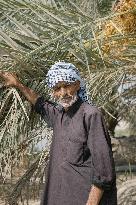
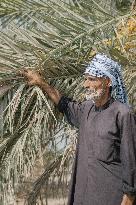
A man stands next to a palm tree in the Chibayesh marshland in Iraq's southern Ahwar area of Dhi Qar on January 22, 2021. The Mesopotamian Marshes are located in southern Iraq, in the basin of the two mythical rivers of the Middle East: the Euphrates and the Tigris. The region is considered one of the cradles of civilization and, according to legend, even hosted the Gardens of Eden. The Marsh Arabs, also called Maadans, are an ancient community. It is estimated that they have occupied the marshes for almost 5,000 years. Between 1991 and 2003, the former dictator Saddam Hussein completely dried up the area because he believed it harbored his opponents. When he fell, the Maadans returned and tore down the dikes and dams he had built. The marshes have then almost returned to their original state. But in recent years, global warming and dams built upstream of the two rivers in Turkey have once again put the marshes in danger. Photo by Aline Deschamps/Middle East Images/ABACAPRESS.COM

  •  
The Marsh Arabs - Iraq

The Marsh Arabs - Iraq

View of a reed house from a waterway in the Chibayesh marshland in Iraq's southern Ahwar area of Dhi Qar on January 22, 2021. The Mesopotamian Marshes are located in southern Iraq, in the basin of the two mythical rivers of the Middle East: the Euphrates and the Tigris. The region is considered one of the cradles of civilization and, according to legend, even hosted the Gardens of Eden. The Marsh Arabs, also called Maadans, are an ancient community. It is estimated that they have occupied the marshes for almost 5,000 years. Between 1991 and 2003, the former dictator Saddam Hussein completely dried up the area because he believed it harbored his opponents. When he fell, the Maadans returned and tore down the dikes and dams he had built. The marshes have then almost returned to their original state. But in recent years, global warming and dams built upstream of the two rivers in Turkey have once again put the marshes in danger. Photo by Aline Deschamps/Middle East Images/ABACAPRESS.COM

  •  
The Marsh Arabs - Iraq

The Marsh Arabs - Iraq

A man stands next to a palm tree in the Chibayesh marshland in Iraq's southern Ahwar area of Dhi Qar on January 22, 2021. The Mesopotamian Marshes are located in southern Iraq, in the basin of the two mythical rivers of the Middle East: the Euphrates and the Tigris. The region is considered one of the cradles of civilization and, according to legend, even hosted the Gardens of Eden. The Marsh Arabs, also called Maadans, are an ancient community. It is estimated that they have occupied the marshes for almost 5,000 years. Between 1991 and 2003, the former dictator Saddam Hussein completely dried up the area because he believed it harbored his opponents. When he fell, the Maadans returned and tore down the dikes and dams he had built. The marshes have then almost returned to their original state. But in recent years, global warming and dams built upstream of the two rivers in Turkey have once again put the marshes in danger. Photo by Aline Deschamps/Middle East Images/ABACAPRESS.COM

  •  
The Marsh Arabs - Iraq

The Marsh Arabs - Iraq

View of a house in the Chibayesh town in the marshlands in Iraq's southern Ahwar area of Dhi Qar on January 22, 2021. The Mesopotamian Marshes are located in southern Iraq, in the basin of the two mythical rivers of the Middle East: the Euphrates and the Tigris. The region is considered one of the cradles of civilization and, according to legend, even hosted the Gardens of Eden. The Marsh Arabs, also called Maadans, are an ancient community. It is estimated that they have occupied the marshes for almost 5,000 years. Between 1991 and 2003, the former dictator Saddam Hussein completely dried up the area because he believed it harbored his opponents. When he fell, the Maadans returned and tore down the dikes and dams he had built. The marshes have then almost returned to their original state. But in recent years, global warming and dams built upstream of the two rivers in Turkey have once again put the marshes in danger. Photo by Aline Deschamps/Middle East Images/ABACAPRESS.COM

  •  
The Marsh Arabs - Iraq

The Marsh Arabs - Iraq

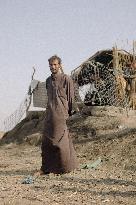
A man stands near his house in the Chibayesh marshland in Iraq's southern Ahwar area of Dhi Qar on January 22, 2021. The Mesopotamian Marshes are located in southern Iraq, in the basin of the two mythical rivers of the Middle East: the Euphrates and the Tigris. The region is considered one of the cradles of civilization and, according to legend, even hosted the Gardens of Eden. The Marsh Arabs, also called Maadans, are an ancient community. It is estimated that they have occupied the marshes for almost 5,000 years. Between 1991 and 2003, the former dictator Saddam Hussein completely dried up the area because he believed it harbored his opponents. When he fell, the Maadans returned and tore down the dikes and dams he had built. The marshes have then almost returned to their original state. But in recent years, global warming and dams built upstream of the two rivers in Turkey have once again put the marshes in danger. Photo by Aline Deschamps/Middle East Images/ABACAPRESS.COM

  •  
The Marsh Arabs - Iraq

The Marsh Arabs - Iraq

A buffalo herder carries water to her house in the Chibayesh marshland in Iraq's southern Ahwar area of Dhi Qar on January 22, 2021. The Mesopotamian Marshes are located in southern Iraq, in the basin of the two mythical rivers of the Middle East: the Euphrates and the Tigris. The region is considered one of the cradles of civilization and, according to legend, even hosted the Gardens of Eden. The Marsh Arabs, also called Maadans, are an ancient community. It is estimated that they have occupied the marshes for almost 5,000 years. Between 1991 and 2003, the former dictator Saddam Hussein completely dried up the area because he believed it harbored his opponents. When he fell, the Maadans returned and tore down the dikes and dams he had built. The marshes have then almost returned to their original state. But in recent years, global warming and dams built upstream of the two rivers in Turkey have once again put the marshes in danger. Photo by Aline Deschamps/Middle East Images/ABACAPRESS.COM

  •  
The Marsh Arabs - Iraq

The Marsh Arabs - Iraq

A man sits on a wooden narrow canoe in the waterways of the Chibayesh marshland in Iraq's southern Ahwar area of Dhi Qar on January 22, 2021. The Mesopotamian Marshes are located in southern Iraq, in the basin of the two mythical rivers of the Middle East: the Euphrates and the Tigris. The region is considered one of the cradles of civilization and, according to legend, even hosted the Gardens of Eden. The Marsh Arabs, also called Maadans, are an ancient community. It is estimated that they have occupied the marshes for almost 5,000 years. Between 1991 and 2003, the former dictator Saddam Hussein completely dried up the area because he believed it harbored his opponents. When he fell, the Maadans returned and tore down the dikes and dams he had built. The marshes have then almost returned to their original state. But in recent years, global warming and dams built upstream of the two rivers in Turkey have once again put the marshes in danger. Photo by Aline Deschamps/Middle East Images/ABACAPRESS.COM

  •  
The Marsh Arabs - Iraq

The Marsh Arabs - Iraq

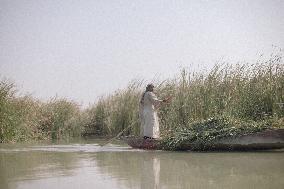
A man rows a wooden narrow canoe in the waterways of the Chibayesh marshland in Iraq's southern Ahwar area of Dhi Qar on January 22, 2021. The Mesopotamian Marshes are located in southern Iraq, in the basin of the two mythical rivers of the Middle East: the Euphrates and the Tigris. The region is considered one of the cradles of civilization and, according to legend, even hosted the Gardens of Eden. The Marsh Arabs, also called Maadans, are an ancient community. It is estimated that they have occupied the marshes for almost 5,000 years. Between 1991 and 2003, the former dictator Saddam Hussein completely dried up the area because he believed it harbored his opponents. When he fell, the Maadans returned and tore down the dikes and dams he had built. The marshes have then almost returned to their original state. But in recent years, global warming and dams built upstream of the two rivers in Turkey have once again put the marshes in danger. Photo by Aline Deschamps/Middle East Images/ABACAPRESS.COM

  •  
The Marsh Arabs - Iraq

The Marsh Arabs - Iraq

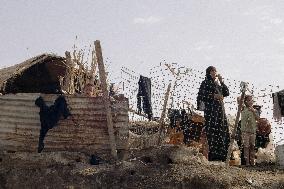
Buffalo herders stand in their home in the Chibayesh marshland in Iraq's southern Ahwar area of Dhi Qar on January 22, 2021. The Mesopotamian Marshes are located in southern Iraq, in the basin of the two mythical rivers of the Middle East: the Euphrates and the Tigris. The region is considered one of the cradles of civilization and, according to legend, even hosted the Gardens of Eden. The Marsh Arabs, also called Maadans, are an ancient community. It is estimated that they have occupied the marshes for almost 5,000 years. Between 1991 and 2003, the former dictator Saddam Hussein completely dried up the area because he believed it harbored his opponents. When he fell, the Maadans returned and tore down the dikes and dams he had built. The marshes have then almost returned to their original state. But in recent years, global warming and dams built upstream of the two rivers in Turkey have once again put the marshes in danger. Photo by Aline Deschamps/Middle East Images/ABACAPRESS.COM

  •  
The Marsh Arabs - Iraq

The Marsh Arabs - Iraq

A man stands on a wooden narrow canoe in the waterways in the Chibayesh marshland in Iraq's southern Ahwar area of Dhi Qar on January 22, 2021. The Mesopotamian Marshes are located in southern Iraq, in the basin of the two mythical rivers of the Middle East: the Euphrates and the Tigris. The region is considered one of the cradles of civilization and, according to legend, even hosted the Gardens of Eden. The Marsh Arabs, also called Maadans, are an ancient community. It is estimated that they have occupied the marshes for almost 5,000 years. Between 1991 and 2003, the former dictator Saddam Hussein completely dried up the area because he believed it harbored his opponents. When he fell, the Maadans returned and tore down the dikes and dams he had built. The marshes have then almost returned to their original state. But in recent years, global warming and dams built upstream of the two rivers in Turkey have once again put the marshes in danger. Photo by Aline Deschamps/Middle East Images/ABACAPRESS.COM

  • Main
  • Top
  • Editorial
  • Creative
  • About Us
  • About ILG
  • Terms of use
  • Company
  • BEHIND
  • Price List
  • Single Plan
  • Monthly Plan
  • Services
  • Shooting
  • Rights Clearance
  • Support
  • FAQ
  • How To Buy
  • Contact Us
  • Become a Partner

© KYODO NEWS IMAGES INC

All Rights Reserved.

  • Editorial
  • Olympics
  • News
  • Sports
  • Japan
  • Tech
  • Royal
  • Disaster
  • NorthKorea
  • Old Japan
  • SNS
  • Creative
  • Food
  • Japan
  • Landscape
  • Animal
  • Popular
  • #Ukraine
  • #Thailand
  • #coronavirus
  • #N. Korea
  • #China
  • #Russia
  • #Ukraine
  • #Thailand
  • #coronavirus
  • #N. Korea
  • #China
  • #Russia
  • Food
  • Japan
  • Landscape
  • Animal
  • Olympics
  • News
  • Sports
  • Japan
  • Tech
  • Royal
  • Disaster
  • NorthKorea
  • Old Japan
  • SNS