•  
STAP cells paper co-author Sasai commits suicide

STAP cells paper co-author Sasai commits suicide

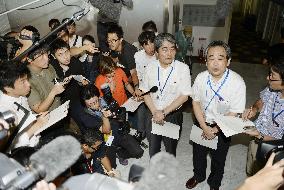
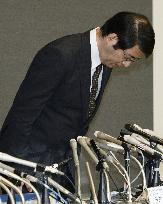
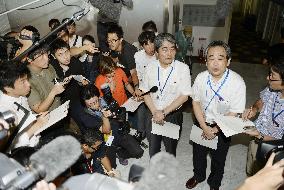
KOBE, Japan - Riken staff are surrounded by reporters on Aug. 5, 2014, in the western Japan city of Kobe, following the suicide of Yoshiki Sasai, deputy director of the Riken Center for Developmental Biology and a co-author of controversial research papers on so-called STAP cells.

  •  
STAP cells paper co-author Sasai commits suicide

STAP cells paper co-author Sasai commits suicide

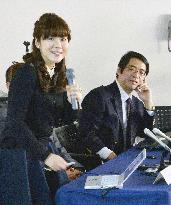
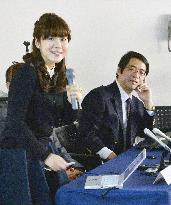
KOBE, Japan - File photo taken Jan. 28, 2014, in the western Japan city of Kobe shows Yoshiki Sasai (R), deputy director of the Riken Center for Developmental Biology, and Riken scientist Haruko Obokata announcing their research on so-called STAP cells. Sasai, a co-author of STAP research papers, committed suicide on Aug. 5 at Riken. Obokata is the lead author of the two controversial papers.

  •  
STAP paper co-author Sasai commits suicide

STAP paper co-author Sasai commits suicide

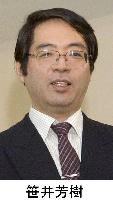
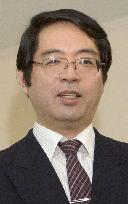
KOBE, Japan - Photo shows Japanese scientist Yoshiki Sasai, a co-author of controversial research papers on so-called STAP cells. He committed suicide on Aug. 5, 2014, at an institute of the government-affiliated Riken in the western Japan city of Kobe.

  •  
Obokata's supervisor holds press conference

Obokata's supervisor holds press conference

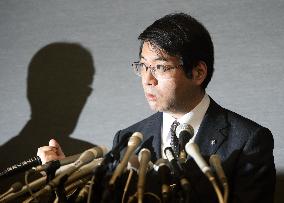
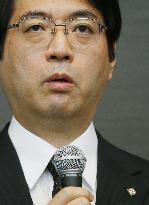
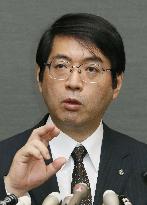
TOKYO, Japan - Yoshiki Sasai, deputy director of the Riken Center for Developmental Biology, holds a press conference in Tokyo on April 16, 2014. Sasai, a veteran scientist who supervised the writing by Haruko Obokata of two controversial papers on STAP cells, apologized for the confusion, concern and sense of mistrust caused by the papers but expressed confidence about the existence of the STAP phenomenon.

  •  
Obokata's supervisor holds press conference

Obokata's supervisor holds press conference

TOKYO, Japan - Yoshiki Sasai, deputy director of the Riken Center for Developmental Biology, holds a press conference in Tokyo on April 16, 2014. Sasai, a veteran scientist who supervised the writing by Haruko Obokata of two controversial papers on STAP cells, apologized for the confusion, concern and sense of mistrust caused by the papers but expressed confidence about the existence of the STAP phenomenon.

  •  
Obokata's supervisor holds press conference

Obokata's supervisor holds press conference

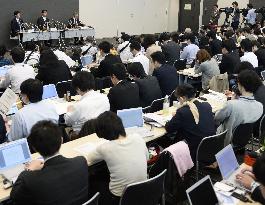
TOKYO, Japan - Photo shows reporters during a press conference in Tokyo by Yoshiki Sasai, deputy director of the Riken Center for Developmental Biology, on April 16, 2014. Sasai, a veteran scientist who supervised the writing by Haruko Obokata of two controversial papers on STAP cells, apologized for the confusion, concern and sense of mistrust caused by the papers but expressed confidence about the existence of the STAP phenomenon.

  •  
Obokata's supervisor holds press conference

Obokata's supervisor holds press conference

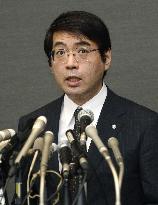
TOKYO, Japan - Yoshiki Sasai, deputy director of the Riken Center for Developmental Biology, holds a press conference in Tokyo on April 16, 2014, wearing a pin of the Japanese government-funded Riken institute. Sasai, a veteran scientist who supervised the writing by Haruko Obokata of two controversial papers on STAP cells, apologized for the confusion, concern and sense of mistrust caused by the papers but expressed confidence about the existence of the STAP phenomenon.

  •  
Obokata's supervisor holds press conference

Obokata's supervisor holds press conference

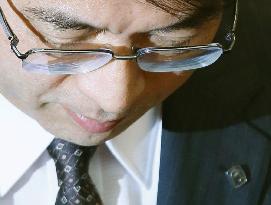
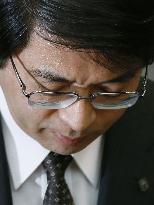
TOKYO, Japan - Yoshiki Sasai, deputy director of the Riken Center for Developmental Biology, apologizes at the start of a press conference in Tokyo on April 16, 2014, wearing a pin of the Japanese government-funded Riken institute. Sasai, a veteran scientist who supervised the writing by Haruko Obokata of two controversial papers on STAP cells, apologized for the confusion, concern and sense of mistrust caused by the papers but expressed confidence about the existence of the STAP phenomenon.

  •  
Obokata's supervisor holds press conference

Obokata's supervisor holds press conference

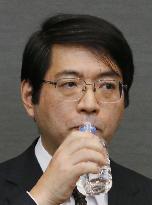
TOKYO, Japan - Yoshiki Sasai, deputy director of the Riken Center for Developmental Biology, drinks water during a press conference in Tokyo on April 16, 2014. Sasai, a veteran scientist who supervised the writing by Haruko Obokata of two controversial papers on STAP cells, apologized for the confusion, concern and sense of mistrust caused by the papers but expressed confidence about the existence of the STAP phenomenon.

  •  
Obokata's supervisor holds press conference

Obokata's supervisor holds press conference

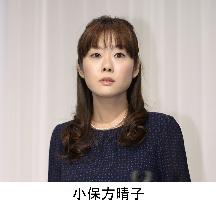
TOKYO, Japan - Photo shows Haruko Obokata, a researcher with the government-funded Riken institute, during a press conference in Osaka on April 9, 2014. Yoshiki Sasai, deputy director of the Riken Center for Developmental Biology, who supervised the writing by Obokata of two controversial papers on STAP cells, held a press conference in Tokyo on April 16 to apologize for the confusion, concern and sense of mistrust caused by the papers but expressed confidence about the existence of the STAP phenomenon.

  •  
Obokata's supervisor holds press conference

Obokata's supervisor holds press conference

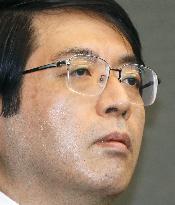
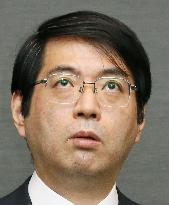
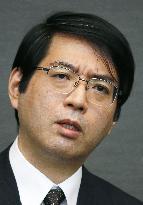
TOKYO, Japan - Yoshiki Sasai, deputy director of the Riken Center for Developmental Biology, is pictured during a press conference in Tokyo on April 16, 2014. Sasai, a veteran scientist who supervised the writing by Haruko Obokata of two controversial papers on STAP cells, apologized for the confusion, concern and sense of mistrust caused by the papers but expressed confidence about the existence of the STAP phenomenon.

  •  
Obokata's supervisor holds press conference

Obokata's supervisor holds press conference

TOKYO, Japan - Yoshiki Sasai, deputy director of the Riken Center for Developmental Biology, is pictured during a press conference in Tokyo on April 16, 2014. Sasai, a veteran scientist who supervised the writing by Haruko Obokata of two controversial papers on STAP cells, apologized for the confusion, concern and sense of mistrust caused by the papers but expressed confidence about the existence of the STAP phenomenon.

  •  
Obokata's supervisor holds press conference

Obokata's supervisor holds press conference

TOKYO, Japan - Yoshiki Sasai, deputy director of the Riken Center for Developmental Biology, is pictured during a press conference in Tokyo on April 16, 2014. Sasai, a veteran scientist who supervised the writing by Haruko Obokata of two controversial papers on STAP cells, apologized for the confusion, concern and sense of mistrust caused by the papers but expressed confidence about the existence of the STAP phenomenon.

  •  
Obokata's supervisor holds press conference

Obokata's supervisor holds press conference

TOKYO, Japan - Yoshiki Sasai, deputy director of the Riken Center for Developmental Biology, speaks at a press conference in Tokyo on April 16, 2014. Sasai, a veteran scientist who supervised the writing by Haruko Obokata of two controversial papers on STAP cells, apologized for the confusion, concern and sense of mistrust caused by the papers but expressed confidence about the existence of the STAP phenomenon.

  •  
Obokata's supervisor holds press conference

Obokata's supervisor holds press conference

TOKYO, Japan - Yoshiki Sasai, deputy director of the Riken Center for Developmental Biology, speaks at a press conference in Tokyo on April 16, 2014. Sasai, a veteran scientist who supervised the writing by Haruko Obokata of two controversial papers on STAP cells, apologized for the confusion, concern and sense of mistrust caused by the papers but expressed confidence about the existence of the STAP phenomenon.

  •  
Obokata's supervisor holds press conference

Obokata's supervisor holds press conference

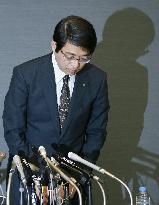
TOKYO, Japan - Yoshiki Sasai, deputy director of the Riken Center for Developmental Biology, apologizes at the start of a press conference in Tokyo on April 16, 2014. Sasai, a veteran scientist who supervised the writing by Haruko Obokata of two controversial papers on STAP cells, apologized for the confusion, concern and sense of mistrust caused by the papers but expressed confidence about the existence of the STAP phenomenon.

  •  
Obokata's supervisor holds press conference

Obokata's supervisor holds press conference

TOKYO, Japan - Yoshiki Sasai, deputy director of the Riken Center for Developmental Biology, apologizes at the start of a press conference in Tokyo on April 16, 2014. Sasai, a veteran scientist who supervised the writing by Haruko Obokata of two controversial papers on STAP cells, apologized for the confusion, concern and sense of mistrust caused by the papers but expressed confidence about the existence of the STAP phenomenon.

  •  
Seawater coral aquarium makes debut in Fukui Pref.

Seawater coral aquarium makes debut in Fukui Pref.

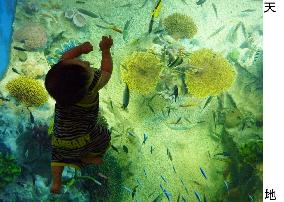
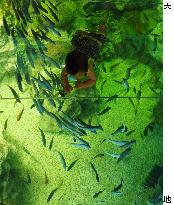
SAKAI, Japan - A child looks at fishes through a 10-centimeter-thick acrylic, tempered glass frame of a newly-opened seawater coral aquarium built at the Echizen Matsushima Aquarium in Sasai, Fukui Prefecture.

  •  
Seawater coral aquarium makes debut in Fukui Pref.

Seawater coral aquarium makes debut in Fukui Pref.

SAKAI, Japan - A child looks at fishes through a 10-centimeter-thick acrylic, tempered glass frame of a newly-opened seawater coral aquarium built at the Echizen Matsushima Aquarium in Sasai, Fukui Prefecture.

  •  
Yoshiki Sasai, a professor at Kyodo University

Yoshiki Sasai, a professor at Kyodo University

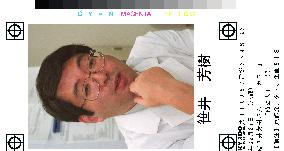
KYOTO, Japan - Yoshiki Sasai, professor of neurobiology at Kyoto University's Institute for Frontier Medical Sciences who played a key role in generating neurons that produce neurotransmitter dopamine and light-sensitive retina cells from a monkey's embryonic stem cells.

  •  
Company chief nabbed on suspicion of possessing fake cigarettes

Company chief nabbed on suspicion of possessing fake cigarettes

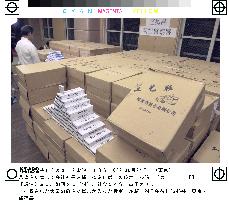
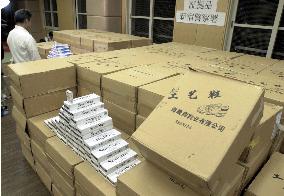
TOKYO, Japan - The photo shows counterfeit cigarettes at Shinjuku Police Station on June 24, seized from a 58-year-old company president. Police arrested Fumio Sasai, head of real-estate company Yazaki Sangyo, on suspicion of possessing numerous packs of bogus Mild Seven Lights and Seven Stars cigarettes, brands sold by Japan Tobacco Inc.

  •  
Neurons generated from monkey's embryonic stem cells

Neurons generated from monkey's embryonic stem cells

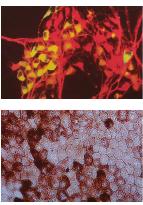
KYOTO, Japan - A group of scientists led by Yoshiki Sasai, professor at Kyoto University, have succeeded in generating neurons that produce neurotransmitter dopamine (above) and light-sensitive retina cells (below) from a monkey's embryonic stem cells, the scientists said Jan. 29. The scientists claim the experiments could lead to treatment of Parkinson's disease and other incurable diseases.

  •  
STAP cells paper co-author Sasai commits suicide

STAP cells paper co-author Sasai commits suicide

KOBE, Japan - Riken staff are surrounded by reporters on Aug. 5, 2014, in the western Japan city of Kobe, following the suicide of Yoshiki Sasai, deputy director of the Riken Center for Developmental Biology and a co-author of controversial research papers on so-called STAP cells. (Kyodo)

  •  
STAP paper co-author Sasai commits suicide

STAP paper co-author Sasai commits suicide

KOBE, Japan - Photo shows Japanese scientist Yoshiki Sasai, a co-author of controversial research papers on so-called STAP cells. He committed suicide on Aug. 5, 2014, at an institute of the government-affiliated Riken in the western Japan city of Kobe. (Kyodo)

  •  
STAP cells paper co-author Sasai commits suicide

STAP cells paper co-author Sasai commits suicide

KOBE, Japan - File photo taken Jan. 28, 2014, in the western Japan city of Kobe shows Yoshiki Sasai (R), deputy director of the Riken Center for Developmental Biology, and Riken scientist Haruko Obokata announcing their research on so-called STAP cells. Sasai, a co-author of STAP research papers, committed suicide on Aug. 5 at Riken. Obokata is the lead author of the two controversial papers. (Kyodo)

  •  
Company chief nabbed on suspicion of possessing fake cigarettes

Company chief nabbed on suspicion of possessing fake cigarettes

TOKYO, Japan - The photo shows counterfeit cigarettes at Shinjuku Police Station on June 24, seized from a 58-year-old company president. Police arrested Fumio Sasai, head of real-estate company Yazaki Sangyo, on suspicion of possessing numerous packs of bogus Mild Seven Lights and Seven Stars cigarettes, brands sold by Japan Tobacco Inc.

  • Main
  • Top
  • Editorial
  • Creative
  • About Us
  • About ILG
  • Terms of use
  • Company
  • BEHIND
  • Price List
  • Single Plan
  • Monthly Plan
  • Services
  • Shooting
  • Rights Clearance
  • Support
  • FAQ
  • How To Buy
  • Contact Us
  • Become a Partner

© KYODO NEWS IMAGES INC

All Rights Reserved.

  • Editorial
  • Olympics
  • News
  • Sports
  • Japan
  • Tech
  • Royal
  • Disaster
  • NorthKorea
  • Old Japan
  • SNS
  • Creative
  • Food
  • Japan
  • Landscape
  • Animal
  • Popular
  • #Ukraine
  • #Thailand
  • #coronavirus
  • #N. Korea
  • #China
  • #Russia
  • #Ukraine
  • #Thailand
  • #coronavirus
  • #N. Korea
  • #China
  • #Russia
  • Food
  • Japan
  • Landscape
  • Animal
  • Olympics
  • News
  • Sports
  • Japan
  • Tech
  • Royal
  • Disaster
  • NorthKorea
  • Old Japan
  • SNS