•  
The Jewelry-Making Village - Bangladesh

The Jewelry-Making Village - Bangladesh

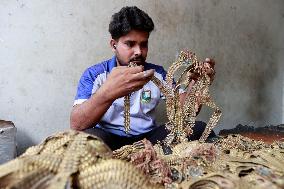
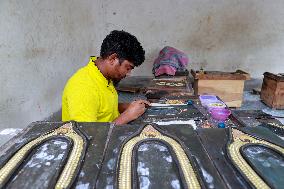
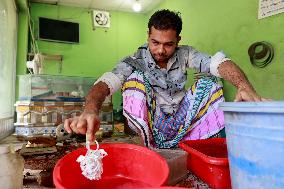
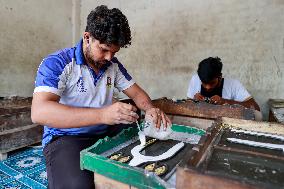
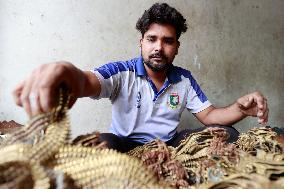
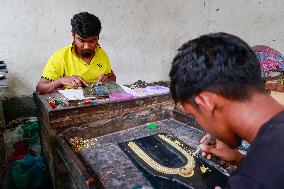
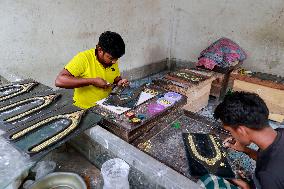
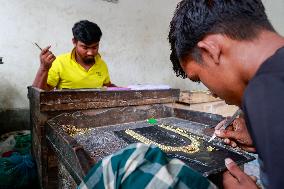
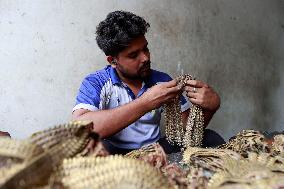
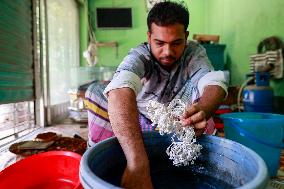
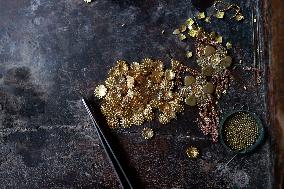
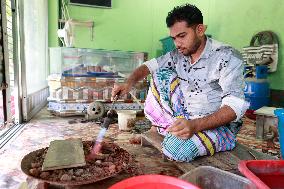
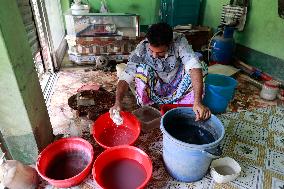
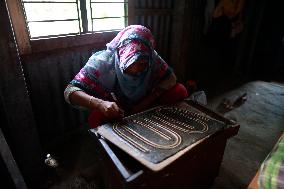
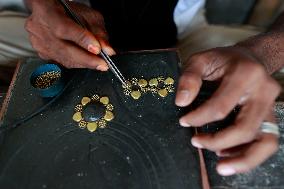
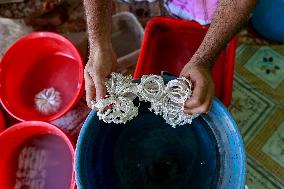
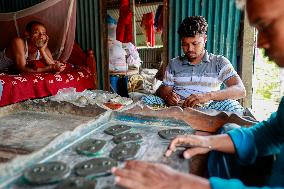
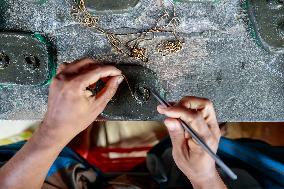
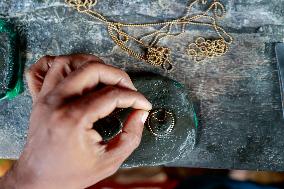
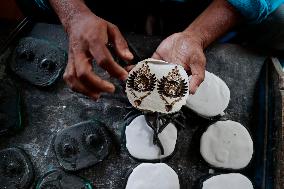
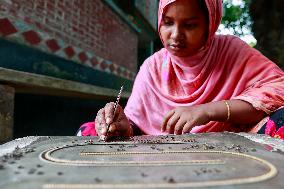
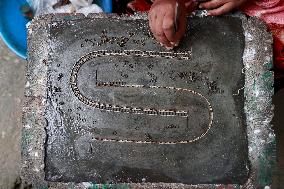
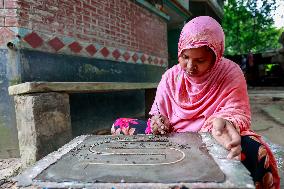
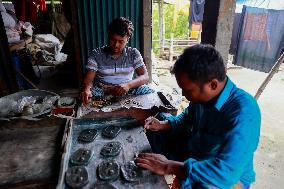
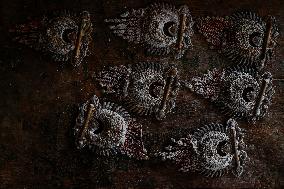
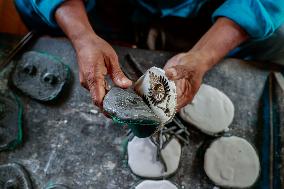
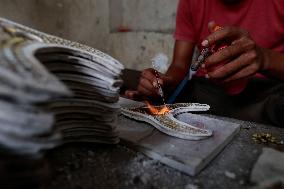
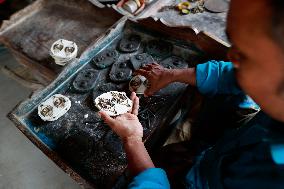
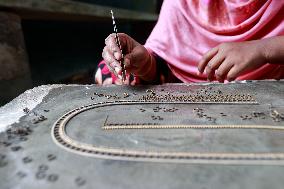
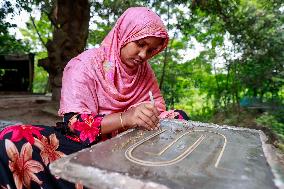
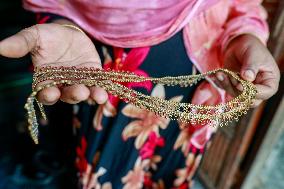
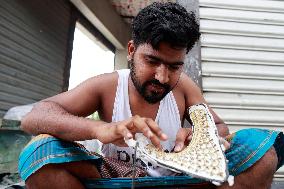
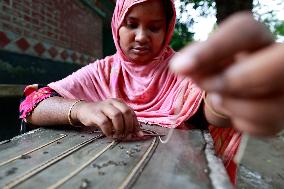
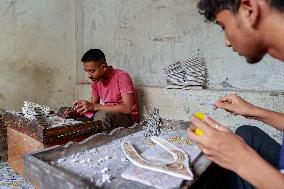
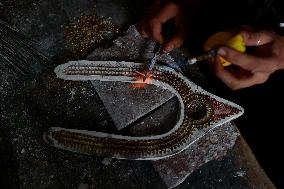
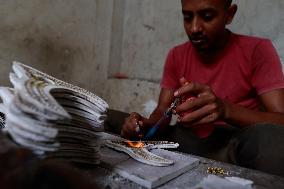
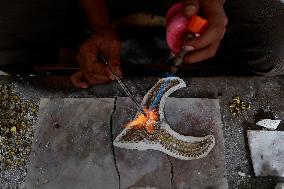
July 3, 2025, Savar, Bangladesh: In Bhakurta Union of Savar, on the outskirts of the capital, jewelry is made in almost every household. Around 10,000 people in the area are involved in the craft. According to locals, the tradition dates back to the British era, when residents adopted jewelry-making as an alternative profession. Initially, they used to craft gold ornaments. Gradually, they shifted to making silver jewelry. Nowadays, most of the ornaments are made from copper and brass. Since the 1980s, the production and sale of jewelry have expanded widely.

  •  
The Jewelry-Making Village - Bangladesh

The Jewelry-Making Village - Bangladesh

July 3, 2025, Savar, Bangladesh: In Bhakurta Union of Savar, on the outskirts of the capital, jewelry is made in almost every household. Around 10,000 people in the area are involved in the craft. According to locals, the tradition dates back to the British era, when residents adopted jewelry-making as an alternative profession. Initially, they used to craft gold ornaments. Gradually, they shifted to making silver jewelry. Nowadays, most of the ornaments are made from copper and brass. Since the 1980s, the production and sale of jewelry have expanded widely.

  •  
The Jewelry-Making Village - Bangladesh

The Jewelry-Making Village - Bangladesh

July 3, 2025, Savar, Bangladesh: In Bhakurta Union of Savar, on the outskirts of the capital, jewelry is made in almost every household. Around 10,000 people in the area are involved in the craft. According to locals, the tradition dates back to the British era, when residents adopted jewelry-making as an alternative profession. Initially, they used to craft gold ornaments. Gradually, they shifted to making silver jewelry. Nowadays, most of the ornaments are made from copper and brass. Since the 1980s, the production and sale of jewelry have expanded widely.

  •  
The Jewelry-Making Village - Bangladesh

The Jewelry-Making Village - Bangladesh

July 3, 2025, Savar, Bangladesh: In Bhakurta Union of Savar, on the outskirts of the capital, jewelry is made in almost every household. Around 10,000 people in the area are involved in the craft. According to locals, the tradition dates back to the British era, when residents adopted jewelry-making as an alternative profession. Initially, they used to craft gold ornaments. Gradually, they shifted to making silver jewelry. Nowadays, most of the ornaments are made from copper and brass. Since the 1980s, the production and sale of jewelry have expanded widely.

  •  
The Jewelry-Making Village - Bangladesh

The Jewelry-Making Village - Bangladesh

July 3, 2025, Savar, Bangladesh: In Bhakurta Union of Savar, on the outskirts of the capital, jewelry is made in almost every household. Around 10,000 people in the area are involved in the craft. According to locals, the tradition dates back to the British era, when residents adopted jewelry-making as an alternative profession. Initially, they used to craft gold ornaments. Gradually, they shifted to making silver jewelry. Nowadays, most of the ornaments are made from copper and brass. Since the 1980s, the production and sale of jewelry have expanded widely.

  •  
The Jewelry-Making Village - Bangladesh

The Jewelry-Making Village - Bangladesh

July 3, 2025, Savar, Bangladesh: In Bhakurta Union of Savar, on the outskirts of the capital, jewelry is made in almost every household. Around 10,000 people in the area are involved in the craft. According to locals, the tradition dates back to the British era, when residents adopted jewelry-making as an alternative profession. Initially, they used to craft gold ornaments. Gradually, they shifted to making silver jewelry. Nowadays, most of the ornaments are made from copper and brass. Since the 1980s, the production and sale of jewelry have expanded widely.

  •  
The Jewelry-Making Village - Bangladesh

The Jewelry-Making Village - Bangladesh

July 3, 2025, Savar, Bangladesh: In Bhakurta Union of Savar, on the outskirts of the capital, jewelry is made in almost every household. Around 10,000 people in the area are involved in the craft. According to locals, the tradition dates back to the British era, when residents adopted jewelry-making as an alternative profession. Initially, they used to craft gold ornaments. Gradually, they shifted to making silver jewelry. Nowadays, most of the ornaments are made from copper and brass. Since the 1980s, the production and sale of jewelry have expanded widely.

  •  
The Jewelry-Making Village - Bangladesh

The Jewelry-Making Village - Bangladesh

July 3, 2025, Savar, Bangladesh: In Bhakurta Union of Savar, on the outskirts of the capital, jewelry is made in almost every household. Around 10,000 people in the area are involved in the craft. According to locals, the tradition dates back to the British era, when residents adopted jewelry-making as an alternative profession. Initially, they used to craft gold ornaments. Gradually, they shifted to making silver jewelry. Nowadays, most of the ornaments are made from copper and brass. Since the 1980s, the production and sale of jewelry have expanded widely.

  •  
The Jewelry-Making Village - Bangladesh

The Jewelry-Making Village - Bangladesh

July 3, 2025, Savar, Bangladesh: In Bhakurta Union of Savar, on the outskirts of the capital, jewelry is made in almost every household. Around 10,000 people in the area are involved in the craft. According to locals, the tradition dates back to the British era, when residents adopted jewelry-making as an alternative profession. Initially, they used to craft gold ornaments. Gradually, they shifted to making silver jewelry. Nowadays, most of the ornaments are made from copper and brass. Since the 1980s, the production and sale of jewelry have expanded widely.

  •  
The Jewelry-Making Village - Bangladesh

The Jewelry-Making Village - Bangladesh

July 3, 2025, Savar, Bangladesh: In Bhakurta Union of Savar, on the outskirts of the capital, jewelry is made in almost every household. Around 10,000 people in the area are involved in the craft. According to locals, the tradition dates back to the British era, when residents adopted jewelry-making as an alternative profession. Initially, they used to craft gold ornaments. Gradually, they shifted to making silver jewelry. Nowadays, most of the ornaments are made from copper and brass. Since the 1980s, the production and sale of jewelry have expanded widely.

  •  
The Jewelry-Making Village - Bangladesh

The Jewelry-Making Village - Bangladesh

July 3, 2025, Savar, Bangladesh: In Bhakurta Union of Savar, on the outskirts of the capital, jewelry is made in almost every household. Around 10,000 people in the area are involved in the craft. According to locals, the tradition dates back to the British era, when residents adopted jewelry-making as an alternative profession. Initially, they used to craft gold ornaments. Gradually, they shifted to making silver jewelry. Nowadays, most of the ornaments are made from copper and brass. Since the 1980s, the production and sale of jewelry have expanded widely.

  •  
The Jewelry-Making Village - Bangladesh

The Jewelry-Making Village - Bangladesh

July 3, 2025, Savar, Bangladesh: In Bhakurta Union of Savar, on the outskirts of the capital, jewelry is made in almost every household. Around 10,000 people in the area are involved in the craft. According to locals, the tradition dates back to the British era, when residents adopted jewelry-making as an alternative profession. Initially, they used to craft gold ornaments. Gradually, they shifted to making silver jewelry. Nowadays, most of the ornaments are made from copper and brass. Since the 1980s, the production and sale of jewelry have expanded widely.

  •  
The Jewelry-Making Village - Bangladesh

The Jewelry-Making Village - Bangladesh

July 3, 2025, Savar, Bangladesh: In Bhakurta Union of Savar, on the outskirts of the capital, jewelry is made in almost every household. Around 10,000 people in the area are involved in the craft. According to locals, the tradition dates back to the British era, when residents adopted jewelry-making as an alternative profession. Initially, they used to craft gold ornaments. Gradually, they shifted to making silver jewelry. Nowadays, most of the ornaments are made from copper and brass. Since the 1980s, the production and sale of jewelry have expanded widely.

  •  
The Jewelry-Making Village - Bangladesh

The Jewelry-Making Village - Bangladesh

July 3, 2025, Savar, Bangladesh: In Bhakurta Union of Savar, on the outskirts of the capital, jewelry is made in almost every household. Around 10,000 people in the area are involved in the craft. According to locals, the tradition dates back to the British era, when residents adopted jewelry-making as an alternative profession. Initially, they used to craft gold ornaments. Gradually, they shifted to making silver jewelry. Nowadays, most of the ornaments are made from copper and brass. Since the 1980s, the production and sale of jewelry have expanded widely.

  •  
The Jewelry-Making Village - Bangladesh

The Jewelry-Making Village - Bangladesh

July 3, 2025, Savar, Bangladesh: In Bhakurta Union of Savar, on the outskirts of the capital, jewelry is made in almost every household. Around 10,000 people in the area are involved in the craft. According to locals, the tradition dates back to the British era, when residents adopted jewelry-making as an alternative profession. Initially, they used to craft gold ornaments. Gradually, they shifted to making silver jewelry. Nowadays, most of the ornaments are made from copper and brass. Since the 1980s, the production and sale of jewelry have expanded widely.

  •  
The Jewelry-Making Village - Bangladesh

The Jewelry-Making Village - Bangladesh

July 3, 2025, Savar, Bangladesh: In Bhakurta Union of Savar, on the outskirts of the capital, jewelry is made in almost every household. Around 10,000 people in the area are involved in the craft. According to locals, the tradition dates back to the British era, when residents adopted jewelry-making as an alternative profession. Initially, they used to craft gold ornaments. Gradually, they shifted to making silver jewelry. Nowadays, most of the ornaments are made from copper and brass. Since the 1980s, the production and sale of jewelry have expanded widely.

  •  
The Jewelry-Making Village - Bangladesh

The Jewelry-Making Village - Bangladesh

July 3, 2025, Savar, Bangladesh: In Bhakurta Union of Savar, on the outskirts of the capital, jewelry is made in almost every household. Around 10,000 people in the area are involved in the craft. According to locals, the tradition dates back to the British era, when residents adopted jewelry-making as an alternative profession. Initially, they used to craft gold ornaments. Gradually, they shifted to making silver jewelry. Nowadays, most of the ornaments are made from copper and brass. Since the 1980s, the production and sale of jewelry have expanded widely.

  •  
The Jewelry-Making Village - Bangladesh

The Jewelry-Making Village - Bangladesh

July 3, 2025, Savar, Bangladesh: In Bhakurta Union of Savar, on the outskirts of the capital, jewelry is made in almost every household. Around 10,000 people in the area are involved in the craft. According to locals, the tradition dates back to the British era, when residents adopted jewelry-making as an alternative profession. Initially, they used to craft gold ornaments. Gradually, they shifted to making silver jewelry. Nowadays, most of the ornaments are made from copper and brass. Since the 1980s, the production and sale of jewelry have expanded widely.

  •  
The Jewelry-Making Village - Bangladesh

The Jewelry-Making Village - Bangladesh

July 3, 2025, Savar, Bangladesh: In Bhakurta Union of Savar, on the outskirts of the capital, jewelry is made in almost every household. Around 10,000 people in the area are involved in the craft. According to locals, the tradition dates back to the British era, when residents adopted jewelry-making as an alternative profession. Initially, they used to craft gold ornaments. Gradually, they shifted to making silver jewelry. Nowadays, most of the ornaments are made from copper and brass. Since the 1980s, the production and sale of jewelry have expanded widely.

  •  
The Jewelry-Making Village - Bangladesh

The Jewelry-Making Village - Bangladesh

July 3, 2025, Savar, Bangladesh: In Bhakurta Union of Savar, on the outskirts of the capital, jewelry is made in almost every household. Around 10,000 people in the area are involved in the craft. According to locals, the tradition dates back to the British era, when residents adopted jewelry-making as an alternative profession. Initially, they used to craft gold ornaments. Gradually, they shifted to making silver jewelry. Nowadays, most of the ornaments are made from copper and brass. Since the 1980s, the production and sale of jewelry have expanded widely.

  •  
The Jewelry-Making Village - Bangladesh

The Jewelry-Making Village - Bangladesh

July 3, 2025, Savar, Bangladesh: In Bhakurta Union of Savar, on the outskirts of the capital, jewelry is made in almost every household. Around 10,000 people in the area are involved in the craft. According to locals, the tradition dates back to the British era, when residents adopted jewelry-making as an alternative profession. Initially, they used to craft gold ornaments. Gradually, they shifted to making silver jewelry. Nowadays, most of the ornaments are made from copper and brass. Since the 1980s, the production and sale of jewelry have expanded widely.

  •  
The Jewelry-Making Village - Bangladesh

The Jewelry-Making Village - Bangladesh

July 3, 2025, Savar, Bangladesh: In Bhakurta Union of Savar, on the outskirts of the capital, jewelry is made in almost every household. Around 10,000 people in the area are involved in the craft. According to locals, the tradition dates back to the British era, when residents adopted jewelry-making as an alternative profession. Initially, they used to craft gold ornaments. Gradually, they shifted to making silver jewelry. Nowadays, most of the ornaments are made from copper and brass. Since the 1980s, the production and sale of jewelry have expanded widely.

  •  
The Jewelry-Making Village - Bangladesh

The Jewelry-Making Village - Bangladesh

July 3, 2025, Savar, Bangladesh: In Bhakurta Union of Savar, on the outskirts of the capital, jewelry is made in almost every household. Around 10,000 people in the area are involved in the craft. According to locals, the tradition dates back to the British era, when residents adopted jewelry-making as an alternative profession. Initially, they used to craft gold ornaments. Gradually, they shifted to making silver jewelry. Nowadays, most of the ornaments are made from copper and brass. Since the 1980s, the production and sale of jewelry have expanded widely.

  •  
The Jewelry-Making Village - Bangladesh

The Jewelry-Making Village - Bangladesh

July 3, 2025, Savar, Bangladesh: In Bhakurta Union of Savar, on the outskirts of the capital, jewelry is made in almost every household. Around 10,000 people in the area are involved in the craft. According to locals, the tradition dates back to the British era, when residents adopted jewelry-making as an alternative profession. Initially, they used to craft gold ornaments. Gradually, they shifted to making silver jewelry. Nowadays, most of the ornaments are made from copper and brass. Since the 1980s, the production and sale of jewelry have expanded widely.

  •  
The Jewelry-Making Village - Bangladesh

The Jewelry-Making Village - Bangladesh

July 3, 2025, Savar, Bangladesh: In Bhakurta Union of Savar, on the outskirts of the capital, jewelry is made in almost every household. Around 10,000 people in the area are involved in the craft. According to locals, the tradition dates back to the British era, when residents adopted jewelry-making as an alternative profession. Initially, they used to craft gold ornaments. Gradually, they shifted to making silver jewelry. Nowadays, most of the ornaments are made from copper and brass. Since the 1980s, the production and sale of jewelry have expanded widely.

  •  
The Jewelry-Making Village - Bangladesh

The Jewelry-Making Village - Bangladesh

July 3, 2025, Savar, Bangladesh: In Bhakurta Union of Savar, on the outskirts of the capital, jewelry is made in almost every household. Around 10,000 people in the area are involved in the craft. According to locals, the tradition dates back to the British era, when residents adopted jewelry-making as an alternative profession. Initially, they used to craft gold ornaments. Gradually, they shifted to making silver jewelry. Nowadays, most of the ornaments are made from copper and brass. Since the 1980s, the production and sale of jewelry have expanded widely.

  •  
The Jewelry-Making Village - Bangladesh

The Jewelry-Making Village - Bangladesh

July 3, 2025, Savar, Bangladesh: In Bhakurta Union of Savar, on the outskirts of the capital, jewelry is made in almost every household. Around 10,000 people in the area are involved in the craft. According to locals, the tradition dates back to the British era, when residents adopted jewelry-making as an alternative profession. Initially, they used to craft gold ornaments. Gradually, they shifted to making silver jewelry. Nowadays, most of the ornaments are made from copper and brass. Since the 1980s, the production and sale of jewelry have expanded widely.

  •  
The Jewelry-Making Village - Bangladesh

The Jewelry-Making Village - Bangladesh

July 3, 2025, Savar, Bangladesh: In Bhakurta Union of Savar, on the outskirts of the capital, jewelry is made in almost every household. Around 10,000 people in the area are involved in the craft. According to locals, the tradition dates back to the British era, when residents adopted jewelry-making as an alternative profession. Initially, they used to craft gold ornaments. Gradually, they shifted to making silver jewelry. Nowadays, most of the ornaments are made from copper and brass. Since the 1980s, the production and sale of jewelry have expanded widely.

  •  
The Jewelry-Making Village - Bangladesh

The Jewelry-Making Village - Bangladesh

July 3, 2025, Savar, Bangladesh: In Bhakurta Union of Savar, on the outskirts of the capital, jewelry is made in almost every household. Around 10,000 people in the area are involved in the craft. According to locals, the tradition dates back to the British era, when residents adopted jewelry-making as an alternative profession. Initially, they used to craft gold ornaments. Gradually, they shifted to making silver jewelry. Nowadays, most of the ornaments are made from copper and brass. Since the 1980s, the production and sale of jewelry have expanded widely.

  •  
The Jewelry-Making Village - Bangladesh

The Jewelry-Making Village - Bangladesh

July 3, 2025, Savar, Bangladesh: In Bhakurta Union of Savar, on the outskirts of the capital, jewelry is made in almost every household. Around 10,000 people in the area are involved in the craft. According to locals, the tradition dates back to the British era, when residents adopted jewelry-making as an alternative profession. Initially, they used to craft gold ornaments. Gradually, they shifted to making silver jewelry. Nowadays, most of the ornaments are made from copper and brass. Since the 1980s, the production and sale of jewelry have expanded widely.

  •  
The Jewelry-Making Village - Bangladesh

The Jewelry-Making Village - Bangladesh

July 3, 2025, Savar, Bangladesh: In Bhakurta Union of Savar, on the outskirts of the capital, jewelry is made in almost every household. Around 10,000 people in the area are involved in the craft. According to locals, the tradition dates back to the British era, when residents adopted jewelry-making as an alternative profession. Initially, they used to craft gold ornaments. Gradually, they shifted to making silver jewelry. Nowadays, most of the ornaments are made from copper and brass. Since the 1980s, the production and sale of jewelry have expanded widely.

  •  
The Jewelry-Making Village - Bangladesh

The Jewelry-Making Village - Bangladesh

July 3, 2025, Savar, Bangladesh: In Bhakurta Union of Savar, on the outskirts of the capital, jewelry is made in almost every household. Around 10,000 people in the area are involved in the craft. According to locals, the tradition dates back to the British era, when residents adopted jewelry-making as an alternative profession. Initially, they used to craft gold ornaments. Gradually, they shifted to making silver jewelry. Nowadays, most of the ornaments are made from copper and brass. Since the 1980s, the production and sale of jewelry have expanded widely.

  •  
The Jewelry-Making Village - Bangladesh

The Jewelry-Making Village - Bangladesh

July 3, 2025, Savar, Bangladesh: In Bhakurta Union of Savar, on the outskirts of the capital, jewelry is made in almost every household. Around 10,000 people in the area are involved in the craft. According to locals, the tradition dates back to the British era, when residents adopted jewelry-making as an alternative profession. Initially, they used to craft gold ornaments. Gradually, they shifted to making silver jewelry. Nowadays, most of the ornaments are made from copper and brass. Since the 1980s, the production and sale of jewelry have expanded widely.

  •  
The Jewelry-Making Village - Bangladesh

The Jewelry-Making Village - Bangladesh

July 3, 2025, Savar, Bangladesh: In Bhakurta Union of Savar, on the outskirts of the capital, jewelry is made in almost every household. Around 10,000 people in the area are involved in the craft. According to locals, the tradition dates back to the British era, when residents adopted jewelry-making as an alternative profession. Initially, they used to craft gold ornaments. Gradually, they shifted to making silver jewelry. Nowadays, most of the ornaments are made from copper and brass. Since the 1980s, the production and sale of jewelry have expanded widely.

  •  
The Jewelry-Making Village - Bangladesh

The Jewelry-Making Village - Bangladesh

July 3, 2025, Savar, Bangladesh: In Bhakurta Union of Savar, on the outskirts of the capital, jewelry is made in almost every household. Around 10,000 people in the area are involved in the craft. According to locals, the tradition dates back to the British era, when residents adopted jewelry-making as an alternative profession. Initially, they used to craft gold ornaments. Gradually, they shifted to making silver jewelry. Nowadays, most of the ornaments are made from copper and brass. Since the 1980s, the production and sale of jewelry have expanded widely.

  •  
The Jewelry-Making Village - Bangladesh

The Jewelry-Making Village - Bangladesh

July 3, 2025, Savar, Bangladesh: In Bhakurta Union of Savar, on the outskirts of the capital, jewelry is made in almost every household. Around 10,000 people in the area are involved in the craft. According to locals, the tradition dates back to the British era, when residents adopted jewelry-making as an alternative profession. Initially, they used to craft gold ornaments. Gradually, they shifted to making silver jewelry. Nowadays, most of the ornaments are made from copper and brass. Since the 1980s, the production and sale of jewelry have expanded widely.

  •  
The Jewelry-Making Village - Bangladesh

The Jewelry-Making Village - Bangladesh

July 3, 2025, Savar, Bangladesh: In Bhakurta Union of Savar, on the outskirts of the capital, jewelry is made in almost every household. Around 10,000 people in the area are involved in the craft. According to locals, the tradition dates back to the British era, when residents adopted jewelry-making as an alternative profession. Initially, they used to craft gold ornaments. Gradually, they shifted to making silver jewelry. Nowadays, most of the ornaments are made from copper and brass. Since the 1980s, the production and sale of jewelry have expanded widely.

  •  
National Memorial Tower or Jatiya Smriti Shoudha at Savar - Bangladesh

National Memorial Tower or Jatiya Smriti Shoudha at Savar - Bangladesh

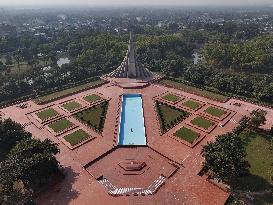
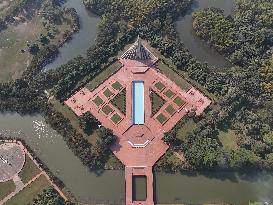
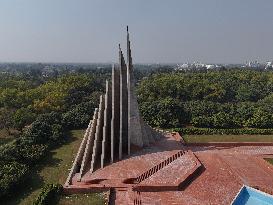
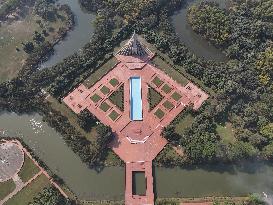
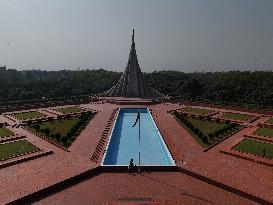
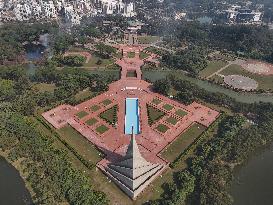
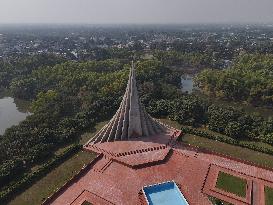
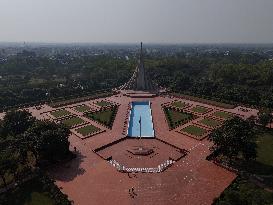
The National Memorial Tower or Jatiya Smriti Shoudha at Savar, about 20 km from Dhaka, built in memory of those who sacrificed their lives during the Liberation War of 1971. Dhaka, Bangladesh. December 15, 2024. Photo by Habibur Rahman/ABACAPRESS.COM

  •  
National Memorial Tower or Jatiya Smriti Shoudha at Savar - Bangladesh

National Memorial Tower or Jatiya Smriti Shoudha at Savar - Bangladesh

The National Memorial Tower or Jatiya Smriti Shoudha at Savar, about 20 km from Dhaka, built in memory of those who sacrificed their lives during the Liberation War of 1971. Dhaka, Bangladesh. December 15, 2024. Photo by Habibur Rahman/ABACAPRESS.COM

  •  
National Memorial Tower or Jatiya Smriti Shoudha at Savar - Bangladesh

National Memorial Tower or Jatiya Smriti Shoudha at Savar - Bangladesh

The National Memorial Tower or Jatiya Smriti Shoudha at Savar, about 20 km from Dhaka, built in memory of those who sacrificed their lives during the Liberation War of 1971. Dhaka, Bangladesh. December 15, 2024. Photo by Habibur Rahman/ABACAPRESS.COM

  •  
National Memorial Tower or Jatiya Smriti Shoudha at Savar - Bangladesh

National Memorial Tower or Jatiya Smriti Shoudha at Savar - Bangladesh

The National Memorial Tower or Jatiya Smriti Shoudha at Savar, about 20 km from Dhaka, built in memory of those who sacrificed their lives during the Liberation War of 1971. Dhaka, Bangladesh. December 15, 2024. Photo by Habibur Rahman/ABACAPRESS.COM

  •  
National Memorial Tower or Jatiya Smriti Shoudha at Savar - Bangladesh

National Memorial Tower or Jatiya Smriti Shoudha at Savar - Bangladesh

The National Memorial Tower or Jatiya Smriti Shoudha at Savar, about 20 km from Dhaka, built in memory of those who sacrificed their lives during the Liberation War of 1971. Dhaka, Bangladesh. December 15, 2024. Photo by Habibur Rahman/ABACAPRESS.COM

  •  
National Memorial Tower or Jatiya Smriti Shoudha at Savar - Bangladesh

National Memorial Tower or Jatiya Smriti Shoudha at Savar - Bangladesh

The National Memorial Tower or Jatiya Smriti Shoudha at Savar, about 20 km from Dhaka, built in memory of those who sacrificed their lives during the Liberation War of 1971. Dhaka, Bangladesh. December 15, 2024. Photo by Habibur Rahman/ABACAPRESS.COM

  •  
National Memorial Tower or Jatiya Smriti Shoudha at Savar - Bangladesh

National Memorial Tower or Jatiya Smriti Shoudha at Savar - Bangladesh

The National Memorial Tower or Jatiya Smriti Shoudha at Savar, about 20 km from Dhaka, built in memory of those who sacrificed their lives during the Liberation War of 1971. Dhaka, Bangladesh. December 15, 2024. Photo by Habibur Rahman/ABACAPRESS.COM

  •  
National Memorial Tower or Jatiya Smriti Shoudha at Savar - Bangladesh

National Memorial Tower or Jatiya Smriti Shoudha at Savar - Bangladesh

The National Memorial Tower or Jatiya Smriti Shoudha at Savar, about 20 km from Dhaka, built in memory of those who sacrificed their lives during the Liberation War of 1971. Dhaka, Bangladesh. December 15, 2024. Photo by Habibur Rahman/ABACAPRESS.COM

  •  
Tannery Factory - Dhaka

Tannery Factory - Dhaka

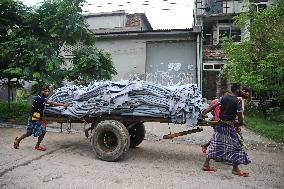
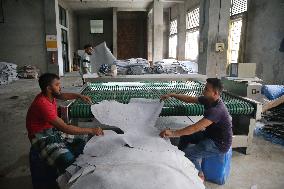
Workers transfer leather in a tannery factory in Savar, on the outskirts of Dhaka, Bangladesh, August 19, 2024. Photo by Xinhua/ABACAPRESS.COM

  •  
Tannery Factory - Dhaka

Tannery Factory - Dhaka

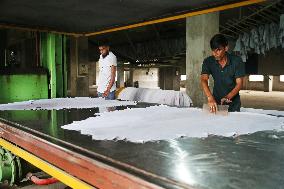
Workers manage leather in a tannery factory in Savar, on the outskirts of Dhaka, Bangladesh, August 19, 2024. Photo by Xinhua/ABACAPRESS.COM

  •  
Tannery Factory - Dhaka

Tannery Factory - Dhaka

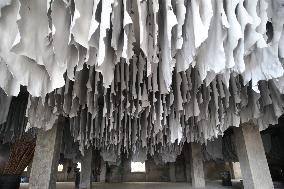
Leather is hung to dry in a tannery factory in Savar, on the outskirts of Dhaka, Bangladesh, August 19, 2024. Photo by Xinhua/ABACAPRESS.COM

  •  
Tannery Factory - Dhaka

Tannery Factory - Dhaka

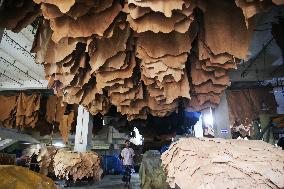
Leather is hung and piled in a tannery factory in Savar, on the outskirts of Dhaka, Bangladesh, August 19, 2024. Photo by Xinhua/ABACAPRESS.COM

  •  
Tannery Factory - Dhaka

Tannery Factory - Dhaka

Workers manage leather in a tannery factory in Savar, on the outskirts of Dhaka, Bangladesh, August 19, 2024. Photo by Xinhua/ABACAPRESS.COM

  • Main
  • Top
  • Editorial
  • Creative
  • About Us
  • About ILG
  • Terms of use
  • Company
  • BEHIND
  • Price List
  • Single Plan
  • Monthly Plan
  • Services
  • Shooting
  • Rights Clearance
  • Support
  • FAQ
  • How To Buy
  • Contact Us
  • Become a Partner

© KYODO NEWS IMAGES INC

All Rights Reserved.

  • Editorial
  • Olympics
  • News
  • Sports
  • Japan
  • Tech
  • Royal
  • Disaster
  • NorthKorea
  • Old Japan
  • SNS
  • Creative
  • Food
  • Japan
  • Landscape
  • Animal
  • Popular
  • #Ukraine
  • #Thailand
  • #coronavirus
  • #N. Korea
  • #Russia
  • #China
  • #Ukraine
  • #Thailand
  • #coronavirus
  • #N. Korea
  • #Russia
  • #China
  • Food
  • Japan
  • Landscape
  • Animal
  • Olympics
  • News
  • Sports
  • Japan
  • Tech
  • Royal
  • Disaster
  • NorthKorea
  • Old Japan
  • SNS