•  
(InXizang)CHINA-XIZANG-FORMER SERF-NEW LIFE-KELSANG YUDRON (CN)

(InXizang)CHINA-XIZANG-FORMER SERF-NEW LIFE-KELSANG YUDRON (CN)

(240405) -- LHASA, April 5, 2024 (Xinhua) -- Kelsang Yudron washes apples at home in Lhasa, southwest China's Xizang Autonomous Region, April 3, 2024. Kelsang Yudron was born in 1947 in what is now Lhunzhub County, located in Lhasa City. Her family of eight lived in a cramped mud house of around 30 square meters. With no decent furniture, they slept on a humble bed made of mud bricks and covered with thick hays and blankets. They toiled from dawn till midnight, working in the fields and tending to livestock for their feudal lords. Hunger and discomfort plagued them at night. Hard labor and poor nutrition often led to illness for many serfs. In 1959, the democratic reform in Xizang liberated around one million serfs, including Kelsang Yudron's family. In 1960, she seized the opportunity to study nursing in Xianyang, northwest China's Shaanxi Province. Having completed her education in six years, she returned to her hometown afterward and dedicated over three decades to saving lives. Upon retirement, Kelsan

  •  
(InXizang)CHINA-XIZANG-FORMER SERF-NEW LIFE-KELSANG YUDRON (CN)

(InXizang)CHINA-XIZANG-FORMER SERF-NEW LIFE-KELSANG YUDRON (CN)

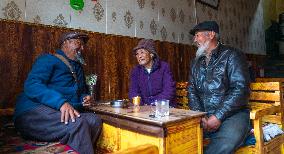
(240405) -- LHASA, April 5, 2024 (Xinhua) -- Kelsang Yudron (C) chats with her friends at a tea house in Lhasa, southwest China's Xizang Autonomous Region, April 3, 2024. Kelsang Yudron was born in 1947 in what is now Lhunzhub County, located in Lhasa City. Her family of eight lived in a cramped mud house of around 30 square meters. With no decent furniture, they slept on a humble bed made of mud bricks and covered with thick hays and blankets. They toiled from dawn till midnight, working in the fields and tending to livestock for their feudal lords. Hunger and discomfort plagued them at night. Hard labor and poor nutrition often led to illness for many serfs. In 1959, the democratic reform in Xizang liberated around one million serfs, including Kelsang Yudron's family. In 1960, she seized the opportunity to study nursing in Xianyang, northwest China's Shaanxi Province. Having completed her education in six years, she returned to her hometown afterward and dedicated over three decades to saving lives. Upo

  •  
(InXizang)CHINA-XIZANG-FORMER SERF-NEW LIFE-KELSANG YUDRON (CN)

(InXizang)CHINA-XIZANG-FORMER SERF-NEW LIFE-KELSANG YUDRON (CN)

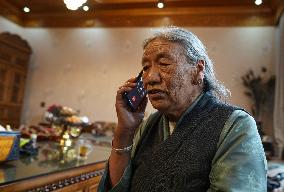
(240405) -- LHASA, April 5, 2024 (Xinhua) -- Kelsang Yudron makes a phone call at home in Lhasa, southwest China's Xizang Autonomous Region, April 3, 2024. Kelsang Yudron was born in 1947 in what is now Lhunzhub County, located in Lhasa City. Her family of eight lived in a cramped mud house of around 30 square meters. With no decent furniture, they slept on a humble bed made of mud bricks and covered with thick hays and blankets. They toiled from dawn till midnight, working in the fields and tending to livestock for their feudal lords. Hunger and discomfort plagued them at night. Hard labor and poor nutrition often led to illness for many serfs. In 1959, the democratic reform in Xizang liberated around one million serfs, including Kelsang Yudron's family. In 1960, she seized the opportunity to study nursing in Xianyang, northwest China's Shaanxi Province. Having completed her education in six years, she returned to her hometown afterward and dedicated over three decades to saving lives. Upon retirement, K

  •  
(InXizang)CHINA-XIZANG-FORMER SERF-NEW LIFE-KELSANG YUDRON (CN)

(InXizang)CHINA-XIZANG-FORMER SERF-NEW LIFE-KELSANG YUDRON (CN)

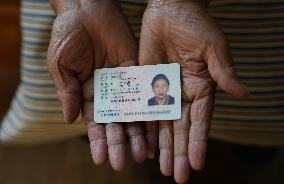
(240405) -- LHASA, April 5, 2024 (Xinhua) -- Kelsang Yudron presents her ID card in Lhasa, southwest China's Xizang Autonomous Region, April 3, 2024. Kelsang Yudron was born in 1947 in what is now Lhunzhub County, located in Lhasa City. Her family of eight lived in a cramped mud house of around 30 square meters. With no decent furniture, they slept on a humble bed made of mud bricks and covered with thick hays and blankets. They toiled from dawn till midnight, working in the fields and tending to livestock for their feudal lords. Hunger and discomfort plagued them at night. Hard labor and poor nutrition often led to illness for many serfs. In 1959, the democratic reform in Xizang liberated around one million serfs, including Kelsang Yudron's family. In 1960, she seized the opportunity to study nursing in Xianyang, northwest China's Shaanxi Province. Having completed her education in six years, she returned to her hometown afterward and dedicated over three decades to saving lives. Upon retirement, Kelsang

  •  
(InXizang)CHINA-XIZANG-FORMER SERF-NEW LIFE-KELSANG YUDRON (CN)

(InXizang)CHINA-XIZANG-FORMER SERF-NEW LIFE-KELSANG YUDRON (CN)

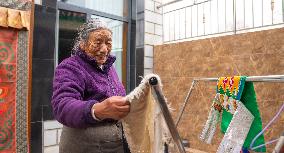
(240405) -- LHASA, April 5, 2024 (Xinhua) -- Kelsang Yudron airs clothes at home in Lhasa, southwest China's Xizang Autonomous Region, April 3, 2024. Kelsang Yudron was born in 1947 in what is now Lhunzhub County, located in Lhasa City. Her family of eight lived in a cramped mud house of around 30 square meters. With no decent furniture, they slept on a humble bed made of mud bricks and covered with thick hays and blankets. They toiled from dawn till midnight, working in the fields and tending to livestock for their feudal lords. Hunger and discomfort plagued them at night. Hard labor and poor nutrition often led to illness for many serfs. In 1959, the democratic reform in Xizang liberated around one million serfs, including Kelsang Yudron's family. In 1960, she seized the opportunity to study nursing in Xianyang, northwest China's Shaanxi Province. Having completed her education in six years, she returned to her hometown afterward and dedicated over three decades to saving lives. Upon retirement, Kelsang

  •  
(InXizang)CHINA-XIZANG-FORMER SERF-NEW LIFE-KELSANG YUDRON (CN)

(InXizang)CHINA-XIZANG-FORMER SERF-NEW LIFE-KELSANG YUDRON (CN)

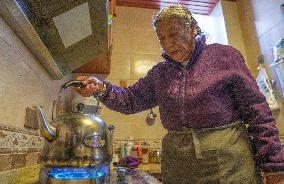
(240405) -- LHASA, April 5, 2024 (Xinhua) -- Kelsang Yudron boils some water at home in Lhasa, southwest China's Xizang Autonomous Region, April 3, 2024. Kelsang Yudron was born in 1947 in what is now Lhunzhub County, located in Lhasa City. Her family of eight lived in a cramped mud house of around 30 square meters. With no decent furniture, they slept on a humble bed made of mud bricks and covered with thick hays and blankets. They toiled from dawn till midnight, working in the fields and tending to livestock for their feudal lords. Hunger and discomfort plagued them at night. Hard labor and poor nutrition often led to illness for many serfs. In 1959, the democratic reform in Xizang liberated around one million serfs, including Kelsang Yudron's family. In 1960, she seized the opportunity to study nursing in Xianyang, northwest China's Shaanxi Province. Having completed her education in six years, she returned to her hometown afterward and dedicated over three decades to saving lives. Upon retirement, Kel

  •  
(InXizang)CHINA-XIZANG-FORMER SERF-NEW LIFE-KELSANG YUDRON (CN)

(InXizang)CHINA-XIZANG-FORMER SERF-NEW LIFE-KELSANG YUDRON (CN)

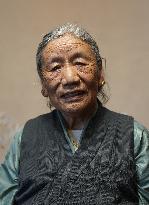
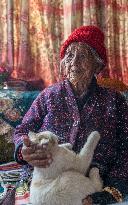
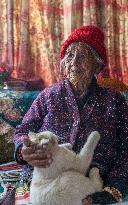
(240405) -- LHASA, April 5, 2024 (Xinhua) -- This photo taken on April 3, 2024 shows a portrait of Kelsang Yudron in Lhasa, southwest China's Xizang Autonomous Region. Kelsang Yudron was born in 1947 in what is now Lhunzhub County, located in Lhasa City. Her family of eight lived in a cramped mud house of around 30 square meters. With no decent furniture, they slept on a humble bed made of mud bricks and covered with thick hays and blankets. They toiled from dawn till midnight, working in the fields and tending to livestock for their feudal lords. Hunger and discomfort plagued them at night. Hard labor and poor nutrition often led to illness for many serfs. In 1959, the democratic reform in Xizang liberated around one million serfs, including Kelsang Yudron's family. In 1960, she seized the opportunity to study nursing in Xianyang, northwest China's Shaanxi Province. Having completed her education in six years, she returned to her hometown afterward and dedicated over three decades to saving lives. Upon r

  •  
(InXizang)CHINA-XIZANG-FORMER SERF-NEW LIFE-LOZANG (CN)

(InXizang)CHINA-XIZANG-FORMER SERF-NEW LIFE-LOZANG (CN)

(240404) -- LHASA, April 4, 2024 (Xinhua) -- Lozang is pictured at his house in Kundeling Street, Chengguan District of Lhasa, southwest China's Xizang Autonomous Region, April 2, 2024. Born in 1939, Lozang is a resident of Kundeling Street of Chengguan District in Lhasa. Before the democratic reform, Lozang and his family were serfs, working for Kundeling Monastery. During his childhood, Lozang worked as a muleteer and was obliged to transport supplies, only receiving meager sustenance in return. In March 1959, people in Xizang launched the democratic reform that ended the region's feudal serfdom. Lozang was freed and allocated accommodations. In 1960, he was appointed head of the residents' committee in his community, and elected as a deputy to the National People's Congress. Now retired, Lozang lives with his family in a three-story house. His eldest and second daughters run a tea shop in downtown Lhasa, and his younger daughter works in a bank. Lozang said he was very happy to take care of h

  •  
(InXizang)CHINA-XIZANG-FORMER SERF-NEW LIFE-LOZANG (CN)

(InXizang)CHINA-XIZANG-FORMER SERF-NEW LIFE-LOZANG (CN)

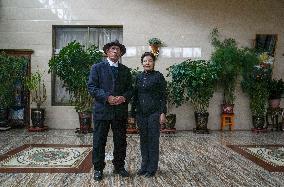
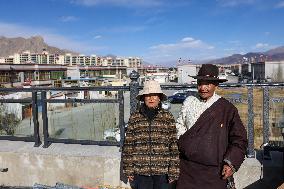
(240404) -- LHASA, April 4, 2024 (Xinhua) -- Lozang poses for a photo with his wife at his house in Kundeling Street, Chengguan District of Lhasa, southwest China's Xizang Autonomous Region, April 2, 2024. Born in 1939, Lozang is a resident of Kundeling Street of Chengguan District in Lhasa. Before the democratic reform, Lozang and his family were serfs, working for Kundeling Monastery. During his childhood, Lozang worked as a muleteer and was obliged to transport supplies, only receiving meager sustenance in return. In March 1959, people in Xizang launched the democratic reform that ended the region's feudal serfdom. Lozang was freed and allocated accommodations. In 1960, he was appointed head of the residents' committee in his community, and elected as a deputy to the National People's Congress. Now retired, Lozang lives with his family in a three-story house. His eldest and second daughters run a tea shop in downtown Lhasa, and his younger daughter works in a bank. Lozang said he was very hap

  •  
(InXizang)CHINA-XIZANG-FORMER SERF-NEW LIFE-LOZANG (CN)

(InXizang)CHINA-XIZANG-FORMER SERF-NEW LIFE-LOZANG (CN)

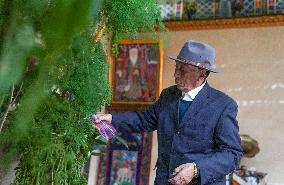
(240404) -- LHASA, April 4, 2024 (Xinhua) -- Lozang waters plants at his house in Kundeling Street, Chengguan District of Lhasa, southwest China's Xizang Autonomous Region, April 2, 2024. Born in 1939, Lozang is a resident of Kundeling Street of Chengguan District in Lhasa. Before the democratic reform, Lozang and his family were serfs, working for Kundeling Monastery. During his childhood, Lozang worked as a muleteer and was obliged to transport supplies, only receiving meager sustenance in return. In March 1959, people in Xizang launched the democratic reform that ended the region's feudal serfdom. Lozang was freed and allocated accommodations. In 1960, he was appointed head of the residents' committee in his community, and elected as a deputy to the National People's Congress. Now retired, Lozang lives with his family in a three-story house. His eldest and second daughters run a tea shop in downtown Lhasa, and his younger daughter works in a bank. Lozang said he was very happy to take care of

  •  
(InXizang)CHINA-XIZANG-FORMER SERF-NEW LIFE-LOZANG (CN)

(InXizang)CHINA-XIZANG-FORMER SERF-NEW LIFE-LOZANG (CN)

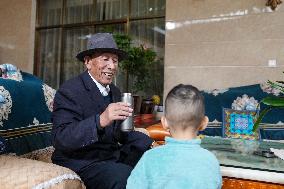
(240404) -- LHASA, April 4, 2024 (Xinhua) -- Lozang plays with his grandchild at his house in Kundeling Street, Chengguan District of Lhasa, southwest China's Xizang Autonomous Region, April 2, 2024. Born in 1939, Lozang is a resident of Kundeling Street of Chengguan District in Lhasa. Before the democratic reform, Lozang and his family were serfs, working for Kundeling Monastery. During his childhood, Lozang worked as a muleteer and was obliged to transport supplies, only receiving meager sustenance in return. In March 1959, people in Xizang launched the democratic reform that ended the region's feudal serfdom. Lozang was freed and allocated accommodations. In 1960, he was appointed head of the residents' committee in his community, and elected as a deputy to the National People's Congress. Now retired, Lozang lives with his family in a three-story house. His eldest and second daughters run a tea shop in downtown Lhasa, and his younger daughter works in a bank. Lozang said he was very happy to

  •  
(InXizang)CHINA-XIZANG-FORMER SERF-NEW LIFE-LOZANG (CN)

(InXizang)CHINA-XIZANG-FORMER SERF-NEW LIFE-LOZANG (CN)

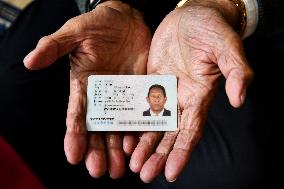
(240404) -- LHASA, April 4, 2024 (Xinhua) -- Lozang presents his ID card in Lhasa, southwest China's Xizang Autonomous Region, Dec. 7, 2021. Born in 1939, Lozang is a resident of Kundeling Street of Chengguan District in Lhasa. Before the democratic reform, Lozang and his family were serfs, working for Kundeling Monastery. During his childhood, Lozang worked as a muleteer and was obliged to transport supplies, only receiving meager sustenance in return. In March 1959, people in Xizang launched the democratic reform that ended the region's feudal serfdom. Lozang was freed and allocated accommodations. In 1960, he was appointed head of the residents' committee in his community, and elected as a deputy to the National People's Congress. Now retired, Lozang lives with his family in a three-story house. His eldest and second daughters run a tea shop in downtown Lhasa, and his younger daughter works in a bank. Lozang said he was very happy to take care of his grandchildren at home and exercise occasio

  •  
(InXizang)CHINA-XIZANG-FORMER SERF-NEW LIFE-LOZANG (CN)

(InXizang)CHINA-XIZANG-FORMER SERF-NEW LIFE-LOZANG (CN)

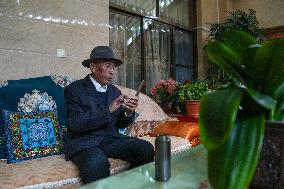
(240404) -- LHASA, April 4, 2024 (Xinhua) -- Lozang uses a mobile phone at his house in Kundeling Street, Chengguan District of Lhasa, southwest China's Xizang Autonomous Region, April 2, 2024. Born in 1939, Lozang is a resident of Kundeling Street of Chengguan District in Lhasa. Before the democratic reform, Lozang and his family were serfs, working for Kundeling Monastery. During his childhood, Lozang worked as a muleteer and was obliged to transport supplies, only receiving meager sustenance in return. In March 1959, people in Xizang launched the democratic reform that ended the region's feudal serfdom. Lozang was freed and allocated accommodations. In 1960, he was appointed head of the residents' committee in his community, and elected as a deputy to the National People's Congress. Now retired, Lozang lives with his family in a three-story house. His eldest and second daughters run a tea shop in downtown Lhasa, and his younger daughter works in a bank. Lozang said he was very happy to take c

  •  
(InXizang)CHINA-XIZANG-FORMER SERF-NEW LIFE-DRAKPA WANGDEN (CN)

(InXizang)CHINA-XIZANG-FORMER SERF-NEW LIFE-DRAKPA WANGDEN (CN)

(240330) -- LHASA, March 30, 2024 (Xinhua) -- Drakpa Wangden poses for a photo with his daughter at his home at Yabda Village of Doilungdeqen District in Lhasa, southwest China's Xizang Autonomous Region, March 11, 2024. Born in 1944, Drakpa Wangden lives now in Doilungdeqen District of Lhasa, southwest China's Xizang Autonomous Region. Before the democratic reform, Drakpa Wangden and his family were serfs, working on manors affiliated with two monasteries in present-day Lhasa. For his family, each spring meant borrowing seeds from their masters, however, they could collect nothing during the autumn harvest. At that time, the sustenance of Drakpa Wangden's family of nine was a meager bowl of tsampa, a traditional Tibetan staple made from barley flour, no larger than the palm of a child's hand. In March 1959, people in Xizang launched a democratic reform that ended the region's feudal serfdom and Drakpa Wangden's family was freed along with about a million serfs. Under the systems of the people's con

  •  
(InXizang)CHINA-XIZANG-FORMER SERF-NEW LIFE-DRAKPA WANGDEN (CN)

(InXizang)CHINA-XIZANG-FORMER SERF-NEW LIFE-DRAKPA WANGDEN (CN)

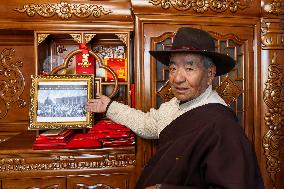
(240330) -- LHASA, March 30, 2024 (Xinhua) -- Drakpa Wangden demonstrates photos and certificates of honor he won in Lhasa, southwest China's Xizang Autonomous Region, March 11, 2024. Born in 1944, Drakpa Wangden lives now in Doilungdeqen District of Lhasa, southwest China's Xizang Autonomous Region. Before the democratic reform, Drakpa Wangden and his family were serfs, working on manors affiliated with two monasteries in present-day Lhasa. For his family, each spring meant borrowing seeds from their masters, however, they could collect nothing during the autumn harvest. At that time, the sustenance of Drakpa Wangden's family of nine was a meager bowl of tsampa, a traditional Tibetan staple made from barley flour, no larger than the palm of a child's hand. In March 1959, people in Xizang launched a democratic reform that ended the region's feudal serfdom and Drakpa Wangden's family was freed along with about a million serfs. Under the systems of the people's congresses and regional ethnic autonomy

  •  
(InXizang)CHINA-XIZANG-FORMER SERF-NEW LIFE-DRAKPA WANGDEN (CN)

(InXizang)CHINA-XIZANG-FORMER SERF-NEW LIFE-DRAKPA WANGDEN (CN)

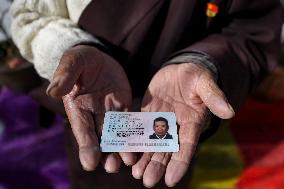
(240330) -- LHASA, March 30, 2024 (Xinhua) -- This photo taken on March 11, 2024 shows the ID card of Drakpa Wangden. Born in 1944, Drakpa Wangden lives now in Doilungdeqen District of Lhasa, southwest China's Xizang Autonomous Region. Before the democratic reform, Drakpa Wangden and his family were serfs, working on manors affiliated with two monasteries in present-day Lhasa. For his family, each spring meant borrowing seeds from their masters, however, they could collect nothing during the autumn harvest. At that time, the sustenance of Drakpa Wangden's family of nine was a meager bowl of tsampa, a traditional Tibetan staple made from barley flour, no larger than the palm of a child's hand. In March 1959, people in Xizang launched a democratic reform that ended the region's feudal serfdom and Drakpa Wangden's family was freed along with about a million serfs. Under the systems of the people's congresses and regional ethnic autonomy that were put in place after the reform, former serfs and slaves w

  •  
(InXizang)CHINA-XIZANG-FORMER SERF-NEW LIFE-DRAKPA WANGDEN (CN)

(InXizang)CHINA-XIZANG-FORMER SERF-NEW LIFE-DRAKPA WANGDEN (CN)

(240330) -- LHASA, March 30, 2024 (Xinhua) -- Drakpa Wangden walks into his home at Yabda Village of Doilungdeqen District in Lhasa, southwest China's Xizang Autonomous Region, March 11, 2024. Born in 1944, Drakpa Wangden lives now in Doilungdeqen District of Lhasa, southwest China's Xizang Autonomous Region. Before the democratic reform, Drakpa Wangden and his family were serfs, working on manors affiliated with two monasteries in present-day Lhasa. For his family, each spring meant borrowing seeds from their masters, however, they could collect nothing during the autumn harvest. At that time, the sustenance of Drakpa Wangden's family of nine was a meager bowl of tsampa, a traditional Tibetan staple made from barley flour, no larger than the palm of a child's hand. In March 1959, people in Xizang launched a democratic reform that ended the region's feudal serfdom and Drakpa Wangden's family was freed along with about a million serfs. Under the systems of the people's congresses and regional ethnic

  •  
(InXizang)CHINA-XIZANG-FORMER SERF-NEW LIFE-DRAKPA WANGDEN (CN)

(InXizang)CHINA-XIZANG-FORMER SERF-NEW LIFE-DRAKPA WANGDEN (CN)

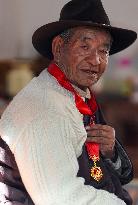
(240330) -- LHASA, March 30, 2024 (Xinhua) -- The 80-year-old Drakpa Wangden shows his commemorative medal awarded to the Communist Party of China (CPC) members after five decades of Party membership in Lhasa, southwest China's Xizang Autonomous Region, March 11, 2024. Born in 1944, Drakpa Wangden lives now in Doilungdeqen District of Lhasa, southwest China's Xizang Autonomous Region. Before the democratic reform, Drakpa Wangden and his family were serfs, working on manors affiliated with two monasteries in present-day Lhasa. For his family, each spring meant borrowing seeds from their masters, however, they could collect nothing during the autumn harvest. At that time, the sustenance of Drakpa Wangden's family of nine was a meager bowl of tsampa, a traditional Tibetan staple made from barley flour, no larger than the palm of a child's hand. In March 1959, people in Xizang launched a democratic reform that ended the region's feudal serfdom and Drakpa Wangden's family was freed along with about a milli

  •  
(InXizang)CHINA-XIZANG-FORMER SERF-NEW LIFE-DRAKPA WANGDEN (CN)

(InXizang)CHINA-XIZANG-FORMER SERF-NEW LIFE-DRAKPA WANGDEN (CN)

(240330) -- LHASA, March 30, 2024 (Xinhua) -- Drakpa Wangden prunes a potted flower outside his home at Yabda Village of Doilungdeqen District in Lhasa, southwest China's Xizang Autonomous Region, March 11, 2024. Born in 1944, Drakpa Wangden lives now in Doilungdeqen District of Lhasa, southwest China's Xizang Autonomous Region. Before the democratic reform, Drakpa Wangden and his family were serfs, working on manors affiliated with two monasteries in present-day Lhasa. For his family, each spring meant borrowing seeds from their masters, however, they could collect nothing during the autumn harvest. At that time, the sustenance of Drakpa Wangden's family of nine was a meager bowl of tsampa, a traditional Tibetan staple made from barley flour, no larger than the palm of a child's hand. In March 1959, people in Xizang launched a democratic reform that ended the region's feudal serfdom and Drakpa Wangden's family was freed along with about a million serfs. Under the systems of the people's congresses

  •  
XINHUA PHOTOS OF THE DAY

XINHUA PHOTOS OF THE DAY

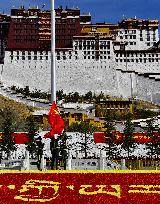
(240329) -- BEIJING, March 29, 2024 (Xinhua) -- The national flag of China is seen on the square in front of the Potala Palace on the Serfs' Emancipation Day in Lhasa, capital of southwest China's Xizang Autonomous Region, March 28, 2024. On March 28, 1959, people in Xizang launched the democratic reform, freeing a million serfs. In 2009, the regional legislature announced March 28 as the day to commemorate the emancipation of the one million serfs. (Xinhua/Jigme Dorje)

  •  
(InXizang)CHINA-XIZANG-FORMER SERF-NEW LIFE-PHUTSERING (CN)

(InXizang)CHINA-XIZANG-FORMER SERF-NEW LIFE-PHUTSERING (CN)

(240328) -- LHASA, March 28, 2024 (Xinhua) -- Phutsering in traditional Tibetan costumes prepares to go to offer a voluntary introduction at a memorial hall marking the emancipation of more than one million serfs in Lhasa, southwest China's Xizang Autonomous Region, March 23, 2024. Born in 1944 in Bainang County of Xigaze City, Phutsering was raised in a former serf family. A humble shack, situated near the manor where his mother toiled as a serf, served as his childhood home. Meanwhile, his father, employed at a separate manor, struggled to make ends meet by farming and crafting during lean months, barely generating sufficient income to cover the rent and taxes for their dwelling and fields. At the age of thirteen, he greeted a big change in his life, when he entered a primary school. After the democratic reform in Xizang in 1959, Phutsering got more opportunities to study."The chance to learn was a true gift, significantly expanding my perspective," said Phutsering. "As a Tibetan proverb says, knowledge is

  •  
CHINA-XIZANG-LHASA-SERFS' EMANCIPATION DAY (CN)

CHINA-XIZANG-LHASA-SERFS' EMANCIPATION DAY (CN)

(240328) -- LHASA, March 28, 2024 (Xinhua) -- A flag-raising ceremony is held to celebrate the Serfs' Emancipation Day at the square in front of the Potala Palace in Lhasa, capital of southwest China's Xizang Autonomous Region, March 28, 2024. On March 28, 1959, people in Xizang launched the democratic reform, freeing a million serfs. In 2009, the regional legislature announced March 28 as the day to commemorate the emancipation of the one million serfs. (Xinhua/Zhang Rufeng)

  •  
CHINA-XIZANG-LHASA-SERFS' EMANCIPATION DAY (CN)

CHINA-XIZANG-LHASA-SERFS' EMANCIPATION DAY (CN)

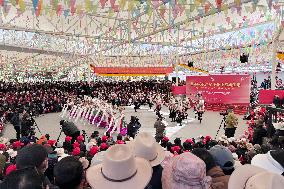
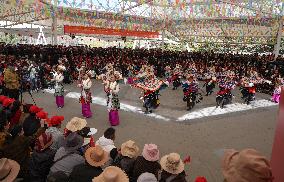
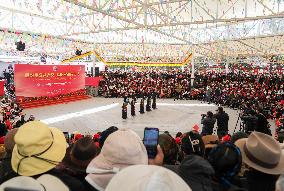
(240328) -- LHASA, March 28, 2024 (Xinhua) -- People watch a performance at a park to celebrate the Serfs' Emancipation Day in Lhasa, capital of southwest China's Xizang Autonomous Region, March 28, 2024. On March 28, 1959, people in Xizang launched the democratic reform, freeing a million serfs. In 2009, the regional legislature announced March 28 as the day to commemorate the emancipation of the one million serfs. (Xinhua/Ding Ting)

  •  
CHINA-XIZANG-LHASA-SERFS' EMANCIPATION DAY (CN)

CHINA-XIZANG-LHASA-SERFS' EMANCIPATION DAY (CN)

(240328) -- LHASA, March 28, 2024 (Xinhua) -- People pose for photos after a flag-raising ceremony to celebrate the Serfs' Emancipation Day at the square in front of the Potala Palace in Lhasa, capital of southwest China's Xizang Autonomous Region, March 28, 2024. On March 28, 1959, people in Xizang launched the democratic reform, freeing a million serfs. In 2009, the regional legislature announced March 28 as the day to commemorate the emancipation of the one million serfs. (Xinhua/Tenzin Nyida)

  •  
CHINA-XIZANG-LHASA-SERFS' EMANCIPATION DAY (CN)

CHINA-XIZANG-LHASA-SERFS' EMANCIPATION DAY (CN)

(240328) -- LHASA, March 28, 2024 (Xinhua) -- People watch a performance at a park to celebrate the Serfs' Emancipation Day in Lhasa, capital of southwest China's Xizang Autonomous Region, March 28, 2024. On March 28, 1959, people in Xizang launched the democratic reform, freeing a million serfs. In 2009, the regional legislature announced March 28 as the day to commemorate the emancipation of the one million serfs. (Xinhua/Jigme Dorje)

  •  
CHINA-XIZANG-LHASA-SERFS' EMANCIPATION DAY (CN)

CHINA-XIZANG-LHASA-SERFS' EMANCIPATION DAY (CN)

(240328) -- LHASA, March 28, 2024 (Xinhua) -- A young pioneer salutes at a flag-raising ceremony to celebrate the Serfs' Emancipation Day at the square in front of the Potala Palace in Lhasa, capital of southwest China's Xizang Autonomous Region, March 28, 2024. On March 28, 1959, people in Xizang launched the democratic reform, freeing a million serfs. In 2009, the regional legislature announced March 28 as the day to commemorate the emancipation of the one million serfs. (Xinhua/Zhang Rufeng)

  •  
CHINA-XIZANG-LHASA-SERFS' EMANCIPATION DAY (CN)

CHINA-XIZANG-LHASA-SERFS' EMANCIPATION DAY (CN)

(240328) -- LHASA, March 28, 2024 (Xinhua) -- People watch a performance at a park to celebrate the Serfs' Emancipation Day in Lhasa, capital of southwest China's Xizang Autonomous Region, March 28, 2024. On March 28, 1959, people in Xizang launched the democratic reform, freeing a million serfs. In 2009, the regional legislature announced March 28 as the day to commemorate the emancipation of the one million serfs. (Xinhua/Ding Ting)

  •  
CHINA-XIZANG-LHASA-SERFS' EMANCIPATION DAY (CN)

CHINA-XIZANG-LHASA-SERFS' EMANCIPATION DAY (CN)

(240328) -- LHASA, March 28, 2024 (Xinhua) -- People watch a performance at a park to celebrate the Serfs' Emancipation Day in Lhasa, capital of southwest China's Xizang Autonomous Region, March 28, 2024. On March 28, 1959, people in Xizang launched the democratic reform, freeing a million serfs. In 2009, the regional legislature announced March 28 as the day to commemorate the emancipation of the one million serfs. (Xinhua/Jiang Fan)

  •  
CHINA-XIZANG-LHASA-SERFS' EMANCIPATION DAY (CN)

CHINA-XIZANG-LHASA-SERFS' EMANCIPATION DAY (CN)

(240328) -- LHASA, March 28, 2024 (Xinhua) -- The national flag of China is seen on the square in front of the Potala Palace on the Serfs' Emancipation Day in Lhasa, capital of southwest China's Xizang Autonomous Region, March 28, 2024. On March 28, 1959, people in Xizang launched the democratic reform, freeing a million serfs. In 2009, the regional legislature announced March 28 as the day to commemorate the emancipation of the one million serfs. (Xinhua/Jigme Dorje)

  •  
CHINA-XIZANG-LHASA-SERFS' EMANCIPATION DAY (CN)

CHINA-XIZANG-LHASA-SERFS' EMANCIPATION DAY (CN)

(240328) -- LHASA, March 28, 2024 (Xinhua) -- People dance at a park to celebrate the Serfs' Emancipation Day in Lhasa, capital of southwest China's Xizang Autonomous Region, March 28, 2024. On March 28, 1959, people in Xizang launched the democratic reform, freeing a million serfs. In 2009, the regional legislature announced March 28 as the day to commemorate the emancipation of the one million serfs. (Xinhua/Ding Ting)

  •  
XINHUA PHOTOS OF THE DAY

XINHUA PHOTOS OF THE DAY

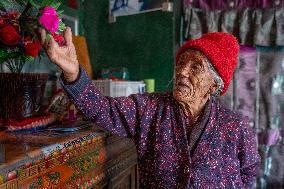
(240328) -- BEIJING, March 28, 2024 (Xinhua) -- Kelsang Chodron is pictured at home in Changkhyim Village in Qonggyai County of Shannan, southwest China's Xizang Autonomous Region, March 16, 2024. Born in 1934, Kelsang Chodron was once a serf of a local manor. As both her parents served as serfs in the manor, the same misfortune befell her ever since she was born. Suffering from endless work and hunger day and night, Kelsang chose to escape from the place of misery once, along with two other girls who shared the same sufferings with her. Unfortunately, their efforts were in vain. They were caught back to the manor, ending with severe punishment. "I was badly beaten up with unbearable pain," Kelsang Chodron recalled. After the democratic reform in 1959, life of Kelsang Chodron has totally changed. She and her husband gave birth to four children. At present, she lives happily with her grandson and granddaughter-in-law at a two-story house. "Hunger has completely gone out of my life now," said Kelsang Chodr

  •  
(InXizang)CHINA-XIZANG-FORMER SERF-NEW LIFE-KELSANG CHODRON (CN)

(InXizang)CHINA-XIZANG-FORMER SERF-NEW LIFE-KELSANG CHODRON (CN)

(240327) -- LHASA, March 27, 2024 (Xinhua) -- Kelsang Chodron is pictured at home in Changkhyim Village in Qonggyai County of Shannan, southwest China's Xizang Autonomous Region, March 16, 2024. Born in 1934, Kelsang Chodron was once a serf of a local manor. As both her parents served as serfs in the manor, the same misfortune befell her ever since she was born. Suffering from endless work and hunger day and night, Kelsang chose to escape from the place of misery once, along with two other girls who shared the same sufferings with her. Unfortunately, their efforts were in vain. They were caught back to the manor, ending with severe punishment. "I was badly beaten up with unbearable pain," Kelsang Chodron recalled. After the democratic reform in 1959, life of Kelsang Chodron has totally changed. She and her husband gave birth to four children. At present, she lives happily with her grandson and granddaughter-in-law at a two-story house. "Hunger has completely gone out of my life now," said Kelsang Chodron

  •  
(InXizang)CHINA-XIZANG-FORMER SERF-NEW LIFE-KELSANG CHODRON (CN)

(InXizang)CHINA-XIZANG-FORMER SERF-NEW LIFE-KELSANG CHODRON (CN)

(240327) -- LHASA, March 27, 2024 (Xinhua) -- Kelsang Chodron is pictured at home in Changkhyim Village in Qonggyai County of Shannan, southwest China's Xizang Autonomous Region, March 16, 2024. Born in 1934, Kelsang Chodron was once a serf of a local manor. As both her parents served as serfs in the manor, the same misfortune befell her ever since she was born. Suffering from endless work and hunger day and night, Kelsang chose to escape from the place of misery once, along with two other girls who shared the same sufferings with her. Unfortunately, their efforts were in vain. They were caught back to the manor, ending with severe punishment. "I was badly beaten up with unbearable pain," Kelsang Chodron recalled. After the democratic reform in 1959, life of Kelsang Chodron has totally changed. She and her husband gave birth to four children. At present, she lives happily with her grandson and granddaughter-in-law at a two-story house. "Hunger has completely gone out of my life now," said Kelsang Chodron

  •  
(InXizang)CHINA-XIZANG-FORMER SERF-NEW LIFE-KELSANG CHODRON (CN)

(InXizang)CHINA-XIZANG-FORMER SERF-NEW LIFE-KELSANG CHODRON (CN)

(240327) -- LHASA, March 27, 2024 (Xinhua) -- Kelsang Chodron is pictured in Changkhyim Village in Qonggyai County of Shannan, southwest China's Xizang Autonomous Region, March 16, 2024. Born in 1934, Kelsang Chodron was once a serf of a local manor. As both her parents served as serfs in the manor, the same misfortune befell her ever since she was born. Suffering from endless work and hunger day and night, Kelsang chose to escape from the place of misery once, along with two other girls who shared the same sufferings with her. Unfortunately, their efforts were in vain. They were caught back to the manor, ending with severe punishment. "I was badly beaten up with unbearable pain," Kelsang Chodron recalled. After the democratic reform in 1959, life of Kelsang Chodron has totally changed. She and her husband gave birth to four children. At present, she lives happily with her grandson and granddaughter-in-law at a two-story house. "Hunger has completely gone out of my life now," said Kelsang Chodron. (Xinhu

  •  
(InXizang)CHINA-XIZANG-FORMER SERF-NEW LIFE-KELSANG CHODRON (CN)

(InXizang)CHINA-XIZANG-FORMER SERF-NEW LIFE-KELSANG CHODRON (CN)

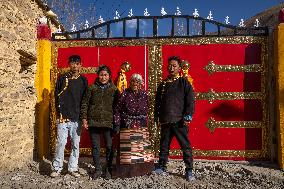
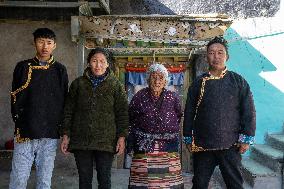
(240327) -- LHASA, March 27, 2024 (Xinhua) -- Kelsang Chodron (2nd R) poses for photo with her family members in Changkhyim Village in Qonggyai County of Shannan, southwest China's Xizang Autonomous Region, March 16, 2024. Born in 1934, Kelsang Chodron was once a serf of a local manor. As both her parents served as serfs in the manor, the same misfortune befell her ever since she was born. Suffering from endless work and hunger day and night, Kelsang chose to escape from the place of misery once, along with two other girls who shared the same sufferings with her. Unfortunately, their efforts were in vain. They were caught back to the manor, ending with severe punishment. "I was badly beaten up with unbearable pain," Kelsang Chodron recalled. After the democratic reform in 1959, life of Kelsang Chodron has totally changed. She and her husband gave birth to four children. At present, she lives happily with her grandson and granddaughter-in-law at a two-story house. "Hunger has completely gone out of my lif

  •  
(InXizang)CHINA-XIZANG-FORMER SERF-NEW LIFE-KELSANG CHODRON (CN)

(InXizang)CHINA-XIZANG-FORMER SERF-NEW LIFE-KELSANG CHODRON (CN)

(240327) -- LHASA, March 27, 2024 (Xinhua) -- Kelsang Chodron (2nd R) poses for photo with her family members in Changkhyim Village in Qonggyai County of Shannan, southwest China's Xizang Autonomous Region, March 16, 2024. Born in 1934, Kelsang Chodron was once a serf of a local manor. As both her parents served as serfs in the manor, the same misfortune befell her ever since she was born. Suffering from endless work and hunger day and night, Kelsang chose to escape from the place of misery once, along with two other girls who shared the same sufferings with her. Unfortunately, their efforts were in vain. They were caught back to the manor, ending with severe punishment. "I was badly beaten up with unbearable pain," Kelsang Chodron recalled. After the democratic reform in 1959, life of Kelsang Chodron has totally changed. She and her husband gave birth to four children. At present, she lives happily with her grandson and granddaughter-in-law at a two-story house. "Hunger has completely gone out of my lif

  •  

Former Tibetan serf recalls 65 years of change

STORY: Former Tibetan serf recalls 65 years of change SHOOTING TIME: March 26, 2024 DATELINE: March 27, 2024 LENGTH: 00:01:43 LOCATION: LHASA, China CATEGORY: SOCIETY SHOTLIST: 1. various of Sonam Dhunzhup's daily life 2. file of serfs in Xizang 3. SOUNDBITE 1 (Tibetan): SONAM DHUNZHUP, Resident of Khesum community in China's Xizang STORYLINE: SOUNDBITE 1 (Tibetan): SONAM DHUNZHUP, Resident of Khesum community in China's Xizang "I became a serf to the serf owner when I was eight years old, and my life was miserable back then." Sonam Dhunzhup was born in 1943 at Khesum manor in old Xizang. Before the democratic reform in 1959, for many generations, his ancestors worked as serfs at the Khesum manor. SOUNDBITE 2 (Tibetan): SONAM DHUNZHUP, Resident of Khesum community in China's Xizang "I lived a life oppressed by serf owners, often beaten by them. I didn't have enough to eat or warm clothes to wear. Some people would starve to death and some people would freeze to death." SOUNDBITE 3 (Tibetan): SONAM

  •  
(InTibet)CHINA-TIBET-NGARI-FIVE GENERATIONS OF RESIDENCES (CN)

(InTibet)CHINA-TIBET-NGARI-FIVE GENERATIONS OF RESIDENCES (CN)

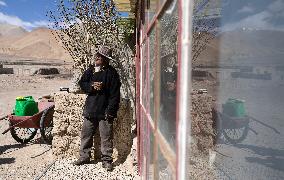
(230531) -- NGARI, May 31, 2023 (Xinhua) -- Losang Zhamdu is pictured in front of his fourth residence, or one of the "third-generation" houses, in Demqog Village, Zhaxigang Township, Gar County in Ngari Prefecture of southwest China's Tibet Autonomous Region, May 28, 2023. Sitting in the sun outside his residence in Demqog Village, Zhaxigang Township, Gar County in Ngari Prefecture of Tibet, 84-year-old Losang Zhamdu told a story of the five homes he had lived in. "My mother and I lived together in a tent made with yak hair, all our possessions were a goat fur jacket and a worn-out Tibetan blanket," recalled Losang Zhamdu, then a serf, on his childhood, adding, "Was that tent my first home? I don't know, because everything in our hand belonged to the serf owners." In 1959, democratic reform was launched and feudal serfdom was finally abolished in Tibet. A million serfs and slaves were emancipated, and 20-year-old Losang Zhamdu was one of them. In the 1960s, with the help of his neighbors, Losang Zhamdu built

  •  
(InTibet)CHINA-TIBET-NGARI-FIVE GENERATIONS OF RESIDENCES (CN)

(InTibet)CHINA-TIBET-NGARI-FIVE GENERATIONS OF RESIDENCES (CN)

(230531) -- NGARI, May 31, 2023 (Xinhua) -- Losang Zhamdu fetches water from the well near his "third-generation" house in Demqog Village, Zhaxigang Township, Gar County in Ngari Prefecture of southwest China's Tibet Autonomous Region, May 28, 2023. Sitting in the sun outside his residence in Demqog Village, Zhaxigang Township, Gar County in Ngari Prefecture of Tibet, 84-year-old Losang Zhamdu told a story of the five homes he had lived in. "My mother and I lived together in a tent made with yak hair, all our possessions were a goat fur jacket and a worn-out Tibetan blanket," recalled Losang Zhamdu, then a serf, on his childhood, adding, "Was that tent my first home? I don't know, because everything in our hand belonged to the serf owners." In 1959, democratic reform was launched and feudal serfdom was finally abolished in Tibet. A million serfs and slaves were emancipated, and 20-year-old Losang Zhamdu was one of them. In the 1960s, with the help of his neighbors, Losang Zhamdu built his second home - a "two

  •  
(InTibet)CHINA-TIBET-NGARI-FIVE GENERATIONS OF RESIDENCES (CN)

(InTibet)CHINA-TIBET-NGARI-FIVE GENERATIONS OF RESIDENCES (CN)

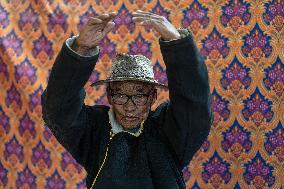
(230531) -- NGARI, May 31, 2023 (Xinhua) -- Losang Zhamdu tells the story of his life at his fourth residence, or one of the "third-generation" houses, in Demqog Village, Zhaxigang Township, Gar County in Ngari Prefecture of southwest China's Tibet Autonomous Region, May 28, 2023. Sitting in the sun outside his residence in Demqog Village, Zhaxigang Township, Gar County in Ngari Prefecture of Tibet, 84-year-old Losang Zhamdu told a story of the five homes he had lived in. "My mother and I lived together in a tent made with yak hair, all our possessions were a goat fur jacket and a worn-out Tibetan blanket," recalled Losang Zhamdu, then a serf, on his childhood, adding, "Was that tent my first home? I don't know, because everything in our hand belonged to the serf owners." In 1959, democratic reform was launched and feudal serfdom was finally abolished in Tibet. A million serfs and slaves were emancipated, and 20-year-old Losang Zhamdu was one of them. In the 1960s, with the help of his neighbors, Losang Zhamd

  •  
(InTibet)CHINA-TIBET-NGARI-FIVE GENERATIONS OF RESIDENCES (CN)

(InTibet)CHINA-TIBET-NGARI-FIVE GENERATIONS OF RESIDENCES (CN)

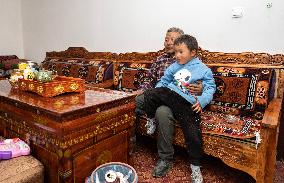
(230531) -- NGARI, May 31, 2023 (Xinhua) -- A son and a grandson of Losang Zhamdu watch TV at their "fifth-generation" house in Demqog Village, Zhaxigang Township, Gar County in Ngari Prefecture of southwest China's Tibet Autonomous Region, May 28, 2023. Sitting in the sun outside his residence in Demqog Village, Zhaxigang Township, Gar County in Ngari Prefecture of Tibet, 84-year-old Losang Zhamdu told a story of the five homes he had lived in. "My mother and I lived together in a tent made with yak hair, all our possessions were a goat fur jacket and a worn-out Tibetan blanket," recalled Losang Zhamdu, then a serf, on his childhood, adding, "Was that tent my first home? I don't know, because everything in our hand belonged to the serf owners." In 1959, democratic reform was launched and feudal serfdom was finally abolished in Tibet. A million serfs and slaves were emancipated, and 20-year-old Losang Zhamdu was one of them. In the 1960s, with the help of his neighbors, Losang Zhamdu built his second home - a

  •  
(InTibet)CHINA-TIBET-NGARI-FIVE GENERATIONS OF RESIDENCES (CN)

(InTibet)CHINA-TIBET-NGARI-FIVE GENERATIONS OF RESIDENCES (CN)

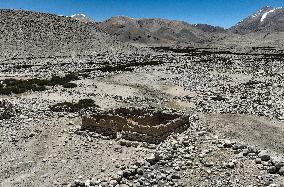
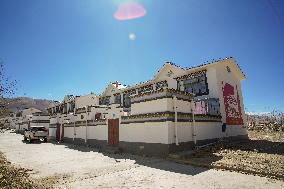
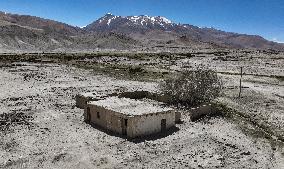
(230531) -- NGARI, May 31, 2023 (Xinhua) -- This aerial photo taken on May 28, 2023 shows the remains of a "first-generation" house in Demqog Village, Zhaxigang Township, Gar County in Ngari Prefecture of southwest China's Tibet Autonomous Region. Sitting in the sun outside his residence in Demqog Village, Zhaxigang Township, Gar County in Ngari Prefecture of Tibet, 84-year-old Losang Zhamdu told a story of the five homes he had lived in. "My mother and I lived together in a tent made with yak hair, all our possessions were a goat fur jacket and a worn-out Tibetan blanket," recalled Losang Zhamdu, then a serf, on his childhood, adding, "Was that tent my first home? I don't know, because everything in our hand belonged to the serf owners." In 1959, democratic reform was launched and feudal serfdom was finally abolished in Tibet. A million serfs and slaves were emancipated, and 20-year-old Losang Zhamdu was one of them. In the 1960s, with the help of his neighbors, Losang Zhamdu built his second home - a "two-b

  •  
(InTibet)CHINA-TIBET-NGARI-FIVE GENERATIONS OF RESIDENCES (CN)

(InTibet)CHINA-TIBET-NGARI-FIVE GENERATIONS OF RESIDENCES (CN)

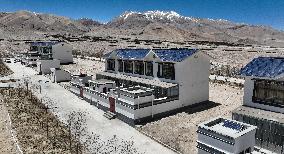
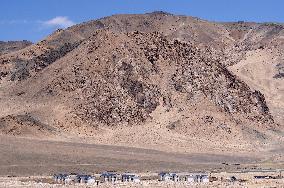
(230531) -- NGARI, May 31, 2023 (Xinhua) -- This photo taken on May 28, 2023 shows a view of the "fifth-generation" houses in Demqog Village, Zhaxigang Township, Gar County in Ngari Prefecture of southwest China's Tibet Autonomous Region. Sitting in the sun outside his residence in Demqog Village, Zhaxigang Township, Gar County in Ngari Prefecture of Tibet, 84-year-old Losang Zhamdu told a story of the five homes he had lived in. "My mother and I lived together in a tent made with yak hair, all our possessions were a goat fur jacket and a worn-out Tibetan blanket," recalled Losang Zhamdu, then a serf, on his childhood, adding, "Was that tent my first home? I don't know, because everything in our hand belonged to the serf owners." In 1959, democratic reform was launched and feudal serfdom was finally abolished in Tibet. A million serfs and slaves were emancipated, and 20-year-old Losang Zhamdu was one of them. In the 1960s, with the help of his neighbors, Losang Zhamdu built his second home - a "two-bedroom" f

  •  
(InTibet)CHINA-TIBET-NGARI-FIVE GENERATIONS OF RESIDENCES (CN)

(InTibet)CHINA-TIBET-NGARI-FIVE GENERATIONS OF RESIDENCES (CN)

(230531) -- NGARI, May 31, 2023 (Xinhua) -- This aerial photo taken on May 28, 2023 shows a view of the "fifth-generation" houses in Demqog Village, Zhaxigang Township, Gar County in Ngari Prefecture of southwest China's Tibet Autonomous Region. Sitting in the sun outside his residence in Demqog Village, Zhaxigang Township, Gar County in Ngari Prefecture of Tibet, 84-year-old Losang Zhamdu told a story of the five homes he had lived in. "My mother and I lived together in a tent made with yak hair, all our possessions were a goat fur jacket and a worn-out Tibetan blanket," recalled Losang Zhamdu, then a serf, on his childhood, adding, "Was that tent my first home? I don't know, because everything in our hand belonged to the serf owners." In 1959, democratic reform was launched and feudal serfdom was finally abolished in Tibet. A million serfs and slaves were emancipated, and 20-year-old Losang Zhamdu was one of them. In the 1960s, with the help of his neighbors, Losang Zhamdu built his second home - a "two-bed

  •  
(InTibet)CHINA-TIBET-NGARI-FIVE GENERATIONS OF RESIDENCES (CN)

(InTibet)CHINA-TIBET-NGARI-FIVE GENERATIONS OF RESIDENCES (CN)

(230531) -- NGARI, May 31, 2023 (Xinhua) -- A relative in-law of Losang Zhamdu cleans the living room of her "third-generation" house in Demqog Village, Zhaxigang Township, Gar County in Ngari Prefecture of southwest China's Tibet Autonomous Region, May 28, 2023. Sitting in the sun outside his residence in Demqog Village, Zhaxigang Township, Gar County in Ngari Prefecture of Tibet, 84-year-old Losang Zhamdu told a story of the five homes he had lived in. "My mother and I lived together in a tent made with yak hair, all our possessions were a goat fur jacket and a worn-out Tibetan blanket," recalled Losang Zhamdu, then a serf, on his childhood, adding, "Was that tent my first home? I don't know, because everything in our hand belonged to the serf owners." In 1959, democratic reform was launched and feudal serfdom was finally abolished in Tibet. A million serfs and slaves were emancipated, and 20-year-old Losang Zhamdu was one of them. In the 1960s, with the help of his neighbors, Losang Zhamdu built his second

  •  
(InTibet)CHINA-TIBET-NGARI-FIVE GENERATIONS OF RESIDENCES (CN)

(InTibet)CHINA-TIBET-NGARI-FIVE GENERATIONS OF RESIDENCES (CN)

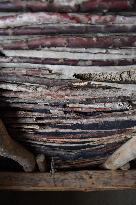
(230531) -- NGARI, May 31, 2023 (Xinhua) -- This photo taken on May 28, 2023 shows the roof made with tree branches of an obsolete "second-generation" house in Demqog Village, Zhaxigang Township, Gar County in Ngari Prefecture of southwest China's Tibet Autonomous Region. Sitting in the sun outside his residence in Demqog Village, Zhaxigang Township, Gar County in Ngari Prefecture of Tibet, 84-year-old Losang Zhamdu told a story of the five homes he had lived in. "My mother and I lived together in a tent made with yak hair, all our possessions were a goat fur jacket and a worn-out Tibetan blanket," recalled Losang Zhamdu, then a serf, on his childhood, adding, "Was that tent my first home? I don't know, because everything in our hand belonged to the serf owners." In 1959, democratic reform was launched and feudal serfdom was finally abolished in Tibet. A million serfs and slaves were emancipated, and 20-year-old Losang Zhamdu was one of them. In the 1960s, with the help of his neighbors, Losang Zhamdu built h

  •  
(InTibet)CHINA-TIBET-NGARI-FIVE GENERATIONS OF RESIDENCES (CN)

(InTibet)CHINA-TIBET-NGARI-FIVE GENERATIONS OF RESIDENCES (CN)

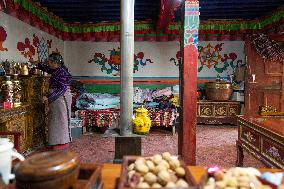
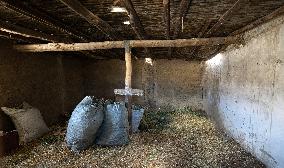
(230531) -- NGARI, May 31, 2023 (Xinhua) -- This photo taken on May 28, 2023 shows an interior view of an obsolete "second-generation" house in Demqog Village, Zhaxigang Township, Gar County in Ngari Prefecture of southwest China's Tibet Autonomous Region. Sitting in the sun outside his residence in Demqog Village, Zhaxigang Township, Gar County in Ngari Prefecture of Tibet, 84-year-old Losang Zhamdu told a story of the five homes he had lived in. "My mother and I lived together in a tent made with yak hair, all our possessions were a goat fur jacket and a worn-out Tibetan blanket," recalled Losang Zhamdu, then a serf, on his childhood, adding, "Was that tent my first home? I don't know, because everything in our hand belonged to the serf owners." In 1959, democratic reform was launched and feudal serfdom was finally abolished in Tibet. A million serfs and slaves were emancipated, and 20-year-old Losang Zhamdu was one of them. In the 1960s, with the help of his neighbors, Losang Zhamdu built his second home -

  •  
(InTibet)CHINA-TIBET-NGARI-FIVE GENERATIONS OF RESIDENCES (CN)

(InTibet)CHINA-TIBET-NGARI-FIVE GENERATIONS OF RESIDENCES (CN)

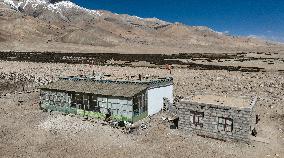
(230531) -- NGARI, May 31, 2023 (Xinhua) -- This aerial photo taken on May 28, 2023 shows a "second-generation" house in Demqog Village, Zhaxigang Township, Gar County in Ngari Prefecture of southwest China's Tibet Autonomous Region. Sitting in the sun outside his residence in Demqog Village, Zhaxigang Township, Gar County in Ngari Prefecture of Tibet, 84-year-old Losang Zhamdu told a story of the five homes he had lived in. "My mother and I lived together in a tent made with yak hair, all our possessions were a goat fur jacket and a worn-out Tibetan blanket," recalled Losang Zhamdu, then a serf, on his childhood, adding, "Was that tent my first home? I don't know, because everything in our hand belonged to the serf owners." In 1959, democratic reform was launched and feudal serfdom was finally abolished in Tibet. A million serfs and slaves were emancipated, and 20-year-old Losang Zhamdu was one of them. In the 1960s, with the help of his neighbors, Losang Zhamdu built his second home - a "two-bedroom" flat w

  •  
(InTibet)CHINA-TIBET-NGARI-FIVE GENERATIONS OF RESIDENCES (CN)

(InTibet)CHINA-TIBET-NGARI-FIVE GENERATIONS OF RESIDENCES (CN)

(230531) -- NGARI, May 31, 2023 (Xinhua) -- This aerial photo taken on May 28, 2023 shows a "third-generation" house in Demqog Village, Zhaxigang Township, Gar County in Ngari Prefecture of southwest China's Tibet Autonomous Region. Sitting in the sun outside his residence in Demqog Village, Zhaxigang Township, Gar County in Ngari Prefecture of Tibet, 84-year-old Losang Zhamdu told a story of the five homes he had lived in. "My mother and I lived together in a tent made with yak hair, all our possessions were a goat fur jacket and a worn-out Tibetan blanket," recalled Losang Zhamdu, then a serf, on his childhood, adding, "Was that tent my first home? I don't know, because everything in our hand belonged to the serf owners." In 1959, democratic reform was launched and feudal serfdom was finally abolished in Tibet. A million serfs and slaves were emancipated, and 20-year-old Losang Zhamdu was one of them. In the 1960s, with the help of his neighbors, Losang Zhamdu built his second home - a "two-bedroom" flat wi

  •  
(InTibet)CHINA-TIBET-NGARI-FIVE GENERATIONS OF RESIDENCES (CN)

(InTibet)CHINA-TIBET-NGARI-FIVE GENERATIONS OF RESIDENCES (CN)

(230531) -- NGARI, May 31, 2023 (Xinhua) -- This photo taken on May 28, 2023 shows a view of the "fifth-generation" houses in Demqog Village, Zhaxigang Township, Gar County in Ngari Prefecture of southwest China's Tibet Autonomous Region. Sitting in the sun outside his residence in Demqog Village, Zhaxigang Township, Gar County in Ngari Prefecture of Tibet, 84-year-old Losang Zhamdu told a story of the five homes he had lived in. "My mother and I lived together in a tent made with yak hair, all our possessions were a goat fur jacket and a worn-out Tibetan blanket," recalled Losang Zhamdu, then a serf, on his childhood, adding, "Was that tent my first home? I don't know, because everything in our hand belonged to the serf owners." In 1959, democratic reform was launched and feudal serfdom was finally abolished in Tibet. A million serfs and slaves were emancipated, and 20-year-old Losang Zhamdu was one of them. In the 1960s, with the help of his neighbors, Losang Zhamdu built his second home - a "two-bedroom" f

  • Main
  • Top
  • Editorial
  • Creative
  • About Us
  • About ILG
  • Terms of use
  • Company
  • BEHIND
  • Price List
  • Single Plan
  • Monthly Plan
  • Services
  • Shooting
  • Rights Clearance
  • Support
  • FAQ
  • How To Buy
  • Contact Us
  • Become a Partner

© KYODO NEWS IMAGES INC

All Rights Reserved.

  • Editorial
  • Olympics
  • News
  • Sports
  • Japan
  • Tech
  • Royal
  • Disaster
  • NorthKorea
  • Old Japan
  • SNS
  • Creative
  • Food
  • Japan
  • Landscape
  • Animal
  • Popular
  • #Ukraine
  • #Thailand
  • #coronavirus
  • #N. Korea
  • #Russia
  • #China
  • #Ukraine
  • #Thailand
  • #coronavirus
  • #N. Korea
  • #Russia
  • #China
  • Food
  • Japan
  • Landscape
  • Animal
  • Olympics
  • News
  • Sports
  • Japan
  • Tech
  • Royal
  • Disaster
  • NorthKorea
  • Old Japan
  • SNS