•  
Resistance Day

Resistance Day

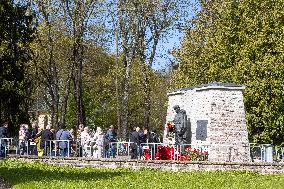
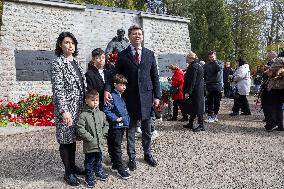
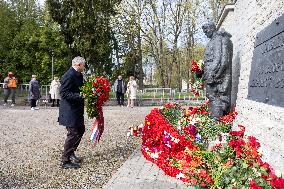
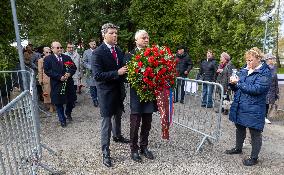
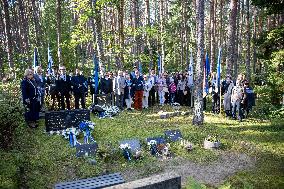
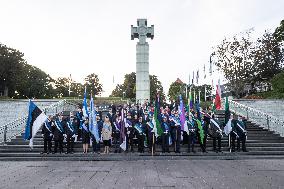
22.09.2025, Tartu. Resistance Day commemorates Estonian fight against 1944 Soviet reoccupation. The memorial ceremony took place at Vana-Jaani cemetery on the grave of Enn Tarto- an Estonian politician who was a leading dissident during the Soviet occupation of Estonia. Photo Margus Ansu, Tartu Postimees

  •  
Resistance Day

Resistance Day

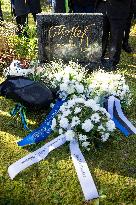
22.09.2025, Tartu. Resistance Day commemorates Estonian fight against 1944 Soviet reoccupation. The memorial ceremony took place at Vana-Jaani cemetery on the grave of Enn Tarto- an Estonian politician who was a leading dissident during the Soviet occupation of Estonia. Photo Margus Ansu, Tartu Postimees

  •  
Resistance Day

Resistance Day

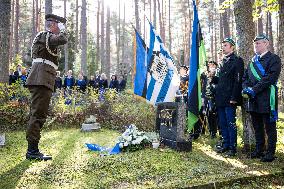
22.09.2025, Tartu. Resistance Day commemorates Estonian fight against 1944 Soviet reoccupation. The memorial ceremony took place at Vana-Jaani cemetery on the grave of Enn Tarto- an Estonian politician who was a leading dissident during the Soviet occupation of Estonia. Photo Margus Ansu, Tartu Postimees

  •  
Resistance Day

Resistance Day

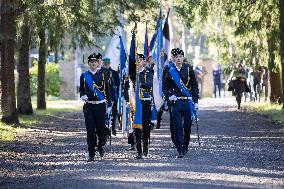
22.09.2025, Tartu. Resistance Day commemorates Estonian fight against 1944 Soviet reoccupation. The memorial ceremony took place at Vana-Jaani cemetery on the grave of Enn Tarto- an Estonian politician who was a leading dissident during the Soviet occupation of Estonia. Photo Margus Ansu, Tartu Postimees

  •  
Resistance Day

Resistance Day

22.09.2025, Tartu. Resistance Day commemorates Estonian fight against 1944 Soviet reoccupation. The memorial ceremony took place at Vana-Jaani cemetery on the grave of Enn Tarto- an Estonian politician who was a leading dissident during the Soviet occupation of Estonia. Photo Margus Ansu, Tartu Postimees

  •  
Russians celebrating "Victory Day"

Russians celebrating "Victory Day"

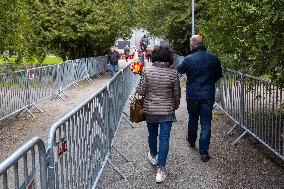
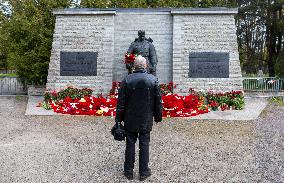
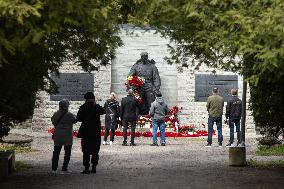
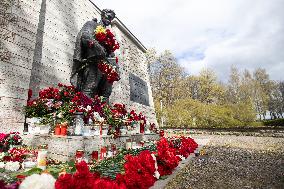
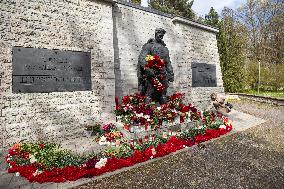
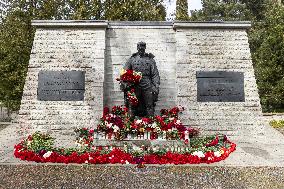
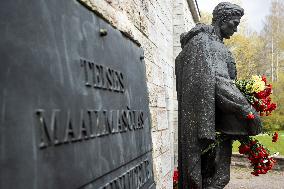
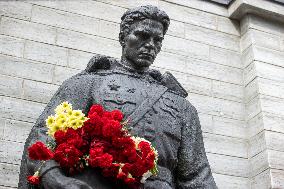
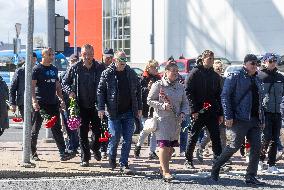
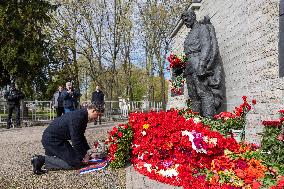
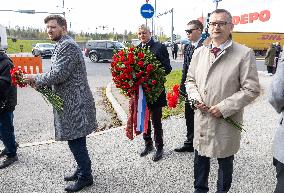
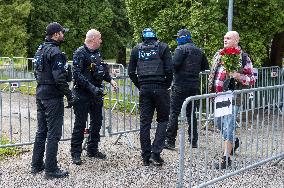
09.05.2025. Tallinn. Banks of red carnations were laid at the foot of the Bronze Soldier monument in Tallinn on by the Russian-speaking community to commemorate Soviet soldiers on "Victory Day." The statue was originally designed to commemorate the Soviet soldiers who died liberating Tallinn from the Nazis and are seen as "liberators" by Russia. Estonians do not view the soldiers as liberators, as the Soviets then started the second occupation of Estonia, which lasted until 1991. Photo: Tairo Lutter / Postimees

  •  
Russians celebrating "Victory Day"

Russians celebrating "Victory Day"

09.05.2025. Tallinn. Banks of red carnations were laid at the foot of the Bronze Soldier monument in Tallinn on by the Russian-speaking community to commemorate Soviet soldiers on "Victory Day." The statue was originally designed to commemorate the Soviet soldiers who died liberating Tallinn from the Nazis and are seen as "liberators" by Russia. Estonians do not view the soldiers as liberators, as the Soviets then started the second occupation of Estonia, which lasted until 1991. Photo: Tairo Lutter / Postimees

  •  
Russians celebrating "Victory Day"

Russians celebrating "Victory Day"

08.05.2025. Tallinn. Banks of red carnations were laid at the foot of the Bronze Soldier monument in Tallinn on by the Russian-speaking community to commemorate Soviet soldiers on "Victory Day." The statue was originally designed to commemorate the Soviet soldiers who died liberating Tallinn from the Nazis and are seen as "liberators" by Russia. Estonians do not view the soldiers as liberators, as the Soviets then started the second occupation of Estonia, which lasted until 1991. Photo: Martin Pedaja / Postimees

  •  
Russians celebrating "Victory Day"

Russians celebrating "Victory Day"

08.05.2025. Tallinn. Banks of red carnations were laid at the foot of the Bronze Soldier monument in Tallinn on by the Russian-speaking community to commemorate Soviet soldiers on "Victory Day." The statue was originally designed to commemorate the Soviet soldiers who died liberating Tallinn from the Nazis and are seen as "liberators" by Russia. Estonians do not view the soldiers as liberators, as the Soviets then started the second occupation of Estonia, which lasted until 1991. Photo: Martin Pedaja / Postimees

  •  
Russians celebrating "Victory Day"

Russians celebrating "Victory Day"

08.05.2025. Tallinn. Banks of red carnations were laid at the foot of the Bronze Soldier monument in Tallinn on by the Russian-speaking community to commemorate Soviet soldiers on "Victory Day." The statue was originally designed to commemorate the Soviet soldiers who died liberating Tallinn from the Nazis and are seen as "liberators" by Russia. Estonians do not view the soldiers as liberators, as the Soviets then started the second occupation of Estonia, which lasted until 1991. Photo: Martin Pedaja / Postimees

  •  
Russians celebrating "Victory Day"

Russians celebrating "Victory Day"

08.05.2025. Tallinn. Banks of red carnations were laid at the foot of the Bronze Soldier monument in Tallinn on by the Russian-speaking community to commemorate Soviet soldiers on "Victory Day." The statue was originally designed to commemorate the Soviet soldiers who died liberating Tallinn from the Nazis and are seen as "liberators" by Russia. Estonians do not view the soldiers as liberators, as the Soviets then started the second occupation of Estonia, which lasted until 1991. Photo: Martin Pedaja / Postimees

  •  
Russians celebrating "Victory Day"

Russians celebrating "Victory Day"

08.05.2025. Tallinn. Banks of red carnations were laid at the foot of the Bronze Soldier monument in Tallinn on by the Russian-speaking community to commemorate Soviet soldiers on "Victory Day." The statue was originally designed to commemorate the Soviet soldiers who died liberating Tallinn from the Nazis and are seen as "liberators" by Russia. Estonians do not view the soldiers as liberators, as the Soviets then started the second occupation of Estonia, which lasted until 1991. Photo: Martin Pedaja / Postimees

  •  
Russians celebrating "Victory Day"

Russians celebrating "Victory Day"

08.05.2025. Tallinn. Banks of red carnations were laid at the foot of the Bronze Soldier monument in Tallinn on by the Russian-speaking community to commemorate Soviet soldiers on "Victory Day." The statue was originally designed to commemorate the Soviet soldiers who died liberating Tallinn from the Nazis and are seen as "liberators" by Russia. Estonians do not view the soldiers as liberators, as the Soviets then started the second occupation of Estonia, which lasted until 1991. Photo: Martin Pedaja / Postimees

  •  
Russians celebrating "Victory Day"

Russians celebrating "Victory Day"

09.05.2025. Tallinn. Banks of red carnations were laid at the foot of the Bronze Soldier monument in Tallinn on by the Russian-speaking community to commemorate Soviet soldiers on "Victory Day." The statue was originally designed to commemorate the Soviet soldiers who died liberating Tallinn from the Nazis and are seen as "liberators" by Russia. Estonians do not view the soldiers as liberators, as the Soviets then started the second occupation of Estonia, which lasted until 1991. Photo: Tairo Lutter / Postimees

  •  
Russians celebrating "Victory Day"

Russians celebrating "Victory Day"

09.05.2025. Tallinn. Banks of red carnations were laid at the foot of the Bronze Soldier monument in Tallinn on by the Russian-speaking community to commemorate Soviet soldiers on "Victory Day." The statue was originally designed to commemorate the Soviet soldiers who died liberating Tallinn from the Nazis and are seen as "liberators" by Russia. Estonians do not view the soldiers as liberators, as the Soviets then started the second occupation of Estonia, which lasted until 1991. Photo: Tairo Lutter / Postimees

  •  
Russians celebrating "Victory Day"

Russians celebrating "Victory Day"

09.05.2025. Tallinn. Banks of red carnations were laid at the foot of the Bronze Soldier monument in Tallinn on by the Russian-speaking community to commemorate Soviet soldiers on "Victory Day." The statue was originally designed to commemorate the Soviet soldiers who died liberating Tallinn from the Nazis and are seen as "liberators" by Russia. Estonians do not view the soldiers as liberators, as the Soviets then started the second occupation of Estonia, which lasted until 1991. Photo: Tairo Lutter / Postimees

  •  
Russians celebrating "Victory Day"

Russians celebrating "Victory Day"

09.05.2025. Tallinn. Banks of red carnations were laid at the foot of the Bronze Soldier monument in Tallinn on by the Russian-speaking community to commemorate Soviet soldiers on "Victory Day." The statue was originally designed to commemorate the Soviet soldiers who died liberating Tallinn from the Nazis and are seen as "liberators" by Russia. Estonians do not view the soldiers as liberators, as the Soviets then started the second occupation of Estonia, which lasted until 1991. Photo: Tairo Lutter / Postimees

  •  
Russians celebrating "Victory Day"

Russians celebrating "Victory Day"

09.05.2025. Tallinn. Banks of red carnations were laid at the foot of the Bronze Soldier monument in Tallinn on by the Russian-speaking community to commemorate Soviet soldiers on "Victory Day." The statue was originally designed to commemorate the Soviet soldiers who died liberating Tallinn from the Nazis and are seen as "liberators" by Russia. Estonians do not view the soldiers as liberators, as the Soviets then started the second occupation of Estonia, which lasted until 1991. Photo: Tairo Lutter / Postimees

  •  
Russians celebrating "Victory Day"

Russians celebrating "Victory Day"

09.05.2025. Tallinn. Banks of red carnations were laid at the foot of the Bronze Soldier monument in Tallinn on by the Russian-speaking community to commemorate Soviet soldiers on "Victory Day." The statue was originally designed to commemorate the Soviet soldiers who died liberating Tallinn from the Nazis and are seen as "liberators" by Russia. Estonians do not view the soldiers as liberators, as the Soviets then started the second occupation of Estonia, which lasted until 1991. Photo: Tairo Lutter / Postimees

  •  
Russians celebrating "Victory Day"

Russians celebrating "Victory Day"

09.05.2025. Tallinn. Banks of red carnations were laid at the foot of the Bronze Soldier monument in Tallinn on by the Russian-speaking community to commemorate Soviet soldiers on "Victory Day." The statue was originally designed to commemorate the Soviet soldiers who died liberating Tallinn from the Nazis and are seen as "liberators" by Russia. Estonians do not view the soldiers as liberators, as the Soviets then started the second occupation of Estonia, which lasted until 1991. Photo: Tairo Lutter / Postimees

  •  
Russians celebrating "Victory Day"

Russians celebrating "Victory Day"

09.05.2025. Tallinn. Banks of red carnations were laid at the foot of the Bronze Soldier monument in Tallinn on by the Russian-speaking community to commemorate Soviet soldiers on "Victory Day." The statue was originally designed to commemorate the Soviet soldiers who died liberating Tallinn from the Nazis and are seen as "liberators" by Russia. Estonians do not view the soldiers as liberators, as the Soviets then started the second occupation of Estonia, which lasted until 1991. Photo: Tairo Lutter / Postimees

  •  

Georgia: Thousands March In Tbilisi On 90th Day Of Anti-Government Protests

Thousands of Georgians took to the streets of Tbilisi on Tuesday, February 25, marking the 90th day of anti-government protests. The day also coincided with the 104th anniversary of the Soviet invasion, which led to the fall of the Democratic Republic of Georgia.

  •  
Resistance Day

Resistance Day

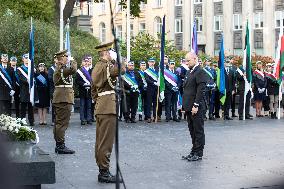
22.09.2024, Tallinn. September 22 is observed in Estonia as Resistance Day, marking the anniversary of Estonia's attempt to reestablish its independence and resist reoccupation by Soviet forces in 1944 following three years of Nazi occupation. A memorial ceremony at the Forest Ceremony, at the graves of Otto Tief who was acting prime minister at the time and the members of his government. Photo Eero Vabamägi, Postimees

  •  
Resistance Day

Resistance Day

22.09.2024, Tallinn. September 22 is observed in Estonia as Resistance Day, marking the anniversary of Estonia's attempt to reestablish its independence and resist reoccupation by Soviet forces in 1944 following three years of Nazi occupation. A memorial ceremony at the Forest Ceremony, at the graves of Otto Tief who was acting prime minister at the time and the members of his government. Photo Eero Vabamägi, Postimees

  •  
Resistance Day

Resistance Day

22.09.2024, Tallinn. September 22 is observed in Estonia as Resistance Day, marking the anniversary of Estonia's attempt to reestablish its independence and resist reoccupation by Soviet forces in 1944 following three years of Nazi occupation. A memorial ceremony at the Forest Ceremony, at the graves of Otto Tief who was acting prime minister at the time and the members of his government. Photo Eero Vabamägi, Postimees

  •  
Resistance Day

Resistance Day

22.09.2024, Tallinn. September 22 is observed in Estonia as Resistance Day, marking the anniversary of Estonia's attempt to reestablish its independence and resist reoccupation by Soviet forces in 1944 following three years of Nazi occupation. A memorial ceremony at the Forest Ceremony, at the graves of Otto Tief who was acting prime minister at the time and the members of his government. Photo Eero Vabamägi, Postimees

  •  
Resistance Day

Resistance Day

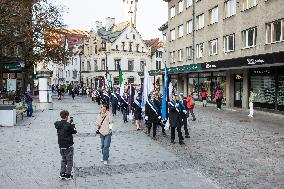
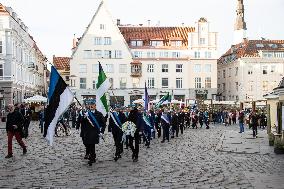
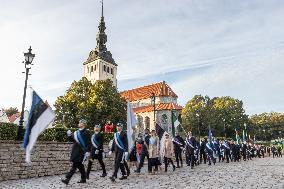
22.09.2024, Tallinn. September 22 is observed in Estonia as Resistance Day, marking the anniversary of Estonia's attempt to reestablish its independence and resist reoccupation by Soviet forces in 1944 following three years of Nazi occupation. A procession of Estonian academic organizations. Photo Martin Pedaja, Postimees

  •  
Resistance Day

Resistance Day

22.09.2024, Tallinn. September 22 is observed in Estonia as Resistance Day, marking the anniversary of Estonia's attempt to reestablish its independence and resist reoccupation by Soviet forces in 1944 following three years of Nazi occupation. A procession of Estonian academic organizations. Photo Martin Pedaja, Postimees

  •  
Resistance Day

Resistance Day

22.09.2024, Tallinn. September 22 is observed in Estonia as Resistance Day, marking the anniversary of Estonia's attempt to reestablish its independence and resist reoccupation by Soviet forces in 1944 following three years of Nazi occupation. A procession of Estonian academic organizations. Photo Martin Pedaja, Postimees

  •  
Resistance Day

Resistance Day

22.09.2024, Tallinn. September 22 is observed in Estonia as Resistance Day, marking the anniversary of Estonia's attempt to reestablish its independence and resist reoccupation by Soviet forces in 1944 following three years of Nazi occupation. A procession of Estonian academic organizations. Photo Martin Pedaja, Postimees

  •  
Resistance Day

Resistance Day

22.09.2024, Tallinn. September 22 is observed in Estonia as Resistance Day, marking the anniversary of Estonia's attempt to reestablish its independence and resist reoccupation by Soviet forces in 1944 following three years of Nazi occupation. A procession of Estonian academic organizations. Photo Martin Pedaja, Postimees

  • Main
  • Top
  • Editorial
  • Creative
  • About Us
  • About ILG
  • Terms of use
  • Company
  • BEHIND
  • Price List
  • Single Plan
  • Monthly Plan
  • Services
  • Shooting
  • Rights Clearance
  • Support
  • FAQ
  • How To Buy
  • Contact Us
  • Become a Partner

© KYODO NEWS IMAGES INC

All Rights Reserved.

  • Editorial
  • Olympics
  • News
  • Sports
  • Japan
  • Tech
  • Royal
  • Disaster
  • NorthKorea
  • Old Japan
  • SNS
  • Creative
  • Food
  • Japan
  • Landscape
  • Animal
  • Popular
  • #Ukraine
  • #Thailand
  • #coronavirus
  • #N. Korea
  • #China
  • #Russia
  • #Ukraine
  • #Thailand
  • #coronavirus
  • #N. Korea
  • #China
  • #Russia
  • Food
  • Japan
  • Landscape
  • Animal
  • Olympics
  • News
  • Sports
  • Japan
  • Tech
  • Royal
  • Disaster
  • NorthKorea
  • Old Japan
  • SNS