•  
(GloriousGuizhou)CHINA-GUIZHOU-ANSHUN-TUNPU CULTURE-ANCIENT STONE BUILDINGS (CN)

(GloriousGuizhou)CHINA-GUIZHOU-ANSHUN-TUNPU CULTURE-ANCIENT STONE BUILDINGS (CN)

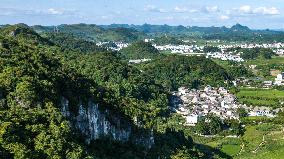
(240811) -- ANSHUN, Aug. 11, 2024 Photo by Xinhua/ABACAPRESS.COM) -- An aerial drone photo taken on July 25, 2024 shows a view of Jiuzhou ancient town scenic area of Anshun City, southwest China's Guizhou Province. Tunpu means "fort" in Chinese, referring to the complex of residential buildings in villages of Anshun built in the style of fortress for resisting the enemy's attacks in ancient times. In the Ming Dynasty (1368-1644), some troops were sent to Anshun, where they built villages and cultivated land for farming. Their descendants have lived there over generations with their original living customs preserved. Thus the unique Tunpu culture has taken shape. After more than 600 years, these stone-structured Tunpu residential buildings have endured and now become popular tourist destinations for many visitors. Photo by Xinhua/ABACAPRESS.COM/Ou Dongqu)

  •  
(GloriousGuizhou)CHINA-GUIZHOU-ANSHUN-TUNPU CULTURE-ANCIENT STONE BUILDINGS (CN)

(GloriousGuizhou)CHINA-GUIZHOU-ANSHUN-TUNPU CULTURE-ANCIENT STONE BUILDINGS (CN)

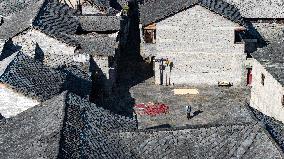
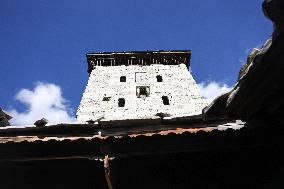
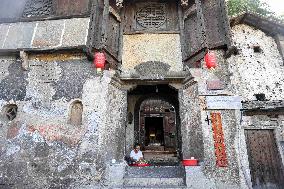
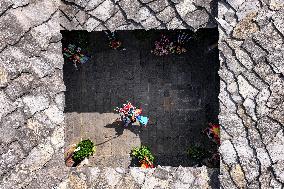
(240811) -- ANSHUN, Aug. 11, 2024 Photo by Xinhua/ABACAPRESS.COM) -- An ancient stone fortress is seen at Baojiatun Village in Xixiu District of Anshun City, southwest China's Guizhou Province, July 24, 2024. Tunpu means "fort" in Chinese, referring to the complex of residential buildings in villages of Anshun built in the style of fortress for resisting the enemy's attacks in ancient times. In the Ming Dynasty (1368-1644), some troops were sent to Anshun, where they built villages and cultivated land for farming. Their descendants have lived there over generations with their original living customs preserved. Thus the unique Tunpu culture has taken shape. After more than 600 years, these stone-structured Tunpu residential buildings have endured and now become popular tourist destinations for many visitors. Photo by Xinhua/ABACAPRESS.COM/Ou Dongqu)

  •  
(GloriousGuizhou)CHINA-GUIZHOU-ANSHUN-TUNPU CULTURE-ANCIENT STONE BUILDINGS (CN)

(GloriousGuizhou)CHINA-GUIZHOU-ANSHUN-TUNPU CULTURE-ANCIENT STONE BUILDINGS (CN)

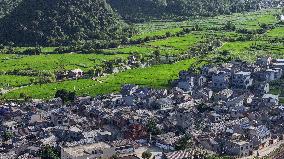
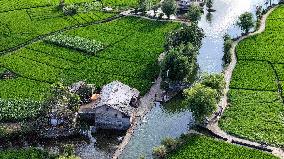
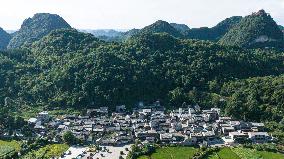
(240811) -- ANSHUN, Aug. 11, 2024 Photo by Xinhua/ABACAPRESS.COM) -- An aerial drone photo taken on July 24, 2024 shows Baojiatun Village in Xixiu District of Anshun City, southwest China's Guizhou Province. Tunpu means "fort" in Chinese, referring to the complex of residential buildings in villages of Anshun built in the style of fortress for resisting the enemy's attacks in ancient times. In the Ming Dynasty (1368-1644), some troops were sent to Anshun, where they built villages and cultivated land for farming. Their descendants have lived there over generations with their original living customs preserved. Thus the unique Tunpu culture has taken shape. After more than 600 years, these stone-structured Tunpu residential buildings have endured and now become popular tourist destinations for many visitors. Photo by Xinhua/ABACAPRESS.COM/Ou Dongqu)

  •  
(GloriousGuizhou)CHINA-GUIZHOU-ANSHUN-TUNPU CULTURE-ANCIENT STONE BUILDINGS (CN)

(GloriousGuizhou)CHINA-GUIZHOU-ANSHUN-TUNPU CULTURE-ANCIENT STONE BUILDINGS (CN)

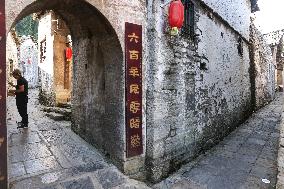
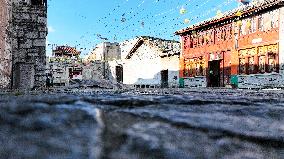
(240811) -- ANSHUN, Aug. 11, 2024 Photo by Xinhua/ABACAPRESS.COM) -- Lanes are pictured among stone buildings in Benzhai Village in Xixiu District of Anshun City, southwest China's Guizhou Province, July 23, 2024. Tunpu means "fort" in Chinese, referring to the complex of residential buildings in villages of Anshun built in the style of fortress for resisting the enemy's attacks in ancient times. In the Ming Dynasty (1368-1644), some troops were sent to Anshun, where they built villages and cultivated land for farming. Their descendants have lived there over generations with their original living customs preserved. Thus the unique Tunpu culture has taken shape. After more than 600 years, these stone-structured Tunpu residential buildings have endured and now become popular tourist destinations for many visitors. Photo by Xinhua/ABACAPRESS.COM/Ou Dongqu)

  •  
(GloriousGuizhou)CHINA-GUIZHOU-ANSHUN-TUNPU CULTURE-ANCIENT STONE BUILDINGS (CN)

(GloriousGuizhou)CHINA-GUIZHOU-ANSHUN-TUNPU CULTURE-ANCIENT STONE BUILDINGS (CN)

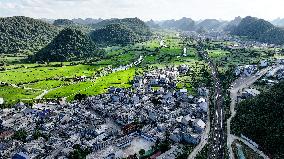
(240811) -- ANSHUN, Aug. 11, 2024 Photo by Xinhua/ABACAPRESS.COM) -- An aerial panoramic photo taken with a drone on July 25, 2024 shows Jiuzhou Township in Xixiu District of Anshun City, southwest China's Guizhou Province. Tunpu means "fort" in Chinese, referring to the complex of residential buildings in villages of Anshun built in the style of fortress for resisting the enemy's attacks in ancient times. In the Ming Dynasty (1368-1644), some troops were sent to Anshun, where they built villages and cultivated land for farming. Their descendants have lived there over generations with their original living customs preserved. Thus the unique Tunpu culture has taken shape. After more than 600 years, these stone-structured Tunpu residential buildings have endured and now become popular tourist destinations for many visitors. Photo by Xinhua/ABACAPRESS.COM/Ou Dongqu)

  •  
(GloriousGuizhou)CHINA-GUIZHOU-ANSHUN-TUNPU CULTURE-ANCIENT STONE BUILDINGS (CN)

(GloriousGuizhou)CHINA-GUIZHOU-ANSHUN-TUNPU CULTURE-ANCIENT STONE BUILDINGS (CN)

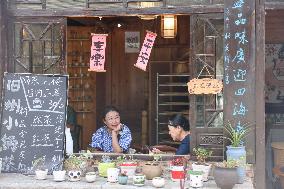
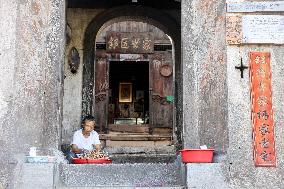
(240811) -- ANSHUN, Aug. 11, 2024 Photo by Xinhua/ABACAPRESS.COM) -- A resident is seen in a stone building in Benzhai Village in Xixiu District of Anshun City, southwest China's Guizhou Province, July 23, 2024. Tunpu means "fort" in Chinese, referring to the complex of residential buildings in villages of Anshun built in the style of fortress for resisting the enemy's attacks in ancient times. In the Ming Dynasty (1368-1644), some troops were sent to Anshun, where they built villages and cultivated land for farming. Their descendants have lived there over generations with their original living customs preserved. Thus the unique Tunpu culture has taken shape. After more than 600 years, these stone-structured Tunpu residential buildings have endured and now become popular tourist destinations for many visitors. Photo by Xinhua/ABACAPRESS.COM/Ou Dongqu)

  •  
(GloriousGuizhou)CHINA-GUIZHOU-ANSHUN-TUNPU CULTURE-ANCIENT STONE BUILDINGS (CN)

(GloriousGuizhou)CHINA-GUIZHOU-ANSHUN-TUNPU CULTURE-ANCIENT STONE BUILDINGS (CN)

(240811) -- ANSHUN, Aug. 11, 2024 Photo by Xinhua/ABACAPRESS.COM) -- An aerial drone photo taken on July 24, 2024 shows Baojiatun Village in Xixiu District of Anshun City, southwest China's Guizhou Province. Tunpu means "fort" in Chinese, referring to the complex of residential buildings in villages of Anshun built in the style of fortress for resisting the enemy's attacks in ancient times. In the Ming Dynasty (1368-1644), some troops were sent to Anshun, where they built villages and cultivated land for farming. Their descendants have lived there over generations with their original living customs preserved. Thus the unique Tunpu culture has taken shape. After more than 600 years, these stone-structured Tunpu residential buildings have endured and now become popular tourist destinations for many visitors. Photo by Xinhua/ABACAPRESS.COM/Ou Dongqu)

  •  
(GloriousGuizhou)CHINA-GUIZHOU-ANSHUN-TUNPU CULTURE-ANCIENT STONE BUILDINGS (CN)

(GloriousGuizhou)CHINA-GUIZHOU-ANSHUN-TUNPU CULTURE-ANCIENT STONE BUILDINGS (CN)

(240811) -- ANSHUN, Aug. 11, 2024 Photo by Xinhua/ABACAPRESS.COM) -- Tourists have tea at Jiuzhou ancient town scenic area of Anshun City, southwest China's Guizhou Province, July 24, 2024. Tunpu means "fort" in Chinese, referring to the complex of residential buildings in villages of Anshun built in the style of fortress for resisting the enemy's attacks in ancient times. In the Ming Dynasty (1368-1644), some troops were sent to Anshun, where they built villages and cultivated land for farming. Their descendants have lived there over generations with their original living customs preserved. Thus the unique Tunpu culture has taken shape. After more than 600 years, these stone-structured Tunpu residential buildings have endured and now become popular tourist destinations for many visitors. Photo by Xinhua/ABACAPRESS.COM/Ou Dongqu)

  •  
(GloriousGuizhou)CHINA-GUIZHOU-ANSHUN-TUNPU CULTURE-ANCIENT STONE BUILDINGS (CN)

(GloriousGuizhou)CHINA-GUIZHOU-ANSHUN-TUNPU CULTURE-ANCIENT STONE BUILDINGS (CN)

(240811) -- ANSHUN, Aug. 11, 2024 Photo by Xinhua/ABACAPRESS.COM) -- A drone photo taken on July 24, 2024 shows a view of Baojiatun Village in Xixiu District of Anshun City, southwest China's Guizhou Province. Tunpu means "fort" in Chinese, referring to the complex of residential buildings in villages of Anshun built in the style of fortress for resisting the enemy's attacks in ancient times. In the Ming Dynasty (1368-1644), some troops were sent to Anshun, where they built villages and cultivated land for farming. Their descendants have lived there over generations with their original living customs preserved. Thus the unique Tunpu culture has taken shape. After more than 600 years, these stone-structured Tunpu residential buildings have endured and now become popular tourist destinations for many visitors. Photo by Xinhua/ABACAPRESS.COM/Ou Dongqu)

  •  
(GloriousGuizhou)CHINA-GUIZHOU-ANSHUN-TUNPU CULTURE-ANCIENT STONE BUILDINGS (CN)

(GloriousGuizhou)CHINA-GUIZHOU-ANSHUN-TUNPU CULTURE-ANCIENT STONE BUILDINGS (CN)

(240811) -- ANSHUN, Aug. 11, 2024 Photo by Xinhua/ABACAPRESS.COM) -- A stone building is pictured at an ancient town in Pingba District of Anshun City, southwest China's Guizhou Province, July 25, 2024. Tunpu means "fort" in Chinese, referring to the complex of residential buildings in villages of Anshun built in the style of fortress for resisting the enemy's attacks in ancient times. In the Ming Dynasty (1368-1644), some troops were sent to Anshun, where they built villages and cultivated land for farming. Their descendants have lived there over generations with their original living customs preserved. Thus the unique Tunpu culture has taken shape. After more than 600 years, these stone-structured Tunpu residential buildings have endured and now become popular tourist destinations for many visitors. Photo by Xinhua/ABACAPRESS.COM/Ou Dongqu)

  •  
(GloriousGuizhou)CHINA-GUIZHOU-ANSHUN-DIXI OPERA (CN)

(GloriousGuizhou)CHINA-GUIZHOU-ANSHUN-DIXI OPERA (CN)

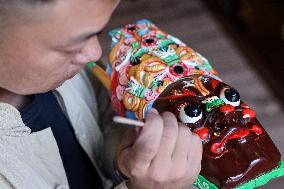
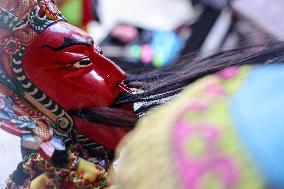
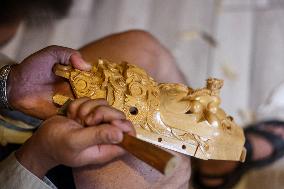
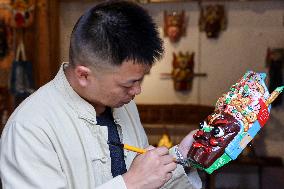
(240810) -- ANSHUN, Aug. 10, 2024 Photo by Xinhua/ABACAPRESS.COM) -- Bao Bo, an inheritor of Anshun woodcarving, colors a Dixi mask in Jiuzhou ancient town scenic area of Anshun City, southwest China's Guizhou Province, July 25, 2024. Anshun Dixi Opera is an important part of Tunpu culture dating back to the Ming Dynasty (1368-1644). The opera has been listed as one of the national intangible cultural heritages in 2006. Dixi performers wear various masks while performing operas about history and rituals to ward off evil spirits. Dozens of tools are needed in the multiple process from engraving to coloring in the making of the wooden facial masks. Photo by Xinhua/ABACAPRESS.COM/Ou Dongqu)

  •  
(GloriousGuizhou)CHINA-GUIZHOU-ANSHUN-DIXI OPERA (CN)

(GloriousGuizhou)CHINA-GUIZHOU-ANSHUN-DIXI OPERA (CN)

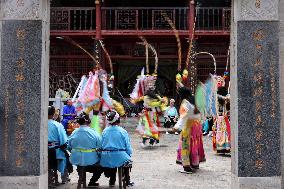
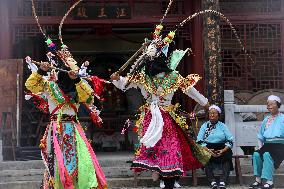
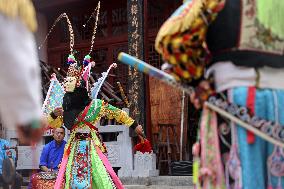
(240810) -- ANSHUN, Aug. 10, 2024 Photo by Xinhua/ABACAPRESS.COM) -- Villagers stage a Dixi opera performance in Jiuxi Village of Daxiqiao Town, Anshun City, southwest China's Guizhou Province, July 24, 2024. Anshun Dixi Opera is an important part of Tunpu culture dating back to the Ming Dynasty (1368-1644). The opera has been listed as one of the national intangible cultural heritages in 2006. Dixi performers wear various masks while performing operas about history and rituals to ward off evil spirits. Dozens of tools are needed in the multiple process from engraving to coloring in the making of the wooden facial masks. Photo by Xinhua/ABACAPRESS.COM/Ou Dongqu)

  •  
(GloriousGuizhou)CHINA-GUIZHOU-ANSHUN-DIXI OPERA (CN)

(GloriousGuizhou)CHINA-GUIZHOU-ANSHUN-DIXI OPERA (CN)

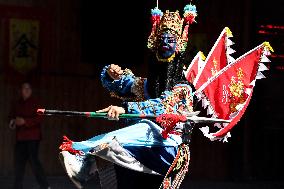
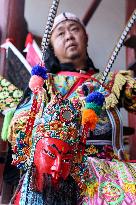
(240810) -- ANSHUN, Aug. 10, 2024 Photo by Xinhua/ABACAPRESS.COM) -- A young Dixi opera enthusiast stages a performance in Pingba District of Anshun City, southwest China's Guizhou Province, July 25, 2024. Anshun Dixi Opera is an important part of Tunpu culture dating back to the Ming Dynasty (1368-1644). The opera has been listed as one of the national intangible cultural heritages in 2006. Dixi performers wear various masks while performing operas about history and rituals to ward off evil spirits. Dozens of tools are needed in the multiple process from engraving to coloring in the making of the wooden facial masks. Photo by Xinhua/ABACAPRESS.COM/Ou Dongqu)

  •  
(GloriousGuizhou)CHINA-GUIZHOU-ANSHUN-DIXI OPERA (CN)

(GloriousGuizhou)CHINA-GUIZHOU-ANSHUN-DIXI OPERA (CN)

(240810) -- ANSHUN, Aug. 10, 2024 Photo by Xinhua/ABACAPRESS.COM) -- Villagers stage a Dixi opera performance in Jiuxi Village of Daxiqiao Town, Anshun City, southwest China's Guizhou Province, July 24, 2024. Anshun Dixi Opera is an important part of Tunpu culture dating back to the Ming Dynasty (1368-1644). The opera has been listed as one of the national intangible cultural heritages in 2006. Dixi performers wear various masks while performing operas about history and rituals to ward off evil spirits. Dozens of tools are needed in the multiple process from engraving to coloring in the making of the wooden facial masks. Photo by Xinhua/ABACAPRESS.COM/Ou Dongqu)

  •  
(GloriousGuizhou)CHINA-GUIZHOU-ANSHUN-DIXI OPERA (CN)

(GloriousGuizhou)CHINA-GUIZHOU-ANSHUN-DIXI OPERA (CN)

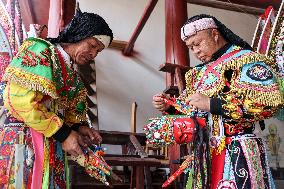
(240810) -- ANSHUN, Aug. 10, 2024 Photo by Xinhua/ABACAPRESS.COM) -- A villager makes preparations for a Dixi opera performance in Jiuxi Village of Daxiqiao Town, Anshun City, southwest China's Guizhou Province, July 24, 2024. Anshun Dixi Opera is an important part of Tunpu culture dating back to the Ming Dynasty (1368-1644). The opera has been listed as one of the national intangible cultural heritages in 2006. Dixi performers wear various masks while performing operas about history and rituals to ward off evil spirits. Dozens of tools are needed in the multiple process from engraving to coloring in the making of the wooden facial masks. Photo by Xinhua/ABACAPRESS.COM/Ou Dongqu)

  •  
(GloriousGuizhou)CHINA-GUIZHOU-ANSHUN-DIXI OPERA (CN)

(GloriousGuizhou)CHINA-GUIZHOU-ANSHUN-DIXI OPERA (CN)

(240810) -- ANSHUN, Aug. 10, 2024 Photo by Xinhua/ABACAPRESS.COM) -- An aerial drone photo shows young Dixi opera enthusiasts staging a performance in Pingba District of Anshun City, southwest China's Guizhou Province, July 25, 2024. Anshun Dixi Opera is an important part of Tunpu culture dating back to the Ming Dynasty (1368-1644). The opera has been listed as one of the national intangible cultural heritages in 2006. Dixi performers wear various masks while performing operas about history and rituals to ward off evil spirits. Dozens of tools are needed in the multiple process from engraving to coloring in the making of the wooden facial masks. Photo by Xinhua/ABACAPRESS.COM/Ou Dongqu)

  •  
(GloriousGuizhou)CHINA-GUIZHOU-ANSHUN-DIXI OPERA (CN)

(GloriousGuizhou)CHINA-GUIZHOU-ANSHUN-DIXI OPERA (CN)

(240810) -- ANSHUN, Aug. 10, 2024 Photo by Xinhua/ABACAPRESS.COM) -- Villagers make preparations for a Dixi opera performance in Jiuxi Village of Daxiqiao Town, Anshun City, southwest China's Guizhou Province, July 24, 2024. Anshun Dixi Opera is an important part of Tunpu culture dating back to the Ming Dynasty (1368-1644). The opera has been listed as one of the national intangible cultural heritages in 2006. Dixi performers wear various masks while performing operas about history and rituals to ward off evil spirits. Dozens of tools are needed in the multiple process from engraving to coloring in the making of the wooden facial masks. Photo by Xinhua/ABACAPRESS.COM/Ou Dongqu)

  •  
(GloriousGuizhou)CHINA-GUIZHOU-ANSHUN-DIXI OPERA (CN)

(GloriousGuizhou)CHINA-GUIZHOU-ANSHUN-DIXI OPERA (CN)

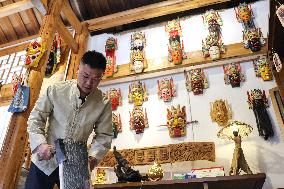
(240810) -- ANSHUN, Aug. 10, 2024 Photo by Xinhua/ABACAPRESS.COM) -- Bao Bo, an inheritor of Anshun woodcarving, makes a Dixi mask in Jiuzhou ancient town scenic area of Anshun City, southwest China's Guizhou Province, July 25, 2024. Anshun Dixi Opera is an important part of Tunpu culture dating back to the Ming Dynasty (1368-1644). The opera has been listed as one of the national intangible cultural heritages in 2006. Dixi performers wear various masks while performing operas about history and rituals to ward off evil spirits. Dozens of tools are needed in the multiple process from engraving to coloring in the making of the wooden facial masks. Photo by Xinhua/ABACAPRESS.COM/Ou Dongqu)

  •  
(GloriousGuizhou)CHINA-GUIZHOU-ANSHUN-DIXI OPERA (CN)

(GloriousGuizhou)CHINA-GUIZHOU-ANSHUN-DIXI OPERA (CN)

(240810) -- ANSHUN, Aug. 10, 2024 Photo by Xinhua/ABACAPRESS.COM) -- Bao Bo, an inheritor of Anshun woodcarving, makes a Dixi mask in Jiuzhou ancient town scenic area of Anshun City, southwest China's Guizhou Province, July 25, 2024. Anshun Dixi Opera is an important part of Tunpu culture dating back to the Ming Dynasty (1368-1644). The opera has been listed as one of the national intangible cultural heritages in 2006. Dixi performers wear various masks while performing operas about history and rituals to ward off evil spirits. Dozens of tools are needed in the multiple process from engraving to coloring in the making of the wooden facial masks. Photo by Xinhua/ABACAPRESS.COM/Ou Dongqu)

  •  
(GloriousGuizhou)CHINA-GUIZHOU-ANSHUN-DIXI OPERA (CN)

(GloriousGuizhou)CHINA-GUIZHOU-ANSHUN-DIXI OPERA (CN)

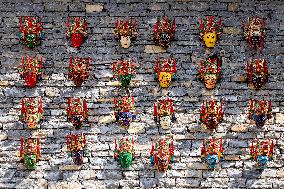
(240810) -- ANSHUN, Aug. 10, 2024 Photo by Xinhua/ABACAPRESS.COM) -- Dixi masks are seen on a wall in Pingba District of Anshun City, southwest China's Guizhou Province, July 25, 2024. Anshun Dixi Opera is an important part of Tunpu culture dating back to the Ming Dynasty (1368-1644). The opera has been listed as one of the national intangible cultural heritages in 2006. Dixi performers wear various masks while performing operas about history and rituals to ward off evil spirits. Dozens of tools are needed in the multiple process from engraving to coloring in the making of the wooden facial masks. Photo by Xinhua/ABACAPRESS.COM/Ou Dongqu)

  •  
(GloriousGuizhou)CHINA-GUIZHOU-ANSHUN-DIXI OPERA (CN)

(GloriousGuizhou)CHINA-GUIZHOU-ANSHUN-DIXI OPERA (CN)

(240810) -- ANSHUN, Aug. 10, 2024 Photo by Xinhua/ABACAPRESS.COM) -- Villagers stage a Dixi opera performance in Jiuxi Village of Daxiqiao Town, Anshun City, southwest China's Guizhou Province, July 24, 2024. Anshun Dixi Opera is an important part of Tunpu culture dating back to the Ming Dynasty (1368-1644). The opera has been listed as one of the national intangible cultural heritages in 2006. Dixi performers wear various masks while performing operas about history and rituals to ward off evil spirits. Dozens of tools are needed in the multiple process from engraving to coloring in the making of the wooden facial masks. Photo by Xinhua/ABACAPRESS.COM/Ou Dongqu)

  •  
(GloriousGuizhou)CHINA-GUIZHOU-ANSHUN-DIXI OPERA (CN)

(GloriousGuizhou)CHINA-GUIZHOU-ANSHUN-DIXI OPERA (CN)

(240810) -- ANSHUN, Aug. 10, 2024 Photo by Xinhua/ABACAPRESS.COM) -- A villager makes preparations for a Dixi opera performance in Jiuxi Village of Daxiqiao Town, Anshun City, southwest China's Guizhou Province, July 24, 2024. Anshun Dixi Opera is an important part of Tunpu culture dating back to the Ming Dynasty (1368-1644). The opera has been listed as one of the national intangible cultural heritages in 2006. Dixi performers wear various masks while performing operas about history and rituals to ward off evil spirits. Dozens of tools are needed in the multiple process from engraving to coloring in the making of the wooden facial masks. Photo by Xinhua/ABACAPRESS.COM/Ou Dongqu)

  •  
(GloriousGuizhou)CHINA-GUIZHOU-ANSHUN-DIXI OPERA (CN)

(GloriousGuizhou)CHINA-GUIZHOU-ANSHUN-DIXI OPERA (CN)

(240810) -- ANSHUN, Aug. 10, 2024 Photo by Xinhua/ABACAPRESS.COM) -- Bao Bo, an inheritor of Anshun woodcarving, colors a Dixi mask in Jiuzhou ancient town scenic area of Anshun City, southwest China's Guizhou Province, July 25, 2024. Anshun Dixi Opera is an important part of Tunpu culture dating back to the Ming Dynasty (1368-1644). The opera has been listed as one of the national intangible cultural heritages in 2006. Dixi performers wear various masks while performing operas about history and rituals to ward off evil spirits. Dozens of tools are needed in the multiple process from engraving to coloring in the making of the wooden facial masks. Photo by Xinhua/ABACAPRESS.COM/Ou Dongqu)

  •  
XINHUA PHOTOS OF THE DAY

XINHUA PHOTOS OF THE DAY

(240805) -- BEIJING, Aug. 5, 2024 Photo by Xinhua/ABACAPRESS.COM) -- An aerial drone photo taken on July 24, 2024 shows a view of Baojiatun Village in Xixiu District of Anshun City, southwest China's Guizhou Province. In Anshun City, ancient stone buildings and unique local traditions have made a cluster of villages popular tourist destinations for many visitors. The stone-structured Tunpu residential buildings were built in the Ming Dynasty (1368-1644), when some troops were sent to Anshun, where they built villages and turned the neighborhood into farmland for growing crops. Their descendants have lived there over generations, and formed the unique Tunpu culture which preserved distinctive customs, architectures, operas and costumes of ancient times. Photo by Xinhua/ABACAPRESS.COM/Ou Dongqu)

  •  
(GloriousGuizhou)CHINA-GUIZHOU-ANSHUN-TUNPU CULTURE (CN)

(GloriousGuizhou)CHINA-GUIZHOU-ANSHUN-TUNPU CULTURE (CN)

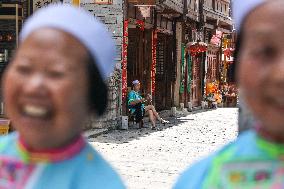
(240804) -- ANSHUN, Aug. 4, 2024 Photo by Xinhua/ABACAPRESS.COM) -- A villager sorts out beans in Benzhai Village, Xixiu District, Anshun City, southwest China's Guizhou Province, July 23, 2024. In Anshun City, southwest China's Guizhou Province, ancient stone buildings and unique local traditions have made a cluster of villages popular tourist destinations for many visitors. The stone-structured Tunpu residential buildings were built in the Ming Dynasty (1368-1644), when some troops were sent to Anshun, where they built villages and turned the neighborhood into farmland for growing crops. Their descendants have lived there over generations, and formed the unique Tunpu culture which preserved distinctive customs, architectures, operas and costumes of ancient times. Photo by Xinhua/ABACAPRESS.COM/Ou Dongqu)

  •  
(GloriousGuizhou)CHINA-GUIZHOU-ANSHUN-TUNPU CULTURE (CN)

(GloriousGuizhou)CHINA-GUIZHOU-ANSHUN-TUNPU CULTURE (CN)

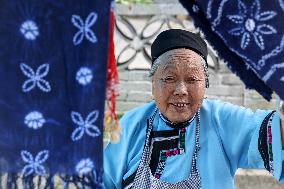
(240804) -- ANSHUN, Aug. 4, 2024 Photo by Xinhua/ABACAPRESS.COM) -- A villager is pictured in Tianlong Tunpu ancient town in Pingba District of Anshun City, southwest China's Guizhou Province, July 25, 2024. In Anshun City, southwest China's Guizhou Province, ancient stone buildings and unique local traditions have made a cluster of villages popular tourist destinations for many visitors. The stone-structured Tunpu residential buildings were built in the Ming Dynasty (1368-1644), when some troops were sent to Anshun, where they built villages and turned the neighborhood into farmland for growing crops. Their descendants have lived there over generations, and formed the unique Tunpu culture which preserved distinctive customs, architectures, operas and costumes of ancient times. Photo by Xinhua/ABACAPRESS.COM/Ou Dongqu)

  •  
(GloriousGuizhou)CHINA-GUIZHOU-ANSHUN-TUNPU CULTURE (CN)

(GloriousGuizhou)CHINA-GUIZHOU-ANSHUN-TUNPU CULTURE (CN)

(240804) -- ANSHUN, Aug. 4, 2024 Photo by Xinhua/ABACAPRESS.COM) -- A villager (back) makes shoe soles in Tianlong Tunpu ancient town in Pingba District of Anshun City, southwest China's Guizhou Province, July 25, 2024. In Anshun City, southwest China's Guizhou Province, ancient stone buildings and unique local traditions have made a cluster of villages popular tourist destinations for many visitors. The stone-structured Tunpu residential buildings were built in the Ming Dynasty (1368-1644), when some troops were sent to Anshun, where they built villages and turned the neighborhood into farmland for growing crops. Their descendants have lived there over generations, and formed the unique Tunpu culture which preserved distinctive customs, architectures, operas and costumes of ancient times. Photo by Xinhua/ABACAPRESS.COM/Ou Dongqu)

  •  
(GloriousGuizhou)CHINA-GUIZHOU-ANSHUN-TUNPU CULTURE (CN)

(GloriousGuizhou)CHINA-GUIZHOU-ANSHUN-TUNPU CULTURE (CN)

(240804) -- ANSHUN, Aug. 4, 2024 Photo by Xinhua/ABACAPRESS.COM) -- An aerial drone photo taken on July 23, 2024 shows a view of Benzhai Village in Xixiu District of Anshun City, southwest China's Guizhou Province. In Anshun City, southwest China's Guizhou Province, ancient stone buildings and unique local traditions have made a cluster of villages popular tourist destinations for many visitors. The stone-structured Tunpu residential buildings were built in the Ming Dynasty (1368-1644), when some troops were sent to Anshun, where they built villages and turned the neighborhood into farmland for growing crops. Their descendants have lived there over generations, and formed the unique Tunpu culture which preserved distinctive customs, architectures, operas and costumes of ancient times. Photo by Xinhua/ABACAPRESS.COM/Ou Dongqu)

  •  
(GloriousGuizhou)CHINA-GUIZHOU-ANSHUN-TUNPU CULTURE (CN)

(GloriousGuizhou)CHINA-GUIZHOU-ANSHUN-TUNPU CULTURE (CN)

(240804) -- ANSHUN, Aug. 4, 2024 Photo by Xinhua/ABACAPRESS.COM) -- An aerial drone photo taken on July 23, 2024 shows a view of Benzhai Village in Xixiu District of Anshun City, southwest China's Guizhou Province. In Anshun City, southwest China's Guizhou Province, ancient stone buildings and unique local traditions have made a cluster of villages popular tourist destinations for many visitors. The stone-structured Tunpu residential buildings were built in the Ming Dynasty (1368-1644), when some troops were sent to Anshun, where they built villages and turned the neighborhood into farmland for growing crops. Their descendants have lived there over generations, and formed the unique Tunpu culture which preserved distinctive customs, architectures, operas and costumes of ancient times. Photo by Xinhua/ABACAPRESS.COM/Ou Dongqu)

  •  
Floodwaters in Enshi

Floodwaters in Enshi

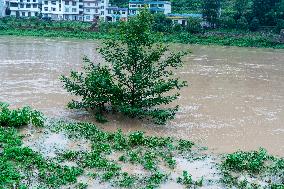
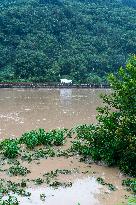
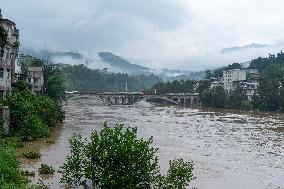
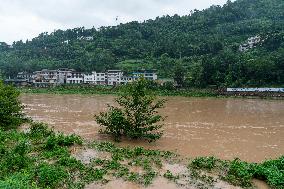
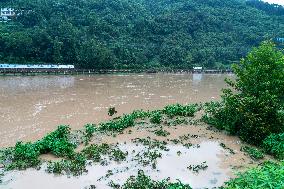
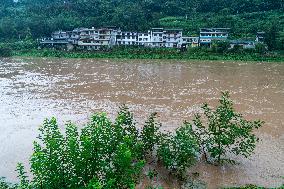
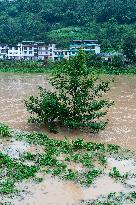
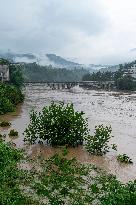
ENSHI, CHINA - JULY 14, 2024 - Floodwaters inundate farmland and trees along the banks of the Tunpu section of Qingjiang River in Enshi, Hubei province, China, July 14, 2024.

  •  
Floodwaters in Enshi

Floodwaters in Enshi

ENSHI, CHINA - JULY 14, 2024 - Floodwaters inundate farmland and trees along the banks of the Tunpu section of Qingjiang River in Enshi, Hubei province, China, July 14, 2024.

  •  
Floodwaters in Enshi

Floodwaters in Enshi

ENSHI, CHINA - JULY 14, 2024 - Floodwaters inundate farmland and trees along the banks of the Tunpu section of Qingjiang River in Enshi, Hubei province, China, July 14, 2024.

  •  
Floodwaters in Enshi

Floodwaters in Enshi

ENSHI, CHINA - JULY 14, 2024 - Floodwaters inundate farmland and trees along the banks of the Tunpu section of Qingjiang River in Enshi, Hubei province, China, July 14, 2024.

  •  
Floodwaters in Enshi

Floodwaters in Enshi

ENSHI, CHINA - JULY 14, 2024 - Floodwaters inundate farmland and trees along the banks of the Tunpu section of Qingjiang River in Enshi, Hubei province, China, July 14, 2024.

  •  
Floodwaters in Enshi

Floodwaters in Enshi

ENSHI, CHINA - JULY 14, 2024 - Floodwaters inundate farmland and trees along the banks of the Tunpu section of Qingjiang River in Enshi, Hubei province, China, July 14, 2024.

  •  
Floodwaters in Enshi

Floodwaters in Enshi

ENSHI, CHINA - JULY 14, 2024 - Floodwaters inundate farmland and trees along the banks of the Tunpu section of Qingjiang River in Enshi, Hubei province, China, July 14, 2024.

  •  
Floodwaters in Enshi

Floodwaters in Enshi

ENSHI, CHINA - JULY 14, 2024 - Floodwaters inundate farmland and trees along the banks of the Tunpu section of Qingjiang River in Enshi, Hubei province, China, July 14, 2024.

  •  
Floodwaters in Enshi

Floodwaters in Enshi

ENSHI, CHINA - JULY 14, 2024 - Floodwaters inundate farmland and trees along the banks of the Tunpu section of Qingjiang River in Enshi, Hubei province, China, July 14, 2024.

  •  
Floodwaters in Enshi

Floodwaters in Enshi

ENSHI, CHINA - JULY 14, 2024 - Floodwaters inundate farmland and trees along the banks of the Tunpu section of Qingjiang River in Enshi, Hubei province, China, July 14, 2024.

  •  

Unique culture attracts tourists to villages in SW China

STORY: Unique culture attracts tourists to villages in SW China SHOOTING TIME: Nov. 20-22, 2023 DATELINE: Dec. 6, 2023 LENGTH: 00:03:28 LOCATION: GUIYANG, China CATEGORY: CULTURE SHOTLIST: 1. various of villages 2. SOUNDBITE 1 (Chinese): XUE XUCHU, Tourist 3. various of tourists 4. SOUNDBITE 2 (Chinese): TEO KOK SEONG, Tourist STORYLINE: In Anshun City, southwest China's Guizhou Province, ancient stone buildings and unique local traditions have made a cluster of villages popular tourist destinations for many. The stone-structured Tunpu residential buildings were built in the Ming Dynasty (1368-1644), when some troops were sent to Anshun, where they built villages and turned the neighborhood into farmland for growing crops. Tunpu culture, which is unique to Anshun, features distinctive costumes, dialects, architecture, religion, arts and lifestyles. SOUNDBITE 1 (Chinese): XUE XUCHU, Tourist "Tunpu culture is a kind of culture that tourists are interested in. It's a place that I always take my friends

  •  

Tunpu Gorge Surrounded By Fog

Tunpu gorge surrounded by fog. Enshi City, Hubei Province, China, October 21, 2020.

  • Main
  • Top
  • Editorial
  • Creative
  • About Us
  • About ILG
  • Terms of use
  • Company
  • BEHIND
  • Price List
  • Single Plan
  • Monthly Plan
  • Services
  • Shooting
  • Rights Clearance
  • Support
  • FAQ
  • How To Buy
  • Contact Us
  • Become a Partner

© KYODO NEWS IMAGES INC

All Rights Reserved.

  • Editorial
  • Olympics
  • News
  • Sports
  • Japan
  • Tech
  • Royal
  • Disaster
  • NorthKorea
  • Old Japan
  • SNS

  • Creative
  • Food
  • Japan
  • Landscape
  • Animal
  • Popular
  • #Ukraine
  • #China
  • #coronavirus
  • #N. Korea
  • #Thailand
  • #Russia
  • #Ukraine
  • #China
  • #coronavirus
  • #N. Korea
  • #Thailand
  • #Russia
  • Food
  • Japan
  • Landscape
  • Animal
  • Olympics
  • News
  • Sports
  • Japan
  • Tech
  • Royal
  • Disaster
  • NorthKorea
  • Old Japan
  • SNS