•  
Kharkiv Astronomers Work Despite Continuing Russo-Ukrainian War - Ukraine

Kharkiv Astronomers Work Despite Continuing Russo-Ukrainian War - Ukraine

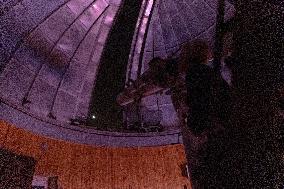
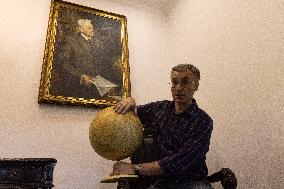
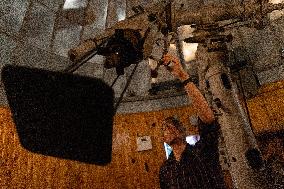
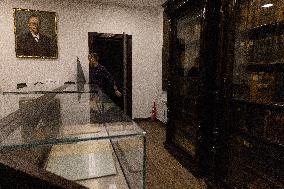
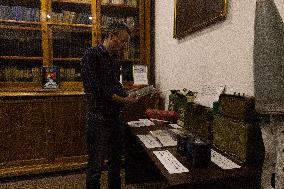
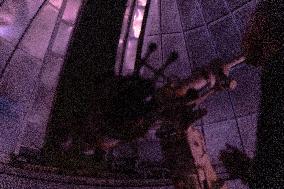
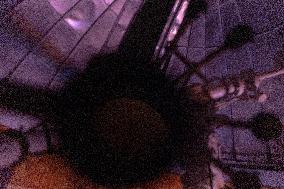
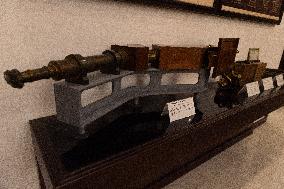
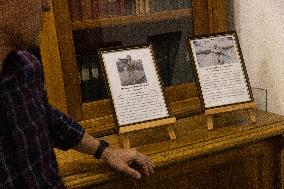
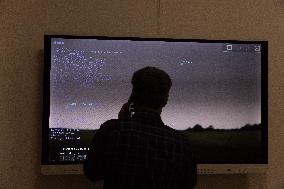
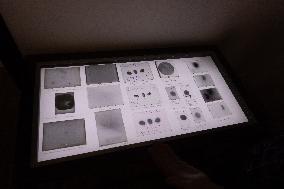
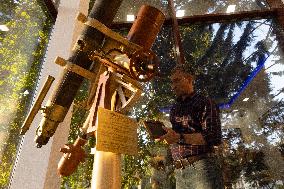
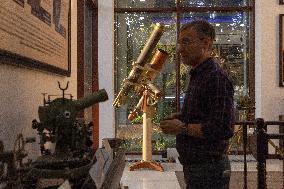
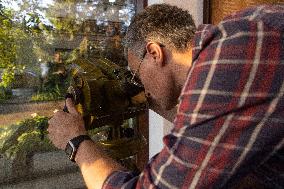
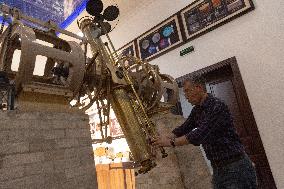
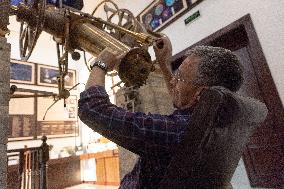
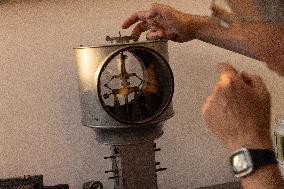
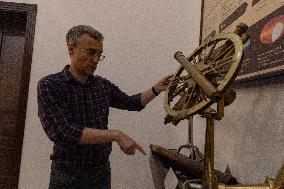
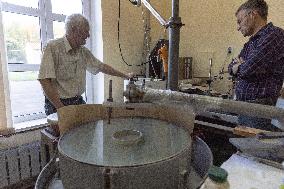
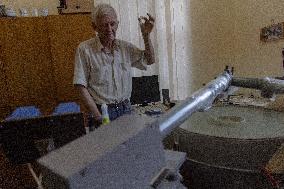
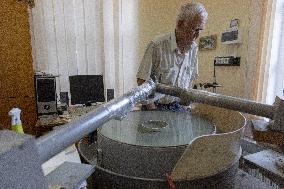
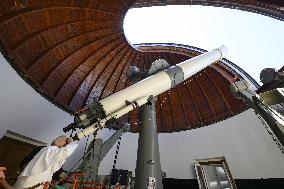
Kharkiv astronomers are only now returning to observations at their own observation base. "The only Ukrainian astronomical observatory that was occupied for a long time" - Vadym Kaidash, head of the scientific research institute of astronomy The full-scale invasion, says Kaidash, deprived Kharkiv astronomers of the opportunity to work at the Chuhuiv observatory of Karazin University. It is located 70 kilometers from Kharkiv - and in 2022 found itself under occupation. We, Kharkiv astronomers, astronomers of Karazin University, have very limited opportunities to observe the starry sky, because telescopes and observation equipment, computers, control systems, etc., are destroyed, do not work. There was an observatory in our suburbs during the occupation. A new exhibition appeared in the university museum of astronomy during the war. In this small exhibition we have evidence of the occupation by the Russians of our Chuguyiv Observatory of the Research Institute of Astronomy. This is the only Ukrainian astronomic

  •  
Kharkiv Astronomers Work Despite Continuing Russo-Ukrainian War - Ukraine

Kharkiv Astronomers Work Despite Continuing Russo-Ukrainian War - Ukraine

Kharkiv astronomers are only now returning to observations at their own observation base. "The only Ukrainian astronomical observatory that was occupied for a long time" - Vadym Kaidash, head of the scientific research institute of astronomy The full-scale invasion, says Kaidash, deprived Kharkiv astronomers of the opportunity to work at the Chuhuiv observatory of Karazin University. It is located 70 kilometers from Kharkiv - and in 2022 found itself under occupation. We, Kharkiv astronomers, astronomers of Karazin University, have very limited opportunities to observe the starry sky, because telescopes and observation equipment, computers, control systems, etc., are destroyed, do not work. There was an observatory in our suburbs during the occupation. A new exhibition appeared in the university museum of astronomy during the war. In this small exhibition we have evidence of the occupation by the Russians of our Chuguyiv Observatory of the Research Institute of Astronomy. This is the only Ukrainian astronomic

  •  
Kharkiv Astronomers Work Despite Continuing Russo-Ukrainian War - Ukraine

Kharkiv Astronomers Work Despite Continuing Russo-Ukrainian War - Ukraine

Kharkiv astronomers are only now returning to observations at their own observation base. "The only Ukrainian astronomical observatory that was occupied for a long time" - Vadym Kaidash, head of the scientific research institute of astronomy The full-scale invasion, says Kaidash, deprived Kharkiv astronomers of the opportunity to work at the Chuhuiv observatory of Karazin University. It is located 70 kilometers from Kharkiv - and in 2022 found itself under occupation. We, Kharkiv astronomers, astronomers of Karazin University, have very limited opportunities to observe the starry sky, because telescopes and observation equipment, computers, control systems, etc., are destroyed, do not work. There was an observatory in our suburbs during the occupation. A new exhibition appeared in the university museum of astronomy during the war. In this small exhibition we have evidence of the occupation by the Russians of our Chuguyiv Observatory of the Research Institute of Astronomy. This is the only Ukrainian astronomic

  •  
Kharkiv Astronomers Work Despite Continuing Russo-Ukrainian War - Ukraine

Kharkiv Astronomers Work Despite Continuing Russo-Ukrainian War - Ukraine

Kharkiv astronomers are only now returning to observations at their own observation base. "The only Ukrainian astronomical observatory that was occupied for a long time" - Vadym Kaidash, head of the scientific research institute of astronomy The full-scale invasion, says Kaidash, deprived Kharkiv astronomers of the opportunity to work at the Chuhuiv observatory of Karazin University. It is located 70 kilometers from Kharkiv - and in 2022 found itself under occupation. We, Kharkiv astronomers, astronomers of Karazin University, have very limited opportunities to observe the starry sky, because telescopes and observation equipment, computers, control systems, etc., are destroyed, do not work. There was an observatory in our suburbs during the occupation. A new exhibition appeared in the university museum of astronomy during the war. In this small exhibition we have evidence of the occupation by the Russians of our Chuguyiv Observatory of the Research Institute of Astronomy. This is the only Ukrainian astronomic

  •  
Kharkiv Astronomers Work Despite Continuing Russo-Ukrainian War - Ukraine

Kharkiv Astronomers Work Despite Continuing Russo-Ukrainian War - Ukraine

Kharkiv astronomers are only now returning to observations at their own observation base. "The only Ukrainian astronomical observatory that was occupied for a long time" - Vadym Kaidash, head of the scientific research institute of astronomy The full-scale invasion, says Kaidash, deprived Kharkiv astronomers of the opportunity to work at the Chuhuiv observatory of Karazin University. It is located 70 kilometers from Kharkiv - and in 2022 found itself under occupation. We, Kharkiv astronomers, astronomers of Karazin University, have very limited opportunities to observe the starry sky, because telescopes and observation equipment, computers, control systems, etc., are destroyed, do not work. There was an observatory in our suburbs during the occupation. A new exhibition appeared in the university museum of astronomy during the war. In this small exhibition we have evidence of the occupation by the Russians of our Chuguyiv Observatory of the Research Institute of Astronomy. This is the only Ukrainian astronomic

  •  
Kharkiv Astronomers Work Despite Continuing Russo-Ukrainian War - Ukraine

Kharkiv Astronomers Work Despite Continuing Russo-Ukrainian War - Ukraine

Kharkiv astronomers are only now returning to observations at their own observation base. "The only Ukrainian astronomical observatory that was occupied for a long time" - Vadym Kaidash, head of the scientific research institute of astronomy The full-scale invasion, says Kaidash, deprived Kharkiv astronomers of the opportunity to work at the Chuhuiv observatory of Karazin University. It is located 70 kilometers from Kharkiv - and in 2022 found itself under occupation. We, Kharkiv astronomers, astronomers of Karazin University, have very limited opportunities to observe the starry sky, because telescopes and observation equipment, computers, control systems, etc., are destroyed, do not work. There was an observatory in our suburbs during the occupation. A new exhibition appeared in the university museum of astronomy during the war. In this small exhibition we have evidence of the occupation by the Russians of our Chuguyiv Observatory of the Research Institute of Astronomy. This is the only Ukrainian astronomic

  •  
Kharkiv Astronomers Work Despite Continuing Russo-Ukrainian War - Ukraine

Kharkiv Astronomers Work Despite Continuing Russo-Ukrainian War - Ukraine

Kharkiv astronomers are only now returning to observations at their own observation base. "The only Ukrainian astronomical observatory that was occupied for a long time" - Vadym Kaidash, head of the scientific research institute of astronomy The full-scale invasion, says Kaidash, deprived Kharkiv astronomers of the opportunity to work at the Chuhuiv observatory of Karazin University. It is located 70 kilometers from Kharkiv - and in 2022 found itself under occupation. We, Kharkiv astronomers, astronomers of Karazin University, have very limited opportunities to observe the starry sky, because telescopes and observation equipment, computers, control systems, etc., are destroyed, do not work. There was an observatory in our suburbs during the occupation. A new exhibition appeared in the university museum of astronomy during the war. In this small exhibition we have evidence of the occupation by the Russians of our Chuguyiv Observatory of the Research Institute of Astronomy. This is the only Ukrainian astronomic

  •  
Kharkiv Astronomers Work Despite Continuing Russo-Ukrainian War - Ukraine

Kharkiv Astronomers Work Despite Continuing Russo-Ukrainian War - Ukraine

Kharkiv astronomers are only now returning to observations at their own observation base. "The only Ukrainian astronomical observatory that was occupied for a long time" - Vadym Kaidash, head of the scientific research institute of astronomy The full-scale invasion, says Kaidash, deprived Kharkiv astronomers of the opportunity to work at the Chuhuiv observatory of Karazin University. It is located 70 kilometers from Kharkiv - and in 2022 found itself under occupation. We, Kharkiv astronomers, astronomers of Karazin University, have very limited opportunities to observe the starry sky, because telescopes and observation equipment, computers, control systems, etc., are destroyed, do not work. There was an observatory in our suburbs during the occupation. A new exhibition appeared in the university museum of astronomy during the war. In this small exhibition we have evidence of the occupation by the Russians of our Chuguyiv Observatory of the Research Institute of Astronomy. This is the only Ukrainian astronomic

  •  
Kharkiv Astronomers Work Despite Continuing Russo-Ukrainian War - Ukraine

Kharkiv Astronomers Work Despite Continuing Russo-Ukrainian War - Ukraine

Kharkiv astronomers are only now returning to observations at their own observation base. "The only Ukrainian astronomical observatory that was occupied for a long time" - Vadym Kaidash, head of the scientific research institute of astronomy The full-scale invasion, says Kaidash, deprived Kharkiv astronomers of the opportunity to work at the Chuhuiv observatory of Karazin University. It is located 70 kilometers from Kharkiv - and in 2022 found itself under occupation. We, Kharkiv astronomers, astronomers of Karazin University, have very limited opportunities to observe the starry sky, because telescopes and observation equipment, computers, control systems, etc., are destroyed, do not work. There was an observatory in our suburbs during the occupation. A new exhibition appeared in the university museum of astronomy during the war. In this small exhibition we have evidence of the occupation by the Russians of our Chuguyiv Observatory of the Research Institute of Astronomy. This is the only Ukrainian astronomic

  •  
Kharkiv Astronomers Work Despite Continuing Russo-Ukrainian War - Ukraine

Kharkiv Astronomers Work Despite Continuing Russo-Ukrainian War - Ukraine

Kharkiv astronomers are only now returning to observations at their own observation base. "The only Ukrainian astronomical observatory that was occupied for a long time" - Vadym Kaidash, head of the scientific research institute of astronomy The full-scale invasion, says Kaidash, deprived Kharkiv astronomers of the opportunity to work at the Chuhuiv observatory of Karazin University. It is located 70 kilometers from Kharkiv - and in 2022 found itself under occupation. We, Kharkiv astronomers, astronomers of Karazin University, have very limited opportunities to observe the starry sky, because telescopes and observation equipment, computers, control systems, etc., are destroyed, do not work. There was an observatory in our suburbs during the occupation. A new exhibition appeared in the university museum of astronomy during the war. In this small exhibition we have evidence of the occupation by the Russians of our Chuguyiv Observatory of the Research Institute of Astronomy. This is the only Ukrainian astronomic

  •  
Kharkiv Astronomers Work Despite Continuing Russo-Ukrainian War - Ukraine

Kharkiv Astronomers Work Despite Continuing Russo-Ukrainian War - Ukraine

Kharkiv astronomers are only now returning to observations at their own observation base. "The only Ukrainian astronomical observatory that was occupied for a long time" - Vadym Kaidash, head of the scientific research institute of astronomy The full-scale invasion, says Kaidash, deprived Kharkiv astronomers of the opportunity to work at the Chuhuiv observatory of Karazin University. It is located 70 kilometers from Kharkiv - and in 2022 found itself under occupation. We, Kharkiv astronomers, astronomers of Karazin University, have very limited opportunities to observe the starry sky, because telescopes and observation equipment, computers, control systems, etc., are destroyed, do not work. There was an observatory in our suburbs during the occupation. A new exhibition appeared in the university museum of astronomy during the war. In this small exhibition we have evidence of the occupation by the Russians of our Chuguyiv Observatory of the Research Institute of Astronomy. This is the only Ukrainian astronomic

  •  
Kharkiv Astronomers Work Despite Continuing Russo-Ukrainian War - Ukraine

Kharkiv Astronomers Work Despite Continuing Russo-Ukrainian War - Ukraine

Kharkiv astronomers are only now returning to observations at their own observation base. "The only Ukrainian astronomical observatory that was occupied for a long time" - Vadym Kaidash, head of the scientific research institute of astronomy The full-scale invasion, says Kaidash, deprived Kharkiv astronomers of the opportunity to work at the Chuhuiv observatory of Karazin University. It is located 70 kilometers from Kharkiv - and in 2022 found itself under occupation. We, Kharkiv astronomers, astronomers of Karazin University, have very limited opportunities to observe the starry sky, because telescopes and observation equipment, computers, control systems, etc., are destroyed, do not work. There was an observatory in our suburbs during the occupation. A new exhibition appeared in the university museum of astronomy during the war. In this small exhibition we have evidence of the occupation by the Russians of our Chuguyiv Observatory of the Research Institute of Astronomy. This is the only Ukrainian astronomic

  •  
Kharkiv Astronomers Work Despite Continuing Russo-Ukrainian War - Ukraine

Kharkiv Astronomers Work Despite Continuing Russo-Ukrainian War - Ukraine

Kharkiv astronomers are only now returning to observations at their own observation base. "The only Ukrainian astronomical observatory that was occupied for a long time" - Vadym Kaidash, head of the scientific research institute of astronomy The full-scale invasion, says Kaidash, deprived Kharkiv astronomers of the opportunity to work at the Chuhuiv observatory of Karazin University. It is located 70 kilometers from Kharkiv - and in 2022 found itself under occupation. We, Kharkiv astronomers, astronomers of Karazin University, have very limited opportunities to observe the starry sky, because telescopes and observation equipment, computers, control systems, etc., are destroyed, do not work. There was an observatory in our suburbs during the occupation. A new exhibition appeared in the university museum of astronomy during the war. In this small exhibition we have evidence of the occupation by the Russians of our Chuguyiv Observatory of the Research Institute of Astronomy. This is the only Ukrainian astronomic

  •  
Kharkiv Astronomers Work Despite Continuing Russo-Ukrainian War - Ukraine

Kharkiv Astronomers Work Despite Continuing Russo-Ukrainian War - Ukraine

Kharkiv astronomers are only now returning to observations at their own observation base. "The only Ukrainian astronomical observatory that was occupied for a long time" - Vadym Kaidash, head of the scientific research institute of astronomy The full-scale invasion, says Kaidash, deprived Kharkiv astronomers of the opportunity to work at the Chuhuiv observatory of Karazin University. It is located 70 kilometers from Kharkiv - and in 2022 found itself under occupation. We, Kharkiv astronomers, astronomers of Karazin University, have very limited opportunities to observe the starry sky, because telescopes and observation equipment, computers, control systems, etc., are destroyed, do not work. There was an observatory in our suburbs during the occupation. A new exhibition appeared in the university museum of astronomy during the war. In this small exhibition we have evidence of the occupation by the Russians of our Chuguyiv Observatory of the Research Institute of Astronomy. This is the only Ukrainian astronomic

  •  
Kharkiv Astronomers Work Despite Continuing Russo-Ukrainian War - Ukraine

Kharkiv Astronomers Work Despite Continuing Russo-Ukrainian War - Ukraine

Kharkiv astronomers are only now returning to observations at their own observation base. "The only Ukrainian astronomical observatory that was occupied for a long time" - Vadym Kaidash, head of the scientific research institute of astronomy The full-scale invasion, says Kaidash, deprived Kharkiv astronomers of the opportunity to work at the Chuhuiv observatory of Karazin University. It is located 70 kilometers from Kharkiv - and in 2022 found itself under occupation. We, Kharkiv astronomers, astronomers of Karazin University, have very limited opportunities to observe the starry sky, because telescopes and observation equipment, computers, control systems, etc., are destroyed, do not work. There was an observatory in our suburbs during the occupation. A new exhibition appeared in the university museum of astronomy during the war. In this small exhibition we have evidence of the occupation by the Russians of our Chuguyiv Observatory of the Research Institute of Astronomy. This is the only Ukrainian astronomic

  •  
Kharkiv Astronomers Work Despite Continuing Russo-Ukrainian War - Ukraine

Kharkiv Astronomers Work Despite Continuing Russo-Ukrainian War - Ukraine

Kharkiv astronomers are only now returning to observations at their own observation base. "The only Ukrainian astronomical observatory that was occupied for a long time" - Vadym Kaidash, head of the scientific research institute of astronomy The full-scale invasion, says Kaidash, deprived Kharkiv astronomers of the opportunity to work at the Chuhuiv observatory of Karazin University. It is located 70 kilometers from Kharkiv - and in 2022 found itself under occupation. We, Kharkiv astronomers, astronomers of Karazin University, have very limited opportunities to observe the starry sky, because telescopes and observation equipment, computers, control systems, etc., are destroyed, do not work. There was an observatory in our suburbs during the occupation. A new exhibition appeared in the university museum of astronomy during the war. In this small exhibition we have evidence of the occupation by the Russians of our Chuguyiv Observatory of the Research Institute of Astronomy. This is the only Ukrainian astronomic

  •  
Kharkiv Astronomers Work Despite Continuing Russo-Ukrainian War - Ukraine

Kharkiv Astronomers Work Despite Continuing Russo-Ukrainian War - Ukraine

Kharkiv astronomers are only now returning to observations at their own observation base. "The only Ukrainian astronomical observatory that was occupied for a long time" - Vadym Kaidash, head of the scientific research institute of astronomy The full-scale invasion, says Kaidash, deprived Kharkiv astronomers of the opportunity to work at the Chuhuiv observatory of Karazin University. It is located 70 kilometers from Kharkiv - and in 2022 found itself under occupation. We, Kharkiv astronomers, astronomers of Karazin University, have very limited opportunities to observe the starry sky, because telescopes and observation equipment, computers, control systems, etc., are destroyed, do not work. There was an observatory in our suburbs during the occupation. A new exhibition appeared in the university museum of astronomy during the war. In this small exhibition we have evidence of the occupation by the Russians of our Chuguyiv Observatory of the Research Institute of Astronomy. This is the only Ukrainian astronomic

  •  
Kharkiv Astronomers Work Despite Continuing Russo-Ukrainian War - Ukraine

Kharkiv Astronomers Work Despite Continuing Russo-Ukrainian War - Ukraine

Kharkiv astronomers are only now returning to observations at their own observation base. "The only Ukrainian astronomical observatory that was occupied for a long time" - Vadym Kaidash, head of the scientific research institute of astronomy The full-scale invasion, says Kaidash, deprived Kharkiv astronomers of the opportunity to work at the Chuhuiv observatory of Karazin University. It is located 70 kilometers from Kharkiv - and in 2022 found itself under occupation. We, Kharkiv astronomers, astronomers of Karazin University, have very limited opportunities to observe the starry sky, because telescopes and observation equipment, computers, control systems, etc., are destroyed, do not work. There was an observatory in our suburbs during the occupation. A new exhibition appeared in the university museum of astronomy during the war. In this small exhibition we have evidence of the occupation by the Russians of our Chuguyiv Observatory of the Research Institute of Astronomy. This is the only Ukrainian astronomic

  •  
Kharkiv Astronomers Work Despite Continuing Russo-Ukrainian War - Ukraine

Kharkiv Astronomers Work Despite Continuing Russo-Ukrainian War - Ukraine

Kharkiv astronomers are only now returning to observations at their own observation base. "The only Ukrainian astronomical observatory that was occupied for a long time" - Vadym Kaidash, head of the scientific research institute of astronomy The full-scale invasion, says Kaidash, deprived Kharkiv astronomers of the opportunity to work at the Chuhuiv observatory of Karazin University. It is located 70 kilometers from Kharkiv - and in 2022 found itself under occupation. We, Kharkiv astronomers, astronomers of Karazin University, have very limited opportunities to observe the starry sky, because telescopes and observation equipment, computers, control systems, etc., are destroyed, do not work. There was an observatory in our suburbs during the occupation. A new exhibition appeared in the university museum of astronomy during the war. In this small exhibition we have evidence of the occupation by the Russians of our Chuguyiv Observatory of the Research Institute of Astronomy. This is the only Ukrainian astronomic

  •  
Kharkiv Astronomers Work Despite Continuing Russo-Ukrainian War - Ukraine

Kharkiv Astronomers Work Despite Continuing Russo-Ukrainian War - Ukraine

Kharkiv astronomers are only now returning to observations at their own observation base. "The only Ukrainian astronomical observatory that was occupied for a long time" - Vadym Kaidash, head of the scientific research institute of astronomy The full-scale invasion, says Kaidash, deprived Kharkiv astronomers of the opportunity to work at the Chuhuiv observatory of Karazin University. It is located 70 kilometers from Kharkiv - and in 2022 found itself under occupation. We, Kharkiv astronomers, astronomers of Karazin University, have very limited opportunities to observe the starry sky, because telescopes and observation equipment, computers, control systems, etc., are destroyed, do not work. There was an observatory in our suburbs during the occupation. A new exhibition appeared in the university museum of astronomy during the war. In this small exhibition we have evidence of the occupation by the Russians of our Chuguyiv Observatory of the Research Institute of Astronomy. This is the only Ukrainian astronomic

  •  
Kharkiv Astronomers Work Despite Continuing Russo-Ukrainian War - Ukraine

Kharkiv Astronomers Work Despite Continuing Russo-Ukrainian War - Ukraine

Kharkiv astronomers are only now returning to observations at their own observation base. "The only Ukrainian astronomical observatory that was occupied for a long time" - Vadym Kaidash, head of the scientific research institute of astronomy The full-scale invasion, says Kaidash, deprived Kharkiv astronomers of the opportunity to work at the Chuhuiv observatory of Karazin University. It is located 70 kilometers from Kharkiv - and in 2022 found itself under occupation. We, Kharkiv astronomers, astronomers of Karazin University, have very limited opportunities to observe the starry sky, because telescopes and observation equipment, computers, control systems, etc., are destroyed, do not work. There was an observatory in our suburbs during the occupation. A new exhibition appeared in the university museum of astronomy during the war. In this small exhibition we have evidence of the occupation by the Russians of our Chuguyiv Observatory of the Research Institute of Astronomy. This is the only Ukrainian astronomic

  •  
Kharkiv Astronomers Work Despite Continuing Russo-Ukrainian War - Ukraine

Kharkiv Astronomers Work Despite Continuing Russo-Ukrainian War - Ukraine

Kharkiv astronomers are only now returning to observations at their own observation base. "The only Ukrainian astronomical observatory that was occupied for a long time" - Vadym Kaidash, head of the scientific research institute of astronomy The full-scale invasion, says Kaidash, deprived Kharkiv astronomers of the opportunity to work at the Chuhuiv observatory of Karazin University. It is located 70 kilometers from Kharkiv - and in 2022 found itself under occupation. We, Kharkiv astronomers, astronomers of Karazin University, have very limited opportunities to observe the starry sky, because telescopes and observation equipment, computers, control systems, etc., are destroyed, do not work. There was an observatory in our suburbs during the occupation. A new exhibition appeared in the university museum of astronomy during the war. In this small exhibition we have evidence of the occupation by the Russians of our Chuguyiv Observatory of the Research Institute of Astronomy. This is the only Ukrainian astronomic

  •  
Kharkiv Astronomers Work Despite Continuing Russo-Ukrainian War - Ukraine

Kharkiv Astronomers Work Despite Continuing Russo-Ukrainian War - Ukraine

Kharkiv astronomers are only now returning to observations at their own observation base. "The only Ukrainian astronomical observatory that was occupied for a long time" - Vadym Kaidash, head of the scientific research institute of astronomy The full-scale invasion, says Kaidash, deprived Kharkiv astronomers of the opportunity to work at the Chuhuiv observatory of Karazin University. It is located 70 kilometers from Kharkiv - and in 2022 found itself under occupation. We, Kharkiv astronomers, astronomers of Karazin University, have very limited opportunities to observe the starry sky, because telescopes and observation equipment, computers, control systems, etc., are destroyed, do not work. There was an observatory in our suburbs during the occupation. A new exhibition appeared in the university museum of astronomy during the war. In this small exhibition we have evidence of the occupation by the Russians of our Chuguyiv Observatory of the Research Institute of Astronomy. This is the only Ukrainian astronomic

  •  
Kharkiv Astronomers Work Despite Continuing Russo-Ukrainian War - Ukraine

Kharkiv Astronomers Work Despite Continuing Russo-Ukrainian War - Ukraine

Kharkiv astronomers are only now returning to observations at their own observation base. "The only Ukrainian astronomical observatory that was occupied for a long time" - Vadym Kaidash, head of the scientific research institute of astronomy The full-scale invasion, says Kaidash, deprived Kharkiv astronomers of the opportunity to work at the Chuhuiv observatory of Karazin University. It is located 70 kilometers from Kharkiv - and in 2022 found itself under occupation. We, Kharkiv astronomers, astronomers of Karazin University, have very limited opportunities to observe the starry sky, because telescopes and observation equipment, computers, control systems, etc., are destroyed, do not work. There was an observatory in our suburbs during the occupation. A new exhibition appeared in the university museum of astronomy during the war. In this small exhibition we have evidence of the occupation by the Russians of our Chuguyiv Observatory of the Research Institute of Astronomy. This is the only Ukrainian astronomic

  •  
Kharkiv Astronomers Work Despite Continuing Russo-Ukrainian War - Ukraine

Kharkiv Astronomers Work Despite Continuing Russo-Ukrainian War - Ukraine

Kharkiv astronomers are only now returning to observations at their own observation base. "The only Ukrainian astronomical observatory that was occupied for a long time" - Vadym Kaidash, head of the scientific research institute of astronomy The full-scale invasion, says Kaidash, deprived Kharkiv astronomers of the opportunity to work at the Chuhuiv observatory of Karazin University. It is located 70 kilometers from Kharkiv - and in 2022 found itself under occupation. We, Kharkiv astronomers, astronomers of Karazin University, have very limited opportunities to observe the starry sky, because telescopes and observation equipment, computers, control systems, etc., are destroyed, do not work. There was an observatory in our suburbs during the occupation. A new exhibition appeared in the university museum of astronomy during the war. In this small exhibition we have evidence of the occupation by the Russians of our Chuguyiv Observatory of the Research Institute of Astronomy. This is the only Ukrainian astronomic

  •  
Kharkiv Astronomers Work Despite Continuing Russo-Ukrainian War - Ukraine

Kharkiv Astronomers Work Despite Continuing Russo-Ukrainian War - Ukraine

Kharkiv astronomers are only now returning to observations at their own observation base. "The only Ukrainian astronomical observatory that was occupied for a long time" - Vadym Kaidash, head of the scientific research institute of astronomy The full-scale invasion, says Kaidash, deprived Kharkiv astronomers of the opportunity to work at the Chuhuiv observatory of Karazin University. It is located 70 kilometers from Kharkiv - and in 2022 found itself under occupation. We, Kharkiv astronomers, astronomers of Karazin University, have very limited opportunities to observe the starry sky, because telescopes and observation equipment, computers, control systems, etc., are destroyed, do not work. There was an observatory in our suburbs during the occupation. A new exhibition appeared in the university museum of astronomy during the war. In this small exhibition we have evidence of the occupation by the Russians of our Chuguyiv Observatory of the Research Institute of Astronomy. This is the only Ukrainian astronomic

  •  
Kharkiv Astronomers Work Despite Continuing Russo-Ukrainian War - Ukraine

Kharkiv Astronomers Work Despite Continuing Russo-Ukrainian War - Ukraine

Kharkiv astronomers are only now returning to observations at their own observation base. "The only Ukrainian astronomical observatory that was occupied for a long time" - Vadym Kaidash, head of the scientific research institute of astronomy The full-scale invasion, says Kaidash, deprived Kharkiv astronomers of the opportunity to work at the Chuhuiv observatory of Karazin University. It is located 70 kilometers from Kharkiv - and in 2022 found itself under occupation. We, Kharkiv astronomers, astronomers of Karazin University, have very limited opportunities to observe the starry sky, because telescopes and observation equipment, computers, control systems, etc., are destroyed, do not work. There was an observatory in our suburbs during the occupation. A new exhibition appeared in the university museum of astronomy during the war. In this small exhibition we have evidence of the occupation by the Russians of our Chuguyiv Observatory of the Research Institute of Astronomy. This is the only Ukrainian astronomic

  •  
Kharkiv Astronomers Work Despite Continuing Russo-Ukrainian War - Ukraine

Kharkiv Astronomers Work Despite Continuing Russo-Ukrainian War - Ukraine

Kharkiv astronomers are only now returning to observations at their own observation base. "The only Ukrainian astronomical observatory that was occupied for a long time" - Vadym Kaidash, head of the scientific research institute of astronomy The full-scale invasion, says Kaidash, deprived Kharkiv astronomers of the opportunity to work at the Chuhuiv observatory of Karazin University. It is located 70 kilometers from Kharkiv - and in 2022 found itself under occupation. We, Kharkiv astronomers, astronomers of Karazin University, have very limited opportunities to observe the starry sky, because telescopes and observation equipment, computers, control systems, etc., are destroyed, do not work. There was an observatory in our suburbs during the occupation. A new exhibition appeared in the university museum of astronomy during the war. In this small exhibition we have evidence of the occupation by the Russians of our Chuguyiv Observatory of the Research Institute of Astronomy. This is the only Ukrainian astronomic

  •  
Kharkiv Astronomers Work Despite Continuing Russo-Ukrainian War - Ukraine

Kharkiv Astronomers Work Despite Continuing Russo-Ukrainian War - Ukraine

Kharkiv astronomers are only now returning to observations at their own observation base. "The only Ukrainian astronomical observatory that was occupied for a long time" - Vadym Kaidash, head of the scientific research institute of astronomy The full-scale invasion, says Kaidash, deprived Kharkiv astronomers of the opportunity to work at the Chuhuiv observatory of Karazin University. It is located 70 kilometers from Kharkiv - and in 2022 found itself under occupation. We, Kharkiv astronomers, astronomers of Karazin University, have very limited opportunities to observe the starry sky, because telescopes and observation equipment, computers, control systems, etc., are destroyed, do not work. There was an observatory in our suburbs during the occupation. A new exhibition appeared in the university museum of astronomy during the war. In this small exhibition we have evidence of the occupation by the Russians of our Chuguyiv Observatory of the Research Institute of Astronomy. This is the only Ukrainian astronomic

  •  
Kharkiv Astronomers Work Despite Continuing Russo-Ukrainian War - Ukraine

Kharkiv Astronomers Work Despite Continuing Russo-Ukrainian War - Ukraine

Kharkiv astronomers are only now returning to observations at their own observation base. "The only Ukrainian astronomical observatory that was occupied for a long time" - Vadym Kaidash, head of the scientific research institute of astronomy The full-scale invasion, says Kaidash, deprived Kharkiv astronomers of the opportunity to work at the Chuhuiv observatory of Karazin University. It is located 70 kilometers from Kharkiv - and in 2022 found itself under occupation. We, Kharkiv astronomers, astronomers of Karazin University, have very limited opportunities to observe the starry sky, because telescopes and observation equipment, computers, control systems, etc., are destroyed, do not work. There was an observatory in our suburbs during the occupation. A new exhibition appeared in the university museum of astronomy during the war. In this small exhibition we have evidence of the occupation by the Russians of our Chuguyiv Observatory of the Research Institute of Astronomy. This is the only Ukrainian astronomic

  •  
Pope Leo XIV Visits Vatican’s Astronomical Observatory - Ital

Pope Leo XIV Visits Vatican’s Astronomical Observatory - Ital

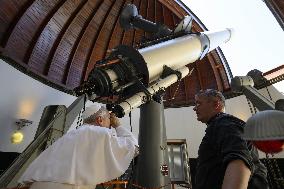
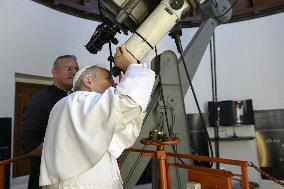
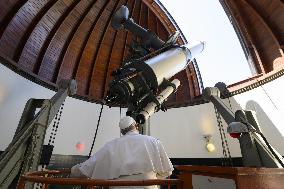
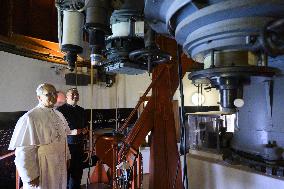
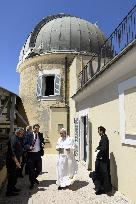
Pope Leo XIV visits the Vatican’s Astronomical Observatory (or Specola Vaticana) in Castel Gandolfo, near Rome, Italy, where he is on holidays on July 20, 2025. The Specola Vaticana can be considered one of the oldest astronomical observatories in the world. Its origins date back to the second half of the 16th century, when Pope Gregory XIII had the Tower of Winds built in the Vatican in 1578, and invited Jesuit astronomers and mathematicians of the Roman College to prepare a reform of the calendar, which had been promulgated in 1582. Since then, with significant continuity, the Holy See has never stopped showing an interest in and supporting astronomical research. Pius XI thus ordered that the Specola be transferred to his summer residence at Castel Gandolfo on the Alban Hills, some 25 kilometres south of Rome. In that environment so rich in history, a modern Observatory was re-founded and entrusted to Jesuits in 1935. It was equipped with three new telescopes and a laboratory for astrophysics, capable of sp

  •  
Pope Leo XIV Visits Vatican’s Astronomical Observatory - Ital

Pope Leo XIV Visits Vatican’s Astronomical Observatory - Ital

Pope Leo XIV visits the Vatican’s Astronomical Observatory (or Specola Vaticana) in Castel Gandolfo, near Rome, Italy, where he is on holidays on July 20, 2025. The Specola Vaticana can be considered one of the oldest astronomical observatories in the world. Its origins date back to the second half of the 16th century, when Pope Gregory XIII had the Tower of Winds built in the Vatican in 1578, and invited Jesuit astronomers and mathematicians of the Roman College to prepare a reform of the calendar, which had been promulgated in 1582. Since then, with significant continuity, the Holy See has never stopped showing an interest in and supporting astronomical research. Pius XI thus ordered that the Specola be transferred to his summer residence at Castel Gandolfo on the Alban Hills, some 25 kilometres south of Rome. In that environment so rich in history, a modern Observatory was re-founded and entrusted to Jesuits in 1935. It was equipped with three new telescopes and a laboratory for astrophysics, capable of sp

  •  
Pope Leo XIV Visits Vatican’s Astronomical Observatory - Ital

Pope Leo XIV Visits Vatican’s Astronomical Observatory - Ital

Pope Leo XIV visits the Vatican’s Astronomical Observatory (or Specola Vaticana) in Castel Gandolfo, near Rome, Italy, where he is on holidays on July 20, 2025. The Specola Vaticana can be considered one of the oldest astronomical observatories in the world. Its origins date back to the second half of the 16th century, when Pope Gregory XIII had the Tower of Winds built in the Vatican in 1578, and invited Jesuit astronomers and mathematicians of the Roman College to prepare a reform of the calendar, which had been promulgated in 1582. Since then, with significant continuity, the Holy See has never stopped showing an interest in and supporting astronomical research. Pius XI thus ordered that the Specola be transferred to his summer residence at Castel Gandolfo on the Alban Hills, some 25 kilometres south of Rome. In that environment so rich in history, a modern Observatory was re-founded and entrusted to Jesuits in 1935. It was equipped with three new telescopes and a laboratory for astrophysics, capable of sp

  •  
Pope Leo XIV Visits Vatican’s Astronomical Observatory - Ital

Pope Leo XIV Visits Vatican’s Astronomical Observatory - Ital

Pope Leo XIV visits the Vatican’s Astronomical Observatory (or Specola Vaticana) in Castel Gandolfo, near Rome, Italy, where he is on holidays on July 20, 2025. The Specola Vaticana can be considered one of the oldest astronomical observatories in the world. Its origins date back to the second half of the 16th century, when Pope Gregory XIII had the Tower of Winds built in the Vatican in 1578, and invited Jesuit astronomers and mathematicians of the Roman College to prepare a reform of the calendar, which had been promulgated in 1582. Since then, with significant continuity, the Holy See has never stopped showing an interest in and supporting astronomical research. Pius XI thus ordered that the Specola be transferred to his summer residence at Castel Gandolfo on the Alban Hills, some 25 kilometres south of Rome. In that environment so rich in history, a modern Observatory was re-founded and entrusted to Jesuits in 1935. It was equipped with three new telescopes and a laboratory for astrophysics, capable of sp

  •  
Pope Leo XIV Visits Vatican’s Astronomical Observatory - Ital

Pope Leo XIV Visits Vatican’s Astronomical Observatory - Ital

Pope Leo XIV visits the Vatican’s Astronomical Observatory (or Specola Vaticana) in Castel Gandolfo, near Rome, Italy, where he is on holidays on July 20, 2025. The Specola Vaticana can be considered one of the oldest astronomical observatories in the world. Its origins date back to the second half of the 16th century, when Pope Gregory XIII had the Tower of Winds built in the Vatican in 1578, and invited Jesuit astronomers and mathematicians of the Roman College to prepare a reform of the calendar, which had been promulgated in 1582. Since then, with significant continuity, the Holy See has never stopped showing an interest in and supporting astronomical research. Pius XI thus ordered that the Specola be transferred to his summer residence at Castel Gandolfo on the Alban Hills, some 25 kilometres south of Rome. In that environment so rich in history, a modern Observatory was re-founded and entrusted to Jesuits in 1935. It was equipped with three new telescopes and a laboratory for astrophysics, capable of sp

  •  
Pope Leo XIV Visits Vatican’s Astronomical Observatory - Ital

Pope Leo XIV Visits Vatican’s Astronomical Observatory - Ital

Pope Leo XIV visits the Vatican’s Astronomical Observatory (or Specola Vaticana) in Castel Gandolfo, near Rome, Italy, where he is on holidays on July 20, 2025. The Specola Vaticana can be considered one of the oldest astronomical observatories in the world. Its origins date back to the second half of the 16th century, when Pope Gregory XIII had the Tower of Winds built in the Vatican in 1578, and invited Jesuit astronomers and mathematicians of the Roman College to prepare a reform of the calendar, which had been promulgated in 1582. Since then, with significant continuity, the Holy See has never stopped showing an interest in and supporting astronomical research. Pius XI thus ordered that the Specola be transferred to his summer residence at Castel Gandolfo on the Alban Hills, some 25 kilometres south of Rome. In that environment so rich in history, a modern Observatory was re-founded and entrusted to Jesuits in 1935. It was equipped with three new telescopes and a laboratory for astrophysics, capable of sp

  •  
Pope Leo XIV Visits Vatican’s Astronomical Observatory - Ital

Pope Leo XIV Visits Vatican’s Astronomical Observatory - Ital

Pope Leo XIV visits the Vatican’s Astronomical Observatory (or Specola Vaticana) in Castel Gandolfo, near Rome, Italy, where he is on holidays on July 20, 2025. The Specola Vaticana can be considered one of the oldest astronomical observatories in the world. Its origins date back to the second half of the 16th century, when Pope Gregory XIII had the Tower of Winds built in the Vatican in 1578, and invited Jesuit astronomers and mathematicians of the Roman College to prepare a reform of the calendar, which had been promulgated in 1582. Since then, with significant continuity, the Holy See has never stopped showing an interest in and supporting astronomical research. Pius XI thus ordered that the Specola be transferred to his summer residence at Castel Gandolfo on the Alban Hills, some 25 kilometres south of Rome. In that environment so rich in history, a modern Observatory was re-founded and entrusted to Jesuits in 1935. It was equipped with three new telescopes and a laboratory for astrophysics, capable of sp

  •  
OVC Expo Opens in Wuhan - China

OVC Expo Opens in Wuhan - China

Visitors try infrared telescopes at the 20th Optics Valley of China International Optoelectronic Exposition (OVC Expo), at the China Optics Valley Convention and Exhibition Center in Wuhan, central China's Hubei Province, on May 16, 2025. Starting on Friday for three days with more than 20 conferences and special events scheduled, the OVC Expo is expected to attract nearly 400 exhibitors and over 30,000 professional visitors, including many well-known domestic and foreign companies in the field of optoelectronic industry. The exhibition areas at the expo feature the cutting-edge technologies such as lasers, precision optics, "optics plus robot", etc., aiming to showcase the growth opportunities in the optoelectronic industry. Photo by Du Zixuan/Xinhua/ABACAPRESS.COM

  •  
FAST Telescope Under Maintenance - China

FAST Telescope Under Maintenance - China

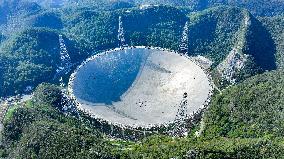
A panoramic drone photo taken on September 25, 2024 shows China's Five-hundred-meter Aperture Spherical Radio Telescope (FAST) under maintenance in southwest China's Guizhou Province. FAST, the world's largest filled-aperture and most sensitive radio telescope, has identified more than 1,000 new pulsars, its operator said on Tuesday. The number of new pulsars discovered by FAST has surpassed that of all foreign telescopes combined during the same period, according to the National Astronomical Observatories under the Chinese Academy of Sciences.Photo by Ou Dongqu/Xinhua/ABACAPRESS.COM

  •  
FAST Telescope Under Maintenance - China

FAST Telescope Under Maintenance - China

An aerial drone photo taken on September 25, 2024 shows China's Five-hundred-meter Aperture Spherical Radio Telescope (FAST) under maintenance in southwest China's Guizhou Province. FAST, the world's largest filled-aperture and most sensitive radio telescope, has identified more than 1,000 new pulsars, its operator said on Tuesday. The number of new pulsars discovered by FAST has surpassed that of all foreign telescopes combined during the same period, according to the National Astronomical Observatories under the Chinese Academy of Sciences.Photo by Ou Dongqu/Xinhua/ABACAPRESS.COM

  •  
FAST Telescope Under Maintenance - China

FAST Telescope Under Maintenance - China

A panoramic drone photo taken on September 25, 2024 shows China's Five-hundred-meter Aperture Spherical Radio Telescope (FAST) under maintenance in southwest China's Guizhou Province. FAST, the world's largest filled-aperture and most sensitive radio telescope, has identified more than 1,000 new pulsars, its operator said on Tuesday. The number of new pulsars discovered by FAST has surpassed that of all foreign telescopes combined during the same period, according to the National Astronomical Observatories under the Chinese Academy of Sciences.Photo by Ou Dongqu/Xinhua/ABACAPRESS.COM

  •  
Pillars of Creation Star in New Visualization from NASA's Hubble and Webb Telescopes

Pillars of Creation Star in New Visualization from NASA's Hubble and Webb Telescopes

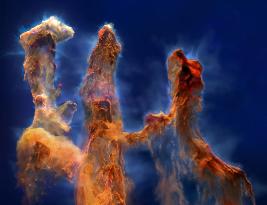
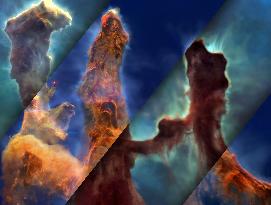
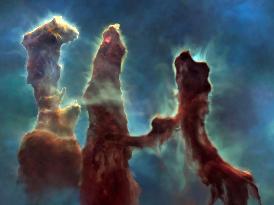
HANDOUT - The Pillars of Creation are one of the most iconic and beautiful sights in deep space - and now NASA has released a 3D visualisation allowing us to really see inside the most stunning part of the Eagle Nebula. Made famous in 1995 by NASA's Hubble Space Telescope, the Pillars of Creation are giant clouds where stars are born. Using data from NASA's Hubble and James Webb space telescopes, astronomers have created a comprehensive and detailed multiwavelength look at these towering celestial structures. By flying past and amongst the pillars, viewers experience their three-dimensional structure and see how they look different in the Hubble visible-light view versus the Webb infrared-light view," explained principal visualization scientist Frank Summers of the Space Telescope Science Institute (STScI) in Baltimore, who led the movie development team for NASA's Universe of Learning. The four Pillars of Creation, made primarily of cool molecular hydrogen and dust, are being eroded by the fierce winds and p

  •  
Pillars of Creation Star in New Visualization from NASA's Hubble and Webb Telescopes

Pillars of Creation Star in New Visualization from NASA's Hubble and Webb Telescopes

HANDOUT - The Pillars of Creation are one of the most iconic and beautiful sights in deep space - and now NASA has released a 3D visualisation allowing us to really see inside the most stunning part of the Eagle Nebula. Made famous in 1995 by NASA's Hubble Space Telescope, the Pillars of Creation are giant clouds where stars are born. Using data from NASA's Hubble and James Webb space telescopes, astronomers have created a comprehensive and detailed multiwavelength look at these towering celestial structures. By flying past and amongst the pillars, viewers experience their three-dimensional structure and see how they look different in the Hubble visible-light view versus the Webb infrared-light view," explained principal visualization scientist Frank Summers of the Space Telescope Science Institute (STScI) in Baltimore, who led the movie development team for NASA's Universe of Learning. The four Pillars of Creation, made primarily of cool molecular hydrogen and dust, are being eroded by the fierce winds and p

  •  
Pillars of Creation Star in New Visualization from NASA's Hubble and Webb Telescopes

Pillars of Creation Star in New Visualization from NASA's Hubble and Webb Telescopes

HANDOUT - The Pillars of Creation are one of the most iconic and beautiful sights in deep space - and now NASA has released a 3D visualisation allowing us to really see inside the most stunning part of the Eagle Nebula. Made famous in 1995 by NASA's Hubble Space Telescope, the Pillars of Creation are giant clouds where stars are born. Using data from NASA's Hubble and James Webb space telescopes, astronomers have created a comprehensive and detailed multiwavelength look at these towering celestial structures. By flying past and amongst the pillars, viewers experience their three-dimensional structure and see how they look different in the Hubble visible-light view versus the Webb infrared-light view," explained principal visualization scientist Frank Summers of the Space Telescope Science Institute (STScI) in Baltimore, who led the movie development team for NASA's Universe of Learning. The four Pillars of Creation, made primarily of cool molecular hydrogen and dust, are being eroded by the fierce winds and p

  •  
Pillars of Creation Star in New Visualization from NASA's Hubble and Webb Telescopes

Pillars of Creation Star in New Visualization from NASA's Hubble and Webb Telescopes

HANDOUT - The Pillars of Creation are one of the most iconic and beautiful sights in deep space - and now NASA has released a 3D visualisation allowing us to really see inside the most stunning part of the Eagle Nebula. Made famous in 1995 by NASA's Hubble Space Telescope, the Pillars of Creation are giant clouds where stars are born. Using data from NASA's Hubble and James Webb space telescopes, astronomers have created a comprehensive and detailed multiwavelength look at these towering celestial structures. By flying past and amongst the pillars, viewers experience their three-dimensional structure and see how they look different in the Hubble visible-light view versus the Webb infrared-light view," explained principal visualization scientist Frank Summers of the Space Telescope Science Institute (STScI) in Baltimore, who led the movie development team for NASA's Universe of Learning. The four Pillars of Creation, made primarily of cool molecular hydrogen and dust, are being eroded by the fierce winds and p

  •  
TUNISIA-TUNIS-EID AL-FITR-ASTRONOMICAL OBSERVATORY

TUNISIA-TUNIS-EID AL-FITR-ASTRONOMICAL OBSERVATORY

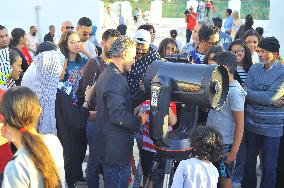
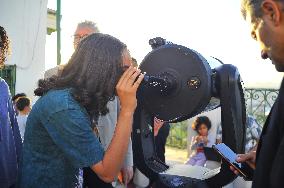
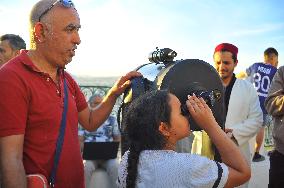
(240409) -- TUNIS, April 9, 2024 (Xinhua) -- Tunisians gather at an astronomical observatory to observe the moon through telescopes in Tunis, Tunisia on April 8, 2024. (Photo by Adel Ezzine/Xinhua)

  •  
TUNISIA-TUNIS-EID AL-FITR-ASTRONOMICAL OBSERVATORY

TUNISIA-TUNIS-EID AL-FITR-ASTRONOMICAL OBSERVATORY

(240409) -- TUNIS, April 9, 2024 (Xinhua) -- Tunisians gather at an astronomical observatory to observe the moon through telescopes in Tunis, Tunisia on April 8, 2024. (Photo by Adel Ezzine/Xinhua)

  •  
TUNISIA-TUNIS-EID AL-FITR-ASTRONOMICAL OBSERVATORY

TUNISIA-TUNIS-EID AL-FITR-ASTRONOMICAL OBSERVATORY

(240409) -- TUNIS, April 9, 2024 (Xinhua) -- Tunisians gather at an astronomical observatory to observe the moon through telescopes in Tunis, Tunisia on April 8, 2024. (Photo by Adel Ezzine/Xinhua)

  •  
MEXICO-MEXICO CITY-SOLAR ECLIPSE

MEXICO-MEXICO CITY-SOLAR ECLIPSE

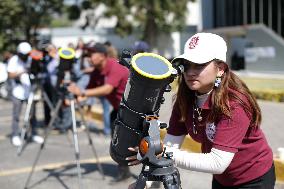
(240408) -- MEXICO CITY, April 8, 2024 (Xinhua) -- People watch a solar eclipse through telescopes in Mexico City, Mexico, on April 8, 2024. A total solar eclipse was sweeping across North America on Monday, as residents and visitors gathered in different locations on the path of the eclipse to watch and cheer. The total solar eclipse -- nicknamed the Great American Eclipse for its long path over North America -- was visible in the sky over parts of Mexico, 15 U.S. states and eastern Canada. (Photo by Francisco Canedo/Xinhua)

  •  
KUWAIT-CAPITAL GOVERNORATE-ENVIRONMENT-BIRD COUNTING

KUWAIT-CAPITAL GOVERNORATE-ENVIRONMENT-BIRD COUNTING

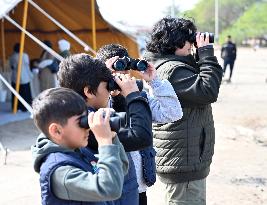
(240128) -- CAPITAL GOVERNORATE, Jan. 28, 2024 (Xinhua) -- Kids use telescopes to observe and count the birds on Sulaibikhat beach during a bird counting event in Capital Governorate, Kuwait, on Jan. 27, 2024. (Photo by Asad/Xinhua)

  • Main
  • Top
  • Editorial
  • Creative
  • About Us
  • About ILG
  • Terms of use
  • Company
  • BEHIND
  • Price List
  • Single Plan
  • Monthly Plan
  • Services
  • Shooting
  • Rights Clearance
  • Support
  • FAQ
  • How To Buy
  • Contact Us
  • Become a Partner

© KYODO NEWS IMAGES INC

All Rights Reserved.

  • Editorial
  • Olympics
  • News
  • Sports
  • Japan
  • Tech
  • Royal
  • Disaster
  • NorthKorea
  • Old Japan
  • SNS
  • Creative
  • Food
  • Japan
  • Landscape
  • Animal
  • Popular
  • #Ukraine
  • #Thailand
  • #coronavirus
  • #N. Korea
  • #Russia
  • #China
  • #Ukraine
  • #Thailand
  • #coronavirus
  • #N. Korea
  • #Russia
  • #China
  • Food
  • Japan
  • Landscape
  • Animal
  • Olympics
  • News
  • Sports
  • Japan
  • Tech
  • Royal
  • Disaster
  • NorthKorea
  • Old Japan
  • SNS