•  
River Pollution - Dhaka

River Pollution - Dhaka

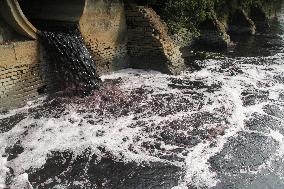
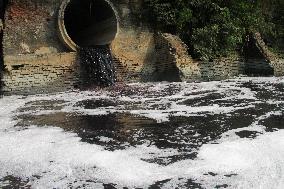
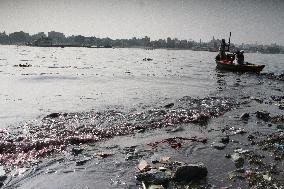
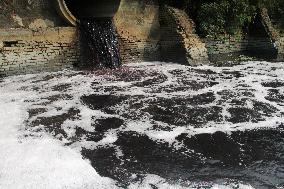
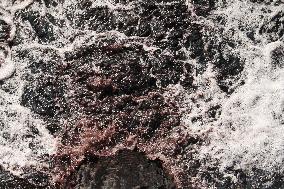
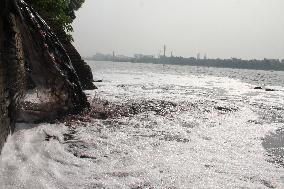
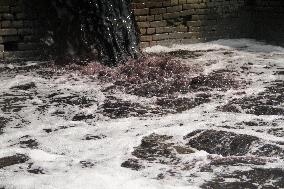
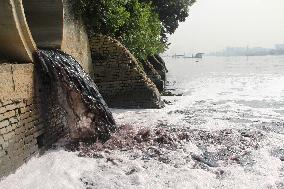
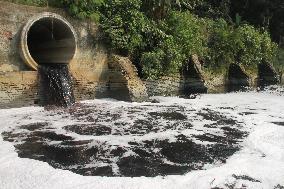
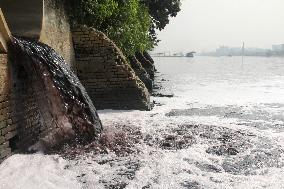
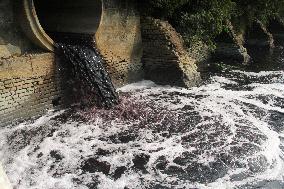
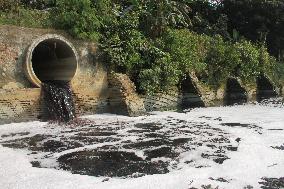
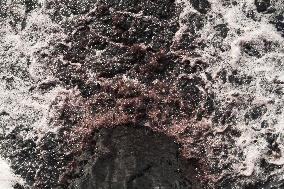
Waste from over a hundred print, knit, dyeing, and plastic factories in Dhaka, Bangladesh, flows into the Buriganga River each day, turning its water toxic with high levels of ammonia, oil, grease, and phenol, as seen in Dhaka, Bangladesh, on December 08, 2025. Photo by Habibur Rahman/ABACAPRESS.COM

  •  
River Pollution - Dhaka

River Pollution - Dhaka

Waste from over a hundred print, knit, dyeing, and plastic factories in Dhaka, Bangladesh, flows into the Buriganga River each day, turning its water toxic with high levels of ammonia, oil, grease, and phenol, as seen in Dhaka, Bangladesh, on December 08, 2025. Photo by Habibur Rahman/ABACAPRESS.COM

  •  
River Pollution - Dhaka

River Pollution - Dhaka

Waste from over a hundred print, knit, dyeing, and plastic factories in Dhaka, Bangladesh, flows into the Buriganga River each day, turning its water toxic with high levels of ammonia, oil, grease, and phenol, as seen in Dhaka, Bangladesh, on December 08, 2025. Photo by Habibur Rahman/ABACAPRESS.COM

  •  
River Pollution - Dhaka

River Pollution - Dhaka

Waste from over a hundred print, knit, dyeing, and plastic factories in Dhaka, Bangladesh, flows into the Buriganga River each day, turning its water toxic with high levels of ammonia, oil, grease, and phenol, as seen in Dhaka, Bangladesh, on December 08, 2025. Photo by Habibur Rahman/ABACAPRESS.COM

  •  
River Pollution - Dhaka

River Pollution - Dhaka

Waste from over a hundred print, knit, dyeing, and plastic factories in Dhaka, Bangladesh, flows into the Buriganga River each day, turning its water toxic with high levels of ammonia, oil, grease, and phenol, as seen in Dhaka, Bangladesh, on December 08, 2025. Photo by Habibur Rahman/ABACAPRESS.COM

  •  
River Pollution - Dhaka

River Pollution - Dhaka

Waste from over a hundred print, knit, dyeing, and plastic factories in Dhaka, Bangladesh, flows into the Buriganga River each day, turning its water toxic with high levels of ammonia, oil, grease, and phenol, as seen in Dhaka, Bangladesh, on December 08, 2025. Photo by Habibur Rahman/ABACAPRESS.COM

  •  
River Pollution - Dhaka

River Pollution - Dhaka

Waste from over a hundred print, knit, dyeing, and plastic factories in Dhaka, Bangladesh, flows into the Buriganga River each day, turning its water toxic with high levels of ammonia, oil, grease, and phenol, as seen in Dhaka, Bangladesh, on December 08, 2025. Photo by Habibur Rahman/ABACAPRESS.COM

  •  
River Pollution - Dhaka

River Pollution - Dhaka

Waste from over a hundred print, knit, dyeing, and plastic factories in Dhaka, Bangladesh, flows into the Buriganga River each day, turning its water toxic with high levels of ammonia, oil, grease, and phenol, as seen in Dhaka, Bangladesh, on December 08, 2025. Photo by Habibur Rahman/ABACAPRESS.COM

  •  
River Pollution - Dhaka

River Pollution - Dhaka

Waste from over a hundred print, knit, dyeing, and plastic factories in Dhaka, Bangladesh, flows into the Buriganga River each day, turning its water toxic with high levels of ammonia, oil, grease, and phenol, as seen in Dhaka, Bangladesh, on December 08, 2025. Photo by Habibur Rahman/ABACAPRESS.COM

  •  
River Pollution - Dhaka

River Pollution - Dhaka

Waste from over a hundred print, knit, dyeing, and plastic factories in Dhaka, Bangladesh, flows into the Buriganga River each day, turning its water toxic with high levels of ammonia, oil, grease, and phenol, as seen in Dhaka, Bangladesh, on December 08, 2025. Photo by Habibur Rahman/ABACAPRESS.COM

  •  
River Pollution - Dhaka

River Pollution - Dhaka

Waste from over a hundred print, knit, dyeing, and plastic factories in Dhaka, Bangladesh, flows into the Buriganga River each day, turning its water toxic with high levels of ammonia, oil, grease, and phenol, as seen in Dhaka, Bangladesh, on December 08, 2025. Photo by Habibur Rahman/ABACAPRESS.COM

  •  
River Pollution - Dhaka

River Pollution - Dhaka

Waste from over a hundred print, knit, dyeing, and plastic factories in Dhaka, Bangladesh, flows into the Buriganga River each day, turning its water toxic with high levels of ammonia, oil, grease, and phenol, as seen in Dhaka, Bangladesh, on December 08, 2025. Photo by Habibur Rahman/ABACAPRESS.COM

  •  
River Pollution - Dhaka

River Pollution - Dhaka

Waste from over a hundred print, knit, dyeing, and plastic factories in Dhaka, Bangladesh, flows into the Buriganga River each day, turning its water toxic with high levels of ammonia, oil, grease, and phenol, as seen in Dhaka, Bangladesh, on December 08, 2025. Photo by Habibur Rahman/ABACAPRESS.COM

  •  

India: Air Quality Plummets in Delhi Following Diwali Celebrations

Air quality in Delhi worsened after Diwali on October 20, as fireworks filled the night sky with smoke and haze. Reports indicated it was the city’s worst post-Diwali pollution in four years.

  •  
Environmental Pollution In Bangladesh

Environmental Pollution In Bangladesh

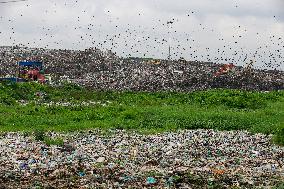
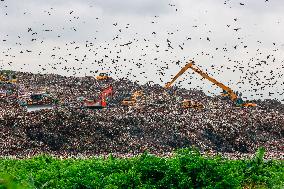
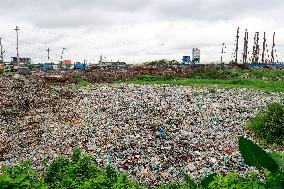
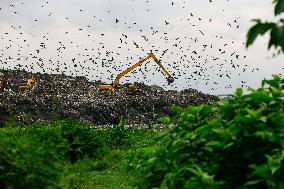
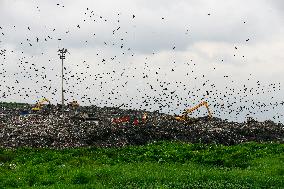
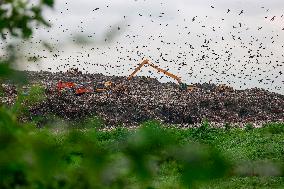
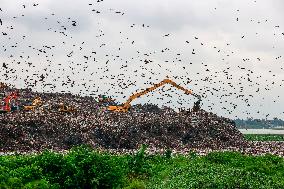
October 02, 2025, Outskirts of Dhaka, Bangladesh: Birds swarm over a massive dumpyard on the outskirts of Dhaka, where mountains of waste and heavy machinery dominate the landscape. The landfill, a major source of environmental pollution, threatens nearby habitats and forces birds to forage dangerously close to toxic waste. To free up space, the city authorities often resort to burning solid waste, according to garbage collectors, releasing carbon dioxide (CO₂), nitrogen compounds, ammonia, sulfides, and other hazardous gases into the air, not to mention the foul smell that envelops an area of at least three-square kilometres. Environmental experts warn that CH₄ emissions significantly contribute to global warming by trapping atmospheric heat. Furthermore, the black smoke produced from burning waste exacerbates air pollution, posing serious health risks to residents. Photo by Suvra Kanti Das/ABACAPRESS.COM

  •  
Environmental Pollution In Bangladesh

Environmental Pollution In Bangladesh

October 02, 2025, Outskirts of Dhaka, Bangladesh: Birds swarm over a massive dumpyard on the outskirts of Dhaka, where mountains of waste and heavy machinery dominate the landscape. The landfill, a major source of environmental pollution, threatens nearby habitats and forces birds to forage dangerously close to toxic waste. To free up space, the city authorities often resort to burning solid waste, according to garbage collectors, releasing carbon dioxide (CO₂), nitrogen compounds, ammonia, sulfides, and other hazardous gases into the air, not to mention the foul smell that envelops an area of at least three-square kilometres. Environmental experts warn that CH₄ emissions significantly contribute to global warming by trapping atmospheric heat. Furthermore, the black smoke produced from burning waste exacerbates air pollution, posing serious health risks to residents. Photo by Suvra Kanti Das/ABACAPRESS.COM

  •  
Environmental Pollution In Bangladesh

Environmental Pollution In Bangladesh

October 02, 2025, Outskirts of Dhaka, Bangladesh: Birds swarm over a massive dumpyard on the outskirts of Dhaka, where mountains of waste and heavy machinery dominate the landscape. The landfill, a major source of environmental pollution, threatens nearby habitats and forces birds to forage dangerously close to toxic waste. To free up space, the city authorities often resort to burning solid waste, according to garbage collectors, releasing carbon dioxide (CO₂), nitrogen compounds, ammonia, sulfides, and other hazardous gases into the air, not to mention the foul smell that envelops an area of at least three-square kilometres. Environmental experts warn that CH₄ emissions significantly contribute to global warming by trapping atmospheric heat. Furthermore, the black smoke produced from burning waste exacerbates air pollution, posing serious health risks to residents. Photo by Suvra Kanti Das/ABACAPRESS.COM

  •  
Environmental Pollution In Bangladesh

Environmental Pollution In Bangladesh

October 02, 2025, Outskirts of Dhaka, Bangladesh: Birds swarm over a massive dumpyard on the outskirts of Dhaka, where mountains of waste and heavy machinery dominate the landscape. The landfill, a major source of environmental pollution, threatens nearby habitats and forces birds to forage dangerously close to toxic waste. To free up space, the city authorities often resort to burning solid waste, according to garbage collectors, releasing carbon dioxide (CO₂), nitrogen compounds, ammonia, sulfides, and other hazardous gases into the air, not to mention the foul smell that envelops an area of at least three-square kilometres. Environmental experts warn that CH₄ emissions significantly contribute to global warming by trapping atmospheric heat. Furthermore, the black smoke produced from burning waste exacerbates air pollution, posing serious health risks to residents. Photo by Suvra Kanti Das/ABACAPRESS.COM

  •  
Environmental Pollution In Bangladesh

Environmental Pollution In Bangladesh

October 02, 2025, Outskirts of Dhaka, Bangladesh: Birds swarm over a massive dumpyard on the outskirts of Dhaka, where mountains of waste and heavy machinery dominate the landscape. The landfill, a major source of environmental pollution, threatens nearby habitats and forces birds to forage dangerously close to toxic waste. To free up space, the city authorities often resort to burning solid waste, according to garbage collectors, releasing carbon dioxide (CO₂), nitrogen compounds, ammonia, sulfides, and other hazardous gases into the air, not to mention the foul smell that envelops an area of at least three-square kilometres. Environmental experts warn that CH₄ emissions significantly contribute to global warming by trapping atmospheric heat. Furthermore, the black smoke produced from burning waste exacerbates air pollution, posing serious health risks to residents. Photo by Suvra Kanti Das/ABACAPRESS.COM

  •  
Environmental Pollution In Bangladesh

Environmental Pollution In Bangladesh

October 02, 2025, Outskirts of Dhaka, Bangladesh: Birds swarm over a massive dumpyard on the outskirts of Dhaka, where mountains of waste and heavy machinery dominate the landscape. The landfill, a major source of environmental pollution, threatens nearby habitats and forces birds to forage dangerously close to toxic waste. To free up space, the city authorities often resort to burning solid waste, according to garbage collectors, releasing carbon dioxide (CO₂), nitrogen compounds, ammonia, sulfides, and other hazardous gases into the air, not to mention the foul smell that envelops an area of at least three-square kilometres. Environmental experts warn that CH₄ emissions significantly contribute to global warming by trapping atmospheric heat. Furthermore, the black smoke produced from burning waste exacerbates air pollution, posing serious health risks to residents. Photo by Suvra Kanti Das/ABACAPRESS.COM

  •  
Environmental Pollution In Bangladesh

Environmental Pollution In Bangladesh

October 02, 2025, Outskirts of Dhaka, Bangladesh: Birds swarm over a massive dumpyard on the outskirts of Dhaka, where mountains of waste and heavy machinery dominate the landscape. The landfill, a major source of environmental pollution, threatens nearby habitats and forces birds to forage dangerously close to toxic waste. To free up space, the city authorities often resort to burning solid waste, according to garbage collectors, releasing carbon dioxide (CO₂), nitrogen compounds, ammonia, sulfides, and other hazardous gases into the air, not to mention the foul smell that envelops an area of at least three-square kilometres. Environmental experts warn that CH₄ emissions significantly contribute to global warming by trapping atmospheric heat. Furthermore, the black smoke produced from burning waste exacerbates air pollution, posing serious health risks to residents. Photo by Suvra Kanti Das/ABACAPRESS.COM

  •  
Drill For Sudden Incidents in High-speed Tunnels ?

Drill For Sudden Incidents in High-speed Tunnels ?

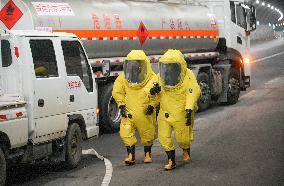
HUZHOU, CHINA - SEPTEMBER 16, 2025 - Emergency rescue personnel monitored the concentration of toxic and harmful gases in the Changchengwu Tunnel emergency drill site in Huzhou City, Zhejiang Province, China on September 16, 2025.

  •  

France: Massive Tire Fire Sends Toxic Smoke Over Nice and Airport

Thick toxic smoke covered Nice’s west side and the airport overnight after a tire warehouse and several cars caught fire late Thursday, August 14. Around 80 firefighters responded, evacuating nearby residents and closing roads while battling the blaze, which was brought under control in the early hours. No injuries were reported, though residents described a strong, acrid smell and loud explosions.

  •  
Protest Against Duplomb Law - France

Protest Against Duplomb Law - France

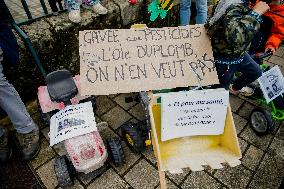
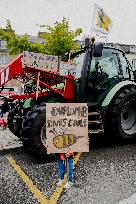
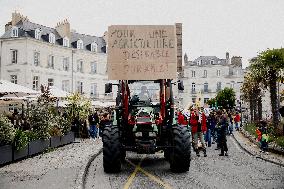
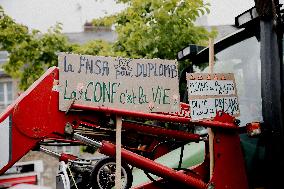
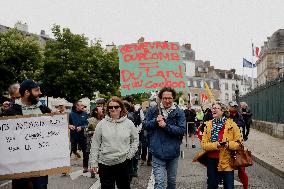
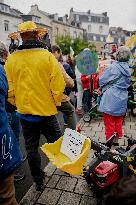
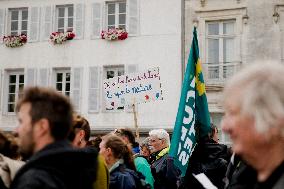
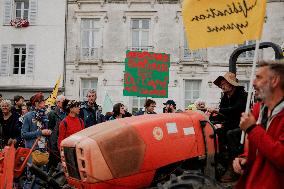
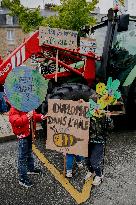
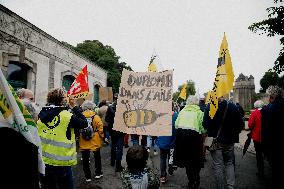
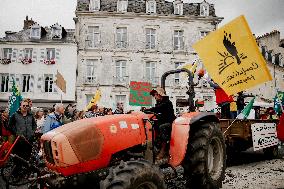
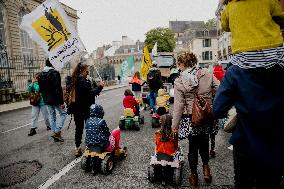
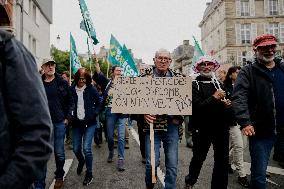
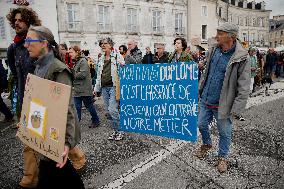
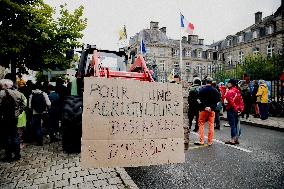
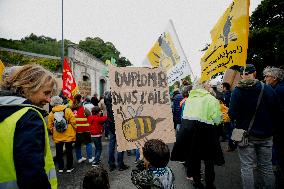
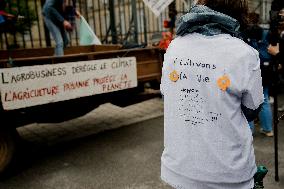
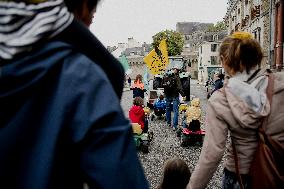
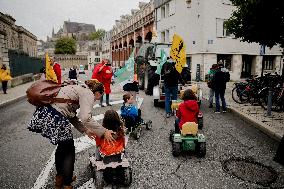
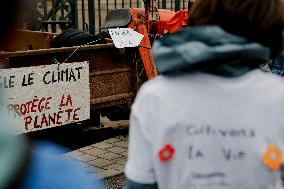
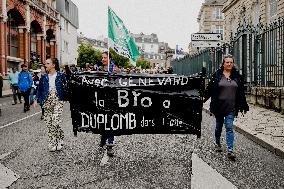
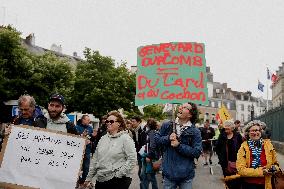
Rally in Vannes (Morbihan) as part of the national mobilization against the Duplomb law to build firm opposition to this text loosening environmental regulations. This protest was organized by Confederation Paysane and Groupement des Agriculteurs Bio (GAB56). Duplomb Law proposes the return of neonicotinoids (bee-toxic pesticides banned in France since 2018), to simplify approvals for breeding facilities, and to loosen restrictions around water use to promote irrigation reservoirs. Photo taken in Vannes, France on June 7th, 2025. Photo by Marie-Paola Bertrand-Hillion/ABACAPRESS.COM

  •  
Protest Against Duplomb Law - France

Protest Against Duplomb Law - France

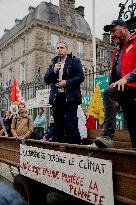
French Senator Simon Uzenat during the rally in Vannes (Morbihan) as part of the national mobilization against the Duplomb law to build firm opposition to this text loosening environmental regulations. This protest was organized by Confederation Paysane and Groupement des Agriculteurs Bio (GAB56). Duplomb Law proposes the return of neonicotinoids (bee-toxic pesticides banned in France since 2018), to simplify approvals for breeding facilities, and to loosen restrictions around water use to promote irrigation reservoirs. Photo taken in Vannes, France on June 7th, 2025. Photo by Marie-Paola Bertrand-Hillion/ABACAPRESS.COM

  •  
Protest Against Duplomb Law - France

Protest Against Duplomb Law - France

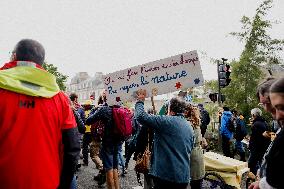
Rally in Vannes (Morbihan) as part of the national mobilization against the Duplomb law to build firm opposition to this text loosening environmental regulations. This protest was organized by Confederation Paysane and Groupement des Agriculteurs Bio (GAB56). Duplomb Law proposes the return of neonicotinoids (bee-toxic pesticides banned in France since 2018), to simplify approvals for breeding facilities, and to loosen restrictions around water use to promote irrigation reservoirs. Photo taken in Vannes, France on June 7th, 2025. Photo by Marie-Paola Bertrand-Hillion/ABACAPRESS.COM

  •  
Protest Against Duplomb Law - France

Protest Against Duplomb Law - France

Rally in Vannes (Morbihan) as part of the national mobilization against the Duplomb law to build firm opposition to this text loosening environmental regulations. This protest was organized by Confederation Paysane and Groupement des Agriculteurs Bio (GAB56). Duplomb Law proposes the return of neonicotinoids (bee-toxic pesticides banned in France since 2018), to simplify approvals for breeding facilities, and to loosen restrictions around water use to promote irrigation reservoirs. Photo taken in Vannes, France on June 7th, 2025. Photo by Marie-Paola Bertrand-Hillion/ABACAPRESS.COM

  •  
Protest Against Duplomb Law - France

Protest Against Duplomb Law - France

Rally in Vannes (Morbihan) as part of the national mobilization against the Duplomb law to build firm opposition to this text loosening environmental regulations. This protest was organized by Confederation Paysane and Groupement des Agriculteurs Bio (GAB56). Duplomb Law proposes the return of neonicotinoids (bee-toxic pesticides banned in France since 2018), to simplify approvals for breeding facilities, and to loosen restrictions around water use to promote irrigation reservoirs. Photo taken in Vannes, France on June 7th, 2025. Photo by Marie-Paola Bertrand-Hillion/ABACAPRESS.COM

  •  
Protest Against Duplomb Law - France

Protest Against Duplomb Law - France

Rally in Vannes (Morbihan) as part of the national mobilization against the Duplomb law to build firm opposition to this text loosening environmental regulations. This protest was organized by Confederation Paysane and Groupement des Agriculteurs Bio (GAB56). Duplomb Law proposes the return of neonicotinoids (bee-toxic pesticides banned in France since 2018), to simplify approvals for breeding facilities, and to loosen restrictions around water use to promote irrigation reservoirs. Photo taken in Vannes, France on June 7th, 2025. Photo by Marie-Paola Bertrand-Hillion/ABACAPRESS.COM

  •  
Protest Against Duplomb Law - France

Protest Against Duplomb Law - France

Rally in Vannes (Morbihan) as part of the national mobilization against the Duplomb law to build firm opposition to this text loosening environmental regulations. This protest was organized by Confederation Paysane and Groupement des Agriculteurs Bio (GAB56). Duplomb Law proposes the return of neonicotinoids (bee-toxic pesticides banned in France since 2018), to simplify approvals for breeding facilities, and to loosen restrictions around water use to promote irrigation reservoirs. Photo taken in Vannes, France on June 7th, 2025. Photo by Marie-Paola Bertrand-Hillion/ABACAPRESS.COM

  •  
Protest Against Duplomb Law - France

Protest Against Duplomb Law - France

French Senator Simon Uzenat during the rally in Vannes (Morbihan) as part of the national mobilization against the Duplomb law to build firm opposition to this text loosening environmental regulations. This protest was organized by Confederation Paysane and Groupement des Agriculteurs Bio (GAB56). Duplomb Law proposes the return of neonicotinoids (bee-toxic pesticides banned in France since 2018), to simplify approvals for breeding facilities, and to loosen restrictions around water use to promote irrigation reservoirs. Photo taken in Vannes, France on June 7th, 2025. Photo by Marie-Paola Bertrand-Hillion/ABACAPRESS.COM

  •  
Protest Against Duplomb Law - France

Protest Against Duplomb Law - France

Rally in Vannes (Morbihan) as part of the national mobilization against the Duplomb law to build firm opposition to this text loosening environmental regulations. This protest was organized by Confederation Paysane and Groupement des Agriculteurs Bio (GAB56). Duplomb Law proposes the return of neonicotinoids (bee-toxic pesticides banned in France since 2018), to simplify approvals for breeding facilities, and to loosen restrictions around water use to promote irrigation reservoirs. Photo taken in Vannes, France on June 7th, 2025. Photo by Marie-Paola Bertrand-Hillion/ABACAPRESS.COM

  •  
Protest Against Duplomb Law - France

Protest Against Duplomb Law - France

Rally in Vannes (Morbihan) as part of the national mobilization against the Duplomb law to build firm opposition to this text loosening environmental regulations. This protest was organized by Confederation Paysane and Groupement des Agriculteurs Bio (GAB56). Duplomb Law proposes the return of neonicotinoids (bee-toxic pesticides banned in France since 2018), to simplify approvals for breeding facilities, and to loosen restrictions around water use to promote irrigation reservoirs. Photo taken in Vannes, France on June 7th, 2025. Photo by Marie-Paola Bertrand-Hillion/ABACAPRESS.COM

  •  
Protest Against Duplomb Law - France

Protest Against Duplomb Law - France

Rally in Vannes (Morbihan) as part of the national mobilization against the Duplomb law to build firm opposition to this text loosening environmental regulations. This protest was organized by Confederation Paysane and Groupement des Agriculteurs Bio (GAB56). Duplomb Law proposes the return of neonicotinoids (bee-toxic pesticides banned in France since 2018), to simplify approvals for breeding facilities, and to loosen restrictions around water use to promote irrigation reservoirs. Photo taken in Vannes, France on June 7th, 2025. Photo by Marie-Paola Bertrand-Hillion/ABACAPRESS.COM

  •  
Protest Against Duplomb Law - France

Protest Against Duplomb Law - France

Rally in Vannes (Morbihan) as part of the national mobilization against the Duplomb law to build firm opposition to this text loosening environmental regulations. This protest was organized by Confederation Paysane and Groupement des Agriculteurs Bio (GAB56). Duplomb Law proposes the return of neonicotinoids (bee-toxic pesticides banned in France since 2018), to simplify approvals for breeding facilities, and to loosen restrictions around water use to promote irrigation reservoirs. Photo taken in Vannes, France on June 7th, 2025. Photo by Marie-Paola Bertrand-Hillion/ABACAPRESS.COM

  •  
Protest Against Duplomb Law - France

Protest Against Duplomb Law - France

Rally in Vannes (Morbihan) as part of the national mobilization against the Duplomb law to build firm opposition to this text loosening environmental regulations. This protest was organized by Confederation Paysane and Groupement des Agriculteurs Bio (GAB56). Duplomb Law proposes the return of neonicotinoids (bee-toxic pesticides banned in France since 2018), to simplify approvals for breeding facilities, and to loosen restrictions around water use to promote irrigation reservoirs. Photo taken in Vannes, France on June 7th, 2025. Photo by Marie-Paola Bertrand-Hillion/ABACAPRESS.COM

  •  
Protest Against Duplomb Law - France

Protest Against Duplomb Law - France

Rally in Vannes (Morbihan) as part of the national mobilization against the Duplomb law to build firm opposition to this text loosening environmental regulations. This protest was organized by Confederation Paysane and Groupement des Agriculteurs Bio (GAB56). Duplomb Law proposes the return of neonicotinoids (bee-toxic pesticides banned in France since 2018), to simplify approvals for breeding facilities, and to loosen restrictions around water use to promote irrigation reservoirs. Photo taken in Vannes, France on June 7th, 2025. Photo by Marie-Paola Bertrand-Hillion/ABACAPRESS.COM

  •  
Protest Against Duplomb Law - France

Protest Against Duplomb Law - France

Rally in Vannes (Morbihan) as part of the national mobilization against the Duplomb law to build firm opposition to this text loosening environmental regulations. This protest was organized by Confederation Paysane and Groupement des Agriculteurs Bio (GAB56). Duplomb Law proposes the return of neonicotinoids (bee-toxic pesticides banned in France since 2018), to simplify approvals for breeding facilities, and to loosen restrictions around water use to promote irrigation reservoirs. Photo taken in Vannes, France on June 7th, 2025. Photo by Marie-Paola Bertrand-Hillion/ABACAPRESS.COM

  •  
Protest Against Duplomb Law - France

Protest Against Duplomb Law - France

Rally in Vannes (Morbihan) as part of the national mobilization against the Duplomb law to build firm opposition to this text loosening environmental regulations. This protest was organized by Confederation Paysane and Groupement des Agriculteurs Bio (GAB56). Duplomb Law proposes the return of neonicotinoids (bee-toxic pesticides banned in France since 2018), to simplify approvals for breeding facilities, and to loosen restrictions around water use to promote irrigation reservoirs. Photo taken in Vannes, France on June 7th, 2025. Photo by Marie-Paola Bertrand-Hillion/ABACAPRESS.COM

  •  
Protest Against Duplomb Law - France

Protest Against Duplomb Law - France

Rally in Vannes (Morbihan) as part of the national mobilization against the Duplomb law to build firm opposition to this text loosening environmental regulations. This protest was organized by Confederation Paysane and Groupement des Agriculteurs Bio (GAB56). Duplomb Law proposes the return of neonicotinoids (bee-toxic pesticides banned in France since 2018), to simplify approvals for breeding facilities, and to loosen restrictions around water use to promote irrigation reservoirs. Photo taken in Vannes, France on June 7th, 2025. Photo by Marie-Paola Bertrand-Hillion/ABACAPRESS.COM

  •  
Protest Against Duplomb Law - France

Protest Against Duplomb Law - France

Rally in Vannes (Morbihan) as part of the national mobilization against the Duplomb law to build firm opposition to this text loosening environmental regulations. This protest was organized by Confederation Paysane and Groupement des Agriculteurs Bio (GAB56). Duplomb Law proposes the return of neonicotinoids (bee-toxic pesticides banned in France since 2018), to simplify approvals for breeding facilities, and to loosen restrictions around water use to promote irrigation reservoirs. Photo taken in Vannes, France on June 7th, 2025. Photo by Marie-Paola Bertrand-Hillion/ABACAPRESS.COM

  •  
Protest Against Duplomb Law - France

Protest Against Duplomb Law - France

Rally in Vannes (Morbihan) as part of the national mobilization against the Duplomb law to build firm opposition to this text loosening environmental regulations. This protest was organized by Confederation Paysane and Groupement des Agriculteurs Bio (GAB56). Duplomb Law proposes the return of neonicotinoids (bee-toxic pesticides banned in France since 2018), to simplify approvals for breeding facilities, and to loosen restrictions around water use to promote irrigation reservoirs. Photo taken in Vannes, France on June 7th, 2025. Photo by Marie-Paola Bertrand-Hillion/ABACAPRESS.COM

  •  
Protest Against Duplomb Law - France

Protest Against Duplomb Law - France

Rally in Vannes (Morbihan) as part of the national mobilization against the Duplomb law to build firm opposition to this text loosening environmental regulations. This protest was organized by Confederation Paysane and Groupement des Agriculteurs Bio (GAB56). Duplomb Law proposes the return of neonicotinoids (bee-toxic pesticides banned in France since 2018), to simplify approvals for breeding facilities, and to loosen restrictions around water use to promote irrigation reservoirs. Photo taken in Vannes, France on June 7th, 2025. Photo by Marie-Paola Bertrand-Hillion/ABACAPRESS.COM

  •  
Protest Against Duplomb Law - France

Protest Against Duplomb Law - France

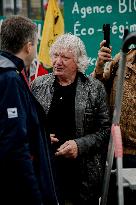
Former French Senator Joel Labbe during the rally in Vannes (Morbihan) as part of the national mobilization against the Duplomb law to build firm opposition to this text loosening environmental regulations. This protest was organized by Confederation Paysane and Groupement des Agriculteurs Bio (GAB56). Duplomb Law proposes the return of neonicotinoids (bee-toxic pesticides banned in France since 2018), to simplify approvals for breeding facilities, and to loosen restrictions around water use to promote irrigation reservoirs. Photo taken in Vannes, France on June 7th, 2025. Photo by Marie-Paola Bertrand-Hillion/ABACAPRESS.COM

  •  
Protest Against Duplomb Law - France

Protest Against Duplomb Law - France

Rally in Vannes (Morbihan) as part of the national mobilization against the Duplomb law to build firm opposition to this text loosening environmental regulations. This protest was organized by Confederation Paysane and Groupement des Agriculteurs Bio (GAB56). Duplomb Law proposes the return of neonicotinoids (bee-toxic pesticides banned in France since 2018), to simplify approvals for breeding facilities, and to loosen restrictions around water use to promote irrigation reservoirs. Photo taken in Vannes, France on June 7th, 2025. Photo by Marie-Paola Bertrand-Hillion/ABACAPRESS.COM

  •  
Protest Against Duplomb Law - France

Protest Against Duplomb Law - France

Rally in Vannes (Morbihan) as part of the national mobilization against the Duplomb law to build firm opposition to this text loosening environmental regulations. This protest was organized by Confederation Paysane and Groupement des Agriculteurs Bio (GAB56). Duplomb Law proposes the return of neonicotinoids (bee-toxic pesticides banned in France since 2018), to simplify approvals for breeding facilities, and to loosen restrictions around water use to promote irrigation reservoirs. Photo taken in Vannes, France on June 7th, 2025. Photo by Marie-Paola Bertrand-Hillion/ABACAPRESS.COM

  •  
Protest Against Duplomb Law - France

Protest Against Duplomb Law - France

Rally in Vannes (Morbihan) as part of the national mobilization against the Duplomb law to build firm opposition to this text loosening environmental regulations. This protest was organized by Confederation Paysane and Groupement des Agriculteurs Bio (GAB56). Duplomb Law proposes the return of neonicotinoids (bee-toxic pesticides banned in France since 2018), to simplify approvals for breeding facilities, and to loosen restrictions around water use to promote irrigation reservoirs. Photo taken in Vannes, France on June 7th, 2025. Photo by Marie-Paola Bertrand-Hillion/ABACAPRESS.COM

  •  
Protest Against Duplomb Law - France

Protest Against Duplomb Law - France

Rally in Vannes (Morbihan) as part of the national mobilization against the Duplomb law to build firm opposition to this text loosening environmental regulations. This protest was organized by Confederation Paysane and Groupement des Agriculteurs Bio (GAB56). Duplomb Law proposes the return of neonicotinoids (bee-toxic pesticides banned in France since 2018), to simplify approvals for breeding facilities, and to loosen restrictions around water use to promote irrigation reservoirs. Photo taken in Vannes, France on June 7th, 2025. Photo by Marie-Paola Bertrand-Hillion/ABACAPRESS.COM

  •  
Protest Against Duplomb Law - France

Protest Against Duplomb Law - France

Rally in Vannes (Morbihan) as part of the national mobilization against the Duplomb law to build firm opposition to this text loosening environmental regulations. This protest was organized by Confederation Paysane and Groupement des Agriculteurs Bio (GAB56). Duplomb Law proposes the return of neonicotinoids (bee-toxic pesticides banned in France since 2018), to simplify approvals for breeding facilities, and to loosen restrictions around water use to promote irrigation reservoirs. Photo taken in Vannes, France on June 7th, 2025. Photo by Marie-Paola Bertrand-Hillion/ABACAPRESS.COM

  •  
Protest Against Duplomb Law - France

Protest Against Duplomb Law - France

Former French Senator Joel Labbe during the rally in Vannes (Morbihan) as part of the national mobilization against the Duplomb law to build firm opposition to this text loosening environmental regulations. This protest was organized by Confederation Paysane and Groupement des Agriculteurs Bio (GAB56). Duplomb Law proposes the return of neonicotinoids (bee-toxic pesticides banned in France since 2018), to simplify approvals for breeding facilities, and to loosen restrictions around water use to promote irrigation reservoirs. Photo taken in Vannes, France on June 7th, 2025. Photo by Marie-Paola Bertrand-Hillion/ABACAPRESS.COM

  • Main
  • Top
  • Editorial
  • Creative
  • About Us
  • About ILG
  • Terms of use
  • Company
  • BEHIND
  • Price List
  • Single Plan
  • Monthly Plan
  • Services
  • Shooting
  • Rights Clearance
  • Support
  • FAQ
  • How To Buy
  • Contact Us
  • Become a Partner

© KYODO NEWS IMAGES INC

All Rights Reserved.

  • Editorial
  • Olympics
  • News
  • Sports
  • Japan
  • Tech
  • Royal
  • Disaster
  • NorthKorea
  • Old Japan
  • SNS
  • Creative
  • Food
  • Japan
  • Landscape
  • Animal
  • Popular
  • #Ukraine
  • #China
  • #coronavirus
  • #N. Korea
  • #Russia
  • #Thailand
  • #Ukraine
  • #China
  • #coronavirus
  • #N. Korea
  • #Russia
  • #Thailand
  • Food
  • Japan
  • Landscape
  • Animal
  • Olympics
  • News
  • Sports
  • Japan
  • Tech
  • Royal
  • Disaster
  • NorthKorea
  • Old Japan
  • SNS