•  
Bucharest White Flowers Festival - Romania

Bucharest White Flowers Festival - Romania

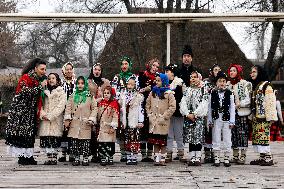
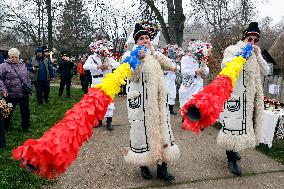
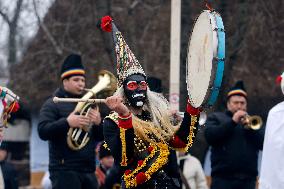
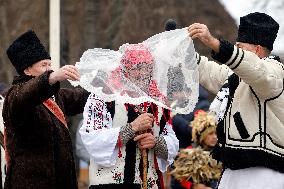
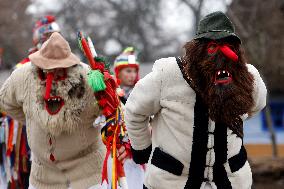
Masked members of a traditional dance group participate in a parade during the "White Flowers" festival of traditions and customs at the Village Museum in Bucharest, Romania, on December 14, 2025. Photo by Cristian Cristel/Xinhua/ABACAPRESS.COM

  •  
Bucharest White Flowers Festival - Romania

Bucharest White Flowers Festival - Romania

Masked members of a traditional dance group participate in a parade during the "White Flowers" festival of traditions and customs at the Village Museum in Bucharest, Romania, on December 14, 2025. Photo by Cristian Cristel/Xinhua/ABACAPRESS.COM

  •  
Bucharest White Flowers Festival - Romania

Bucharest White Flowers Festival - Romania

Masked members of a traditional dance group participate in a parade during the "White Flowers" festival of traditions and customs at the Village Museum in Bucharest, Romania, on December 14, 2025. Photo by Cristian Cristel/Xinhua/ABACAPRESS.COM

  •  
Bucharest White Flowers Festival - Romania

Bucharest White Flowers Festival - Romania

Masked members of a traditional dance group participate in a parade during the "White Flowers" festival of traditions and customs at the Village Museum in Bucharest, Romania, on December 14, 2025. Photo by Cristian Cristel/Xinhua/ABACAPRESS.COM

  •  
Bucharest White Flowers Festival - Romania

Bucharest White Flowers Festival - Romania

Masked members of a traditional dance group participate in a parade during the "White Flowers" festival of traditions and customs at the Village Museum in Bucharest, Romania, on December 14, 2025. Photo by Cristian Cristel/Xinhua/ABACAPRESS.COM

  •  
Bucharest White Flowers Festival - Romania

Bucharest White Flowers Festival - Romania

Masked members of a traditional dance group participate in a parade during the "White Flowers" festival of traditions and customs at the Village Museum in Bucharest, Romania, on December 14, 2025. Photo by Cristian Cristel/Xinhua/ABACAPRESS.COM

  •  
Bucharest White Flowers Festival - Romania

Bucharest White Flowers Festival - Romania

Masked members of a traditional dance group participate in a parade during the "White Flowers" festival of traditions and customs at the Village Museum in Bucharest, Romania, on December 14, 2025. Photo by Cristian Cristel/Xinhua/ABACAPRESS.COM

  •  
Bucharest White Flowers Festival - Romania

Bucharest White Flowers Festival - Romania

Masked members of a traditional dance group participate in a parade during the "White Flowers" festival of traditions and customs at the Village Museum in Bucharest, Romania, on December 14, 2025. Photo by Cristian Cristel/Xinhua/ABACAPRESS.COM

  •  
Bucharest White Flowers Festival - Romania

Bucharest White Flowers Festival - Romania

Masked members of a traditional dance group participate in a parade during the "White Flowers" festival of traditions and customs at the Village Museum in Bucharest, Romania, on December 14, 2025. Photo by Cristian Cristel/Xinhua/ABACAPRESS.COM

  •  
Bucharest White Flowers Festival - Romania

Bucharest White Flowers Festival - Romania

Masked members of a traditional dance group participate in a parade during the "White Flowers" festival of traditions and customs at the Village Museum in Bucharest, Romania, on December 14, 2025. Photo by Cristian Cristel/Xinhua/ABACAPRESS.COM

  •  
Bucharest White Flowers Festival - Romania

Bucharest White Flowers Festival - Romania

Masked members of a traditional dance group participate in a parade during the "White Flowers" festival of traditions and customs at the Village Museum in Bucharest, Romania, on December 14, 2025. Photo by Cristian Cristel/Xinhua/ABACAPRESS.COM

  •  
Bucharest White Flowers Festival - Romania

Bucharest White Flowers Festival - Romania

Masked members of a traditional dance group participate in a parade during the "White Flowers" festival of traditions and customs at the Village Museum in Bucharest, Romania, on December 14, 2025. Photo by Cristian Cristel/Xinhua/ABACAPRESS.COM

  •  
Flood Forces Cremations to Higher Ground

Flood Forces Cremations to Higher Ground

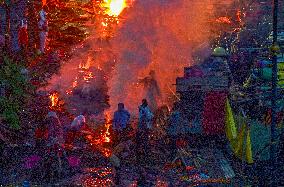
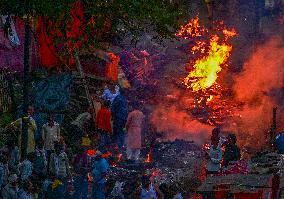
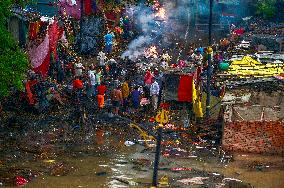
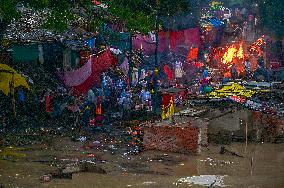
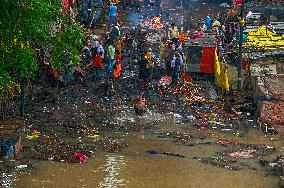
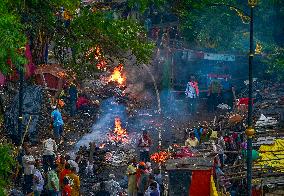
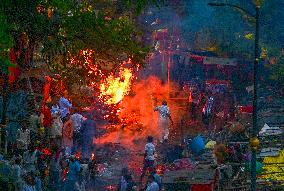
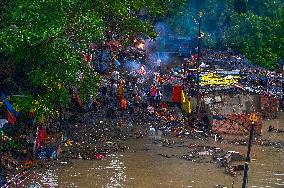
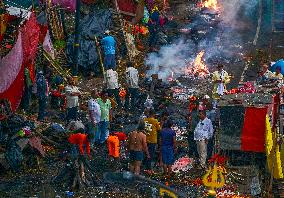
People carry out last rites along a path and row of houses situated further uphill from the actual cremation spot due to flooding caused by the rising water level of the Ganges River in Daraganj Ghat in Prayagraj, India, on August 3, 2025. Monsoon rains have led to surging river levels, forcing local residents to adapt critical religious and cultural rituals to higher ground. The Ganges, considered sacred by millions of Hindus, is a traditional site for cremations, especially at ghats like Daraganj. As flooding submerges the usual cremation areas, mourners continue to perform final rites in improvised locations, preserving centuries-old customs despite the natural disruption. The scene reflects the intersection of climate impacts with spiritual traditions in flood-prone regions of India. Photo by Middle East Images/ABACAPRESS.COM

  •  
Flood Forces Cremations to Higher Ground

Flood Forces Cremations to Higher Ground

People carry out last rites along a path and row of houses situated further uphill from the actual cremation spot due to flooding caused by the rising water level of the Ganges River in Daraganj Ghat in Prayagraj, India, on August 3, 2025. Monsoon rains have led to surging river levels, forcing local residents to adapt critical religious and cultural rituals to higher ground. The Ganges, considered sacred by millions of Hindus, is a traditional site for cremations, especially at ghats like Daraganj. As flooding submerges the usual cremation areas, mourners continue to perform final rites in improvised locations, preserving centuries-old customs despite the natural disruption. The scene reflects the intersection of climate impacts with spiritual traditions in flood-prone regions of India. Photo by Middle East Images/ABACAPRESS.COM

  •  
Flood Forces Cremations to Higher Ground

Flood Forces Cremations to Higher Ground

People carry out last rites along a path and row of houses situated further uphill from the actual cremation spot due to flooding caused by the rising water level of the Ganges River in Daraganj Ghat in Prayagraj, India, on August 3, 2025. Monsoon rains have led to surging river levels, forcing local residents to adapt critical religious and cultural rituals to higher ground. The Ganges, considered sacred by millions of Hindus, is a traditional site for cremations, especially at ghats like Daraganj. As flooding submerges the usual cremation areas, mourners continue to perform final rites in improvised locations, preserving centuries-old customs despite the natural disruption. The scene reflects the intersection of climate impacts with spiritual traditions in flood-prone regions of India. Photo by Middle East Images/ABACAPRESS.COM

  •  
Flood Forces Cremations to Higher Ground

Flood Forces Cremations to Higher Ground

People carry out last rites along a path and row of houses situated further uphill from the actual cremation spot due to flooding caused by the rising water level of the Ganges River in Daraganj Ghat in Prayagraj, India, on August 3, 2025. Monsoon rains have led to surging river levels, forcing local residents to adapt critical religious and cultural rituals to higher ground. The Ganges, considered sacred by millions of Hindus, is a traditional site for cremations, especially at ghats like Daraganj. As flooding submerges the usual cremation areas, mourners continue to perform final rites in improvised locations, preserving centuries-old customs despite the natural disruption. The scene reflects the intersection of climate impacts with spiritual traditions in flood-prone regions of India. Photo by Middle East Images/ABACAPRESS.COM

  •  
Flood Forces Cremations to Higher Ground

Flood Forces Cremations to Higher Ground

People carry out last rites along a path and row of houses situated further uphill from the actual cremation spot due to flooding caused by the rising water level of the Ganges River in Daraganj Ghat in Prayagraj, India, on August 3, 2025. Monsoon rains have led to surging river levels, forcing local residents to adapt critical religious and cultural rituals to higher ground. The Ganges, considered sacred by millions of Hindus, is a traditional site for cremations, especially at ghats like Daraganj. As flooding submerges the usual cremation areas, mourners continue to perform final rites in improvised locations, preserving centuries-old customs despite the natural disruption. The scene reflects the intersection of climate impacts with spiritual traditions in flood-prone regions of India. Photo by Middle East Images/ABACAPRESS.COM

  •  
Flood Forces Cremations to Higher Ground

Flood Forces Cremations to Higher Ground

People carry out last rites along a path and row of houses situated further uphill from the actual cremation spot due to flooding caused by the rising water level of the Ganges River in Daraganj Ghat in Prayagraj, India, on August 3, 2025. Monsoon rains have led to surging river levels, forcing local residents to adapt critical religious and cultural rituals to higher ground. The Ganges, considered sacred by millions of Hindus, is a traditional site for cremations, especially at ghats like Daraganj. As flooding submerges the usual cremation areas, mourners continue to perform final rites in improvised locations, preserving centuries-old customs despite the natural disruption. The scene reflects the intersection of climate impacts with spiritual traditions in flood-prone regions of India. Photo by Middle East Images/ABACAPRESS.COM

  •  
Flood Forces Cremations to Higher Ground

Flood Forces Cremations to Higher Ground

People carry out last rites along a path and row of houses situated further uphill from the actual cremation spot due to flooding caused by the rising water level of the Ganges River in Daraganj Ghat in Prayagraj, India, on August 3, 2025. Monsoon rains have led to surging river levels, forcing local residents to adapt critical religious and cultural rituals to higher ground. The Ganges, considered sacred by millions of Hindus, is a traditional site for cremations, especially at ghats like Daraganj. As flooding submerges the usual cremation areas, mourners continue to perform final rites in improvised locations, preserving centuries-old customs despite the natural disruption. The scene reflects the intersection of climate impacts with spiritual traditions in flood-prone regions of India. Photo by Middle East Images/ABACAPRESS.COM

  •  
Flood Forces Cremations to Higher Ground

Flood Forces Cremations to Higher Ground

People carry out last rites along a path and row of houses situated further uphill from the actual cremation spot due to flooding caused by the rising water level of the Ganges River in Daraganj Ghat in Prayagraj, India, on August 3, 2025. Monsoon rains have led to surging river levels, forcing local residents to adapt critical religious and cultural rituals to higher ground. The Ganges, considered sacred by millions of Hindus, is a traditional site for cremations, especially at ghats like Daraganj. As flooding submerges the usual cremation areas, mourners continue to perform final rites in improvised locations, preserving centuries-old customs despite the natural disruption. The scene reflects the intersection of climate impacts with spiritual traditions in flood-prone regions of India. Photo by Middle East Images/ABACAPRESS.COM

  •  
Flood Forces Cremations to Higher Ground

Flood Forces Cremations to Higher Ground

People carry out last rites along a path and row of houses situated further uphill from the actual cremation spot due to flooding caused by the rising water level of the Ganges River in Daraganj Ghat in Prayagraj, India, on August 3, 2025. Monsoon rains have led to surging river levels, forcing local residents to adapt critical religious and cultural rituals to higher ground. The Ganges, considered sacred by millions of Hindus, is a traditional site for cremations, especially at ghats like Daraganj. As flooding submerges the usual cremation areas, mourners continue to perform final rites in improvised locations, preserving centuries-old customs despite the natural disruption. The scene reflects the intersection of climate impacts with spiritual traditions in flood-prone regions of India. Photo by Middle East Images/ABACAPRESS.COM

  •  
Nomadic Life in Inner Mongolia's Horqin Grassland - China

Nomadic Life in Inner Mongolia's Horqin Grassland - China

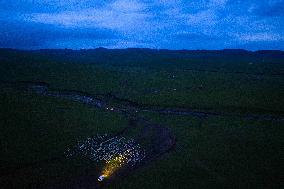
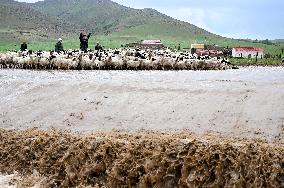
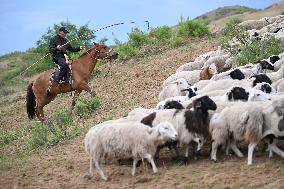
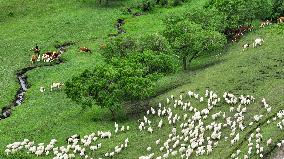
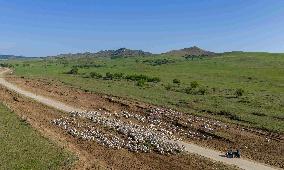
An aerial drone photo taken on June 14, 2025 shows herdsmen driving the livestock at night on the way to the summer campsite on Ar Horqin Grassland, Chifeng City of north China's Inner Mongolia Autonomous Region. Saintsogt, 55, a herdsman in Bayin-undur of Ar Horqin Banner, north China's Inner Mongolia Autonomous Region, is busy with the annual summer migration covering a distance of about 100 kilometers. For the past four decades, he has completed the migration every year. Saintsogt's pasture is a part of the Ar Horqin Grassland Nomadic System, which was listed as one of the Globally Important Agricultural Heritage Systems (GIAHS) sites by the United Nations Food and Agriculture Organization (FAO) on May 20, 2022. Herders here still keep the traditional nomadic customs today. "The travel time has been shortened to three days from eight," Saintsogt said. "The rain makes pasture grow better, and the livestock have enough forage." This year, herders from more than 1,200 households and 128,000 livestock in Bayin

  •  
Nomadic Life in Inner Mongolia's Horqin Grassland - China

Nomadic Life in Inner Mongolia's Horqin Grassland - China

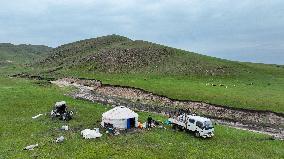
An aerial drone photo taken on June 15, 2025 shows a Mongolian yurt of Saintsogt at his summer campsite on Ar Horqin Grassland, Chifeng City of north China's Inner Mongolia Autonomous Region. Saintsogt, 55, a herdsman in Bayin-undur of Ar Horqin Banner, north China's Inner Mongolia Autonomous Region, is busy with the annual summer migration covering a distance of about 100 kilometers. For the past four decades, he has completed the migration every year. Saintsogt's pasture is a part of the Ar Horqin Grassland Nomadic System, which was listed as one of the Globally Important Agricultural Heritage Systems (GIAHS) sites by the United Nations Food and Agriculture Organization (FAO) on May 20, 2022. Herders here still keep the traditional nomadic customs today. "The travel time has been shortened to three days from eight," Saintsogt said. "The rain makes pasture grow better, and the livestock have enough forage." This year, herders from more than 1,200 households and 128,000 livestock in Bayin-undur joined the mig

  •  
Nomadic Life in Inner Mongolia's Horqin Grassland - China

Nomadic Life in Inner Mongolia's Horqin Grassland - China

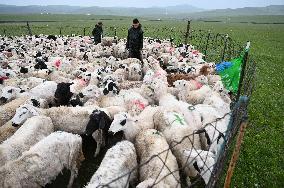
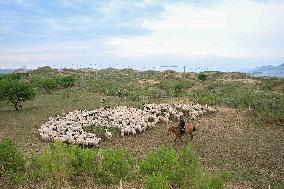
Saintsogt's son (2nd R) drives sheep in rain on his way to the summer campsite on Ar Horqin Grassland, Chifeng City of north China's Inner Mongolia Autonomous Region, June 13, 2025. Saintsogt, 55, a herdsman in Bayin-undur of Ar Horqin Banner, north China's Inner Mongolia Autonomous Region, is busy with the annual summer migration covering a distance of about 100 kilometers. For the past four decades, he has completed the migration every year. Saintsogt's pasture is a part of the Ar Horqin Grassland Nomadic System, which was listed as one of the Globally Important Agricultural Heritage Systems (GIAHS) sites by the United Nations Food and Agriculture Organization (FAO) on May 20, 2022. Herders here still keep the traditional nomadic customs today. "The travel time has been shortened to three days from eight," Saintsogt said. "The rain makes pasture grow better, and the livestock have enough forage." This year, herders from more than 1,200 households and 128,000 livestock in Bayin-undur joined the migration. Ph

  •  
Nomadic Life in Inner Mongolia's Horqin Grassland - China

Nomadic Life in Inner Mongolia's Horqin Grassland - China

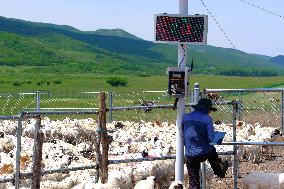
A staff member of Gogodtai Han Ul national nature reserve counts the livestock entering the nature reserve in north China's Inner Mongolia Autonomous Region, June 14, 2025. Saintsogt, 55, a herdsman in Bayin-undur of Ar Horqin Banner, north China's Inner Mongolia Autonomous Region, is busy with the annual summer migration covering a distance of about 100 kilometers. For the past four decades, he has completed the migration every year. Saintsogt's pasture is a part of the Ar Horqin Grassland Nomadic System, which was listed as one of the Globally Important Agricultural Heritage Systems (GIAHS) sites by the United Nations Food and Agriculture Organization (FAO) on May 20, 2022. Herders here still keep the traditional nomadic customs today. "The travel time has been shortened to three days from eight," Saintsogt said. "The rain makes pasture grow better, and the livestock have enough forage." This year, herders from more than 1,200 households and 128,000 livestock in Bayin-undur joined the migration. Photo by Ma

  •  
Nomadic Life in Inner Mongolia's Horqin Grassland - China

Nomadic Life in Inner Mongolia's Horqin Grassland - China

Saintsogt's son seeks for a sick sheep after arriving at the summer campsite on Ar Horqin Grassland, Chifeng City of north China's Inner Mongolia Autonomous Region, June 15, 2025. Saintsogt, 55, a herdsman in Bayin-undur of Ar Horqin Banner, north China's Inner Mongolia Autonomous Region, is busy with the annual summer migration covering a distance of about 100 kilometers. For the past four decades, he has completed the migration every year. Saintsogt's pasture is a part of the Ar Horqin Grassland Nomadic System, which was listed as one of the Globally Important Agricultural Heritage Systems (GIAHS) sites by the United Nations Food and Agriculture Organization (FAO) on May 20, 2022. Herders here still keep the traditional nomadic customs today. "The travel time has been shortened to three days from eight," Saintsogt said. "The rain makes pasture grow better, and the livestock have enough forage." This year, herders from more than 1,200 households and 128,000 livestock in Bayin-undur joined the migration. Phot

  •  
Nomadic Life in Inner Mongolia's Horqin Grassland - China

Nomadic Life in Inner Mongolia's Horqin Grassland - China

Saintsogt's wife arranges bedding at home before departing for the summer campsite on Ar Horqin Grassland, Chifeng City of north China's Inner Mongolia Autonomous Region, June 13, 2025. Saintsogt, 55, a herdsman in Bayin-undur of Ar Horqin Banner, north China's Inner Mongolia Autonomous Region, is busy with the annual summer migration covering a distance of about 100 kilometers. For the past four decades, he has completed the migration every year. Saintsogt's pasture is a part of the Ar Horqin Grassland Nomadic System, which was listed as one of the Globally Important Agricultural Heritage Systems (GIAHS) sites by the United Nations Food and Agriculture Organization (FAO) on May 20, 2022. Herders here still keep the traditional nomadic customs today. "The travel time has been shortened to three days from eight," Saintsogt said. "The rain makes pasture grow better, and the livestock have enough forage." This year, herders from more than 1,200 households and 128,000 livestock in Bayin-undur joined the migration

  •  
Nomadic Life in Inner Mongolia's Horqin Grassland - China

Nomadic Life in Inner Mongolia's Horqin Grassland - China

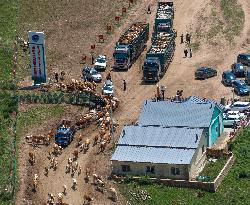
An aerial drone photo taken on June 14, 2025 shows herders waiting for entering the Gogodtai Han Ul national nature reserve in north China's Inner Mongolia Autonomous Region. Saintsogt, 55, a herdsman in Bayin-undur of Ar Horqin Banner, north China's Inner Mongolia Autonomous Region, is busy with the annual summer migration covering a distance of about 100 kilometers. For the past four decades, he has completed the migration every year. Saintsogt's pasture is a part of the Ar Horqin Grassland Nomadic System, which was listed as one of the Globally Important Agricultural Heritage Systems (GIAHS) sites by the United Nations Food and Agriculture Organization (FAO) on May 20, 2022. Herders here still keep the traditional nomadic customs today. "The travel time has been shortened to three days from eight," Saintsogt said. "The rain makes pasture grow better, and the livestock have enough forage." This year, herders from more than 1,200 households and 128,000 livestock in Bayin-undur joined the migration. Photo by

  •  
Nomadic Life in Inner Mongolia's Horqin Grassland - China

Nomadic Life in Inner Mongolia's Horqin Grassland - China

Saintsogt gathers the livestock at the winter campsite before departing for the summer campsite on Ar Horqin Grassland, Chifeng City of north China's Inner Mongolia Autonomous Region, June 13, 2025. Saintsogt, 55, a herdsman in Bayin-undur of Ar Horqin Banner, north China's Inner Mongolia Autonomous Region, is busy with the annual summer migration covering a distance of about 100 kilometers. For the past four decades, he has completed the migration every year. Saintsogt's pasture is a part of the Ar Horqin Grassland Nomadic System, which was listed as one of the Globally Important Agricultural Heritage Systems (GIAHS) sites by the United Nations Food and Agriculture Organization (FAO) on May 20, 2022. Herders here still keep the traditional nomadic customs today. "The travel time has been shortened to three days from eight," Saintsogt said. "The rain makes pasture grow better, and the livestock have enough forage." This year, herders from more than 1,200 households and 128,000 livestock in Bayin-undur joined

  •  
Nomadic Life in Inner Mongolia's Horqin Grassland - China

Nomadic Life in Inner Mongolia's Horqin Grassland - China

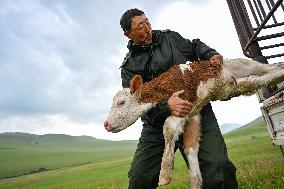
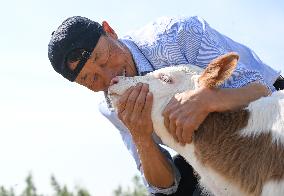
Saintsogt takes a newly born calf off the truck after arriving at the summer campsite on Ar Horqin Grassland, Chifeng City of north China's Inner Mongolia Autonomous Region, June 15, 2025. Saintsogt, 55, a herdsman in Bayin-undur of Ar Horqin Banner, north China's Inner Mongolia Autonomous Region, is busy with the annual summer migration covering a distance of about 100 kilometers. For the past four decades, he has completed the migration every year. Saintsogt's pasture is a part of the Ar Horqin Grassland Nomadic System, which was listed as one of the Globally Important Agricultural Heritage Systems (GIAHS) sites by the United Nations Food and Agriculture Organization (FAO) on May 20, 2022. Herders here still keep the traditional nomadic customs today. "The travel time has been shortened to three days from eight," Saintsogt said. "The rain makes pasture grow better, and the livestock have enough forage." This year, herders from more than 1,200 households and 128,000 livestock in Bayin-undur joined the migrat

  •  
Nomadic Life in Inner Mongolia's Horqin Grassland - China

Nomadic Life in Inner Mongolia's Horqin Grassland - China

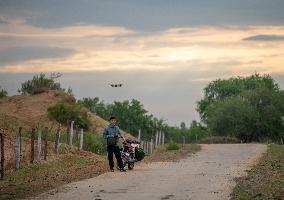
Saintsogt's son operates a drone to check the number of the livestock on Ar Horqin Grassland, Chifeng City of north China's Inner Mongolia Autonomous Region, June 13, 2025. Saintsogt, 55, a herdsman in Bayin-undur of Ar Horqin Banner, north China's Inner Mongolia Autonomous Region, is busy with the annual summer migration covering a distance of about 100 kilometers. For the past four decades, he has completed the migration every year. Saintsogt's pasture is a part of the Ar Horqin Grassland Nomadic System, which was listed as one of the Globally Important Agricultural Heritage Systems (GIAHS) sites by the United Nations Food and Agriculture Organization (FAO) on May 20, 2022. Herders here still keep the traditional nomadic customs today. "The travel time has been shortened to three days from eight," Saintsogt said. "The rain makes pasture grow better, and the livestock have enough forage." This year, herders from more than 1,200 households and 128,000 livestock in Bayin-undur joined the migration. Photo by Ma

  •  
Nomadic Life in Inner Mongolia's Horqin Grassland - China

Nomadic Life in Inner Mongolia's Horqin Grassland - China

An aerial drone photo taken on June 14, 2025 shows Saintsogt driving the livestock on his way to the summer campsite on Ar Horqin Grassland, Chifeng City of north China's Inner Mongolia Autonomous Region. Saintsogt, 55, a herdsman in Bayin-undur of Ar Horqin Banner, north China's Inner Mongolia Autonomous Region, is busy with the annual summer migration covering a distance of about 100 kilometers. For the past four decades, he has completed the migration every year. Saintsogt's pasture is a part of the Ar Horqin Grassland Nomadic System, which was listed as one of the Globally Important Agricultural Heritage Systems (GIAHS) sites by the United Nations Food and Agriculture Organization (FAO) on May 20, 2022. Herders here still keep the traditional nomadic customs today. "The travel time has been shortened to three days from eight," Saintsogt said. "The rain makes pasture grow better, and the livestock have enough forage." This year, herders from more than 1,200 households and 128,000 livestock in Bayin-undur j

  •  
Nomadic Life in Inner Mongolia's Horqin Grassland - China

Nomadic Life in Inner Mongolia's Horqin Grassland - China

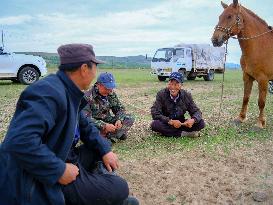
Saintsogt (R) talks with other herdsmen on their way to the summer campsite on Ar Horqin Grassland, Chifeng City of north China's Inner Mongolia Autonomous Region, June 13, 2025. Saintsogt, 55, a herdsman in Bayin-undur of Ar Horqin Banner, north China's Inner Mongolia Autonomous Region, is busy with the annual summer migration covering a distance of about 100 kilometers. For the past four decades, he has completed the migration every year. Saintsogt's pasture is a part of the Ar Horqin Grassland Nomadic System, which was listed as one of the Globally Important Agricultural Heritage Systems (GIAHS) sites by the United Nations Food and Agriculture Organization (FAO) on May 20, 2022. Herders here still keep the traditional nomadic customs today. "The travel time has been shortened to three days from eight," Saintsogt said. "The rain makes pasture grow better, and the livestock have enough forage." This year, herders from more than 1,200 households and 128,000 livestock in Bayin-undur joined the migration. Photo

  •  
Nomadic Life in Inner Mongolia's Horqin Grassland - China

Nomadic Life in Inner Mongolia's Horqin Grassland - China

Saintsogt gathers the livestock at their winter campsite before departing for the summer campsite on Ar Horqin Grassland, Chifeng City of north China's Inner Mongolia Autonomous Region, June 13, 2025. Saintsogt, 55, a herdsman in Bayin-undur of Ar Horqin Banner, north China's Inner Mongolia Autonomous Region, is busy with the annual summer migration covering a distance of about 100 kilometers. For the past four decades, he has completed the migration every year. Saintsogt's pasture is a part of the Ar Horqin Grassland Nomadic System, which was listed as one of the Globally Important Agricultural Heritage Systems (GIAHS) sites by the United Nations Food and Agriculture Organization (FAO) on May 20, 2022. Herders here still keep the traditional nomadic customs today. "The travel time has been shortened to three days from eight," Saintsogt said. "The rain makes pasture grow better, and the livestock have enough forage." This year, herders from more than 1,200 households and 128,000 livestock in Bayin-undur joine

  •  
Nomadic Life in Inner Mongolia's Horqin Grassland - China

Nomadic Life in Inner Mongolia's Horqin Grassland - China

An aerial drone photo shows Saintsogt's son (L) riding a motorcycle to drive the livestock on his way to the summer campsite on Ar Horqin Grassland, Chifeng City of north China's Inner Mongolia Autonomous Region, June 14, 2025. Saintsogt, 55, a herdsman in Bayin-undur of Ar Horqin Banner, north China's Inner Mongolia Autonomous Region, is busy with the annual summer migration covering a distance of about 100 kilometers. For the past four decades, he has completed the migration every year. Saintsogt's pasture is a part of the Ar Horqin Grassland Nomadic System, which was listed as one of the Globally Important Agricultural Heritage Systems (GIAHS) sites by the United Nations Food and Agriculture Organization (FAO) on May 20, 2022. Herders here still keep the traditional nomadic customs today. "The travel time has been shortened to three days from eight," Saintsogt said. "The rain makes pasture grow better, and the livestock have enough forage." This year, herders from more than 1,200 households and 128,000 liv

  •  
Nomadic Life in Inner Mongolia's Horqin Grassland - China

Nomadic Life in Inner Mongolia's Horqin Grassland - China

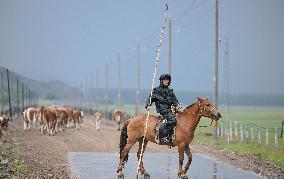
Saintsogt drives cattle in the rain on his way to the summer campsite on Ar Horqin Grassland, Chifeng City of north China's Inner Mongolia Autonomous Region, June 13, 2025. Saintsogt, 55, a herdsman in Bayin-undur of Ar Horqin Banner, north China's Inner Mongolia Autonomous Region, is busy with the annual summer migration covering a distance of about 100 kilometers. For the past four decades, he has completed the migration every year. Saintsogt's pasture is a part of the Ar Horqin Grassland Nomadic System, which was listed as one of the Globally Important Agricultural Heritage Systems (GIAHS) sites by the United Nations Food and Agriculture Organization (FAO) on May 20, 2022. Herders here still keep the traditional nomadic customs today. "The travel time has been shortened to three days from eight," Saintsogt said. "The rain makes pasture grow better, and the livestock have enough forage." This year, herders from more than 1,200 households and 128,000 livestock in Bayin-undur joined the migration. Photo by Be

  •  
Nomadic Life in Inner Mongolia's Horqin Grassland - China

Nomadic Life in Inner Mongolia's Horqin Grassland - China

Saintsogt hugs a newly born calf on his way to the summer campsite on Ar Horqin Grassland, Chifeng City of north China's Inner Mongolia Autonomous Region, June 14, 2025. Saintsogt, 55, a herdsman in Bayin-undur of Ar Horqin Banner, north China's Inner Mongolia Autonomous Region, is busy with the annual summer migration covering a distance of about 100 kilometers. For the past four decades, he has completed the migration every year. Saintsogt's pasture is a part of the Ar Horqin Grassland Nomadic System, which was listed as one of the Globally Important Agricultural Heritage Systems (GIAHS) sites by the United Nations Food and Agriculture Organization (FAO) on May 20, 2022. Herders here still keep the traditional nomadic customs today. "The travel time has been shortened to three days from eight," Saintsogt said. "The rain makes pasture grow better, and the livestock have enough forage." This year, herders from more than 1,200 households and 128,000 livestock in Bayin-undur joined the migration. Photo by Bei H

  •  
Nomadic Life in Inner Mongolia's Horqin Grassland - China

Nomadic Life in Inner Mongolia's Horqin Grassland - China

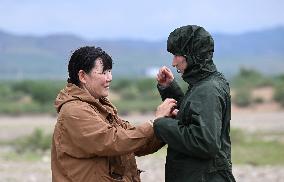
Saintsogt's wife (L) helps her son to wear a raincoat on their way to the summer campsite on Ar Horqin Grassland, Chifeng City of north China's Inner Mongolia Autonomous Region, June 13, 2025. Saintsogt, 55, a herdsman in Bayin-undur of Ar Horqin Banner, north China's Inner Mongolia Autonomous Region, is busy with the annual summer migration covering a distance of about 100 kilometers. For the past four decades, he has completed the migration every year. Saintsogt's pasture is a part of the Ar Horqin Grassland Nomadic System, which was listed as one of the Globally Important Agricultural Heritage Systems (GIAHS) sites by the United Nations Food and Agriculture Organization (FAO) on May 20, 2022. Herders here still keep the traditional nomadic customs today. "The travel time has been shortened to three days from eight," Saintsogt said. "The rain makes pasture grow better, and the livestock have enough forage." This year, herders from more than 1,200 households and 128,000 livestock in Bayin-undur joined the mi

  •  
Nomadic Life in Inner Mongolia's Horqin Grassland - China

Nomadic Life in Inner Mongolia's Horqin Grassland - China

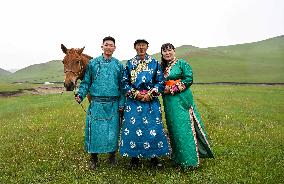
Saintsogt (C), his wife (R) and son pose for a group photo at their summer campsite on Ar Horqin Grassland, Chifeng City of north China's Inner Mongolia Autonomous Region, June 15, 2025. Saintsogt, 55, a herdsman in Bayin-undur of Ar Horqin Banner, north China's Inner Mongolia Autonomous Region, is busy with the annual summer migration covering a distance of about 100 kilometers. For the past four decades, he has completed the migration every year. Saintsogt's pasture is a part of the Ar Horqin Grassland Nomadic System, which was listed as one of the Globally Important Agricultural Heritage Systems (GIAHS) sites by the United Nations Food and Agriculture Organization (FAO) on May 20, 2022. Herders here still keep the traditional nomadic customs today. "The travel time has been shortened to three days from eight," Saintsogt said. "The rain makes pasture grow better, and the livestock have enough forage." This year, herders from more than 1,200 households and 128,000 livestock in Bayin-undur joined the migratio

  •  
Fishermen Traditional Customs

Fishermen Traditional Customs

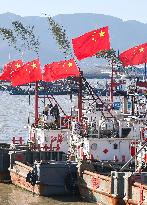
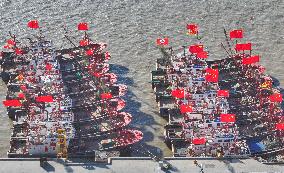
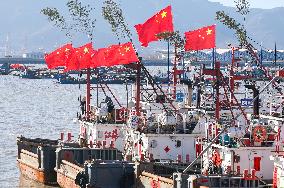
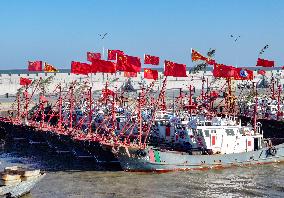
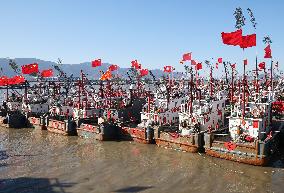
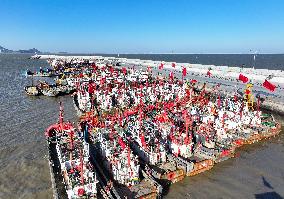
Fishermen hang national flags on their fishing boats in Lianyungang city, East China's Jiangsu province, Jan 27, 2025.

  •  
Fishermen Traditional Customs

Fishermen Traditional Customs

Fishermen hang national flags on their fishing boats in Lianyungang city, East China's Jiangsu province, Jan 27, 2025.

  •  
Fishermen Traditional Customs

Fishermen Traditional Customs

Fishermen hang national flags on their fishing boats in Lianyungang city, East China's Jiangsu province, Jan 27, 2025.

  •  
Fishermen Traditional Customs

Fishermen Traditional Customs

Fishermen hang national flags on their fishing boats in Lianyungang city, East China's Jiangsu province, Jan 27, 2025.

  •  
Fishermen Traditional Customs

Fishermen Traditional Customs

Fishermen hang national flags on their fishing boats in Lianyungang city, East China's Jiangsu province, Jan 27, 2025.

  •  
Fishermen Traditional Customs

Fishermen Traditional Customs

Fishermen hang national flags on their fishing boats in Lianyungang city, East China's Jiangsu province, Jan 27, 2025.

  •  
Fishermen Traditional Customs

Fishermen Traditional Customs

Fishermen hang national flags on their fishing boats in Lianyungang city, East China's Jiangsu province, Jan 27, 2025.

  •  
Fishermen Traditional Customs

Fishermen Traditional Customs

Fishermen hang national flags on their fishing boats in Lianyungang city, East China's Jiangsu province, Jan 27, 2025.

  •  
Fishermen Traditional Customs

Fishermen Traditional Customs

Fishermen hang national flags on their fishing boats in Lianyungang city, East China's Jiangsu province, Jan 27, 2025.

  •  
Fishermen Traditional Customs

Fishermen Traditional Customs

Fishermen hang national flags on their fishing boats in Lianyungang city, East China's Jiangsu province, Jan 27, 2025.

  •  
Chinese New Year Celebrations - China

Chinese New Year Celebrations - China

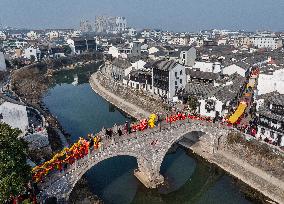
An aerial drone photo taken on January 22, 2025 shows folk artisans patrolling across a bridge in Fengqiao Town of Zhuji City, east China's Zhejiang Province. As the 2025 Chinese New Year will fall on January 29, excitement is palpable everywhere in China. The Chinese people immerse themselves in traditional customs and partake in the festivities. The Chinese New Year, or the Spring Festival, falls on next Wednesday, marking the beginning of the Year of the Snake. Photo by Guo Bin/Xinhua/ABACAPRESS.COM

  • Main
  • Top
  • Editorial
  • Creative
  • About Us
  • About ILG
  • Terms of use
  • Company
  • BEHIND
  • Price List
  • Single Plan
  • Monthly Plan
  • Services
  • Shooting
  • Rights Clearance
  • Support
  • FAQ
  • How To Buy
  • Contact Us
  • Become a Partner

© KYODO NEWS IMAGES INC

All Rights Reserved.

  • Editorial
  • Olympics
  • News
  • Sports
  • Japan
  • Tech
  • Royal
  • Disaster
  • NorthKorea
  • Old Japan
  • SNS
  • Creative
  • Food
  • Japan
  • Landscape
  • Animal
  • Popular
  • #Ukraine
  • #Thailand
  • #coronavirus
  • #N. Korea
  • #China
  • #Russia
  • #Ukraine
  • #Thailand
  • #coronavirus
  • #N. Korea
  • #China
  • #Russia
  • Food
  • Japan
  • Landscape
  • Animal
  • Olympics
  • News
  • Sports
  • Japan
  • Tech
  • Royal
  • Disaster
  • NorthKorea
  • Old Japan
  • SNS