•  
Evidence From Russia On Japanese Unit 731 - China

Evidence From Russia On Japanese Unit 731 - China

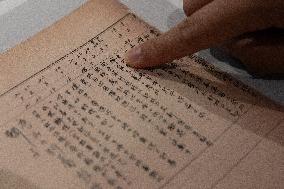
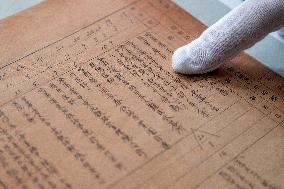
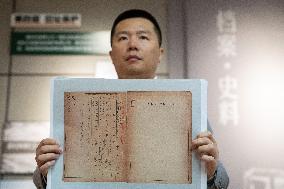
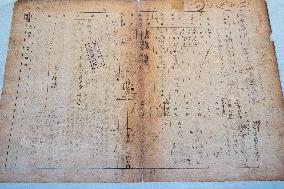
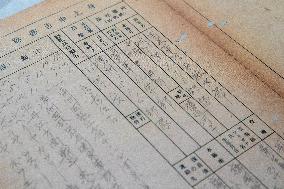
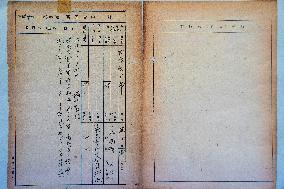
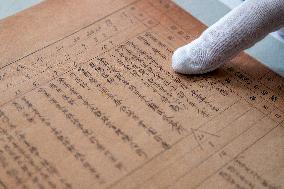
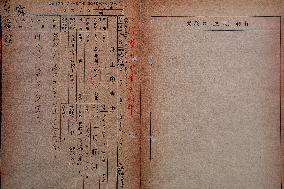
This undated photo shows some Russian-provided archive copies related to the infamous Unit 731, a Japanese germ-warfare unit that operated during World War II. China has received a batch of Russian-provided evidence related to the infamous Unit 731, China's Central Archives said on Saturday. The archive copies from Russia include trial records of Unit 731 members, investigation reports on the unit's crimes, and internal official correspondence of Soviet authorities, covering the period running from May 11, 1939 to Dec. 25, 1950. Photo by Li Xin/Xinhua/ABACAPRESS.COM

  •  
Evidence From Russia On Japanese Unit 731 - China

Evidence From Russia On Japanese Unit 731 - China

This undated photo shows some Russian-provided archive copies related to the infamous Unit 731, a Japanese germ-warfare unit that operated during World War II. China has received a batch of Russian-provided evidence related to the infamous Unit 731, China's Central Archives said on Saturday. The archive copies from Russia include trial records of Unit 731 members, investigation reports on the unit's crimes, and internal official correspondence of Soviet authorities, covering the period running from May 11, 1939 to Dec. 25, 1950. Photo by Li Xin/Xinhua/ABACAPRESS.COM

  •  
"Evil Unbound" poster in Beijing

"Evil Unbound" poster in Beijing

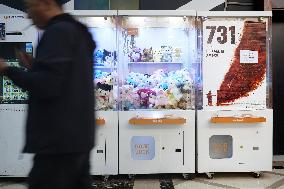
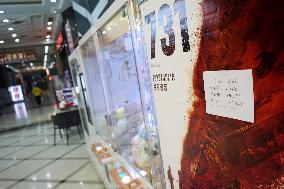
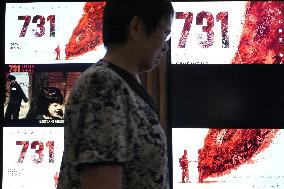
Photo taken on Oct. 17, 2025, shows a poster of Chinese war-themed film "Evil Unbound" about one month after its release at a movie theater in Beijing. The film tells the story of the Imperial Japanese Army's notorious Unit 731, which conducted human experiments on prisoners of war for biological and chemical warfare research in China during World War II.

  •  
"Evil Unbound" poster in Beijing

"Evil Unbound" poster in Beijing

Photo taken on Oct. 17, 2025, shows a poster of Chinese war-themed film "Evil Unbound" about one month after its release at a movie theater in Beijing. The film tells the story of the Imperial Japanese Army's notorious Unit 731, which conducted human experiments on prisoners of war for biological and chemical warfare research in China during World War II.

  •  
"Evil Unbound" poster in Beijing

"Evil Unbound" poster in Beijing

Photo taken on Oct. 17, 2025, shows a poster of Chinese war-themed film "Evil Unbound" about one month after its release at a movie theater in Beijing. The film tells the story of the Imperial Japanese Army's notorious Unit 731, which conducted human experiments on prisoners of war for biological and chemical warfare research in China during World War II.

  •  
"Evil Unbound" released in China

"Evil Unbound" released in China

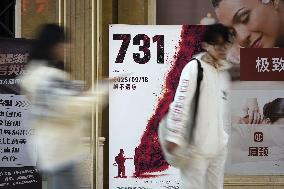
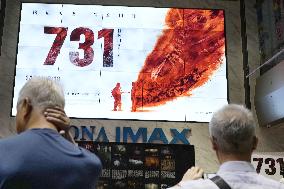
Photo shows an advertisement of Chinese war-themed film "Evil Unbound" at a movie theater in Beijing on Sept. 18, 2025, the 94th anniversary of the Mukden Incident that led to Japan's occupation of China's northeast through 1945, ahead of its release later in the day. The film tells the story of the Imperial Japanese Army's notorious Unit 731, which conducted human experiments on prisoners of war for biological and chemical warfare research in China during World War II.

  •  
"Evil Unbound" released in China

"Evil Unbound" released in China

Photo shows an advertisement of Chinese war-themed film "Evil Unbound" at a movie theater in Beijing on Sept. 18, 2025, the 94th anniversary of the Mukden Incident that led to Japan's occupation of China's northeast through 1945, ahead of its release later in the day. The film tells the story of the Imperial Japanese Army's notorious Unit 731, which conducted human experiments on prisoners of war for biological and chemical warfare research in China during World War II.

  •  
"Evil Unbound" released in China

"Evil Unbound" released in China

Photo shows an advertisement of Chinese war-themed film "Evil Unbound" at a movie theater in Beijing on Sept. 18, 2025, the 94th anniversary of the Mukden Incident that led to Japan's occupation of China's northeast through 1945, ahead of its release later in the day. The film tells the story of the Imperial Japanese Army's notorious Unit 731, which conducted human experiments on prisoners of war for biological and chemical warfare research in China during World War II.

  •  
"Evil Unbound" released in China

"Evil Unbound" released in China

Photo shows an advertisement of Chinese war-themed film "Evil Unbound" at a movie theater in Beijing on Sept. 18, 2025, the 94th anniversary of the Mukden Incident that led to Japan's occupation of China's northeast through 1945, ahead of its release later in the day. The film tells the story of the Imperial Japanese Army's notorious Unit 731, which conducted human experiments on prisoners of war for biological and chemical warfare research in China during World War II.

  •  
Japanese Veteran Visits China To Apologize - Harbin

Japanese Veteran Visits China To Apologize - Harbin

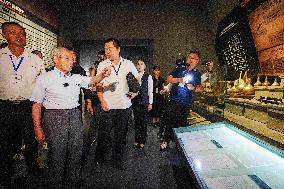
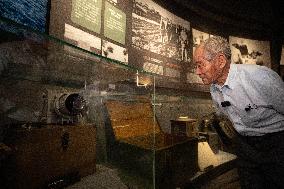
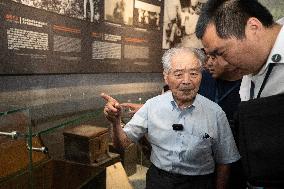
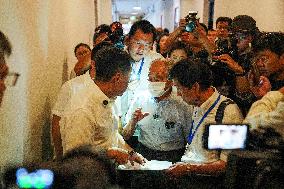
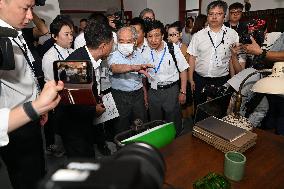
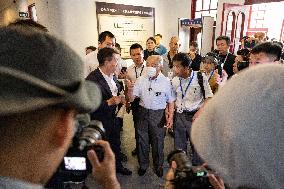
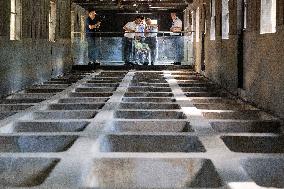
Hideo Shimizu (L) visits the Exhibition Hall of Evidences of Crime Committed by Unit 731 of the Japanese Imperial Army in Harbin, northeast China's Heilongjiang Province, August 13, 2024. After a 79-year hiatus, Hideo Shimizu, a former member of Unit 731, the notorious Japanese germ-warfare detachment during World War II, returned to China to acknowledge the atrocities committed by the invading Japanese forces and to offer sincere repentance and apologies to the victims. Photo by Wang Jianwei/Xinhua/ABACAPRESS.COM

  •  
Japanese Veteran Visits China To Apologize - Harbin

Japanese Veteran Visits China To Apologize - Harbin

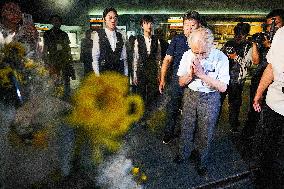
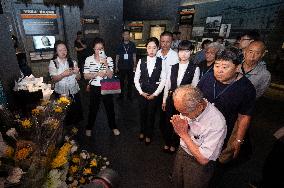
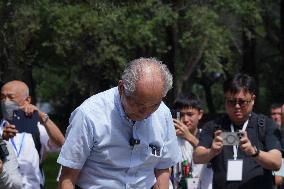
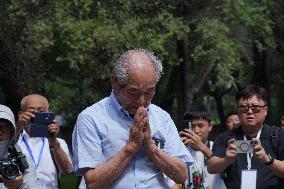
Hideo Shimizu prays in front of the list of victims at the Exhibition Hall of Evidences of Crime Committed by Unit 731 of the Japanese Imperial Army in Harbin, northeast China's Heilongjiang Province, Aug. 13, 2024. After a 79-year hiatus, Hideo Shimizu, a former member of Unit 731, the notorious Japanese germ-warfare detachment during World War II, returned to China to acknowledge the atrocities committed by the invading Japanese forces and to offer sincere repentance and apologies to the victims. Photo by Xinhua/Wang Jianwei/ABACAPRESS.COM

  •  
Japanese Veteran Visits China To Apologize - Harbin

Japanese Veteran Visits China To Apologize - Harbin

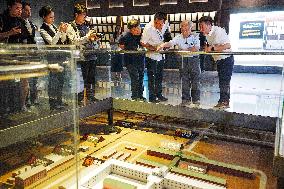
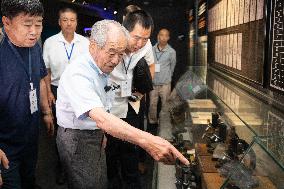
Hideo Shimizu (2nd L, front) visits the Exhibition Hall of Evidences of Crime Committed by Unit 731 of the Japanese Imperial Army in Harbin, northeast China's Heilongjiang Province, Aug. 13, 2024. After a 79-year hiatus, Hideo Shimizu, a former member of Unit 731, the notorious Japanese germ-warfare detachment during World War II, returned to China to acknowledge the atrocities committed by the invading Japanese forces and to offer sincere repentance and apologies to the victims. Photo by Xinhua/Wang Jianwei/ABACAPRESS.COM

  •  
Japanese Veteran Visits China To Apologize - Harbin

Japanese Veteran Visits China To Apologize - Harbin

Hideo Shimizu visits the Exhibition Hall of Evidences of Crime Committed by Unit 731 of the Japanese Imperial Army in Harbin, northeast China's Heilongjiang Province, Aug. 13, 2024. After a 79-year hiatus, Hideo Shimizu, a former member of Unit 731, the notorious Japanese germ-warfare detachment during World War II, returned to China to acknowledge the atrocities committed by the invading Japanese forces and to offer sincere repentance and apologies to the victims. Photo by Xinhua/Zhang Tao/ABACAPRESS.COM

  •  
Japanese Veteran Visits China To Apologize - Harbin

Japanese Veteran Visits China To Apologize - Harbin

Hideo Shimizu visits the Exhibition Hall of Evidences of Crime Committed by Unit 731 of the Japanese Imperial Army in Harbin, northeast China's Heilongjiang Province, Aug. 13, 2024. After a 79-year hiatus, Hideo Shimizu, a former member of Unit 731, the notorious Japanese germ-warfare detachment during World War II, returned to China to acknowledge the atrocities committed by the invading Japanese forces and to offer sincere repentance and apologies to the victims. Photo by Xinhua/Zhang Tao/ABACAPRESS.COM

  •  
Japanese Veteran Visits China To Apologize - Harbin

Japanese Veteran Visits China To Apologize - Harbin

Hideo Shimizu (2nd R) visits the Exhibition Hall of Evidences of Crime Committed by Unit 731 of the Japanese Imperial Army in Harbin, northeast China's Heilongjiang Province, Aug. 13, 2024. After a 79-year hiatus, Hideo Shimizu, a former member of Unit 731, the notorious Japanese germ-warfare detachment during World War II, returned to China to acknowledge the atrocities committed by the invading Japanese forces and to offer sincere repentance and apologies to the victims. Photo by Xinhua/Wang Jianwei/ABACAPRESS.COM

  •  
Japanese Veteran Visits China To Apologize - Harbin

Japanese Veteran Visits China To Apologize - Harbin

Hideo Shimizu visits the Exhibition Hall of Evidences of Crime Committed by Unit 731 of the Japanese Imperial Army in Harbin, northeast China's Heilongjiang Province, Aug. 13, 2024. After a 79-year hiatus, Hideo Shimizu, a former member of Unit 731, the notorious Japanese germ-warfare detachment during World War II, returned to China to acknowledge the atrocities committed by the invading Japanese forces and to offer sincere repentance and apologies to the victims. Photo by Xinhua/Zhang Tao/ABACAPRESS.COM

  •  
Japanese Veteran Visits China To Apologize - Harbin

Japanese Veteran Visits China To Apologize - Harbin

Hideo Shimizu prays in front of the list of victims at the Exhibition Hall of Evidences of Crime Committed by Unit 731 of the Japanese Imperial Army in Harbin, northeast China's Heilongjiang Province, Aug. 13, 2024. After a 79-year hiatus, Hideo Shimizu, a former member of Unit 731, the notorious Japanese germ-warfare detachment during World War II, returned to China to acknowledge the atrocities committed by the invading Japanese forces and to offer sincere repentance and apologies to the victims. Photo by Xinhua/Zhang Tao/ABACAPRESS.COM

  •  
Ex-member of Japanese biological warfare unit in China

Ex-member of Japanese biological warfare unit in China

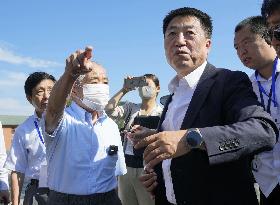
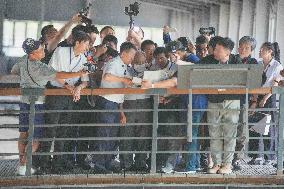
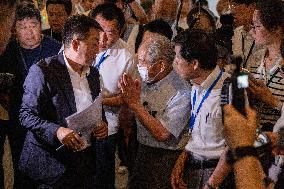
Hideo Shimizu (L), a former member of the Imperial Japanese Army's notorious Unit 731, which is thought to have undertaken covert biological and chemical warfare research in China during World War II, speaks to the head (R) of a Chinese exhibition hall on the unit as he visits the former site of its headquarters in Harbin, northeastern China, on Aug. 13, 2024.

  •  
Ex-member of Japanese biological warfare unit in China

Ex-member of Japanese biological warfare unit in China

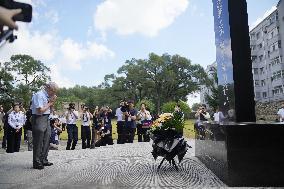
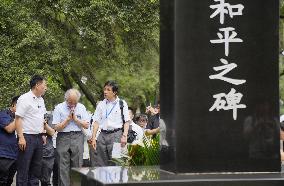
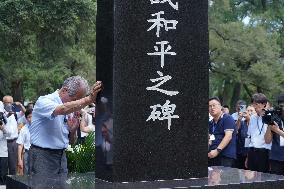
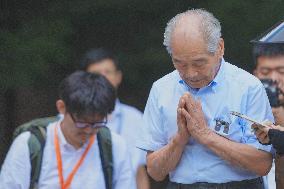
Hideo Shimizu (front, L), a former member of the Imperial Japanese Army's notorious Unit 731, which is thought to have undertaken covert biological and chemical warfare research in China during World War II, prays in front of a cenotaph dedicated to peace at the former site of the unit headquarters in Harbin, northeastern China, on Aug. 13, 2024.

  •  
Ex-member of Japanese biological warfare unit in China

Ex-member of Japanese biological warfare unit in China

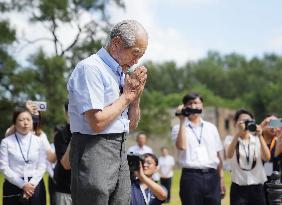
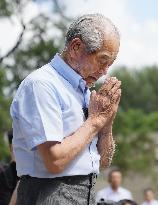
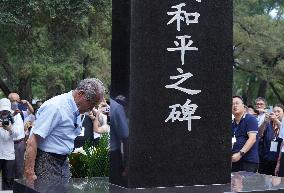
Hideo Shimizu, a former member of the Imperial Japanese Army's notorious Unit 731, which is thought to have undertaken covert biological and chemical warfare research in China during World War II, prays in front of a cenotaph dedicated to peace at the former site of the unit headquarters in Harbin, northeastern China, on Aug. 13, 2024.

  •  
Ex-member of Japanese biological warfare unit in China

Ex-member of Japanese biological warfare unit in China

Hideo Shimizu (2nd from L), a former member of the Imperial Japanese Army's notorious Unit 731, which is thought to have undertaken covert biological and chemical warfare research in China during World War II, prays in front of a cenotaph dedicated to peace at the former site of the unit headquarters in Harbin, northeastern China, on Aug. 13, 2024.

  •  
Ex-member of Japanese biological warfare unit in China

Ex-member of Japanese biological warfare unit in China

Hideo Shimizu, a former member of the Imperial Japanese Army's notorious Unit 731, which is thought to have undertaken covert biological and chemical warfare research in China during World War II, prays in front of a cenotaph dedicated to peace at the former site of the unit headquarters in Harbin, northeastern China, on Aug. 13, 2024.

  •  
Japanese Veteran Visits China To Apologize - Harbin

Japanese Veteran Visits China To Apologize - Harbin

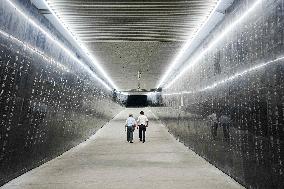
Hideo Shimizu (C) identifies the crimes of the Japanese germ-warfare at the former site of Unit 731 in Harbin, northeast China's Heilongjiang Province, August 13, 2024. Shimizu, a former member of Unit 731, the notorious Japanese germ-warfare detachment during World War II, identified the crimes of the Japanese army on Tuesday at the site where he served 79 years ago in China. Shimizu, 94, was among the last batch of Unit 731 Youth Corps members sent by Japan to Harbin, China, where he spent more than four months witnessing the war crimes committed by the unit, including the cultivation of pathogens, human dissections and human experiments. He fled China with the retreating Japanese forces on August 14, 1945. This visit is Shimizu's first return to Chinese soil in 79 years. Photo by Wang Jianwei/Xinhua/ABACAPRESS.COM

  •  
Japanese Veteran Visits China To Apologize - Harbin

Japanese Veteran Visits China To Apologize - Harbin

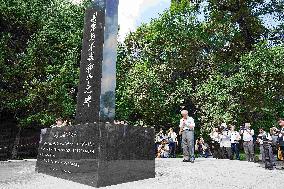
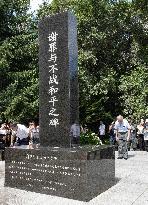
Hideo Shimizu (L) offers apology in front of an apology and anti-war monument at the former site of Unit 731 in Harbin, northeast China's Heilongjiang Province, August 13, 2024. Shimizu, a former member of Unit 731, the notorious Japanese germ-warfare detachment during World War II, identified the crimes of the Japanese army on Tuesday at the site where he served 79 years ago in China. Shimizu, 94, was among the last batch of Unit 731 Youth Corps members sent by Japan to Harbin, China, where he spent more than four months witnessing the war crimes committed by the unit, including the cultivation of pathogens, human dissections and human experiments. He fled China with the retreating Japanese forces on August 14, 1945. This visit is Shimizu's first return to Chinese soil in 79 years. Photo by Wang Song/Xinhua/ABACAPRESS.COM

  •  
Japanese Veteran Visits China To Apologize - Harbin

Japanese Veteran Visits China To Apologize - Harbin

Hideo Shimizu (C) identifies the crimes of the Japanese germ-warfare at the former site of Unit 731 in Harbin, northeast China's Heilongjiang Province, August 13, 2024. Shimizu, a former member of Unit 731, the notorious Japanese germ-warfare detachment during World War II, identified the crimes of the Japanese army on Tuesday at the site where he served 79 years ago in China. Shimizu, 94, was among the last batch of Unit 731 Youth Corps members sent by Japan to Harbin, China, where he spent more than four months witnessing the war crimes committed by the unit, including the cultivation of pathogens, human dissections and human experiments. He fled China with the retreating Japanese forces on August 14, 1945. This visit is Shimizu's first return to Chinese soil in 79 years. Photo by Wang Jianwei/Xinhua/ABACAPRESS.COM

  •  
Japanese Veteran Visits China To Apologize - Harbin

Japanese Veteran Visits China To Apologize - Harbin

Hideo Shimizu identifies the crimes of the Japanese germ-warfare at the former site of Unit 731 in Harbin, northeast China's Heilongjiang Province, August 13, 2024. Shimizu, a former member of Unit 731, the notorious Japanese germ-warfare detachment during World War II, identified the crimes of the Japanese army on Tuesday at the site where he served 79 years ago in China. Shimizu, 94, was among the last batch of Unit 731 Youth Corps members sent by Japan to Harbin, China, where he spent more than four months witnessing the war crimes committed by the unit, including the cultivation of pathogens, human dissections and human experiments. He fled China with the retreating Japanese forces on August 14, 1945. This visit is Shimizu's first return to Chinese soil in 79 years. Photo by Wang Song/Xinhua/ABACAPRESS.COM

  •  
Japanese Veteran Visits China To Apologize - Harbin

Japanese Veteran Visits China To Apologize - Harbin

Hideo Shimizu (C) identifies the crimes of the Japanese germ-warfare at the former site of Unit 731 in Harbin, northeast China's Heilongjiang Province, August 13, 2024. Shimizu, a former member of Unit 731, the notorious Japanese germ-warfare detachment during World War II, identified the crimes of the Japanese army on Tuesday at the site where he served 79 years ago in China. Shimizu, 94, was among the last batch of Unit 731 Youth Corps members sent by Japan to Harbin, China, where he spent more than four months witnessing the war crimes committed by the unit, including the cultivation of pathogens, human dissections and human experiments. He fled China with the retreating Japanese forces on August 14, 1945. This visit is Shimizu's first return to Chinese soil in 79 years. Photo by Xie Jianfei/Xinhua/ABACAPRESS.COM

  •  
Japanese Veteran Visits China To Apologize - Harbin

Japanese Veteran Visits China To Apologize - Harbin

Hideo Shimizu offers apology in front of an apology and anti-war monument at the former site of Unit 731 in Harbin, northeast China's Heilongjiang Province, August 13, 2024. Shimizu, a former member of Unit 731, the notorious Japanese germ-warfare detachment during World War II, identified the crimes of the Japanese army on Tuesday at the site where he served 79 years ago in China. Shimizu, 94, was among the last batch of Unit 731 Youth Corps members sent by Japan to Harbin, China, where he spent more than four months witnessing the war crimes committed by the unit, including the cultivation of pathogens, human dissections and human experiments. He fled China with the retreating Japanese forces on August 14, 1945. This visit is Shimizu's first return to Chinese soil in 79 years. Photo by Wang Song/Xinhua/ABACAPRESS.COM

  •  
Japanese Veteran Visits China To Apologize - Harbin

Japanese Veteran Visits China To Apologize - Harbin

Hideo Shimizu offers apology in front of an apology and anti-war monument at the former site of Unit 731 in Harbin, northeast China's Heilongjiang Province, August 13, 2024. Shimizu, a former member of Unit 731, the notorious Japanese germ-warfare detachment during World War II, identified the crimes of the Japanese army on Tuesday at the site where he served 79 years ago in China. Shimizu, 94, was among the last batch of Unit 731 Youth Corps members sent by Japan to Harbin, China, where he spent more than four months witnessing the war crimes committed by the unit, including the cultivation of pathogens, human dissections and human experiments. He fled China with the retreating Japanese forces on August 14, 1945. This visit is Shimizu's first return to Chinese soil in 79 years. Photo by Wang Song/Xinhua/ABACAPRESS.COM

  •  
Japanese Veteran Visits China To Apologize - Harbin

Japanese Veteran Visits China To Apologize - Harbin

Hideo Shimizu (2nd R) takes pictures at the former site of Unit 731 in Harbin, northeast China's Heilongjiang Province, August 13, 2024. Shimizu, a former member of Unit 731, the notorious Japanese germ-warfare detachment during World War II, identified the crimes of the Japanese army on Tuesday at the site where he served 79 years ago in China. Shimizu, 94, was among the last batch of Unit 731 Youth Corps members sent by Japan to Harbin, China, where he spent more than four months witnessing the war crimes committed by the unit, including the cultivation of pathogens, human dissections and human experiments. He fled China with the retreating Japanese forces on August 14, 1945. This visit is Shimizu's first return to Chinese soil in 79 years. Photo by Xie Jianfei/Xinhua/ABACAPRESS.COM

  •  
Japanese Veteran Visits China To Apologize - Harbin

Japanese Veteran Visits China To Apologize - Harbin

Hideo Shimizu offers apology in front of an apology and anti-war monument at the former site of Unit 731 in Harbin, northeast China's Heilongjiang Province, August 13, 2024. Shimizu, a former member of Unit 731, the notorious Japanese germ-warfare detachment during World War II, identified the crimes of the Japanese army on Tuesday at the site where he served 79 years ago in China. Shimizu, 94, was among the last batch of Unit 731 Youth Corps members sent by Japan to Harbin, China, where he spent more than four months witnessing the war crimes committed by the unit, including the cultivation of pathogens, human dissections and human experiments. He fled China with the retreating Japanese forces on August 14, 1945. This visit is Shimizu's first return to Chinese soil in 79 years. Photo by Wang Jianwei/Xinhua/ABACAPRESS.COM

  •  
Japanese Veteran Visits China To Apologize - Harbin

Japanese Veteran Visits China To Apologize - Harbin

Hideo Shimizu offers apology in front of an apology and anti-war monument at the former site of Unit 731 in Harbin, northeast China's Heilongjiang Province, August 13, 2024. Shimizu, a former member of Unit 731, the notorious Japanese germ-warfare detachment during World War II, identified the crimes of the Japanese army on Tuesday at the site where he served 79 years ago in China. Shimizu, 94, was among the last batch of Unit 731 Youth Corps members sent by Japan to Harbin, China, where he spent more than four months witnessing the war crimes committed by the unit, including the cultivation of pathogens, human dissections and human experiments. He fled China with the retreating Japanese forces on August 14, 1945. This visit is Shimizu's first return to Chinese soil in 79 years. Photo by Xie Jianfei/Xinhua/ABACAPRESS.COM

  •  
Japanese Veteran Visits China To Apologize - Harbin

Japanese Veteran Visits China To Apologize - Harbin

Hideo Shimizu offers apology in front of an apology and anti-war monument at the former site of Unit 731 in Harbin, northeast China's Heilongjiang Province, August 13, 2024. Shimizu, a former member of Unit 731, the notorious Japanese germ-warfare detachment during World War II, identified the crimes of the Japanese army on Tuesday at the site where he served 79 years ago in China. Shimizu, 94, was among the last batch of Unit 731 Youth Corps members sent by Japan to Harbin, China, where he spent more than four months witnessing the war crimes committed by the unit, including the cultivation of pathogens, human dissections and human experiments. He fled China with the retreating Japanese forces on August 14, 1945. This visit is Shimizu's first return to Chinese soil in 79 years. Photo by Wang Song/Xinhua/ABACAPRESS.COM

  •  
Japanese Veteran Visits China To Apologize - Harbin

Japanese Veteran Visits China To Apologize - Harbin

Hideo Shimizu (2nd L, front) puts his palms together as he identifies the crimes of the Japanese germ-warfare at the former site of Unit 731 in Harbin, northeast China's Heilongjiang Province, August 13, 2024. Shimizu, a former member of Unit 731, the notorious Japanese germ-warfare detachment during World War II, identified the crimes of the Japanese army on Tuesday at the site where he served 79 years ago in China. Shimizu, 94, was among the last batch of Unit 731 Youth Corps members sent by Japan to Harbin, China, where he spent more than four months witnessing the war crimes committed by the unit, including the cultivation of pathogens, human dissections and human experiments. He fled China with the retreating Japanese forces on August 14, 1945. This visit is Shimizu's first return to Chinese soil in 79 years. Photo by Xie Jianfei/Xinhua/ABACAPRESS.COM

  •  
Japanese Veteran Visits China To Apologize - Harbin

Japanese Veteran Visits China To Apologize - Harbin

Hideo Shimizu offers apology in front of an apology and anti-war monument at the former site of Unit 731 in Harbin, northeast China's Heilongjiang Province, August 13, 2024. Shimizu, a former member of Unit 731, the notorious Japanese germ-warfare detachment during World War II, identified the crimes of the Japanese army on Tuesday at the site where he served 79 years ago in China. Shimizu, 94, was among the last batch of Unit 731 Youth Corps members sent by Japan to Harbin, China, where he spent more than four months witnessing the war crimes committed by the unit, including the cultivation of pathogens, human dissections and human experiments. He fled China with the retreating Japanese forces on August 14, 1945. This visit is Shimizu's first return to Chinese soil in 79 years. Photo by Wang Jianwei/Xinhua/ABACAPRESS.COM

  •  
JAPAN-TOKYO-BONES RELATED TO WAR-MEETING

JAPAN-TOKYO-BONES RELATED TO WAR-MEETING

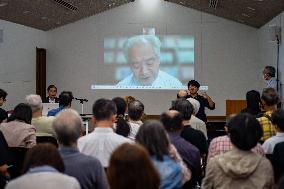
(240722) -- TOKYO, July 22, 2024 Photo by Xinhua/ABACAPRESS.COM) -- Hideo Shimizu, a former Unit 731 Youth Corps member, attends a meeting via video link marking the 35th anniversary of the discovery of human bones from a Japanese army medical school, in Tokyo, Japan, July 20, 2024. The gathering was organized by the Association Demanding Investigation on Human Bones Discovered from the Site of the Army Medical College. TO GO WITH "Feature: Truth awaits for 'bones related to war'" Photo by Xinhua/ABACAPRESS.COM/Zhang Xiaoyu)

  •  
XINHUA PHOTOS OF THE DAY

XINHUA PHOTOS OF THE DAY

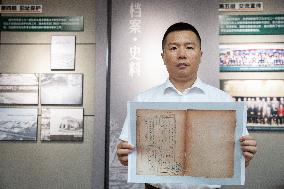
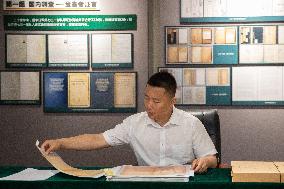
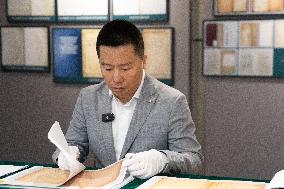
(240708) -- BEIJING, July 8, 2024 Photo by Xinhua/ABACAPRESS.COM) -- Jin Shicheng, a researcher with the Exhibition Hall of Evidences of Crime Committed by Unit 731 of the Japanese Imperial Army, arranges a photocopy of Japanese military personnel registration forms detailing their work in Unit 731, a Japanese germ-warfare unit during World War II, in Harbin, northeast China's Heilongjiang Province, July 5, 2024. A total of 177 pages of Japanese military personnel registration forms detailing their work in Unit 731, a Japanese germ-warfare unit during World War II, were made public in Harbin on Saturday. Photo by Xinhua/ABACAPRESS.COM/Zhang Tao)

  •  
CHINA-HEILONGJIANG-HARBIN-NEW EVIDENCE-JAPANESE GERM-WARFARE UNIT (CN)

CHINA-HEILONGJIANG-HARBIN-NEW EVIDENCE-JAPANESE GERM-WARFARE UNIT (CN)

(240707) -- HARBIN, July 7, 2024 Photo by Xinhua/ABACAPRESS.COM) -- Jin Shicheng, a researcher with the Exhibition Hall of Evidences of Crime Committed by Unit 731 of the Japanese Imperial Army, displays a photocopy of Japanese military personnel registration forms detailing their work in Unit 731, a Japanese germ-warfare unit during World War II, in Harbin, northeast China's Heilongjiang Province, July 5, 2024. A total of 177 pages of Japanese military personnel registration forms detailing their work in Unit 731, a Japanese germ-warfare unit during World War II, were made public in Harbin, the capital of northeast China's Heilongjiang Province, on Saturday. TO GO WITH "Across China: New evidence of historical Japanese germ-warfare unit unveiled" Photo by Xinhua/ABACAPRESS.COM/Zhang Tao)

  •  
CHINA-HEILONGJIANG-HARBIN-NEW EVIDENCE-JAPANESE GERM-WARFARE UNIT (CN)

CHINA-HEILONGJIANG-HARBIN-NEW EVIDENCE-JAPANESE GERM-WARFARE UNIT (CN)

(240707) -- HARBIN, July 7, 2024 Photo by Xinhua/ABACAPRESS.COM) -- This photo taken on July 5, 2024 shows a photocopy of Japanese military personnel registration forms detailing their work in Unit 731, a Japanese germ-warfare unit during World War II, at the Exhibition Hall of Evidences of Crime Committed by Unit 731 of the Japanese Imperial Army in Harbin, northeast China's Heilongjiang Province. A total of 177 pages of Japanese military personnel registration forms detailing their work in Unit 731, a Japanese germ-warfare unit during World War II, were made public in Harbin, the capital of northeast China's Heilongjiang Province, on Saturday. TO GO WITH "Across China: New evidence of historical Japanese germ-warfare unit unveiled" Photo by Xinhua/ABACAPRESS.COM/Zhang Tao)

  •  
CHINA-HEILONGJIANG-HARBIN-NEW EVIDENCE-JAPANESE GERM-WARFARE UNIT (CN)

CHINA-HEILONGJIANG-HARBIN-NEW EVIDENCE-JAPANESE GERM-WARFARE UNIT (CN)

(240707) -- HARBIN, July 7, 2024 Photo by Xinhua/ABACAPRESS.COM) -- Jin Shicheng, a researcher with the Exhibition Hall of Evidences of Crime Committed by Unit 731 of the Japanese Imperial Army, arranges a photocopy of Japanese military personnel registration forms detailing their work in Unit 731, a Japanese germ-warfare unit during World War II, in Harbin, northeast China's Heilongjiang Province, July 5, 2024. A total of 177 pages of Japanese military personnel registration forms detailing their work in Unit 731, a Japanese germ-warfare unit during World War II, were made public in Harbin, the capital of northeast China's Heilongjiang Province, on Saturday. TO GO WITH "Across China: New evidence of historical Japanese germ-warfare unit unveiled" Photo by Xinhua/ABACAPRESS.COM/Zhang Tao)

  •  
CHINA-HEILONGJIANG-HARBIN-NEW EVIDENCE-JAPANESE GERM-WARFARE UNIT (CN)

CHINA-HEILONGJIANG-HARBIN-NEW EVIDENCE-JAPANESE GERM-WARFARE UNIT (CN)

(240707) -- HARBIN, July 7, 2024 Photo by Xinhua/ABACAPRESS.COM) -- Jin Shicheng, a researcher with the Exhibition Hall of Evidences of Crime Committed by Unit 731 of the Japanese Imperial Army, arranges a photocopy of Japanese military personnel registration forms detailing their work in Unit 731, a Japanese germ-warfare unit during World War II, in Harbin, northeast China's Heilongjiang Province, July 5, 2024. A total of 177 pages of Japanese military personnel registration forms detailing their work in Unit 731, a Japanese germ-warfare unit during World War II, were made public in Harbin, the capital of northeast China's Heilongjiang Province, on Saturday. TO GO WITH "Across China: New evidence of historical Japanese germ-warfare unit unveiled" Photo by Xinhua/ABACAPRESS.COM/Zhang Tao)

  •  
CHINA-HEILONGJIANG-HARBIN-NEW EVIDENCE-JAPANESE GERM-WARFARE UNIT (CN)

CHINA-HEILONGJIANG-HARBIN-NEW EVIDENCE-JAPANESE GERM-WARFARE UNIT (CN)

(240707) -- HARBIN, July 7, 2024 Photo by Xinhua/ABACAPRESS.COM) -- This photo taken on July 5, 2024 shows a photocopy of Japanese military personnel registration forms detailing their work in Unit 731, a Japanese germ-warfare unit during World War II, at the Exhibition Hall of Evidences of Crime Committed by Unit 731 of the Japanese Imperial Army in Harbin, northeast China's Heilongjiang Province. A total of 177 pages of Japanese military personnel registration forms detailing their work in Unit 731, a Japanese germ-warfare unit during World War II, were made public in Harbin, the capital of northeast China's Heilongjiang Province, on Saturday. TO GO WITH "Across China: New evidence of historical Japanese germ-warfare unit unveiled" Photo by Xinhua/ABACAPRESS.COM/Zhang Tao)

  •  
XINHUA PHOTOS OF THE DAY

XINHUA PHOTOS OF THE DAY

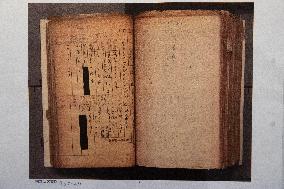
(240505) -- BEIJING, May 5, 2024 (Xinhua) -- This photo taken on May 4, 2024 shows the copy of a page from a document containing detailed information about military personnel from Unit 731, a Japanese germ warfare unit during World War II, at the Exhibition Hall of Evidences of Crime Committed by Unit 731 of the Japanese Imperial Army in Harbin, capital of northeast China's Heilongjiang Province. The document was unveiled for the first time here on Saturday. (Xinhua/Zhang Tao)

  •  
CHINA-HEILONGJIANG-HARBIN-JAPANESE GERM WARFARE UNIT-NEW EVIDENCE (CN)

CHINA-HEILONGJIANG-HARBIN-JAPANESE GERM WARFARE UNIT-NEW EVIDENCE (CN)

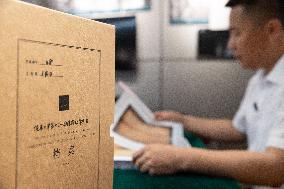
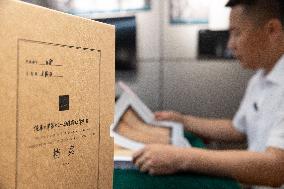
(240504) -- HARBIN, May 4, 2024 (Xinhua) -- A researcher displays the copy of a document containing detailed information about military personnel from Unit 731, a Japanese germ warfare unit during World War II, at the Exhibition Hall of Evidences of Crime Committed by Unit 731 of the Japanese Imperial Army in Harbin, capital of northeast China's Heilongjiang Province, on April 29, 2024. The document was unveiled for the first time here on Saturday. The 69-page document contains personnel files of 52 members of the unit, including names, places of origin, posts at the end of the war, units to which they belonged, resumes and medical treatment received during their detention in Siberia after the end of the war. It offers new evidence for the study of the formation, personnel flow, war crimes and liabilities of Unit 731, said Jin Shicheng, a researcher with the Exhibition Hall of Evidences of Crime Committed by Unit 731 of the Japanese Imperial Army. TO GO WITH "New evidence further proves crimes of Japanese

  •  
CHINA-HEILONGJIANG-HARBIN-JAPANESE GERM WARFARE UNIT-NEW EVIDENCE (CN)

CHINA-HEILONGJIANG-HARBIN-JAPANESE GERM WARFARE UNIT-NEW EVIDENCE (CN)

(240504) -- HARBIN, May 4, 2024 (Xinhua) -- This photo taken on May 4, 2024 shows the copy of a page from a document containing detailed information about military personnel from Unit 731, a Japanese germ warfare unit during World War II, at the Exhibition Hall of Evidences of Crime Committed by Unit 731 of the Japanese Imperial Army in Harbin, capital of northeast China's Heilongjiang Province. The document was unveiled for the first time here on Saturday. The 69-page document contains personnel files of 52 members of the unit, including names, places of origin, posts at the end of the war, units to which they belonged, resumes and medical treatment received during their detention in Siberia after the end of the war. It offers new evidence for the study of the formation, personnel flow, war crimes and liabilities of Unit 731, said Jin Shicheng, a researcher with the Exhibition Hall of Evidences of Crime Committed by Unit 731 of the Japanese Imperial Army. TO GO WITH "New evidence further proves crimes of

  •  
CHINA-HEILONGJIANG-HARBIN-JAPANESE GERM WARFARE UNIT-NEW EVIDENCE (CN)

CHINA-HEILONGJIANG-HARBIN-JAPANESE GERM WARFARE UNIT-NEW EVIDENCE (CN)

(240504) -- HARBIN, May 4, 2024 (Xinhua) -- This photo taken on May 4, 2024 shows the copy of a page from a document containing detailed information about military personnel from Unit 731, a Japanese germ warfare unit during World War II, at the Exhibition Hall of Evidences of Crime Committed by Unit 731 of the Japanese Imperial Army in Harbin, capital of northeast China's Heilongjiang Province. The document was unveiled for the first time here on Saturday. The 69-page document contains personnel files of 52 members of the unit, including names, places of origin, posts at the end of the war, units to which they belonged, resumes and medical treatment received during their detention in Siberia after the end of the war. It offers new evidence for the study of the formation, personnel flow, war crimes and liabilities of Unit 731, said Jin Shicheng, a researcher with the Exhibition Hall of Evidences of Crime Committed by Unit 731 of the Japanese Imperial Army. TO GO WITH "New evidence further proves crimes of

  •  
CHINA-HEILONGJIANG-HARBIN-JAPANESE GERM WARFARE UNIT-NEW EVIDENCE (CN)

CHINA-HEILONGJIANG-HARBIN-JAPANESE GERM WARFARE UNIT-NEW EVIDENCE (CN)

(240504) -- HARBIN, May 4, 2024 (Xinhua) -- This photo taken on May 4, 2024 shows the copy of a page from a document containing detailed information about military personnel from Unit 731, a Japanese germ warfare unit during World War II, at the Exhibition Hall of Evidences of Crime Committed by Unit 731 of the Japanese Imperial Army in Harbin, capital of northeast China's Heilongjiang Province. The document was unveiled for the first time here on Saturday. The 69-page document contains personnel files of 52 members of the unit, including names, places of origin, posts at the end of the war, units to which they belonged, resumes and medical treatment received during their detention in Siberia after the end of the war. It offers new evidence for the study of the formation, personnel flow, war crimes and liabilities of Unit 731, said Jin Shicheng, a researcher with the Exhibition Hall of Evidences of Crime Committed by Unit 731 of the Japanese Imperial Army. TO GO WITH "New evidence further proves crimes of

  •  
CHINA-HEILONGJIANG-HARBIN-JAPANESE GERM WARFARE UNIT-NEW EVIDENCE (CN)

CHINA-HEILONGJIANG-HARBIN-JAPANESE GERM WARFARE UNIT-NEW EVIDENCE (CN)

(240504) -- HARBIN, May 4, 2024 (Xinhua) -- This photo taken on May 4, 2024 shows the copy of a page from a document containing detailed information about military personnel from Unit 731, a Japanese germ warfare unit during World War II, at the Exhibition Hall of Evidences of Crime Committed by Unit 731 of the Japanese Imperial Army in Harbin, capital of northeast China's Heilongjiang Province. The document was unveiled for the first time here on Saturday. The 69-page document contains personnel files of 52 members of the unit, including names, places of origin, posts at the end of the war, units to which they belonged, resumes and medical treatment received during their detention in Siberia after the end of the war. It offers new evidence for the study of the formation, personnel flow, war crimes and liabilities of Unit 731, said Jin Shicheng, a researcher with the Exhibition Hall of Evidences of Crime Committed by Unit 731 of the Japanese Imperial Army. TO GO WITH "New evidence further proves crimes of

  •  
CHINA-HEILONGJIANG-HARBIN-JAPANESE GERM WARFARE UNIT-NEW EVIDENCE (CN)

CHINA-HEILONGJIANG-HARBIN-JAPANESE GERM WARFARE UNIT-NEW EVIDENCE (CN)

(240504) -- HARBIN, May 4, 2024 (Xinhua) -- This photo taken on May 4, 2024 shows the copy of a page from a document containing detailed information about military personnel from Unit 731, a Japanese germ warfare unit during World War II, at the Exhibition Hall of Evidences of Crime Committed by Unit 731 of the Japanese Imperial Army in Harbin, capital of northeast China's Heilongjiang Province. The document was unveiled for the first time here on Saturday. The 69-page document contains personnel files of 52 members of the unit, including names, places of origin, posts at the end of the war, units to which they belonged, resumes and medical treatment received during their detention in Siberia after the end of the war. It offers new evidence for the study of the formation, personnel flow, war crimes and liabilities of Unit 731, said Jin Shicheng, a researcher with the Exhibition Hall of Evidences of Crime Committed by Unit 731 of the Japanese Imperial Army. TO GO WITH "New evidence further proves crimes of

  •  
CHINA-HEILONGJIANG-HARBIN-JAPANESE GERM WARFARE UNIT-NEW EVIDENCE (CN)

CHINA-HEILONGJIANG-HARBIN-JAPANESE GERM WARFARE UNIT-NEW EVIDENCE (CN)

(240504) -- HARBIN, May 4, 2024 (Xinhua) -- A researcher organizes the copy of a document containing detailed information about military personnel from Unit 731, a Japanese germ warfare unit during World War II, at the Exhibition Hall of Evidences of Crime Committed by Unit 731 of the Japanese Imperial Army in Harbin, capital of northeast China's Heilongjiang Province, on April 29, 2024. The document was unveiled for the first time here on Saturday. The 69-page document contains personnel files of 52 members of the unit, including names, places of origin, posts at the end of the war, units to which they belonged, resumes and medical treatment received during their detention in Siberia after the end of the war. It offers new evidence for the study of the formation, personnel flow, war crimes and liabilities of Unit 731, said Jin Shicheng, a researcher with the Exhibition Hall of Evidences of Crime Committed by Unit 731 of the Japanese Imperial Army. TO GO WITH "New evidence further proves crimes of Japanes

  • Main
  • Top
  • Editorial
  • Creative
  • About Us
  • About ILG
  • Terms of use
  • Company
  • BEHIND
  • Price List
  • Single Plan
  • Monthly Plan
  • Services
  • Shooting
  • Rights Clearance
  • Support
  • FAQ
  • How To Buy
  • Contact Us
  • Become a Partner

© KYODO NEWS IMAGES INC

All Rights Reserved.

  • Editorial
  • Olympics
  • News
  • Sports
  • Japan
  • Tech
  • Royal
  • Disaster
  • NorthKorea
  • Old Japan
  • SNS
  • Creative
  • Food
  • Japan
  • Landscape
  • Animal
  • Popular
  • #Ukraine
  • #Thailand
  • #coronavirus
  • #N. Korea
  • #Russia
  • #China
  • #Ukraine
  • #Thailand
  • #coronavirus
  • #N. Korea
  • #Russia
  • #China
  • Food
  • Japan
  • Landscape
  • Animal
  • Olympics
  • News
  • Sports
  • Japan
  • Tech
  • Royal
  • Disaster
  • NorthKorea
  • Old Japan
  • SNS