•  

China: Heavy Downpour Floods Streets in Hebei

A sudden downpour hit Hebei on July 22, transforming streets into dangerous waterways and leaving cars nearly submerged.

  •  
Hand-Made Wooden Boats at A Traditional Market - Bangladesh

Hand-Made Wooden Boats at A Traditional Market - Bangladesh

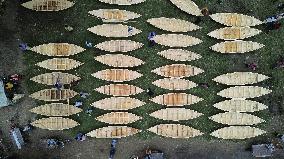
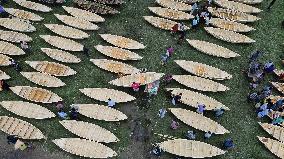
An aerial drone photo taken on August 20, 2025 shows a local hand-made wooden boat market in Manikganj, Bangladesh. Waterways play a vital role in communications in Bangladesh, where traditional country boats and small vessels continue to offer affordable and convenient transport. Photo by Habibur Rahman/Xinhua/ABACAPRESS.COM

  •  
Hand-Made Wooden Boats at A Traditional Market - Bangladesh

Hand-Made Wooden Boats at A Traditional Market - Bangladesh

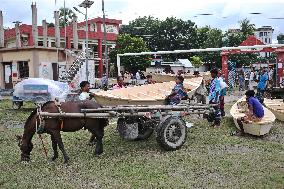
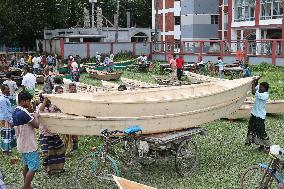
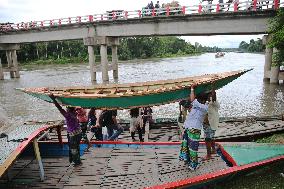
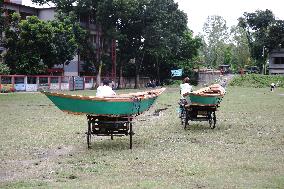
People transport a hand-made wooden boat in Manikganj, Bangladesh, on August 20, 2025. Waterways play a vital role in communications in Bangladesh, where traditional country boats and small vessels continue to offer affordable and convenient transport. Photo by Habibur Rahman/Xinhua/ABACAPRESS.COM

  •  
Hand-Made Wooden Boats at A Traditional Market - Bangladesh

Hand-Made Wooden Boats at A Traditional Market - Bangladesh

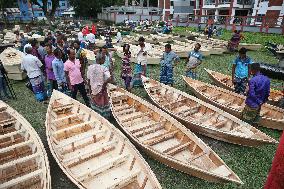
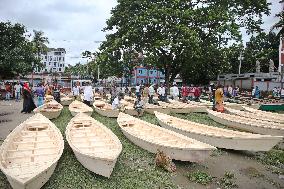
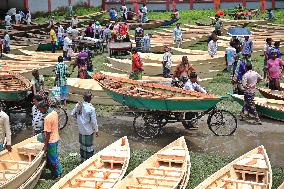
People shop for hand-made wooden boats at a traditional market in Manikganj, Bangladesh, on August 20, 2025. Waterways play a vital role in communications in Bangladesh, where traditional country boats and small vessels continue to offer affordable and convenient transport. Photo by Habibur Rahman/Xinhua/ABACAPRESS.COM

  •  
Hand-Made Wooden Boats at A Traditional Market - Bangladesh

Hand-Made Wooden Boats at A Traditional Market - Bangladesh

People shop for hand-made wooden boats at a traditional market in Manikganj, Bangladesh, on August 20, 2025. Waterways play a vital role in communications in Bangladesh, where traditional country boats and small vessels continue to offer affordable and convenient transport. Photo by Habibur Rahman/Xinhua/ABACAPRESS.COM

  •  
Hand-Made Wooden Boats at A Traditional Market - Bangladesh

Hand-Made Wooden Boats at A Traditional Market - Bangladesh

People shop for hand-made wooden boats at a traditional market in Manikganj, Bangladesh, on August 20, 2025. Waterways play a vital role in communications in Bangladesh, where traditional country boats and small vessels continue to offer affordable and convenient transport. Photo by Habibur Rahman/Xinhua/ABACAPRESS.COM

  •  
Hand-Made Wooden Boats at A Traditional Market - Bangladesh

Hand-Made Wooden Boats at A Traditional Market - Bangladesh

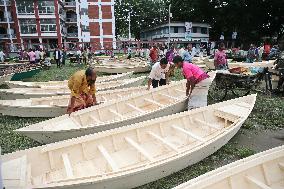
People transport hand-made wooden boats at a traditional market in Manikganj, Bangladesh, on August 20, 2025. Waterways play a vital role in communications in Bangladesh, where traditional country boats and small vessels continue to offer affordable and convenient transport. Photo by Habibur Rahman/Xinhua/ABACAPRESS.COM

  •  
Hand-Made Wooden Boats at A Traditional Market - Bangladesh

Hand-Made Wooden Boats at A Traditional Market - Bangladesh

An aerial drone photo taken on August 20, 2025 shows a local hand-made wooden boat market in Manikganj, Bangladesh. Waterways play a vital role in communications in Bangladesh, where traditional country boats and small vessels continue to offer affordable and convenient transport. Photo by Habibur Rahman/Xinhua/ABACAPRESS.COM

  •  
Hand-Made Wooden Boats at A Traditional Market - Bangladesh

Hand-Made Wooden Boats at A Traditional Market - Bangladesh

People transport a hand-made wooden boat in Manikganj, Bangladesh, on August 20, 2025. Waterways play a vital role in communications in Bangladesh, where traditional country boats and small vessels continue to offer affordable and convenient transport. Photo by Habibur Rahman/Xinhua/ABACAPRESS.COM

  •  
Hand-Made Wooden Boats at A Traditional Market - Bangladesh

Hand-Made Wooden Boats at A Traditional Market - Bangladesh

People shop for hand-made wooden boats at a traditional market in Manikganj, Bangladesh, on August 20, 2025. Waterways play a vital role in communications in Bangladesh, where traditional country boats and small vessels continue to offer affordable and convenient transport. Photo by Habibur Rahman/Xinhua/ABACAPRESS.COM

  •  
Hand-Made Wooden Boats at A Traditional Market - Bangladesh

Hand-Made Wooden Boats at A Traditional Market - Bangladesh

People transport hand-made wooden boats in Manikganj, Bangladesh, on August 20, 2025. Waterways play a vital role in communications in Bangladesh, where traditional country boats and small vessels continue to offer affordable and convenient transport. Photo by Habibur Rahman/Xinhua/ABACAPRESS.COM

  •  

China: Torrential Downpour Triggers Flash Flood in Nanning’s Xixiangtang District

This video captures the tense moment when residents of Xixiangtang District in Nanning were caught in a flash flood, as torrential rain turned city streets into raging waterways. In the footage, water surges past car tires, reaches curb height, and forces pedestrians to wade through knee‑deep currents. Rainfall was expected to exceed 50 millimeters within 12 hours, and government authorities had been preparing for the storm in accordance with their responsibilities.

  •  
Floating Plum Market - Bangladesh

Floating Plum Market - Bangladesh

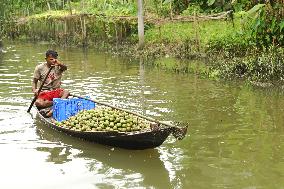
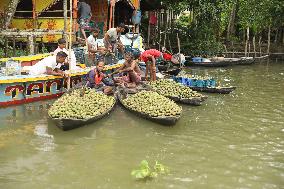
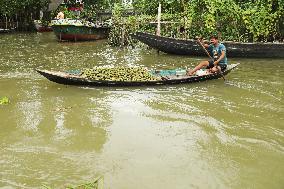
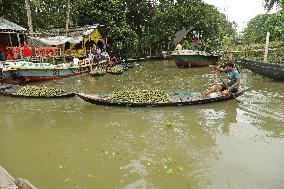
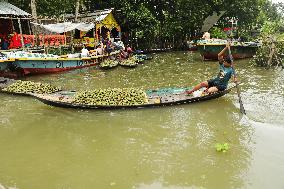
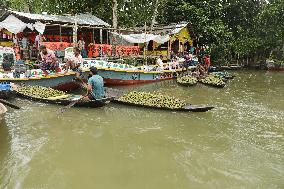
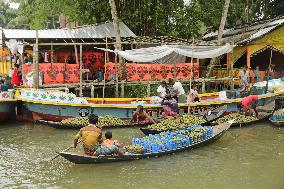
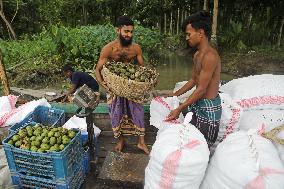
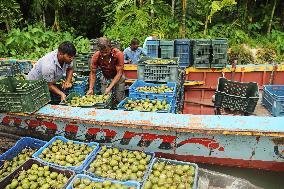
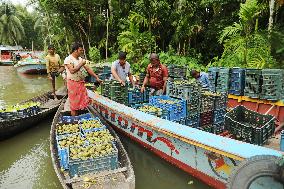
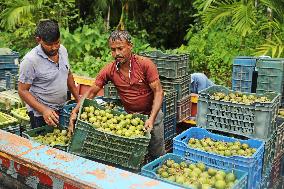
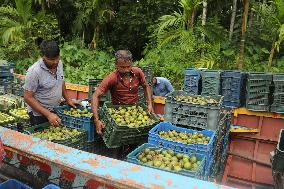
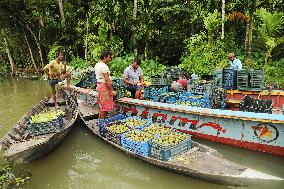
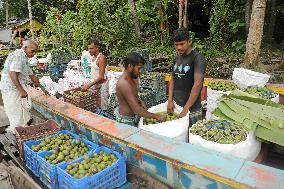
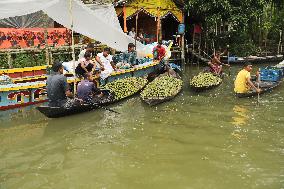
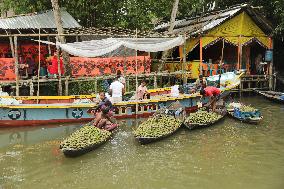
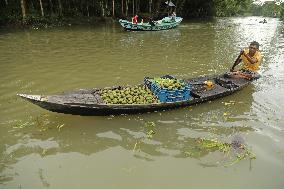
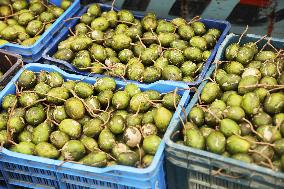
The hog plum market in Jhalakathi is thriving at the start of the season, with fresh fruit filling both waterways and land markets. Known nationwide as Barishal’s hog plum, Jhalakathi is now the primary supplier. Farmers say that as guava season ends, the hog plum market picks up, especially in villages like Bhimruli, where floating markets are popular. Wholesale prices range from Tk 800 to 1,200 per maund, with rates expected to rise, making farmers optimistic. Due to low production costs, hog plum cultivation is increasing. Traders note that Jhalakathi's hog plums are larger and sweeter than those from other regions. On september 15, 2024 in Jhalakathi, Borishal, Bangladesh. Photo by Habibur Rahman/ABACAPRESS.COM

  •  
Floating Plum Market - Bangladesh

Floating Plum Market - Bangladesh

The hog plum market in Jhalakathi is thriving at the start of the season, with fresh fruit filling both waterways and land markets. Known nationwide as Barishal’s hog plum, Jhalakathi is now the primary supplier. Farmers say that as guava season ends, the hog plum market picks up, especially in villages like Bhimruli, where floating markets are popular. Wholesale prices range from Tk 800 to 1,200 per maund, with rates expected to rise, making farmers optimistic. Due to low production costs, hog plum cultivation is increasing. Traders note that Jhalakathi's hog plums are larger and sweeter than those from other regions. On september 15, 2024 in Jhalakathi, Borishal, Bangladesh. Photo by Habibur Rahman/ABACAPRESS.COM

  •  
Floating Plum Market - Bangladesh

Floating Plum Market - Bangladesh

The hog plum market in Jhalakathi is thriving at the start of the season, with fresh fruit filling both waterways and land markets. Known nationwide as Barishal’s hog plum, Jhalakathi is now the primary supplier. Farmers say that as guava season ends, the hog plum market picks up, especially in villages like Bhimruli, where floating markets are popular. Wholesale prices range from Tk 800 to 1,200 per maund, with rates expected to rise, making farmers optimistic. Due to low production costs, hog plum cultivation is increasing. Traders note that Jhalakathi's hog plums are larger and sweeter than those from other regions. On september 15, 2024 in Jhalakathi, Borishal, Bangladesh. Photo by Habibur Rahman/ABACAPRESS.COM

  •  
Floating Plum Market - Bangladesh

Floating Plum Market - Bangladesh

The hog plum market in Jhalakathi is thriving at the start of the season, with fresh fruit filling both waterways and land markets. Known nationwide as Barishal’s hog plum, Jhalakathi is now the primary supplier. Farmers say that as guava season ends, the hog plum market picks up, especially in villages like Bhimruli, where floating markets are popular. Wholesale prices range from Tk 800 to 1,200 per maund, with rates expected to rise, making farmers optimistic. Due to low production costs, hog plum cultivation is increasing. Traders note that Jhalakathi's hog plums are larger and sweeter than those from other regions. On september 15, 2024 in Jhalakathi, Borishal, Bangladesh. Photo by Habibur Rahman/ABACAPRESS.COM

  •  
Floating Plum Market - Bangladesh

Floating Plum Market - Bangladesh

The hog plum market in Jhalakathi is thriving at the start of the season, with fresh fruit filling both waterways and land markets. Known nationwide as Barishal’s hog plum, Jhalakathi is now the primary supplier. Farmers say that as guava season ends, the hog plum market picks up, especially in villages like Bhimruli, where floating markets are popular. Wholesale prices range from Tk 800 to 1,200 per maund, with rates expected to rise, making farmers optimistic. Due to low production costs, hog plum cultivation is increasing. Traders note that Jhalakathi's hog plums are larger and sweeter than those from other regions. On september 15, 2024 in Jhalakathi, Borishal, Bangladesh. Photo by Habibur Rahman/ABACAPRESS.COM

  •  
Floating Plum Market - Bangladesh

Floating Plum Market - Bangladesh

The hog plum market in Jhalakathi is thriving at the start of the season, with fresh fruit filling both waterways and land markets. Known nationwide as Barishal’s hog plum, Jhalakathi is now the primary supplier. Farmers say that as guava season ends, the hog plum market picks up, especially in villages like Bhimruli, where floating markets are popular. Wholesale prices range from Tk 800 to 1,200 per maund, with rates expected to rise, making farmers optimistic. Due to low production costs, hog plum cultivation is increasing. Traders note that Jhalakathi's hog plums are larger and sweeter than those from other regions. On september 15, 2024 in Jhalakathi, Borishal, Bangladesh. Photo by Habibur Rahman/ABACAPRESS.COM

  •  
Floating Plum Market - Bangladesh

Floating Plum Market - Bangladesh

The hog plum market in Jhalakathi is thriving at the start of the season, with fresh fruit filling both waterways and land markets. Known nationwide as Barishal’s hog plum, Jhalakathi is now the primary supplier. Farmers say that as guava season ends, the hog plum market picks up, especially in villages like Bhimruli, where floating markets are popular. Wholesale prices range from Tk 800 to 1,200 per maund, with rates expected to rise, making farmers optimistic. Due to low production costs, hog plum cultivation is increasing. Traders note that Jhalakathi's hog plums are larger and sweeter than those from other regions. On september 15, 2024 in Jhalakathi, Borishal, Bangladesh. Photo by Habibur Rahman/ABACAPRESS.COM

  •  
Floating Plum Market - Bangladesh

Floating Plum Market - Bangladesh

The hog plum market in Jhalakathi is thriving at the start of the season, with fresh fruit filling both waterways and land markets. Known nationwide as Barishal’s hog plum, Jhalakathi is now the primary supplier. Farmers say that as guava season ends, the hog plum market picks up, especially in villages like Bhimruli, where floating markets are popular. Wholesale prices range from Tk 800 to 1,200 per maund, with rates expected to rise, making farmers optimistic. Due to low production costs, hog plum cultivation is increasing. Traders note that Jhalakathi's hog plums are larger and sweeter than those from other regions. On september 15, 2024 in Jhalakathi, Borishal, Bangladesh. Photo by Habibur Rahman/ABACAPRESS.COM

  •  
Floating Plum Market - Bangladesh

Floating Plum Market - Bangladesh

The hog plum market in Jhalakathi is thriving at the start of the season, with fresh fruit filling both waterways and land markets. Known nationwide as Barishal’s hog plum, Jhalakathi is now the primary supplier. Farmers say that as guava season ends, the hog plum market picks up, especially in villages like Bhimruli, where floating markets are popular. Wholesale prices range from Tk 800 to 1,200 per maund, with rates expected to rise, making farmers optimistic. Due to low production costs, hog plum cultivation is increasing. Traders note that Jhalakathi's hog plums are larger and sweeter than those from other regions. On september 15, 2024 in Jhalakathi, Borishal, Bangladesh. Photo by Habibur Rahman/ABACAPRESS.COM

  •  
Floating Plum Market - Bangladesh

Floating Plum Market - Bangladesh

The hog plum market in Jhalakathi is thriving at the start of the season, with fresh fruit filling both waterways and land markets. Known nationwide as Barishal’s hog plum, Jhalakathi is now the primary supplier. Farmers say that as guava season ends, the hog plum market picks up, especially in villages like Bhimruli, where floating markets are popular. Wholesale prices range from Tk 800 to 1,200 per maund, with rates expected to rise, making farmers optimistic. Due to low production costs, hog plum cultivation is increasing. Traders note that Jhalakathi's hog plums are larger and sweeter than those from other regions. On september 15, 2024 in Jhalakathi, Borishal, Bangladesh. Photo by Habibur Rahman/ABACAPRESS.COM

  •  
Floating Plum Market - Bangladesh

Floating Plum Market - Bangladesh

The hog plum market in Jhalakathi is thriving at the start of the season, with fresh fruit filling both waterways and land markets. Known nationwide as Barishal’s hog plum, Jhalakathi is now the primary supplier. Farmers say that as guava season ends, the hog plum market picks up, especially in villages like Bhimruli, where floating markets are popular. Wholesale prices range from Tk 800 to 1,200 per maund, with rates expected to rise, making farmers optimistic. Due to low production costs, hog plum cultivation is increasing. Traders note that Jhalakathi's hog plums are larger and sweeter than those from other regions. On september 15, 2024 in Jhalakathi, Borishal, Bangladesh. Photo by Habibur Rahman/ABACAPRESS.COM

  •  
Floating Plum Market - Bangladesh

Floating Plum Market - Bangladesh

The hog plum market in Jhalakathi is thriving at the start of the season, with fresh fruit filling both waterways and land markets. Known nationwide as Barishal’s hog plum, Jhalakathi is now the primary supplier. Farmers say that as guava season ends, the hog plum market picks up, especially in villages like Bhimruli, where floating markets are popular. Wholesale prices range from Tk 800 to 1,200 per maund, with rates expected to rise, making farmers optimistic. Due to low production costs, hog plum cultivation is increasing. Traders note that Jhalakathi's hog plums are larger and sweeter than those from other regions. On september 15, 2024 in Jhalakathi, Borishal, Bangladesh. Photo by Habibur Rahman/ABACAPRESS.COM

  •  
Floating Plum Market - Bangladesh

Floating Plum Market - Bangladesh

The hog plum market in Jhalakathi is thriving at the start of the season, with fresh fruit filling both waterways and land markets. Known nationwide as Barishal’s hog plum, Jhalakathi is now the primary supplier. Farmers say that as guava season ends, the hog plum market picks up, especially in villages like Bhimruli, where floating markets are popular. Wholesale prices range from Tk 800 to 1,200 per maund, with rates expected to rise, making farmers optimistic. Due to low production costs, hog plum cultivation is increasing. Traders note that Jhalakathi's hog plums are larger and sweeter than those from other regions. On september 15, 2024 in Jhalakathi, Borishal, Bangladesh. Photo by Habibur Rahman/ABACAPRESS.COM

  •  
Floating Plum Market - Bangladesh

Floating Plum Market - Bangladesh

The hog plum market in Jhalakathi is thriving at the start of the season, with fresh fruit filling both waterways and land markets. Known nationwide as Barishal’s hog plum, Jhalakathi is now the primary supplier. Farmers say that as guava season ends, the hog plum market picks up, especially in villages like Bhimruli, where floating markets are popular. Wholesale prices range from Tk 800 to 1,200 per maund, with rates expected to rise, making farmers optimistic. Due to low production costs, hog plum cultivation is increasing. Traders note that Jhalakathi's hog plums are larger and sweeter than those from other regions. On september 15, 2024 in Jhalakathi, Borishal, Bangladesh. Photo by Habibur Rahman/ABACAPRESS.COM

  •  
Floating Plum Market - Bangladesh

Floating Plum Market - Bangladesh

The hog plum market in Jhalakathi is thriving at the start of the season, with fresh fruit filling both waterways and land markets. Known nationwide as Barishal’s hog plum, Jhalakathi is now the primary supplier. Farmers say that as guava season ends, the hog plum market picks up, especially in villages like Bhimruli, where floating markets are popular. Wholesale prices range from Tk 800 to 1,200 per maund, with rates expected to rise, making farmers optimistic. Due to low production costs, hog plum cultivation is increasing. Traders note that Jhalakathi's hog plums are larger and sweeter than those from other regions. On september 15, 2024 in Jhalakathi, Borishal, Bangladesh. Photo by Habibur Rahman/ABACAPRESS.COM

  •  
Floating Plum Market - Bangladesh

Floating Plum Market - Bangladesh

The hog plum market in Jhalakathi is thriving at the start of the season, with fresh fruit filling both waterways and land markets. Known nationwide as Barishal’s hog plum, Jhalakathi is now the primary supplier. Farmers say that as guava season ends, the hog plum market picks up, especially in villages like Bhimruli, where floating markets are popular. Wholesale prices range from Tk 800 to 1,200 per maund, with rates expected to rise, making farmers optimistic. Due to low production costs, hog plum cultivation is increasing. Traders note that Jhalakathi's hog plums are larger and sweeter than those from other regions. On september 15, 2024 in Jhalakathi, Borishal, Bangladesh. Photo by Habibur Rahman/ABACAPRESS.COM

  •  
Floating Plum Market - Bangladesh

Floating Plum Market - Bangladesh

The hog plum market in Jhalakathi is thriving at the start of the season, with fresh fruit filling both waterways and land markets. Known nationwide as Barishal’s hog plum, Jhalakathi is now the primary supplier. Farmers say that as guava season ends, the hog plum market picks up, especially in villages like Bhimruli, where floating markets are popular. Wholesale prices range from Tk 800 to 1,200 per maund, with rates expected to rise, making farmers optimistic. Due to low production costs, hog plum cultivation is increasing. Traders note that Jhalakathi's hog plums are larger and sweeter than those from other regions. On september 15, 2024 in Jhalakathi, Borishal, Bangladesh. Photo by Habibur Rahman/ABACAPRESS.COM

  •  
Floating Plum Market - Bangladesh

Floating Plum Market - Bangladesh

The hog plum market in Jhalakathi is thriving at the start of the season, with fresh fruit filling both waterways and land markets. Known nationwide as Barishal’s hog plum, Jhalakathi is now the primary supplier. Farmers say that as guava season ends, the hog plum market picks up, especially in villages like Bhimruli, where floating markets are popular. Wholesale prices range from Tk 800 to 1,200 per maund, with rates expected to rise, making farmers optimistic. Due to low production costs, hog plum cultivation is increasing. Traders note that Jhalakathi's hog plums are larger and sweeter than those from other regions. On september 15, 2024 in Jhalakathi, Borishal, Bangladesh. Photo by Habibur Rahman/ABACAPRESS.COM

  •  

US: Hundreds Of Jet Skiers Descend On Manhattan Waterways During NYC Jetski Invasion

Hundreds of jet skiers from the US Northeast descended on New York City waterways to participate in this year's NYC Jetski Invasion on June 29. Teams of jet skiers gathered at the East River and toured around Manhattan, a mesmerizing sight for onlookers as the jet skis sped across the waters.

  •  

Over 200 experts gather in Poland for World Canals Conference 2024

STORY: Over 200 experts gather in Poland for World Canals Conference 2024 SHOOTING TIME: June 25, 2024 DATELINE: June 25, 2024 LENGTH: 0:02:49 LOCATION: BYDGOSZCZ, Poland CATEGORY: POLITICS SHOTLIST: 1. various of the conference 2. SOUNDBITE 1 (English): SHARON LEIGHTON, President of Inland Waterways International(IWI) 3. SOUNDBITE 2 (Chinese): WANG HUIJUN, Deputy Secretary-General of World Historic and Cultural Canal Cities Cooperation Organization (WCCO) 4. SOUNDBITE 3 (Chinese): DENG QING, Honorary Secretary-General of World Historic and Cultural Canal Cities Cooperation Organization (WCCO) 5. SOUNDBITE 4 (English): DAVID EDWARDS-MAY, Editor-in-chief of Inland Waterways International (IWI) STORYLINE: Over 200 global experts, scientists and entrepreneurs convened on Monday for World Canals Conference 2024 in the inland port city of Bydgoszcz, northern Poland. This event coincided with the 250th anniversary of the completion of Bydgoszcz Canal, Poland's oldest navigable inland waterway. The anniversary c

  •  
The Marsh Arabs - Iraq

The Marsh Arabs - Iraq

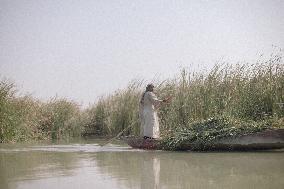
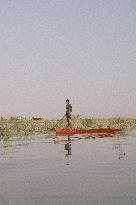
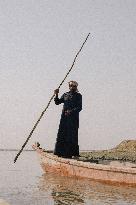
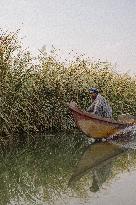
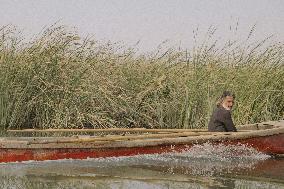
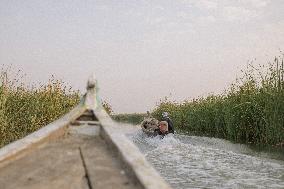
A man stands on a wooden narrow canoe in the waterways of the Chibayesh marshland in Iraq's southern Ahwar area of Dhi Qar on January 22, 2021. The Mesopotamian Marshes are located in southern Iraq, in the basin of the two mythical rivers of the Middle East: the Euphrates and the Tigris. The region is considered one of the cradles of civilization and, according to legend, even hosted the Gardens of Eden. The Marsh Arabs, also called Maadans, are an ancient community. It is estimated that they have occupied the marshes for almost 5,000 years. Between 1991 and 2003, the former dictator Saddam Hussein completely dried up the area because he believed it harbored his opponents. When he fell, the Maadans returned and tore down the dikes and dams he had built. The marshes have then almost returned to their original state. But in recent years, global warming and dams built upstream of the two rivers in Turkey have once again put the marshes in danger. Photo by Aline Deschamps/Middle East Images/ABACAPRESS.COM

  •  
The Marsh Arabs - Iraq

The Marsh Arabs - Iraq

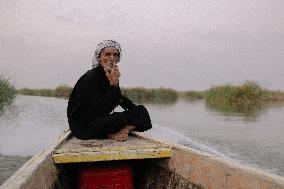
A man sits on a wooden narrow canoe in the waterways of the Chibayesh marshland in Iraq's southern Ahwar area of Dhi Qar on January 22, 2021. The Mesopotamian Marshes are located in southern Iraq, in the basin of the two mythical rivers of the Middle East: the Euphrates and the Tigris. The region is considered one of the cradles of civilization and, according to legend, even hosted the Gardens of Eden. The Marsh Arabs, also called Maadans, are an ancient community. It is estimated that they have occupied the marshes for almost 5,000 years. Between 1991 and 2003, the former dictator Saddam Hussein completely dried up the area because he believed it harbored his opponents. When he fell, the Maadans returned and tore down the dikes and dams he had built. The marshes have then almost returned to their original state. But in recent years, global warming and dams built upstream of the two rivers in Turkey have once again put the marshes in danger. Photo by Aline Deschamps/Middle East Images/ABACAPRESS.COM

  •  
The Marsh Arabs - Iraq

The Marsh Arabs - Iraq

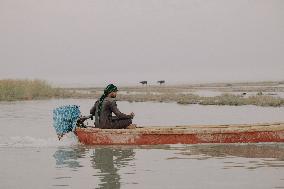
A man rows a wooden narrow canoe in the waterways of the Chibayesh marshland in Iraq's southern Ahwar area of Dhi Qar on January 22, 2021. The Mesopotamian Marshes are located in southern Iraq, in the basin of the two mythical rivers of the Middle East: the Euphrates and the Tigris. The region is considered one of the cradles of civilization and, according to legend, even hosted the Gardens of Eden. The Marsh Arabs, also called Maadans, are an ancient community. It is estimated that they have occupied the marshes for almost 5,000 years. Between 1991 and 2003, the former dictator Saddam Hussein completely dried up the area because he believed it harbored his opponents. When he fell, the Maadans returned and tore down the dikes and dams he had built. The marshes have then almost returned to their original state. But in recent years, global warming and dams built upstream of the two rivers in Turkey have once again put the marshes in danger. Photo by Aline Deschamps/Middle East Images/ABACAPRESS.COM

  •  
The Marsh Arabs - Iraq

The Marsh Arabs - Iraq

A man stands on a wooden narrow canoe in the waterways in the Chibayesh marshland in Iraq's southern Ahwar area of Dhi Qar on January 22, 2021. The Mesopotamian Marshes are located in southern Iraq, in the basin of the two mythical rivers of the Middle East: the Euphrates and the Tigris. The region is considered one of the cradles of civilization and, according to legend, even hosted the Gardens of Eden. The Marsh Arabs, also called Maadans, are an ancient community. It is estimated that they have occupied the marshes for almost 5,000 years. Between 1991 and 2003, the former dictator Saddam Hussein completely dried up the area because he believed it harbored his opponents. When he fell, the Maadans returned and tore down the dikes and dams he had built. The marshes have then almost returned to their original state. But in recent years, global warming and dams built upstream of the two rivers in Turkey have once again put the marshes in danger. Photo by Aline Deschamps/Middle East Images/ABACAPRESS.COM

  •  
The Marsh Arabs - Iraq

The Marsh Arabs - Iraq

A fisherman stands on a wooden narrow canoe in the waterways of the Chibayesh marshland in Iraq's southern Ahwar area of Dhi Qar on January 22, 2021. The Mesopotamian Marshes are located in southern Iraq, in the basin of the two mythical rivers of the Middle East: the Euphrates and the Tigris. The region is considered one of the cradles of civilization and, according to legend, even hosted the Gardens of Eden. The Marsh Arabs, also called Maadans, are an ancient community. It is estimated that they have occupied the marshes for almost 5,000 years. Between 1991 and 2003, the former dictator Saddam Hussein completely dried up the area because he believed it harbored his opponents. When he fell, the Maadans returned and tore down the dikes and dams he had built. The marshes have then almost returned to their original state. But in recent years, global warming and dams built upstream of the two rivers in Turkey have once again put the marshes in danger. Photo by Aline Deschamps/Middle East Images/ABACAPRESS.COM

  •  
The Marsh Arabs - Iraq

The Marsh Arabs - Iraq

A man rows a wooden narrow canoe in the waterways of the Chibayesh marshland in Iraq's southern Ahwar area of Dhi Qar on January 22, 2021. The Mesopotamian Marshes are located in southern Iraq, in the basin of the two mythical rivers of the Middle East: the Euphrates and the Tigris. The region is considered one of the cradles of civilization and, according to legend, even hosted the Gardens of Eden. The Marsh Arabs, also called Maadans, are an ancient community. It is estimated that they have occupied the marshes for almost 5,000 years. Between 1991 and 2003, the former dictator Saddam Hussein completely dried up the area because he believed it harbored his opponents. When he fell, the Maadans returned and tore down the dikes and dams he had built. The marshes have then almost returned to their original state. But in recent years, global warming and dams built upstream of the two rivers in Turkey have once again put the marshes in danger. Photo by Aline Deschamps/Middle East Images/ABACAPRESS.COM

  •  
The Marsh Arabs - Iraq

The Marsh Arabs - Iraq

A man sits on a wooden narrow canoe in the waterways of the Chibayesh marshland in Iraq's southern Ahwar area of Dhi Qar on January 22, 2021. The Mesopotamian Marshes are located in southern Iraq, in the basin of the two mythical rivers of the Middle East: the Euphrates and the Tigris. The region is considered one of the cradles of civilization and, according to legend, even hosted the Gardens of Eden. The Marsh Arabs, also called Maadans, are an ancient community. It is estimated that they have occupied the marshes for almost 5,000 years. Between 1991 and 2003, the former dictator Saddam Hussein completely dried up the area because he believed it harbored his opponents. When he fell, the Maadans returned and tore down the dikes and dams he had built. The marshes have then almost returned to their original state. But in recent years, global warming and dams built upstream of the two rivers in Turkey have once again put the marshes in danger. Photo by Aline Deschamps/Middle East Images/ABACAPRESS.COM

  •  
The Marsh Arabs - Iraq

The Marsh Arabs - Iraq

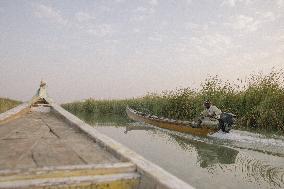
A man drives a wooden narrow canoe in the waterways of the Chibayesh marshland in Iraq's southern Ahwar area of Dhi Qar on January 22, 2021. The Mesopotamian Marshes are located in southern Iraq, in the basin of the two mythical rivers of the Middle East: the Euphrates and the Tigris. The region is considered one of the cradles of civilization and, according to legend, even hosted the Gardens of Eden. The Marsh Arabs, also called Maadans, are an ancient community. It is estimated that they have occupied the marshes for almost 5,000 years. Between 1991 and 2003, the former dictator Saddam Hussein completely dried up the area because he believed it harbored his opponents. When he fell, the Maadans returned and tore down the dikes and dams he had built. The marshes have then almost returned to their original state. But in recent years, global warming and dams built upstream of the two rivers in Turkey have once again put the marshes in danger. Photo by Aline Deschamps/Middle East Images/ABACAPRESS.COM

  •  
The Marsh Arabs - Iraq

The Marsh Arabs - Iraq

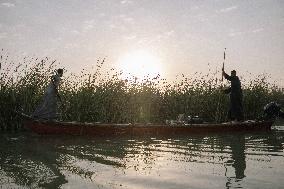
Men row a narrow wooden canoe in a waterways of the Chibayesh marshland in Iraq's southern Ahwar area of Dhi Qar on January 22, 2021. The Mesopotamian Marshes are located in southern Iraq, in the basin of the two mythical rivers of the Middle East: the Euphrates and the Tigris. The region is considered one of the cradles of civilization and, according to legend, even hosted the Gardens of Eden. The Marsh Arabs, also called Maadans, are an ancient community. It is estimated that they have occupied the marshes for almost 5,000 years. Between 1991 and 2003, the former dictator Saddam Hussein completely dried up the area because he believed it harbored his opponents. When he fell, the Maadans returned and tore down the dikes and dams he had built. The marshes have then almost returned to their original state. But in recent years, global warming and dams built upstream of the two rivers in Turkey have once again put the marshes in danger. Photo by Aline Deschamps/Middle East Images/ABACAPRESS.COM

  •  
The Marsh Arabs - Iraq

The Marsh Arabs - Iraq

A man drives a wooden narrow canoe in the waterways of the Chibayesh marshland in Iraq's southern Ahwar area of Dhi Qar on January 22, 2021. The Mesopotamian Marshes are located in southern Iraq, in the basin of the two mythical rivers of the Middle East: the Euphrates and the Tigris. The region is considered one of the cradles of civilization and, according to legend, even hosted the Gardens of Eden. The Marsh Arabs, also called Maadans, are an ancient community. It is estimated that they have occupied the marshes for almost 5,000 years. Between 1991 and 2003, the former dictator Saddam Hussein completely dried up the area because he believed it harbored his opponents. When he fell, the Maadans returned and tore down the dikes and dams he had built. The marshes have then almost returned to their original state. But in recent years, global warming and dams built upstream of the two rivers in Turkey have once again put the marshes in danger. Photo by Aline Deschamps/Middle East Images/ABACAPRESS.COM

  •  
The Marsh Arabs - Iraq

The Marsh Arabs - Iraq

A man sits on a wooden narrow canoe in the waterways of the Chibayesh marshland in Iraq's southern Ahwar area of Dhi Qar on January 22, 2021. The Mesopotamian Marshes are located in southern Iraq, in the basin of the two mythical rivers of the Middle East: the Euphrates and the Tigris. The region is considered one of the cradles of civilization and, according to legend, even hosted the Gardens of Eden. The Marsh Arabs, also called Maadans, are an ancient community. It is estimated that they have occupied the marshes for almost 5,000 years. Between 1991 and 2003, the former dictator Saddam Hussein completely dried up the area because he believed it harbored his opponents. When he fell, the Maadans returned and tore down the dikes and dams he had built. The marshes have then almost returned to their original state. But in recent years, global warming and dams built upstream of the two rivers in Turkey have once again put the marshes in danger. Photo by Aline Deschamps/Middle East Images/ABACAPRESS.COM

  •  
The Marsh Arabs - Iraq

The Marsh Arabs - Iraq

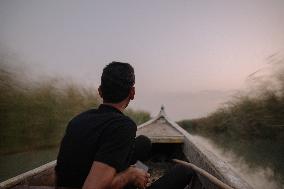
A man sits on a wooden narrow canoe in the waterways of the Chibayesh marshland in Iraq's southern Ahwar area of Dhi Qar on January 22, 2021. The Mesopotamian Marshes are located in southern Iraq, in the basin of the two mythical rivers of the Middle East: the Euphrates and the Tigris. The region is considered one of the cradles of civilization and, according to legend, even hosted the Gardens of Eden. The Marsh Arabs, also called Maadans, are an ancient community. It is estimated that they have occupied the marshes for almost 5,000 years. Between 1991 and 2003, the former dictator Saddam Hussein completely dried up the area because he believed it harbored his opponents. When he fell, the Maadans returned and tore down the dikes and dams he had built. The marshes have then almost returned to their original state. But in recent years, global warming and dams built upstream of the two rivers in Turkey have once again put the marshes in danger. Photo by Aline Deschamps/Middle East Images/ABACAPRESS.COM

  •  
The Marsh Arabs - Iraq

The Marsh Arabs - Iraq

A man drives a narrow wooden canoe in the waterways of the Chibayesh marshland in Iraq's southern Ahwar area of Dhi Qar on January 22, 2021. The Mesopotamian Marshes are located in southern Iraq, in the basin of the two mythical rivers of the Middle East: the Euphrates and the Tigris. The region is considered one of the cradles of civilization and, according to legend, even hosted the Gardens of Eden. The Marsh Arabs, also called Maadans, are an ancient community. It is estimated that they have occupied the marshes for almost 5,000 years. Between 1991 and 2003, the former dictator Saddam Hussein completely dried up the area because he believed it harbored his opponents. When he fell, the Maadans returned and tore down the dikes and dams he had built. The marshes have then almost returned to their original state. But in recent years, global warming and dams built upstream of the two rivers in Turkey have once again put the marshes in danger. Photo by Aline Deschamps/Middle East Images/ABACAPRESS.COM

  •  
The Marsh Arabs - Iraq

The Marsh Arabs - Iraq

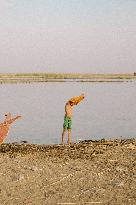
A boy gets ready to swim in the waterways of the Chibayesh marshland in Iraq's southern Ahwar area of Dhi Qar on January 22, 2021. The Mesopotamian Marshes are located in southern Iraq, in the basin of the two mythical rivers of the Middle East: the Euphrates and the Tigris. The region is considered one of the cradles of civilization and, according to legend, even hosted the Gardens of Eden. The Marsh Arabs, also called Maadans, are an ancient community. It is estimated that they have occupied the marshes for almost 5,000 years. Between 1991 and 2003, the former dictator Saddam Hussein completely dried up the area because he believed it harbored his opponents. When he fell, the Maadans returned and tore down the dikes and dams he had built. The marshes have then almost returned to their original state. But in recent years, global warming and dams built upstream of the two rivers in Turkey have once again put the marshes in danger. Photo by Aline Deschamps/Middle East Images/ABACAPRESS.COM

  •  
The Marsh Arabs - Iraq

The Marsh Arabs - Iraq

A man sits on a wooden narrow canoe in the waterways of the Chibayesh marshland in Iraq's southern Ahwar area of Dhi Qar on January 22, 2021. The Mesopotamian Marshes are located in southern Iraq, in the basin of the two mythical rivers of the Middle East: the Euphrates and the Tigris. The region is considered one of the cradles of civilization and, according to legend, even hosted the Gardens of Eden. The Marsh Arabs, also called Maadans, are an ancient community. It is estimated that they have occupied the marshes for almost 5,000 years. Between 1991 and 2003, the former dictator Saddam Hussein completely dried up the area because he believed it harbored his opponents. When he fell, the Maadans returned and tore down the dikes and dams he had built. The marshes have then almost returned to their original state. But in recent years, global warming and dams built upstream of the two rivers in Turkey have once again put the marshes in danger. Photo by Aline Deschamps/Middle East Images/ABACAPRESS.COM

  •  
The Marsh Arabs - Iraq

The Marsh Arabs - Iraq

A man sits on a wooden narrow canoe in the waterways of the Chibayesh marshland in Iraq's southern Ahwar area of Dhi Qar on January 22, 2021. The Mesopotamian Marshes are located in southern Iraq, in the basin of the two mythical rivers of the Middle East: the Euphrates and the Tigris. The region is considered one of the cradles of civilization and, according to legend, even hosted the Gardens of Eden. The Marsh Arabs, also called Maadans, are an ancient community. It is estimated that they have occupied the marshes for almost 5,000 years. Between 1991 and 2003, the former dictator Saddam Hussein completely dried up the area because he believed it harbored his opponents. When he fell, the Maadans returned and tore down the dikes and dams he had built. The marshes have then almost returned to their original state. But in recent years, global warming and dams built upstream of the two rivers in Turkey have once again put the marshes in danger. Photo by Aline Deschamps/Middle East Images/ABACAPRESS.COM

  •  

China's agricultural expertise fuels prospects for rice self-sufficiency in Fiji

STORY: China's agricultural expertise fuels prospects for rice self-sufficiency in Fiji SHOOTING TIME: March 13, 2024 DATELINE: March 19, 2024 LENGTH: 00:02:06 LOCATION: Suva CATEGORY: SOCIETY SHOTLIST: 1. various of Fijian farmers working with experts of China-Aid Agricultural Development Project in Fiji 2. SOUNDBITE 1 (Chinese): CHEN HUAZAO, Team leader of China-Aid Agricultural Development Project in Fiji 3. SOUNDBITE 2 (Chinese): WU MINGKUI, Seed breeding expert of China-Aid Agricultural Development Project in Fiji 4. SOUNDBITE 3 (English): TEKINI NAKIDAKIDA, Deputy secretary for Agriculture Development, Fijian Ministry of Agriculture and Waterways STORYLINE: Rice has been cultivated for many decades in Fiji, serving as a major source of food for its population. However, the country's rice industry has faced challenges in recent years, marked by a decline in both lands and production, mainly due to traditional farming practices, labor shortage and the impacts of climate change. Fiji produces less tha

  •  

Turkish female gendarmerie commandos mark Int'l Women's Day over Bosphorus Strait

STORY: Turkish female gendarmerie commandos mark Int'l Women's Day over Bosphorus Strait SHOOTING TIME: March 8, 2024 DATELINE: March 9, 2024 LENGTH: 0:01:22 LOCATION: ISTANBUL, Türkiye CATEGORY: SOCIETY SHOTLIST: 1. various of the event 2. various of the Bosphorus Bridge STORYLINE: Turkish female gendarmerie commandos celebrated International Women's Day on Friday with a remarkable activity over the Bosphorus Strait in Istanbul. Six non-commissioned officers from the Gendarmerie Commando Special Operations unit used ropes to descend on boats from the 64-meter-high Bosphorus Bridge to mark the occasion. The activity attracted public interest, with crowds gathering along the shores to watch the commandos and shoot videos. The bridge, which spans over the 31-kilometer-long strait, one of the busiest waterways, connects the European and Asian sides of Istanbul. The sea traffic on both sides of the strait was temporarily suspended during the event. Xinhua News Agency correspondents reporting from Istanbul

  • Main
  • Top
  • Editorial
  • Creative
  • About Us
  • About ILG
  • Terms of use
  • Company
  • BEHIND
  • Price List
  • Single Plan
  • Monthly Plan
  • Services
  • Shooting
  • Rights Clearance
  • Support
  • FAQ
  • How To Buy
  • Contact Us
  • Become a Partner

© KYODO NEWS IMAGES INC

All Rights Reserved.

  • Editorial
  • Olympics
  • News
  • Sports
  • Japan
  • Tech
  • Royal
  • Disaster
  • NorthKorea
  • Old Japan
  • SNS
  • Creative
  • Food
  • Japan
  • Landscape
  • Animal
  • Popular
  • #Ukraine
  • #Thailand
  • #coronavirus
  • #N. Korea
  • #China
  • #Russia
  • #Ukraine
  • #Thailand
  • #coronavirus
  • #N. Korea
  • #China
  • #Russia
  • Food
  • Japan
  • Landscape
  • Animal
  • Olympics
  • News
  • Sports
  • Japan
  • Tech
  • Royal
  • Disaster
  • NorthKorea
  • Old Japan
  • SNS